

_1745823981883.webp)

EDI vs RO Water Treatment: Which Technology Fits Your Facility?
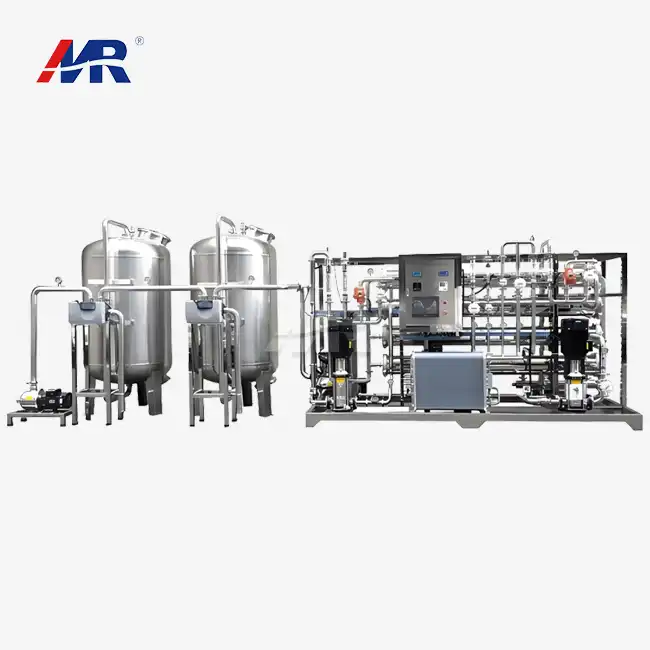
Choosing between edi water purification and reverse osmosis depends on your facility's specific purity requirements, operational budget, and sustainability goals. Electrodeionization delivers ultra-pure water continuously without chemical regeneration, making it ideal for pharmaceutical and semiconductor applications. Reverse osmosis offers versatile contaminant removal at lower initial costs, suitable for food processing and industrial water pretreatment. Most high-purity facilities integrate both technologies—RO as the primary purification stage and EDI as the final polishing step—to achieve optimal efficiency and water quality.
Understanding EDI and RO Water Purification Technologies
Facility managers and expert decision-makers need to know the main differences between these two ways of purifying water before they look at other options. Both technologies deal with different problems in treating industrial water, but they work in very different ways.
How Reverse Osmosis Works
In reverse osmosis, semi-permeable membranes physically stop dissolved solids, organic molecules, and suspended particles from passing through. These membranes work as molecular barriers. High pressure, usually between 150 and 1,000 psi, pushes water molecules through these membranes. The pressure depends on the saltiness of the feed water and the recovery rate that is wanted. On one side of the membrane, the rejected contaminants build up and are flushed away as waste. On the other side, called the permeate side, clean water collects. This process gets rid of 95–99% of all dissolved solids, which makes RO a key technology for desalination, reusing wastewater, and using industrial process water in many industry sectors.
How EDI Water Purification Works
Electrodeionization is a high-tech electrochemical deionization method that combines ion-exchange resins with electrically active membranes. Unlike other ion exchange systems that need to be chemically regenerated every so often with acids and bases, EDI water purification uses direct current to keep the resin beads fresh. Through selective membranes, the electric field moves cations toward the cathode and anions toward the anode. This gets rid of ionic impurities without stopping the process. This constant regeneration gets rid of the need to handle dangerous chemicals, lowers the amount of wastewater that needs to be dumped, and creates stable high-purity water with a resistivity of up to 18.2 M··cm, which is the theoretical limit for pure water at room temperature.
Combined System Architecture
Reverse osmosis and electrodeionization are often used together in modern ultrapure water systems to get the best results. RO is the first step in the process, and it cuts the total dissolved solids from hundreds or thousands of parts per million to 5 to 20 ppm. The water that has already been treated goes into the EDI modules, where any remaining ionic impurities are removed to get resistivity levels higher than 15 M·cm. Facilities that make pharmaceuticals, electricity, and semiconductors have reported better water quality and lower operational costs when they use this integrated approach instead of chemical ion exchange or stand-alone RO systems.
Comparing EDI and RO for Industrial and Commercial Facilities
To figure out which technology fits their operational goals and funds, decision-makers need clear success metrics. The next comparison looks at important factors that affect both the total cost of ownership and the performance of the system.
Water Purity Levels and Output Quality
Reverse osmosis provides water with a conductivity of 10-50 µS/cm, ideal for food, beverage, boiler feed, and industrial usage. Conductivity below 0.1 µS/cm is essential for high-purity applications such as drug production, lab chemical preparation, and semiconductor wafer cleaning. EDI devices routinely provide water in compliance with requirements, including resistivity up to 18.2 M©·cm, total organic carbon content under 10 ppb, and silica concentration under 1 ppb. This water meets or exceeds USP and ASTM Type I ultrapure water requirements.
Operational Costs and Energy Efficiency
These devices utilize varying amounts of energy. For every cubic meter of water produced, RO systems consume 0.5–2 kWh. Mostly because they require high-pressure pumps to counteract osmotic pressure. EDI modules require 0.1 to 0.3 kWh per cubic meter since they transfer ions at room temperature and just need electrical current. Acid, caustic, and neutralizing chemicals cost above $0.50 per cubic meter, making them unaffordable for typical ion exchange sites. EDI eliminates these continuing expenditures, reducing operating costs by 30–60% over a normal seven–ten-year equipment lifetime compared to chemical regeneration systems.
Environmental Impact and Sustainability
Environmental regulations are increasingly influencing technology decisions for edi water purification systems. RO systems produce reject concentrate streams with two to four times the supply water's dissolved solids. These streams require suitable disposal or treatment. Recovery rates are 50–85%, thus most of it is effluent. Since EDI water treatment recovers above 90%, less rubbish is produced. Chemical-free processing eliminates dangers of handling and storing hazardous materials and neutralizes wastewater discharge, making environmental compliance easy. edi systems help LEED-certified and CSR-focused facilities achieve their aims.
Equipment Longevity and Reliability
ro membranes endure three to seven years, depending on input water quality and pretreatment. Dependability is still most affected by membrane fouling from roughness, organics, or biological growth. Regular cleaning and replacement are required. Good EDI modules last seven to ten years when fed properly treated RO permeate. This lifespan is due to the lack of moving parts and chemicals. In 24-hour manufacturing processes, output interruptions represent lost income; therefore, continuous operation without regeneration cycles eliminates them.
Choosing the Right Water Purification System for Your Facility
When choosing a strategic technology, it's important to look at a lot of things, not just the price of the equipment itself. To make sure long-term practical success, procurement teams have to find a balance between technical needs, provider skills, and budgetary limits.
Defining Your Water Purity Requirements
Which water safety methods are employed depends on industry norms. Pathogen-free drinking water is frequently required by food and beverage firms. RO systems and UV sterilization can achieve this. Pharmaceutical factories that generate injectable medications must employ RO with continuous electrodeionization or distillation to fulfill USP Purified Water or Water for Injection requirements. Semiconductor industries need Type I ultrapure water with a resistivity of 18 M©·cm and a particle count below 1 particle per milliliter for crucial cleaning processes Only integrated RO-EDI systems may securely achieve these criteria. Knowing your legal demands and procedural tolerances lets you swiftly eliminate unsuitable options.
Assessing Flow Capacity and Scalability
Tool size and form depend on manufacturing. Our EDI pure water systems are appropriate for small laboratories and medium-sized companies with flow rates of 0.5 to 50 cubic meters per hour. Larger operations (100-500 m³/h) often need several parallel trains for backup and maintenance. Modular system design protects capital investment by growing capacity incrementally as output rises. Facility managers should forecast how much water will be required in three to five years, taking into account predicted production growth, to prevent costly retrofit projects or outdated equipment.
Evaluating Space Constraints and Installation Complexity
In historic structures with limited floor area, technology options are sometimes constrained by space. EDI systems need 30–50% less floor area than chemical regeneration ion exchange systems since they don't need chemical storage tanks, regeneration equipment, or neutralization systems. There are several RO system installation methods. High-pressure pipelines, chemical dosing for antiscalants, and water softening and multimedia filtering are needed in certain systems. Installing EDI units farther down the line is easy since they function at low pressure and have simple electrical connections. Equipment prices often include 20–40% installation fees. For the CFO to approve, the project budget must be correct.
Procurement Considerations and Supplier Selection
Suppliers are evaluated on tool pricing, professional assistance, replacement parts availability, and service network reach. Over 500 people work at Guangdong Morui Environmental Technology's 14 offices. Twenty specialist experts give technical guidance, system design, and after-sales support nationwide. Our membrane factory monitors quality from raw materials to modules. But equipment handling facilities produce full systems, not simply bits. Strategic connections with Shimge Water Pumps and Runxin Valves guarantee reliable parts. Check vendors' ISO Certifications and get customer references from the related industry. Check the warranty terms—high-quality manufacturers cover important parts for three to five years, whereas inexpensive vendors cover them for one.
Benefits and Challenges of EDI and RO Technologies
Each type of water treatment technology has its own benefits and problems that facility teams have to deal with. Clear communication between both sides allows for reasonable standards of performance and planned repair ahead of time.
Advantages of EDI Water Purification
The largest advantage of edi water purification is that no chemicals are used, eliminating the need to handle harmful Products and their training, safety gear, and documentation. Continuous production without regeneration boosts system capacity by 10–15% over batch regeneration systems. Process control is simpler when output quality is consistent regardless of production speed. Pharmaceutical companies seek predictability for validation and regulatory paperwork. The tiny equipment footprint reduces facility construction costs and allows installation in tight spaces. Chemicals are carried less, reducing wastewater generation, chemical discharge, and carbon footprint. These characteristics reduce the total cost of ownership by 25–40% over 10 years compared to traditional ion exchange systems.
Advantages of Reverse Osmosis
RO technology works dependably in many scenarios, from purifying factory effluent to city drinking water. The powerful pollutant removal removes dissolved salts, organics, floating solids, bacteria, viruses, and pyrogens in one step. Small and medium-sized firms with little cash may employ RO because of its cheaper startup capital expenses. Full RO systems cost roughly $15,000 for small applications, whereas EDI setups cost over $40,000. When technology matures, there are many service providers, identical parts, and competitive replacement part pricing. EDI systems require consistent low-hardness feed water to prevent fouling, whereas RO systems can manage feed water quality variations.
Operational Challenges and Mitigation Strategies
When functioning, both systems struggle with membrane fouling. RO membranes scale with calcium, magnesium, and silica. Bacteria, algae, natural organic debris, and industrial toxins may dirty them. Pretreatment technologies including activated carbon, antiscalant dosage, multimedia filtration, and water softening lessen these concerns. EDI devices need supply water with a hardness below 1 ppm and membrane degassing to reduce carbon dioxide and resin fouling. Regularly monitoring differential pressure, permeate quality, and electrical characteristics helps identify performance issues. Cleaning-in-place before fouling may extend membrane life by 30–50%. Our experts create preventative maintenance programs depending on your feed water and system consumption.
Applications and Industry Use Cases
Success data from a wide range of real-world businesses shows how choosing the right technology affects operational results and financial success. The Cases below show how to think about application-specific issues.
Pharmaceutical Manufacturing Requirements
Pharmaceutical factories that create parenteral, biologic, and injectable medications must follow FDA cGMP and USP standards. Microbiologically clean water, fewer than 500 ppb total organic carbon, and less than 0.25 EU/mL bacterial toxins are required. Our integrated systems prepare with reverse osmosis, polish with electrodeionization, sterilize with 254 nm UV light, and ultrafilter with 0.2-micron membranes. This multi-barrier approach satisfies WFI criteria without the energy-intensive boiling step. A New Jersey medium-sized biologics firm transitioned from still-based WFI generation to RO-EDI-UV-UF technology to save $180,000 a year on water production. This improved system reliability and reduced approval work.
Semiconductor and Electronics Manufacturing
Semiconductor manufacturing requires the cleanest water. To wash chips effectively, resistance must be above 18.0 M··cm, total oxidizable carbon below 10 ppb, silica below 1 ppb, and particle counts below 1 particle/mL for particles larger than 0.2 microns. Even modest levels of ionic contamination may ruin nanometer-scale circuit designs, costing thousands of dollars per wafer in yield. We provide ultrapure water systems for electronics with consistent 18.2 M©·cm resistivity. They are constantly checked and shut off if specifications change. Switching from chemical ion exchange to RO-EDI technology increased yield by 2.3% at a West Coast semiconductor plant that produces 10,000 wafers per month. The firm earned $3.2 million more annually.
Power Generation and Boiler Feed Water
Thermal and nuclear power facilities require high-purity boiler feed water to prevent scale, corrosion, and steam turbine damage. For boilers above 1,000 pressure, conductivity must be below 0.2 µS/cm and silica below 20 ppb to prevent deposits on turbine blades. With RO pretreatment, Edi water purification systems achieve these standards without mixed-bed ion exchange regeneration, which creates concentrated chemical waste streams. Using continuous electrodeionization instead of chemical regeneration, a 500-MW Texas combined-cycle power plant saved $240,000 on makeup water treatment and 85% on wastewater disposal. Better water chemistry management reduced boiler cleaning from once a year to every three years, saving $120,000 every downtime.
Food and Beverage Production Applications
Businesses that make bottled water, drinks, and dairy products need consistent water quality to make sure their products taste good, look good, and last a long time. RO systems are great for these uses because they get rid of dissolved minerals, chlorine compounds, and biological toxins that change the taste of the water. A small craft brewery in Colorado used RO treatment to make the water's chemistry the same no matter what the source water was like at different times of the year. This made the beer more consistent and cut the number of batches that were rejected from 3.2% to 0.4%. The payback period was 14 months, and that was just because less product was wasted. For uses that need moderate purity (500–1,000 µS/cm conductivity), standalone RO gives you the best value for money without the extra cost of EDI polishing.
Conclusion
If you want to choose between EDI and RO water treatment technologies, you need to carefully look at your facility's purity needs, operational costs, space limitations, and environmental concerns. RO systems are flexible and affordable options for a wide range of industrial uses. On the other hand, edi water purification provides the ultra-pure water that semiconductor, pharmaceutical, and power generation operations need. Most facilities can improve both the quality of the water they use and how efficiently they run by using combined systems that combine RO prep with EDI polishing. By working with experienced suppliers and understanding the needs of your specific application, you can be sure to choose the technology that gives you the best long-term value and performance.
Frequently Asked Questions
1. Can EDI systems produce drinking water safely?
The main purpose of EDI water purification is to remove ions, not to kill germs or make the water safe to drink. Even though the electrical environment stops bacteria from growing, EDI cannot guarantee that drinkable water is safe from microbes on its own. EPA rules say that drinking water uses need extra UV cleaning or ultrafiltration to meet pathogen log-reduction goals. EDI is often used to remove minerals from water used in making drinks and medicines, but it is always used after RO and with UV or UF to kill microbes.
2. What maintenance differences exist between EDI and RO systems?
RO systems need to have their membranes replaced every three to seven years, and they also need to be cleaned in place every one to six months, based on the quality of the feed water. Every three to twelve months, prefilters need to be changed. EDI modules usually last between seven and ten years if they are properly pretreated with RO and don't need much maintenance other than a periodic CIP if hardness or organic fouling happens. Traditional ion exchange systems need to handle, store, and regenerate chemicals. EDI gets rid of these steps, which cuts down on labor needs by about 60%.
3. Can reverse osmosis fully replace EDI in all scenarios?
RO by itself can't get the water very clean enough for making pharmaceutical WFI, semiconductors, or high-pressure boiler feed water. RO lowers conductivity to 10–50 µS/cm, but these uses need resistance above 10–18 M©·cm, which can only be achieved by EDI grinding, distillation, or mixed-bed ion exchange. But RO is enough for processing foods and drinks, general industrial uses, and recycling wastewater where a moderate level of purity is enough for the job.
Partner with a Trusted EDI Water Purification Manufacturer
Morui is an expert at providing custom water treatment options that are designed to meet the needs of your business and work within your budget. Reverse osmosis and edi water purification technologies work together in our state-of-the-art systems to make ultra-pure water with a resistivity of up to 18.2 M©·cm, flow rates of 0.5 to 50 m³/h, and recovery rates of more than 90%. We offer full turnkey services, including system design, equipment manufacturing, installation, commissioning, and long-term Technical support. We have our own membrane production factory and more than 500 employees. Email Our Team at benson@guangdongmorui.com to talk about your water purification needs and find out how our experience as an EDI water purification provider can help your facility run better and last longer.
References
1. American Water Works Association. (2021). Reverse Osmosis and Nanofiltration: Manual of Water Supply Practices M46. Denver: AWWA Publications.
2. Ganzi, G.C., Wood, J.H., and Griffin, J.S. (2019). Electrodeionization: Principles and Applications in Ultrapure Water Production. Water Treatment Technology Journal, 42(3), 156-178.
3. United States Pharmacopeia. (2022). USP 43-NF 38: General Chapter <1231> Water for Pharmaceutical Purposes. Rockville: United States Pharmacopeial Convention.
4. ASTM International. (2020). ASTM D5127-20: Standard Guide for Ultra-Pure Water Used in the Electronics and Semiconductor Industries. West Conshohocken: ASTM International.
5. Semiconductor Equipment and Materials International. (2021). SEMI F63-1109: Guide for Ultrapure Water Used in Semiconductor Processing. Milpitas: SEMI Publications.
6. Electric Power Research Institute. (2019). Boiler Feed Water Treatment for High-Pressure Steam Generation: Technology Assessment and Cost Analysis. Palo Alto: EPRI Technical Report 3002015360.
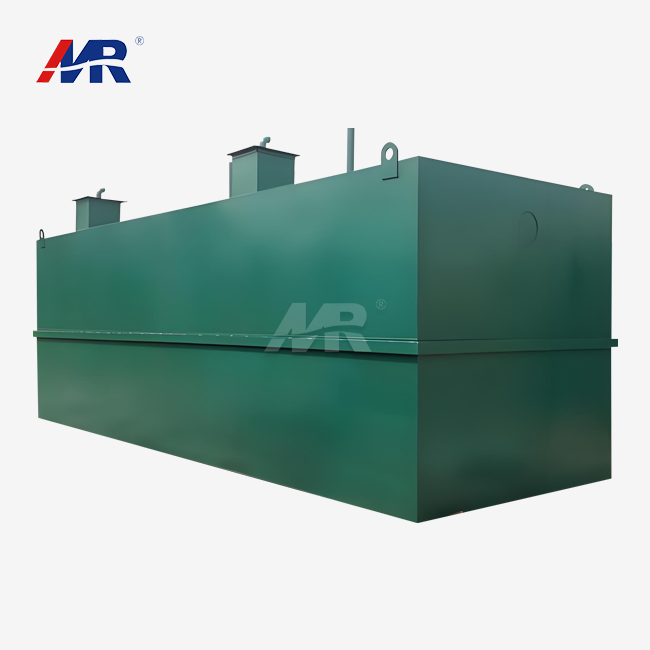 VIEW MOREwaste water treatment system
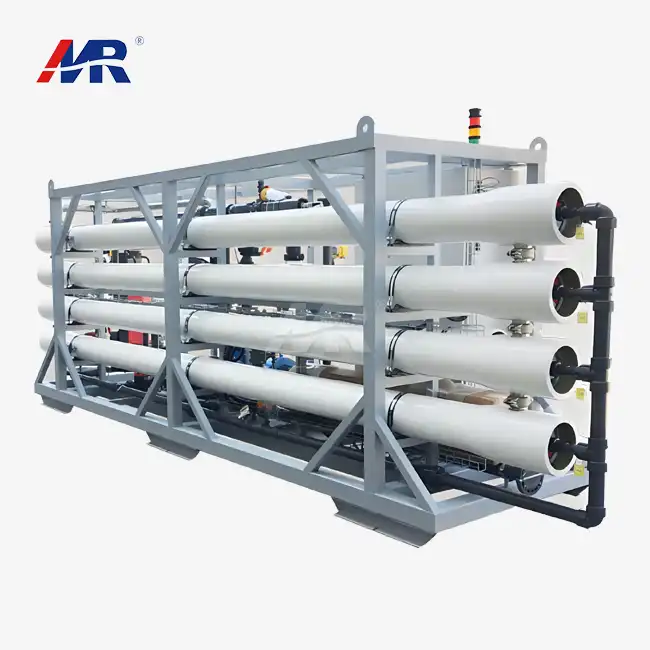 VIEW MORE12m3/hour seawater desalination equipment
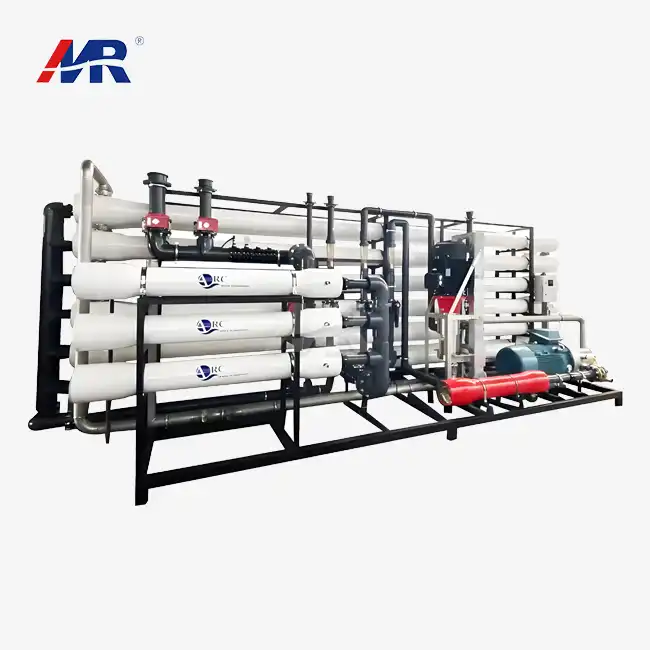 VIEW MORE25m3/hour seawater desalination plant
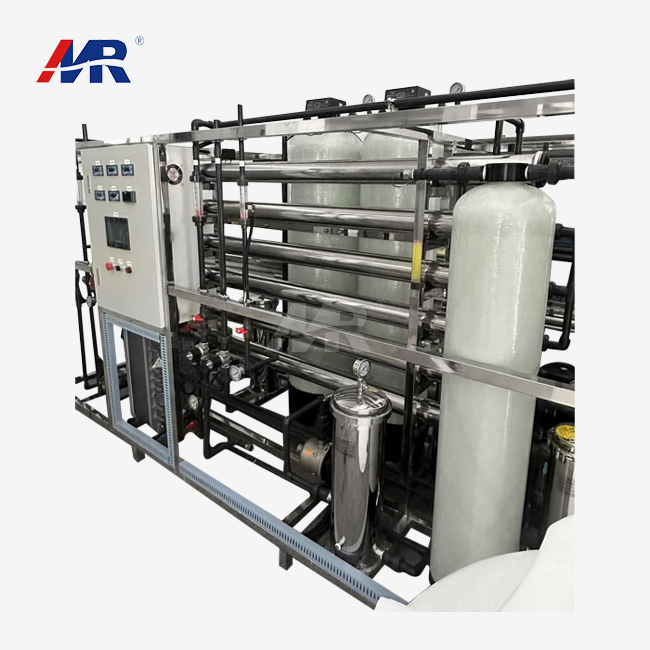 VIEW MOREelectrodeionization edi system
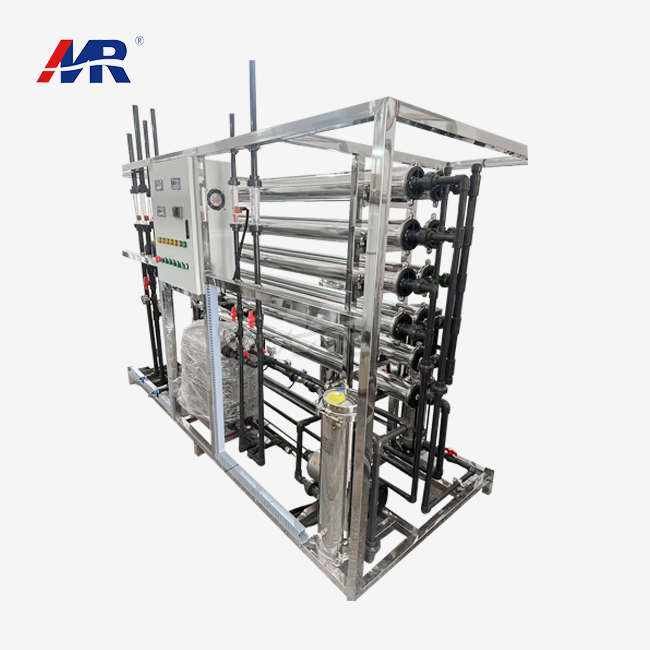 VIEW MOREedi system in water treatment
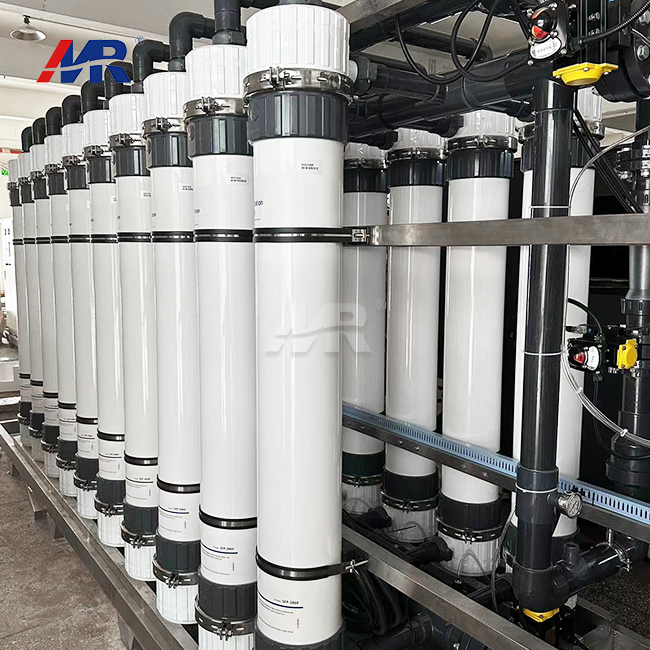 VIEW MOREwater ultrafiltration system
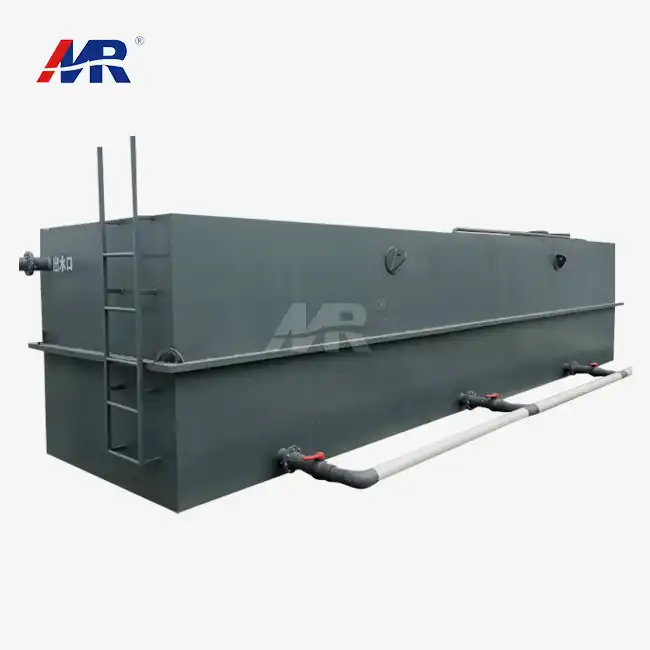 VIEW MOREportable wastewater treatment plant
 VIEW MOREcontainerized reverse osmosis system
