_1745823981883.webp)

How to Troubleshoot Low Pressure in Reverse Osmosis Purification System
When your reverse osmosis purification system experiences low pressure, it compromises water quality, reduces production efficiency, and accelerates membrane degradation. Low pressure typically manifests as decreased permeate flow, inconsistent rejection rates, or complete system failure. Understanding how to systematically identify and resolve pressure issues protects your operational investment and ensures continuous delivery of high-purity water across pharmaceutical manufacturing, electronics fabrication, food processing, and municipal treatment facilities. Through proper diagnosis and targeted corrective measures, industrial operators can restore optimal pressure parameters, extend equipment lifespan, and maintain compliance with stringent water quality standards.
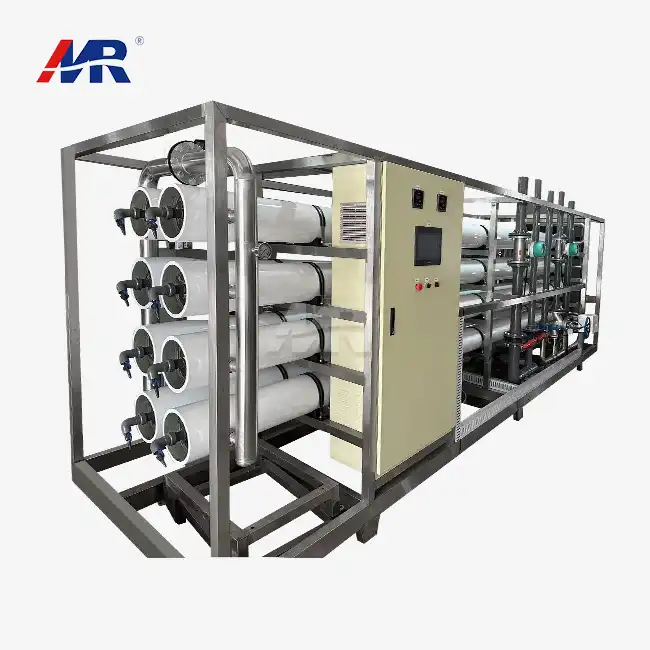
Understanding Low Pressure in Reverse Osmosis Systems
Low pressure in RO water treatment equipment is a major operating failure that affects the effectiveness of membrane separation and the ability to reject contaminants. When the pressure goes below the normal 150–300 psi range for industrial systems, the driving force needed to overcome osmotic pressure weakens. This lets heavy metals, organic chemicals, and dissolved solids pass through the semi-permeable barrier.
Critical Pressure Parameters
Modern RO systems use thin-film hybrid membranes that need to be under certain pressures to work at their 99.5% rejection rate. There are two things that the feed water pressure has to beat: the natural osmotic pressure of the concentrate stream and the membrane's hydraulic resistance. When pressure drops below the minimum level, permeate production drops in a way that makes sense. Studies show that every 10 psi drop in pressure can cut water output by about 5 to 7 percent.
Operational Risks of Pressure Instability
When you don't manage pressure, operational problems start to pile up. When output goes down, run times have to be longer to meet production goals. This means that energy use could go from 3 to 5 kWh/m³ to 7 to 10 kWh/m³. Uneven flow across membrane surfaces creates areas where particulate fouling happens more quickly. The recovery rate drops from the best 70% to as low as 40–50%, which greatly raises the amount of wastewater and the cost of getting rid of it. Long periods of time in low-pressure conditions can permanently compact the membrane, which means it needs to be replaced early at a high cost.
Common Causes of Low Pressure
Unstable feed water pressure is usually caused by changes in the city's supply, well pumps that can't handle the demand, or demand from other facility operations. Before water gets to the high-pressure pump, sediment and activated carbon units that are clogged up in the pre-filters stop the flow. Pumps that don't work right because of worn impellers, leaky seals, or motor wear can't make the required pressure difference. Air is sucked out of the circuit by system leaks at connection points, valve seats, or housing O-rings. When scales, biological growth, or organic matter build up on a membrane, they raise its hydraulic resistance. This means that more pressure must be applied at the intake to keep the permeate flowing.
Diagnosing the Root Causes of Low Pressure
Systematically measuring pressure at key points in the RO system is the first step to accurate troubleshooting. For industrial use, pressure gauges or digital sensors must be regulated and able to read within ±2 psi of the true pressure across the 0–400 psi range.
Step-by-Step Testing Procedures
First, measure the pressure of the raw feed water that comes into the system before any pre-treatment parts are added. This initial reading shows if the problem is with the water source or with the RO equipment itself. Municipal water usually has a pressure range of 40 to 70 psi, while private wells may have a range of 30 to 50 psi. Check these numbers against the minimum inlet pressure standards for your system.
Next, check the pressure right away after the pre-filtration step. A big drop in pressure between the inlet and post-filter readings—usually more than 10 to 15 psi—means that the filter is full of sediment, the chlorine-reduction media are empty, or the filter tubes have fallen. Write down the pressure at the high-pressure pump outlet. It should be within the working range recommended by the maker based on the saltiness of the feed water and the rate of recovery that is wanted.
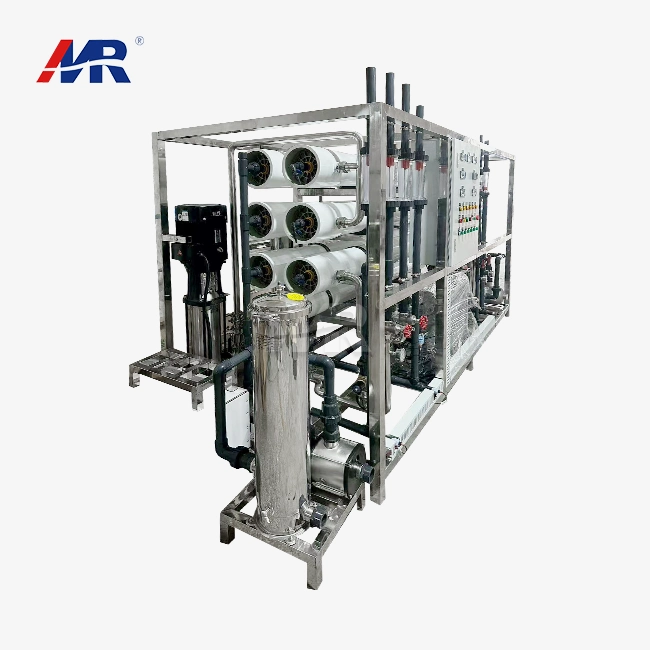
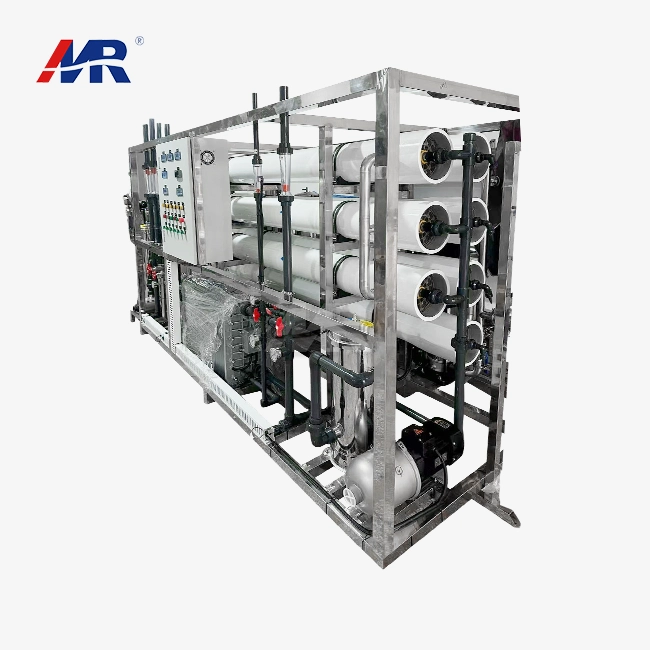
Check the pressure at the opening of the membrane vessel and compare it to the pressure at the stream exit of the concentrate in a reverse osmosis purification system. The difference in pressure across the membrane array should stay between 10 and 15 percent of the numbers that were set up at the beginning. High differential pressure means that the membrane is getting clogged or scaled, while readings that are too low could mean that the membrane is damaged or that the O-ring seal has failed, letting fluid flow inside.
Detecting Maintenance Needs
Pressure readings are not the only way to check for leaks. Check the pre-filter housings for cracks, cross-threading, or broken O-rings that let flow go around the filter. During planned maintenance times, open the filter housings to check the physical state of the cartridge media. Discoloration, channeling, or compaction are all signs that the media is exhausted. Check that the end caps of the membrane vessels are properly sealed, and look at the flow of the concentrate for any strange turbidity or color that could mean the membrane isn't working right.
Check the high-pressure pump for noise, vibrations, or temperature changes that don't seem normal. Listen for cavitation sounds that mean the feed water supply isn't good enough, or air is getting in from the suction side. Check the pump seals for wetness or crystalline crystals that could mean there is a small leak. Check the integrity of the pressure tank bladder by comparing the pre-charge pressure to the specs. If the bladder fails, the system will cycle randomly, and the pressure will be unstable.
Effective Solutions to Resolve Low Pressure Issues
For low-pressure situations to be fixed, the corrective measure must be matched to the root cause. Optimization methods include everything from easy changes to the pre-treatment to replacing parts and rearranging the system.
Optimizing Pre-Treatment Systems
Optimizing the pre-treatment process is the most cost-effective way to keep the system pressure steady. When differential pressure goes over the manufacturer's limits, which is usually every 3 to 6 months depending on the quality of the feedwater, sediment filter cartridges need to be replaced. Standard 5-micron cartridges keep particles from damaging carbon filters and membranes further down the line. Activated carbon filters need to be replaced every 6 to 12 months to keep the chlorine removal capacity below 0.05 ppm. This keeps the membrane from getting damaged by oxidation, which speeds up the flow rate.
Adding multimedia filtering before the RO system greatly increases the life of the cartridge filters and lowers the number of problems caused by high pressure. Automated backwashing filters with anthracite, sand, and garnet media get rid of turbidity and suspended solids with little help from a person. Water softeners keep membrane elements from scaling with calcium and magnesium, which keeps the hydraulic permeability and rejection performance.
Component Repair and Replacement
When diagnostic testing shows that a part is broken, replacing it right away with OEM-specified parts makes sure that the system works again. Under normal working conditions, ro membranes need to be replaced every 24 to 36 months. However, membranes that are highly fouled or scaled may need to be replaced sooner. Choose thin-film composite membranes that are rated for your use, such as producing ultrapure water, salty water, or brackish water. These membranes should have the right flow and salt rejection properties.
Rebuilding services that include new seals, bearings, and impellers are good for high-pressure pumps that are wearing out. Centrifugal pumps, which are common in industrial RO systems, should keep their efficiency above 70%. Units that are less than this waste energy and have trouble reaching their rated pressure. When leaks are seen, or the pump's cycling frequency goes up too much, the seals on positive displacement pumps used in smaller systems need to be replaced.
Pressure controllers and flow control valves keep the system running smoothly even when the feed water pressure and permeate demand change. If you can't get the desired set points with manual adjustment or if the internal seats show signs of wear from particle erosion, you should replace these parts. When compared to generic options, high-quality valves from well-known manufacturers offer better control and longer service life.
Along with our own system designs, Morui keeps a large stock of real spare parts that work with most major brands of equipment. As a result of partnerships with Shimge Water Pumps, Runxin Valves, and Createc Instruments, our engineering team has specified parts for more than 14 regional installations. These partnerships make sure that parts are available and that customers can get technical help. This unified supply chain method cuts down on downtime during important maintenance windows. This is especially important for clients in the pharmaceutical and semiconductor industries, where problems with water quality stop production lines.
System Recalibration and Enhancement
Once all the parts have been replaced, the reverse osmosis purification system needs to be re-calibrated to work at its best. Set the concentrate recirculation valve to the desired recovery rate, which is usually 70% for brackish water systems. This is done by balancing the amount of water produced with the amount of concentrate that needs to be disposed of. Check that the permeate flow meets the design requirements for flows with a capacity of 1,000 to 100,000 gallons per day, depending on how your system is set up.
Adding booster pumps fixes the problem of low feedwater pressure caused by municipal supplies or well pumps that are too small. Variable frequency drive pumps change their speed automatically to keep the outlet pressure constant even when the inlet pressure changes. This keeps membranes safe from pressure spikes and makes sure there is enough driving force when the pressure drops. Booster pumps of the right size add 40 to 80 psi to the feed water, bringing the total system pressure to the best 200 to 250 psi range for maximum efficiency and membrane longevity.
Advanced control systems keep an eye on pressure all the time at several locations and sound alarms when numbers change from what was expected. These systems can start shutting down immediately to protect membranes from damage caused by sudden pressure loss. Once conditions stabilize, they can then start up again using restart routines. With the ability to watch from afar, plant managers get real-time alerts that let them take action before small changes in pressure become major problems that stop production.
Preventive Maintenance to Avoid Future Low Pressure Problems
Most problems with pressure can be avoided before they affect operations by following proactive repair practices. Structured protective programs make sure that normal tasks are done by building staff and that the system is serviced by experts on a regular basis. This creates multiple layers of protection against system degradation.
Comprehensive Maintenance Checklist
As part of weekly tasks, all pressure gauges must be visually checked to make sure they are still reading within normal working ranges. Any trends that point to a slow drop in pressure must also be recorded. At the connection points, valve stems, and pump seals, look for leaks that you can see. Check the differential pressure of the pre-filter and plan to replace it when it gets close to the highest numbers that are allowed. Keep an eye on the permeate conductivity and flow rate as they can give you clues about the condition of the membrane and whether the system pressure is right.
As part of monthly maintenance, pressure release valves are tested, concentrate flow rates are checked, and the working of the high-pressure pump is checked for any strange noises or vibrations. Look at past pressure data to find trends, like yearly changes in the viscosity of the feed water that depend on temperature, or a slow drop that could mean the membrane is getting clogged up. Check valves and flow restrictors can get clogged up over time, so clean them or replace them.
As part of the quarterly maintenance, calculations are done to normalize the membrane's performance by comparing the current flux and rejection rates to data from the initial commissioning. This analysis takes changes in temperature and pressure into account, showing the true state of the membrane even when working variables change. When normalized flux drops by 10-15% or salt passage rises above what is acceptable, chemical cleaning-in-place procedures should be carried out. Professional membrane autopsy services figure out what kind of foulant is present and make changes to the pre-treatment or cleaning procedures based on their findings.
Every year, trained techs do system audits to make sure that all pressure sensors are working correctly by calibrating them against standard values. Check the inside of the membrane vessel to see if the elements are properly seated and there are no broken interconnectors or brine seals that allow water to pass through. Test high-pressure pumps under load to make sure they reach their stated pressure and flow rate across their entire working range. Instead of waiting for wear parts to break, replace them before they do according to the manufacturer's instructions.
Training and Smart Diagnostics
Operator training gives on-site teams the tools they need to spot early warning signs and take the right steps to fix problems before they affect production. Knowing how pressure, flow, and quality are connected helps workers tell the difference between normal changes and problems that need to be fixed. Proper startup and shutdown sequences, routine inspection steps, and decision trees for troubleshooting common problems should all be covered in training.
Smart diagnostic tools and remote tracking systems can make predictions that can't be made by looking at things by hand. Pressure trends are tracked over weeks and months by automated data logging, which uses algorithms to find slow changes that might not be seen every day. Experts can look at operating data without having to visit the site, thanks to remote support from equipment suppliers and specialized service providers. This speeds up diagnosis and resolution. Cloud-based platforms collect performance data from many installations and look for patterns and best practices that make the whole portfolio of facilities more reliable.
Conclusion
When reverse osmosis purification systems have low pressure, they need to be systematically diagnosed, fixed, and maintained in a way that keeps them from breaking down. Knowing how pressure, membrane performance, and water quality are connected helps operators keep systems running at their most efficient in a wide range of industrial settings. Most pressure-related problems can be avoided before they affect production by keeping an eye on things, replacing parts when they break, and making sure the pre-treatment process is optimized correctly. When problems do happen, thorough testing methods quickly find the root causes. This lets fixes work well to get things back to normal and make the equipment last longer. Putting money into the right maintenance equipment and training for operators pays off in a big way: less downtime, lower energy use, and consistent production of high-purity water that meets strict regulatory standards.
FAQ
1. What is the ideal operating pressure range for industrial RO systems?
Depending on the acidity of the feed water and the recovery rate that is wanted, industrial reverse osmosis systems usually work at 150 to 300 psi. Because seawater has a higher osmotic pressure, it needs 800-1,200 psi to desalinate, while brackish water needs 150–250 psi. Operating at the lower end of the range improves energy economy. Higher pressures increase permeate output but use more energy and cause membranes to wear out faster.
2. How often should RO membranes and pre-filters be replaced?
How often you change the pre-filter relies on the quality of the feed water and how often you check the differential pressure. Carbon filters last 6 to 12 months, while sediment filters need to be replaced every 3 to 6 months. In normal situations, RO membranes need to be replaced every 24 to 36 months. However, systems that are heavily clogged may need to be replaced sooner. Performance normalization calculations give a fair evaluation of the membrane's state that is not affected by random time constraints.
3. Can booster pumps effectively resolve chronic low-pressure issues?
Booster pumps can fix low-pressure issues when the main cause is either inadequate feed water pressure from public sources or source pumps that are too small. Booster pumps of the right size with variable frequency drives keep the system pressure fixed even when the conditions at the outlet change. Booster pumps can't fix problems inside the system, like membrane fouling, component leaks, or failed high-pressure pumps; these need to be fixed directly instead of adding extra pressure.
Partner with a Trusted Reverse Osmosis Purification System Manufacturer
Expertise, high-quality parts, and quick technical help are needed to keep a reverse osmosis purification system running at its best. Guangdong Morui Environmental Technology Co., Ltd. has more than ten years of experience in pharmaceutical, electronics, food processing, and municipal water treatment. Our 20-person engineering team creates unique solutions with capacities ranging from 1,000 to 100,000 GPD. These solutions use cutting-edge membrane technology and precise control systems. We offer full turnkey installations, commissioning services, and ongoing Technical support through our 14 regional branches and our own membrane manufacturing capabilities. Our strategic partnerships with Shimge Water Pumps, Runxin Valves, and Createc Instruments give us quick access to high-quality parts. Morui offers dependable solutions backed by full service, whether you need help with system optimization, emergency troubleshooting, or large purchases for setups on multiple sites. Email our technical team at benson@guangdongmorui.com to set up a free system review and find out how our knowledge can help your water cleaning operations.
References
1. Membrane Filtration Guidance Manual, U.S. Environmental Protection Agency Office of Water, 2005.
2. Wilf, M. and Bartels, C. "Optimization of Seawater RO Systems Design," Desalination Journal, Volume 173, Issue 1, 2005.
3. American Water Works Association. "Reverse Osmosis and Nanofiltration: Manual of Water Supply Practices M46," Second Edition, 2007.
4. Greenlee, L.F., Lawler, D.F., Freeman, B.D., Marrot, B., and Moulin, P. "Reverse Osmosis Desalination: Water Sources, Technology, and Today's Challenges," Water Research, Volume 43, Issue 9, 2009.
5. National Water Research Institute. "Treatment Technologies for Removal of Emerging Contaminants: Membrane Technology," Final Project Report, 2010.
6. Crittenden, J.C., Trussell, R.R., Hand, D.W., Howe, K.J., and Tchobanoglous, G. "MWH's Water Treatment: Principles and Design," Third Edition, John Wiley & Sons, 2012.