

_1745823981883.webp)

STP Water Treatment Plant vs. Septic Systems: Which Fits Best?
When deciding between wastewater management solutions, understanding the right fit for your facility can dramatically impact compliance, operational efficiency, and long-term costs. An stp water treatment plant delivers engineered, multi-stage treatment capable of handling substantial volumes—from 50 to 10,000 m³/day—making it ideal for commercial complexes, manufacturing sites, and municipal utilities. Septic systems, conversely, provide decentralized, on-site treatment suitable mainly for smaller residential properties with limited daily discharge. The choice hinges on treatment capacity requirements, regulatory obligations, scalability needs, and the complexity of wastewater characteristics your operation produces.
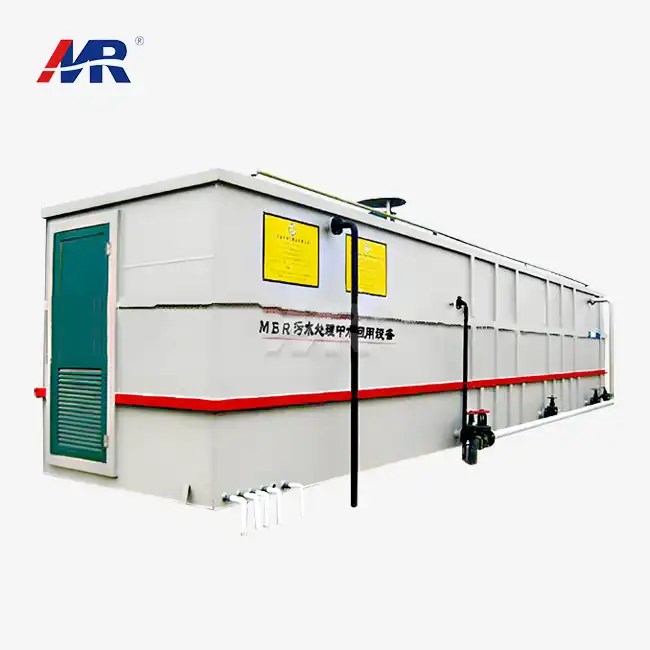
Understanding Wastewater Treatment Solutions: STP vs. Septic Systems
In order to choose the appropriate infrastructure for the management of wastewater, it is necessary to have an understanding of how each system operates and the areas in which it functions most effectively. This comprehension serves as the foundation for each and every purchasing decision.
What Is an STP Water Treatment Plant?
In addition to being referred to as an STP water treatment plant, a Sewage Treatment Plant is a complicated piece of engineering that is responsible for removing physical, chemical, and biological contaminants from wastes that are generated by households and public facilities. The reduction of unpleasant odors in close proximity to residential areas, the reduction of operational costs related to sludge management and energy-intensive aeration, and the meeting of stringent regulatory discharge limits for BOD (Biochemical Oxygen Demand), COD (Chemical Oxygen Demand), and TSS (Total Suspended Solids) are just some of the issues that these systems resolve. The most up-to-date plants make use of cutting-edge designs such as the Moving Bed Biofilm Reactor (MBBR) and the membrane Bioreactor (MBR) technology to eliminate waste in a manner that is up to 99% more effective, all while maintaining compact sizes that are especially effective in locations with restricted space.
How Septic Systems Work
The treatment of wastewater is performed by decentralized units known as septic systems. Most of the time, they are buried in close proximity to the source of the wastewater. The wastewater is then sent to a septic tank, which will allow the sediments to settle and decompose without the presence of oxygen. After that, liquids are sent to a drain field, where the earth will naturally clean them to purify them. This form of passive treatment is effective for low-volume domestic usage, but it presents a number of challenges when used in commercial or industrial environments instead. The majority of septic tanks need to be pumped out every three to five years, and the majority of the time, they do not satisfy the discharge criteria that have been established by the Environmental Protection Agency (EPA) or local environmental authorities. This is particularly true in regions that have a large population or that are environmentally conscious.
Core Differences Between STP and Septic Systems
The main difference is in how complex the treatment is and how well it can be scaled up or down. Controlled, multi-stage processes are used in sewage treatment plants. These include initial screening, primary sedimentation, secondary biological treatment, and advanced membrane filtration. This methodical technique makes it possible for treatment quality to stay the same even when influent changes. Septic systems don't have this kind of process control; instead, they rely on passive settling and soil absorption, which doesn't work well when the amount of contaminants in the water goes over the design limits. High levels of organic matter, chemical leftovers, or suspended solids in wastewater are common problems that septic systems can't handle properly without putting the environment at great risk. These problems happen in commercial buildings, food processing plants, pharmaceutical factories, and public utilities.
Key Decision Criteria: When to Choose STP or Septic Systems
To choose between these technologies, you need to carefully look at things like cost, environmental impact, regulatory landscapes, and capacity needs. Each of these factors affects how well your wastewater solution works and how long it will last.
Capacity and Scalability Needs
The treatment capacity tells you exactly which system will work best for your needs. Most septic systems can handle up to 1,500 gallons of water per day, which is enough for single-family homes or very small businesses. Sewage treatment plants are needed when the daily flow of wastewater goes over this limit, which usually happens in apartment buildings, hotels, factories, or food processing plants. Modern STPs are made up of separate modules that can be added on in stages. This lets them grow without having to update the whole system. Facilities that expect to make more things or hire more people will benefit a lot from wastewater infrastructure that can be expanded to meet the needs of the business. This way, expensive retrofitting or emergency upgrades are avoided.
Regulatory Compliance and Discharge Standards
In the US, environmental rules have become a lot stricter, especially when it comes to standards for nutrient release, disease removal, and reuse. The Clean Water Act of the EPA sets strict limits on wastewater that many septic systems can't always meet, especially in coastal or sensitive areas. Even tighter pretreatment rules must be followed by industrial dischargers before they can connect to city sewers. If a stp water treatment plant has tertiary treatment stages like ultrafiltration, UV disinfection, or ozone treatment, it will always meet California's Title 22 water reuse standards or similar rules in other states. Pharmaceutical companies need water that meets GMP standards, electronics makers need ultrapure water with conductivity below 0.1 µS/cm, and food processors need water that meets FDA standards. In all of these Cases, septic systems clearly fail.
Environmental Impact and Sustainability
Environmental responsibility is increasingly significant in buying decisions, impacted by corporate responsibility and consumer demands. When properly designed, sewage treatment facilities remove nutrients effectively, reducing the danger of eutrophication in the water they treat. Biogas from sludge processing powers modern systems. This balances the 0.3-0.5 kWh/m³ energy consumed for operation. Clean effluent may be utilized to water plants, cool towers, and industrial process water, saving groundwater. Septic systems damage groundwater with nitrogen and phosphorus because they can't remove pollutants. High water tables and karst geology allow toxins to readily enter aquifers and surface waterways.
Cost-Benefit Analysis: Installation and Operations
Initially, septic systems look cheaper—they cost between $3,000 and $10,000 for residential installations—but care, pumping, and their limited lifetime negate this benefit. Commercial septic systems frequently fail, resulting in penalties and costly repairs. Sewage treatment facilities cost $50,000 for small packed systems, but they pay for themselves over 20 years with cheaper operational costs and no government penalties. Automatic tracking reduces effort, and energy-efficient fans and biological processes save energy. When facilities consider 15-year ownership costs, STPs always outperform septic solutions. This is particularly true given the averted downtime, compliance guarantee, and potential water reclaim revenue.
Process and Technology Comparison: STP Water Treatment Plant Process Explained
When you know how these systems handle garbage, you can see why there are such big differences in performance. Sewage treatment plants are reliable and follow the rules because they are very complex technologically.
STP Treatment Process Workflow
STP wastewater treatment stages are envisaged. First, mechanical screening removes large particles. Sand and other heavy inorganic particles are removed in grit removal chambers, preventing downstream equipment wear. Primary treatment uses sedimentation tanks. Gravity settling removes 50–60% of suspended particles and 30–40% of BOD, leaving main sludge to be treated separately. Biological processes like activated sludge or MBBR systems are employed in secondary treatment. These systems reduce BOD and COD by over 90% by breaking down dissolved organic materials using aerobic microorganisms. Advanced MBR designs use membrane filtering directly into biological reactors to produce high-quality wastewater with TSS ≤ 10 mg/L. When UV light or chlorine disinfects water, germs are killed, and it meets release or reuse criteria. Manage sludge to finish the cycle. Biogas is recovered and utilized to create energy while thickening, digestion, and dewatering reduce waste.
Septic System Treatment Limitations
Septic tanks purify wastewater by settling and breaking it down without air. This passive process reduces sediments and breaks down organic materials, but the effluent quality is still below legal standards. BOD and TSS levels frequently exceed 150 mg/L, and pathogens remain high enough to render the water unsafe for use. The drain field uses soil features to cleanse wastewater downstream via biological and physical filtering. Clay soils that don't allow water through readily break the system via surface breakout or backup. However, sandier soils allow toxins to enter groundwater before treatment. Septic systems don't remove nitrogen and phosphate. This contributes to declining US subterranean and surface water quality.
Distinguishing STP from ETP Solutions
Effluent Treatment Plants (ETPs) treat industrial effluent using chemicals, heavy metals, or other contaminants, despite their similar names. Electroplating factories emit hexavalent chromium into effluent that must be chemically reduced. Pharmaceutical plants emit residual active chemicals that need advanced oxidation, while textile plants release colors that require adsorption or biological treatment. Most organic wastewater from households and businesses is treated biologically by STPs. Identifying these two wastewater kinds helps purchasing teams pick the proper technology. Industrial locations often require an ETP for process wastewater and a STP for sanitary sewage, with separate treatment trains for each.
Practical Considerations for Procurement: Installation, Maintenance, and Vendor Selection
Choosing the right technology is only one part of putting in place wastewater disposal equipment that works. Paying attention to the vendor's skills, planning the installation, and providing ongoing help will decide whether your investment gives you the returns you expect.
Selecting Certified STP Manufacturers
Make sure a provider for an stp water treatment plant has the proper qualifications and expertise for your firm first. Manufacturers with ISO 14001 and other related Certifications follow environmental management requirements. Food manufacturers should seek NSF-certified suppliers. Find providers that understand FDA water quality regulations for pharmaceutical companies. Local utilities should seek AWWA-qualified partners. Choose sites of comparable scale in the same sector with high compliance and well-documented performance statistics as examples. Instead of applying typical solutions to site constraints like limited size, challenging influent characteristics, or high temperature conditions, manufacturers with engineering divisions may build solutions that work.
Custom vs. Packaged Treatment Solutions
Prefabricated sewage treatment facilities may handle several hundred cubic meters each day. They are simpler to set up and more dependable. Standard units are ideal for hotels, small enterprises, and business parks with regular waste issues. Bigger or more complex enterprises benefit from custom-designed systems that meet wastewater composition, expansion goals, and location limits. Custom solutions streamline treatments, reduce capacity, and integrate with current systems. Finding the right balance between speed-to-operation and personalized performance is key. Hybrid approaches, where core treatment trains employ stock parts and pre-treatment and advanced treatment stages are tailored, are becoming increasingly prevalent.
Maintenance Best Practices and Vendor Support
Preventive maintenance systems that inspect biological cultures, mechanical parts, and monitoring devices help operations endure. Blowers, pumps, and mixers must be examined and changed regularly per manufacturer instructions. To prevent persistent fouling, membrane systems must be cleaned regularly. Biological care requires constant monitoring of dissolved oxygen (2.0 mg/L) and MLSS (3,000–5,000 mg/L). Cloud-connected SCADA systems from top suppliers provide remote tracking. This allows you to solve issues before they become failures. Find out whether the vendor will educate your operations team, if replacement parts are accessible with guaranteed delivery dates, and what the emergency plan is. Comprehensive service agreements should clearly state response times, parts coverage, and performance guarantees. This safeguards your investment and ensures agreement compliance.
Case Studies and Industry Insights: Real-World Applications of STP vs. Septic
Looking at real implementations can teach you a lot about how choosing the right system affects operational success and show you common mistakes that lower performance expectations.
Commercial Complex Success Story
A 250-unit Florida apartment complex shifted from failed septic systems to a central sewage treatment facility after several violations and expensive emergency pumping. The institution installed a 200 m³/day MBR system in less than 1,000 square feet, treating household wastewater for landscape irrigation. Within 18 months, the complex satisfied all criteria, ceased paying $30,000 for septic pumping, and lowered potable water consumption by 35% by utilizing recovered water for irrigation. Maintenance workers only checked automated operations once a month, and supervisors received remote monitoring reports on parameter changes. The location demonstrated how modern STP technology can overcome capacity issues and provide environmental and economic advantages that septic systems cannot.
Industrial Application: Food Processing Facility
A medium-sized Wisconsin cheese processing company had to pay more and more in sewage service rates because its high-strength output exceeded BOD and TSS limits. Using a 500 m³/day pre-treatment system with biological and dissolved air flotation reduced pollutants by 85%. This reduced annual expenses by $120,000 and improved cleaning water. The modular architecture automatically adjusted air flow and chemicals to maximize treatment efficiency based on annual production. Increased fan efficiency and improved hydraulic design reduced energy usage to < 0.4 kWh/m³. This example illustrates how the right-sized sewage infrastructure can shift from a cost center to a strategic asset that assists with compliance and commercial efficiency.
Lessons from Septic System Failures
A small manufacturing business installed septic systems to save money on construction expenditures since they expected to join a municipal sewage system in a few years. Unexpected delays in establishing public infrastructure and corporate expansion caused chronic system overloading, increased sewage, and a $50,000 state environmental agency penalty. Emergency replacement with a bundled STP cost roughly three times the initial septic installation. The expense included legal and consultancy costs. During the crisis, operational issues impacted consumer relations and hindered output. This example highlights the need of planning sewage infrastructure with precise capacity estimates and regulatory understanding to avoid phony economies that fail when systems aren't enough.
Conclusion
Whether you choose a stp water treatment plant or a septic system depends on how much space you need, your legal obligations, and how hard it is to run. Residential septic systems work fine, but businesses and factories need the dependability, flexibility, and guarantee of compliance that can only be provided by designed STP solutions. Modern technology for treating wastewater offers flexible designs that can be used on a range of scales, automatic operation that cuts down on work needs, and treatment efficiency that meets the strictest environmental standards. Putting money into sewage treatment infrastructure that is properly built protects against regulatory risk, helps operations last, and often pays for itself through lower running costs and more ways to reuse water. Decision-makers should give more weight to vendors who have experience in their specific industry, full support services, and track records of performance that match their specific operational needs.
FAQ
1. Which system lasts longer: STP or septic?
Sewage treatment plants that are well taken care of usually work well for 20 to 30 years, with major parts like filters or fans needing to be replaced every 7 to 10 years. While septic tanks can last up to 40 years, drain fields usually stop working within 15 to 20 years, which means they need to be replaced, which is an expensive process that costs almost as much as installing a new system. When recovery costs are taken into account, total lifetime costs favor STPs.
2. Can small businesses use sewage treatment plants?
Of course. Restaurants, small hotels, office buildings, and light manufacturing plants can all use packaged systems that can handle rates as low as 10 to 50 m³/day. Most of the time, these small units can fit inside normal shipping containers, which makes installation easier and reduces the amount of site damage. Automated operations that require little staff care while making sure regular compliance is especially helpful for small businesses.
3. What cost difference exists between upgrading septic systems versus installing new STPs?
It usually costs between $20,000 and $40,000 to add bigger drain fields or more modern treatment parts to a septic system that has failed, but this doesn't fix the system's basic capacity or treatment problems. Similar-sized packed STPs cost between $50,000 and $80,000, but they work better, follow regulations, and give you more operating freedom. When a building needs more treatment than a septic system can provide, a new STP installation is the only option. This means that comparing costs is less important than evaluating capabilities.
Partner with a Trusted STP Water Treatment Plant Manufacturer
Choosing stp water treatment plant wastewater treatment infrastructure is a big investment that needs to be done with care and with the kind of expertise, dependability, and ongoing support that can only come from well-known manufacturers. The Guangdong Morui Environmental Technology Co., Ltd. is an expert at planning, building, and setting up sewage treatment systems for a wide range of business and industrial uses. Our methods use a mix of physical, chemical, and biological processes to get rid of contaminants from mechanical effluents, city sewage, and farm runoff. This makes for better cleaning results.
Our systems are able to treat up to 10,000 m³/day, getting rid of up to 99% of BOD, COD, and TSS while only using 0.3 to 0.5 kWh/m³. Modular, scalable designs with small footprints make the best use of space, and fully automated operation with the ability to monitor from afar guarantees consistent performance. We offer full turnkey solutions from the initial planning phase through installation and commissioning. We have over 14 branches, 500 workers, 20 engineers, our own membrane production plant, and equipment processing companies. We also work with top component makers like Shimge Water Pumps, Runxin Valves, and Createc Instruments to make sure that the quality of every part of the system is high.
Whether you work in the pharmaceuticals, textiles, chemical manufacturing, food and beverage processing, or municipal utilities industries, Our Team can help you with your wastewater problems in a way that meets your compliance needs and operational goals. You can email us at benson@guangdongmorui.com to talk about how to treat your wastewater. We can help you make smart choices about wastewater infrastructure that protects your business and the environment by giving you full consultations, site surveys, and competitive quotes.
References
1. Environmental Protection Agency (2021). Onsite Wastewater Treatment Systems Manual. Office of Water, Office of Research and Development.
2. Metcalf & Eddy, Inc., Tchobanoglous, G., Stensel, H.D., Tsuchihashi, R., and Burton, F. (2014). Wastewater Engineering: Treatment and Resource Recovery (5th ed.). McGraw-Hill Education.
3. Water Environment Federation (2018). Design of Municipal Wastewater Treatment Plants (6th ed.). WEF Manual of Practice No. 8, ASCE Manuals and Reports on Engineering Practice No. 76.
4. National Small Flows Clearinghouse (2019). Comparison of Septic Systems and Package Plants for Small Community Wastewater Treatment. West Virginia University.
5. American Water Works Association (2020). Water Reuse: Issues, Technologies, and Applications (2nd ed.). AWWA Publications.
6. Judd, S. and Judd, C. (2016). The MBR Book: Principles and Applications of Membrane Bioreactors for Water and Wastewater Treatment (2nd ed.). Butterworth-Heinemann.
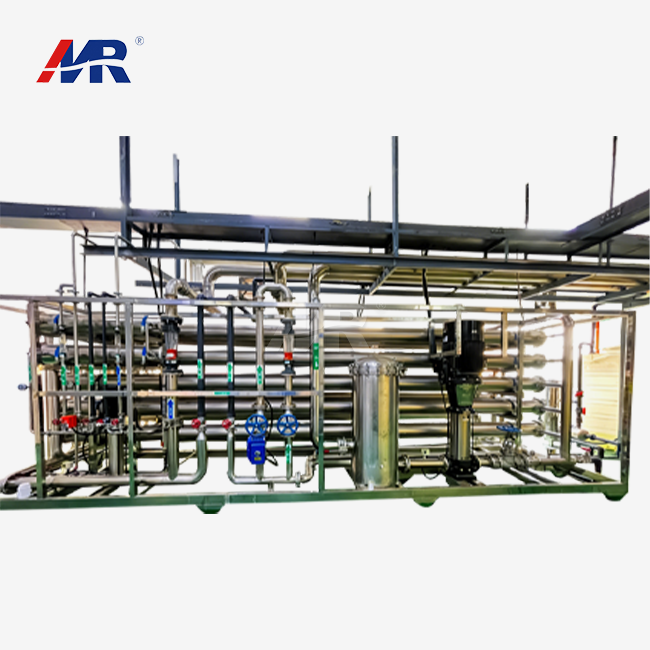 VIEW MOREnew ro system
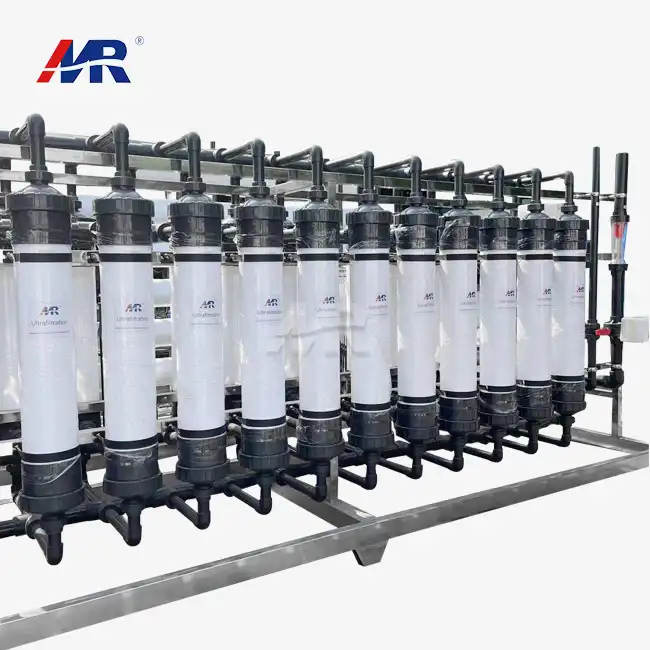 VIEW MORE30m3/hour ultrafiltration equipment
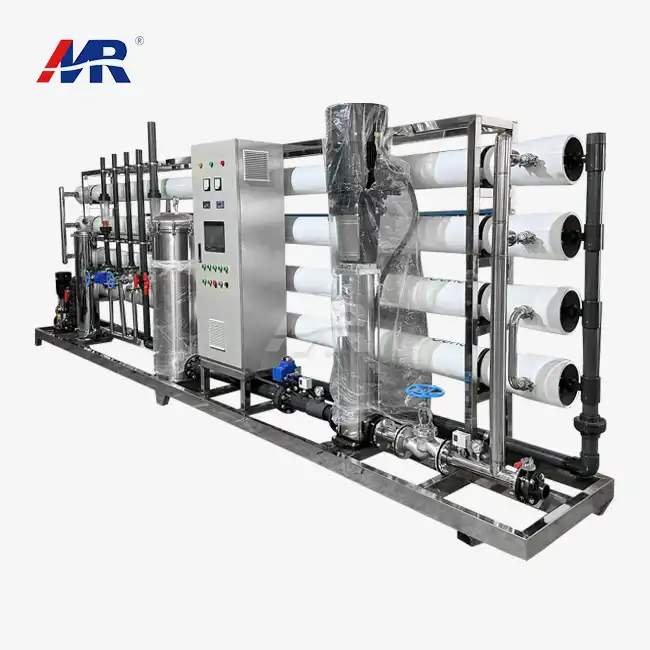 VIEW MORE500m3/day reverse osmosis RO plant
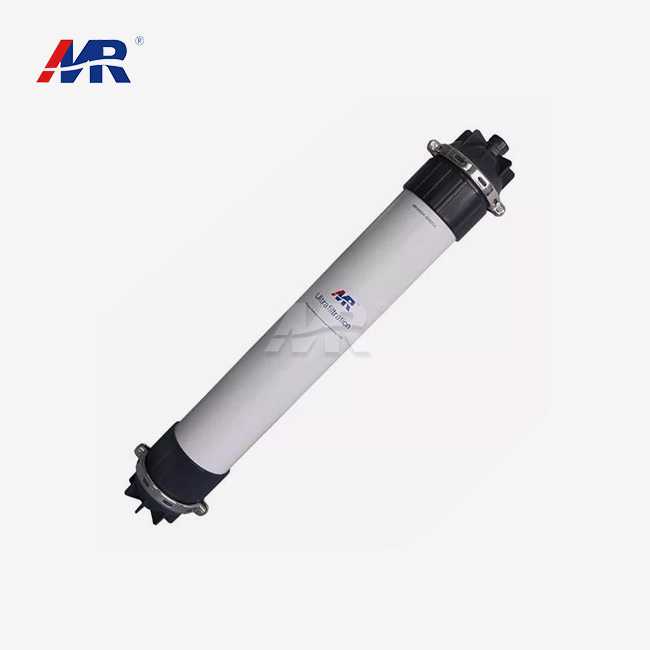 VIEW MOREultra filter membrane
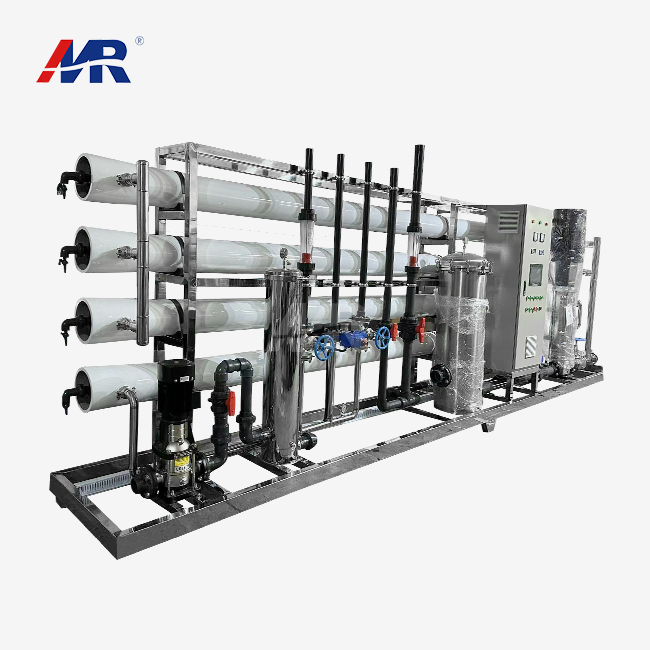 VIEW MOREreverse osmosis plant
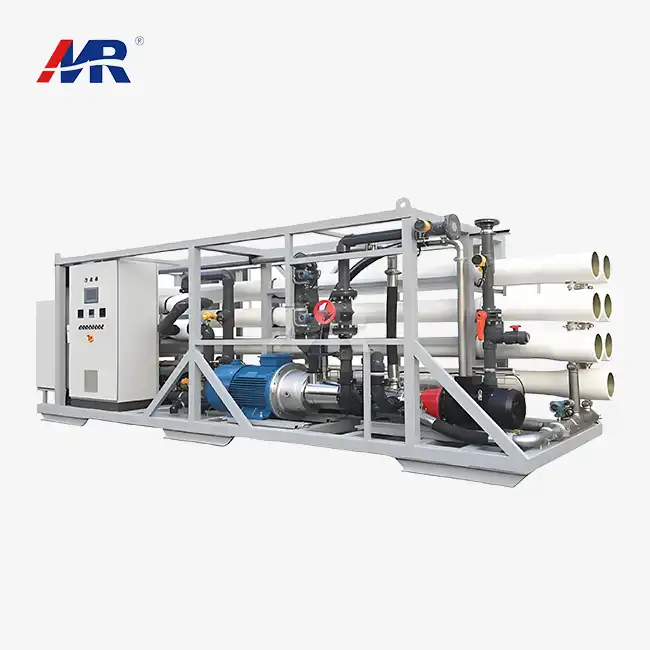 VIEW MORE20m3/hour seawater desalination equipment
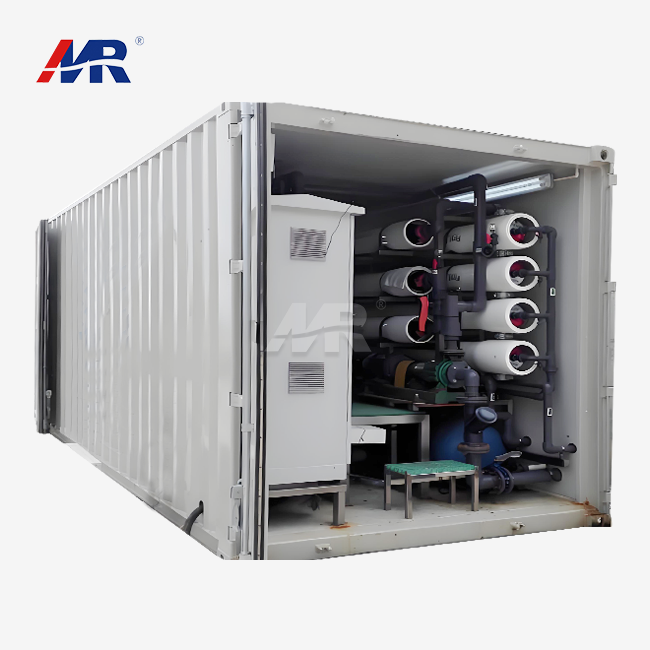 VIEW MOREcontainer seawater desalination equipment
 VIEW MOREreverse osmosis water treatment equipment
