

_1745823981883.webp)

What are the main differences between ultrafiltration and other filtration methods?
In water treatment bids, there are generally 4 words on the same page that buyers do not know: microfiltration, ultrafiltration, nanofiltration, and reverse osmosis. Each of them takes out a given size of pollutants at a distinct operating pressure. If you choose the incorrect one, you will be left with either unnecessary energy expenditure or health risks. At the midpoint of that is an ultrafiltration water system. It uses a 0.01 to 0.1 micron membrane to prevent germs and suspended particles, although it runs at a much lower pressure than reverse osmosis. The manual provides pore size, pressure, energy use, and pollutant removal for each kind of filtration based on available scientific data and a real-world utility retrofit example.
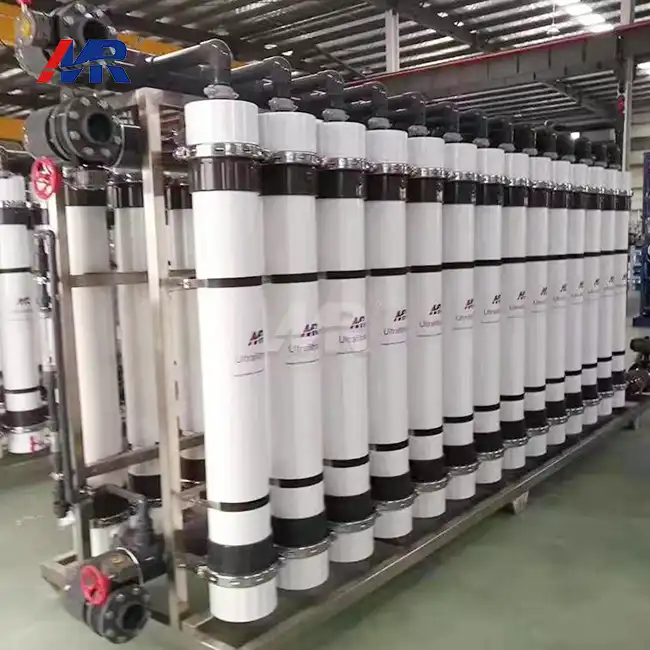
Engineering teams are not alone in terms of membrane choices. Guangdong Morui Environmental Technology develops and offers a complete range of ultrafiltration water systems to municipal, industrial, and pharmaceutical customers in Asia, South America, and Africa. Before buying any equipment, our professionals will examine your feedwater analysis for free and suggest the correct filter category. To start that evaluation this week, email benson@guangdongmorui.com.
How Are Filtration Methods Classified by Particle Removal Size?
The minimum size of particles that a membrane or medium can physically screen defines the filtering technology. This is not a marketing catch-all or a brand but a size-based categorization that informs you what a system can and cannot remove from water.
The Membrane Filtration Spectrum From Microns to Angstroms
Sand and cartridge filters are generally coarse strainers that will collect particles down to around 5 to 50 microns. Microfiltration gets this down to 0.1 to 1 micron. Ultrafiltration water systems contain tiny pores of 0.01 to 0.1 microns, which trap the bacteria and colloids. Nanofiltration and reverse osmosis work in the nanometer and sub-nanometer range and are targeted to dissolved ions and not particles.
Why Does Pore Size Determine Filtration Category?
Marketing does not need pore size. It is the limit of physical nature. That physical barrier is what determines whether a molecule can cross or be refused. The fiber structure and pore distribution are different at the manufacturing stage, and a membrane manufacturer cannot simply relabel a microfiltration cartridge as ultrafiltration. Many drinking water standards are tied by NSF International to these pore size categories alone. This misunderstanding may lead to buyers paying for a membrane that either under-treats their water or uses energy to treat contaminants that an ultrafiltration water system was never meant to address. You may avoid this mismatch by examining the supplier’s pore size spec sheet before you start comparing pricing quotes.
What Separates Physical Filtration From Membrane Separation Processes?
Conventional filtration and membrane separation both solve the same issue, but in different ways. Understanding that distinction helps explain why one is cheaper up front, while the other offers tighter control.
Conventional Media Filtration Explained
Sand, anthracite, and cartridge filters employ depth filtration, where water travels through a bed of granular material and particles get trapped. This is excellent for coarse silt, but when the bed is full, it does not work correctly and cannot consistently block germs or viruses by itself.
How Does Membrane Separation Use a Fixed Barrier Instead of Media Beds?
Ultrafiltration water systems and their membrane equivalents employ surface filtration, not depth filtration. Water is passed via a thin membrane of known pore size. The rejection performance is consistent from the beginning of operation to the end of operation, until a backwash or clean-in-place cycle restores flow.
How Do Microfiltration and Ultrafiltration Treat Suspended Solids Differently?
Micro- and ultrafiltration seem the same on a spec sheet, but it is the difference in pore size that actually makes it out of the exit pipe.
Microfiltration's Coarser Pore Range
Microfiltration membranes are generally 0.1 to 1 micron in size and may remove silt, algae, and big microorganisms. Microfiltration may allow viruses and even smaller colloidal particulates to pass through almost unscathed. Much of the coloring of water, which produces humic acid, occurs in colloidal particles.
Where an Ultrafiltration Water System Closes the Gap, MF Leaves Open?
Ultrafiltration water systems reduce the pore size to 0.01 to 0.1 microns, removing bacteria, most viruses, and dissolved macromolecules that microfiltration can’t. The method is much more costly initially than microfiltration, but ultrafiltration is almost usually chosen by hospitals and beverage makers for an established microbiological barrier.
Why Does Nanofiltration Remove Smaller Molecules Than Ultrafiltration?
Nanofiltration membranes pass most monovalent ions but reject divalent ions. In recent pilot-scale research, nanofiltration removed 75.4 percent of the total organic carbon from drinking water compared with 25.4 percent for ultrafiltration under the same conditions. This difference is directly related to the lower molecular weight cut-off of the nanofiltration.
Molecular Weight Cutoff and Divalent Ion Rejection
Nanofiltration membranes are permeable to most monovalent ions but exclude divalent ions. In recent pilot-scale testing, for instance, nanofiltration removed 75.4 percent of the total organic carbon in drinking water, whereas ultrafiltration removed 25.4 percent under the same circumstances. This difference is directly connected to the lower molecular weight cutoff of the nanofiltration.
When Does Nanofiltration Make Sense Instead of Ultrafiltration?
Nanofiltration is extensively used for water softening projects and also for dye or textile wastewater treatment, where the target pollutant is hardness or color instead of bacteria. If your aim is to remove viruses and you want to do it at the lowest possible operating pressure, an ultrafiltration water system is still the way to go.
How Does Reverse Osmosis Achieve Higher Salt Rejection Than Ultrafiltration?
One physical way is reverse osmosis. This one is considerably different from the other three. That is why reverse osmosis needs much more pressure.
The Osmotic Pressure Barrier RO Membranes Overcome
In nature, osmosis is the transfer of water. Reverse osmosis is the application of enough mechanical pressure to the feedwater to overcome the natural osmotic pressure. That makes the water travel back the other direction. That pressure forces the water molecules through the thick barrier but leaves the dissolved salts behind.
Why Can't an Ultrafiltration Water System Remove Dissolved Salts?
Salt ions are a lot smaller than the tiniest ultrafiltration pore, no matter how much pressure you can put on it. An ultrafiltration water system will never reject dissolved minerals like a reverse osmosis system may. Therefore, for desalination and boiler feed water applications, it is better to combine the ultrafiltration pretreatment with a downstream RO step rather than using ultrafiltration alone.
What Pressure Requirements Distinguish Different Membrane Filtration Methods?
The smaller the openings in a membrane, the greater the operating pressure. That link drives not only equipment cost but also pump size and long-term energy expenses.
| Filtration Method | Typical Pore Size | Typical Operating Pressure | Primary Target |
|---|---|---|---|
| Conventional Media (Sand/Cartridge) | 5–50 microns | Gravity to under 1 bar | Sediment, turbidity |
| Microfiltration (MF) | 0.1–1 micron | Under 2 bar | Suspended solids, large bacteria |
| Ultrafiltration (UF) | 0.01–0.1 microns | 1–10 bar | Bacteria, viruses, colloids |
| Nanofiltration (NF) | 0.001–0.01 microns | 5–35 bar | Hardness, divalent ions, color |
| Reverse Osmosis (RO) | Under 0.001 microns | 14–140 bar | Dissolved salts, monovalent ions |
Typical Operating Pressure Ranges Across Filtration Types
The table above clearly indicates a trend of increasing pressure with decreasing pore size. An ultrafiltration water system requires just a small low-pressure feed pump, whereas a saltwater RO train requires high-pressure pumps and pressure containers rated for over 60 bar.
Why Lower Pressure Means Lower Equipment Stress?
Lower operating pressure decreases wear on pumps, seals, and pipework such that energy draw and mechanical repair frequency are both reduced. Facilities performing ultrafiltration ahead of a tighter membrane stage claim longer service intervals on their high-pressure equipment directly from that upstream protection. An ultrafiltration water system provides this low-pressure pretreatment and helps protect downstream equipment from excessive fouling. The pump selection is made in the same manner. The low-pressure ultrafiltration feed pump is less expensive to buy and maintain than the high-pressure multistage pumps required by a stand-alone reverse osmosis train, and it uses a fraction of the motor amperage over a whole operational year.
How Do Filtration Methods Differ in Energy Consumption and Operating Costs?
The cost of energy typically dictates what technology a facility can afford to operate constantly. The spread between technologies is wider than many purchasers think.
Specific Energy Consumption Data Across Technologies
The treatment of surface and groundwater generally uses 0.37 to 0.48 kWh/m³, whereas desalination of saltwater by reverse osmosis uses 2.5 to 4.0 kWh/m³, depending on the layout of the plant and the recovery rate. Another study of wastewater reclamation found the energy demand of reverse osmosis to be 0.56 kWh per cubic meter at 16 bar applied pressure, which is still many times greater than the normal ultrafiltration energy draw. Because the pressure needed is reduced, the ultrafiltration water system is usually operated at 0.1 to 0.3 kWh/m³. This results in lower pumping energy.
Wastewater and Brine Generation Differences
The rejected salts are concentrated into a brine stream by reverse osmosis. This brine stream must be disposed of or further processed. It may occasionally be 20 to 50 percent of the input volume, depending on the rate of recovery. Ultrafiltration yields far less reject water since backwash cycles send most flow back through the pretreatment, instead of a constant concentrate stream. Worldwide, the need to treat brine streams from desalination plants is rising due to the potentially damaging effects of concentrated salt streams when discharged without dilution or further treatment. The upstream ultrafiltration water system maintains the downstream brine volume low to the extent permitted by the salt rejection aim. The RO train may run closer to its intended recovery rate with fewer fouling events of organics and particulates vs. shedding more concentrate to protect the membrane.
Which Filtration Technologies Can Remove Bacteria, Viruses, and Dissolved Salts?
This tech really removes this impurity, which is the one definitive answer procurement teams often seek. The accompanying table shows it directly.
| Contaminant | Conventional Media | Microfiltration | Ultrafiltration | Nanofiltration | Reverse Osmosis |
|---|---|---|---|---|---|
| Sediment and turbidity | Yes | Yes | Yes | Yes | Yes |
| Bacteria | Partial | Mostly | Yes | Yes | Yes |
| Viruses | No | No | Mostly | Yes | Yes |
| Divalent ions (hardness) | No | No | No | Yes | Yes |
| Dissolved salts (TDS) | No | No | No | Partial | Yes |
Pathogen Removal Capability by Technology
Ultrafiltration water systems are the sweet spot for pathogen management, where they reject almost all bacteria and most viruses without the pressure penalty of nanofiltration and reverse osmosis. That’s why ultrafiltration is the main microbiological barrier for dialysis water loops and beverage bottling processes.
Why does only RO reach full dissolved salt rejection
Only reverse osmosis successfully removes dissolved salts to drinking water or boiler feed water tolerances. For facilities that require both pathogen control and salt removal, such as semiconductor fabs and power plants, Ultrafiltration Equipment and reverse osmosis are installed in series rather than relying on one technology to handle both functions.
Can Ultrafiltration Replace Conventional Media Filters in Water Treatment?
Plant managers with aging sand filter banks frequently wonder whether a membrane retrofit is worth the capital investment. The common reply is raw water fluctuation and space limitations.
Where Do Sand and Cartridge Filters Still Fall Short?
Sand filters have difficulty with abrupt jumps in turbidity during storms because the media bed was designed for ordinary circumstances, not peak loading. Performance may decrease rapidly, allowing particles and viruses to get through until operators manually adjust coagulant dose—a delay that enhances the risk of waterborne disease during precisely the times when water quality matters most.
Original Client Data: Why Do Facilities Actually Switch to Membrane Pretreatment?
For the last two years, our project team has studied intake data from 22 municipal and industrial customers that replaced sand or cartridge pretreatment with an ultrafiltration water system. Of the 22 projects, 14 listed increasing coagulant chemical expense as the primary cause for investing in ultrafiltration equipment. The other two reasons were repeated turbidity compliance flags and restricted floor space to enlarge the current clarifier. Only 3 of the 22 customers converted solely because of the pathogen elimination capabilities that sand filtering can never supply. That trend shows operational cost pressure, not only water quality concerns, now drives the majority of membrane retrofit choices throughout our customer base.
Case study: A municipal utility servicing a population of around 40,000 in Northern Peru upgraded an aging sand filtration line with a 2,400 cubic meter per day hollow fiber ultrafiltration water system from Morui. Within eight months, turbidity-related customer complaints had reduced by 78 percent, coagulant chemical cost was down 45 percent, and the utility avoided a planned clarifier expansion project by instead reusing the old basin as ultrafiltration pretreatment storage.
How to Choose the Right Ultrafiltration System for Your Application?
Buyers should consider capacity, footprint, and total cost of ownership as well as raw water quality vs. the cheaper initial capital cost of a media filter. The following criteria are the range our engineering team designs for municipal and industrial customers.
| Parameter | Typical Range |
|---|---|
| Filtration Capacity | 1,000 to 100,000 m³/day |
| Membrane Pore Size | 0.01–0.1 microns |
| Operating Pressure | 0.1–0.3 MPa |
| Removal Efficiency | Over 99.9% for bacteria and particles |
| Energy Consumption | 0.1–0.3 kWh/m³ |
These data illustrate why an ultrafiltration system often replaces, rather than merely adds to, an antiquated sand filter line when a plant requires proven and reliable pathogen rejection.
What Factors Determine the Best Filtration Process for Specific Water Sources?
No filtration category wins every application. The correct response relies on what is really in the source water and what the finished water has to perform later.
Matching Technology to Feedwater Chemistry
Hard groundwater may need nanofiltration, while surface water with abundant bacteria and organic turbidity calls for an ultrafiltration plant. For seawater and brackish sources requiring potable output, reverse osmosis is almost always required, sometimes with ultrafiltration protecting the membrane upstream. Our technical knowledge base is built from feedwater chemistry data taken from hundreds of customer installations, so we can make this match rapidly, instead of via trial and error. Typically, a short lab panel on turbidity, iron content, total organic carbon, hardness, and conductivity will inform an engineer within a day which membrane category is appropriate, even before any pilot testing is done on site.
Capacity, Footprint, and Budget Considerations
Small clinics and workshops may only need a skid rated at a few cubic meters per hour, whereas municipal plants need systems on the order of tens of thousands. For projects requiring an industrial uf system, Guangdong Morui Environmental Technology has 14 branches, with 500 staff and 20 in-house engineers and its own membrane production facilities, so customers have a single responsible source for equipment sizing, manufacture, and commissioning throughout this complete spectrum of capacity. The organization is also an authorized agent of Shimge water pumps, Runxin valves, and Createc instruments, so procurement is simple for customers who want a coordinated equipment package. Modular skid design is also a consideration for budget-conscious purchasers. A facility may commission a smaller unit today and add parallel modules later when production volume increases, rather than tying up cash in a full-capacity system from day one.
Conclusion
So it’s all about the problem of what level of pollution the water really has. Traditional media filters remove the large particles of silt, microfiltration removes bacteria, and an ultrafiltration water system fills in the blanks by rejecting viruses and colloids at low operating pressure. The next stage is nanofiltration and reverse osmosis if you want to take out the dissolved ions or salts, but at a significantly higher pressure and energy cost. By matching the technology to the actual feedwater chemistry, not the most expensive option, control of capital cost and long-term operating expenses is achieved. Facilities that undertake a thorough lab analysis before selecting equipment always avoid the two most common and most costly mistakes we encounter in the field. These are to buy more membrane than the water truly demands or to under-specify a system that cannot sustain seasonal turbidity swings.
FAQ
1. What is the main difference between ultrafiltration and microfiltration?
Ultrafiltration has smaller pore sizes, 0.01 to 0.1 microns, compared to the 0.1 to 1 micron range of microfiltration. It will reject bacteria, most viruses, and colloidal particles that would pass straight through a microfiltration membrane.
2. Can an ultrafiltration water system remove dissolved salts?
None. The dissolved salt ions are much smaller than the narrowest ultrafiltration pore. This implies if you want to remove salts, you have to have a nanofiltration or reverse osmosis stage—which is why desalination projects often combine ultrafiltration pretreatment with an ro membrane downstream.
3. Is ultrafiltration cheaper to run than reverse osmosis?
Yes. Pretty well always. Ultrafiltration typically uses 0.1 to 0.3 kWh per cubic meter, but reverse osmosis desalination often uses 2.5 kWh per cubic meter or higher, since RO must overcome natural osmotic pressure.
4. Does nanofiltration replace the need for ultrafiltration?
No, generally. Nanofiltration does not remove germs, just hardness and divalent ions. Many nanofiltration systems need pretreatment by ultrafiltration or microfiltration to avoid fouling of the thinner membrane.
5. How do I choose between ultrafiltration and reverse osmosis?
Choose ultrafiltration when removing suspended solids, bacteria, and colloids is the primary goal. Choose reverse osmosis when dissolved salts must also be removed. Many industrial facilities combine both technologies for comprehensive treatment and improved membrane protection.
Which Filtration Path Fits Your Facility Best?
Choosing between four filtration categories gets easier with an engineer who has sized hundreds of systems already. Guangdong Morui Environmental Technology is a proven ultrafiltration water system manufacturer serving food, pharmaceutical, municipal, and industrial clients across Asia, South America, and Africa. Send your feedwater data to benson@guangdongmorui.com, and Our Team will recommend the right technology and capacity within days, not weeks.
References
1. NSF International. "NSF Standards for Water Treatment Systems" (2025). https://www.nsf.org/consumer-resources/articles/standards-water-treatment-systems
2. US Environmental Protection Agency (EPA) / American Water Works Association. "Microfiltration and Ultrafiltration Membranes for Drinking Water" (2008). https://cfpub.epa.gov/si/si_public_record_report.cfm?Lab=NRMRL&dirEntryId=210214
3. National Center for Biotechnology Information (NCBI). "Opportunities for Reducing the Energy Consumption of Seawater Reverse Osmosis Desalination by Exploiting Salinity Gradients" (2022). https://pmc.ncbi.nlm.nih.gov/articles/PMC9694509/
4. National Center for Biotechnology Information (NCBI). "Comparison of Nanofiltration with Reverse Osmosis in Reclaiming Tertiary Treated Municipal Wastewater for Irrigation Purposes" (2021). https://www.ncbi.nlm.nih.gov/pmc/articles/PMC7824122/
5. World Health Organization (WHO). "Drinking-water Fact Sheet" (2023). https://www.who.int/news-room/fact-sheets/detail/drinking-water
6. National Center for Biotechnology Information (NCBI). "Membrane filtration reduces nutrient availability and invasion potential in drinking water systems, without affecting mature biofilms" (2024). https://www.ncbi.nlm.nih.gov/pmc/articles/PMC12380793/
About the author: Bin Liu is a Senior Membrane Systems Engineer at Guangdong Morui Environmental Technology Co., Ltd, where he specifies and commissions ultrafiltration, nanofiltration, and reverse osmosis equipment for municipal utilities, food and beverage plants, and industrial clients across Asia, South America, and Africa. He has led feedwater assessments and technology selection for projects ranging from small clinic water loops to municipal-scale membrane retrofits, working directly with client engineering teams from initial water analysis through final commissioning.
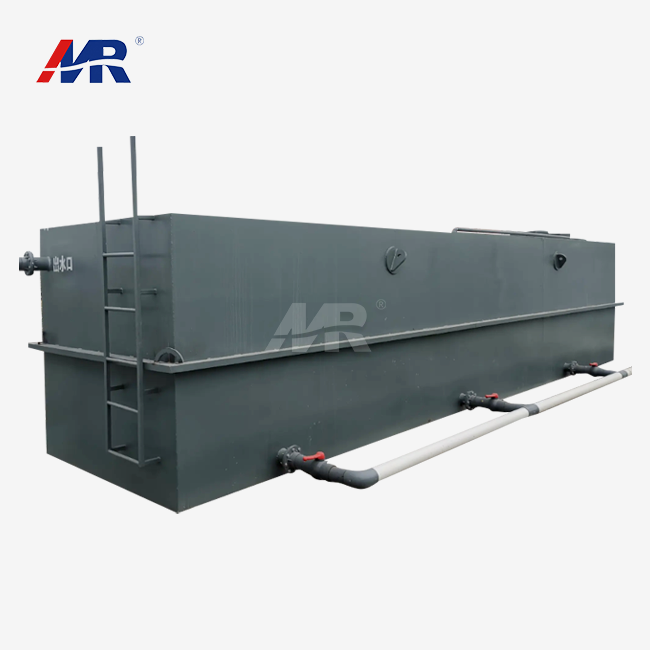 VIEW MOREdomestic wastewater treatment plant
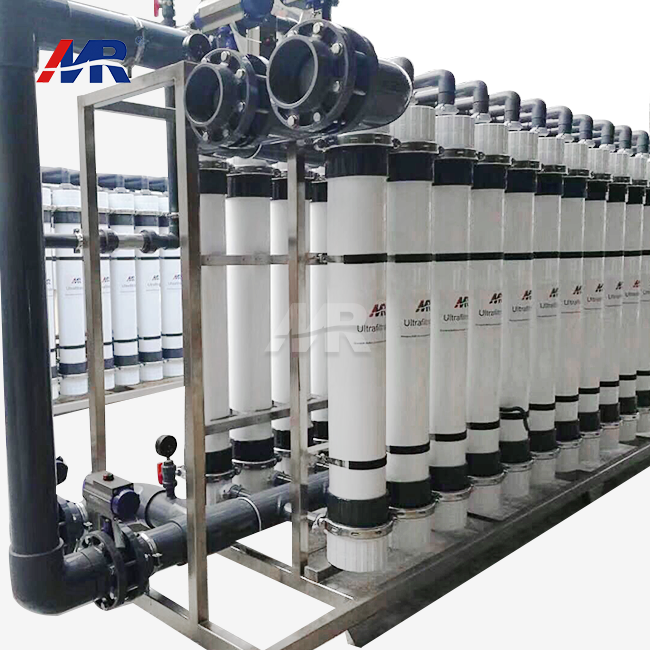 VIEW MOREultrafiltration water system
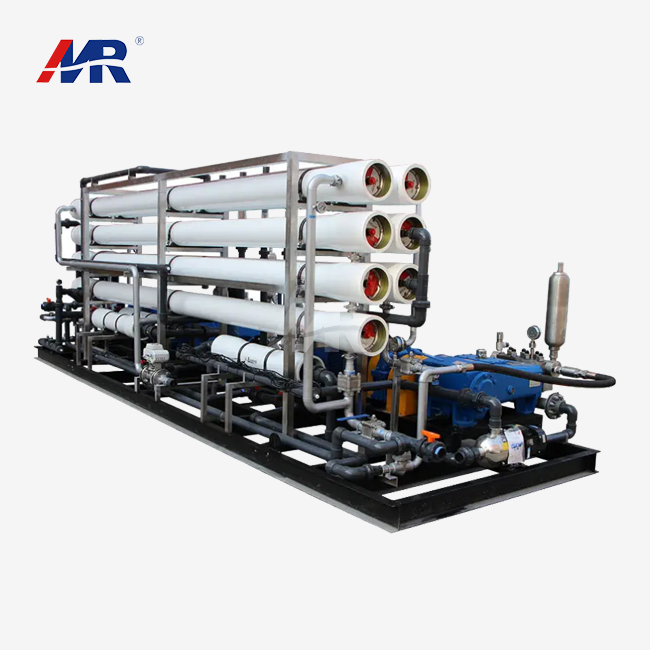 VIEW MOREseawater desalination machine
 VIEW MOREunder counter reverse osmosis water system
 VIEW MOREseawater treatment system
 VIEW MOREosmosis drinking water system
 VIEW MORE12m3/hour reverse osmosis BWRO system
 VIEW MOREwastewater treatment plant units
