


RO UF Filter vs RO: Which System Fits High-Turbidity Water?
An ro uf filter system fits high-turbidity water best when the feed also carries dissolved salts or chemicals. I treat ultrafiltration (UF) as the shield and reverse osmosis (RO) as the polisher. UF removes silt, colloids, and bacteria, and RO then removes dissolved ions. A standalone RO unit can work if the water is already clear and well pretreated, but muddy or variable sources foul its membranes quickly. Below, I compare the two options, share the tests that guide the decision, and show where our MR-UF-80TH wastewater unit fits.
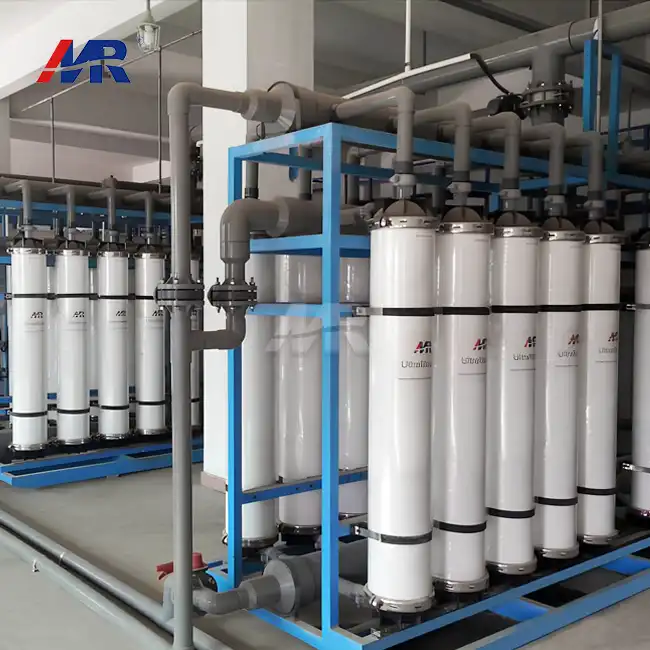
How RO and UF Handle Different Contaminants
What UF Removes
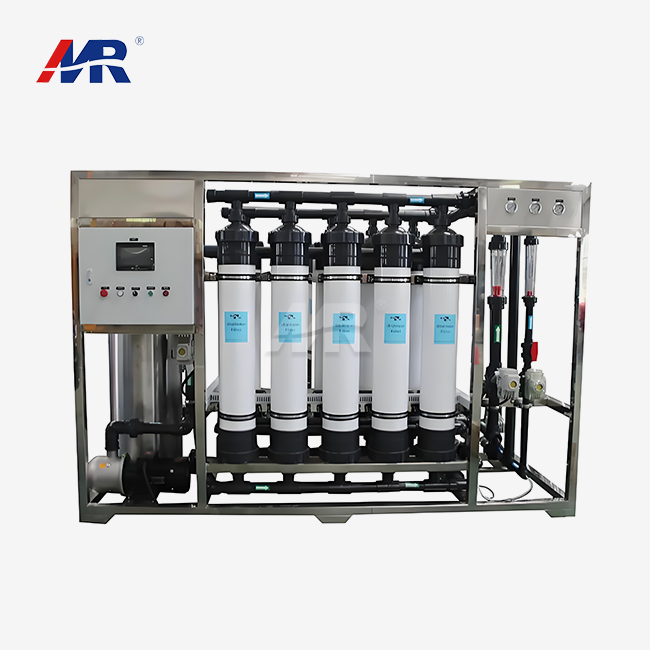
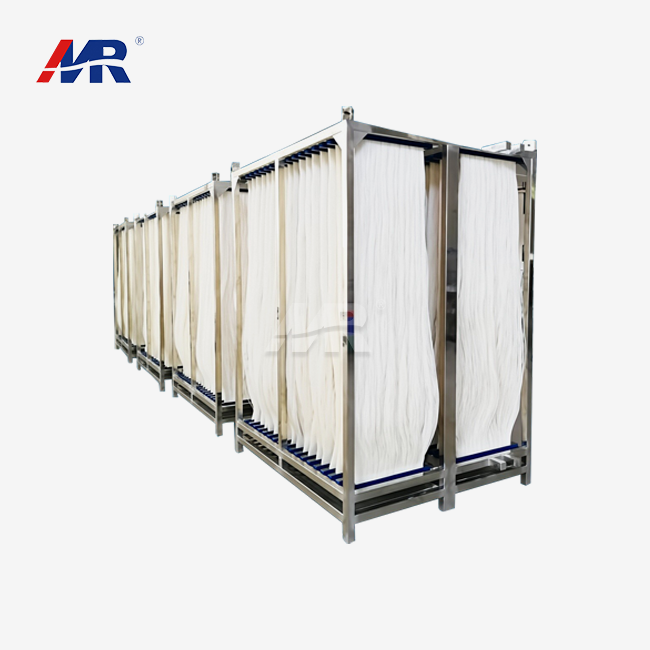
Ultrafiltration uses hollow fiber filters with holes that are only 0.01 to 0.1 microns wide. There are things that can't get through that size, like colloids, bacteria, and many large organic molecules. Because the barrier works like a physical screen, treated water is not cloudy at all. Even if the news changes every day, this is still true. UF can't get rid of hardness, nitrate, fluoride, or dissolved salts because the ions are too small to fit through the holes. The low pressure also means it doesn't need a lot of power. When I hear UF, I think of a small water softener. There is no change in TDS, but it does remove particles well.
What RO Removes
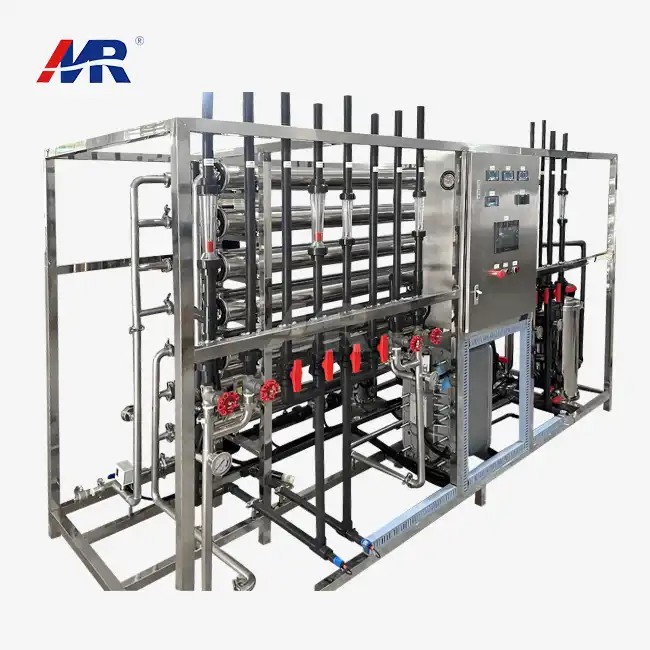
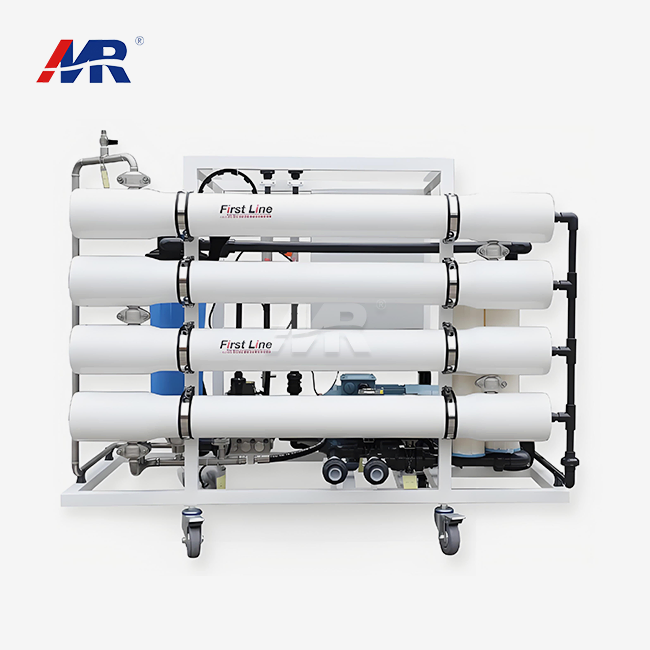
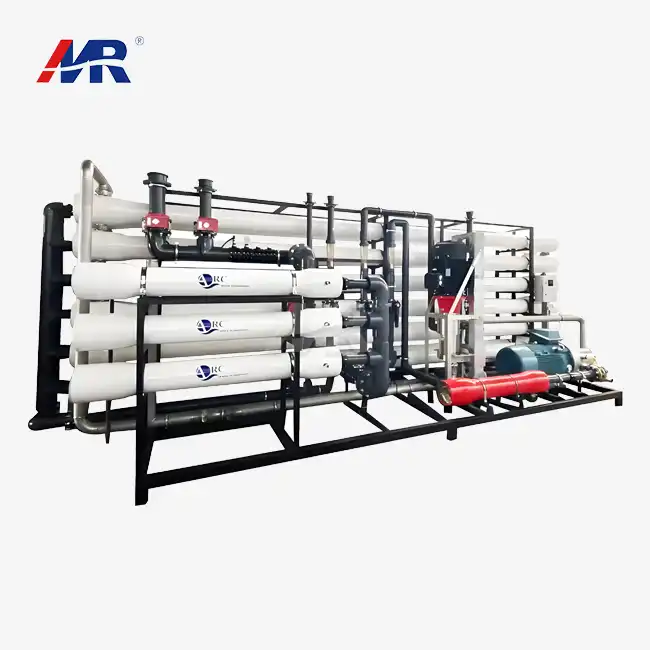
Reverse osmosis membranes have pores that are about 0.0001 microns wide. A lot of the salts, heavy metals, and nitrates that have been broken down stay behind as the water moves through. RO is the best way to clean water and make water with low TDS because of this. Because of this, you have to be sensitive. RO needs clean feed, more pressure, and a stream that doesn't go anywhere. A lot of companies that make membranes say that the SDI should be less than 5, and smaller numbers are better. In dirty water, SDI goes way past that limit, making it hard for RO to work by itself.
Why an RO UF Filter Train Combines Both
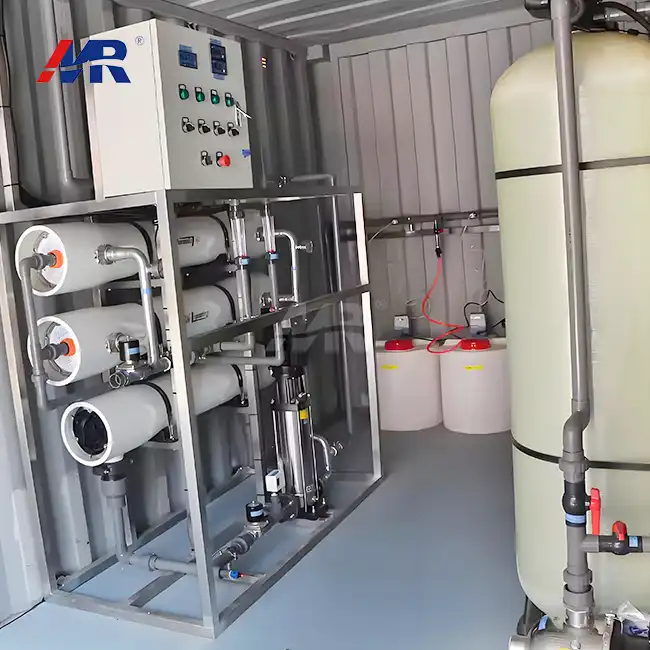
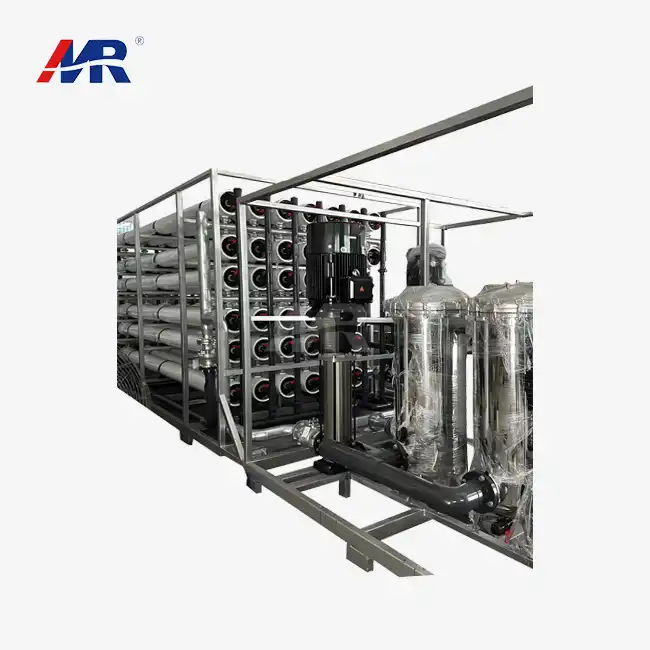
An RO-UF filter train does both jobs in the right order. This is the first step that the raw water goes through. Next is UF, and finally RO. Based on the water test, carbon or an antiscalant may be added. UF lessens the load on the RO elements before the particles and bacteria get to them. In other words, the ro uf filter step gets a steady flow of stuff. Vedavyasan wrote a review article on desalination in 2007 and talks about UF as a pretreatment option that keeps the quality of the feed stable. This layout only works when the water test shows both particles and contaminants that have been dissolved. You will have to pay for things you don't need if you don't.
Why High-Turbidity Water Strains a Standalone RO System
How Suspended Solids Foul Membranes
Silt, clay, and colloids settle on the membrane surface and in the feed gaps. It needs to be cleaned more often because the pressure drop goes up and the permeate flow goes down. It is harder to get rid of biofilm than plain silt since it is made up of living things. Each time it is cleaned, the membrane gets worn down, making it last less long. As a good rule, the U.S. EPA says that turbidity should be at or below 0.3 NTU in 95% of monthly tests of filtered public water. Raw, dirty water can tell you a lot more. Not long after that, those loads will clog up simple cartridge filters, but small particles can still get through them.
Which Water Tests Matter Before You Choose
Turbidity isn't the whole story. SDI, TOC, TDS, hardness, iron, manganese, pH, chlorine, and microbiological counts should all be in the lab report that I ask for from my clients. Even in mostly clear water, iron and manganese can make membranes dirty. You need scale control for high hardness, which UF doesn't offer. Biofouling could happen if the TOC is high. And they make sure the quote is correct. They tell you if you need UF, RO, or both. Without them, everything the system tells you is just a guess.
When Standalone RO Still Works
It is easier and cheaper to buy RO on its own as long as the turbidity stays low, the SDI stays within the manufacturer's limit, and the pretreatment that is already in place is kept up. A common example is water from the city's tap that goes into a point-of-use unit. Still, I believe you should test at various times of the year, since well water and surface water are not the same after heavy rain. Instead of replacing ro membranes that are getting clogged, adding a UF stage is a cheap way to keep numbers from going up.
RO UF Filter vs RO: Cost, Maintenance, and Fit
Total Cost of Ownership
The price of something only tells you a small part of the story. There are more pipes, a UF skid, and other parts that make the capital cost of an RO-UF filter system higher. In the long run, the savings become clear: less RO cleaning, longer element life, steady output, and less downtime. Over a few years, I tell buyers to keep track of how much they spend on labor, new membranes, backwash water, chemicals, and reject water. If the feed water is clear, those savings go away, and RO wins on its own. A lot of the time, the math is wrong when the feed water is dirty. Based on the information from your lab, ask your supplier to compare prices.
Maintenance and Replacement Planning
You need a plan for both steps. UF units need to be backwashed, flushed, and cleaned with chemicals on a regular basis. For RO, I keep an eye on the flow of filtrate, the rejection of salt, the conductivity, and the pressure. Not just when the clock says it's time, but also when the last line of code is sent. These parts wear out or break first: cartridges, membranes, pumps, valves, and seals. That's why repair shops and distributors should keep them on hand. If you want to prove your warranty claims, keep service logs and cleaning records. They will help you figure out what's wrong.
Selecting for Well Water and Verifying a Supplier
To learn more about well water, don't just read a sign that says "well" or "surface." First, do a full study. There are assumptions about the turbidity, TDS, temperature, flow, recovery, pressure, preparation, and cleaning needs at a good price. People in the U.S. should also ask about NSF/ANSI 58 for ro uf filter drinking water systems and NSF/ANSI 61 for parts that come into contact with water when these rules apply. Make a list of the things you need, like test records from the plant, manuals, and guarantee terms. If the seller is honest, they will not only tell you the price, but also explain how the system works for you.
Morui MR-UF-80TH for Wastewater Treatment
Model Specifications
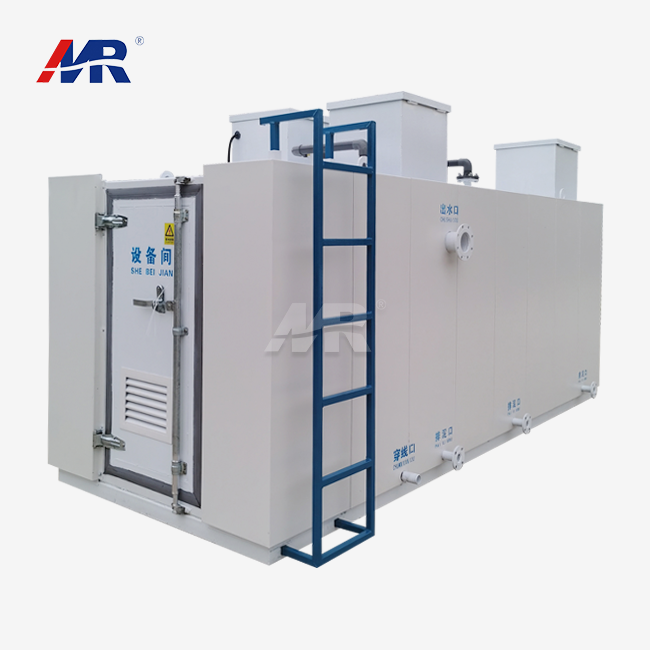
The MR-UF-80TH is a Morui machine that gets rid of wastewater. These numbers are the most important when you size a job:
- Application: Getting rid of wastewater. This type of UF unit is put in front of RO elements in a mixed train. This way, the colloids and solids in suspension fall out before they reach the RO elements. It can also be used on its own to clear things up if dissolved salts aren't a problem.
- Recovery and pressure: The recovery rate is between 80% and 90%, which means that most of the water that comes in is cleaned and waste is sent out. It works with 0.2 to 0.3 MPa of pressure, which is a lot less than what most RO steps need. It's easier to match with standard valves and pumps, and the pump doesn't have to work as hard.
- Power: 15 kW of power is used. I will figure out how much energy your site needs based on how much traffic you want and how long you want it to be up and running. The real cost of running the system depends on the power rates in the area, the quality of the feed, and how often the system is backwashed.
With these numbers, engineers can quickly start to think about size, pump choice, and how much energy they need.
Where the Unit Fits in a Treatment Train
Because different sewer feeds are very different, I need lab data before I can figure out a plan. UF might be enough to meet your goal for reuse or discharge, or RO might need to come after it. Screening, which is sometimes called "media filtration," is the first step. If the test results show that it's safe, carbon, scale control, or cleaning can move to the next step. This way, each barrier keeps working on the toxins that it is best at getting rid of.
OEM and Support Options
Guangdong Morui Environmental Technology Co., Ltd has a factory that makes membranes and a number of factories that work on different kinds of equipment. Shimge water pumps, Runxin valves, and Createc instruments are some of the other things we sell. We sell tools and then set them up and turn them on. Twenty engineers work for us at more than 14 sites. Clients who are OEMs can ask for private marking, custom interfaces, joint warranty plans, and the sale of both main machines and parts at the same time. Repair shops and people who sell parts can check to see if there are any spare parts in stock.
Conclusion
RO uf membranes don't like high-turbidity water because it has organic matter, colloids, and suspended solids that slow down the flow, raise the pressure drop, and need to be cleaned more often. UF gets rid of the germs and particles, but it doesn't get rid of the salts that have been dissolved. On the other hand, ro uf filter gets rid of the dissolved toxins, but it needs clean feed. One type of filter train is good at both types of contaminants, and it works well with water that has both particles and dissolved ones. RO on its own is still a good idea when turbidity and SDI are low. Lab tests should be used to make the choice, and the total cost of ownership should be used instead of the purchase price. The tests should look at SDI, TOC, hardness, iron, and manganese. The MR-UF-80TH displays the UF stage in a wastewater setting. It works with a pressure of 0.2 to 0.3 MPa and can recover 80 to 90% of the pressure.
FAQ
1. Does UF remove dissolved salts?
There are no particles, colloids, or bacteria that can get through UF. It lets salts that have been dissolved, hardness, nitrate, and fluoride pass through. RO takes care of those other things that belong.
2. Can UF replace RO?
When you don't need low TDS. Without UF, RO can't remove salt from water or make it low in TDS.
3. Does an RO UF filter system waste water?
Yes, some. Both UF backwash and RO reject use water. There are different places where the MR-UF-80TH can be used again, but it can be found 80–90% of the time.
4. How often should I replace membranes?
Change things like flow, pressure, and rejection based on how well they work instead of a set date. What you eat and how you clean can change how long a membrane lasts.
Request an RO UF Filter Quotation from Morui
For projects and OEMs, Morui works with Shimge pumps and Runxin valves to get parts. It also has its own membrane plant. If you need to find a company that makes an ro uf filter for wastewater or a package of equipment, email benson@guangdongmorui.com with your feed-water data, flow goal, and working hours. I'll get back to you with a price, and I'll also set up the account.
References
1. MWH's Water Treatment: Principles and Design, Wiley, 2012
2. Membrane Technology and Applications, Wiley, 2012
3. Reverse Osmosis and Nanofiltration (AWWA Manual M46), American Water Works Association, 2007
4. Long Term 1 Enhanced Surface Water Treatment Rule, U.S. Environmental Protection Agency, 2002
5. Pretreatment Trends: An Overview, Desalination, 2007
6. Guidelines for Drinking-water Quality, Fourth Edition Incorporating the First Addendum, World Health Organization, 2017