_1745823981883.webp)

Best Wastewater Treatment Plant Units for Small Plants
If you manage a small plant and you're searching for the right sewage treatment solution, you already know how frustrating it can be to find wastewater treatment plant units that actually fit your space, budget, and discharge requirements. This guide walks you through everything you need to know — from understanding core treatment technologies to evaluating real product options — so you can make a confident purchasing decision.
Understanding Wastewater Treatment Plant Units for Small Plants
For small plants, the best wastewater treatment plant units are small, unified ones that clean sewage of biological, chemical, and physical impurities before it is released into the environment or used again. Small plants, unlike large municipal facilities, need equipment that can produce compliant effluent without taking up a lot of space or needing a full-time crew to run it. Picking the right system has a direct effect on your long-term upkeep needs, running costs, and compliance with regulations.
What Are Treatment Units, Exactly?
Sewage treatment units are made up of separate modules or packages that hold different stages of treatment together. These stages usually include basic screening, biological treatment, membrane filtration, and disinfection. They are built to handle amounts of 10 m³/day or more for decentralized sites and several hundred m³/day for small local or industrial uses.
Main Treatment Technologies for Small Plants
These are the main technologies that small plants usually pick from:
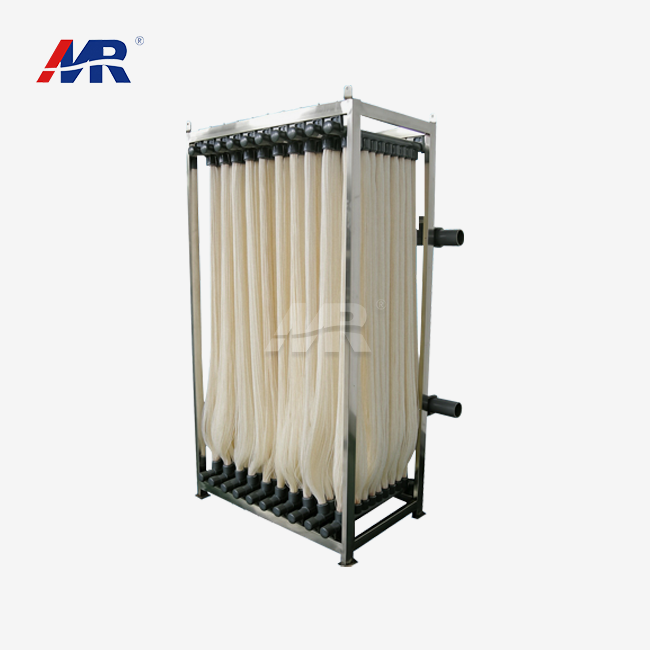
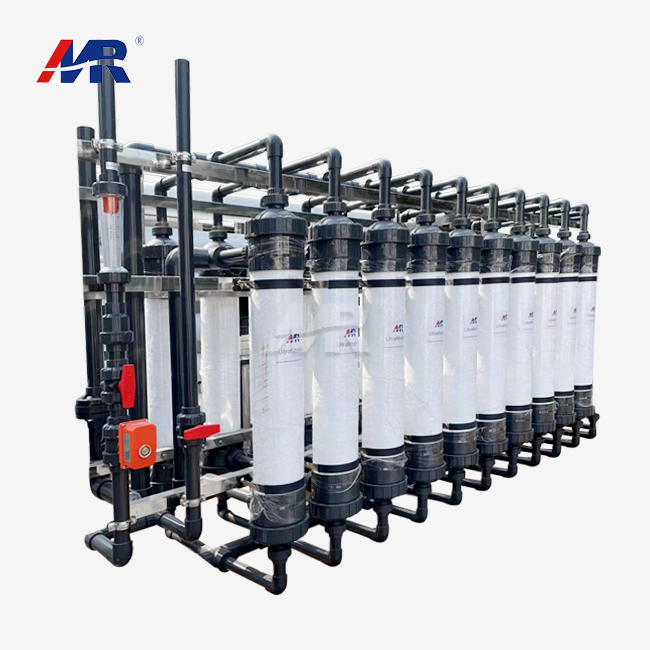
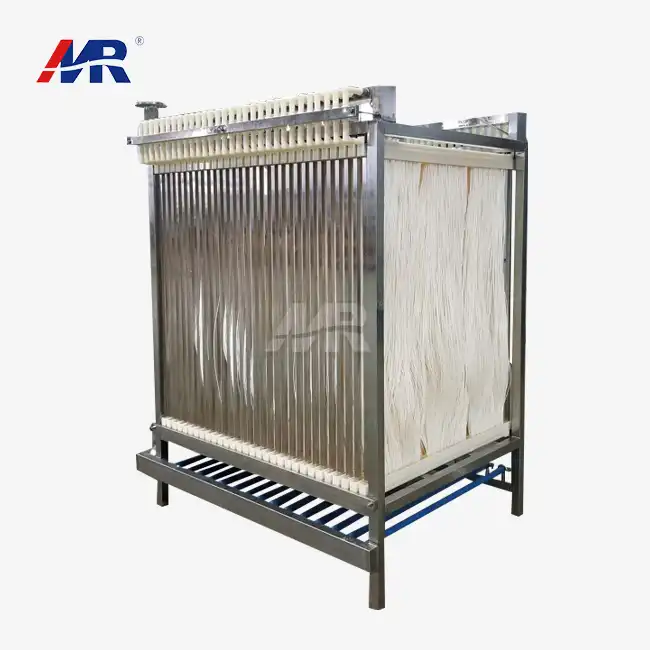
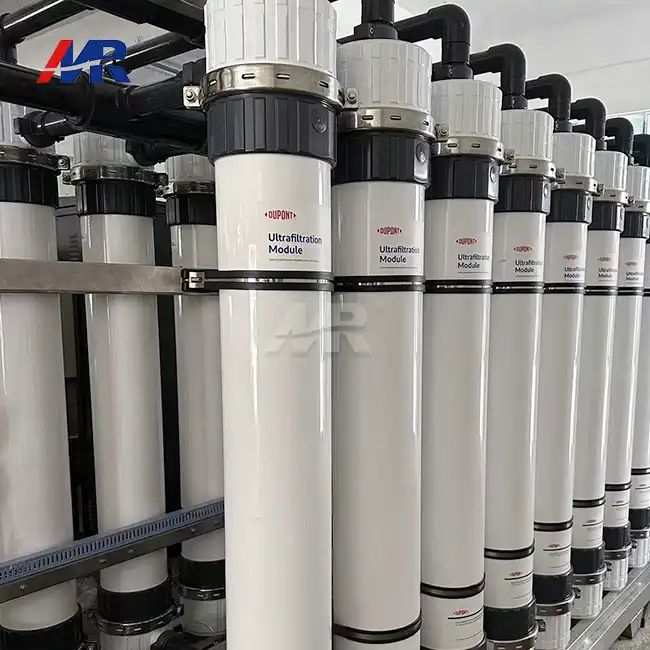
MBR stands for "membrane bioreactor." Biological treatment and ultrafiltration screens are both used together. The Water Environment Federation says that it leaves behind up to 50% less waste than regular activated sludge systems while still producing high-quality sewage (BOD < 5 mg/L, TSS < 5 mg/L).
- MBR (Membrane Bioreactor): Combines biological treatment with ultrafiltration membranes. Produces high-quality effluent (BOD < 5 mg/L, TSS < 5 mg/L) with up to 50% less footprint than conventional activated sludge systems, according to the Water Environment Federation.
- SBR (Sequencing Batch Reactor): Operates in timed cycles. Cost-effective for variable flows, though it requires careful timer management and produces slightly lower effluent quality than MBR.
- Packaged Activated Sludge: A proven, low-capital technology suitable for domestic sewage. Straightforward to operate but generates more sludge and requires more space.
- Anaerobic Treatment Units: Well-suited for high-strength industrial wastewater, such as food processing. They reduce energy use significantly but require longer startup periods.
Common Challenges Small Plants Face
The two biggest problems are space and money. A lot of small plants also don't have enough skilled workers. The EPA's 2022 Clean Watersheds Needs Survey found that over 30% of small community systems had trouble meeting effluent limits because their equipment was old or not the right size. Automated systems that can be monitored from afar directly fill the role of the operator.
How to Choose the Best Wastewater Treatment Plant Units for Small Plants
To pick the right wastewater treatment plant units, you need to compare what each technology offers to your plant's unique influent quality, discharge standard, available size, and budget. Here is a useful screening framework to help you with the process.
Key Selection Criteria
Start with these settings that can't be changed:
- Daily capacity (m³/day): Match the unit's rated flow to your peak daily volume, not just average flow.
- Effluent standard: Confirm the unit meets EPA NPDES permit limits or your local discharge standard before purchasing.
- Footprint: MBR-based packaged units occupy significantly less ground space than conventional systems — a key factor for urban or constrained sites.
- Energy consumption: Aeration blowers account for 50–70% of total energy use. Specify units with VFD-controlled blowers and fine-bubble diffusers to reduce operating expenditure.
- Automation level: PLC-controlled systems with remote monitoring reduce the need for on-site operators.
Packaged vs. Custom Units
The shipping of packaged units as a ready-to-install assembly cuts down on project times and costs for civil construction. Custom units, on the other hand, can be designed to fit odd influent features, non-standard discharge limits, or specific site constraints like having to be buried or placed on a container. For most small plants that clean up sewage from homes, a packed MBR unit that can handle 50 to 200 m³/day is the best value for money. Some well-known companies that sell boxed systems are Evoqua Water Technologies, Veolia, and Xylem. However, wait times and customer service after the sale vary a lot from region to region.
Total Cost of Ownership
The price of the item is not the only thing that matters. Think about how often the membrane needs to be replaced (usually every 5–8 years for hollow-fiber membranes), how much energy costs, and how much it costs to get rid of the sludge. Over 10 years, a system with a lower initial cost but a lot of sludge production can end up costing a lot more.
Top 5 Wastewater Treatment Plant Units for Small Plants
Here are the five best choices for small plants, based on how well they work, how much care they need, and how well they fit with the operations.
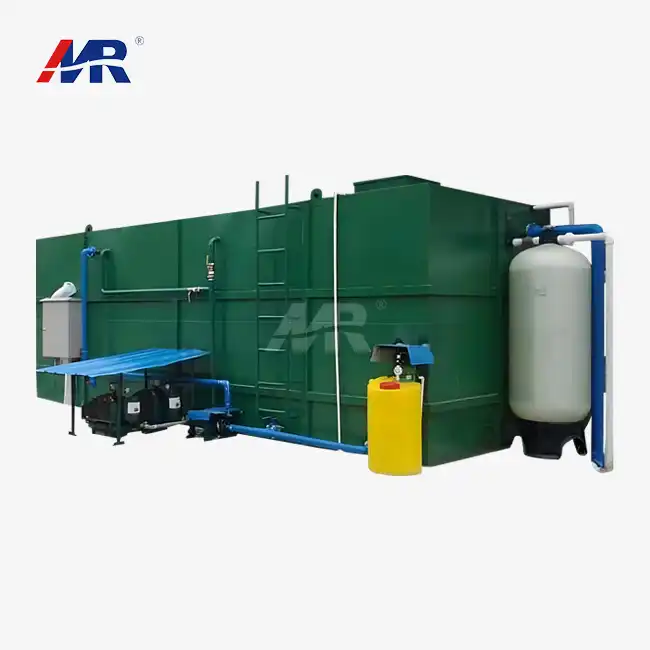
Morui MR-MBR-5TH — AAO+MBR Integrated Unit
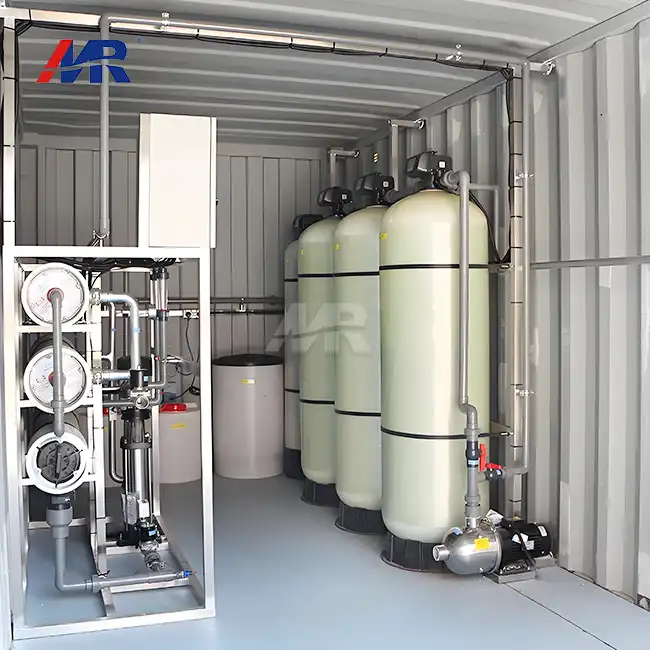
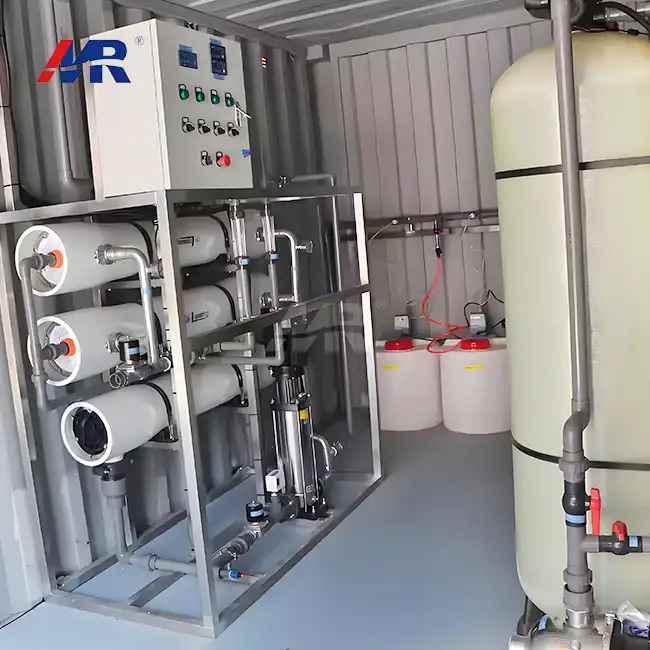
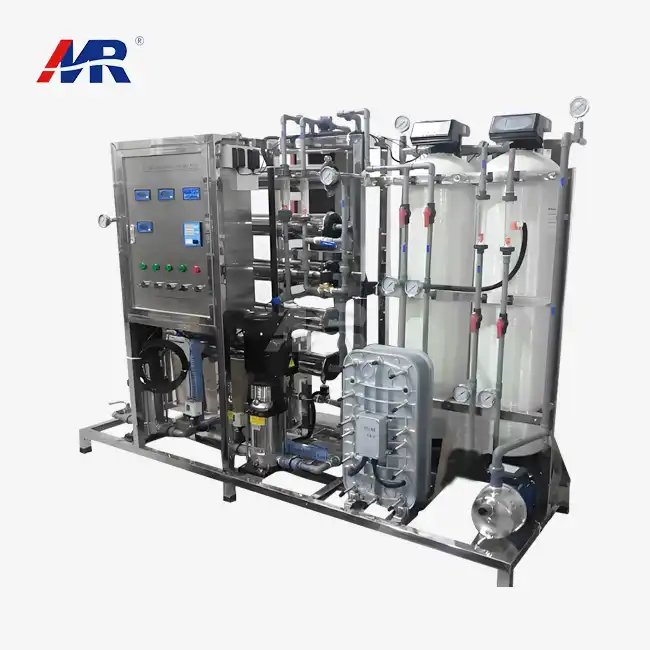
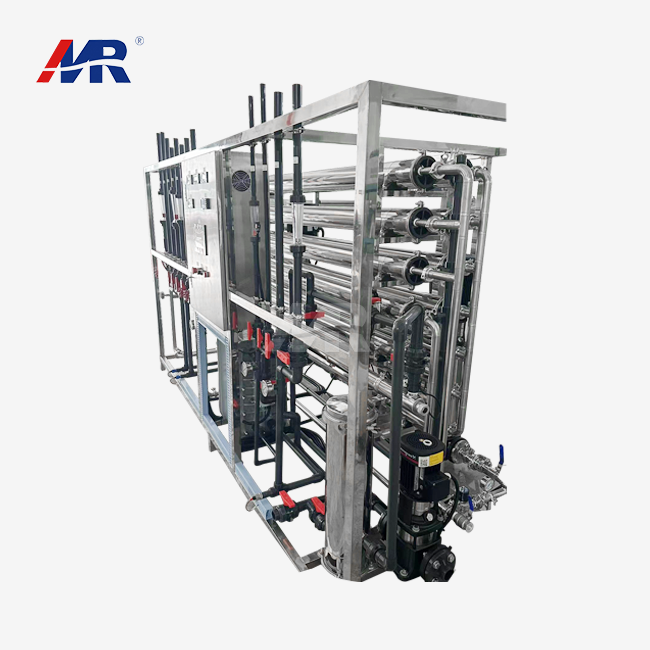
For treating sewage from homes, this is the unit I'd point out first. AAO (Anaerobic-Anoxic-Oxic) biological process and mbr membrane filtration are both used in Morui's MR-MBR-5TH. It has a footprint of 9 x 2 x 2.4 meters and can handle 100 m³/day. This makes it small enough for community stations, construction sites, and small city halls. The fully automatic PLC system controls the process without constant human oversight, and the treated effluent always meets standards for reuse or discharge. Compared to other methods, it doesn't make as much sludge, which lowers the cost of removal over time.
Evoqua ADI-BVF Anaerobic Reactor
This unit works well in food preparation and dairy environments because it is made to handle strong organic wastewater. Biogas is turned back into an energy source that can be used, which helps lower the cost of running the plant. Works best for plants where the COD level in the influent is more than 2,000 mg/L.
Veolia ACTIFLO Compact Clarifier
A chemically improved clarification unit that can handle a lot of suspended solids while taking up very little space. It works well as a cleaning step after biological treatment, but it can't be used instead of biological treatment.
Xylem Sanitaire SBR Package
A biological system that works in batch mode and can handle different daily flows without the need for equalization tanks. Maintenance isn't too hard, but the quality of the waste isn't great, so it's best for non-sensitive bodies of water and wastewater treatment plant units.
BioMicrobics RetroFAST MBBR Unit
A biofilm-based system that can be added to tanks that are already in place. It can handle shock loads well and is cheaper to update than to build from scratch. There are five choices here that cover a range of plant situations. The best choice relies on the type of influent, the amount of room you have, and the amount of discharge you need.
Installation, Maintenance, and After-Sales Considerations
A treatment area is only as good as the building that supports it and the way it is set up. Before you buy, make sure you know the vendor's shipping schedule, how the service will be set up, and how long it will be available.
Installation Process and Lead Times
Packaged and containerized units like the MR-MBR-5TH are already put together when they arrive at the job site, so the only work that needs to be done there is preparing the base and connecting the utilities. A 100 m³/day packaged unit usually only takes 3–7 days to install, while traditionally built plants take several months.
Maintenance Protocols
Based on Trans-Membrane Pressure (TMP) readings, MBR membranes need to be chemically enhanced backwashed (CEB) about once a week and fully recovered every three to six months (CIP). A planned preventive maintenance routine should include regular checks of the diffusers, the blowers, and the sensors. Most of the time, membranes fail before they should because maintenance wasn't done as planned.
After-Sales Support and Spare Parts
Ask each seller directly if they have any spare parts in stock in your area, especially for membrane units. For example, Morui has its own plant for making membranes and has branches in many areas. This means that customers can easily reorder membrane modules and get technical help without having to wait for long foreign lead times. Morui also has private-label choices and execution training packages for people who buy from OEMs.
Case Studies and Success Stories from Small Plants
Rural Community Sewage Station, Southern China
An MBR-based packed unit was put in at a village station that handles 80 m³/day of household wastewater. Within 60 days of starting up, the BOD level in the effluent dropped below 5 mg/L, and the treated water was used to water plants. The automated control system only needed to be checked from time to time remotely, so operators only had to come in once a week instead of every day.
Food Processing Plant, Pre-Treatment Application
A medium-sized food company put in an anaerobic pre-treatment unit before connecting to the city waste system. The amount of COD in the discharge went from over 3,000 mg/L to below 500 mg/L. This meant that the plant didn't have to pay any surcharge fines and was in compliance with its permit within one working quarter.
Construction Site Temporary Sewage Treatment
A containerized MBR unit was used to treat clean wastewater on-site at a highway building camp with space for 300 workers. The unit was ready to use 48 hours after it was delivered, didn't need any permanent infrastructure work, and was moved to the next project site when it was finished.
Conclusion
Limited space, stricter rules on discharge, and tight operating budgets are all real problems that small plants have to deal with. If you choose the right cleaning tools from the start, you won't have to pay for expensive upgrades or deal with compliance problems later on. MBR-based packaged systems, like the Morui MR-MBR-5TH, are compact wastewater treatment plant units that can be operated automatically and produce effluent that is safe for use in household sewage and light industrial settings. Make sure that the options you choose are in line with your real influent data, discharge permit, and site limitations. Also, give extra weight to sellers who can support you after the sale and have spare parts readily available.
Frequently Asked Questions
1. How long do packaged sewage treatment units typically last?
Steel-fabricated packaged units have a structural lifespan of 15–25 years, depending on corrosion protection quality. MBR membrane modules within these units typically last 5–10 years before replacement is needed.
2. What is the most effective way to reduce energy costs in a small treatment plant?
Aeration accounts for 50–70% of energy consumption in biological treatment systems. Specifying VFD-controlled blowers paired with fine-bubble diffusers can reduce aeration energy use by 20–40% compared to fixed-speed systems.
3. Can packaged units be scaled up if my plant's capacity grows?
Yes. Modular designs allow parallel units to be added without restructuring existing civil infrastructure. This makes MBR packaged systems particularly practical for communities or industrial parks that anticipate gradual growth.
4. How is odor managed in units near residential areas?
Quality packaged units use enclosed tank designs and integrated odor control — typically activated carbon scrubbers or biological odor treatment — to prevent fugitive emissions from reaching neighboring properties.
Get a Quote from Morui — Wastewater Treatment Plant Units Supplier
Morui plans and creates sewage treatment systems that work together for small plants, remote locations, and industrial uses. Morui is a direct manufacturer of wastewater treatment plant units that makes membranes and can do a full turnkey job. They offer tried-and-true options with real commissioning support. Email us at benson@guangdongmorui.com to talk about your project needs with our tech team.
References
1. Water Environment Federation. Membrane Bioreactor Technology for Wastewater Treatment. WEF Press, 2012.
2. U.S. Environmental Protection Agency. Clean Watersheds Needs Survey 2022 Report to Congress. EPA, 2022.
3. Judd, S. The MBR Book: Principles and Applications of Membrane Bioreactors for Water and Wastewater Treatment. Elsevier, 2011.
4. Tchobanoglous, G., et al. Wastewater Engineering: Treatment and Resource Recovery, 5th ed. McGraw-Hill, 2014.
5. Metcalf & Eddy. Water Reuse: Issues, Technologies, and Applications. McGraw-Hill, 2007.
6. American Water Works Association. Packaged Water and Wastewater Treatment Systems: Design and Application. AWWA, 2018.