_1745823981883.webp)

Biological Reactor Wastewater Treatment: Key Performance Metrics
Biological reactor wastewater treatment is an engineered process that uses controlled microbial communities to break down organic pollutants, nitrogen, and phosphorus in wastewater streams. Modern systems—including membrane Bioreactors (MBR), Sequencing Batch Reactors (SBR), and Moving Bed Biofilm Reactors (MBBR)—maintain high biomass concentrations inside compact vessels. They solve real industry pain points: high COD discharge, excessive sludge output, land constraints at municipal facilities, and the inability of purely physical or chemical methods to hit Class A effluent standards economically. Understanding key performance metrics lets engineers and procurement teams specify the right system from day one.
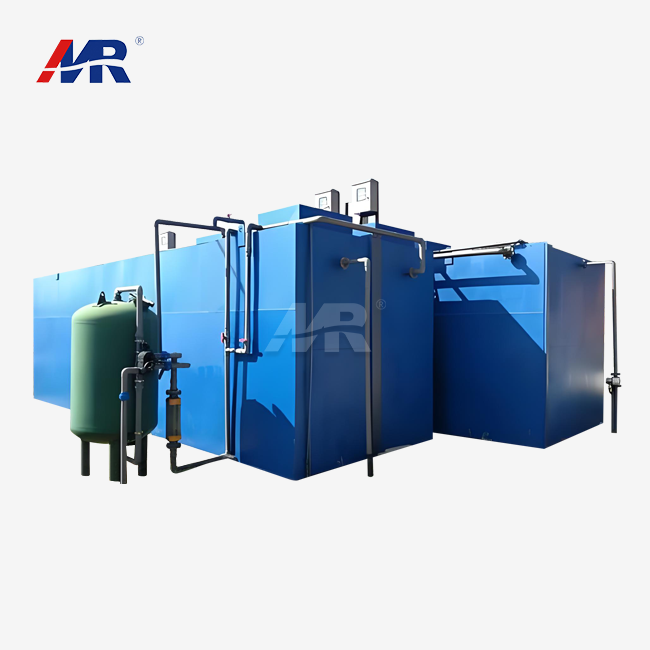
Understanding Biological Reactors in Wastewater Treatment
Core Reactor Types and Their Roles
Heterotrophic bacteria that break down BOD and COD use oxygen in aerobic reactors. Biogas is made by anaerobic reactors, which work best with high-strength industrial streams and don't need oxygen to work. For solids–liquids separation, MBRs connect an activated sludge basin to an internal or external membrane that is immersed or exposed. SBRs, on the other hand, use a single tank to go through the fill, react, settle, and decant steps. Each type is designed to handle a different type of influent and discharge source.
Design Parameters That Drive Performance
Any plan for a bioreactor starts with these three factors. The Hydraulic Retention Time (HRT) determines how long wastewater interacts with biomass. If it's too short, organics pass through without being cleaned, and if it's too long, the tank volume grows. The amount of BOD or COD that is fed per unit volume per day is controlled by the Organic Loading Rate (OLR). If this rate is exceeded, biomass activity stops. After that, the amount of aeration and mixing spread oxygen and substrate evenly among the microbes.
Microbial Community Management
Changes in temperature of 15 to 35 °C can cause nitrification rates to vary by two or more times. It is best for mixed aerobic bacteria to keep the pH between 6.5 and 8.0. The right amounts of nutrients—about 100:5:1 for BOD, N, and P—keep bacteria's metabolism going. When operators keep an eye on these conditions, they can be sure that removal rates will stay stable and they will avoid crashes that require expensive corrective doses.
Critical Performance Metrics for Biological Reactor Efficiency
BOD, COD, and Nutrient Removal Rates
In a well-run MBR, BOD removal usually goes over 95%, while COD removal stays between 90% and 98%, depending on the makeup of the influent. Denitrification needs an oxygen-free zone to work, and mixed nitrification–denitrification systems can usually get rid of 85% of the nitrogen. If you want to meet the low flow limits set by the EPA under the Clean Water Act for phosphorus removal, you may need a separate anaerobic selection or chemical precipitation.
Sludge Volume Index and Biomass Concentration
The Sludge Volume Index (SVI) shows how well activated sludge settles; numbers below 120 mL/g mean it settles well. Mixed Liquor Suspended Solids (MLSS) levels of 8,000 to 12,000 mg/L are common in MBR systems, which is about three times higher than levels found in regular activated sludge tanks. The higher biomass density is the exact reason why MBRs leave behind less sludge and take up less space.
Energy Consumption Benchmarks
50–70% of a biological reactor wastewater treatment plant's electricity bill goes to aeration. When compared to coarse-bubble systems, fine-bubble diffusers with a Standard Oxygen Transfer Efficiency (SOTE) above 25% per meter of submersion use a lot less energy. Using real-time DO sensors and variable-frequency fan drives can cut the energy needed for aeration by 20 to 30 percent. This is because they fit the oxygen supply to the biological demand instead of the peak design capacity.
Comparing Biological Reactors with Conventional Wastewater Treatment Solutions
MBR vs. Conventional Activated Sludge
Large extra clarifiers are needed for conventional activated sludge (CAS), and the runoff isn't always clean enough to be reused directly. An MBR takes the place of the clarifier with a 0.2 µm membrane barrier. This creates filtered wastewater with turbidity below 1 NTU that can be used again or polished further. For membrane scouring, more energy is needed, but the land savings—MBR areas are 30–50% smaller than comparable CAS plants—often make up the difference for projects in cities and industrial parks.
Biofilters and Constructed Wetlands: Where They Fit
Small groups can use biofilters and trickling filters, which use little energy, but they can't always remove nutrients without extra steps. Built wetlands need a lot of land and long HRTs, which means they can't be used on most industrial sites. When the quality of the influent is very different or when reusing the wastewater is desired, MBR-based biological reactor systems always work better than passive or biofilm-only options.
Scalability and Maintenance Considerations
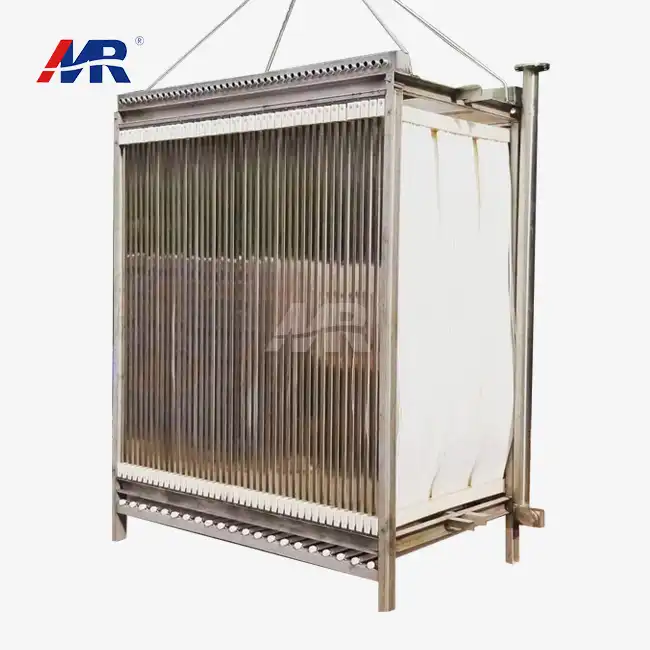
You can add more bioreactor tanks or membrane cassettes to modular MBR units to make them bigger or smaller in steps of capacity. To increase conventional methods, a lot of civil work has to be done. Replacement of membranes is planned maintenance. PVDF flat-sheet membranes like those in the Morui MR-MBR-20 have service lives of 5–10 years with the right chemical cleaning cycles. On the other hand, managing the clarifier's sludge blanket is an ongoing daily practical job with less predictable labor needs.
Optimizing Biological Reactor Performance: Best Practices and Troubleshooting
Real-Time Control Parameters
Keeping the dissolved oxygen (DO) level in the aerobic zone between 1.5 and 3.0 mg/L stops both oxygen loss and energy loss. To make sure that denitrification is happening, the oxidation-reduction potential (ORP) in the anoxic zone should stay between -50 and 150 mV. Inline ammonium monitors let the blower output respond instantly to load spikes. This keeps the quality of the effluent safe when local plants are getting a lot of traffic in the morning.
Addressing Sludge Bulking and Foaming
Most of the time, filamentous bulking—when SVI goes above 200 mL/g—is caused by low DO, low F/M ratio, or bad selector zone design. By adding a small anaerobic or anoxic filter at the basin's entrance, you can stop filamentous bacteria from growing and encourage species that make flocs. Persistent foaming usually means that Nocardia or Microthrix organisms are present and is caused by controlled wasting of the surface scum along with a short-term rise in the MLSS wasting rate.
Preventative Maintenance and Startup Protocols
Pressure-decay tests should be done every three months to make sure the membrane in a biological reactor wastewater treatment system is still intact. Chemical Enhanced Backwash (CEB) with 500–1,000 mg/L of sodium hypochlorite every two to four weeks gets rid of organic foulants, and cycles with citric acid at the same times get rid of artificial scaling. During startup, the seed sludge is acclimated gradually over two to four weeks. This gives nitrifying bacteria, whose numbers double every eight to twelve hours, time to build up stable populations before the plant takes on its full design load.
Procurement Considerations: Selecting the Right Biological Reactor System
Key Supplier Landscape
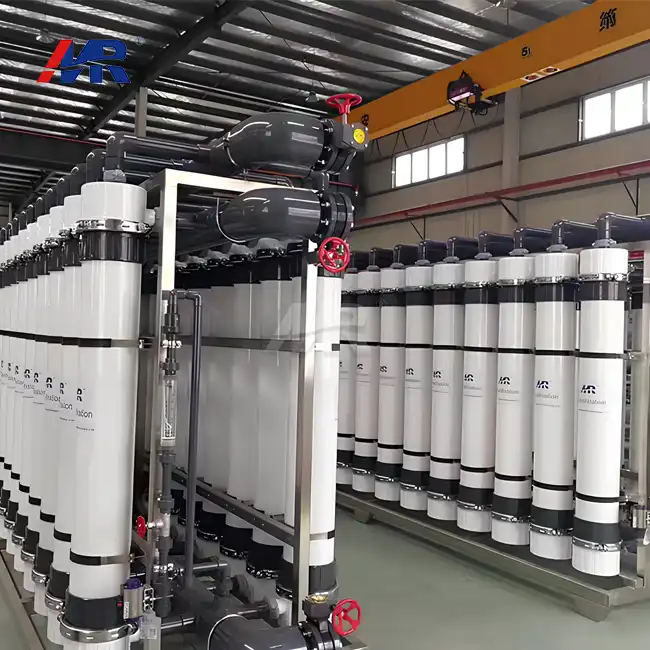
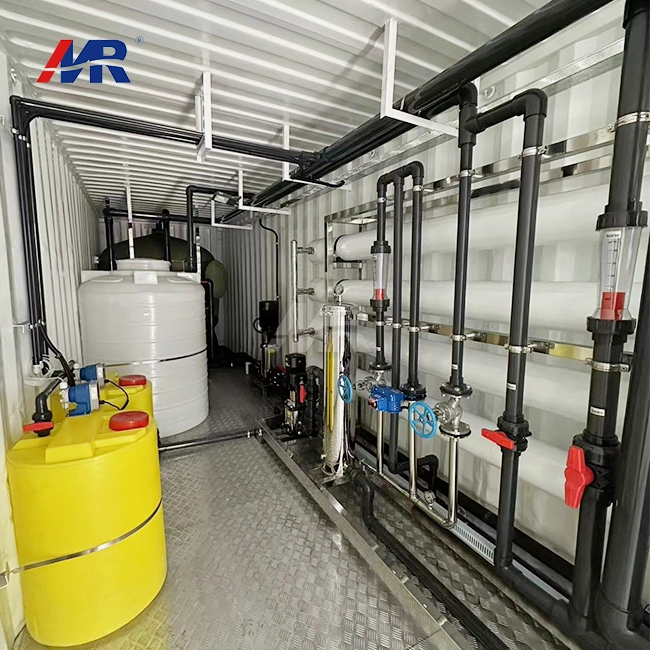
For big city contracts, the global market has well-known companies like Veolia, Suez, and Evoqua. For projects in industrial parks, decentralized areas, or those driven by OEMs, specialized makers offer membrane modules and combined package units with short lead times. The MR-MBR-20 from Morui is one of these units. It is a PVDF flat-sheet MBR module that has a 20 m² effective membrane area, 0.2 µm pore size, and small dimensions of 2,000 × 578 × 39.4 mm. It can be put directly into buried, above-ground, or containerized treatment skids.
Lifecycle Cost Analysis
The price you pay for something is only one part of the total cost. Before they sign a buy order, procurement teams should look at these cost factors:
- Capital cost — membrane module price, bioreactor tank fabrication, blower and pump packages, PLC control panel, and installation labor.
- Energy cost — aeration blowers typically draw 0.3–0.8 kWh/m³ treated in MBR configurations; fine-bubble diffusers and VFDs bring this toward the lower end.
- Membrane replacement — budget for module replacement at 5–10 year intervals; the MR-MBR-20's PVDF material resists chemical degradation and extends service life.
- Chemical cleaning — hypochlorite and citric acid consumption is predictable and low relative to chemical precipitation costs in competing technologies.
- Labor and O&M — fully automated PLC systems with remote monitoring reduce on-site staffing requirements considerably.
When you add up all five types of costs over the life of an asset, which is 15 years, MBR-based systems often match or beat traditional systems that seem cheaper at the time of purchase.
Selection Criteria for Industrial and Municipal Buyers
Before putting out a bid, make sure that the supplier's proven working data matches your input parameters (BOD, COD, TSS, and temperature range). Not only design estimates should be asked for, but also effluent quality test results. If you are buying in the US, make sure you ask about NSF/ANSI Certifications and how well the product follows EPA effluent guidelines. Check the membrane flux rates at the MLSS and temperature you want, and make sure the provider can help with commissioning, has spare parts on hand, and offers a written guarantee.
Conclusion
A biological reactor wastewater treatment system can be turned from a mystery into a useful tool by keeping track of the right performance indicators, such as BOD/COD removal, SVI, MLSS, DO, and energy per m³. When set up and maintained correctly, MBR technology produces effluent that can be reused in a fraction of the space needed by older methods. Whether you are improving a city plant, building a WWTP for an industrial park, or putting a containerized unit in a rural location, the most reliable way to make sure you follow the rules is to create the system around measurable goals.
FAQ
1. What is the difference between aerobic and anaerobic biological reactors?
Aerobic reactors provide air so bacteria can completely break down organic matter into CO2 and water, which makes a small amount of steady sludge. In anaerobic reactors, air is not present. Bacteria break down organic matter into methane and carbon dioxide, creating biogas that can be used to recover energy but needs longer HRTs and higher temperatures to work properly.
2. How can I improve nitrogen and phosphorus removal?
There needs to be both an aerobic nitrification step and an anoxic denitrification step in order to get rid of nitrogen. By adding an anoxic zone and running nitrified mixed liquor through it again and again, TN removal can reach 85% or higher. Getting rid of phosphorus is best done with a special anaerobic filter that encourages phosphorus-accumulating organisms (PAOs). Chemical precipitation can also be used when very low limits need to be met.
3. What operational metrics should I monitor daily?
The flow rate of the influent, the DO level in the aerobic zone, the ORP level in the anoxic zone, the percentage of MLSS, the transmembrane pressure (TMP) for MBR systems, and the turbidity or TSS of the wastewater should all be checked every day. SVI, pH, temperature, and nitrogen amounts (NH₄⁺-N, NO₃⁻-N, TP) should be checked once a week. All of these measurements together give a full picture of the health of the cells and the condition of the membranes.
4. How long do MBR membranes typically last?
PVDF flat-sheet membranes in MBR systems that are well taken care of usually last between 5 and 10 years. Three main things determine actual service life: using the same CEB cycles over and over, keeping MLSS within the design range, and not using cleaning chemicals that aren't compatible.
Partner with Morui for Proven Biological Reactor Wastewater Treatment Solutions
Guangdong Morui Environmental Technology Co., Ltd. makes biological reactor wastewater treatment systems. The company has its own plant for making membranes, as well as processing facilities for other equipment, and 20 engineers who work full-time at the company. The MR-MBR-20 module has 20 m² of PVDF, 0.2 µm, and is small at 2,000 × 578 × 39.4 mm. It comes as part of a full MBR package that includes PLC control and full setup support. To get a detailed document or project quote, email Our Team at benson@guangdongmorui.com right now.
References
1. Judd, S. The MBR Book: Principles and Applications of Membrane Bioreactors in Water and Wastewater Treatment. Elsevier, 2011.
2. Metcalf & Eddy / AECOM. Wastewater Engineering: Treatment and Resource Recovery, 5th ed. McGraw-Hill, 2014.
3. U.S. Environmental Protection Agency. Membrane Bioreactors: Wastewater Treatment Technology Fact Sheet. EPA 832-F-07-006, 2007.
4. Cicek, N. "A Review of Membrane Bioreactors and Their Potential Application in the Treatment of Agricultural Wastewater." Canadian Biosystems Engineering, 2003.
5. Subtil, E. L., et al. "Energy Consumption and Membrane Fouling in a Submerged Membrane Bioreactor." Bioresource Technology, 2014.
6. Water Environment Federation. Biological Nutrient Removal Processes and Costs. WEF Manual of Practice No. 30, 2010.