

_1745823981883.webp)

What Is a Submerged Membrane Bioreactor?
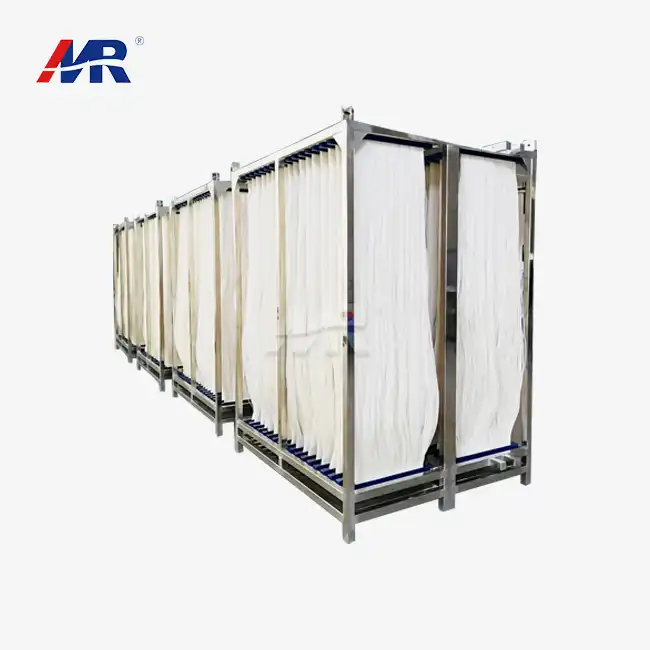
A membrane/bioreactor-wastewater-treatment">submerged membrane bioreactor (SMBR) is an advanced wastewater treatment technology that integrates biological degradation — typically activated sludge — with membrane filtration directly inside the bioreactor tank. Unlike external configurations, the membrane modules are immersed in the mixed liquor, using vacuum suction to draw clean permeate through the membrane walls while retaining solids and microorganisms. This design eliminates secondary clarifiers entirely, resolves sludge bulking, and produces high-quality effluent suitable for direct reuse — making it a compelling solution for industries facing tighter discharge regulations and space constraints.
Why Are More Industries Turning to Membrane Bioreactor Technology?
Getting rid of wastewater has become an important operating issue in the energy, industry, food processing, pharmaceuticals, and public utilities sectors. Activated sludge systems that have been used for a long time have problems with uneven effluent quality, large footprints, and rising compliance costs. Under the Clean Water Act, environmental regulators in the U.S. are continuing to tighten discharge standards. This is making facility managers look for reliable upgrades.
These issues are directly addressed by the submerged membrane bioreactor. It produces wastewater that always meets or exceeds EPA disposal standards because it combines biological treatment with physical membrane separation in a single tank. That reliability means a measurable return on investment (ROI) for procurement engineers and plant managers who are looking at long-term capital investments.
How Does a Submerged Membrane Bioreactor Actually Work?
Core Components and Process Flow
There are three main parts to an SMBR system: a bioreactor tank that holds the active sludge, membrane modules that are buried, and a coarse-bubble aeration system that is placed below the membranes. When wastewater goes into the aerated tank, microorganisms break down the organic waste. At the same time, a slight vacuum pulls treated water through the membrane pores, making the permeate clearer. The aeration does two things: it provides air for living things to use, and it creates movement that scrubs the membrane surface to keep it clean.
Membrane Types and Material Configurations
The choice of membrane affects how well the system works, how long it lasts, and how well it works with different garbage streams. There are two main types of filtration:
- Microfiltration (MF): pores that are usually 0.1 to 0.4 µm in size, good at getting rid of solids in the fluid, bacteria, and protozoa.
- Ultrafiltration (UF): pores smaller than 0.1 µm can hold viruses and large molecules.
Choices about things matter the same. PVDF (polyvinylidene fluoride) membranes are the most popular because they are resistant to chemicals, strong, and good at holding water. These qualities make them last longer and work better with harsh cleaning methods. Ceramic membranes can handle more chemicals, but they are much more expensive to buy, so they are only good for very strong industrial wastewater and not for normal city or food-grade uses.
Morui's MR-MBR-18 module reflects this preference — engineered with PVDF material at a 0.2 µm rating, it delivers reliable microfiltration performance with an 18 m² effective membrane area in a compact 1300 × 1250 × 30 mm flat-sheet configuration.
What Advantages Does an SMBR Offer Over Conventional Treatment?
There is a big difference in how well submerged membrane bioreactor systems work compared to regular activated sludge (CAS) treatment. Here are the main reasons why you should look into SMBR:
- Drastically reduced footprint: Higher MLSS concentrations (8,000–12,000 mg/L vs. 2,000–4,000 mg/L in CAS) lower the reactor volume by up to 50%, which makes SMBR perfect for retrofits in cities and companies that don't have a lot of room.
- Superior effluent quality: Membrane filtration creates effluent with turbidity below 1 NTU and almost complete pathogen removal, which is always safe to use again in cooling towers, irrigation, or process water.
- Reduced sludge generation: Longer sludge retention times (SRT) encourage full organic breakdown, which cuts down on extra sludge production and costs related to disposal.
- Complete decoupling of HRT and SRT: Operators can control biological and hydraulic retention separately, keeping nitrification steady even when loads change.
These benefits directly lead to cost savings for wastewater treatment plants, facilities that prepare food and drinks, pharmaceutical plants, and petrochemical sites that have to reuse effluent and follow all regulations. SMBR is one of the most useful membrane bioreactor solutions on the market today because it is small and consistently produces the same amount of material.
How Does SMBR Compare to Other Treatment Technologies?
People who make decisions often compare SMBR to a number of other methods. The main differences are shown in the table below:
| Criteria | Submerged MBR | Conventional CAS | External MBR | MBBR |
|---|---|---|---|---|
| Footprint | Small | Large | Medium | Medium |
| Effluent Quality | High | Moderate | High | Moderate |
| Energy Consumption | Moderate | Low | High | Low–Moderate |
| Membrane Fouling Risk | Moderate | N/A | High | N/A |
| Secondary Clarifier Needed | No | Yes | No | Yes |
| Retrofit Suitability | Excellent | N/A | Moderate | Good |
| MLSS Concentration | 8,000–12,000 mg/L | 2,000–4,000 mg/L | 8,000–12,000 mg/L | Variable |
External MBR designs move mixed liquor through submerged membrane bioreactor modules outside the tank. This creates faster cross-flow speeds that lower fouling, but it costs a lot more in energy. Moving bed biofilm reactors (MBBRs) are easier to use and don't use as much energy, but their waste isn't as consistent as that from membrane-based systems. The submerged design strikes a good mix between energy efficiency, size, and output quality in a way that other technologies find hard to do on a large scale.
How Do You Maintain Peak SMBR Performance?
Controlling Membrane Fouling
Fouling is still the biggest problem that any MBR system has to deal with. Biological fouling (biofilm formation), organic fouling (soluble microbial Products), and inorganic fouling (calcium or iron scaling) all slow membrane flux down in different ways. Continuous coarse-bubble air scouring, short relaxation cycles, and chemical cleaning with sodium hypochlorite for organic fouling and citric acid for inorganic scaling are all things that work well to reduce damage.
Managing Key Operating Parameters
Keeping flux rates within the design limits, which are usually 15–25 LMH for flat-sheet modules, stops fouling that can't be fixed and makes membranes last longer. The best MLSS concentration is between 8,000 and 12,000 mg/L. Concentrations above 15,000 mg/L sharply raise the viscosity of the mixed liquor, which increases the need for cooling energy. Stable temperature and pH also protect the health of the microbial community and make sure that biological processes work the same way every time.
Energy Optimization Strategies
30–60% of all the energy used by an SMBR goes to aeration. Using variable frequency drives (VFDs) on blowers, adjusting air scouring cycles based on transmembrane pressure (TMP) readings, and energy-efficient diffuser configurations can significantly lower energy costs without affecting the integrity of the membrane or the biological performance.
What Should B2B Buyers Evaluate Before Purchasing?
To buy an MBR system, you need to carefully evaluate suppliers beyond what is listed in the catalog. Buyers should give more weight to providers who offer complete solutions that include engineering design, membrane supply, installation, testing, and training on-site. To lower the risk of downtime, you must have access to clear warranty terms, verifiable after-sales support networks, and spare membrane modules.
When you look at the total cost of ownership (TCO), you should think about how often the membrane needs to be replaced (usually every 5–10 years for good PVDF membranes), how much energy costs, and how long it takes for local service to get to you. Depending on the level of customization, the time it takes to buy things for big MBR projects can range from 8 to 20 weeks. Getting suppliers involved early on helps keep the plan on track. Mid-sized producers may have trouble getting enough cash, but flexible buying structures, like leasing or installing things in stages, can help.
Conclusion
The submerged membrane bioreactor has grown from a niche technology to a common way for businesses to treat wastewater that needs to be reliable, small, and ready to be used again. It is better than most other options in most performance measures because it can separate biological and hydraulic retention, get rid of secondary clarifiers, and regularly produce high-quality effluent. When it comes to procurement managers, engineers, and plant owners who have to deal with stricter rules, looking into SMBR technology backed by tried-and-true PVDF membrane modules like the MR-MBR-18 is a smart way to improve operational resilience and environmental compliance.
FAQ
1. How long do PVDF membranes in an SMBR typically last?
With the right pre-treatment screening, controlled MLSS ratios, and regular acid cleaning, a good PVDF membrane should last between 5 and 10 years. Degradation speeds up when design flux rates are exceeded or fouling protocols are ignored.
2. Can an existing activated sludge plant be retrofitted with SMBR technology?
Retrofitting has been done for a long time. By skipping the clarifiers, existing aeration tanks can fit submerged membrane modules, which can often double or triple the amount of wastewater that can be treated without building any new infrastructure.
3. What are early warning signs of membrane fouling or performance decline?
The main sign is rising transmembrane pressure (TMP) at a steady flux rate. Less permeate flow, higher turbidity readings, or high chemical oxygen demand (COD) in the effluent are also signs of fouling that need to be fixed right away.
4. Does SMBR handle high-strength industrial wastewater effectively?
SMBR systems can effectively handle high-strength wastewater from petrochemical, pharmaceutical, and food processing plants, as long as coarse solids and oils that could damage membrane surfaces are removed before the system is used.
How does energy consumption compare to conventional systems?
Aeration for membrane scrubbing uses more energy, but getting rid of sludge return pumps and secondary clarifiers helps to balance this out. Modern diffusers that use little energy and fans that are controlled by a VFD make lifetime energy costs very competitive.
Partner with Morui for a Reliable Submerged Membrane Bioreactor Solution
Morui has its own factory for making membranes and several facilities for processing different kinds of equipment. As a trusted submerged membrane bioreactor supplier, Morui can handle everything from start to finish. Our MR-MBR-18 module — PVDF, 0.2 µm, 18 m² effective area — is built for industrial-grade performance. With 20 dedicated engineers and 14 branches across the country, we deliver turnkey installation, commissioning, and after-sales support that protects your investment. Reach Our Team directly at benson@guangdongmorui.com to request a tailored consultation.
References
1. Judd, S. (2011). The MBR Book: Principles and Applications of Membrane Bioreactors for Water and Wastewater Treatment. Elsevier.
2. Melin, T., Jefferson, B., Bixio, D., Thoeye, C., De Wilde, W., De Koning, J., van der Graaf, J., & Wintgens, T. (2006).
3. Kraume, M., & Drews, A. (2010). Membrane bioreactors in wastewater treatment — Status and trends.
4. U.S. Environmental Protection Agency. (2007). Membrane Bioreactor Technology. EPA 832-F-07-006.
5. Hai, F. I., & Yamamoto, K. (2011). Membrane biological reactors.
6. Le-Clech, P., Chen, V., & Fane, T. A. G. (2006). Fouling in membrane bioreactors used in wastewater treatment.
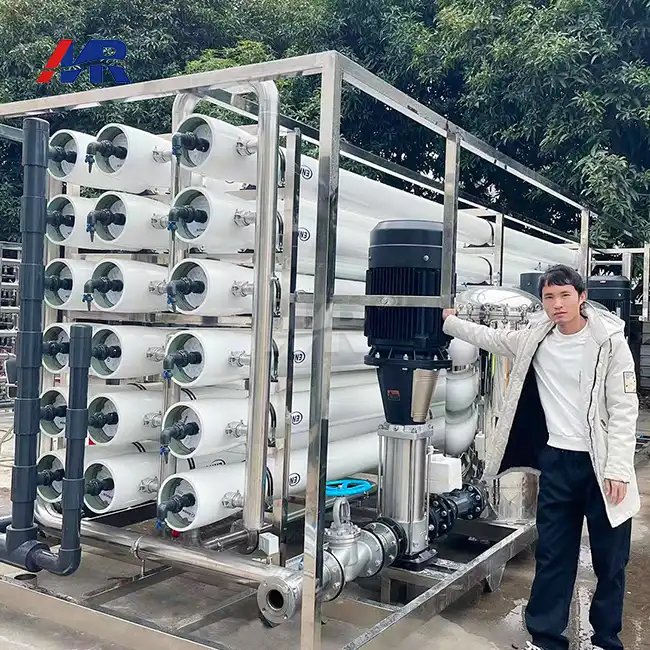 VIEW MORE100m3/hour reverse osmosis system
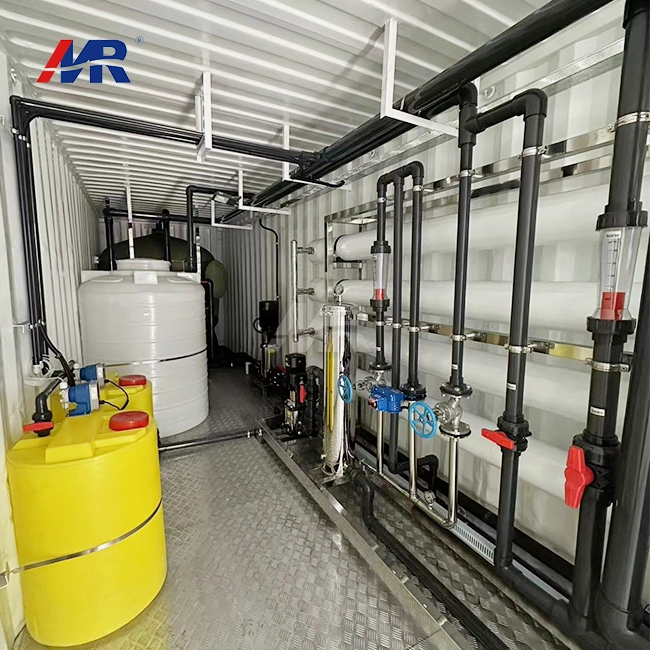 VIEW MOREcontainerized desalination plant
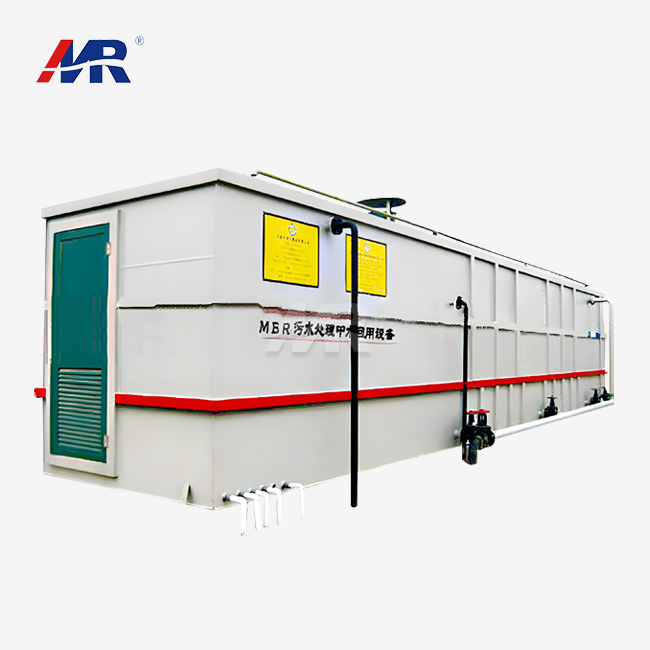 VIEW MOREsewage treatment plant MBR system
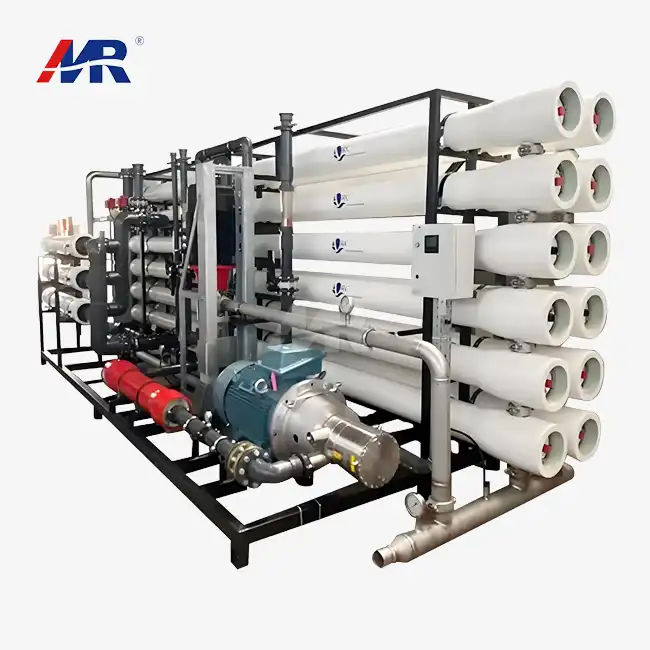 VIEW MORE45m3/hour seawater desalination system
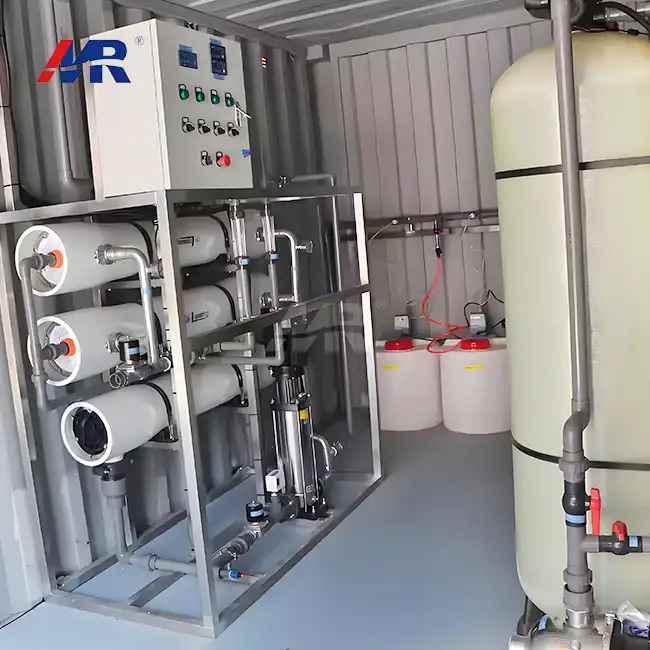 VIEW MOREcontainer 3m3/hour RO equipment
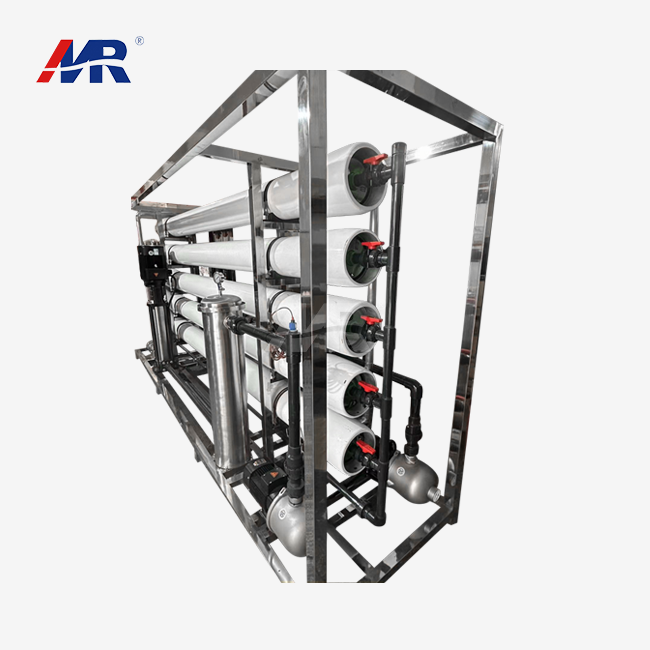 VIEW MOREreverse osmosis water treatment equipment
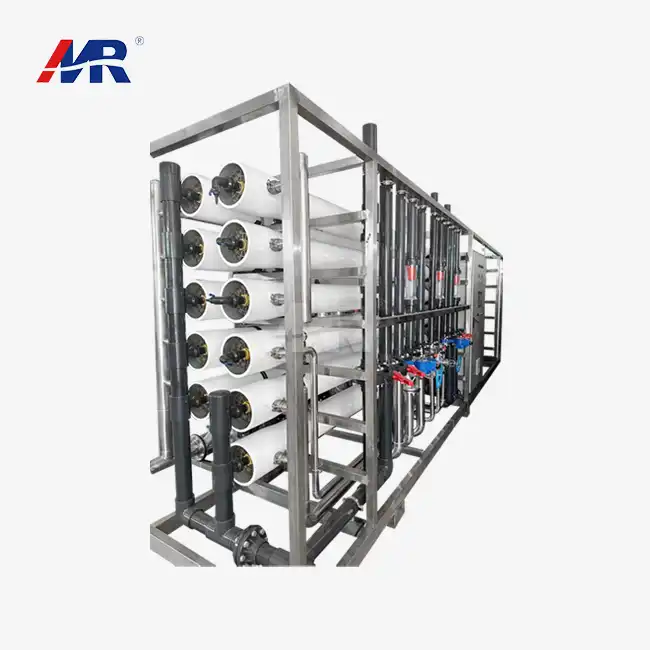 VIEW MORE60m3/hour reverse osmosis plant
 VIEW MOREcontainer reverse osmosis equipment
