_1745823981883.webp)

Sea Water Reverse Osmosis System for Desalination Projects
A sea water reverse osmosis system represents a critical solution for addressing freshwater scarcity in coastal regions and industrial applications worldwide. This advanced desalination technology employs semi-permeable membranes operating under high pressure—typically 55 to 85 bar—to separate dissolved salts, minerals, and contaminants from seawater, producing potable water with salt rejection rates exceeding 99.7%. As global freshwater demand intensifies, these systems have become indispensable for municipal water supplies, industrial manufacturing, offshore operations, and agricultural irrigation projects facing water stress challenges.
Understanding Sea Water Reverse Osmosis Systems
Core Working Principles of Desalination Technology
Reverse osmosis desalination works by providing hydraulic pressure that is higher than the natural osmotic pressure of saltwater. This forces water molecules through thin-film composite membranes while salts and other impurities are pushed out. Precision-engineered membranes with pores about 0.0001 microns wide are used in the process. These membranes block sodium, chloride, and other dissolved solids. Modern systems use pressure exchanges and other energy recovery devices to take energy from the high-pressure brine stream and use it again. This can cut total energy use by up to 60%. This new technology has turned desalination from a process that used a lot of energy into a practical, low-cost way for many businesses to get water.
Essential Components and System Architecture
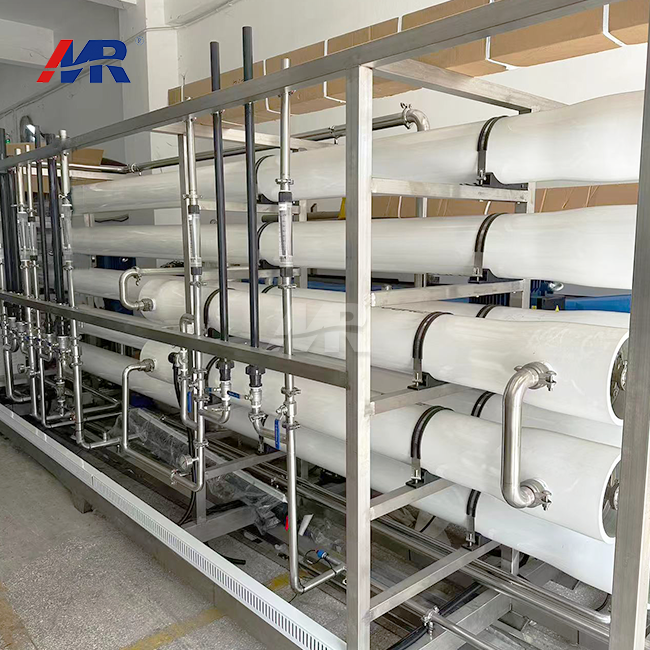
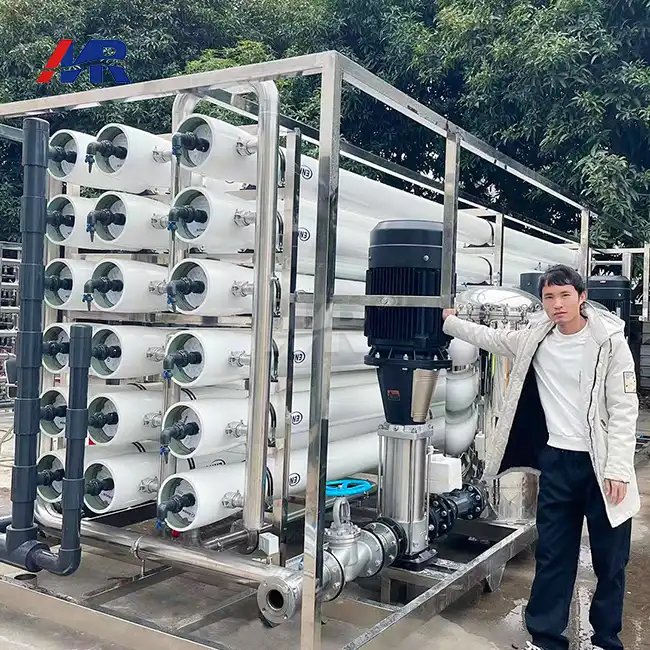
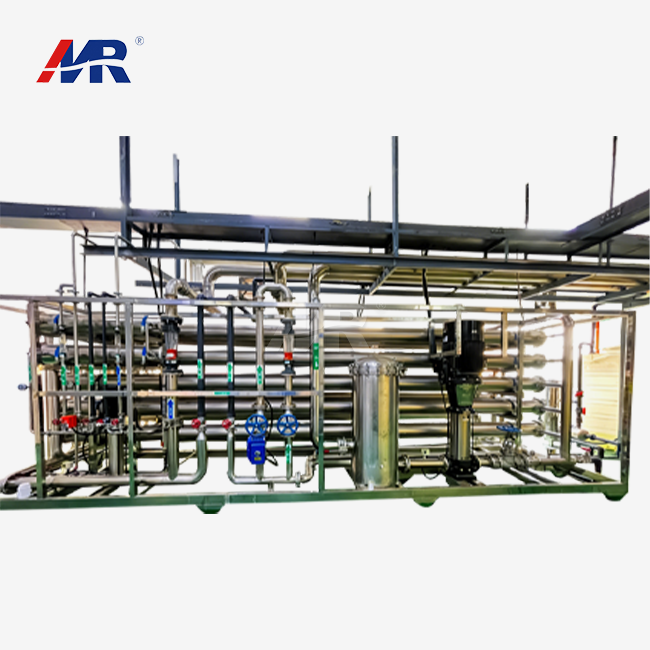
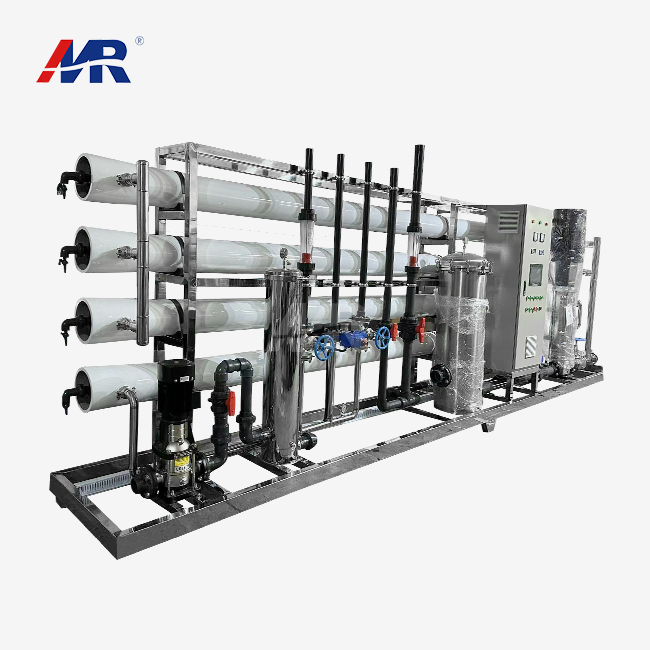
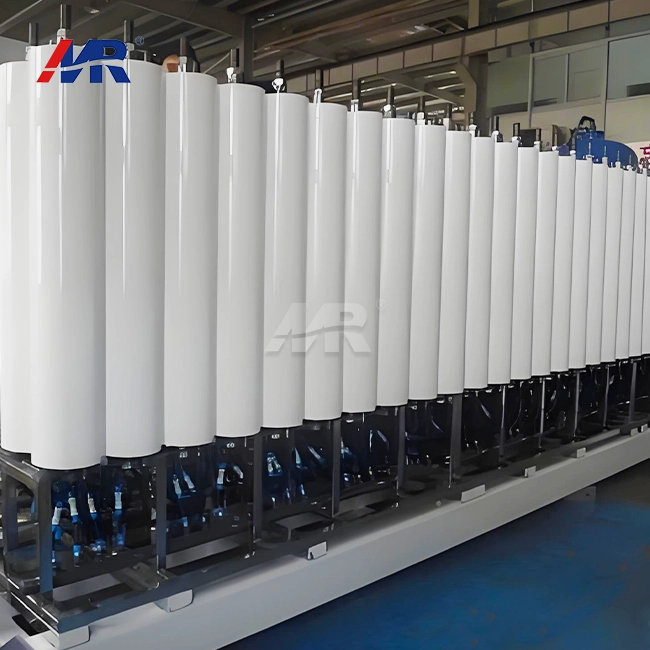
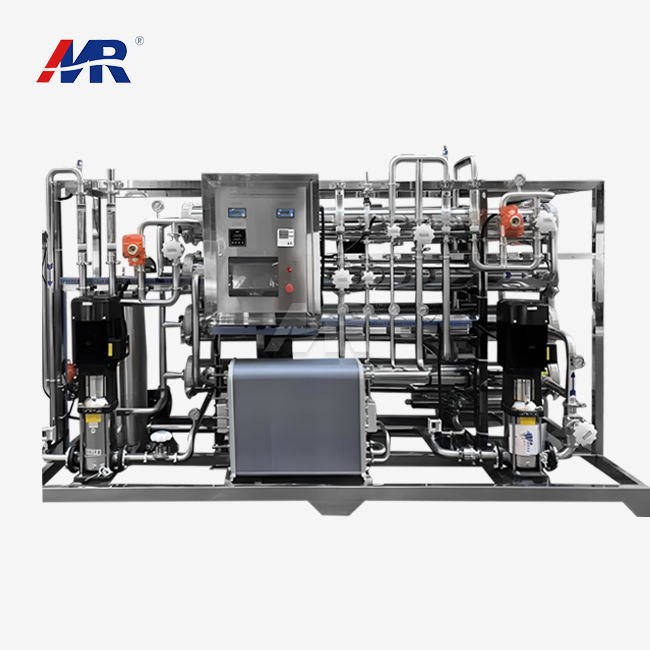
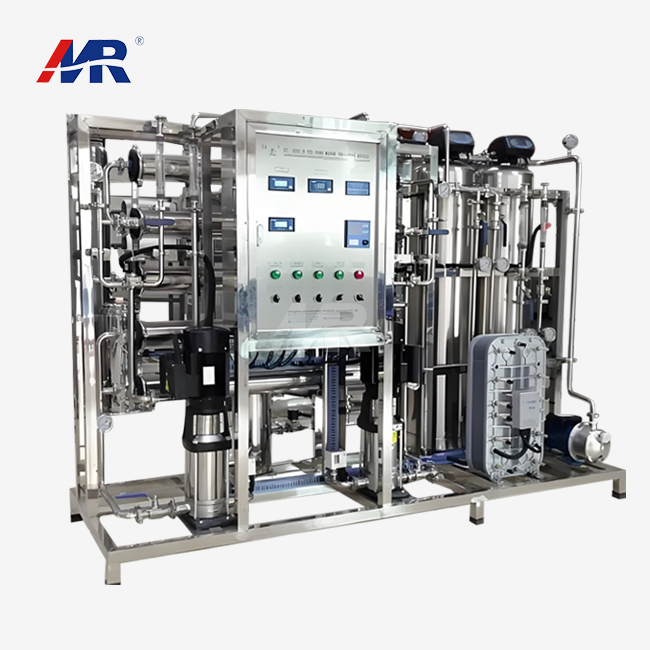
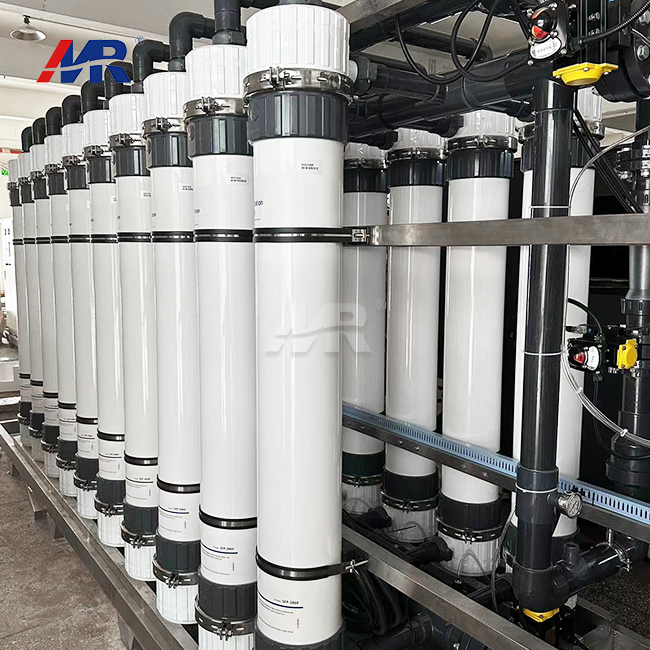
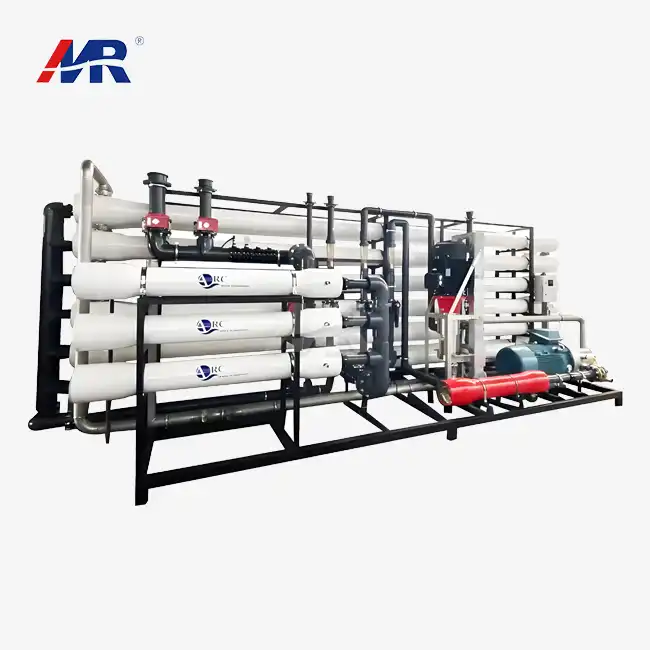
A full saltwater desalination plant has many important parts that work together in an organized way. The entry system pulls seawater through buildings that were specifically made to have as little of an effect on the environment as possible and keep marine life from getting in. Multimedia filtering and chemical doses are used in pre-treatment units to get rid of biological toxins, organic matter, and suspended solids. The working pressure needed for membrane separation is provided by high-pressure pumps made of materials that don't rust, such as Super Duplex Stainless Steel 2507. The real desalination is done by reverse osmosis membrane arrays that are held in pressure vessels. After treatment systems change the pH levels and add minerals to make the water safe for people to drink or for use in industry. Automated control systems that can be monitored from afar make sure that operations run smoothly and quickly adjust to changes.
Quality Standards and Performance Metrics
International standards like ISO 9001 for quality management, ASME Boiler and Pressure Vessel Code for pressure parts, and NSF/ANSI 61 for drinking water safety must be met by industrial sea water reverse osmosis systems. Recovery rates of 35% to 50% are used as performance benchmarks. This means that up to half of the seawater that comes in is turned into clean product water. Over 99.2% of salt is constantly rejected, making water with less than 500 mg/L of total dissolved solids from 35,000 mg/L of feedwater. Utilizing energy has greatly improved, with modern systems reaching 3–4 kWh per cubic meter of freshwater produced—a big drop from earlier generations of technology that needed 6–8 kWh/m³.
Key Factors to Consider When Selecting a Sea Water Reverse Osmosis System
Capacity Planning and Scalability Requirements
The most important decision in planning a desalination project is figuring out the right system capacity. The amount of water that can be made goes from small units that can make 1,000 m³/day for coastal communities or industrial sites to huge plants that can make 100,000 m³/day for cities' water supplies. When figuring out how much capacity a system has, it's important to take into account high demand times, yearly changes, and how much it's expected to grow over its lifetime. Modular system designs are flexible, so operators can gradually increase capacity as demand rises without having to replace all of the infrastructure. This method reduces the original investment in capital while providing long-term flexibility to meet changing water needs in marine, urban, and industrial settings.
Energy Efficiency and Operational Economics
The total cost of ownership for desalination processes is directly affected by how much energy is used. This makes efficiency the most important factor in the decision process. More advanced systems have energy recovery devices that greatly lower the amount of power needed. This saves a lot of money over many years of use. When procurement teams look at different technologies, they should compare specific energy consumption measures, like kWh per m³, between different makers and configurations. Adding variable frequency drives to pump motors lets systems change how they work based on changes in feedwater conditions and changes in demand, which makes the best use of energy in all operating situations. These features that save energy are especially useful for businesses in places where power costs a lot, or that want to reduce their carbon footprint.
Maintenance Protocols and System Longevity
Choosing durable parts and a thorough repair plan are key to getting reliable performance over long periods of time. Depending on the quality of the feedwater, the working conditions, and the cleaning methods used, a membrane can last anywhere from three to seven years. When fouling or scaling happens, chemical cleaning procedures using acid and alkaline solutions restore membrane permeability. This keeps production running smoothly and extends service intervals. Materials that don't rust, like titanium or special stainless steel metals for parts that will be exposed to salty environments, keep the structure strong and lower the number of times it needs to be replaced. When deciding which manufacturers to buy from, it's best to choose ones that offer clear maintenance instructions, spare parts that are easy to find, and Technical support services that keep systems running smoothly throughout the project's lifecycle.
Comparing Sea Water Reverse Osmosis Systems for B2B Procurement
Technology Comparison with Alternative Desalination Methods
There are several desalination technologies, but Sea Water Reverse Osmosis Systems have become the most popular one for most uses because it combines good performance with low cost. Thermal distillation methods, like multi-stage flash and multiple-effect distillation, can still be used in places with a lot of waste heat, but they need a lot more energy when they use specific heating sources. Electrodialysis works better for treating brackish water but costs more for treating saltwater with a lot of salt. The next comparison shows why membrane-based systems have taken up most of the world's new distillation capacity. When compared to thermal technologies, reverse osmosis systems have lower capital costs per unit of production capacity. This is especially true for plants that can't produce more than 50,000 m³/day. Saving money on operating costs is possible because less energy is used and no heat energy is needed. Because membrane systems don't take up much space, they require less land and cost less to build, which is very important for projects in high-value marine places. Maintenance for RO systems mostly includes replacing the membranes and servicing the equipment on a regular basis. This is different from the complex maintenance that thermal plants need for their heat exchangers.
Evaluating Manufacturers and Quality Certifications
To choose the right equipment provider, you need to carefully look at their professional skills, the quality of their Products, and their after-sale support. Reputable manufacturers have Certifications that show they meet international quality standards and a history of successfully completing large-scale desalination projects. Customization options are very important for projects that need to work with specific types of feedwater, limited room, or current infrastructure. Global supplier networks make it possible to get professional help and new parts for projects no matter where they are located. This lowers the business risks that come with equipment breakdowns or performance problems. In Morui's dedicated production center, we make specialized membranes. We also work with top component names like Shimge Water Pumps and Runxin Valves to make sure our products work well together. Our engineering team has a lot of experience with desalination applications in municipal, industrial, and marine settings. This lets us make solutions that are perfect for each project. We offer full help from the beginning of the planning process to long-term operational optimization. We have more than 500 employees and 14 area branches.
Case Studies Demonstrating ROI and Performance
Implementations in the real world give us useful information about how well systems work and how much money they make in different situations. A seaside city in California put in a 25,000 m³/day system that cut their need for foreign water by 40%. They got their money back in eight years by not having to buy water. An oil rig in the Gulf of Mexico used a small 500 m³/day unit that got rid of the need for expensive freshwater shipping. This saved the company about $1.2 million a year in logistics costs. A pharmaceutical factory in Puerto Rico put in place an integrated system that combined desalinating seawater with treating ultrapure water. This made GMP-compliant water for production and cut costs by 35% compared to buying water.
Procurement and Installation Considerations for Sea Water Reverse Osmosis Systems
Acquisition Strategies and Supplier Engagement
B2B buyers usually go straight to well-known makers to make sure that their products are technically compatible and that they will provide long-term support. This method makes it easier to have in-depth conversations about service level agreements, performance guarantees, and customization needs. When you buy directly from manufacturers of sea water reverse osmosis systems, you can often save money compared to going through middlemen. You can also build relationships that are important for future technical collaboration. Financing options, warranties that cover membranes and major parts, and clearly stated after-sales support, such as emergency reaction processes and preventive maintenance programs, should all be included in full proposals.
Professional Installation and Commissioning Requirements
For system deployment to go smoothly, installation teams must be skilled and know how to work with high-pressure membrane systems and the harsh conditions of seawater. Professional installation makes sure that all the parts are lined up correctly, that the connections don't leak, and that the control systems are properly integrated. These are all things that have a direct effect on the long-term performance and reliability. During commissioning, all subsystems are checked to make sure they work as planned. This includes making sure that membrane flow rates, pressure differentials, and product water quality standards are met. During the launching phase, technicians are given thorough training on how to run the facility and fix basic problems. This means that they don't have to rely on outside expert help for their daily tasks.
Total Cost Analysis and Budget Optimization
For accurate financial planning, you need to know a lot about both the initial costs of the system and the ongoing costs of running it over its lifetime. Capital costs include buying equipment, building infrastructure, installing electrical systems, and installation services. These costs are usually between $800 and $2,500 per m³/day of installed capacity, but this depends on the size and complexity of the project. Energy use is the biggest changeable cost factor in operational costs. Other costs include replacing membranes, buying chemicals for cleaning and post-treatment, labor, and regular upkeep. Cost optimization strategies include choosing systems that have been shown to use less energy, negotiating better electricity rates, putting in place predictive maintenance protocols that make parts last longer, and planning for future capacity expansion that spreads out initial infrastructure investments over higher production volumes.
Environmental Impact and Future Trends of Sea Water Reverse Osmosis
Sustainability Advantages and Ecological Considerations
Modern desalination technology helps with sustainable water management by creating freshwater sources that are not affected by climate change. This lowers the stress on groundwater and public water bodies that are already being used too much. When powered by green energy sources, localized desalination can have smaller carbon footprints than long-distance water transfer or emergency drought response measures. New developments in energy recovery have made RO desalination much less carbon-intensive. This means that it is becoming more in line with government and business sustainability goals and climate commitments. To run a responsible business, you need to pay close attention to managing salt runoff and protecting marine ecosystems. Concentrated brine streams—which have about twice as much salt as seawater—need to be spread out well so that they don't affect benthic organisms in areas where the salt level is too high. Advanced diffuser designs, mixing with wastewater streams, or evaporation pond systems are all tried-and-true ways to reduce pollution. Through speed controls and physical barriers, the design of the intake structure keeps marine life from getting stuck or being sucked in as much as possible. This makes sure that operations are in line with environmental protection laws.
Emerging Technologies and Innovation Trajectories
As technology keeps getting better, it makes things more efficient, reliable, and better for the world. Next-generation membrane materials that contain graphene or biomimetic aquaporin proteins offer higher water flow rates and better resistance to fouling, which could lower the energy needed to less than 2 kWh/m³. Intelligent automation systems that use artificial intelligence (AI) adjust working parameters in real time, adjusting to changes in feedwater quality and demand trends to use the least amount of chemicals and energy. Desalination can be used with renewable energy sources, like solar panels and offshore wind farms, to make a carbon-neutral water supply that fits with strategies for reducing carbon emissions. Hybrid systems that use both reverse osmosis and forward osmosis or capacitive deionization are new ideas that might help lower energy use even more in some situations. The goal of research into chemical-free preparation methods using UV light or electrochemical processes is to lessen the damage that standard biocides and coagulants do to the environment. All of these improvements make Sea Water Reverse Osmosis a technology that will work in the future and meet the world's growing freshwater needs while leaving the least amount of damage on the environment.
Conclusion
When there isn't enough water for all uses, sea water reverse osmosis systems are a reliable and scalable way to make fresh water for cities, businesses, the marine environment, and farms. To successfully carry out a project, one must carefully think about the system's total cost over its entire lifetime, as well as its capacity needs, energy efficiency measures, maintenance routines, and how costs will change over time. Organizations can get sustainable freshwater supplies that help them grow while also being good stewards of the environment by choosing tested technology from reputable manufacturers, using professional installation methods, and putting in place thorough operational strategies. As membrane technology, energy recovery systems, and smart automation continue to improve, performance and cost-effectiveness will get even better. This makes investments in desalination infrastructure even more valuable.
FAQ
1. What factors influence the operational lifespan of desalination equipment?
How long a system lasts is mostly determined by the quality of the feedwater, how it is operated, how well it is maintained, and what materials are used for its parts. High-quality membranes usually work well for three to seven years as long as they are cleaned properly. With regular maintenance, corrosion-resistant alloys can last for 15 to 25 years in pumps, pressure vessels, and structural parts. Automated tracking tools that can spot early signs of performance loss let you take action to extend the life of your equipment. Sticking to the maintenance plans suggested by the maker, fixing problems right away, and using original replacement parts all work together to make the system last longer and give you a better return on your investment.
2. How do modern systems compare in terms of energy efficiency?
These days' systems get 3–4 kWh/m³ by using energy recovery devices, high-efficiency pumps, and the best membrane designs. This is 40–60% less than what tools from 20 years ago could do. The most advanced systems use next-generation membranes and green energy sources to get close to 2.5 kWh/m³. The amount of energy used depends on the temperature, salinity, and recovery rate settings of the feedwater. This means that a site-specific analysis is needed to make accurate cost projections for operations.
3. Can systems be customized for specific industrial applications?
Manufacturers offer a lot of customization options to deal with issues like different types of feedwater, limited room, integrating with current systems, and specific water quality needs. The pharmaceutical and electronics businesses need tools that can make ultrapure water that is even purer than drinking water. Offshore sites need to be small enough to be able to resist movement at sea and exposure to the environment. For agricultural uses, the mineral content of the product water may be very important. Expert suppliers work with customers to create solutions that work best in their specific operational situations and meet their performance goals.
Partner with Morui for Reliable Desalination Solutions
With its integrated production skills and many years of project experience, Guangdong Morui Environmental Technology Co., Ltd. offers a wide range of water treatment services. As one of the biggest companies that sells sea water reverse osmosis systems, we offer full installation services, equipment with a capacity of 1,000 to 100,000 m³/day, and long-term technical support through our network of 14 branches and 20 specialized engineers. Our own factory for making membranes and agreements with top component makers guarantee quality, dependability, and performance that meet the strict needs of marine, city, and industrial uses. Technical leaders and people who buy things are welcome to look into how our tried-and-true desalination systems can help you with your freshwater problems. Email benson@guangdongmorui.com to talk about the needs of your project and get a custom solution proposal.
References
1. Elimelech, M. and Phillip, W. A. (2011). "The Future of Seawater Desalination: Energy, Technology, and the Environment," Science, Vol. 333, pp. 712-717.
2. Greenlee, L. F., Lawler, D. F., Freeman, B. D., Marrot, B., and Moulin, P. (2009). "Reverse Osmosis Desalination: Water Sources, Technology, and Today's Challenges," Water Research, Vol. 43, pp. 2317-2348.
3. International Desalination Association (2023). "IDA Desalination Yearbook 2022-2023: Water Desalination Report," Global Water Intelligence, Oxford, United Kingdom.
4. Voutchkov, N. (2018). "Energy Use for Membrane Seawater Desalination – Current Status and Trends," Desalination, Vol. 431, pp. 2-14.
5. World Health Organization (2017). "Desalination for Safe Water Supply: Guidance for the Health and Environmental Aspects Applicable to Desalination," Public Health and Environment, Geneva, Switzerland.
6. Kim, J., Park, K., Yang, D. R., and Hong, S. (2019). "A Comprehensive Review of Energy Consumption of Seawater Reverse Osmosis Desalination Plants," Applied Energy, Vol. 254, pp. 113652-113668.