_1745823981883.webp)

Is a Purified Water Reverse Osmosis System Worth It?
Absolutely—a purified water reverse osmosis system delivers measurable value for businesses requiring consistent water quality, regulatory compliance, and operational efficiency. These systems remove up to 99% of total dissolved solids, contaminants, and impurities, making them essential for industries where water purity directly impacts product integrity, equipment longevity, and safety standards. While the upfront investment requires evaluation, the long-term cost savings, reduced downtime, and enhanced output quality justify the expense for most commercial and industrial applications.
Introduction
It's not enough to just check the water quality box; it's a major factor that impacts the consistency of goods, the dependability of tools, and the costs of doing business in many areas. Procurement managers, technical experts, and business owners are under more and more pressure to find cheap ways to treat water that work well. With a purified water reverse osmosis system, these problems are solved because the water is always clean and meets strict industrial standards.
When B2B executives are looking at purified water reverse osmosis system technology, this guide gives them useful information. We talk about how the system works, how to buy it, how to keep it going, and how to weigh the pros and cons. Whether your goal is to improve the water quality in a lab, add on to a medicine production line, or make a food processing plant bigger, you need to know how purified water reverse osmosis systems fit into your overall operations. You can then make smart investments that protect both the quality of your Products and your bottom line.
Understanding Purified Water Reverse Osmosis Systems
Core Filtration Mechanism
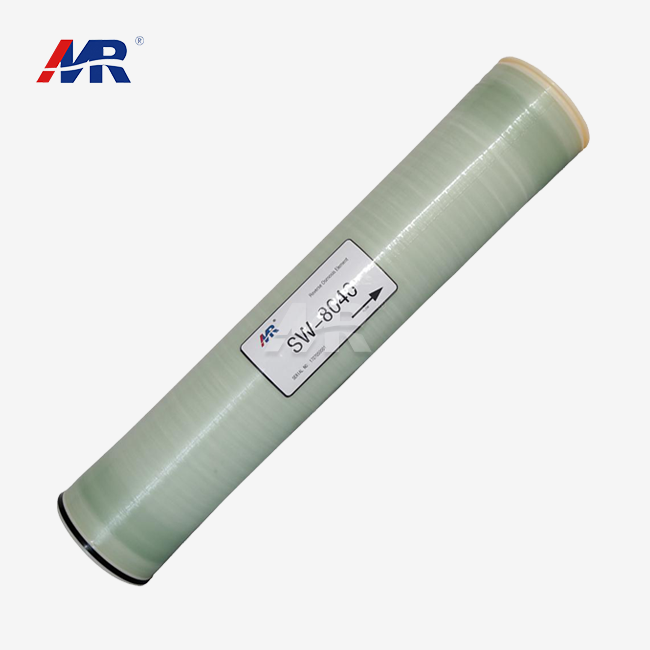
Finding out about purified water reverse osmosis systems involves looking at the main way that filtration works. Purified water reverse osmosis system technology pushes water through semi-permeable screens while it is under pressure. This keeps dissolved solids, germs, and other harmful things from getting into clean water. Purified water reverse osmosis system screens stop ions and molecules at the molecular level, while simple filters only get rid of particles. The standard pressure is between 150 and 220 PSI, but when the salt level is high, the pressure needs to be higher. With this method, 99% of the total dissolved solids are thrown out. This makes it better for uses that need stable water chemistry.
Multi-Stage Workflow Design
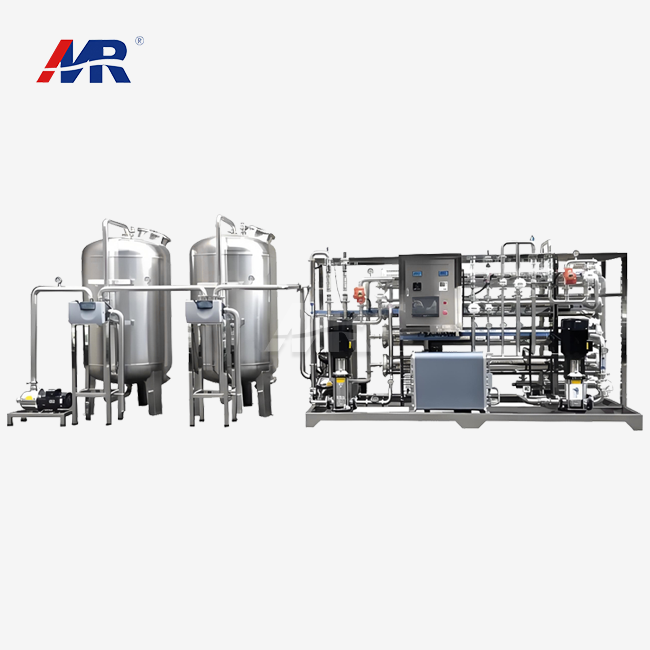
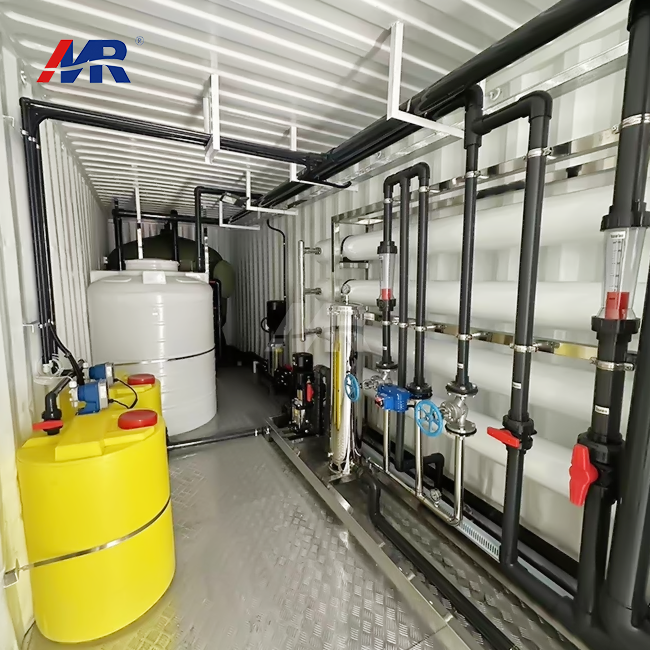
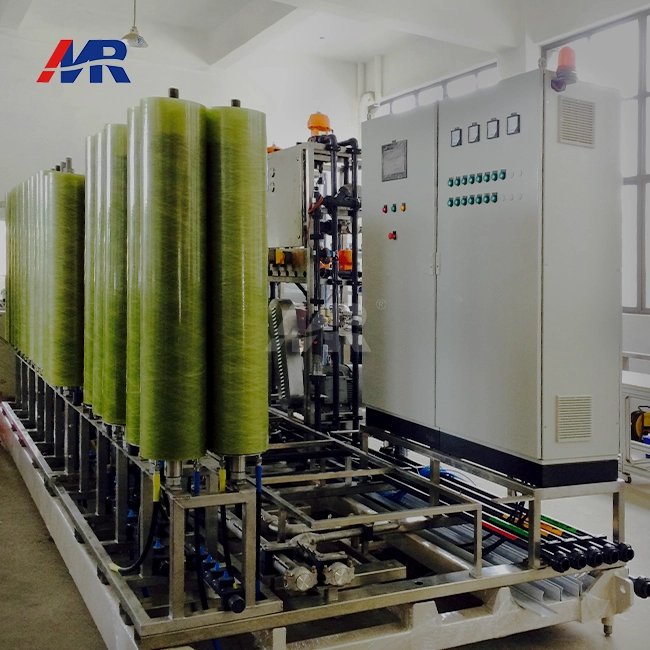
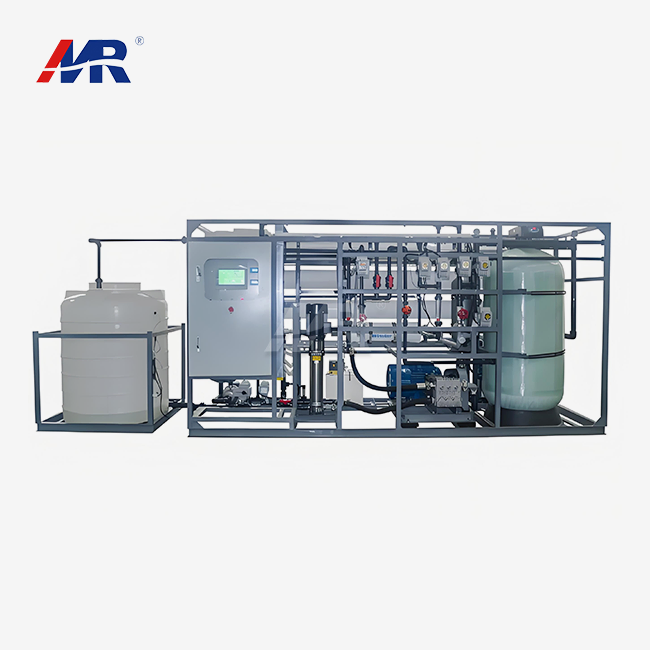
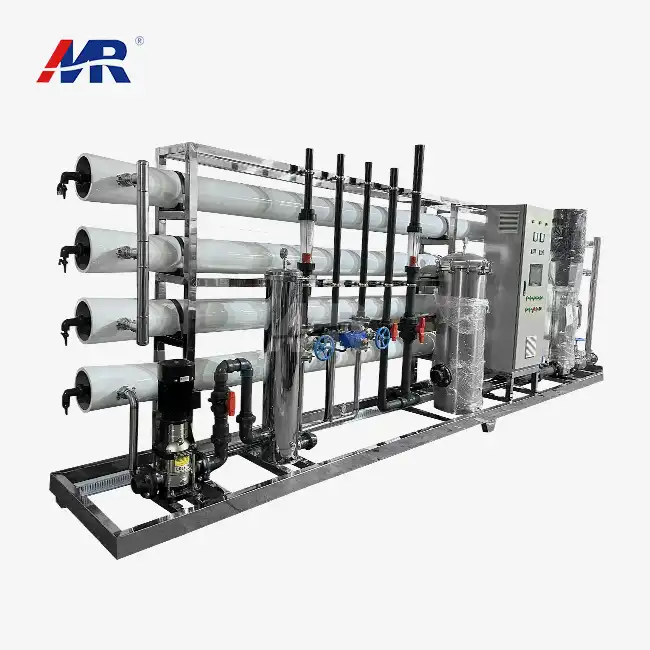
These days, commercial systems clean the membranes in several steps that work together to make them last longer and work better. The carbon filter gets rid of chlorine and organic chemicals that damage membranes. The pre-filter gets rid of sediment and bigger particles that could hurt membranes. The purified water reverse osmosis system stage gets rid of the solids that have been dissolved, and the post-filtration stage gets rid of any impurities that are still in the water. You can choose to add UV sterilization as an extra defense against microbiological contamination. This is very useful in places that make food and drugs.
Comparison with Alternative Technologies
Looking at different ways to clean water and seeing how the purified water reverse osmosis system compares to them helps you understand what it's for. UV systems are great at killing bacteria, but they can't get rid of solids that have been dissolved or chemicals that are in the water. The process of distillation is very clean, but it takes a long time and a lot of power. Screens with activated carbon can get rid of bad tastes and smells and some chemicals, but they aren't very good at getting rid of minerals and salts that have already been broken down. That's because purified water reverse osmosis systems can get rid of a wider range of contaminants. This makes them open up main treatment choices that can be used with other technologies to clean the water fully.
Evaluating the Worth of Purified Water Reverse Osmosis Systems
Performance Metrics That Matter
You need to look at certain success factors that are important to your business to figure out how much a purified water reverse osmosis system is worth. Flow rate capacity, which is given in gallons per day, must be the same as or higher than peak demand so that work doesn't stop. How much water is used and how much it costs to run depend on recovery rates, which in modern units are usually between 50 and 75%. How long a membrane lasts affects how much it costs to maintain in the long term. With proper care, a membrane can last for 3 to 5 years. The quality of the product is always the same because the diffuse conductivity is always being checked. This is very important when making USP-grade water for medicinal uses or drinks where you want to keep the flavors simple.
Operational Cost Considerations
The cost of the tools themselves is only a small part of the total cost. The amount of energy it needs depends on the kind of technology it is. Using variable frequency drives and pumps that use less energy can lower the cost of power. How often you have to change the filters and membranes costs money and depends on how good the feedwater is and how long the system is running. People often see water waste as a problem. To solve this problem, concentrate streams can be used for things other than drinking, like watering plants or making cooling towers work better. Finding out how much something will cost you in total over five years helps you compare choices and make the case for spending money on something.
System Durability and Warranty Terms
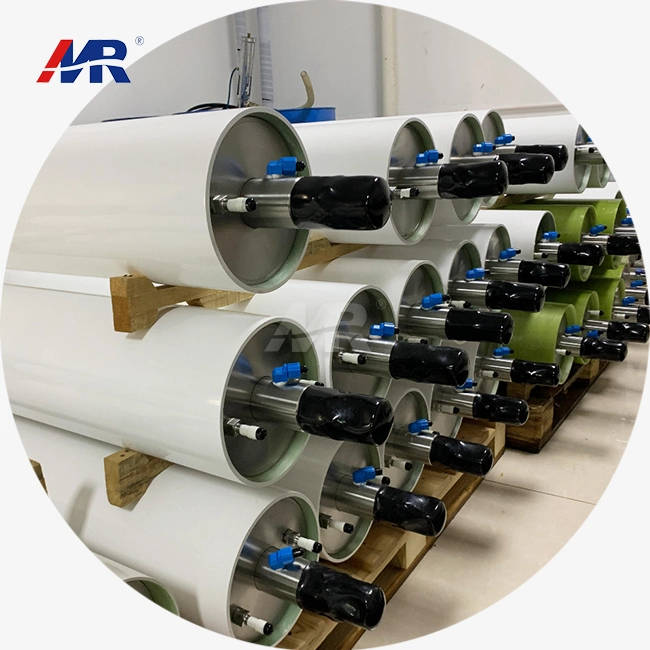
Industrial settings can be tough on purified water reverse osmosis systems that are made of materials that don't rust and parts that are rated properly. High-quality parts made of stainless steel, pressure tanks that meet ASME standards, and housings made of stainless steel all show that the system is well-made. It's two years for tools, but it could be longer for membrane parts. Service contracts that cover a lot of things, like regular maintenance, action in case of an emergency, and real replacement parts, keep things going easily. When you're looking at suppliers, you should check out their expert help, how readily available their parts are, and how long it says on their service response times. There is a clear link between these things and the uptime of your building.
Procurement and Installation Guide for B2B Clients
Matching System Capacity to Business Requirements
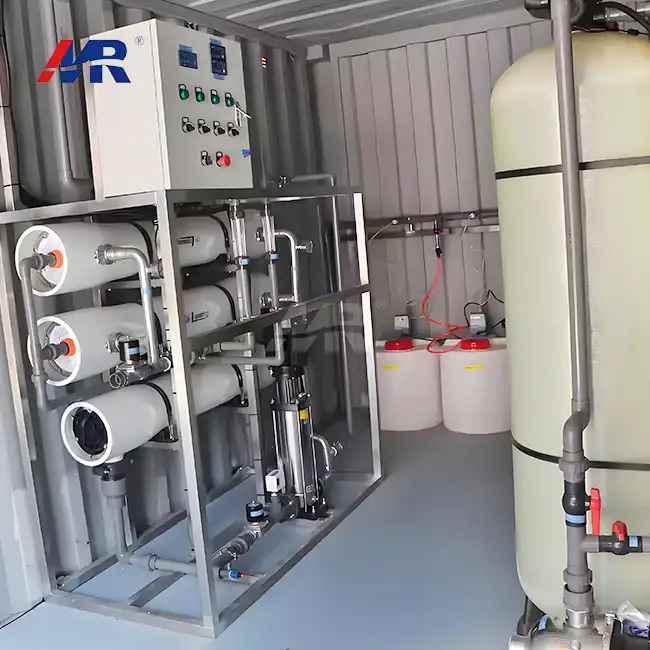
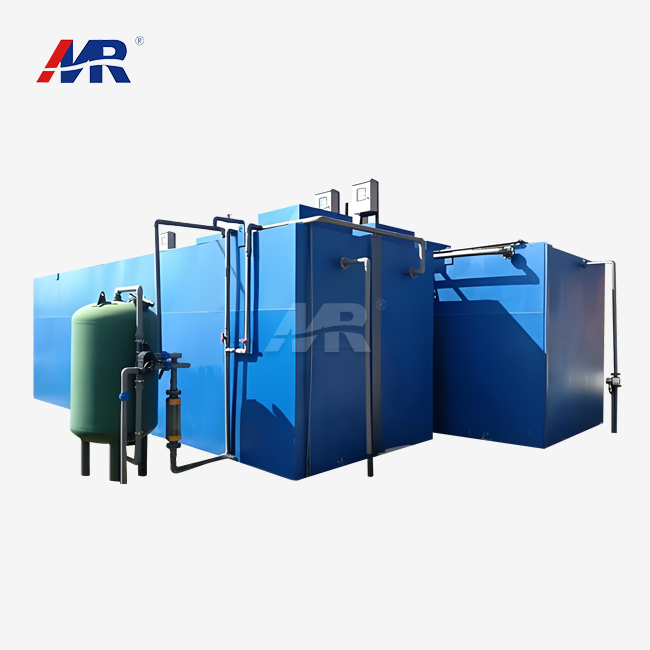
It is possible to avoid costly over-specification or performance gaps if you plan your capacity well for a purified water reverse osmosis system. Figure out how much water you will need by looking at your production plans, the needs of your machines, and the needs of quality control. To keep the system from becoming too old too soon, think about how the business will grow over the next three to five years. This machine can make up to 40,000 gallons of water every day, which is good for medium-sized businesses that deal with labs, drugs, and food. Small (18" x 14" x 24"), so you can put it in places with little space. The different configurations let you deal with specific water chemistry problems or lack of space.
Installation Best Practices
For the execution to go well, you need to do a full site review. Test the TDS, hardness, silica content, and the Silt Density Index (SDI) of the feed water to see how good it is. If the SDI is more than 3, the water needs extra cleaning to keep the barrier from getting clogged up too quickly. Make sure there is enough room for upkeep, getting to the tools, and getting rid of trash. When connecting to current systems, it's important to pay close attention to the plumbing, electricity supply (220V/380V, 50/60Hz), and control system ports. The best startup performance is guaranteed by professional commissioning, which includes checking the pressure, making sure the flow is correct, and making sure the water quality is good.
Maintenance Strategies for Maximum Lifespan
It's better to set a regular time to change the filter cartridge based on keeping an eye on the pressure difference than to just pick any time. When the permeate flow or salt rejection drops by 10-15%, Clean-In-Place (CIP) procedures with certain acidic or alkaline cleaners should be used. Temperature changes can lower output by about 3% for every 1°C drop, so keep an eye on them and make changes to the working parameters as required. The technical staff should be taught how to check the integrity of the membrane, handle conductivity alarms, and properly shut down the system when something goes wrong.
Here are the core operational advantages that distinguish quality commercial purified water reverse osmosis systems:
- High-Efficiency Filtration: In high-efficiency filtration, new membrane technology gets rid of 99% of contaminants. This makes sure that the product meets strict industry standards and can be used without any extra treatment in food-grade, pharmaceutical, and lab settings.
- Energy-Saving Design: Compared to regular systems, variable-speed pumps and better hydraulic design cut electricity use by up to 30%. This saves money while keeping flow rates the same.
- Compact Footprint: Engineering that makes the best use of space lets you put things in small areas without affecting how well they work. This is especially useful when changing old work areas or moving how things are processed.
- Simplified Maintenance: Because the parts are made to fit together in modules, you can quickly switch out the filters and membranes without any special tools. This makes maintenance easy. This cuts down on downtime and the cost of workers during normal business times.
- Customizable Configurations: The system's design is adaptable, so it can work with different feed water conditions, output needs, and space limits. This makes sure it works well in many different types of workspaces.
These benefits directly fix common problems in production, such as changing water quality, high energy costs, a lack of room, and complicated upkeep. Companies that install purified water reverse osmosis systems properly say that their goods are more consistent, their equipment doesn't scale as much, and there are fewer rejects in quality-sensitive manufacturing processes.
Leading Brands and Supplier Insights
Evaluating Manufacturer Credentials
You should look at more than just the specs of the tools a provider sells if you want to find one you can trust for a purified water reverse osmosis system. One company that does this well is Guangdong Morui Environmental Technology Co., Ltd., which has more than 14 offices, 500 employes, and 20 experts in their field. To make sure quality control is kept up all the way thru the manufacturing chain, they use an integrated method that includes both their own factories that make membranes and factories that process various types of equipment. When compared to wholesalers who depend on third-party makers, this vertical merger speeds up tailoring, makes sure that the quality of the parts is always the same, and speeds up Technical support.
Authorized Distribution Networks
When you work with approved agents, you can get original parts, help with your warranty, and professional advice. Morui's relationships with well-known brands like Createc Instruments, Runxin Valves, and Shimge Water Pumps show how committed they are to integrating their ecosystems well. Look at the supplier's manufacturer websites, industry Certifications, and customer references to make sure they are who they say they are. You should ask about technical training programs, an inventory of spare parts, and emergency support services. These are all very important if your production depends on a steady water supply.
Negotiating Favorable Procurement Terms
Buying in bulk can save you a lot of money on each unit when you're adding on to your buildings or making things the same in more than one place. You can often get better prices, longer payment terms, and a better guarantee when you buy in bulk. You can keep track of your capital spending and use your cash flow for other business needs with flexible financing choices. Ask for detailed proposals that include the prices of the equipment, installation services, help with getting it up and running, and agreements for ongoing maintenance. Service level agreements and clear pricing systems help build trust and set the stage for long-term partnerships with providers.
Future Trends and Innovations in RO Water Purification
Smart Monitoring and Predictive Maintenance
As soon as the Internet of Things (IoT) is added to a purified water reverse osmosis system, they become connected assets that send real-time data on performance and alerts for preventative repair. Pressure differences, conductivity, flow rates, and temperature are just some of the key factors that sensors constantly check and send data to cloud-based analytics platforms. Machine learning algorithms find patterns of performance degradation before they affect production. This means that planned interventions can be made during planned downtime instead of repairs being made after the fact. With remote testing, technical experts can figure out what's wrong without having to go to the site. This speeds up service and lowers costs.
Enhanced Energy Efficiency Technologies
A lot less energy is being used because of new membrane materials and better system hydraulics. Using less power, energy recovery devices take pressure from concentrate streams and use it to help feed pumps. High-permeability membranes keep rejection rates high even when working at low pressures. This keeps pump loads low and equipment life longer. Large users in fields where energy costs are a big part of running costs, like purification of seawater, production of boiler feedwater, and city water treatment, will benefit the most from these changes.
Sustainability and Waste Reduction
Laws and promises from businesses to be eco-friendly support the use of technologies that lower the amount of water and chemicals that are wasted. Recovery rates of more than 75% are possible with more advanced purified water reverse osmosis system designs. This means that a lot less concentrate needs to be dumped. Instead of harsh acids and bases, biodegradable, pH-neutral chemicals are used to clean membranes. This makes getting rid of waste easier and less harmful to the environment. Facilities in places with limited water supplies or businesses with strict discharge limits, like zero-liquid discharge (ZLD) setups that work with purified water reverse osmosis systems because they turn concentrate streams into solids that can be recovered and usable water.
Conclusion
Purchasing a commercial-grade purified water reverse osmosis system can be beneficial in the long run because it can improve product quality, meet regulations, and make operations run more smoothly. The technology has been used successfully in many fields, such as electronics, food and drinks, medicines, and industry. Businesses that care about quality should carefully consider the initial costs. However, the long-term benefits, such as consistent water chemistry, lower reject rates, and a better reputation for the product, make the investment worth it. To be successful, you need to pick the right-sized tools, work with reputable sources, and keep the system in good shape so it lasts as long as possible.
FAQ
1. How often should membrane replacement occur in commercial systems?
A relaxing step, carbon filtration, and a 5-micron pre-filtration should be done first so that industrial purified water reverse osmosis system membranes work well for three to five years. That being said, how long it lasts depends on the feed water quality, how often it is used, and how well it is taken care of. To figure out when to replace the membrane, don't just look at how old it is. Instead, keep an eye on performance signs like a drop in permeate flow and a rise in conductivity.
2. What slows down the flow of permeate over time?
Most of the time, decreasing flow is caused by organic matter, biological growth, or mineral scales sticking to the membrane. Alkaline cleaners are best for getting rid of organic and bacterial fouling on membranes. Acidic cleaners are better for getting rid of calcium carbonate or silica scaling on membranes. Using the right chemicals and purified water reverse osmosis system CIP methods can bring back efficiency. Fouling doesn't happen quickly when the feed water SDI is below 3.
3. Can RO systems handle high-salinity feed water effectively?
When the salt level is high, membranes that are made for high osmotic pressure work well. These purified water reverse osmosis systems need high-pressure pumps that can handle the extra resistance. These pumps usually work at higher pressures than units that use brackish water. Even when the water is rough, it is still important to do the right preparation to slow down fouling.
4. How does the temperature change the output of the system?
The temperature changes the viscosity of water, which has a direct effect on how well purified water reverse osmosis system membranes let water pass thru them. It takes about 3% less work to make something for every 1°C drop in temperature. In places where temperatures change with the seasons, they might need variable frequency drive pumps to keep flow rates steady. If not, they should make sure their systems are big enough to handle the coldest water conditions.
Partner with Morui for Your Industrial Water Treatment Needs
For more than ten years, Guangdong Morui Environmental Technology Co., Ltd. has helped many different types of businesses treat their water completely. Our engineering team makes sure that the purified water reverse osmosis system setups they make are right for your facility's space, capacity, and water chemistry issues. There are a lot of high-performance parts in stock, and we offer full installation, setup, and ongoing expert support.
Because we make our own products and are allowed to sell premium brands, we can offer low prices without lowering the standard of our products or services. Our full-service method makes it easier to work together because one partner handles the delivery, setup, training of operators, and regular upkeep of all equipment. Our technical experts can be reached at benson@guangdongmorui.com to talk about your needs and get a full proposal. Our full line of industrial and business water cleaning systems are made for tough B2B uses.
References
1. American Water Works Association. (2021). Reverse Osmosis and Nanofiltration: Manual of Water Supply Practices M46. Denver: AWWA Publications.
2. Greenlee, L.F., Lawler, D.F., Freeman, B.D., Marrot, B., & Moulin, P. (2009). Reverse osmosis desalination: Water sources, technology, and today's challenges. Water Research, 43(9), 2317-2348.
3. National Research Council. (2008). Desalination: A National Perspective. Washington, DC: The National Academies Press.
4. Wilf, M., & Bartels, C. (2005). Optimization of seawater RO systems design. Desalination, 173(1), 1-12.
5. Crittenden, J.C., Trussell, R.R., Hand, D.W., Howe, K.J., & Tchobanoglous, G. (2012). MWH's Water Treatment: Principles and Design (3rd ed.). Hoboken: John Wiley & Sons.
6. World Health Organization. (2017). Guidelines for Drinking-water Quality: Fourth Edition Incorporating the First Addendum. Geneva: WHO Press.