

_1745823981883.webp)

What Drives Reverse Osmosis Desalination Plants Operating Costs?
Operating costs of reverse osmosis desalination plants depend on energy utilization, membrane maintenance, pretreatment, and brine management. Energy accounts for 40–55% of operating expenditures. Due to osmotic pressure in seawater or brackish water, high-pressure pumps are needed. Along with chemical dosing for cleaning and antiscalant protection, membrane replacement cycles every three to seven years, depending on pretreatment quality, also affect budgets. We can't merely blame the original capital expenditure for seawater treatment infrastructure's high expenses. Any industrial water filtration system that wishes to survive depends on its performance. Whether you're a pharmaceutical procurement manager needing GMP-compliant water, a power plant operations director needing ultrapure boiler feed, or a municipal utility planner addressing coastal water scarcity, knowing what drives your monthly expenses is crucial to making smart decisions.
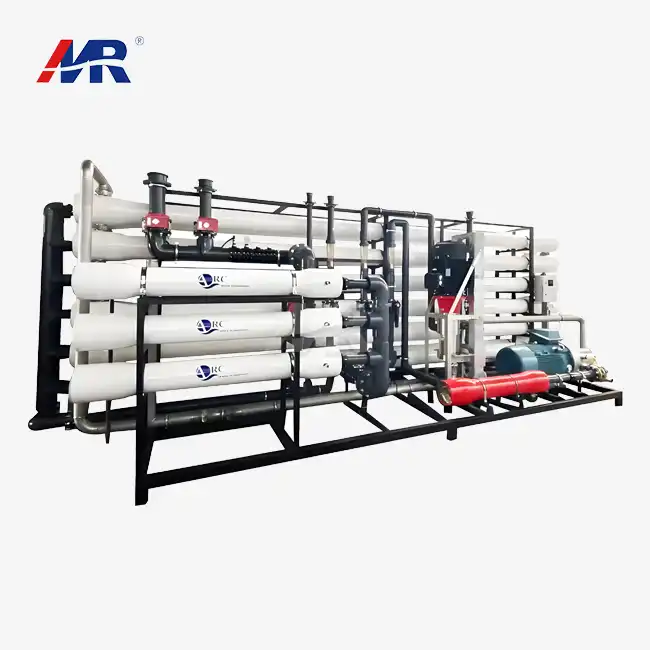
Understanding the Core Components Influencing RO Plant Operating Costs
Operating expenses for reverse osmosis desalination plants vary by industry. Several technical and practical factors determine your product water cost per cubic metre.
Energy Consumption as the Primary Cost Driver
Energy costs dominate pressure-driven separation systems. Modern seawater installations use 2.5 to 4 kilowatt-hours per cubic metre for energy recovery devices (ERDs), depending on feedwater temperature and salinity. Cleaning brackish groundwater typically requires 0.5-1.2 kWh/m³, representing significant energy savings. Osmotic pressure rises with total dissolved solids. Plants processing feedwater with greater than 35,000 ppm salt have higher membrane hydraulic resistance. This requires stronger high-pressure pumps and more electricity.
Setting the recovery rate affects energy efficiency. Higher recovery percentages increase product water per feedwater handled, but they also increase concentrate salinity, which requires higher working pressure and may accelerate membrane fouling.
Membrane Performance and Replacement Cycles
Membranes are a one-time investment and ongoing expense. Thin-film composite polyamide membranes, used in most industries, reject salt over 99.5% when new. Fouling, scaling, and chemical cleaning slow things down. Membranes endure three to seven years if cleaned properly and regularly in situ.
Early membrane breakage increases costs greatly. Fouling accelerates when pretreatment fails, and high Silt Density Index readings or biological contamination reach membrane elements. More chemicals are used, membranes must be cleaned more often, and replacement times can be as short as two years.
Routine Maintenance and Chemical Usage
Chemicals for antiscalant, pH adjustment, and membrane cleaning are also expensive. Calcium carbonate, barium sulphate, and silica don't attach to membranes with antiscalants. Dosing rates vary by feedwater chemistry but are usually 2–5 ppm. Regular CIP with acidic and alkaline detergents removes foulants and restores flux rates, but each cleaning cycle shortens membrane life.
Maintenance goes beyond science. It includes industrial systems. High-pressure pumps need regular seal replacement, lubrication, and alignment. Calibrated variable frequency drives control pump speeds. Pressure tanks should be checked for corrosion, especially in maritime environments where chloride-induced stress cracking can occur to ASTM A890 Super Duplex stainless steel parts.
Plant Capacity and Economies of Scale
Larger installations have reduced running costs due to economies of scale. Fixed expenses, such as labor, instrument calibration, and overhead, are distributed across a higher output volume in a municipal plant producing 100,000 cubic meters per day compared to an industrial unit producing 500 m³. Bulk energy purchases lower per-kilowatt costs. Smaller portable systems are quicker to set up and cost less, making them ideal for offshore platforms, remote mining activities, and low-water areas.
Understanding these essential cost components helps technical decision-makers and financial planners create realistic operational budgets. We'll discuss energy recovery, membrane selection, and maintenance improvements.
Detailed Analysis of Factors Increasing Operating Expenses
Besides the main cost drivers, there are a number of interconnected factors that can make operational costs for reverse osmosis desalination plants much higher if they are not managed properly during system design and daily operation.
Feedwater Quality Impact on Pretreatment Intensity
The type of raw water determines pretreatment difficulty and cost. Before reaching the membranes, saltwater with high turbidity, organic debris, or algae blooms must be filtered thoroughly. Multimedia filtration, dissolved air flotation, and ultrafiltration pretreatment steps use more water for backwashing, filter media replacement, and pump operation, increasing capital and operating costs. Poor pretreatment shortens membrane life and raises chemical costs.
Silt Density Index intake monitoring predicts fouling. If the SDI₁₅ score is below 3.0, spiral-wound membranes are often good. However, readings above 5.0 indicate poor preparation, which accelerates performance deterioration. Real-time turbidity monitoring and automated backwash sequences keep pretreatment operating well, preventing membrane deterioration from becoming too costly.
Membrane Configuration and Material Selection
Industrial spiral-wound designs are most frequent because they offer an excellent surface area to volume ratio and are affordable. Hollow fiber membranes are useful when space is restricted or feedwater quality is good. Different polyamide formulas affect how well they withstand chlorine, fouling, and pressure.
Standard membranes reject 99.4% salt, whereas high-rejection membranes reject 99.7%, requiring greater differential pressure and energy. Product water quality and energy costs must be balanced. Many operators ignore this tradeoff and pick too much rejection capability, which boosts their power expenditures without increasing water quality for their application.
Environmental Compliance and Brine Disposal Costs
Concentrate management costs are often overlooked. Where garbage is placed and the restrictions vary greatly for brine release. Compliance costs differ for inland facilities that need evaporation ponds, deep well injection, or Zero Liquid Discharge systems and coastal facilities that use ocean outfalls with rapid dilution diffusers. ZLD systems employ evaporative crystallisation or thermal concentration to remove liquid waste and recover precious minerals; however, they are expensive and energy-intensive.
Regulatory requirements for wastewater salinity, temperature, and chemical makeup add lab test costs and fines for violations. Brackish groundwater plants in arid locations spend more time controlling brine than on separation, making concentrate disposal difficult.
Seasonal and Operational Variability
Seawater viscosity and membrane permeability alter with temperature. Due to its increased viscosity, winter water requires higher working pressures to maintain flow rates. Warmer summer water uses less energy but fouls faster biologically. Automated systems with variable frequency drives adjust pump speeds to maintain production across temperatures, saving the most energy.
Changes in demand affect costs. Plants with a steady baseload are more efficient than those that start and stop often. Each startup requires chemicals to remove membrane protection, loses water during quality stabilization, and stresses mechanical parts. Running at consistent recovery rates extends membrane life and decreases unit cost.
Comparison of Reverse Osmosis Operating Costs with Alternative Desalination Technologies
To figure out the operational economics, you have to compare reverse osmosis desalination plants to thermal distillation methods and new options.
Thermal Desalination Economics
Multi-stage flash distillation and multi-effect distillation were the main methods before membrane technology improved. MSF plants endure poor feedwater better than membranes and function better in salty, hot environments. However, they consume 10-15 kWh/m³ more energy than existing membrane systems. Thermal methods are only economically viable if factory or power plant waste heat is cheap and low-energy.
Thermal plants also have greater startup costs than membrane systems. A 50,000 m³/day MSF facility requires larger buildings, advanced heat exchange equipment, and corrosion-resistant materials. Due to system complexity and boiler maintenance, operating labor costs rise.
Hybrid and Alternative Membrane Processes
Nanofiltration membranes remove moderate hardness from salty water with lower pressures and energy. NF can't desalinate saltwater, but it's a cheap way to soften water for food and drinks, boiler feedwater, and farm irrigation.
An alternative for salty water is electrodialysis reverse osmosis technology. Ion separation uses electrical potential instead of hydraulic pressure. EDR systems are superior in fouling-prone areas where concentrate removal is difficult due to their greater recovery rates. Above 5,000 ppm TDS, energy costs are too high for EDR, limiting its use.
The Role of System Quality and Supplier Reliability
The long-term expenses of operations depend on part quality regardless of technology. Premium membrane elements from well-known brands work well, last long, and have good Technical support. Cheaper choices may seem appealing, but they frequently have greater fouling rates, lower service lifetimes, and variable rejection performance, hurting process economics.
Pump reliability affects costs. High-pressure pump seal failures and bearing wear create unscheduled downtime, emergency repair expenses, and output losses significantly greater than the cost savings of cheaper equipment. When you pick pumps from recognized manufacturers with high-salinity experience, lifetime costs drop significantly.
The quality of operational optimization instruments suffers. Monitor conductivity, pressure, and flow meters for precise control that keeps things running smoothly. Poor instruments provide erroneous information, making working setpoints overly conservative, wasting energy and slowing recovery rates to maintain safety margins.
Optimizing Operating Costs: Practical Strategies for Procurement and Operations
To get the best cost savings for reverse osmosis desalination plants, you need to take a planned approach that includes choosing the right equipment, following certain rules, and building strong partnerships with suppliers.
Tailored System Design for Feedwater Characteristics
By matching system setup to feedwater chemistry, overdesign waste and underdesign mistakes can be avoided. The water should be analyzed for minerals, organic content, biological activity, and annual fluctuations. This should aid membrane selection, pretreatment design, and recovery rate goals. Pharmaceutical plants that treat city water must follow different standards than coastal desalination plants that handle raw saltwater.
Modules enable you to expand capacity as demand rises without spending too much on capacity that won't be used right away. Containerized systems are excellent for mining operations and temporary disaster relief locations where infrastructure must be relocated or built up in phases.
Energy Management and Recovery Technologies
Energy recovery devices use up to 98% of concentrate stream hydraulic pressure to pressurize feed. Pressure exchangers with isobaric chambers or centrifugal devices work best for large installations, while turbocharger-like ERDs work best for smaller systems. Energy savings from ERD usually cover the installation cost within two to three years.
Variable-frequency drives allow high-pressure pumps to precisely manage flow and pressure under changing conditions. Instead of delaying discharge valves and squandering energy, VFDs adjust motor speed to provide hydraulic power. This consumes 15–30% less electricity than fixed-speed.
Preventive Maintenance and Membrane Lifecycle Management
Regular maintenance prevents costly repairs and extends life. By monitoring membrane performance with normalized flux and salt passage estimations, issues can be discovered early before they cause system failure. Trending data helps identify fouling, scaling, and membrane deterioration, which helps choose a solution.
Optimised cleaning techniques balance membrane and cleaning damage. Too much cleaning increases membrane aging, whereas too little enables fouling buildup and becomes permanent. Most sites benefit from three-month CIP programs, although performance should determine the intervals.
Strategic Supplier Partnerships
Working with well-known water cleaning firms that provide comprehensive service is better than buying tools. Technical help throughout planning ensures systems satisfy application demands without being complex. Long-term support, including performance troubleshooting, chemical supply, membrane replacement, and operator training, reduces operational risk and downtime.
Suppliers with ample spare parts and local service networks keep things functioning smoothly when parts break. A damaged high-pressure pump seal might shut down a factory for weeks while parts are ordered. If the local provider has essential spares and provides fast technical support, the problem can be addressed the same day.
Here are the main benefits of working with an integrated water treatment provider:
Access to process experts with broad industry experience allows for application-specific optimization rather than general solutions. Making USP-compliant pharmaceutical-grade water or treating generated water in petrochemical processes requires expertise to avoid costly design blunders.
Turnkey Implementation: Having one supplier handle design, manufacture, installation, and testing reduces planning and blame. Integrated project management speeds deployment and ensures system parts work together.
Service networks, training programs, and parts inventories are maintained by well-known companies that smaller equipment sellers can't match. This architecture will speed up problem-solving, improve operator skills, and increase system availability across decades.
These benefits minimize the total cost of ownership, keep operations operating smoothly, and ensure compliance over the system's lifespan, solving major production challenges. Companies that view water treatment facilities as strategic assets rather than commodities always perform better financially and operationally.
Conclusion
The costs of running reverse osmosis desalination plants are caused by technical and operating factors that are linked. The main cost is energy use, but the total cost of ownership is also affected by how long the membrane lasts, how well it is maintained, how well the pretreatment works, and how well the concentrate is managed. Thermal options usually cost more to run, unless the presence of leftover heat changes the economic picture. A lot of money can be saved by using strategies like implementing energy recovery, preventive maintenance programs, better cleaning protocols, and partnerships with suppliers. Instead of just looking at the original capital costs, decision-makers need to look at systems as a whole, taking into account the characteristics of the feedwater, the product water needs, and the operating limits. Companies that buy well-designed systems from dependable partners, follow structured operational protocols, and keep an eye on long-term optimisation always have better financial results and operational dependability.
FAQ
Q1: What is the typical lifespan of membranes in RO desalination plants?
How well you clean and treat the membrane before using it has a big impact on how long it lasts. Membranes can last between three and seven years if they get the right pretreatment, keep their Silt Density Index readings low, and go through regular Clean-In-Place cycles with the right chemicals. Installations that don't do enough pretreatment may have membrane failure within two years, while systems that are managed very well can sometimes last eight years for reverse osmosis desalination plants. During this time, performance slowly gets worse as salt passage increases and flux rates decrease.
Q2: How much energy do these plants consume?
Modern seawater systems with energy-efficient pumps and energy recovery tools use between 2.5 and 4 kilowatt-hours per cubic metre, based on the temperature and salt of the feedwater. Systems with brackish water need a lot less energy, usually between 0.5 and 1.5 kWh/m³. Older plants that don't use energy recovery may use 6–8 kWh/m³, which shows how much better technology can change things.
Q3: Can RO plants handle seasonal variations in seawater temperature?
Automated systems use variable frequency drives to change the operating pressure so that flux rates stay the same even though the viscosity of the water changes with temperature. Because warm water has less viscosity, it needs less pressure to reach production goals. On the other hand, cold water needs more pressure to reach the same goals. In warmer months, biological fouling is more likely to happen, which means that cleaning may need to be done more often even though the hydraulics work better.
Partner with Morui for Optimized Reverse Osmosis Desalination Solutions
Putting money into water treatment infrastructure is a long-term strategic choice that will have long-lasting effects on how well operations run and how much they cost. Guangdong Morui Environmental Technology Co., Ltd. has a lot of experience with treating industrial wastewater, municipal supply systems, and specialised uses like desalinating seawater and making ultrapure water. Our integrated method blends our own special membrane-making skills with putting together equipment in a number of different production sites. Twenty dedicated engineers and more than 500 technical staff across our fourteen branches back up this approach.
Morui offers full turnkey solutions, from the initial planning phase to installation, testing, and ongoing support. As a licensed seller of Shimge pumps, Runxin valves, and Createc instrumentation, we combine tried-and-true parts with our cutting-edge membrane technology to guarantee long-lasting performance. Whether you need a small containerised unit for operations offshore, a pharmaceutical-grade system that meets GMP validation requirements, or a large-scale installation for the city, Our Team can help you find the best solutions that will lower your total cost of ownership.
Procurement managers, technical decision-makers, and facility operators are welcome to get in touch with us directly to talk about the water treatment problems you're facing. To set up a detailed meeting, please email our team at benson@guangdongmorui.com. As a reliable company that makes reverse osmosis desalination plants, we'll look at your feedwater conditions, production needs, and operational limitations to come up with a plan that works right away and keeps the money coming in.
References
1. Greenlee, L.F., Lawler, D.F., Freeman, B.D., Marrot, B., & Moulin, P. (2009). Reverse osmosis desalination: Water sources, technology, and today's challenges. Water Research, 43(9), 2317-2348.
2. Voutchkov, N. (2018). Energy use for membrane seawater desalination – current status and trends. Desalination, 431, 2-14.
3. Elimelech, M., & Phillip, W.A. (2011). The future of seawater desalination: Energy, technology, and the environment. Science, 333(6043), 712-717.
4. Fritzmann, C., Löwenberg, J., Wintgens, T., & Melin, T. (2007). State-of-the-art of reverse osmosis desalination. Desalination, 216(1-3), 1-76.
5. Kim, J., Park, K., Yang, D.R., & Hong, S. (2019). A comprehensive review of energy consumption of seawater reverse osmosis desalination plants. Applied Energy, 254, 113652.
6. Ghaffour, N., Missimer, T.M., & Amy, G.L. (2013). Technical review and evaluation of the economics of water desalination: Current and future challenges for better water supply sustainability. Desalination, 309, 197-207.
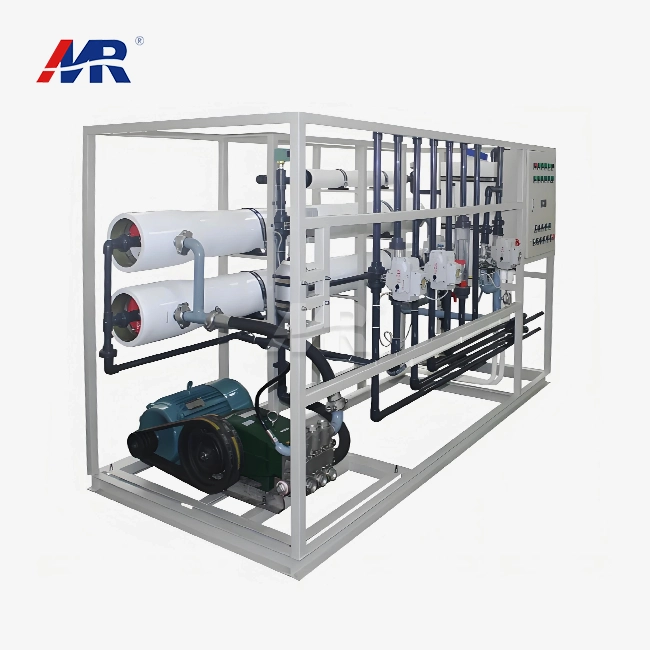 VIEW MOREseawater desalination pre-treatment
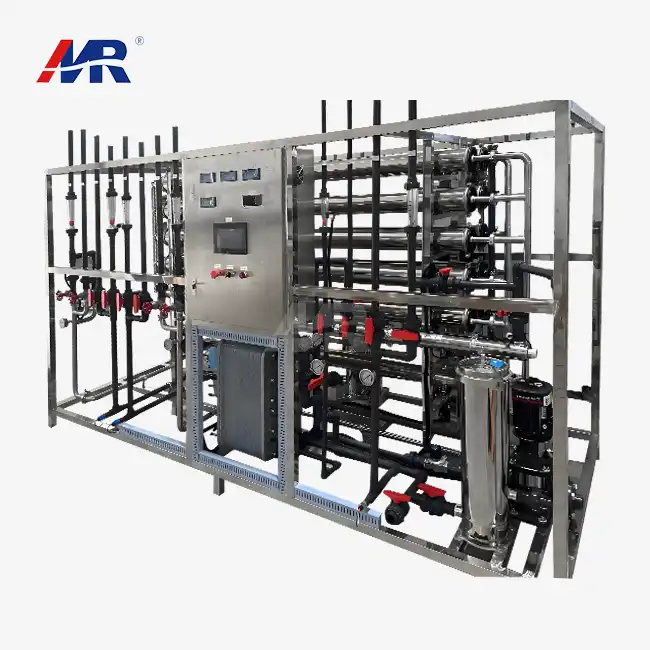 VIEW MORE2000 liters/hour EDI system
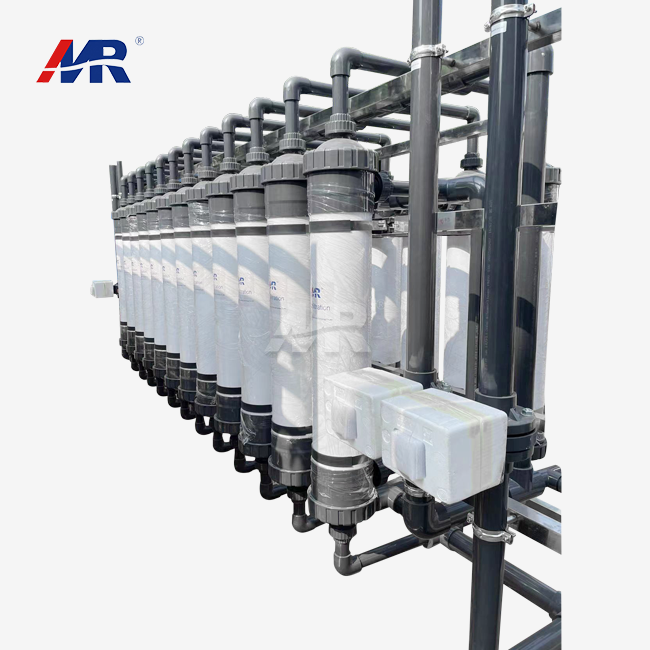 VIEW MOREindustrial ultrafiltration systems
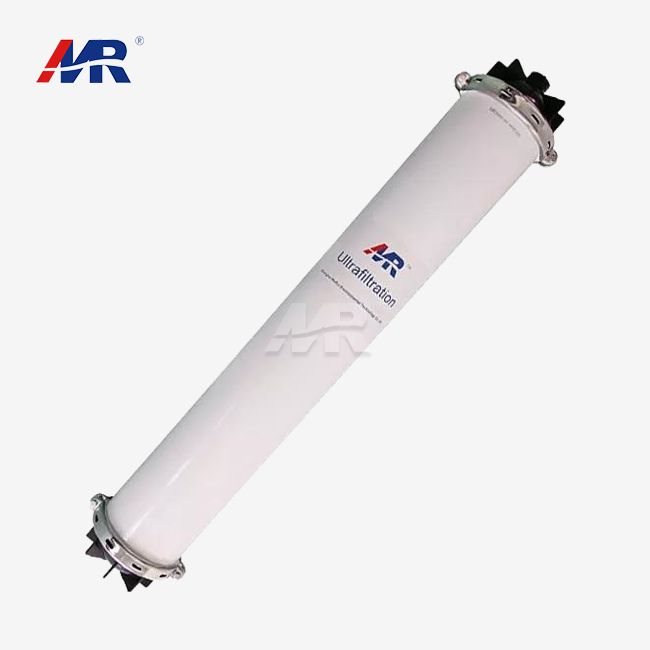 VIEW MOREultrafiltration membranes for water treatment
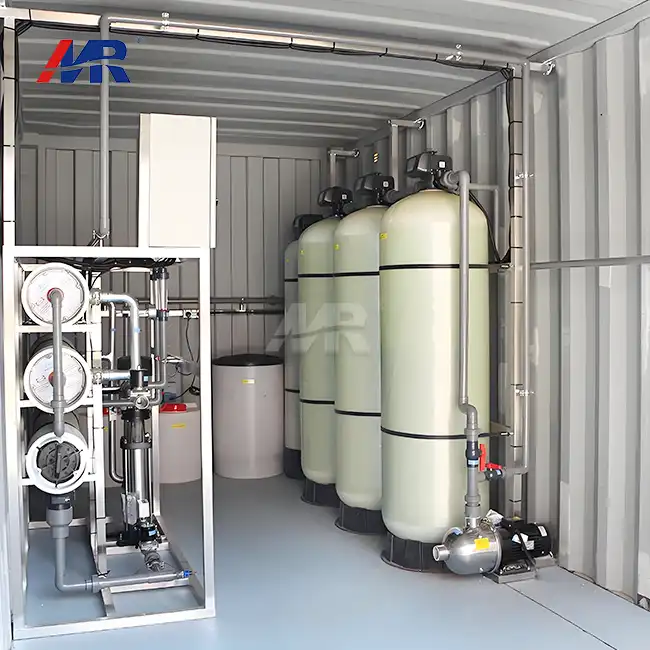 VIEW MOREcontainer ro equipment
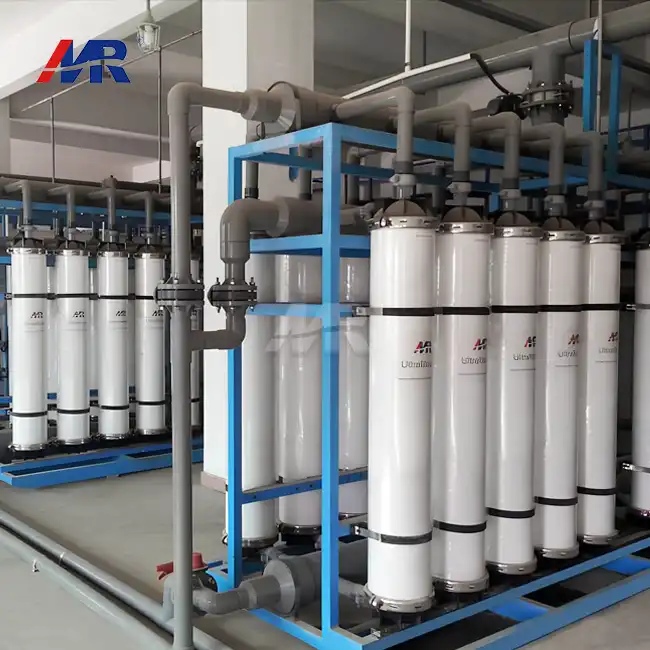 VIEW MORE20m3/hour ultrafiltration equipment
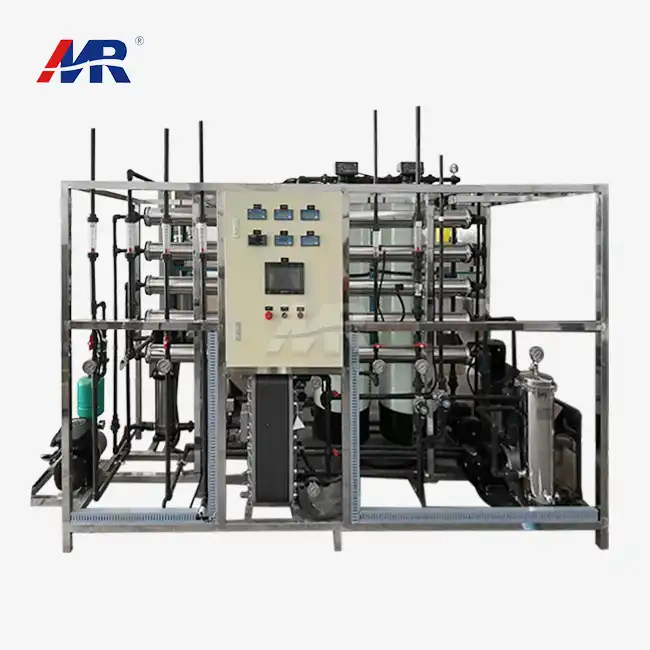 VIEW MOREedi water purification system
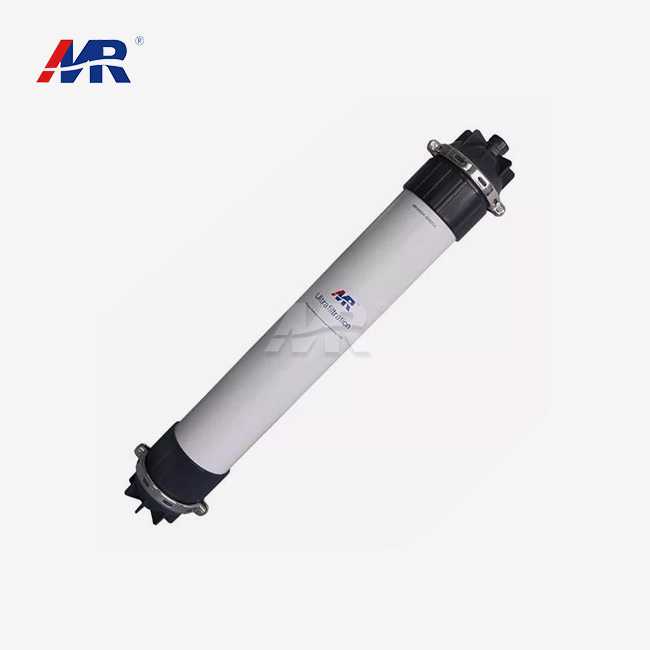 VIEW MOREultra filter membrane
