

_1745823981883.webp)

EDI Module Water Treatment: Feed Water Quality Specs
Understanding the feedwater quality requirements is important when choosing an electrodeionization system because it affects how well it works and how long it lasts. For an EDI module water treatment system to consistently produce ultrapure water with resistivity levels up to 18.2 MΩ·cm, the conditions at the water entry must be carefully controlled. The water that goes into these high-tech systems has to meet strict requirements for its conductivity, hardness, silica content, and total dissolved solids. This is to keep the membranes from getting clogged and the systems running continuously without any chemicals. By following these rules, you can protect your investment and make sure that you're following industry standards for use in pharmaceuticals, semiconductors, and power generation.
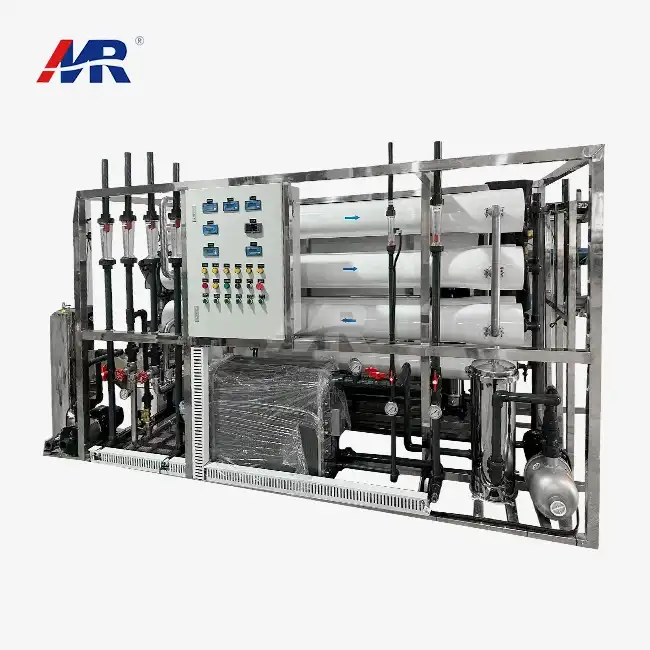
Understanding EDI Module Water Treatment and Feed Water Quality
What Makes Electrodeionization Different
The electroionization procedure is superior to conventional water cleaning methods. Ion-exchange resins, ion-selective membranes, and direct current electrical fields are used in EDI. UV therapy addresses biological concerns, and reverse osmosis removes contaminants. This combination creates a self-repairing mechanism that eliminates ionic and ionizable species without chemicals.
This technology solved several issues with prior mixed-bed ion exchange systems. Industries no longer have to transport vast volumes of regeneration chemicals like caustic soda and sulfuric acid. Safety hazards decrease, pollution impacts decrease, and batch processing is replaced with 24-hour continuous manufacturing cycles.
How Feed Water Quality Impacts System Performance
Module lifespan and cleanliness depend on feed water quality. Bad input conditions accelerate membrane scaling, reduce current, and damage ion-removal electrochemical processes. Too much hardness deposits calcium and magnesium on membrane surfaces. This permanently damages membranes, shortens their lifespan, and raises replacement costs.
The system's electricity load depends on feed water conductivity. Too many dissolved solids force modules to work harder, generating more energy and heat. Silica is difficult to work with since it is ionized and colloidal. After conventional pretreatment, colloidal type builds up in the EDI stack and steadily degrades performance until mechanical intervention is needed.
Compliance Standards That Matter
Things should function according to international norms. ISO criteria define minimum standards for water quality management systems, while NSF Certifications ensure that process water-contact Products fulfill health and safety standards. Pharmaceutical applications need to follow USP and EP pharmacopoeia standards, which determine the maximum pollutants in Purified Water and Water for Injection systems.
In addition to providing clean water, EDI module water treatment equipment must satisfy regulatory demands for electrical safety and pressure vessel certifications. Dielectric strength testing ensures insulation integrity, protecting workers from electrical hazards. Tests of hydraulic pressure at 1.5 times the maximum operating pressure show that the structure and system are leak-free. These thorough evaluation techniques reassure procurement staff that equipment investments fulfill safety and productivity demands.
Key Specifications for Feed Water Quality in EDI Systems
Critical Parameter Thresholds
Feed water must be within specific ranges for optimal electrodeionization. The water in our facilities' systems must have particular properties to keep membranes intact and improve ion removal.
The pH balance must be between 6.5 and 8.5 to prevent membrane breakdown and allow ions to migrate freely. Acidic circumstances below this range accelerate material degradation, whereas alkaline conditions above this range accelerate growth and reduce current flow efficiency. The EDI module shouldn't receive more than 25 mg/L total dissolved solids. Keep levels below 10 mg/L for consistent 18.2 MΩ·cm output in ultrapure water applications.
Hardness is crucial, and 0.5 mg/L calcium carbonate is usually acceptable. Overcoming this limit causes scaling reactions that permanently damage membrane surfaces. Silica in water must be kept below 0.5 mg/L to avoid deposits that are difficult to clear. Removal of free chlorine and oxidizing chemicals is necessary because even tiny quantities can harm ion-exchange resins and membrane polymers.
The Pretreatment Imperative
Strong pretreatment converts raw water into electrodeionization feed water. This multi-step procedure begins with multimodal filtering, which removes solids and particles larger than 10 microns. After that, activated carbon filtration removes chlorine, organic compounds, and taste and smell issues that could hinder later steps.
Reverse osmosis removes 95–99% of dissolved solids, bacteria, and organic molecules, making it the most crucial pretreatment step. RO permeate is cleaned to a conductivity level of 5-20 µS/cm and used as EDI feed water. The electrodeionization module may focus on purifying water instead of combating severe pollution because the ionic load has dropped.
Last, cartridge filtration captures particles that passed earlier stages. These 1–5 micron filters protect EDI membranes and extend module life. Pretreatment design should account for seasonal water quality fluctuations, excessive demand, and upstream portions losing efficacy.
Monitoring and Control Best Practices
Continuous water monitoring converts reactive repair into proactive system management. Several treatment train locations include real-time conductivity sensors that report performance changes. Online silica analyzers detect breakthrough before it becomes dangerous. This enables operators to adjust pretreatment or schedule maintenance.
Because temperature affects ion mobility and electrical resistance, temperature measurement is crucial. Systems function best between 15°C and 30°C; performance diminishes at higher or lower temperatures. To prevent particles from entering critical EDI parts, monitor cartridge filter pressure to determine when to change them.
Data logging systems record slow performance changes that aren't seen during normal activities. Conductivity drift rates, pressure changes, and power consumption patterns enable predictive maintenance scheduling. This strategy reduces unexpected downtime and delays large repair events, lowering total cost of ownership.
Comparing EDI Feed Water Specs with Other Water Treatment Systems
Operational Efficiency Distinctions
Traditional ion exchange is less efficient than electrodeionization systems when looked at in a number of different performance areas. Conventional mixed-bed deionizers need to be regenerated offline on a regular basis using dangerous chemicals. This causes operating interruptions and needs backup systems running in parallel to keep production going. Chemical renewal is not needed for EDI modules to work all the time. This means that there is no downtime for glue running out or the problems that come with handling chemicals.
The way we use energy tells a very interesting story. Our systems usually use 0.1 to 0.3 kWh/m³, which is a lot less than the heating energy needed for distillation or the pumping energy needed for RO systems with more than one stage. Recovery rates above 90% mean less water waste and less damage to the environment compared to reverse osmosis that works on its own, which usually only recovers 50 to 75% of the water it processes, depending on the quality of the feed water and how the system is designed.
When space is limited, the physical footprint advantage becomes clear. EDI modules can clean a lot of water in a small space. Our designs can handle flow rates from 0.5 to 50 m³/h within modular frames. This efficient use of room immediately leads to lower building costs and more options for where to put systems.
Maintenance Requirements and Lifecycle Costs
Total cost of ownership is heavily affected by how often and how hard the maintenance is. In traditional ion exchange, the resin needs to be replaced every three to five years. It also needs a way to store and deliver chemicals, a way to neutralize waste from regeneration, and skilled workers who know how to handle dangerous materials. Over the 15 to 20 years that this equipment lasts, these ongoing costs add up to a lot.
For EDI module water treatment systems, electrodeionization maintenance is more about taking care of parts upstream than the EDI module itself. Changing cartridge filters, cleaning ro membranes, and adjusting monitors are the most common maintenance tasks. The continuous self-regeneration mechanism keeps the internal resins in an active state without any help from an operator. This cuts down on work by a huge amount and gets rid of the need to buy chemicals.
As membranes and resins break down over time, modules will need to be replaced at some point. Leading manufacturers make systems with a stack life of 5 to 7 years when used correctly. In some Cases, the stack can last longer with careful control of the feedwater. When it's time to replace something, it's just a simple mechanical swap instead of a complete system redesign. This keeps the original investment in frames, power supplies, and other equipment.
Real-World Performance Validation
Pharmaceutical companies have shown that using EDI has a lot of benefits. A biotech company that makes injected medicines switched from mixed-bed systems to electrodeionization, which saved 12,000 liters of acid and caustic every year. The stability of the water quality got better, and the resistivity stayed within ±0.1 MΩ·cm limits. This is better than before, when it changed by more than 0.5 MΩ·cm during regeneration cycles.
Microelectronics fabrication facilities have the strictest standards for purity. Even parts-per-billion ionic contamination can mess up the production of semiconductors. When edi systems are connected to ultrapure water loops, they consistently get rid of contaminants below 1 ppb, and they get rid of silica below 1 ppb, which protects the delicate processes of cleaning and etching wafers. These installations show that electrodeionization can meet the strictest industrial requirements when the feed water is properly treated.
Power generation uses show how reliable something can be in tough situations. Scaling and corrosion can be avoided with high-pressure burner feed water systems in complex thermal settings where equipment failure can have disastrous results. EDI modules that have been used with properly treated feedwater have been in continuous service for more than five years without losing any performance. This proves that the technology can be used in critical infrastructure applications.
Procurement and Support: Selecting the Right EDI System for Your Water Quality Needs
Matching Technology to Application Requirements
A full analysis of the feedwater is the first step in choosing the right electrodeionization equipment. Lab tests that show the full mineral makeup, organic content, and microbial traits allow for accurate system sizing and pretreatment planning. Seasonal changes are especially important for surface water sources because runoff from farms, algae blooms, and changes in temperature make cleaning difficult.
Flow rate needs decide how modules are set up and how redundancy is used. Duty-standby setups or N+1 redundancy, in which multiple units share the load with backup capacity, help applications that need a steady supply. Peak demand analysis stops undersizing that lowers the quality of the water during times of high use. Our engineering team creates systems that can handle 0.5 to 50 m³/h in a variety of industrial settings, and their layouts are flexible enough to allow for future growth.
Navigating the Global Supply Chain
When looking for electrodeionization tools, you need to compare makers, system integrators, and authorized distributors. Direct relationships with manufacturers give you access to more technical information and the ability to make changes. Distributors, on the other hand, offer local support and faster delivery for standard configurations. Both of these benefits are available at Guangdong Morui Environmental Technology, which has 14 regional branches that produce membranes, make equipment, and provide installation services.
Certification of installation partners makes sure that the right steps are taken to properly commission the system, which confirms the design specifications and sets performance baselines. Poor installation leads to leak paths, electrical problems, and hydraulic imbalances that affect how well the system works, no matter how good the equipment is. Technicians who have been trained and know the unique needs of each maker can avoid costly delays in starting up and problems with warranties.
Brand partnerships add to the range of equipment available and provide tried-and-true parts. Our work with Shimge Water Pumps ensures reliable hydraulic performance, and our work with Runxin Valves ensures long-lasting flow control. Createc Instruments adds the ability to precisely monitor. These partnerships allow for full system integration with a single point of responsibility, making purchases easier and combining help after the sale.
Lifecycle Cost Management
The total cost of ownership includes more than just the initial investment. It also includes the cost of energy, consumables, maintenance labor, and replacement parts in the long run. A thorough lifetime study that compares electrodeionization to other options shows that it is the most cost-effective option, even though it may require a bigger initial investment. Getting rid of chemical costs, cutting down on labor needs, and extending service intervals all lead to operational savings that usually cover the higher initial costs within three to five years.
Financing options make it easier to buy capital equipment such as an EDI module water treatment system. Leasing equipment helps you keep your working capital while giving you instant access to cutting-edge technology. Maintenance contracts include regular maintenance and replacement parts at a set monthly price, which protects your budget and makes sure you get professional care. These financial structures make it possible to buy equipment that fits with your cash flow while still ensuring the best system performance.
Planning for a technology update takes into account the fact that water treatment equipment will need to be replaced or reworked at some point. Modular system architectures let you make small changes to an existing system instead of replacing it all at once. Updating the power supply and control system can make old installations last longer by adding smart monitoring and remote access to mechanical platforms that have already worked well. This method makes the most of the return on initial investments while also taking advantage of new technologies.
Conclusion
Specifications for the quality of the feedwater are the basis for successful electrodeionization implementation. Adhering to strict guidelines for conductivity, hardness, silica, and dissolved solids through the right cleaning protects the membrane's structure and makes sure that ultrapure water is always produced. Regular maintenance, monitoring, and troubleshooting keep things running smoothly for a long time while keeping costs low. Moving from chemical-dependent ion exchange to continuous electrodeionization has huge advantages when it comes to safety, effect on the environment, and stability of water quality. Companies can use this advanced water purification technology in pharmaceutical, semiconductor, power generation, and many other fields that need very pure water by making purchases that include a full analysis of the feed water, the right system size, and strong partnerships with suppliers.
FAQ
Q1: What minimum feed water quality does an EDI module need?
For electrodeionization modules to work, the feed water they receive must meet certain purity levels. Conductivity shouldn't go above 40 µS/cm, and for many uses, less than 20 µS/cm is enough. As CaCO₃, hardness can't be more than 0.5 mg/L, and silica can't be more than 0.5 mg/L. Total dissolved solids should be less than 25 mg/L, and all free chlorine should be taken out to keep the membrane from getting damaged.
Q2: How often should I test feed water quality?
Continuous live tracking of temperature and conductivity gives real-time feedback on performance. Comprehensive parameters like silica, hardness, and organic content should be analyzed in the lab once a month under stable conditions. If the quality of the source water changes with the seasons or if system performance shows strange patterns, test it once a week instead of every two weeks.
Q3: Can EDI systems handle feed water quality variations?
Electrodeionization modules can handle small changes that stay within the standard ranges, but they can't fix long-term changes that go beyond the design limits. When hardness levels rise quickly, there is a risk of scaling, and when conductivity levels rise, current efficiency goes down. If the pretreatment is done right, it can handle short-term changes, and monitoring systems let operators know about trends that need to be fixed before they cause damage.
Partner With Morui for Your Ultrapure Water Needs
Guangdong Morui Environmental Technology has a lot of experience designing, making, and installing EDI module water treatment systems. Our vertically integrated business makes unique membranes and equipment in separate sites. This way, we can control quality from the level of the individual parts all the way through to the final commissioning. We offer localized service backed by the technical depth of the company thanks to our more than 500 employees and 20 specialized engineers who work in 14 regional branches. Whether you need ultrapure water for semiconductors, pharmaceutical-grade purified water, or boiler feed treatment for power generation, our chemical-free electrodeionization solutions work reliably and have little effect on the environment. As a well-known EDI module water treatment supplier, we also work with top brands like Shimge, Runxin, and Createc, allowing us to offer full system integration with accountability from a single source. Get in touch with our technical team at benson@guangdongmorui.com to talk about your specific feedwater problems and get solutions that are tailored to your quality needs, flow rates, and budget.
References
1. American Water Works Association. (2021). "Electrodialysis and Electrodeionization Manual of Water Supply Practices M38." AWWA Publications.
2. Ganzi, G.C. and Wood, J.H. (2020). "Modern Electrodeionization Technology: Theory and Practice." Industrial Water Treatment Journal, Vol. 45, pp. 112-128.
3. International Pharmaceutical Federation. (2019). "Water Quality Standards for Pharmaceutical Production: USP and EP Compliance Guidelines." IPF Technical Monograph Series.
4. Semiconductor Equipment and Materials International. (2022). "Ultrapure Water Specifications for Microelectronics Fabrication Facilities." SEMI Standards Publication.
5. United States Pharmacopeia. (2023). "USP <1231> Water for Pharmaceutical Purposes: Electrodeionization Systems." USP 46-NF 41.
6. Water Quality Association. (2020). "Electrodeionization Systems: Performance Testing and Validation Protocols." WQA Technical Brief S-701.
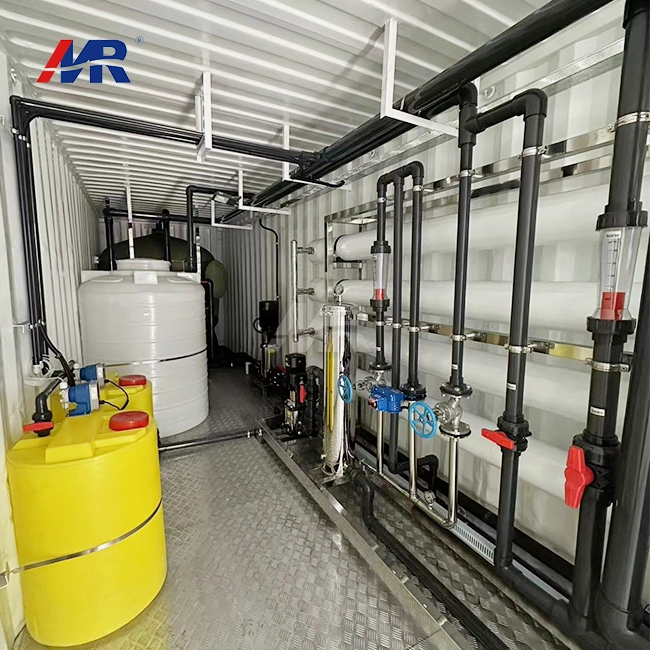 VIEW MOREcontainerized desalination plant
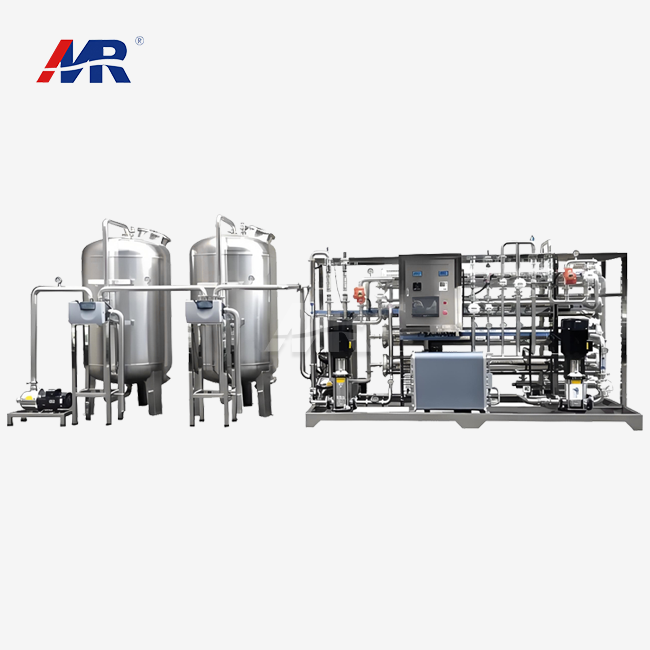 VIEW MORE2000LPH EDI system
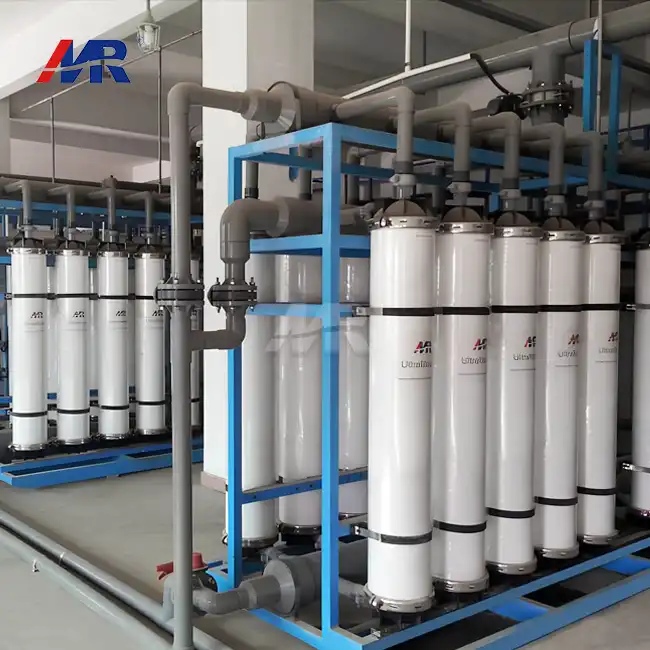 VIEW MORE20m3/hour ultrafiltration equipment
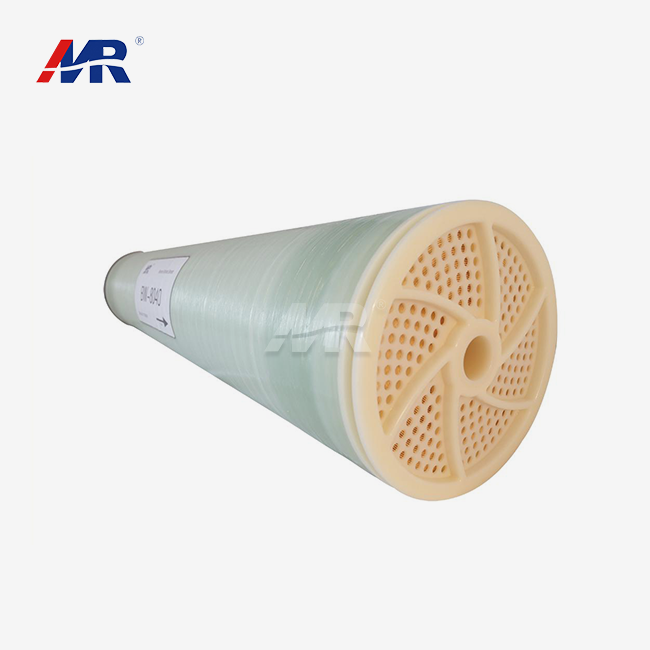 VIEW MOREbrackish membrane
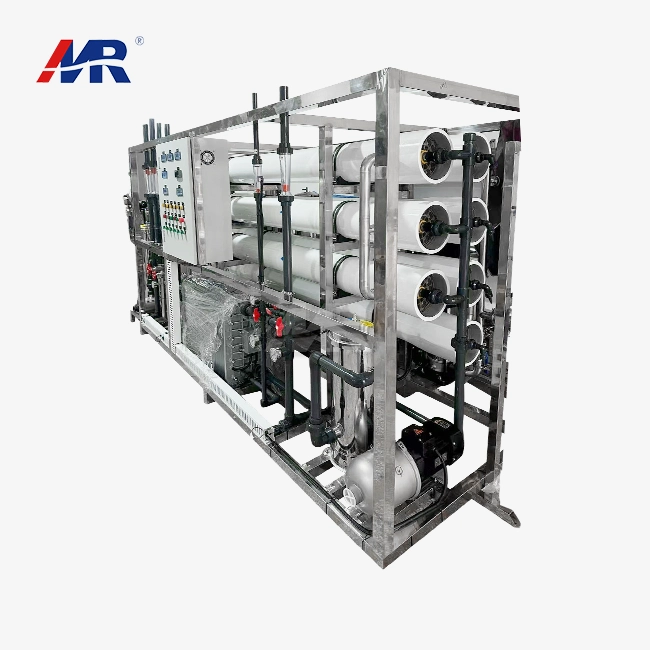 VIEW MOREedi module water treatment
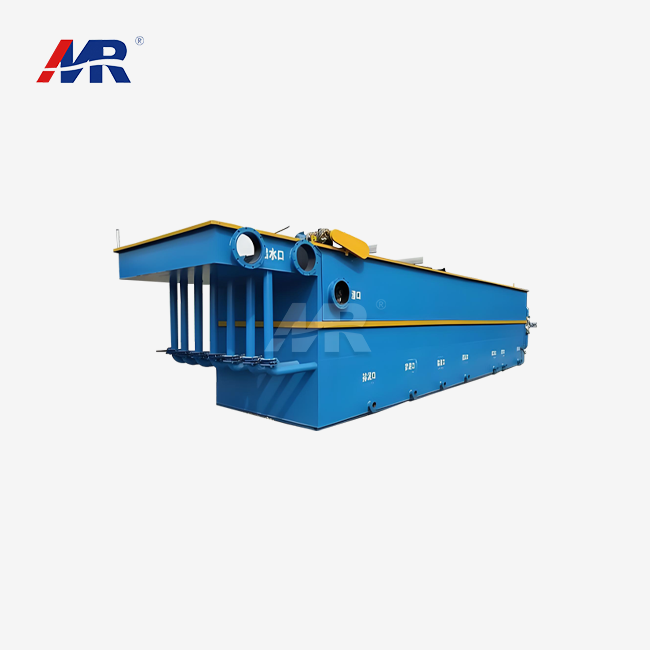 VIEW MOREadvanced wastewater treatment system
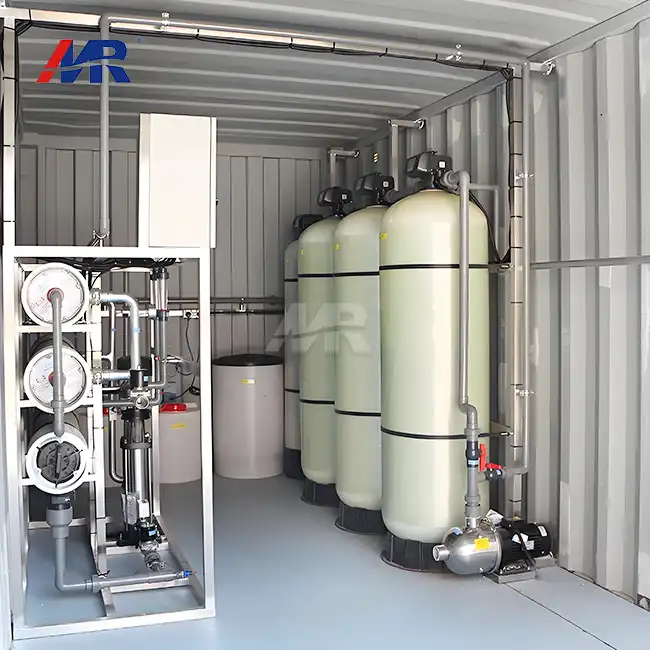 VIEW MOREcontainer type 3m3/hour RO equipment
 VIEW MOREDTRO Landfill Leachate Treatment
