_1745823981883.webp)

Is Reverse Osmosis Filtration Safe for Drinking Water?
Reverse osmosis filtration is safe for drinking water. This advanced purification method employs semi-permeable membranes to eliminate contaminants ranging from dissolved salts to heavy metals, producing water that consistently meets or exceeds drinking water safety standards established by the EPA and FDA. Extensive research confirms that RO-treated water poses no health risks when consumed, making it a trusted choice for residential, commercial, and industrial applications worldwide.
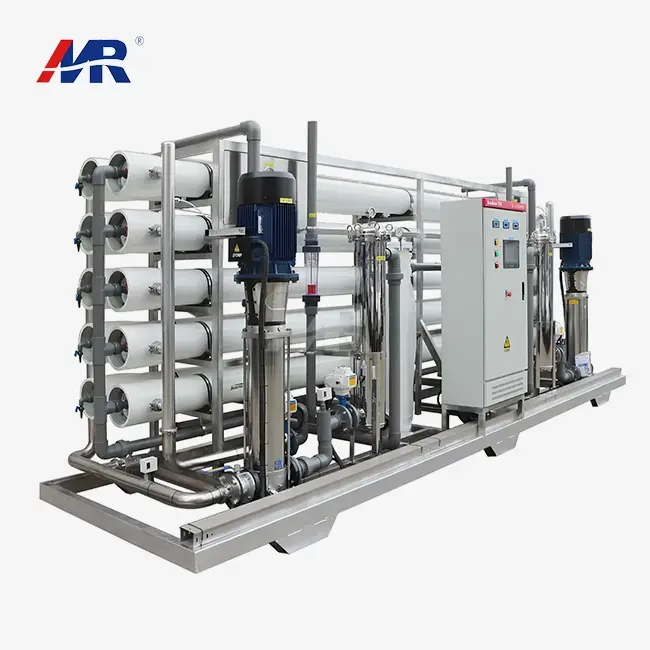
Understanding Reverse Osmosis Filtration: How It Works and Its Safety Profile
How Reverse Osmosis works and what kinds of risks it poses are explained.
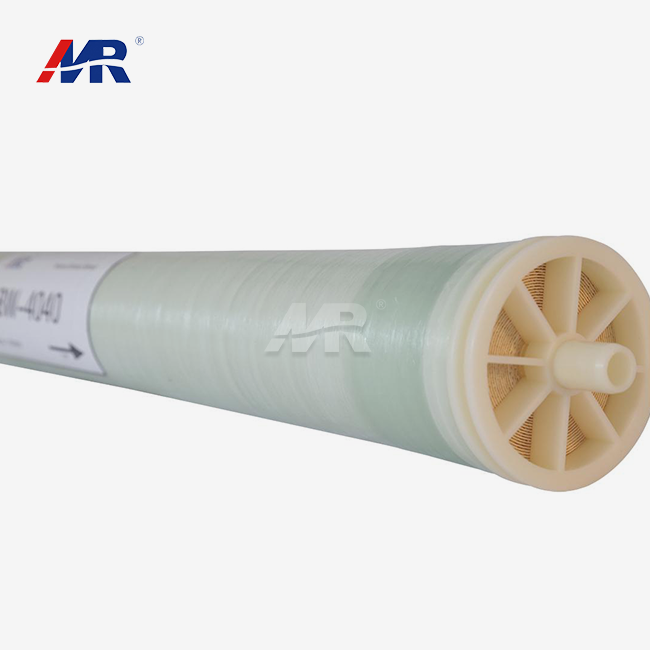
Reverse Osmosis is a complex membrane separation method that works by using hydraulic pressure to counteract the osmotic forces that happen naturally. Micropores about 0.0001 microns in width let water molecules pass through, but arsenic, fluoride, nitrates, and microorganisms stay on the top of the membrane. 99% of the total dissolved solids (TDS) are removed by this process, which is much better than what mechanical filters can do.
The Multi-Stage Purification Process
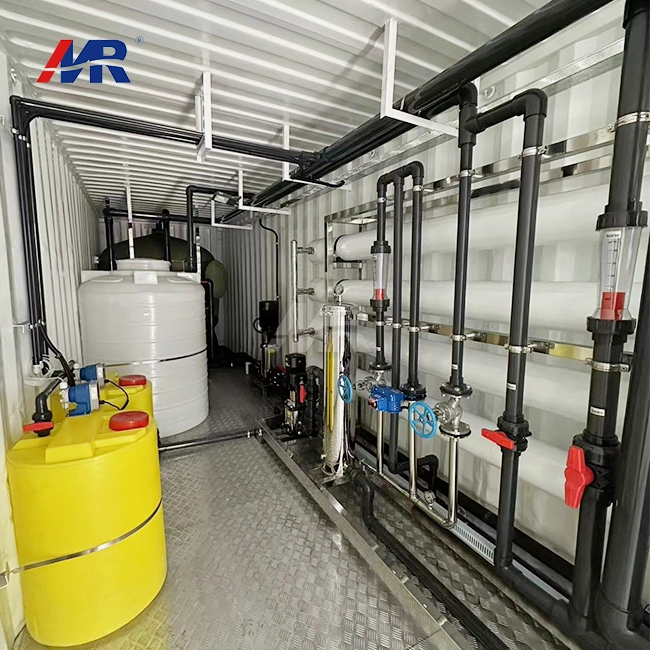
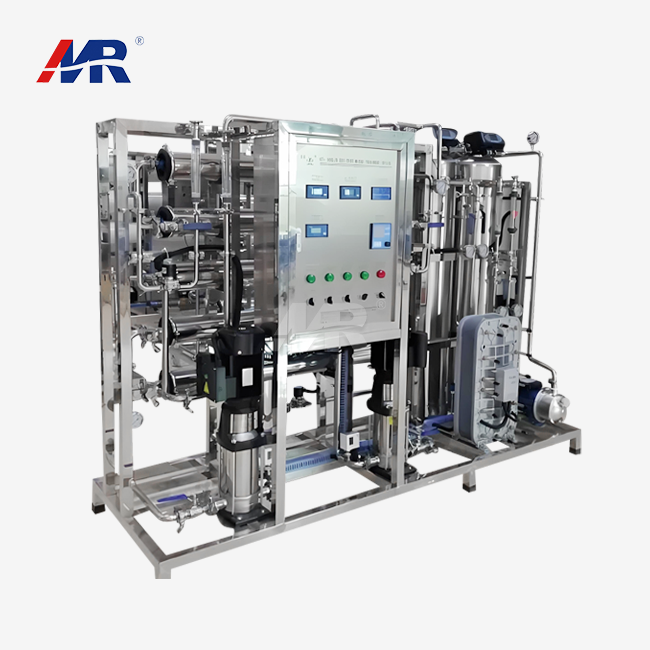
Multiple treatment barriers are built into industrial RO systems to improve the quality of the water. Pre-filtration gets rid of sediment and other small particles that could hurt membranes that are easily damaged. After carbon filtration, chlorine and volatile organic compounds that speed up membrane breakdown are taken care of. The RO stage initially separates dissolved toxins, and the post-filtration stage softens the water to improve its taste. UV sterilization is an extra safety measure that can be used to kill any remaining microbes.
Regulatory Certifications and Safety Standards
RO technology has been thoroughly tested and found safe by a number of different regulatory bodies. NSF/ANSI Standard 58 checks both the structural stability and promises of contaminant reduction in domestic RO systems. Commercial systems that serve food and drinks must follow FDA rules for processing water, while systems used in pharmaceuticals must follow USP filtered water standards. The EPA's drinking water guidelines are used as a guide for city systems.
Scientific Validation of RO Water Quality
Studies that have been reviewed by experts show that drinking RO-filtered water as part of a healthy diet helps the body work normally. The World Health Organization says that RO is a good barrier technology for getting rid of pathogens, especially in places where the quality of the source water changes. Industrial hygiene tests show that RO systems that are properly kept make water that is microbiologically steady and free of endotoxins and biofilm contamination.
Key Benefits and Limitations of Reverse Osmosis for Drinking Water in B2B Contexts
When procurement workers look at investments in water treatment, they have to weigh operational benefits against real issues to see if the system will work for their needs.
Superior Contaminant Reduction Capabilities
RO technology is very good at getting rid of dissolved inorganic contaminants that regular reverse osmosis filtration can't handle. Heavy metals like lead, cadmium, and mercury are removed at rates higher than 98%. This protects the quality of the Products made in food preparation and medicinal compounding. RO is necessary in farming areas where groundwater pollution could hurt businesses that make drinks because it can remove nitrates. Because the technology works on a wide range of problems, it gets rid of the need for many specific treatment methods.
Scalability and Customization Options
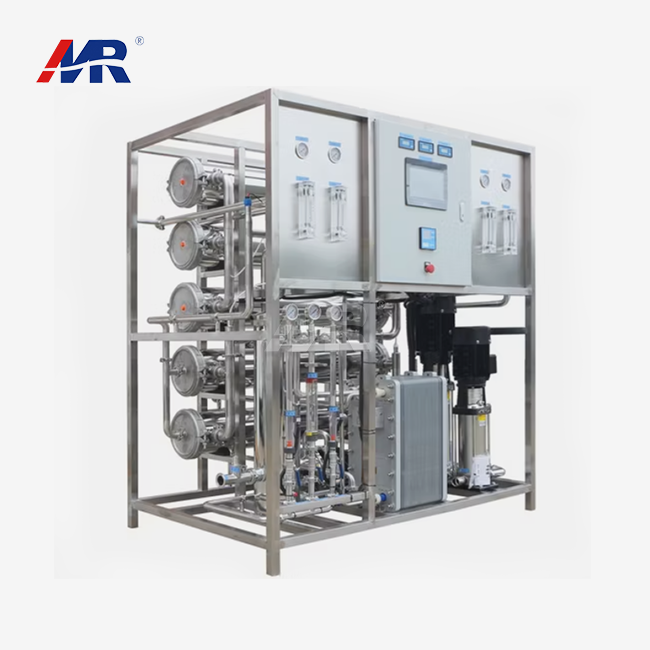
Modern RO platforms can handle a wide range of tasks, from small lab work to large municipal installations that process millions of gallons of water every day. Modular designs let businesses increase their capacity as their needs change, saving the money they spent on the original design. Medium-sized factories can use systems that can handle up to 40,000 gallons of fluid per day, and rack-mounted setups work well in factories that don't have a lot of room. Customization includes making membrane chemicals that work best with difficult feed waters, like those with a lot of salt or those used in industrial processes.
Operational Considerations and Cost Factors
The amount of energy used is a high ongoing cost, especially for high-pressure seawater desalination systems that work at 800-1000 PSI. Standard brackish water systems work at 150 to 220 PSI, which means they need a lot less power. Recovery rates are usually between 50 and 75%, which means that concentrate waste needs to go through the right channels for dumping. Maintenance costs are known because membranes need to be replaced every 24 to 36 months, but proper pretreatment greatly improves service life. To get a good idea of how much a system costs, you need to do a total cost of ownership estimate that includes things like energy, consumables, and wastewater handling.
Temperature Sensitivity and Performance Variations
The porosity of a membrane goes up by about 3% for every degree Celsius that the feed water temperature goes up. This changes both the production capacity and the rejection rates. The best performance for systems is between 40°F and 100°F. Depending on where they are installed, they may need warmth or cooling. Changes in seasonal temperatures may mean that working pressure or recovery rates need to be changed to keep the quality of the product stable. Temperature control is often built into cold-weather installations that serve pharmaceutical plants to make sure they meet quality standards all year long.
Comparing Reverse Osmosis with Other Filtration Technologies
To choose the right water treatment technology, you need to know how the different methods deal with the different water quality problems that come up in business and industry settings.
Ultrafiltration vs. Reverse Osmosis
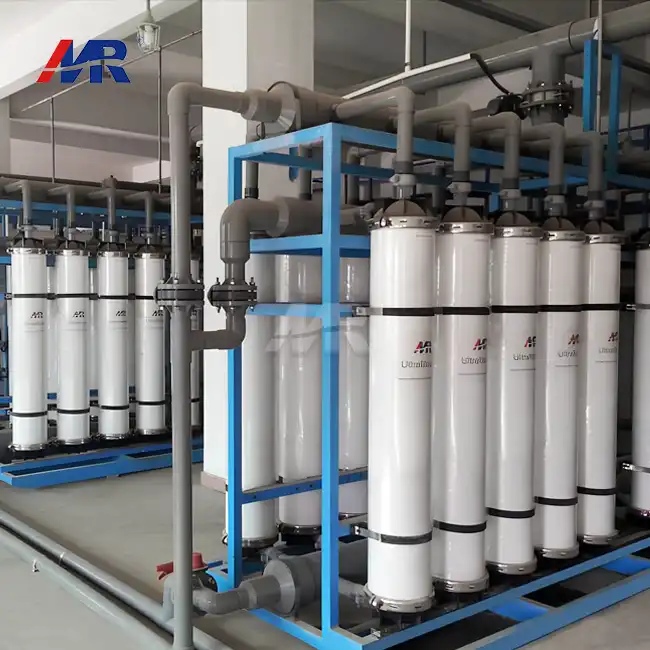
Ultrafiltration uses membrane pores that are 0.01 microns bigger, which kills bacteria, viruses, and colloidal matter but can't get rid of dissolved ions. UF systems work great for tasks that need to get rid of pathogens without removing minerals, like cleaning drinking water for cities or reusing wastewater. RO treats water completely, getting rid of dissolved solids that are needed for boiler feedwater, making semiconductors, and making medicines. A lot of industrial sites use UF as RO pretreatment, mixing the best parts of both technologies in single treatment trains.
Carbon Filtration Limitations
Activated carbon can successfully take in chlorine, taste and odor molecules, and some organic chemicals by drawing them to its surface. But carbon beds can't get rid of dissolved salts, heavy metals, or microorganisms, which makes them less useful as a standalone treatment in industrial settings. Carbon filtering is often used before RO, which protects membranes from oxidative damage and increases the time between service calls. Businesses that handle municipal water for food service often only use carbon filtering, but pharmaceutical facilities need the complete purification that only RO can provide.
UV Sterilization Applications
Microorganisms are killed by ultraviolet light, which changes the structure of DNA. This disinfects water without using chemicals and doesn't change the chemistry of the water. UV systems don't have any physical barriers that would stop the removal of particles or dissolved contaminants. This means that they work with RO technology instead of being a replacement for it. When you use RO to get rid of contaminants and UV cleaning further down the line, you create a multi-barrier system that is popular in hospitals and labs where complete germ control is very important.
Purchasing and Maintaining Reverse Osmosis Filtration Systems for B2B Applications
To make sure long-term operational success, strategic procurement decisions need to be based on a careful analysis of system requirements, supplier capabilities, and lifecycle support infrastructure.
Specifying System Requirements
Flow rate requirements must allow for times of high demand with enough room for error to avoid production problems in reverse osmosis filtration. A daily capacity of 40,000 gallons serves medium-sized beverage businesses or medicine packing plants that need pure water all the time. The type of membrane used is decided by the study of the feed water. The TDS levels show whether low-pressure freshwater membranes or high-pressure seawater membranes are best. The operating pressure affects the size of the pump and the energy infrastructure. For outdoor installations, the temperature range affects the materials used for construction.
Evaluating Supplier Credentials
Through vertical integration, Guangdong Morui Environmental Technology Co., Ltd. can treat water in a wide range of ways. They do this by making membranes, putting together equipment, and providing installation services. With 14 regional offices and 20 specialized engineers, they can provide the local help that is needed for complex industrial deployments. Agency relationships with well-known component makers, like Shimge water pumps and Runxin valves, make sure that systems use tried-and-true parts that will last. When evaluating a supplier, it's important to make sure they have ISO quality standards, references from companies in the same line of work, and clear guarantee coverage for membranes, vessels, and control systems.
Installation and Commissioning Considerations
Correct construction has a big impact on how well and how long a system works. The infrastructure for pre-treating feed water needs to be the right size to keep ro membranes from getting clogged up and scaling. Plans for dumping concentrated trash need to be coordinated ahead of time with wastewater services or process recovery systems. Programming for the control system should include automatic shutdown steps to protect the membranes when the system is not in use and alarms that let workers know when performance isn't as expected. Before the system goes into actual service, it is professionally commissioned to make sure that all of its working parameters are in line with what the designers intended.
Maintenance Protocols and Spare Parts Management
Scheduled maintenance keeps systems running smoothly and stops them from going down without warning. Depending on the quality of the feedwater, prefilter cartridges need to be replaced every three to six months. The membranes, on the other hand, need to be cleaned every three to twelve months, depending on how often they get clogged. Keeping a stock of important spare parts like pressure vessels, high-pressure pumps, and membrane elements on hand helps keep production running smoothly. Service deals with approved partners make sure that you can get real replacement parts and professional help to figure out why your system isn't working right.
Case Studies and Client Experiences: Validating Safety and Efficiency of RO Systems
Real-life examples show how RO technology can solve important water quality problems in many different industrial areas, leading to measurable operational improvements and regulatory compliance.
Pharmaceutical Manufacturing Purity Achievement
A medium-sized biotechnology company used a special RO system along with electrodeionization to make USP-grade clean water for making injectable drugs. It was no longer necessary to use expensive distillation equipment after the installation, which also cut energy use by 60%. Over the course of three years of operation, continuous live tracking proved that endotoxin limits and conductivity standards were always met. This use shows how RO can meet the strictest standards for pharmaceutical water quality while also making the process more cost-effective.
Food and Beverage Consistency Enhancement
A regional beverage company that sold drinks in several states had trouble with taste changes caused by changes in the mineral content of city water that happened with the seasons. Using a 40,000-gallon-per-day RO system standardized the water composition of the ingredients, which stopped customers from complaining and cut batch changes by 85%. The small 18" x 14" x 24" size fit into existing production lines without the need to expand the building. Operational data showed that better water quality entering CIP systems led to a 30% drop in the amount of cleaning chemicals used.
Seawater Desalination for Offshore Operations
Maritime platforms in the Gulf of Mexico replaced old evaporative desalination systems with energy-efficient RO systems that produced potable water at a third of the cost of the old systems. The technology's ability to work reliably in harsh marine environments with little operator input made it ideal for remote installations. Health checks of the crew confirmed that drinking desalinated water for a long time had no negative effects, confirming that it was safe for extended offshore rotations.
Conclusion
Reverse osmosis filtration is a safe and effective way to make high-quality drinking water for homes, businesses, and factories. Its semi-permeable membrane technology gets rid of a wide range of contaminants, from heavy metals to microbes. EPA, FDA, and NSF standards make sure that RO systems always deliver water that meets all safety standards. When planning to buy an RO system, you should think about how much energy it will use and how much water it will recover. However, RO is the best choice for demanding applications where water quality affects product safety and process efficiency.
FAQ
1. Does reverse osmosis remove beneficial minerals from drinking water?
RO membranes get rid of both harmful contaminants and naturally occurring minerals like calcium and magnesium. People who eat a variety of foods get enough minerals from their food, so mineral removal in drinking water doesn't affect their health. For taste reasons, commercial applications can include remineralization stages.
2. What factors determine membrane replacement frequency in industrial systems?
The quality of the feed water, how well the pretreatment works, and the operating conditions all affect how long the membrane lasts. Systems that process well-kept municipal water may get three years of service from a membrane, but systems that handle difficult industrial applications need to replace the membrane every 18 to 24 months. Declining permeate quality or lower flow rates let you know that the membrane needs to be replaced before it fails completely.
3. How does RO energy consumption compare to alternative purification methods?
RO systems use 3–10 kWh per thousand gallons of brackish water, which is a lot less than thermal distillation, which uses 40–80 kWh per thousand gallons. Designs that use less energy and include variable frequency drives and energy recovery devices keep purification performance high, which is especially helpful for large industrial installations.
Partner With Morui for Advanced Water Purification Solutions
Guangdong Morui Environmental Technology delivers comprehensive water treatment systems engineered specifically for demanding industrial and commercial applications. Our vertically integrated capabilities encompass membrane manufacturing, system design, installation, and ongoing Technical support through 14 regional service centers staffed by experienced engineers. As a leading reverse osmosis filtration manufacturer, we customize solutions addressing your unique water quality challenges, from compact 40,000-GPD units to large-scale desalination plants. Our energy-efficient designs incorporate advanced membrane technology, achieving 99% TDS rejection while minimizing operational costs. Contact Our Team at benson@guangdongmorui.com to discuss your purification requirements and discover how our certified systems can enhance your production water quality, ensure regulatory compliance, and deliver reliable long-term performance.
References
1. World Health Organization. (2017). Guidelines for Drinking-Water Quality: Fourth Edition Incorporating the First Addendum. Geneva: WHO Press.
2. U.S. Environmental Protection Agency. (2018). National Primary Drinking Water Regulations. Washington, DC: Office of Water.
3. Greenlee, L.F., Lawler, D.F., Freeman, B.D., Marrot, B., & Moulin, P. (2009). Reverse Osmosis Desalination: Water Sources, Technology, and Today's Challenges. Water Research, 43(9), 2317-2348.
4. National Sanitation Foundation International. (2019). NSF/ANSI Standard 58: Reverse Osmosis Drinking Water Treatment Systems. Ann Arbor: NSF International.
5. American Water Works Association. (2020). Reverse Osmosis and Nanofiltration: Manual of Water Supply Practices M46. Denver: AWWA Publications.
6. Qasim, M., Badrelzaman, M., Darwish, N.N., Darwish, N.A., & Hilal, N. (2019). Reverse Osmosis Desalination: A State-of-the-Art Review. Desalination, 459, 59-104.