_1745823981883.webp)

| Parameter | Standard Specification |
|---|---|
| Production capacity | 60 m³/hour (~1,440 m³/day) |
| Recovery rate | Up to 75% |
| Permeate TDS output | Below 50 ppm |
| Power consumption | 0.8–1.2 kWh/m³ |
| Operating pressure | 10–16 bar |
| Design inlet TDS range | Up to 2,000 ppm (standard configuration) |
These numbers provide a baseline for buyers to determine whether the offered configuration by a supplier, in fact, meets industry standards or is lacking in a particular performance parameter that is important to their application.
Core Components of the System
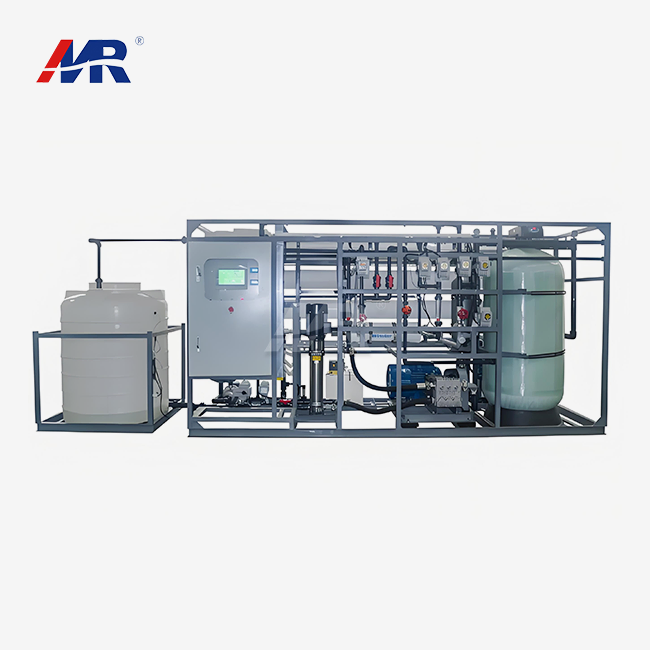
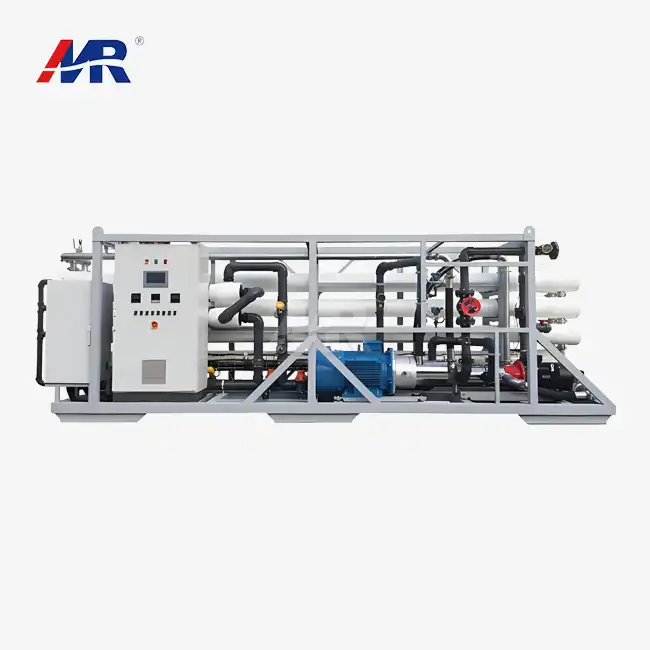
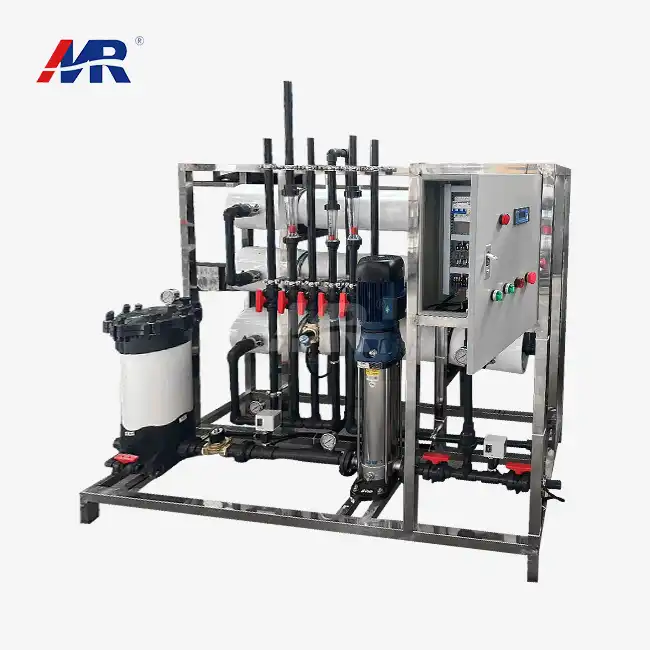
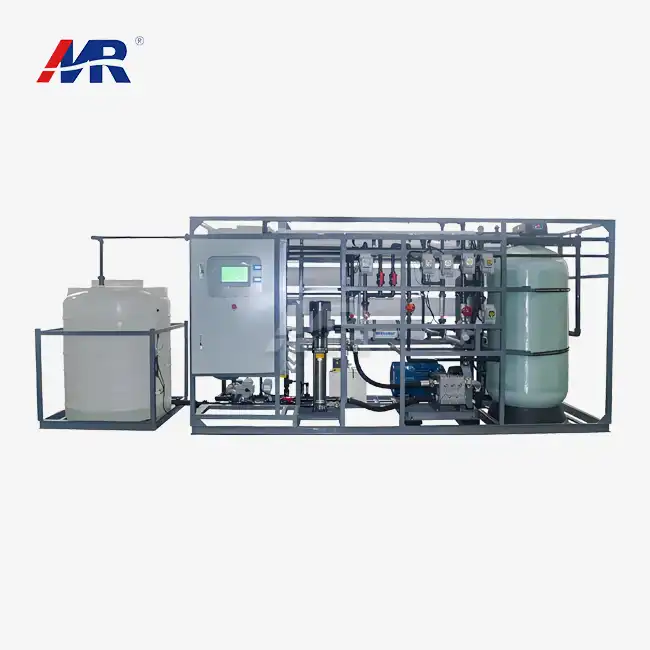
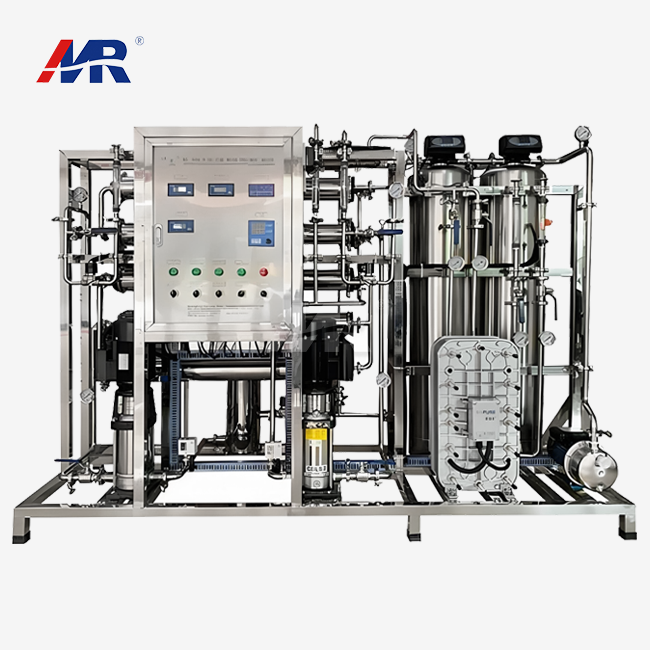
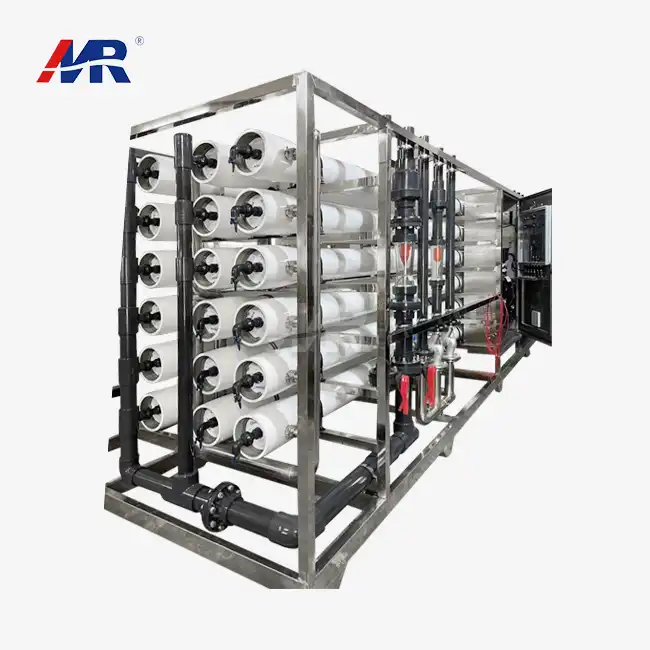
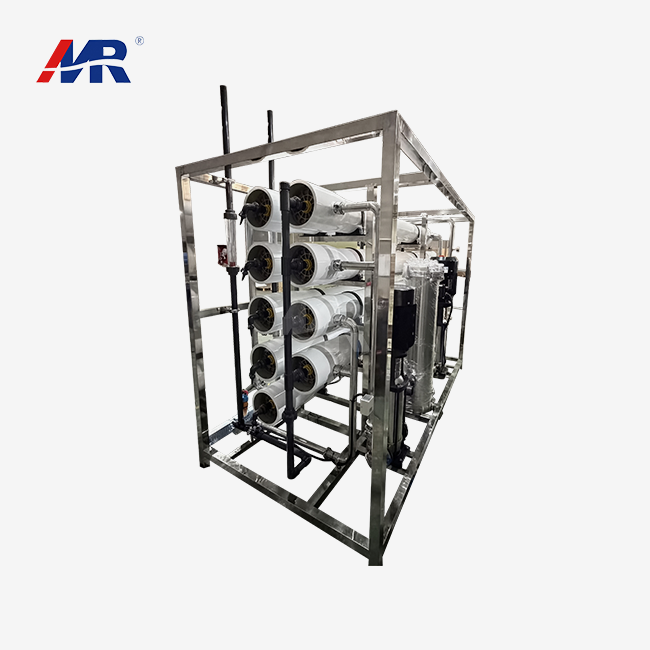
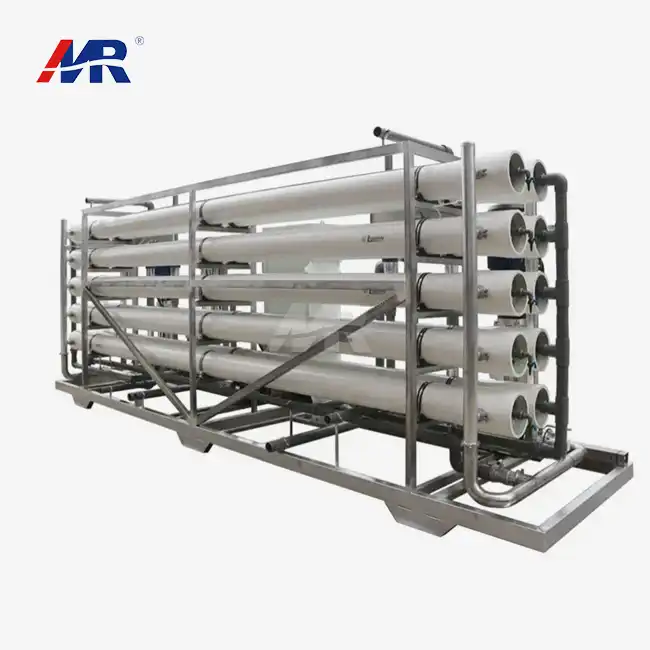
Each unit designed to this capacity contains a pretreatment filter train, high-pressure feed pumps, membrane housings filled with spiral wound elements, a programmable control panel, and a cleaning-in-place skid. Some purchasers add remineralization or UV disinfection depending on the ultimate application, while electronics manufacturers commonly couple the RO step with electrodeionization (EDI) to meet ultrapure water criteria for chip cleaning.
Typical Output and Capacity Explained
At a typical recovery of up to 75%, a 60m3/hour reverse osmosis plant requires around 80 m³/hour of feed water at an intake TDS of about 2000 ppm. A coastal plant drawing on brackish groundwater would need a bigger feed pump and more pretreatment steps than one utilizing city tap water as a source, since recovery decreases as source water becomes saltier.
How Does a 60 m³/hour RO System Work?
The treatment sequence is a 5-stage process. If any of these phases are skipped, membrane life would be shortened and operational expenses increased. In comparing supplier bids, knowledgeable buyers ask tougher questions about the sequence.
Pre-Treatment Stage
Multi-media sand filters and activated carbon beds are used to remove suspended particles, turbidity, and free chlorine before water reaches the membranes (U.S. Environmental Protection Agency, 2024). Antiscalant dosage pumps then defend the membrane surface against scaling by calcium and silica, the major cause of premature membrane replacement in industrial facilities.
High-Pressure Pumping and Membrane Separation
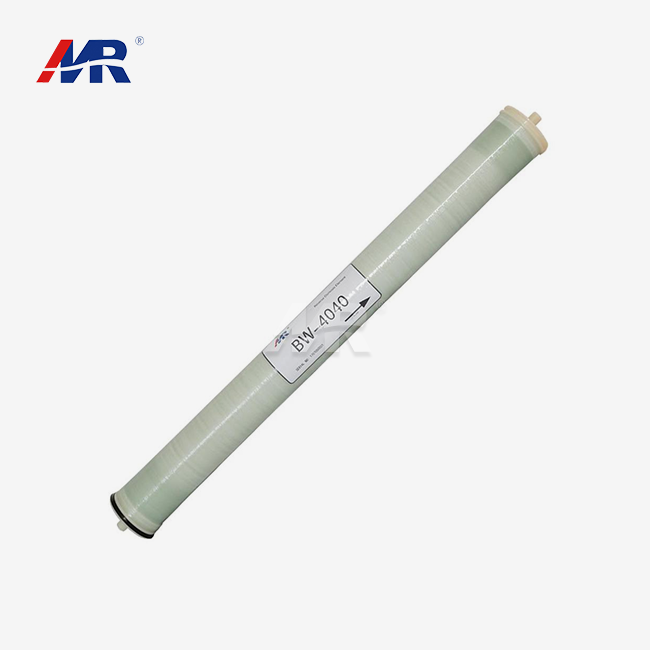
The pre-treated water is pressurized to 10–16 bar by multistage centrifugal pumps, enough to overcome natural osmotic pressure. In a 60m3/hour reverse osmosis plant, the pressurized water is then passed through spiral-wound polyamide membranes that remove dissolved ions and organic compounds, with clean permeate moving in one way and concentrated reject water, termed brine, moving in the other.
Post-Treatment and Storage
The permeate from the membranes is generally under 50 ppm TDS, which is a fraction of the limitations imposed on drinking water, although certain applications could require pH correction or mineral dosing before use. The treated water then flows to storage tanks designed for peak demand, providing the facility with a buffer during shift changes or maintenance intervals. Usually, operators will record permeate conductivity, flow rate, and differential pressure across each membrane stage on a daily basis, since this is the first indication of the need for cleaning-in-place, prior to any reduction in output quality.
What Applications Need a 60 m³/hour RO Plant?
This capacity hits a practical sweet spot: big enough for continuous industrial production, yet small enough to fit in a single equipment room. Most of the queries Our Team gets come from three industries.
The main areas that need a 60 cubic meters per hour system, rather than a smaller or bigger unit, are:
- Food and beverage production: Bottled water and beverage plants need constant permeate quality to preserve flavor and shelf life, and a 60m3/hour reverse osmosis plant equals the output of a mid-size bottling line operating two or three shifts. Given the amount of throughput, membrane-based treatment is more dependable than carbon filtering alone since municipal chlorine and minerals vary seasonally.
- Pharmaceutical and biotechnology manufacturing: GMP-grade filtered water necessitates strict control of TDS, and reverse osmosis is commonly used in combination with ultrafiltration to achieve pharmacopeia requirements. Typically, a moderate-volume facility that manufactures injectable solutions or oral liquids would be in the 40 to 80 cubic meters per hour range; hence, this is a frequent specification on equipment lists.
- Power generation and boiler feedwater: Ultrapure water is required by thermal power plants to avoid the formation of scale within the boiler tubes. A typical mid-size cogeneration unit needs a flow rate of this magnitude to operate its steam turbines without unscheduled shutdowns for descaling.
These three industries are the main drivers of worldwide demand for mid-capacity membrane systems, and municipal water plants and coastal saltwater desalination projects need exactly this range of output if they are constrained by budget or space to a single treatment train. Asia-Pacific already has one of the largest regional shares in the reverse osmosis membrane market, due to the concentration of manufacturing and bottling capacity across the region (Allied Market Research, 2018) and the fact that about one in four people around the world still do not have access to safely managed drinking water, a gap that continues to drive municipal buyers to invest in membrane treatment capacity (WHO/UNICEF, 2025).
Internal order data from our sales team reveals a similar tendency on all projects sold from 2023 to 2025. Food and beverage customers accounted for almost 38% of orders for the 60m3/hour reverse osmosis plant in that time, pharmaceutical and biotechnology purchasers comprised around 24%, and power generating and general industrial customers represented around 19%. The balance came from municipal water utilities and agricultural users treating brackish irrigation water, confirming that mid-size manufacturing operations, not huge municipal projects, are the primary driver of demand at this exact capacity.
What Factors Affect RO Plant Installation Costs?
The price of the equipment is just part of the entire investment. Installation, civil works, and commissioning may add 20% to 40% to the machine cost, and three factors explain most of that difference.
The primary aspects that may affect your ultimate installation budget are
- Feedwater quality and pretreatment requirements: Groundwater with significant levels of iron, manganese, or silica may need additional filtering stages before the RO train, increasing both equipment cost and installation labor. If a water quality analysis is supplied before the quote, the supplier may scale the pretreatment appropriately, avoiding guesswork and further revisions.
- Site conditions and civil works: Concrete foundations and electrical supply improvements and pipe routing between the plant room and storage tanks differ significantly between a new-build facility and a retrofit inside an existing plant. Retrofitting costs extra since workers need to work around existing structures and manufacturing schedules.
- Equipment Configuration and Automation Level: A fully automated 60m3/hour reverse osmosis plant with remote monitoring, automatic backwash, and SCADA connection costs more to purchase but reduces labor requirements and downtime during the working life of the equipment, usually paying back the premium in two to three years of operation.
Before you sign off on a quote, check these three cost factors with your supplier so you’re not surprised by the budget when installation gets underway. As a rough reference, a standard 60 m3/hour reverse osmosis plant with municipal-quality feed water and moderate automation generally has a lower installed cost than the same capacity for a high-silica groundwater source with a fully automated SCADA package. So buyers should consider any received quotation without a matching water quality test report as a preliminary estimate rather than a final figure.
How to Choose a Reliable RO Plant Supplier?
Equipment specs are rather identical from catalogue to catalogue; therefore, the main differential is in manufacturing competence, documentation, and service history.
Manufacturing Capability and Certifications
Do they have their own membrane manufacturing or assembly plant, or do they buy completed skids from a trading company? Producing in-house means shorter lead times, and consumers get to talk directly to engineers who can adapt the design to local water conditions. Guangdong Morui Environmental Technology Co., Ltd. has its own membrane manufacturing facility and many equipment processing factories. It also provides customized solutions such as the 60m3/hour reverse osmosis plant for different water treatment requirements. In addition, it is the authorized representative of well-known component brands such as Shimge Water Pumps, Runxin Valves, and Createc Instruments. Ask potential suppliers for documentation of pressure vessel testing, welding Certifications for stainless steel skids, and quality control records associated with the specific batch of membranes being used in your order, as generic brochure claims rarely stand up to a request for batch-specific documentation.
After-Sales Support and Spare Parts Availability
A 60 m³/hour reverse osmosis facility operates membranes, pumps, and valves that wear with years of continuous operation. Make sure extra parts are sent in a certain number of days. Make sure the supplier’s experts are able to help with remote troubleshooting via video chats, not via email requests that remain unanswered for a week.
60 m³/hour RO Plant vs. Smaller Systems: Which Fits Better?
Some buyers opt for a smaller reverse osmosis plant to trim initial costs, only to find that the unit cannot handle production growth within a year or two.
When a Smaller System Makes Sense?
A facility generating less than 500 cubic meters of filtered water per day, such as a small bottler or a single laboratory, is often best served with a 10- to 20-cubic-meter-per-hour system. The advantages of greater capacity that won’t really be utilized are outweighed by the lower upfront cost and smaller equipment footprint.
When 60 m³/hour Is the Right Scale?
If the daily demand is over 1,000 cubic meters or the facility operates on several shifts, a 60 m3/hour reverse osmosis plant is more cost-effective per cubic meter than operating two smaller units in tandem. Fewer membrane housings and pumps imply less maintenance labor and easier spare parts inventory. A handy guide for our engineers to bear in mind when out on the road: If the expected daily output of the plant is already in excess of 70% of the rated capacity of a smaller system at the design stage, then a 60 m³/hour RO plant would normally prove more cost-effective over five years than doubling up a smaller unit as the business grows.
What Should You Check Before Buying an RO Plant?
Most of the issues that come up after the reverse osmosis plant reaches the site may be caught with a brief checklist before signing a purchase order.
Go over these things with any source before placing an order:
- Water quality test report: Provide a current lab examination of TDS, hardness, iron, silica, and microbiological content so the provider can validate the recommended pre-treatment train truly applies to your source water vs. a general assumption.
- Warranty and brand of membrane: Ask what kind of membrane comes with the system, how many years the guarantee covers, and if new membranes are in stock locally or need a multi-week import procedure that might delay output.
- Total usage of electricity & chemicals: Get recorded energy usage per cubic meter and predicted antiscalant or cleaning chemical dosage so operational cost forecasts are based on fact, not a marketing guess.
- Scope of installation and training: Get written verification that the offered price covers on-site installation, commissioning, and operator training, or if these services will be charged extra and added later.
By running through this checklist with each potential reverse osmosis system supplier, you transform a heap of similar-sounding bids into a clear comparison based on overall cost and risk. Be sure to write down every response a supplier provides you throughout this process, since a proposal that seems to be equal to a competitor’s on pricing might be substantially different when warranty conditions, spare parts lead time, and training scope are written down.
Why Choose a Supplier Offering Installation Services?
When you buy equipment and installation from several providers, it may seem less expensive on paper—but it frequently leaves a hole in responsibility when something doesn’t operate as intended.
Reduced Commissioning Risk
When the manufacturer’s engineers install the system, they know the precise specs of the membrane, the pump curves, and the control logic, which removes the guesswork of a third-party installation working with unfamiliar equipment. Problems in commissioning are diagnosed to the original design, not reverse-engineered from documentation.
Single Point of Accountability
If the starting output is below the stipulated permeate quality, one provider is responsible for the remedy. Split the project between an equipment vendor and an independent installation contractor, and they may both be pointing fingers at each other while the reverse osmosis system plant is sitting idle. Our engineering team hears this regularly from clients who switched vendors after an unsuccessful early effort.
How Long Does RO Plant Installation and Commissioning Take?
Timelines will vary from site to site depending on preparedness, but purchasers may plan around typical ranges gleaned from projects our team has performed over the last two years.
Typical Installation Timeline
It will take around 30-45 days to manufacture a 60 m³/hour reverse osmosis system after confirmation of order and requirements. Site installation, including piping, electrical hook-ups, and skid placement, usually takes 7 to 12 days for a simple retrofit, then 3 to 5 days of commissioning and performance testing prior to turnover.
A sample project timetable from order confirmation to final handover is shown in the table below:
| Project Phase | Typical Duration |
|---|---|
| Manufacturing and factory testing | 30–45 days |
| Shipping and customs clearance | Varies by region, typically 2–5 weeks |
| On-site installation (straightforward retrofit) | 7–12 days |
| Commissioning and performance testing | 3–5 days |
| Operator training | Included during commissioning phase |
Sharing an accurate site readiness assessment with your supplier before manufacturing begins helps keep the project aligned with this schedule instead of stacking delays at the installation stage.
A beverage bottling client in Lagos, Nigeria, contracted our team in 2025 for a 60 m³/hour BWRO plant to replace an aging cartridge filtration system that could not meet export-market TDS limits. Feed water carried an average TDS of 1,650 ppm from a borehole source. Permeate TDS held at 32 ppm across six months of production logs after startup, and the plant maintained a 71% recovery rate even during the dry season, when borehole salinity rose by roughly 15%. Downtime linked to membrane fouling dropped by an estimated 60% compared with the client's earlier filtration setup, based on maintenance records the client shared with our engineering team.
Factors That Can Extend the Schedule
Customs clearance delays, incomplete electrical infrastructure at the site, or late submission of a water quality test report each add one to three weeks to the schedule. Confirming these items before the equipment ships keeps the project on track.
Where Can You Buy a Complete 60 m³/hour RO Plant Solution?
Buyers researching where to source a 60 m3/hour reverse osmosis plant with installation included generally have three paths: a local trading company that resells imported skids, a regional fabricator with limited membrane expertise, or a manufacturer that builds, ships, and installs the complete system under one contract.
What to Expect From Morui's Process?
Guangdong Morui Environmental Technology Co., Ltd. manages design, manufacturing, shipping, installation, and commissioning under a single scope of work. Our product line covers industrial wastewater treatment, domestic sewage treatment, seawater desalination, and drinking water manufacturing, giving buyers a single point of contact even if their water treatment needs expand beyond the initial RO plant order. Full specifications for the standard 60-cubic-meter unit, including a recovery rate up to 75%, permeate TDS below 50 ppm, and power consumption between 0.8 and 1.2 kWh per cubic meter, are available for review before quotation.
Getting a Custom Quote
Send a water quality test report, target daily output, and site photos to benson@guangdongmorui.com, and our engineering team returns a configuration proposal along with an installation timeline within two business days.
Conclusion
A 60m3/hour reverse osmosis plant fits a specific gap between small point-of-use systems and large municipal desalination trains, and it covers the output most mid-size manufacturers, bottlers, and hospitals actually need. Choosing the right supplier comes down to verified manufacturing capability, transparent cost breakdowns, and installation support bundled into the same contract as the equipment. Buyers who share a real water quality test report and ask pointed questions about warranty terms and spare parts availability consistently avoid the delays and disputes that derail projects sourced from trading companies alone. With in-house membrane production, more than 500 employees, and installation teams active across multiple regions, Guangdong Morui Environmental Technology Co., Ltd. delivers the equipment and the on-site support needed to bring a new plant online without gaps in accountability. Buyers who compare quotations side by side, request documentation instead of accepting marketing claims, and confirm installation scope in writing before signing tend to reach stable, full-capacity operation months faster than those who choose a supplier on price alone.
FAQ
1. How much does a 60 m3/hour reverse osmosis plant cost?
Pricing depends on feed water quality, automation level, and whether installation is bundled in, so costs vary significantly between suppliers. Requesting an itemized quotation that separates equipment, shipping, and installation lets buyers compare offers accurately instead of relying on a single headline number.
2. What water sources can a 60 m³/hour RO plant treat?
These systems handle municipal tap water, groundwater, brackish water, and pre-treated wastewater, provided inlet TDS stays within the design range, typically up to 2,000 ppm for a standard configuration. Higher salinity sources need additional pretreatment or a seawater-rated membrane package.
3. How many membranes does a 60 m³/hour system use?
Configuration depends on membrane element size and array design, but most 60-cubic-meter systems use between 30 and 45 spiral-wound elements arranged across two or three pressure vessel stages, adjusted to match feed water salinity and desired recovery rate.
4. Can the plant be expanded later if demand grows?
Modular skid design allows many manufacturers, including Morui, to add parallel membrane trains later without replacing the existing pretreatment or pumping infrastructure, provided the original design left space and utility capacity for expansion.
5. What maintenance is required for a 60 m³/hour RO plant?
Regular maintenance includes membrane cleaning, cartridge filter replacement, pump inspection, and monitoring operating pressure, conductivity, and recovery rate. A preventive maintenance plan helps extend membrane lifespan, reduce unexpected downtime, and maintain stable water quality for long-term industrial operations.
Ready to Move Forward With a Trusted RO Plant Partner?
Guangdong Morui Environmental Technology Co., Ltd. operates its own membrane production factory and equipment workshops, backed by more than 14 branches, 500 employees, and 20 engineers. We deliver a complete 60m3/hour reverse osmosis plant manufacturer solution, from design through installation and commissioning. Email benson@guangdongmorui.com with your capacity, feed water source, and target start date, and our team will respond with a tailored proposal within two business days.
References
1. World Health Organization. "Drinking water." Fact sheet, 2023. Cited in the water access and safety context in the Applications section. https://www.who.int/news-room/fact-sheets/detail/drinking-water
2. WHO/UNICEF. "1 in 4 people globally still lack access to safe drinking water." 2025. Cited for global drinking water access figures in the Applications section. https://www.who.int/news/item/26-08-2025-1-in-4-people-globally-still-lack-access-to-safe-drinking-water---who--unicef
3. U.S. Environmental Protection Agency. "Overview of Drinking Water Treatment Technologies." 2024. Cited on the RO pre-treatment and membrane separation process. https://www.epa.gov/sdwa/overview-drinking-water-treatment-technologies
4. SkyQuest Technology Consulting. "Reverse Osmosis Membrane Market Report." 2025. Cited for global market size and growth figures. https://www.skyquestt.com/report/reverse-osmosis-membrane-market
5. Allied Market Research. "Reverse Osmosis Membrane Market." 2018. Cited for regional market share for Asia-Pacific. https://www.alliedmarketresearch.com/press-release/reverse-osmosis-membrane-market.html
6. Guangdong Morui Environmental Technology Co., Ltd. Company and product specifications, 2026. Cited throughout for equipment parameters and company background. https://moruiwater.com
About the Author
Benson Peng, Senior Overseas Water Treatment Technical Manager of Guangdong Morui Environmental Technology Co., Ltd. With more than 10 years of experience in overseas water treatment project development, he has undertaken overall design, membrane matching, factory FAT testing, and on-site commissioning of industrial RO, ultrafiltration, and seawater desalination projects in Asia, South America, and Africa. He has long-term cooperation experience with food processing, pharmaceutical factories, and local municipal water projects. Majoring in environmental engineering, he always customizes targeted membrane system solutions according to actual raw water quality parameters instead of standardized universal schemes. Visit moruiwater.com to learn more about our professional engineering team.