_1745823981883.webp)

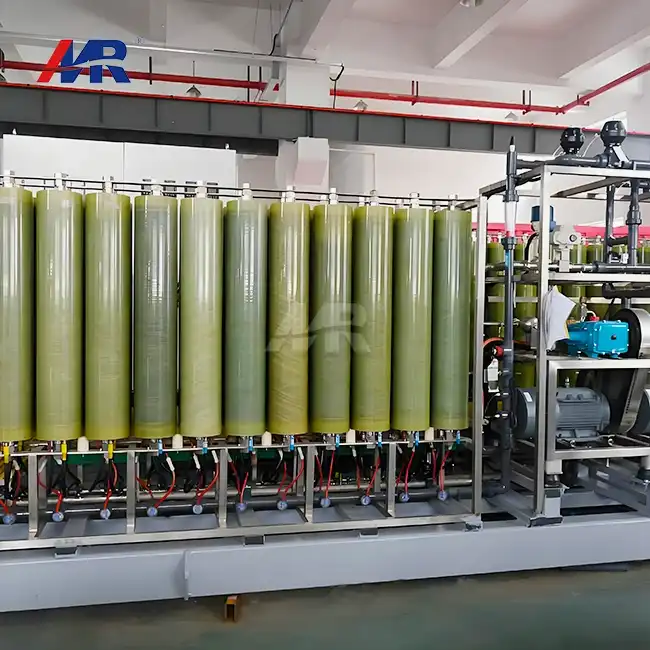
Understanding DTRO Technology in ZLD Systems
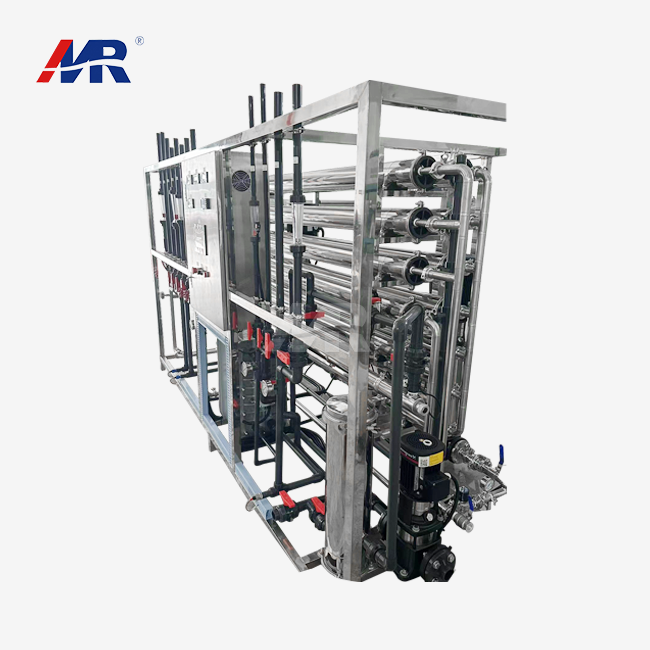
DTRO technology is a big step forward for membrane-based water treatment methods. DTRO is different from other reverse osmosis systems because it has a special disc-tube layout that lets it work at high pressure and makes it less likely to get clogged. This makes it especially good at dealing with tough wastewater streams that have a lot of dissolved solids, organic compounds, and other pollutants.
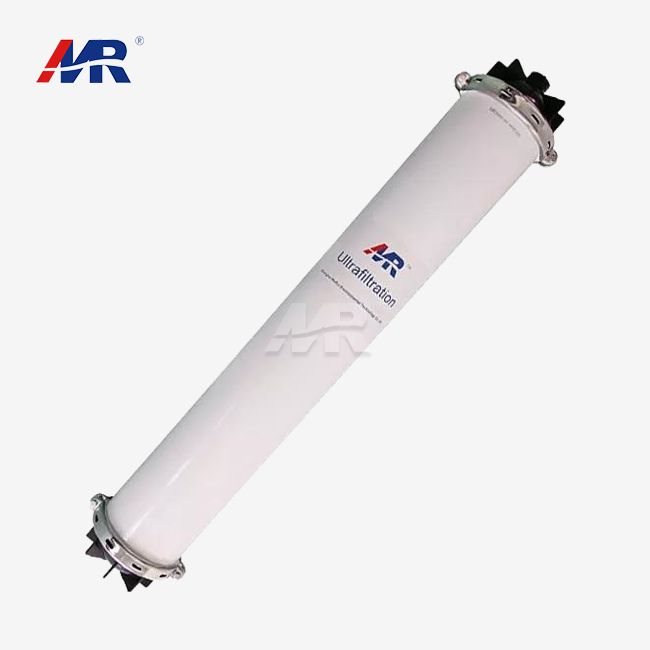
Key Components of a DTRO Module
A typical DTRO module consists of several essential components:
- Disc membranes: Specially designed flat sheet membranes arranged in a stack
- Support plates: Provide structural integrity and flow channels for the feed and permeate
- Central tube: Facilitates the collection and discharge of treated water
- High-pressure housing: Enables operation at pressures up to 120 bar
This innovative design allows DTRO systems to achieve high recovery rates and effectively concentrate wastewater streams, making them an ideal choice for ZLD applications.
Advantages of DTRO in ZLD Systems
The integration of DTRO technology in ZLD systems offers several distinct advantages:
- High recovery rates: DTRO may recover up to 98% of its materials, which means that less wastewater needs to be treated again.
- Great at keeping contaminants out: DTRO membranes can get rid of more than 99.5% of dissolved solids, such as heavy metals and organic compounds.
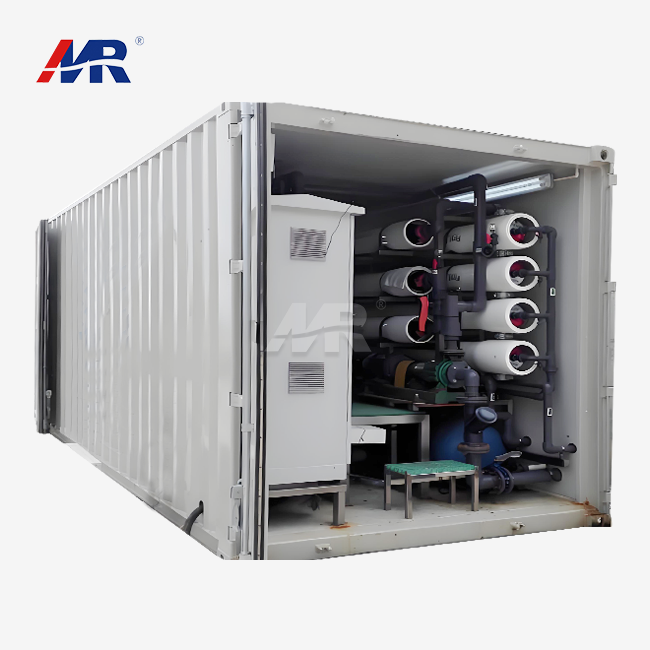
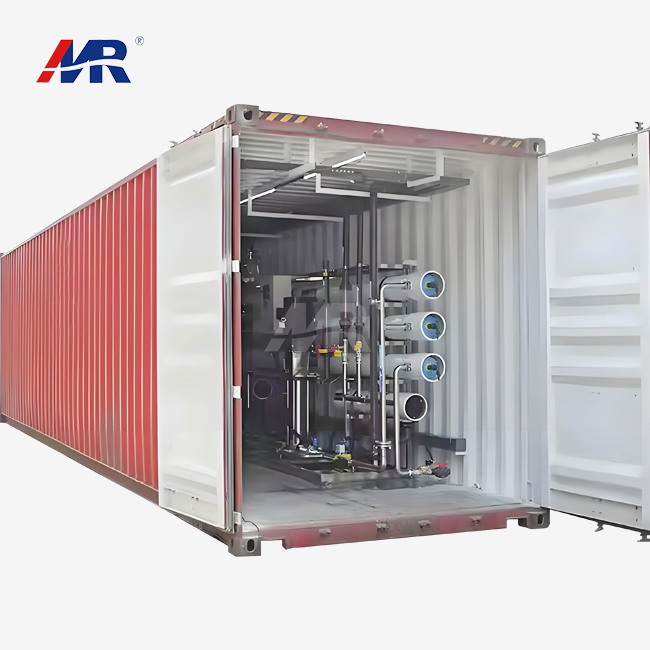
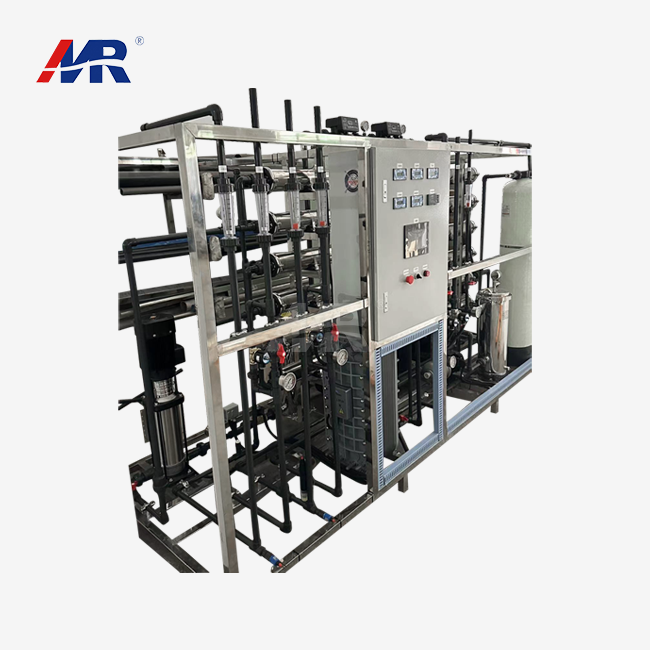
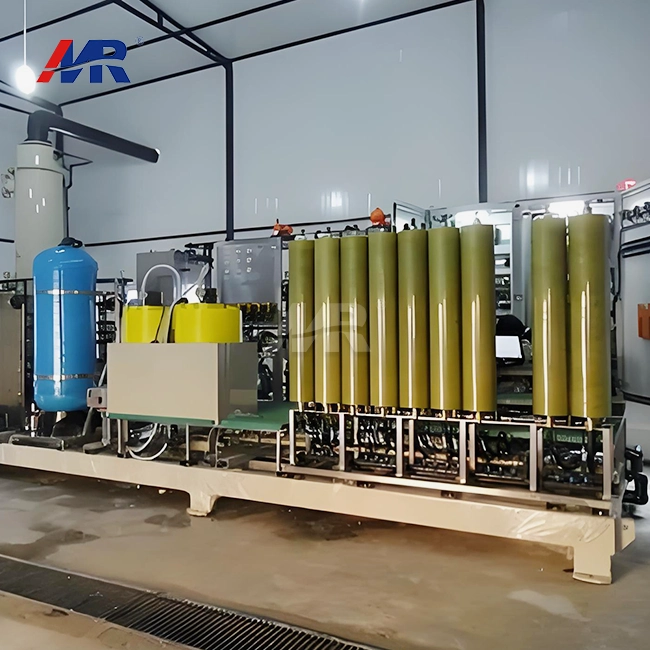
- Small size: DTRO systems have a modular design that makes them easy to use in small spaces. This makes them great for installations when space is limited.
- Energy efficiency: DTRO systems can be set up to recover energy even though they work at high pressures. This makes them cheaper to run than typical ZLD technology.
Applications of DTRO in Various Industries
The versatility of DTRO technology makes it applicable across a wide range of industries seeking to implement ZLD solutions:
Making Power
Thermal and nuclear power stations use DTRO systems to clean up cooling tower blowdown and flue gas desulfurization (FGD) effluent. DTRO helps recover precious water for reuse in the plant by concentrating these waste streams. This cuts down on water use and has less of an effect on the environment.
Making Chemicals
Chemical facilities often create complicated streams of wastewater that have a lot of dissolved solids and organic chemicals in them. These facilities can use DTRO technology to concentrate their effluents, which makes it easier to recover important chemicals and cuts down on the amount of garbage that needs to be thrown away.
Mineral Processing and Mining
In the mining industry, DTRO systems are very important for cleaning up acid mine drainage and process water. DTRO not only helps reach ZLD targets by concentrating dissolved metals and sulfates, but it also makes it possible to get precious minerals back from wastewater streams.
Industry of Textiles
The procedures used to make textiles create wastewater that is quite colorful and has a lot of dissolved solids. DTRO technology makes it possible to treat these difficult effluents well, which means that water may be reused and the textile industry has less of an impact on the environment.
Integrating DTRO into ZLD Systems
Successfully incorporating DTRO technology into a ZLD system requires careful planning and consideration of several factors:
Pretreatment Requirements
To ensure optimal performance and longevity of DTro membranes, proper pretreatment of feed water is essential. This may include:
- Filtration to remove suspended solids
- pH adjustment to prevent scaling
- Chemical addition to control fouling
System Design and Optimization
Effective integration of DTRO modules into a ZLD system involves:
- Proper sizing of equipment based on feed water characteristics and desired recovery rates
- Implementation of energy recovery devices to minimize power consumption
- Design of concentrate management strategies, such as crystallizers or evaporators, to achieve complete ZLD
Monitoring and Maintenance
To ensure long-term reliability and performance of DTRO-based ZLD systems, regular monitoring and maintenance are crucial. This includes:
- Continuous monitoring of key parameters such as pressure, flow rates, and conductivity
- Implementation of cleaning protocols to prevent membrane fouling
- Periodic replacement of membranes and other consumables
Conclusion
Different sectors have found that DTRO technology is a very useful tool in the quest for Zero Liquid Discharge. It is an important part of modern ZLD systems since it can efficiently treat highly concentrated wastewaters and has high recovery rates and energy efficiency. The necessity for sustainable water management methods will only rise as water becomes scarcer and environmental rules get stricter. This means that DTRO will play an ever bigger part in ZLD applications.
We at Guangdong Morui Environmental Technology Co., Ltd. know that each industry has its own set of problems when it comes to finding effective ZLD and water treatment solutions. Our Team of skilled engineers and technicians is committed to creating the most advanced DTRO systems that meet your exact needs. We have the knowledge and technology to help you reach your sustainability goals, no matter what industry you're in, whether it's power generating, chemical production, or any other field that needs modern wastewater treatment.
Frequently Asked Questions
Q1: In ZLD applications, how does DTRO technology stack up against regular reverse osmosis?
A: DTRO technology has a number of benefits over regular reverse osmosis in ZLD applications. The disc-tube design makes it possible to run at higher pressures, which leads to improved recovery rates and the ability to manage more concentrated waste streams. DTRO systems also take up less space and are less likely to get dirty, which makes them preferable for tough ZLD situations.
Q2: What are the average recovery rates that DTRO systems can get in ZLD applications?
A: Depending on the feed water parameters and system design, DTRO systems can get recovery rates of up to 98% in ZLD applications. Because of this high recovery rate, there is much less concentrate that needs more treatment. This makes DTRO a good choice for ZLD deployments.
Q3: How does the energy use of DTRO systems stack up against other ZLD technologies?
A: DTRO systems work at high pressures, but they can be built with energy recovery devices to use less power overall. For the most part, DTRO-based ZLD systems use less energy than thermal-based ZLD technologies like multiple effect evaporation. The precise energy efficiency is contingent upon variables including feed water quality, target recovery rate, and system setup.
High-Performance DTRO Modules for ZLD Applications | Morui
Are you in search of a dependable and effective answer for your Zero Liquid Discharge needs? Guangdong Morui Environmental Technology Co., Ltd. is the place to go. Our state-of-the-art DTRO modules are made to meet the high standards of ZLD applications in a wide range of sectors. Our knowledge of water treatment and dedication to new ideas allow us to provide customized solutions that get the most water back while keeping costs low.
Get in touch with our team of experts today to find out more about how our DTRO technology can change the way you treat wastewater and help you reach your sustainability goals. For a personalized consultation, email us at benson@guangdongmorui.com to learn how Morui may help you on your way to zero liquid discharge.
References
1. Zhang, Y., et al. "Advances in disc tube reverse osmosis technology for zero liquid discharge applications." 40: 101890 in the Journal of Water Process Engineering.
2. Li, X., et al. "Integration of DTRO and crystallization for achieving zero liquid discharge in coal chemical industry." Technology for Separation and Purification, 238, 116495.
3. Wang, J., et al. "Performance evaluation of a full-scale zero liquid discharge system for high-salinity wastewater from shale gas exploitation in China." 230: 1079–1090 in the Journal of Cleaner Production.
4. Tong, T., et al. "Recent advances in zero liquid discharge technology for wastewater treatment: A comprehensive review." 129912 is the number in the Journal of Cleaner Production.
5. The work of Gupta, V.K., et al. "Membrane-based technologies for zero liquid discharge and fluoride removal from industrial wastewater." The chemical sphere, 253, 126794.
6. Chen, G., et al. "Treatment of high-salinity oilfield produced water by direct contact membrane distillation coupled with disc tube reverse osmosis system." 562: 30–39 in the Journal of Membrane Science.