_1745823981883.webp)

How to Choose the Right Brackish Membrane
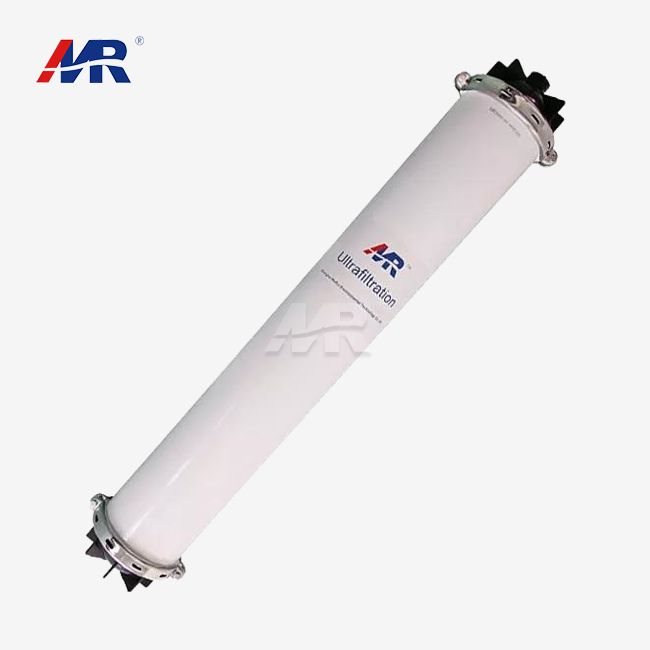
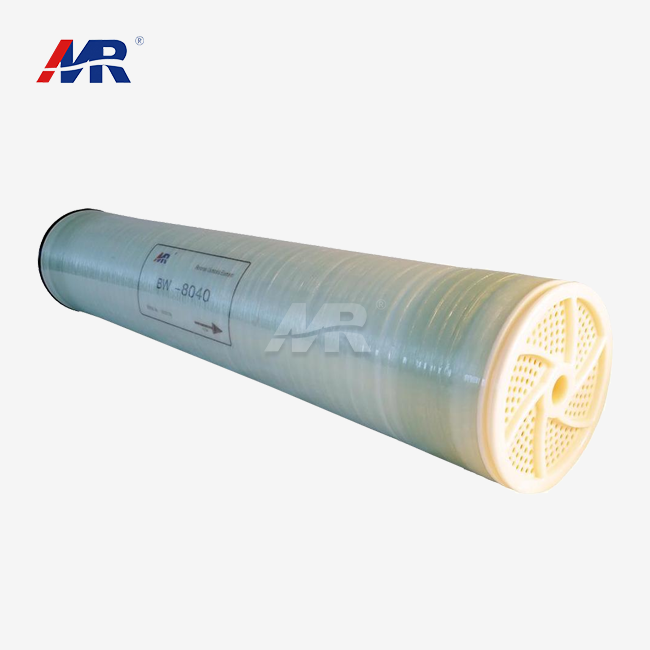
Choosing the right membrane/8040-reverse-osmosis-membrane">brackish membrane starts with understanding what your water source demands and what your operation cannot afford to compromise. A brackish water reverse osmosis (BWRO) element is a thin-film composite (TFC) semi-permeable membrane engineered to treat water with Total Dissolved Solids (TDS) between 1,000 and 10,000 mg/L. It delivers a salt rejection rate exceeding 99.5% at operating pressures around 1.55 MPa — far more energy-efficient than seawater desalination systems. Whether you manage a food processing plant, a pharmaceutical facility, or a municipal water upgrade project, selecting the correct membrane directly impacts your output quality, energy bill, and system longevity.
What Is Brackish Membrane Technology and How Does It Work?
The Core Filtration Mechanism
Reverse osmosis is what a brackish membrane does: it forces pressurized feed water across a cross-linked aromatic polyamide active layer. This layer rejects dissolved salts, heavy metals, organic molecules, and micropollutants while letting clean water pass through. Because they are made of a polyamide thin-film composite (TFC), these membranes can handle pH levels between 2 and 11 when they are in continuous use and between 1 and 13 when they are being cleaned with chemicals. This makes them strong even when the feed water conditions change in an industrial setting.
Membrane Types and Material Differences
Polyamide TFC and cellulose acetate (CA) are the two main Products that make up the market. Polyamide TFC membranes can reject more salt, work with a wider pH range, and last longer. It is better for cellulose acetate membranes to handle chlorinated water, but they break down faster and have lower rejection rates. Polyamide TFC is the best choice for most B2B industry uses, such as boiler feed water in power plants and filtered water in pharmaceutical GMP lines.
A brackish water RO element that is well taken care of will usually last between 3 and 5 years. Cleaning-in-place (CIP) methods that use acidic or alkaline cleaning products on a regular basis can greatly increase the life of membranes. A study in the Journal of Membrane Science (2019) said that systematic CIP scheduling cut down on permanent fouling by as much as 40% compared to systems that weren't controlled.
What Critical Factors Should You Evaluate Before Purchasing?
Salt Rejection Rate and Water Recovery Efficiency
The most common measure of performance is the salt rejection rate, and for good reason. A brackish membrane with a rejection rate of 99.5% working at 1.55 MPa can reliably make permeate water that meets the quality standards needed to make medicines, clean electronic chips, and make bottled water. It's also important to look at the water recovery rate, which is the ratio of the permeate product to the feed water volume. Less wastewater discharge means higher recovery, which lowers operational costs and helps meet sustainability goals.
Fouling Resistance and Scale Mitigation
Calcium, magnesium, silica, and bicarbonates are often found in large amounts in brackish groundwater. These chemicals build up on membrane surfaces and form scale, which slows down flow and raises operating pressure over time. Membranes with hydrophilic coats and designed surface smoothness have much lower biofouling adhesion. When looking at different providers, make sure you ask about anti-fouling features and how often they suggest cleaning based on the chemistry of your feed water.
Feed Water Compatibility and ROI Analysis
If you choose a membrane based on the real TDS, temperature, pH, and iron level of the feed water, it will last longer and not need to be replaced as often, saving you money. A full ROI study should compare the initial cost of the membrane to how much energy it is expected to save, how much cleaning fluid it will use, and how long it is expected to last. When mid-sized factories switched to high-efficiency BWRO elements with better flux recovery ratings, procurement managers said that annual OPEX dropped by 15–25%.
How Do Leading Brackish Membrane Brands Compare?
There are a number of well-known brackish membrane suppliers on the market. Here is a structured comparison of the most important technical specs between some well-known brands:
| Brand | Salt Rejection | Operating Pressure | Membrane Area | Key Feature |
|---|---|---|---|---|
| Morui MR-BW-8040 | 99.5% | 1.55 MPa | 34 / 37 m² | High flux, scale-resistant TFC |
| DuPont FilmTec BW30 | 99.5% | 1.55 MPa | 37 m² | Industry benchmark longevity |
| Hydranautics ESPA2 | 99.6% | 1.03 MPa | 37 m² | Low-energy design |
| Toray TMG20D | 99.5% | 1.55 MPa | 37 m² | Anti-biofouling surface |
| LG BW 400 | 99.5% | 1.55 MPa | 37 m² | High recovery optimization |
The Morui MR-BW-8040 has two brackish membrane area options—34 m² and 37 m²—giving procurement engineers choices based on system size and throughput needs. It can deliver a flow rate of 10,500 GPD. Its 99.5% salt rejection rate at 1.55 MPa operating pressure puts it on par with well-known brands around the world, and it comes with full manufacturer support and direct manufacturer pricing.
What Is the Step-by-Step Process for Selecting the Right Membrane?
A structured selection process keeps brackish membrane specifications and operational realities from not matching up, which can be very expensive. The main steps a buying team should take are these:
- Define your water treatment objective: Clarify your target permeate TDS, daily production volume, and the specific application—whether it is boiler feed water, beverage-grade purification, agricultural brackish irrigation, or dialysis-quality medical water. Each application carries distinct rejection and flux requirements.
- Analyze feed water chemistry: Get a full feed water study that checks for TDS, pH, temperature range, hardness, silica, iron, and organic load. This information directly tells us what grade of membrane and surface chemistry will work reliably without speeding up fouling.
- Establish technical and commercial criteria: Make a shortlist based on the rate of salt rejection, the compatibility with operating pressure, the membrane area, the flow rate (GPD), and the certifications of the suppliers. Compare datasheets from at least three different providers before making a decision.
- Request samples or pilot testing: A test run with your real feed water over two to four weeks will show you how fast the flux drops in real life and how often you need to clean it. This step takes away the need to guess and confirms what the manual says about how it works in your environment.
All of these steps work together to make sure that the reverse osmosis element you choose will work as expected in your specific situation. One of the most important things for long-term procurement success is finding a supplier who offers technical advice along with product supply, not just transactional sales.
What Are Best Practices for Procurement and Post-Purchase Support?
Fake membranes are a known problem in the water treatment industry. To avoid them, only buy BWRO elements from authorized distributors or directly from verified manufacturers. Fake RO elements might look the same on the outside, but they might not reject salt as well as the company says they do, which can cause problems with the whole system and cause quality problems.
Professional installation is just as important as the quality of the product. If membrane elements are loaded incorrectly into pressure vessels, such as by not seating O-rings properly or misaligning interconnectors, bypass flow can happen, which makes rejection useless. Morui offers complete installation and commissioning services, backed by a team of 20 experts and more than 14 operating branches. This makes sure that every system works as planned from the start.
Operators can find early fouling signs before they cause damage that can't be fixed by using conductivity meters and differential pressure gauges to check performance on a regular basis. Set up a written cleaning plan based on the quality of your feed water. Also, keep track of normalized permeate flow and salt passing to see how the membrane is doing over time. Any agreement to buy something must include clear warranty terms and quick access to Technical support.
Conclusion
Choosing the right BWRO element is not a business choice; it is a scientific one. Matching the right brackish membrane specs to your feed water chemistry, production goals, and long-term operational budget will determine how well your whole water treatment system works. Every standard has a quantifiable practical effect, from the Morui MR-BW-8040's 10,500 GPD flow rate to the important role that anti-fouling design plays in extending service life. When making your evaluation criteria, put salt rejection, recovery efficiency, and supplier support at the top of the list. Also, always test your choices in a pilot setting before deploying them on a large scale.
FAQ
1. How long does a brackish water RO membrane typically last?
A good BWRO element should last between 3 and 5 years with regular CIP cleaning and the right working circumstances. This can be cut down by a lot if the feed water has a high SDI (Silt Density Index), a lot of iron, or chemical doses that aren't even. Using suitable antiscalants and setting up a plan for regular maintenance can increase the system's useful life and lower the total cost of replacement over its lifecycle.
2. Can one membrane handle both brackish and seawater feed sources?
No, membranes for brackish water work best when the TDS level is between 1,000 and 10,000 mg/L, and the working pressure is up to 1.55 MPa. When seawater has a TDS level above 35,000 mg/L, it needs special high-pressure SWRO elements that can handle pressures between 5.5 and 8.3 MPa. If you use a BWRO element on saltwater feed, the rejection rates will be low, and the structure will break down quickly.
3. What happens if the operating pressure exceeds the membrane's rated limit?
Long-term over-pressurization squeezes the active layer of the membrane, which stops the flow forever and could cause the TFC structure to separate. The Morui MR-BW-8040 can handle up to 1.55 MPa. To keep the membrane's integrity, you should always use a pressure regulator that has been calibrated and keep an eye on the system pressure at all times.
4. Is the MR-BW-8040 suitable for pharmaceutical-grade water production?
The MR-BW-8040 is a good choice for pharmaceutical pre-treatment stages because it rejects 99.5% of salts and is made of TFC. However, full GMP compliance depends on the design of the whole system, which includes pre-treatment, EDI cleaning, and validation procedures based on USP or EP standards.
Upgrade Your Water Treatment System with Morui's Trusted Brackish Membrane Solutions
Morui is a verified producer and seller of brackish membranes. They offer prices that come straight from the factory, have 20 specialized engineers, and offer full installation support in 14+ branches. The MR-BW-8040 is designed to be reliable in industrial settings and can handle 10,500 GPD with 99.5% salt rejection. Please get in touch with us right away to get a personalized quote or technical advice. Visit reach Our Team directly at benson@guangdongmorui.com.
References
1. Journal of Membrane Science — "Fouling mitigation strategies in reverse osmosis systems through CIP optimization," Elsevier, 2019.
2. Desalination — "Performance evaluation of thin-film composite membranes for brackish water treatment," Elsevier, 2021.
3. Water Research — "Energy consumption benchmarking in brackish water reverse osmosis plants," Elsevier, 2020.
4. American Water Works Association (AWWA) Manual M61 — "Desalination of Seawater and Brackish Water," AWWA, 2019.
5. IDA (International Desalination Association) World Congress Proceedings — "Advances in BWro membrane technology and field performance data," IDA, 2022.
6. Industrial Water Treatment — "Membrane selection criteria for industrial RO applications: a procurement perspective," Water Environment Federation, 2021.