

_1745823981883.webp)

Seawater Reverse Osmosis: Costs, Benefits, and Applications
Water shortage is a major issue for businesses and governments. Seawater reverse osmosis transforms copious ocean water into drinkable and process-ready freshwater. This innovative desalination process meets industry, energy, municipal infrastructure, and distant operations demands when standard water supplies are inadequate or unreliable. Procurement experts, facility managers, and technical decision-makers realise that SWRO technology investment demands more than upfront expenses. Decisions involve knowledge of operating efficiency, long-term dependability, regulatory compliance, and application-specific requirements. Modern SWRO systems provide constant water quality and save energy compared to thermal desalination. This guide covers SWRO technology's financial benefits, performance benefits, procurement strategies, and diverse industrial applications to help you make water sourcing investments that meet your operational goals and sustainability commitments.
Understanding Seawater Reverse Osmosis Technology
Core Principles and System Components
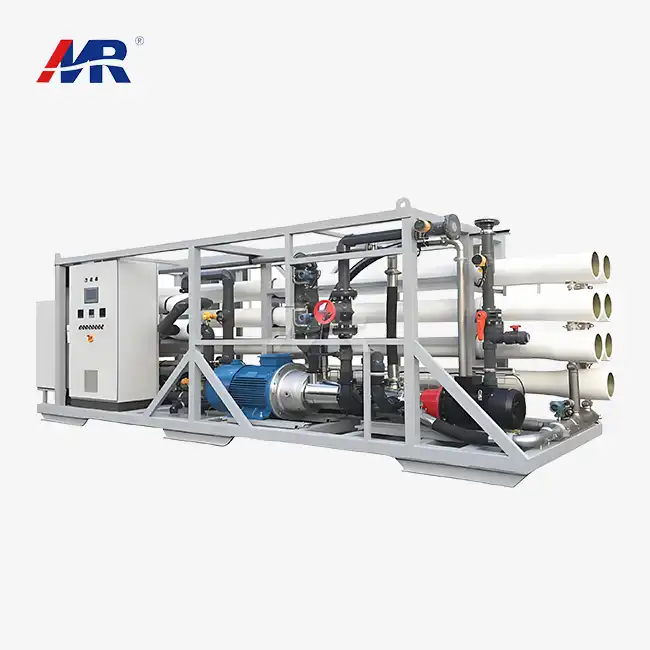
Seawater reverse osmosis is a high-pressure membrane separation method that gets fresh water out of salty sources by overpowering natural osmotic pressure. Pressures ranging from 55 to 80 bar push seawater through special semi-permeable screens. This gets rid of over 99% of the salts, minerals, and bacteria that are dissolved in the water. Thin-Film Composite membranes are what make this process work. They let water molecules pass through but stop bigger salt ions and other toxins.
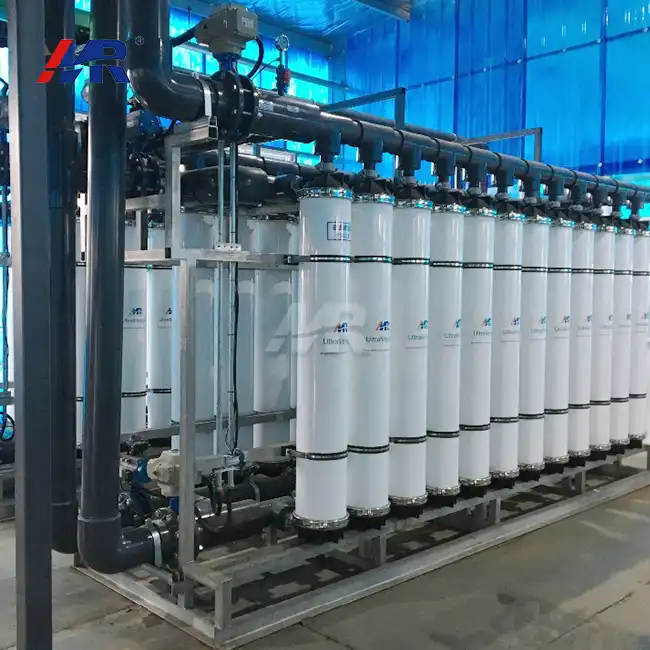
A full SWRO system has many stages that all work together in a planned order. Before the water gets to the high-pressure membranes, it goes through pre-treatment steps like ultrafiltration and multi-media filtration to get rid of suspended solids, organic matter, and possible fouling agents. The force that moves the seawater through the membrane array comes from high-pressure pumps. Remineralization and pH adjustments in the post-treatment stages make sure that the end product meets standards for drinking water or the special needs of an industrial process.
Operational Efficiency Factors
A lot of the system's success rests on a number of variables that can be changed. The temperature of the feed water has a big effect on the membrane flow rates. Higher temperatures let more water through but may make salt rejection less effective, so working pressures need to be carefully set. If you follow the care instructions, a membrane should last between three and seven years, but this depends on how well the pre-treatment worked and how the system is used.
Devices that recover energy are important parts of current SWRO systems. Pressure exchangers use the concentrated brine discharge stream to get hydraulic energy, which cuts the total amount of electricity needed by up to 60%. Compared to older methods, this new invention has made distillation much more economically viable.
Environmental Considerations
Energy use and brine release control are two of the most important environmental issues that responsible SWRO operation tackles. The current systems use about 3.5 to 4 kWh per cubic meter of freshwater they make, which is a lot less than other options like thermal desalination. To keep marine environments from getting saltier in some places, brine concentrate needs to be handled carefully. Leading sites now use diffuser systems to quickly lessen runoff to reduce the damage to the environment. Other facilities are looking into brine concentration technologies to get valuable minerals out of the waste before it is thrown away.
Costs Involved in Seawater Reverse Osmosis Systems
Capital Investment Analysis
When buying, teams know how all the costs work together, they can make more realistic budgets and better analyze competing bids. Capital expenditures include things like buying equipment, building roads and bridges, installing electrical systems, and hiring people to do the work. The price is directly related to the system's capacity. For example, a 15-cubic-meter-per-hour system that's good for small towns or factories costs more than a big company that processes thousands of cubic meters every day.
Modern modular designs are better for phased development, which lets businesses match capacity growth with changes in demand while spreading out capital costs over longer periods of time. Modern seawater reverse osmosis systems have a small footprint, which lowers the cost of site preparation. This is especially helpful in places with limited space, like offshore platforms or coastal facilities that don't have a lot of land available.
Operational Cost Breakdown
Using energy is the area with the most ongoing costs. At 3.5 to 4 kWh per cubic meter, a system that makes 360 cubic meters per day will have predictable power costs that should be included in estimates of the total cost of ownership. Replacement membranes are usually needed every three to seven years, but this depends on how well they are maintained and how often they are used. This is a high cost that needs to be planned for in the procurement process.
Dosing chemicals for pre-treatment and cleaning processes adds to ongoing costs, but if chemical programs are properly optimized, they stop more expensive damage to membranes. Monitoring, routine maintenance, and cleaning-in-place cycles require different amounts of labor depending on how automated the system is, but they are still important things to think about when making operational budgets.
Cost Optimization Strategies
Making smart choices about what to buy can cut down on both capital and operating costs by a large amount over the span of an item. Choosing the right-sized systems keeps you from wasting money on overcapacity and makes sure you have enough production during times of high demand. A recovery rate of up to 45% shows how much of the feedwater is turned into product water. Higher recovery rates mean that less water needs to be taken in and treated before it can be used.
Preventive maintenance plans keep membranes working well and extend their life, giving you a clear return on your small maintenance payments. Automated control systems adjust the operating parameters based on changes in the feed water. This keeps performance high while reducing energy waste. The real worth of high-quality tools from well-known brands can be seen by comparing the total cost of ownership instead of just the initial purchase price.
Benefits of Seawater Reverse Osmosis for Industrial Applications
Superior Water Quality and Reliability
Surface water sources are affected by natural changes and weather events, but seawater reverse osmosis systems give very pure water all the time. The technology works well for many different types of industries, from making medicines that need very low levels of total dissolved solids to processing food and drinks that need mineral-controlled water to keep their Products consistent. Industries that make bottled water, drinks, and dairy products benefit from SWRO's consistent quality, which means they don't have to worry about feed water changes that could affect product specifications.
Ultrapure water is needed to keep power plants, especially those with heaters in steam or nuclear plants, from scaling and rusting. When SWRO systems are paired with additional polishing, the water quality meets these strict requirements. Ultrapure water is also used in the production of electronics and semiconductors for precise cleaning tasks. In these fields, even small amounts of dirt can damage sensitive parts.
Energy Efficiency Advantages
When compared to thermal methods of desalination like multi-stage flash distillation, modern SWRO technology uses a lot less energy. This economy directly leads to lower prices and a smaller impact on the environment. Companies that want to get sustainability licenses or make promises to cut carbon emissions find that SWRO technology helps them meet their environmental goals while also meeting their real water supply needs.
Modern SWRO sites have energy recovery systems that take pressure from brine streams that would otherwise be lost and turn it back into useful work. This new idea has changed the economy of desalination, making SWRO competitive with traditional water sources in many coastal areas that are having trouble with quality or quantity.
Scalability and Operational Flexibility
When working needs change, SWRO technology can easily adapt to meet those needs. Adding more capacity is possible with modular system designs without replacing current infrastructure. This protects initial investments while still allowing for growth. This ability to grow is especially helpful for factories that are expanding, cities that are growing, or seasonal businesses that need to adjust their water needs.
Changes in the salinity of the feed water are handled by systems within their design limits. This keeps the quality of the production high even though seawater makeup changes naturally. Control systems that are easy for anyone to use make operations easier. This means that operators don't need to be trained as much and are less likely to make mistakes that could harm the water or damage equipment. Modern installations increasingly come with remote monitoring features that allow for proactive maintenance and quick responses to problems as they arise, before they become costly failures.
How to Choose the Right Seawater Reverse Osmosis System for Procurement
Technical Specification Evaluation
Identifying corporate requirements is the first step to effective procurement. Seawater reverse osmosis system capacity, measured in cubic meters per hour or day, must meet current demands and allow for future expansion. For small towns, industry, and resorts, a 15m³/hour system producing 360m³/day suffices. For large city developments, throughput must be substantially greater.
Recovery rates demonstrate how effectively water is created by indicating how much feed water becomes product water and concentrated brine. Higher recovery rates reduce input but may increase energy usage or scaling danger; therefore, each location must be carefully analysed. Energy utilisation directly affects operational expenses, making it a significant factor for total cost of ownership.
Membrane type influences performance and durability. High-rejection seawater membranes balance salt removal and pressure. Reliable membrane producers provide performance data for direct comparison. However, independent testing confirms manufacturers' claims.
Supplier Reliability Assessment
Supplier selection is crucial to project success, even beyond tool requirements. Vertical integration advantages membrane manufacturers like Morui's membrane facility. This includes enhanced quality control and perhaps quicker replacement part availability. Companies with several equipment processing facilities may demonstrate their manufacturing capacity to deliver systems on schedule.
After-sales support is crucial but sometimes forgotten. Full warranties on all key parts save money, and fast technical help reduces downtime. Expert teams that know how to set up particular equipment speed up approval and reduce the danger of beginning complications.
Customisation is crucial when conventional setups don't fulfil demands. Suppliers that provide modular designs and application-specific adaptations offer several possibilities for addressing water quality, room, and infrastructural requirements. Changing post-treatment processes like remineralisation ensures water quality is suitable for its application.
Procurement Best Practices
Creating detailed request-for-quotation paperwork that covers all relevant criteria helps you compare bids. Including site feed water quality, available space, electrical infrastructure, and anticipated uses helps vendors deliver accurate, detailed quotations instead of broad rates that may not represent project expenses.
When comparing deals, consider total value, not just price. Comparing how much energy each plan estimates it will consume exposes operational cost variances that may be larger than system pricing changes. The financial picture concludes with projections of membrane replacement costs, chemical consumption, and upkeep.
Checking references with existing customers who have comparable systems may reveal how well the system works, how responsive the provider is, and how delighted the client will be in the long run, which specifications and bids cannot. Visit existing locations to see how well the equipment functions and chat to operations workers about their experiences.
Applications of Seawater Reverse Osmosis Across Industries
Municipal and Public Infrastructure
Coastal communities with limited water are increasingly using saltwater reverse osmosis technology to provide consistent drinking water without relying on weather or interior water sources. Water treatment facilities augment or replace water lost from overburdened or contaminated surface sources or pools using desalination technologies. These initiatives are continuous; therefore, they need reliable equipment with minimal downtime.
Communities on islands without shore-based water services use local sources. SWRO systems deliver long-lasting clean water to homes, companies, and the public. Modern systems are small enough for tiny islands and flexible enough to expand with the population without large infrastructure costs.
Industrial Process Water Applications
SWRO technology delivers quality and reliability for businesses that demand highly clean water. Biologics and liquid pharmaceutical manufacturers require GMP-compliant water. Multistage cleaning trains employ SWRO devices to generate water for these challenging environments.
Food and beverage firms utilise desalinated water to create goods, clean equipment, and chill items. Branded beverages and bottled water need consistent mineral content to maintain flavour. Scaling in heat exchangers and other processing equipment may be prevented by eliminating pollutants, ensuring product safety and equipment longevity.
Process effluent from chemical and electroplating activities must be treated before reuse or discharge. SWRO systems purify this water for reuse in processes, reducing freshwater usage and wastewater dumping. This cyclical water management system benefits the ecology and economy.
Energy Sector Solutions
Thermal and nuclear power facilities require plenty of ultrapure water to feed boilers. SWRO systems may consume a lot of saltwater and produce high-quality water in seashore power stations. Modern desalination technology is stable and can operate 24/7, making it ideal for baseload power production.
Offshore oil and gas operations have trouble bringing fresh water, safety systems, and operational necessities to remote areas. Small coastal SWRO systems acquire potable water from seawater; therefore, they don't need to transfer water to offshore facilities, which is difficult and expensive. These systems can tolerate ocean environments such as corrosive salt air, wave movement, and platform space constraints.
Petrochemical factories that handle natural gas or crude oil employ SWRO-treated water in many ways. Making steam, cooling equipment, and fulfilling process demands. Coastal refineries utilise saltwater to satisfy their massive water demands while meeting laws regarding how much they may dump by returning treated water.
Specialized Applications
Resort hotels on remote islands or coasts without municipal water systems use SWRO systems to supply visitors with international-quality drinking water. Modern equipment features simple control systems that allow resort maintenance workers to manage desalination plants without much training. Automated monitoring maintains water quality.
Emergency assistance initiatives in disaster-stricken coastal regions employ mobile SWRO machines to supply clean drinking water when infrastructure fails or sources are polluted. Containerised systems may be put up rapidly and need little infrastructure, making them handy for disaster relief. Hurricanes and tsunamis destroy wells and water treatment systems, making this particularly true.
Ultrafiltration and reverse osmosis manage water quality in marine life aquaculture recirculating systems. Controlling salinity, metabolic waste, and bacteria increases stocking rates and reduces open-system aquaculture disease risk. This boosts productivity and sustainability.
Conclusion
Seawater reverse osmosis technology has grown into a dependable and inexpensive way to deal with the lack of water in many commercial and urban settings. Procurement professionals can make decisions that are in line with the goals of the organization if they have a full picture of everything, from the costs of capital and operations to the benefits of performance and the needs of applications. Modern SWRO systems that can process 15m³/h show that small, energy-efficient designs can work for a wide range of sites, from small towns to factories that need very pure process water. Modern desalination is both cost-effective and good for the environment because it uses tried-and-true membrane technology, energy return systems, and smart controls. To do a good job of procurement, you need to look at technical specifications, the total cost of ownership, and work with suppliers who can help you with everything, from installation to ongoing maintenance.
FAQ
1. What determines membrane lifespan in SWRO systems?
How long a membrane lasts is mostly determined by the quality of the feed water and how well the pre-treatment works. Fouling, which breaks down membranes too quickly, can be avoided with strong pre-treatment systems that get rid of suspended solids, organic matter, and biological contaminants. Physical damage can be avoided by staying within the design limits for pressure, temperature, and healing rates. Using the right chemicals and cleaning-in-place processes on a regular basis gets rid of built-up deposits before they do lasting damage. In ideal conditions, membranes last between three and seven years. However, harsh settings or poor upkeep may mean that they need to be replaced sooner.
2. How does SWRO energy consumption compare with thermal desalination?
Modern SWRO systems use about 3.5 to 4 kWh of electricity for every cubic meter of freshwater they make, which is a lot less than multi-stage flash or multi-effect distillation methods, which need 10-15 kWh/m³. This economic benefit comes from the fact that membrane technology needs less energy than phase-change systems that boil water. Energy recovery devices that take in pressure from brine streams lower net consumption even more. This makes SWRO the most energy-efficient large-scale desalination technology on the market right now.
3. Can reverse osmosis remove specialized contaminants like boron?
Standard SWRO gets rid of most dissolved minerals and salts well, but boron is harder to get rid of. At normal pH levels for seawater, boric acid is neutral and can pass through some membranes. For uses that need to get rid of all boron, a second-pass RO stage with pH control is needed to change the boron into an ionic form that membranes can better reject. When it comes to drinking water standards or farming, this setup meets the needs of places where boron affects sensitive crops.
Partner With Leading Seawater Reverse Osmosis Manufacturers
Guangdong Morui Environmental Technology Co., Ltd. can help you with all of your desalination problems because they can do both integrated manufacturing and turnkey implementation. Our 15m³/hour seawater reverse osmosis systems have high-rejection screens, use little energy, and can be set up in a variety of ways to meet the needs of different businesses and cities. With our own factory for making membranes and various processing facilities for equipment, along with 20 dedicated engineers, we can provide quality-controlled solutions backed by a lot of scientific know-how. As a well-known provider of seawater reverse osmosis to a wide range of industries, from power generation to food processing, we offer full support, including designing the system, installing it, starting it up, and keeping it running. Visit email benson@guangdongmorui.com to talk to Our Team about your specific water treatment needs and get a detailed technical proposal that fits your business needs.
References
1. Elimelech, M., & Phillip, W.A. (2021). "The Future of Seawater Desalination: Energy, Technology, and the Environment." Science, 333(6043), 712-717.
2. Greenlee, L.F., Lawler, D.F., Freeman, B.D., Marrot, B., & Moulin, P. (2019). "Reverse Osmosis Desalination: Water Sources, Technology, and Today's Challenges." Water Research, 43(9), 2317-2348.
3. Ghaffour, N., Missimer, T.M., & Amy, G.L. (2020). "Technical Review and Evaluation of the Economics of Water Desalination: Current and Future Challenges for Better Water Supply Sustainability." Desalination, 309, 197-207.
4. Lattemann, S., & Höpner, T. (2018). "Environmental Impact and Impact Assessment of Seawater Desalination." Desalination, 220(1-3), 1-15.
5. Voutchkov, N. (2022). "Energy Use for Membrane Seawater Desalination – Current Status and Trends." Desalination, 431, 2-14.
6. Fritzmann, C., Löwenberg, J., Wintgens, T., & Melin, T. (2019). "State-of-the-Art of Reverse Osmosis Desalination." Desalination, 216(1-3), 76-93.
 VIEW MOREwaste water treatment system
 VIEW MOREedi system in water treatment
 VIEW MORE150m3/hour reverse osmosis plant
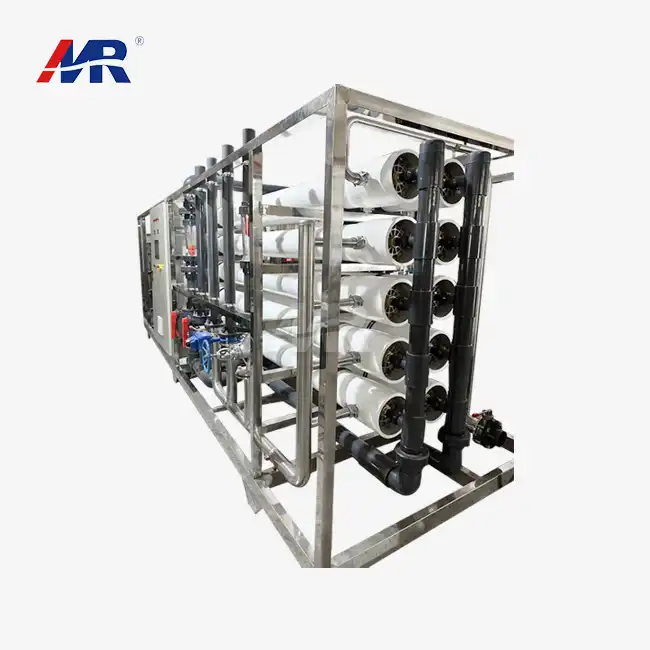 VIEW MORE50m3/hour reverse osmosis equipment
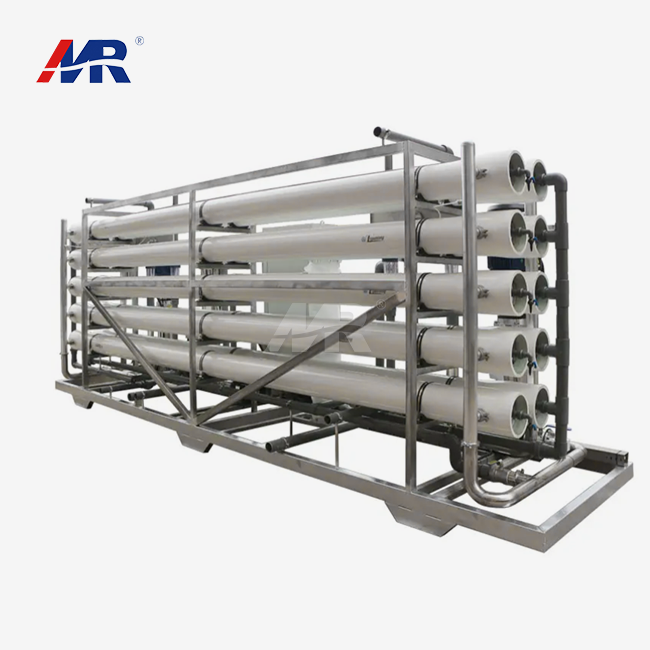 VIEW MOREbrackish water reverse osmosis systems
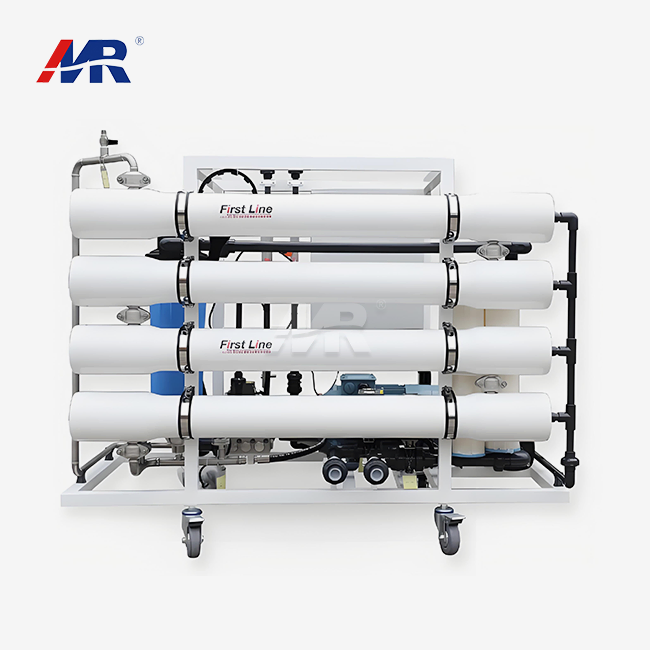 VIEW MOREseawater desalination system
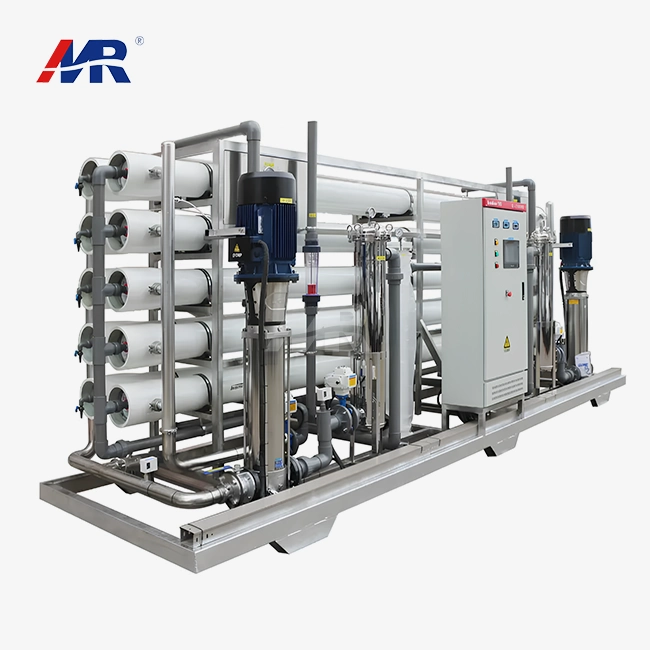 VIEW MOREreverse osmosis water purification plant
 VIEW MORE50m3/hour ultrafiltration plant
