_1745823981883.webp)

How to Improve Sea Water Reverse Osmosis System Performance
Improving sea water reverse osmosis system performance begins with understanding critical operational metrics and implementing targeted optimization strategies. These systems convert high-salinity seawater into purified water through semi-permeable membranes under controlled pressure. Enhancing performance requires comprehensive pretreatment protocols, optimal membrane selection, energy recovery integration, and predictive maintenance schedules. By addressing membrane fouling, reducing energy consumption per cubic meter, and maximizing recovery rates, operators achieve substantial cost reductions while extending equipment lifespan, making desalination economically viable for industrial, municipal, and remote applications.
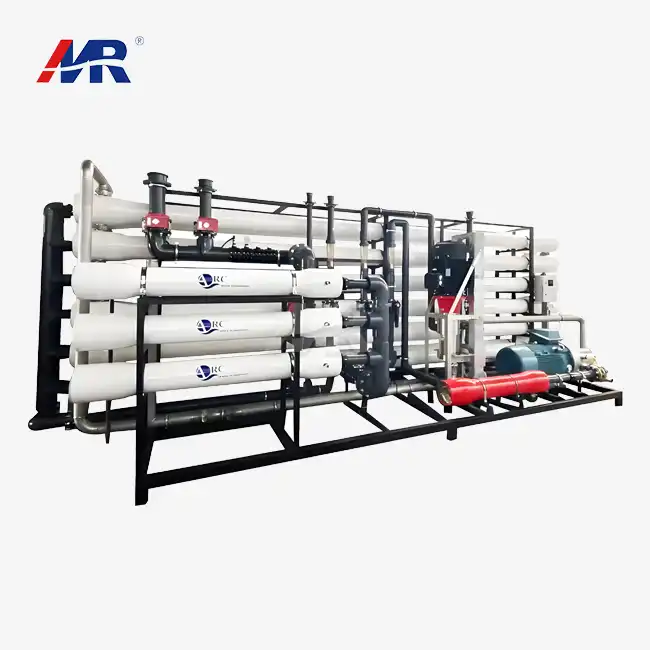
Introduction
Desalting saltwater is a key solution to global freshwater shortages. More industrial locations, coastal cities, offshore bases, and rural communities use advanced water filtration systems to provide safe water. Seawater reverse osmosis is the most energy-efficient and scalable method for purifying salty water.
We know procurement managers, plant engineers, and facility owners struggle to assess and maintain distillation infrastructure. Improving performance affects operating costs, production reliability, and environmental sustainability. This article offers ways to improve system performance, reduce downtime, and maximise investment. Whether you run a pharmaceutical manufacturing factory that requires GMP-grade water, a seaside resort that needs regular potable water, or a city's water supply projects, these suggestions will help you choose system improvements, maintenance, and vendor relationships.
Understanding the Current Performance and Challenges of SWRO Systems
There are some problems that modern desalination plants have to deal with that make them less efficient and raise costs. Realizing these problems is the first step in putting together effective plans for improvement.
Common Performance Bottlenecks
Membrane fouling is the major saltwater treatment issue. Biological growth, organic matter buildup, and membrane particle creation impede permeate flow and increase differential pressure. To maintain production, workers must increase feed pressure, which takes more energy. Untreated tropical and subtropical climates might lose 30–40% of membrane function in a few months to biofouling.
Scaling occurs when dissolved minerals like calcium carbonate and magnesium sulphate adhere to membrane surfaces when water concentration increases during desalination. Scaling reduces the membrane's usable area and causes irreversible damage that requires a costly repair. Not employing enough antiscalant or picking the incorrect medicine worsens this issue.
Inefficient energy consumption plagues businesses. Pressure exchange-optimized systems use 2 to 3 kWh per cubic metre of water, whereas non-energy recovery systems use 4 to 8 kWh. This discrepancy significantly affects seawater reverse osmosis system running expenses over time.
Key Performance Indicators to Monitor
To get a good picture of the health of a system, we suggest keeping an eye on certain measures. The recovery rate tells you how much of the feedwater was turned into permeate. In seawater uses, it usually falls between 35% and 45%. Lower recovery rates could mean that the membrane is breaking down, fouling is building up, or the operating parameters are not ideal.
For potable water uses, the total dissolved solids in the permeate should stay below 500 mg/L. For industrial process water uses, it should stay below 200 mg/L. Increasing TDS levels mean that the membrane isn't working right or isn't rejecting enough. High-quality seawater membranes should always have a salt rejection rate higher than 99.2%.
Normalized permeate flow and normalized salt passage give performance measures that are temperature- and pressure-corrected and show the real state of the membrane regardless of operational factors. By checking these factors once a month, fouling or scaling can be found early, before they cause serious performance loss.
Identifying and Addressing Root Causes to Boost SWRO Efficiency
To improve performance in a way that lasts, you need to deal with the causes of problems instead of just fixing the symptoms. Root cause analysis that is done in a planned way leads to long-lasting practical gains.
Optimizing Pretreatment Processes
Effective membrane cleaning prevents pollutants and extends their life. Activated carbon filtration removes chlorine, chemicals, and water colourants. Over-10-micron dissolved solids are removed using multimedia filtering. After collecting 5-micron particles, cartridge filters polish water for high-pressure pumps.
Chemical dosage is crucial to membrane protection. By preventing crystal growth, antiscalants prevent mineral precipitation. Using feedwater-chemistry-based antiscalant formulations is the best scaling defence. Coagulants and flocculants combine tiny particles into larger groupings that filtering devices can readily remove.
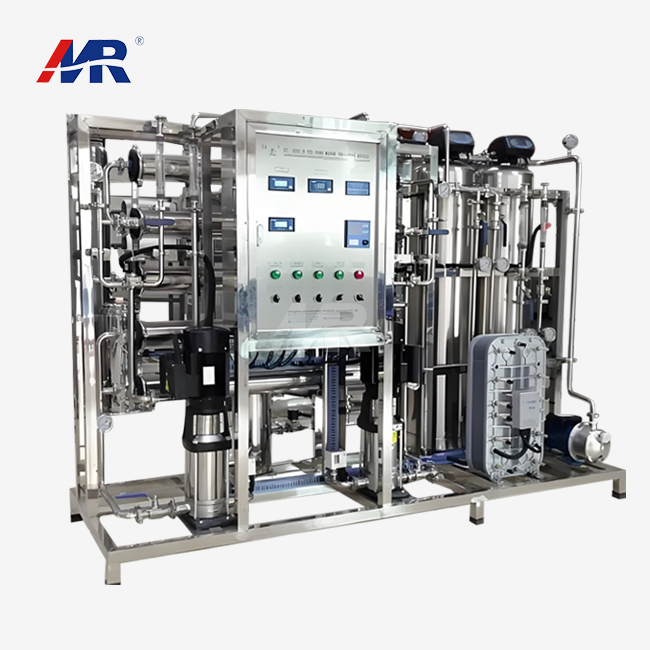
Our tiny desalination machine can clean 2 tonnes of water per hour using multimedia, activated carbon, and micron filters. This multi-barrier approach ensures high-quality feedwater before reverse osmosis membranes. This reduces fouling and extends the life of the seawater reverse osmosis system.
Selecting Optimal Membrane Technology
Membrane selection affects system performance, lifespan, and cost. High-rejection marine membranes reject 99.2%–99.8% of salt, creating permeate for harsh circumstances. Varied membrane manufacturers provide varied chemical tolerance, fouling resistance, and flow rates to meet feedwater conditions.
Thin-film composite membranes reject materials and are chemically more stable than cellulose acetate equivalents. Chemicals can clean these membranes without damaging them since they can endure pH ranges between 2 and 11. We consider feedwater temperature, salt, biological activity, and permeate quality to choose the optimal membrane.
Regular membrane performance testing identifies sections that require replacement before they damage the system. Membrane elements with a normalised flow reduction of 10-15% or an increase in salt passage should be replaced immediately to protect neighbouring elements.
Implementing Automation and Real-Time Monitoring
Advanced control systems may convert reactive maintenance into predictive management. PLC-based automation with touchscreen interfaces enables workers to monitor key elements, adjust settings precisely, and respond swiftly when anything goes wrong. Our systems display real-time pH, flow, pressure, conductivity, and chemical dosing rates on simple displays.
Data analytics technologies identify performance trends that people overlook while monitoring regularly. Gradual differential pressure increases indicate fouling, allowing cleaning before flux drops. Automatically applying chemicals depending on feedwater quality improves treatment and reduces chemical consumption and expense.
Remote monitoring lets Technical support staff diagnose issues, adjust settings, and provide recommendations without visiting the site. Installations in distant places like island settlements, offshore platforms, or disaster assistance missions, when expert support is unavailable, benefit from this capability.
Implementing Proven Techniques for System Optimization
To turn expert knowledge into operational gains, tried-and-true optimization methods need to be used in a planned way. These methods improve efficiency and lower costs in a way that can be measured.
Integrating Energy Recovery Devices
Energy recovery systems transfer hydraulic energy from concentration streams to feedwater, reducing power consumption. Pressure exchanges may recover up to 60% of the energy wasted since they transport energy more efficiently than 95% of the time. This technology reduces power consumption from 5-6 kWh/m³ to 2-3 kWh/m³, saving high operational costs.
Our tiny desalination apparatus utilises 4-5 kWh per cubic metre without energy recovery, demonstrating energy efficiency. Depending on hours used and power costs, retrofitting energy recovery devices can pay for themselves in less than 24 months. This is particularly true for larger sea water reverse osmosis systems in regions where power prices affect profits.
Choosing an energy recovery technology depends on system size, feedwater saltiness, and space. Pressure radiators function best in medium-to-large installations, and turbochargers in smaller ones. Professional engineering assessment selects and integrates the finest gadgets.
Establishing Comprehensive Maintenance Protocols
Before-breakdown maintenance saves money on repairs. We recommend detailed maintenance plans with daily operating checks, weekly system performance reviews, monthly chemical cleaning, and annual full inspections.
Chemical cleaning removes foulants and restores membrane permeability when normalized permeate flow drops 10% or differential pressure rises 15%. Acidic cleaners remove mineral scales, whereas alkaline cleaners destroy organic debris and biological development. Choosing the right cleaning chemicals and methods based on fouling ensures membrane restoration without damage.
Chemical and physical cleaning, like backwashing and air scouring, are used for pretreatment parts. Changing the cartridge filter on a regular basis prevents the differential pressure from building up and keeps particles from harming high-pressure pumps. Pump seals, valve diaphragms, and pressure sensor calibrations should be checked and changed regularly per manufacturer specifications.
Fine-Tuning Operational Parameters
The optimal working conditions balance energy usage, membrane lifespan, and output capacity. The feed pressure has a direct influence on the permeate flow. Higher pressures boost productivity but accelerate membrane compaction and fouling. Working at the forces suggested by the maker guarantees that the design will work properly and not break down too soon.
Concentration, saltiness, and scaling depend on the recovery rate. Higher recovery rates make water production simpler, but they increase reject stream mineral concentration and scaling danger. Long-term performance remains steady when healing efficiency and antiscalant efficacy are matched.
Temperature has a big effect on membrane permeability; when the feedwater is warmer, the flux is higher at the same pressure. Temperature-corrected performance monitoring protects you from perceiving seasonal fluctuations in flux as signals of fouling when they are not. Knowing these links lets you make informed, practical decisions that enhance productivity while keeping safe.
Comparing Solutions and Technologies for Upgraded Performance
Technology selection greatly affects system performance, running costs, and application fit. The best investment results come from comparing the available options to specific needs.
Energy Source Considerations
Due to their reliability and ease of integration, electric systems are most common in commercial installations. Grid power is essential for local water plants, industrial facilities, and permanent installations because it provides constant energy. Our 2 tons/hour plant is ideal for small companies, seaside resorts, and rural villages with power infrastructure since it's tiny and operates with standard electrical sources.
Solar-powered sea water reverse osmosis system purification provides a number of advantages for locations that aren't linked to the power grid, emergency circumstances, and applications that care about the environment. Photovoltaic arrays create power throughout the day, which means they don't need to be linked to the grid. Combining solar power with battery storage or backup power from the grid makes sure that the system always works, no matter what the weather is like. Look at local solar resources, electricity costs, and environmental priorities to determine if solar integration is profitable.
Portable Versus Stationary Configurations
Stationary installations supply water to permanent facilities. These systems have optimal layouts, pretreatment trains, and built-in post-treatment processes. Municipal water plants, resorts, pharma businesses, and industrial complexes benefit from stationary arrangements that maximise efficiency and productivity.
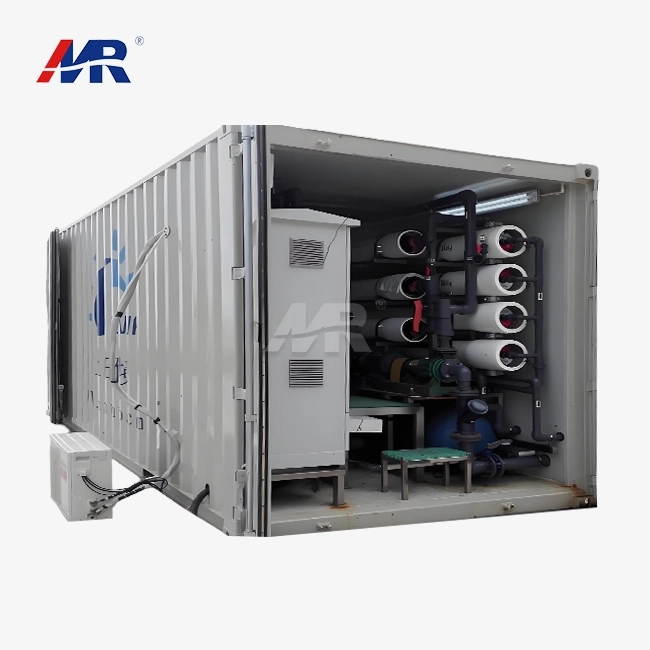
Portable distillation devices are useful for emergencies and on the run. Small container designs make them convenient to transport to disaster zones, seasonal activities, and new initiatives. Our modular equipment design makes it simple to transport and set up, which makes it great for disaster assistance operations and offshore locations that need to be ready to deploy rapidly.
Which configuration to choose depends on operating duration, site permanence, output, and budget. Portable systems may be employed in temporary deployments despite costing more. However, permanent installations need immovable infrastructure for long-term functioning.
Post-Treatment Enhancement Options
UV decontamination destroys more microorganisms, making it effective for disease elimination. This non-chemical disinfection method, used with membrane filtration, is effective in hospitals, medication manufacturers, food processing, and other sensitive sectors where chemical sanitiser residues are prohibited. While adding nothing to the complexity of operations, UV devices make water significantly safer.
By adding regulated quantities of calcium, magnesium, and alkalinity, remineralization modifies the chemistry of the permeate. This technique improves flavour, prevents delivery system corrosion, and fulfils regulatory drinkable water regulations. Dosing tools and mineral blends depend on water use and rules.
Changing the pH stabilises permeate chemistry, protecting downstream equipment and meeting release criteria. Caustic soda or carbon dioxide injection systems control pH accurately. Looking at application-specific water quality standards shows whether post-treatment improvements are worth the money based on regulatory compliance, product quality objectives, and equipment safety.
Procurement Strategies for Maximizing System Value and Performance
When buying equipment, it's important to think about more than just the original purchase price. You should also think about the total cost of ownership, the supplier's skills, and the long-term support system. Strategic buying methods get the best results on investments and keep operations running smoothly.
Evaluating Supplier Credentials and Experience
Supplier choice strongly impacts project success and satisfaction. Examine how much experience the manufacturer has in your application field, examine samples of comparable installations, and contact the company to check technical skills. Famous drinking water equipment companies have quality control systems, test methods, and ISO 9001 and NSF/ANSI 61 compliance.
Product quality and alterability depend on manufacturing capacity. Suppliers of membranes, parts, and systems manufacture high-quality goods. Morui has many equipment manufacturers and collaborates with Shimge water pumps, Runxin valves, and Createc instruments. High-quality materials and established technology provide dependability in these partnerships.
Great suppliers have strong technical support. Expert engineers may aid with system design, setup, and troubleshooting to reduce operating difficulties. Our nearly 20 engineers offer technical assistance from original specs to long-term performance.
Analyzing Total Cost of Ownership
Tools' original cost is only one of their lifetime costs. A complete cost study includes installation, energy use, consumable replacement, maintenance, and disposal. Energy recovery systems cost more upfront, but they save a lot of money over time and pay for themselves in two to three years if utilised continuously.
Membrane replacement is costly and ongoing. Good membranes last 5–7 years if used properly. They must be replaced every 2–3 years if not well maintained or utilised in extreme conditions. The cost and longevity of a membrane might help you make budget predictions.
Continuous-duty systems spend most of their energy. Our little system utilises 96 to 120 kWh of power every day, which is expensive per year as it uses 4 to 5 kWh per cubic metre and can handle 2 tonnes of material per hour. Energy-optimized designs with recovery devices, variable frequency motors, and clever seawater reverse osmosis system control systems help when power is costly.
Securing Comprehensive After-Sales Support
Installation, operational training, and technical support ensure equipment dependability. The project works effectively with "turnkey" vendors who supply equipment, oversee installation, commission it, and train operators. Our complete implementation service streamlines collaboration and assures system functionality from the start.
Spare parts decrease replacement downtime. Supplier connections, enough replacement parts, and rapid dispatching help solve issues and maintain production. High-pressure pumps, membrane elements, and control system sections require backups.
Training gives operations professionals system management skills. Full instruction includes basic maintenance, performance monitoring, operation, and problem-solving. Well-trained operators can spot problems early, fix them quickly, and keep systems running smoothly, enhancing performance and lifetime.
Conclusion
Improving the performance of a sea water reverse osmosis system needs a complete plan that takes into account things like how well the preparation works, the choice of membrane, how much energy the system uses, how it is maintained, and how it works. Choosing the right supplier, technology, and support infrastructure are all important procurement decisions that have a big impact on long-term success. By using tried-and-true optimization methods, keeping an eye on key performance indicators, and working with experienced suppliers, businesses can run reliable, low-cost desalination operations that meet strict production needs while causing the least amount of damage to the environment and saving money on costs.
FAQ
1. How often should seawater RO membranes be replaced?
How often sea water reverse osmosis systems need to be replaced depends on the quality of the feedwater, how well the preparation works, and how the system is used. Membrane service life is usually between 5 and 7 years for systems that are well taken care of and use the right pretreatment. By keeping an eye on normalized performance parameters, you can find individual parts that need to be replaced before the whole system starts to break down. This lets you plan when to replace them strategically instead of having to change the whole membrane set.
2. What indicators suggest membrane fouling is occurring?
Differential pressure rises of 10 to 15 percent above baseline levels show that fouling conditions are starting to form. A normalized drop in permeate flow of more than 10% means that the membrane is less permeable because of fouling. Increasing permeate conductivity is a sign that the membrane is damaged or losing its structure. Regularly keeping an eye on these factors and seeing how they change over time lets you clean them with chemicals before they lose a lot of their effectiveness and need to be replaced too soon.
3. Can existing systems be retrofitted with energy recovery devices?
Most current installations can be retrofitted with an energy recovery device, but it depends on how much room is available, how the system is set up, and how well it works with the water system. A professional engineering review looks at the conditions of the place and figures out the best ways to integrate the new features. Retrofits usually have good payback periods for systems that are used all the time or in places where the cost of power is high, and the energy savings are worth the investment.
Partner with a Trusted Sea Water Reverse Osmosis System Manufacturer
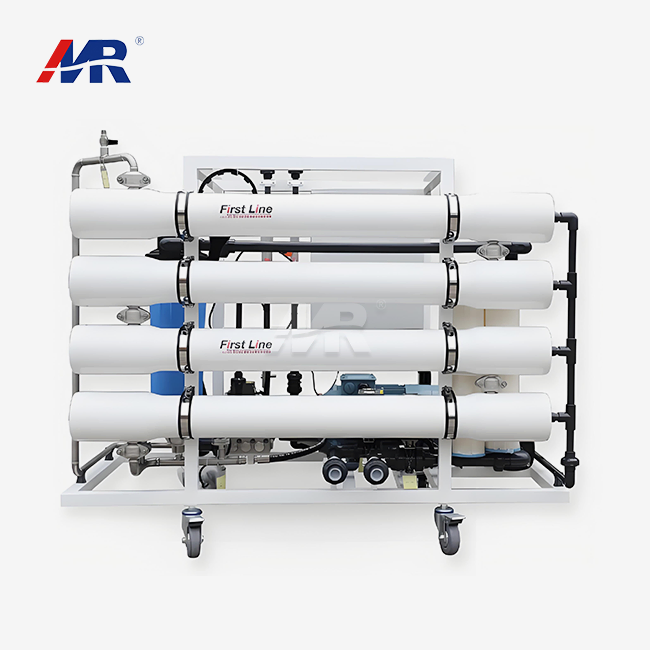
Morui has been treating water in a specific way for more than ten years and can help you with your desalination projects. As a well-known company that supplies sea water reverse osmosis systems, we make reliable gear for a wide range of industries, from making medicines to supporting offshore platforms. Our small desalination plant can process 2 tons of water per hour and has great performance, with recovery rates of up to 40%, energy-efficient operation, and easy-to-use PLC-based controls that make daily management simpler.
We offer complete solutions from the first meeting through installation, testing, and ongoing support. We have 14 branch sites, 500 committed employees, and our own membrane production plant. We have strategic relationships with the best component makers in the business, which helps us make sure that every system meets the highest quality standards. Our engineering team creates custom solutions that are best for your water quality needs and operating conditions, whether you need tools for small-scale industry sites, coastal resorts, or remote island towns. To talk about your purification needs, email our expert team at benson@guangdongmorui.com.
References
1. Voutchkov, N. (2018). Desalination Engineering: Planning and Design. McGraw-Hill Education, New York.
2. Greenlee, L.F., Lawler, D.F., Freeman, B.D., Marrot, B., & Moulin, P. (2009). Reverse osmosis desalination: Water sources, technology, and today's challenges. Water Research, 43(9), 2317-2348.
3. Wilf, M. & Bartels, C. (2005). Optimization of Seawater RO Systems Design. Desalination, 173(1), 1-12.
4. Fritzmann, C., Löwenberg, J., Wintgens, T., & Melin, T. (2007). State-of-the-art of reverse osmosis desalination. Desalination, 216(1-3), 76-93.
5. Elimelech, M. & Phillip, W.A. (2011). The Future of Seawater Desalination: Energy, Technology, and the Environment. Science, 333(6043), 712-717.
6. Stover, R.L. (2007). Seawater reverse osmosis with isobaric energy recovery devices. Desalination, 203(1-3), 168-175.