_1745823981883.webp)

SWRO Membrane Cleaning: Best Practices for Better Performance
Maintaining optimal seawater reverse osmosis (swro membrane) performance requires more than installation—it demands consistent, strategic cleaning protocols. A well-maintained swro membrane can sustain salt rejection rates above 99.8% and deliver years of reliable service across desalination plants, offshore platforms, and industrial facilities. Without proper cleaning interventions, fouling accumulation drives energy costs upward, reduces freshwater output, and shortens membrane lifespan. Understanding cleaning best practices protects your investment while ensuring uninterrupted production capacity.
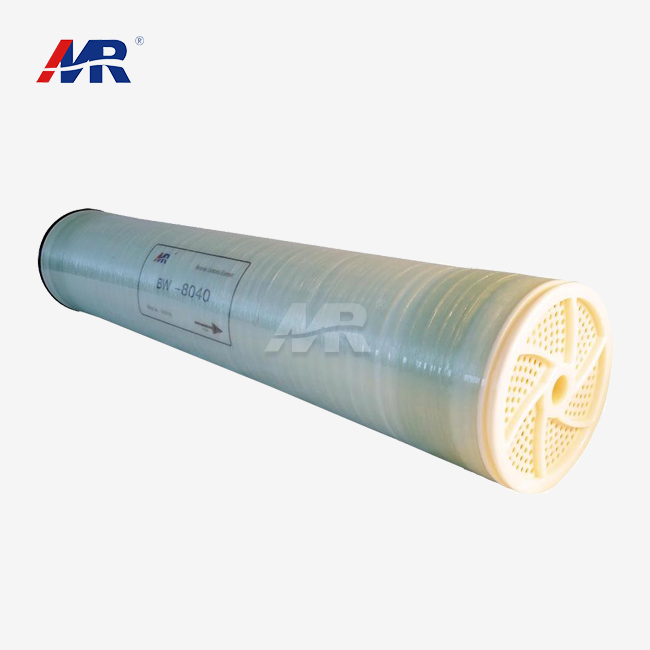
Understanding SWRO Membrane Fouling and Cleaning Necessity
Fouling is the main thing that can stop seawater desalination from working well. No matter how well the pretreatment was done, all SWRO membrane systems eventually get clogged with contaminants that make them less effective.
Types of Fouling That Damage Membrane Performance
Four different types of fouling have different effects on saltwater reverse osmosis systems. When natural organic matter, like humic acids and proteins, sticks to the polyamide surface layer, this is called organic fouling. Mineral precipitation leads to inorganic scaling. Calcium carbonate, calcium sulfate, and barium sulfate are some of the minerals that frequently form crystalline layers under high pressure. Biological fouling happens when bacteria stick to membrane surfaces and form biofilm communities that are hard for regular cleaners to get rid of. Particles in the fluid, such as silica and iron oxides, get stuck in feed gaps and stop flow pathways. This is called colloidal fouling.
When contaminants get past the selective polyamide barrier, they can damage the polyester support web and the polysulfone microporous layer inside each element. Coastal facilities that process turbid intake water have to deal with faster colloidal buildup, and warm tropical waters help biofilm grow quickly.
Recognizing Early Warning Signs of Membrane Degradation
By keeping an eye on working factors, you can see how fouling builds up before a catastrophic failure happens. When the pressure drop across membrane vessels rises, it means that flow is being slowed down because of biofilm or particle buildup. A drop in permeate flux means that less water is moving through the active membrane surface. This drop usually happens 10-15% before workers notice changes in quality. When fouling damages the selective barrier, more salt can pass through. This lets dissolved ions enter the permeate stream.
Normalized data analysis takes changes in temperature and pressure into account, which gives a correct estimate of fouling. Every week, facilities that use 400 to 440 square feet of high-productivity elements should keep an eye on these measures. Because technical staff can't always get to offshore sites on FPSOs and drillships, they benefit from constant automated tracking.
Consequences of Delayed Cleaning Interventions
Putting off cleaning raises running costs in a number of ways. When high-pressure pumps have to work harder to get past fouling resistance, they use more energy. This directly raises the cost of electricity per cubic meter of product water. As flux drops, operators have to lower recovery rates or add membrane elements, which limits their ability to make things. When fouling destroys the polyamide layer in a way that can't be fixed chemically, the cost of replacing the membrane goes up.
Unplanned downtime has a big effect on the finances of municipal desalination plants like those that serve coastal towns. A 72-hour shutdown for emergency cleaning can cost a lot of money in lost work and extra workers. When membrane performance suddenly drops, pharmaceutical plants that use desalinated feedwater to make GMP-grade filtered water run the risk of not following the rules.
Best Practices for SWRO Membrane Cleaning – A Systematic Approach
Structured cleaning procedures get membranes working again while lowering the risk of damage. Successful programs find a balance between how well chemicals work and how well they work with the materials. They do this by following the manufacturer's instructions for temperature and pH limits (which are usually between 2 and 11 for polyamide membranes).
Pre-Cleaning Assessment and Fouling Identification
The right chemicals are chosen based on an accurate fouling analysis for swro membrane systems. Membrane autopsy services look at the dead body's parts and use microscopy and spectroscopy to find specific contaminants. Online tracking data shows patterns of fouling: quick rises in pressure are a sign of particulate plugging, while a slow drop in flux is a sign of scaling or biofilm growth.
Testing the feedwater for the Silt Density Index (SDI) is related to the possibility of particle fouling. By measuring total organic carbon (TOC), you can guess how fast organic fouling will happen. ATP testing measures the number of active bacteria in a population for biological activity monitoring. These testing tools help choose the right cleaning chemicals, so you don't waste time and effort on formulas that don't work.
Implementing Effective Cleaning-in-Place (CIP) Protocols
The CIP method sends cleaning solutions through the pipes that are already in place, so the membrane doesn't have to be removed. Compared to cleaning off-site, this method saves money on work and reduces stress on machines. A tried-and-true procedure that removes the most contaminants while protecting membrane integrity is used for successful CIP performance.
The process starts with a freshwater flush at low pressure, which gets rid of any free particles and lowers the salt level inside the membrane elements. This step before the rinse stops chemicals from diluting and prevents unwanted precipitation reactions. The next step is the primary cleaning stage, which uses certain chemicals at controlled temperatures (usually 25–35°C) and flow rates that are best for turbulence without too much pressure (below 60 psi). How long recirculation lasts depends on how bad the fouling is—light layers need 30 to 60 minutes, while heavy buildup needs 2 to 4 hours.
Chemical mixtures go after certain pollutants. Cleaners with a pH of 2 to 3 break down solid scales like calcium carbonate and metal oxides. Alkaline solutions (pH 11–12) break down biofilms and organic matter by making soap and denaturing proteins. Biocides kill the groups of bacteria that make biofilms grow again after being cleaned.
After chemical contact, systems need to be rinsed well with fresh water to get rid of any leftover cleaning agents before they can be put back into service. By comparing standardized flux and salt rejection values to baseline values, performance testing after cleaning makes sure that healing has happened.
Documentation and Performance Tracking
By keeping track of cleaning activities, institutions learn more about how to improve maintenance. Chemical types, concentrations, touch times, temps, and pre- and post-performance data are all recorded in detailed logs. This information finds patterns in the amount of fouling, which lets you plan maintenance ahead of time and avoid having to clean things out of the blue.
In more advanced facilities, digital tracking systems are used that combine SCADA data with records of cleaning. Pretreatment methods are made better by looking for links between changes in feedwater quality and fouling trends. Data-driven cleaning schedules that work with logistics issues are especially helpful for offshore platforms that use small, high-productivity membranes.
Comparing SWRO Membrane Cleaning Methods and Their Effectiveness
The choice of cleaning technique affects both how well the swro membrane heals right away and how long it lasts in the long run. Different methods work best in different operating settings and fouling conditions.
Traditional Chemical Cleaning Approaches
Conventional ways use common chemicals that have been shown to work over many years of distillation practice. Hydrochloric acid is good at getting rid of carbonate scales, but it needs to be handled carefully, and corrosion needs to be watched. It is safer to handle citric acid, and it works well at chelating metal ions. Solutions of sodium hydroxide break up biofilm matrices and break up organic deposits.
For regular repair in big city plants that process millions of gallons of water every day, these old-fashioned cleaners are still a good deal. Their flaws become clear when fouling is complex and includes organic matter, biomass, and mineral scales all at the same time. Using a series of cleaning steps that switch between acidic and basic chemicals solves this problem, but it takes longer and uses more chemicals.
Advanced Enzymatic and Specialty Formulations
New developments in cleaning chemicals make them work better in tough fouling situations. Biofilms are broken down by proteases, which break protein links, and biofilms are broken down by amylases, which break down carbohydrate polymers. These mixtures work at normal pH, which makes polyamide membranes less stressed when they are exposed to pH levels that are too high or too low.
Specialty surfactant blends make cleaning more effective by lowering surface tension. This lets chemicals get deeper into fouling layers. Some modern formulations use chelating agents, dispersants, and biocides all at the same time in a single step, which makes routines easier to follow while still getting better results. Island resort filtration systems and remote industrial sites can benefit from these simplified methods that don't need as much technical know-how.
Physical Cleaning Integration
Using both chemical and physical methods together makes fouling removal work better. Osmotic backflushing briefly changes the direction of flow, which frees particles stuck in feed gaps. This method works especially well for getting rid of colloidal fouling that happens a lot in systems that process cloudy seawater.
When you use air-water flushing, you add compressed air bubbles to the freshwater rinse, which makes the scrubbing action rough. The mechanical force works with the chemical dissolution to speed up the healing process while using less chemical. Facilities that care about the environment like how mixed physical-chemical methods lower the amount of chemicals they release.
Maintenance Tips to Prolong SWRO Membrane Lifespan and Optimize Performance
When you do preventative maintenance, fouling doesn't get so bad that it needs immediate action. Strategic planning finds a balance between how often to clean and what the business needs.
Establishing Optimal Cleaning Schedules
How often you clean depends on the quality of the feedwater, the working conditions, and your performance tolerance. Systems that use strong preparation on high-quality intake water can work for 6 to 12 months without needing to be cleaned. Facilities that deal with difficult feedwater that has a lot of organic matter in it or that have seasonal algal blooms need help every three to four months.
Performance triggers give you fair advice on when to clean. Most makers say to clean the filter when the standardized pressure drop goes up 15% above baseline, the permeate flow goes down 10%, or the salt passage goes up 5–10%. If you wait past these points, the contaminants could damage the membrane permanently as they harden or get deeper into the layers.
Real-Time Monitoring Systems
With automated tracking, you don't have to guess when to do upkeep. These days' control systems keep an eye on important parameters all the time and let workers know when numbers get too high or too low. Trend research shows that performance is slowly getting worse, which can't be seen in day-to-day activities.
Power companies that need ultrapure water for boiler feedwater depend on constant tracking to keep quality standards high. Facilities that make semiconductors and process product water through RO+edi systems can't handle quality changes that come up out of the blue and make precision cleaning operations less effective.
Proper Handling and Storage Protocols
Preserving the membrane between cleaning processes or during long shutdowns stops damage that can't be fixed. In membrane housings where seawater doesn't move, biological growth speeds up, causing serious biofouling during storage times. Preservation treatments with biocides and pH regulators keep membranes safe when they're not being used.
Controlling the temperature during storage is very important. Freezing forever damages the structure of the membrane, and heat (above 45°C) breaks down the polyamide layers. Marine vessels and offshore platforms that work in harsh climates use thermal protection measures to keep membranes intact while they are in transit and while they are being stored.
How to Choose the Right SWRO Membrane Cleaning Service and Products
The success of a cleaning program and the total cost of ownership are both affected by the strategic choice of suppliers. Partnerships with experienced providers offer more than just chemical supply.
Chemical Selection Criteria
The main selection factor is how well it works with membrane materials. Polyamide thin-film hybrid membranes are the most common choice for seawater uses because they are better at getting rid of boron and salt. Cleaning Products must stay within the pH range of 2 to 11 that polyamide can handle without breaking down or damaging it through oxidation or hydrolysis.
Chemical selection is affected by safety and regulatory issues, especially in pharmaceutical plants that make GMP-grade water and food processing businesses. Cleaners that are allowed for use with potable water have to meet strict standards for cleanliness and leave behind very little residue. Safety data sheets (SDS) tell you how to handle chemicals, what safety gear you need, and what to do in an emergency.
Chemicals should be chosen responsibly by looking at how they will affect the environment. Biodegradable products reduce the damage that waste streams do to the environment. Concentrated goods cut down on wasteful packing and shipping costs while also requiring less storage space, which is great for offshore sites that don't have a lot of room.
Partnering with Qualified Service Providers
Working with well-known membrane makers and specialized service providers gives you access to technical knowledge that you can't get from within your own company. Original equipment manufacturers make cleaning solutions that are specially made for their membrane products. This makes sure that the products work with each other and that the warranties are followed. Technical support teams look at performance data, suggest cleaning methods, and figure out why fouling events happen when they shouldn't.
Professional cleaning services offer complete options, such as cleaning on-site, membrane tissue analysis, and tests to make sure the cleaning worked. Municipal water plants that are changing to advanced filters and wastewater treatment plants that use membrane bioreactor (MBR) technology often don't have the right people on staff to do the specialized maintenance that membranes need. By outsourcing to qualified providers, you can be sure that the right steps are taken and free up your internal staff to focus on core operational tasks.
Cost-Benefit Analysis of Maintenance Approaches
Professional repair programs have a monetary value that can be seen by calculating the total cost of ownership. At first glance, cleaning your own home seems cheaper, but there are hidden costs that add up over time. If you choose the wrong chemicals, they can damage membranes and need to be replaced too soon. An 8-inch element costs between $800 and $1,200, so a 100-element system could end up costing $100,000 or more than you planned. Not cleaning well enough causes breaks to last longer, which increases production costs.
Professional programs make cleaning more effective by using data from hundreds of setups to find the best ways to do it. Written cleaning standards and performance guarantees give people who use informal methods the accountability that official ones don't. ROI is higher than service costs within one to two years for most industrial uses because membranes don't need to be replaced as often and can be used for longer periods of time between cleanings.
Conclusion
The success of swro membrane systems in purification depends on systematic cleaning procedures. Structured protocols based on accurate fouling diagnosis, choosing the right chemicals, and regular performance monitoring protect membrane investments and ensure reliable production of fresh water. Balancing how often something needs to be cleaned with how it needs to be used stops both damage from not being maintained enough and repair costs that are too high. Strategic relationships with qualified suppliers and service providers provide technical know-how that makes servicing more effective. Adopting these best practices increases the lifespan of membranes, lowers operational costs, and keeps the high-quality water output necessary for business continuity, whether you're running a large municipal plant, an offshore platform, or an industrial process system.
FAQ
1. How frequently should we clean our seawater RO membranes?
Instead of being set at set times, the regularity of cleaning relies on the characteristics of the feedwater and the working conditions. Keep an eye on the adjusted performance parameters and clean when the pressure drop goes up by 15%, the permeate flow goes down by 10%, or the salt passage goes up by 5–10% above the standard values. High-quality intake water that has been pretreated well may not need to be cleaned for 6 to 12 months, but difficult feedwater needs to be cleaned every three to four months. Changes in biological activity or particulate loads that happen with the seasons mean that schedules need to be fluid and based on real performance data.
2. Can improper cleaning permanently damage membranes?
Incorrect cleaning methods break down membranes in a number of ways that can't be fixed. Too much pH (below 2 or above 12) breaks down polyamide layers, which leads to lasting flux loss and salt flow increases. When temperatures are above 45°C, chemical processes speed up, which break down membranes. Oxidizing agents, such as chlorine, break down polyamide bonds, which in turn break down selective barriers. When washing with too much pressure, telescoping—element layers moving within the pressure vessel—happens. This causes mechanical damage. These failure modes can be avoided by following the manufacturer's instructions and only using drugs that have been approved.
3. What chemicals work best for biofilm removal?
Cleaners that are alkaline and contain surfactants can break down biofilm matrices by disrupting the extracellular polymeric substances that hold bacterial colonies to membrane surfaces. Formulations with detergents that are pH 11–12 can break through biofilms and dissolve organic matter. Biocides like DBNPA or sodium bisulfite kill bacteria, but they need to be cleaned up again to get rid of the dead material. Enzymatic cleaners that target proteins and polysaccharides are kinder options that work at neutral pH. Using biocides, alkaline cleaning, and thorough rinsing in a certain order gets rid of biofilm in the best way possible and stops it from growing back.
Partner with Morui for Superior Seawater Desalination Solutions
To get great membrane performance, you need more than just knowledge of how to clean; you also need access to proven expertise and high-quality materials. Guangdong Morui Environmental Technology Co., Ltd. can desalinate seawater in a wide range of ways and can help clients with everything from planning the project to making sure it runs smoothly. Our unified method blends our own special membrane production with full system engineering. We offer complete solutions backed by more than 500 technical experts in 14 different regions.
We offer approved cleaning agents that are made to work with polyamide thin-film composite membranes that are used in tough seawater situations. Our expert support team looks at your operational data, comes up with custom cleaning routines, and trains your staff on-site to make sure they follow best practices. Working with an expert swro membrane provider will protect your investment and make your system more productive, whether you're running a city desalination system, an offshore production facility, or an industrial process system.
Get in touch with our technical experts at benson@guangdongmorui.com to talk about your specific desalination problems. We'll look at how well you're doing now, suggest ways to make things better, and give you detailed plans that are specific to your needs.
References
1. Crittenden, J.C., Trussell, R.R., Hand, D.W., Howe, K.J., & Tchobanoglous, G. (2012). MWH's Water Treatment: Principles and Design (3rd ed.). Hoboken: John Wiley & Sons.
2. Greenlee, L.F., Lawler, D.F., Freeman, B.D., Marrot, B., & Moulin, P. (2009). "Reverse osmosis desalination: Water sources, technology, and today's challenges." Water Research, 43(9), 2317-2348.
3. Madaeni, S.S., & Samieirad, S. (2010). "Chemical cleaning of reverse osmosis membranes contaminated with wastewater." Desalination, 257(1-3), 80-86.
4. Porcelli, N., & Judd, S. (2010). "Chemical cleaning of potable water membranes: A review." Separation and Purification Technology, 71(2), 137-143.
5. Tran, T., Bolto, B., Gray, S., Hoang, M., & Ostarcevic, E. (2007). "An autopsy study of a fouled reverse osmosis membrane element used in a brackish water treatment plant." Water Research, 41(17), 3915-3923.
6. Vrouwenvelder, J.S., & van der Kooij, D. (2001). "Diagnosis, prediction and prevention of biofouling of NF and RO membranes." Desalination, 139(1-3), 65-71.