

_1745823981883.webp)

Portable Desalination Device Maintenance Guide
Maintaining a portable desalination device is essential to ensure reliable freshwater production and extend equipment lifespan across maritime, industrial, and emergency applications. Regular inspection, membrane care, and preventative measures against fouling protect your investment while guaranteeing consistent water quality. This guide walks you through proven maintenance protocols, advanced monitoring strategies, and procurement considerations that help operations managers and facility engineers maximize system uptime while minimizing total cost of ownership.
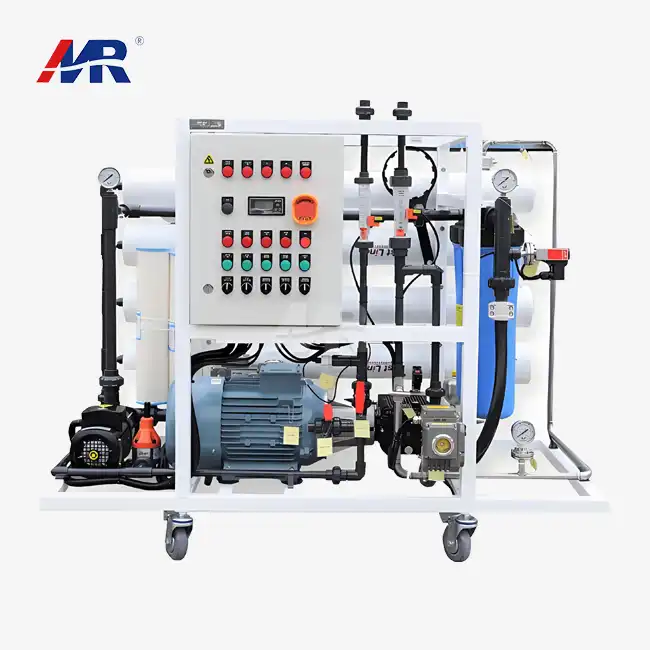
Understanding Portable Desalination Devices and Maintenance Basics
The Growing Role of Mobile Water Purification Systems
Portable desalination devices are now necessary in many business-to-business (B2B) areas, from oil platforms at sea to disaster relief efforts. With modern reverse osmosis technology, these small units can turn seawater or brackish water into drinkable water, producing 100 to 3,000 liters of water every day. Portable desalination devices are more flexible than fixed infrastructure. They can be used by remote industrial sites, ships, and emergency response teams that need reliable water sources but don't want to set up permanent systems. In decentralized production sites, these systems are also used by the pharmaceutical and food processing businesses to make clean water that meets WHO standards.
Core Technologies Driving Desalination Performance
Several types of technology are used in modern compact systems. Reverse osmosis is still the most common way. High-pressure pumps push saltwater through semi-permeable filters that remove more than 99.4% of the dissolved salts. Solar-powered versions have solar screens and battery buffering to let them work away from the power grid in remote areas. For smaller jobs, membrane distillation technology can be used instead. It uses differences in temperature to separate salty and fresh water. Depending on the working pressure, energy use, and complexity of the parts, each system has its own maintenance needs.
Why Routine Maintenance Cannot Be Overlooked
Maintenance directly affects how long a system lasts and how consistently it produces results. When equipment isn't taken care of, it can develop membrane fouling, which is when mineral and organic matter build up and make it less effective at removing salt and increasing flow rates. Corrosion happens to metal parts that are in salty settings, especially in systems that don't choose the right materials. Biofouling adds bacterial colonies that stick to membrane surfaces and make them less permeable to water. Studies have shown that proactive maintenance plans can increase the service life of membranes from 18 months to over five years. This means that water plant operators and industrial facility managers can save a lot of money on operational costs.
Critical Components Requiring Regular Attention
Figuring out which parts need to be inspected helps set priorities for repair tasks. Pre-filters remove solids that are trapped in the water and protect ro membranes from damage. They need to be replaced every 500 to 1,000 hours of operation, based on how cloudy the source water is. The heart of the system is made up of high-rejection seawater screens that need to be cleaned and tested on a regular basis to keep the design salt rejection rates. Heavy mechanical stress is put on high-pressure pumps, so they need to be oiled, have their seals checked, and have their vibrations recorded to keep them from breaking down completely. Pressure vessels that hold membrane elements need to be checked for signs of corrosion and a good seal, especially in stainless steel joints that are exposed to chloride ions.
Material Selection for Harsh Operating Environments
Corrosion-resistant building materials are very important for the long life of equipment. Duplex stainless steel is better than normal 316L stainless steel at resisting stress corrosion cracking caused by chlorides. This makes it perfect for building pressure vessels. High-grade carbon fiber composites make portable frame structures lighter while also being very resistant to chemicals. Thin film hybrid membranes with polyamide active layers are the best at rejecting salt, but they need to be protected from chlorine by adding the right amount of chemicals during pre-treatment. To keep parts from breaking down too quickly, procurement teams should make sure that the approvals for the materials fit the practical salinity levels and temperature ranges.
Comprehensive Maintenance Checklist for Portable Desalination Devices
Daily Visual Inspection Protocols
Before every shift, people who work in operations should do regular eye checks to look for early signs of machine problems in a portable desalination device. Check all the links between the pipes for salt crystals that could mean small leaks that speed up rust. Compare the pressure gauge readings to the starting point; quick drops could mean that the membrane is getting clogged or that the pump isn't working right, which needs to be looked into right away. Check the electrical lines for discolouration or water getting in, which could make the control system stop working. Use handheld TDS meters to check the quality of the permeate water and record the readings to see how well the membrane is working over time. In less than 15 minutes, these quick checks can save you a lot of money on expensive repairs in case of an emergency.
Safe Cleaning Methods for Sensitive Components
The right way to clean protects delicate membrane structures while getting rid of built-up contaminants. After each operating cycle, flush the systems with low-pressure freshwater for 10 to 15 minutes. This will remove the concentrated brine from the membrane surfaces and stop crystallization during standby times. When normalized permeate flow drops 10% below baseline, clean the system with chemicals that are allowed by the maker. At pH 3–4, citric acid gets rid of mineral scale well, while alkaline cleaners get rid of organic fouling and biological waste. Do not go over the suggested chemical concentrations or contact times. If you do, you will damage the polyamide membrane layer during forceful cleaning, which will make it forever less able to reject salt.
Filter and Membrane Replacement Indicators
Seeing the signs of wear and tear helps plan replacements before the performance gets so bad that it's no longer acceptable. If the differential pressure in a pre-filter cartridge goes above 15 psi, it needs to be replaced right away to keep downstream parts from getting damaged. When RO membranes show salt passing increases by more than 5% of their original specs or permeate flow decreases by more than 15%, they should be replaced. Operating hours give you a general idea of how long something will last—membranes usually last between 25,000 and 35,000 hours in normal conditions—but water quality has a big effect on how long something actually lasts. When the source water is cloudy, or the pre-treatment isn't done right, the membrane life drops by 40–60%. This means that condition tracking is more accurate than schedules based on the calendar.
Proper Transport and Storage Procedures
Handling things correctly when they're not in use stops damage that could have been avoided. Before moving, drain all the water out of the system's parts to make them lighter and to avoid freezing risks in cold places. Use shock-absorbing mounts to keep pressure tanks and pumps from shaking while the car is being moved. For keeping times longer than two weeks, put food-grade sodium metabisulfite preservation solution on membrane housings to stop bacteria from growing inside sealed elements. As much as possible, store electronics and seals in climate-controlled areas to keep them in good shape. Extreme temperatures can damage these parts. Objects that are being saved should come with paperwork that lists the times of preservation and the steps that were taken.
Troubleshooting Common Performance Issues
Systematic testing methods quickly find the reasons behind operating issues. When there is low permeate flow and high feed pressure, it means that the membrane is clogged and needs to be cleaned with chemicals. If there is a high salt passage and normal flow, it means that the membrane has been damaged by chemicals or too much operating pressure. If your pump makes strange noises or vibrates a lot, it could be because the feed pressure isn't high enough or the bearings are worn out and need to be replaced. Control system mistakes are often caused by sensor calibration drift or problems with the connections between the wires. While manufacturer troubleshooting guides can help maintenance staff fix many problems, complex membrane failures or electrical faults need to be fixed by a technician in order to keep the equipment from breaking down even more.
Advanced Maintenance Strategies to Maximize Efficiency
Real-Time Monitoring Through Digital Integration
IoT sensors are being added to more and more modern portable desalination devices. These sensors change upkeep from being reactive to being proactive. Monitoring differences in pressure, flow rates, and conductivity all the time lets you know about problems early, before they affect production. Systems that are tied to the cloud send information about their performance to central support teams, which then look at trends across many deployed units. Automated alerts let operators know when parameters are outside of normal ranges, so they can fix problems early on. Monitoring the efficiency of an energy recovery device identifies hydraulic losses caused by old parts, which helps decide when to replace them. Field studies from offshore platform owners show that these technologies cut unexpected downtime by 35 to 50 percent.
Preventing Corrosion and Biofouling
Strategies that are proactive deal with the two main ways that portable desalination devices break down. Metal parts that are exposed to seawater can be protected from galvanic corrosion with cathodic protection systems that use disposable zinc anodes. Special anti-fouling coats put on the inside of pressure vessels stop germs from sticking to them and stop biofilm from forming. Continuous low-level chlorination during pre-treatment keeps the number of microbes in check, but activated carbon filters must be used to get rid of any remaining chlorine before it comes into contact with the membrane. Periodic system cleaning with hydrogen peroxide kills bacteria effectively without the risk of damaging membranes that comes with chlorine-based cleaners.
By preventing biofouling in all its forms, an offshore drilling platform lowered the number of times its membranes needed to be replaced from 18 months to 48 months. This saved the company $180,000 a year by extending the lifecycles of parts and cutting down on upkeep work.
Environmental Factors and Maintenance Adaptation
The operating conditions have a big effect on the right repair schedules and methods. Climates that are tropical and have warm water speeds up biological activity, which means that chemical cleanings need to be done more often and more often. When working in cold places, it's important to protect vulnerable parts of pipes from freezing by heat tracing. When the source water is cloudy, the pre-filter needs to be replaced more often, and there may need to be more ultrafiltration steps before the RO membranes. In dry regions, strong UV rays break down plastic parts and LCD screens on control panels, so they need to be protected and made from materials that are UV-stabilized. Instead of using the same manufacturer's suggestions in all operating situations, maintenance schedules should take into account the risks that are unique to each place.
Choosing the Right Portable Desalination Device for Easy Maintenance
Modular Design Versus Integrated Systems
When making buying choices, serviceability should be given a lot of weight. When compared to integrated designs, modular architectures cut down on maintenance work by 40–60% because they let you replace parts without taking the whole system apart. Quick-release fittings on each membrane vessel make it possible to quickly replace an element in the field without any special tools. Standardized component interfaces make it easier to handle spare parts by allowing supplies to be consolidated across multiple units. Integrated systems are better for applications with limited space because they are smaller, but they usually need to be serviced at the factory for internal repairs.
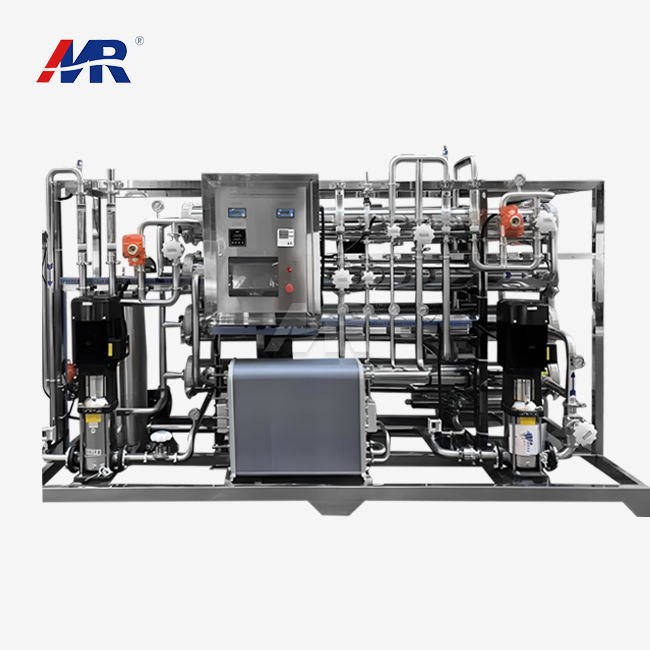
Morui's advanced desalination systems use a smart modular design with field-replaceable pre-treatment stages, membrane housings, and pump assemblies that can be fixed by maintenance teams with common tools. Our units can hold 15 cubic meters of material per hour and use only 3.5 to 4 kWh of energy per cubic meter, making them both operationally and serviceably efficient.
Warranty Coverage and After-Sales Support
Full support kits are necessary for mission-critical water supply processes to have a backup. Strong guarantees that last between 24 and 36 months protect against problems with the way the product was made and show that the company behind it trusts that the product will last. Technical support that is available 24 hours a day, seven days a week helps workers figure out problems after hours, when output stops, cost the most. End-user training programs that teach repair skills make companies less reliant on outside service providers. Quality of documentation is very important—detailed maintenance guides with pictures of steps and troubleshooting flowcharts give in-house teams the power to do regular maintenance on their own.
Customization for Specific Operational Requirements
Generic equipment doesn't usually work best for specific tasks. Pharmaceutical companies need materials that are USP-grade and certification paperwork to show that they follow GMP guidelines. Food processing plants need to be built in a way that keeps germs from hiding in dead legs. For military use, construction must be tough enough to withstand transport shocks and harsh environmental conditions. When businesses buy in bulk, they often get customization choices that meet their specific needs without having to pay the higher prices that come with one-time planning. Strategic relationships with suppliers that are set up early in the buying process allow teams to work together to create equipment that is perfectly matched to practical needs.
Maintenance Cost-Benefit Analysis and Procurement Tips
Understanding Total Cost of Ownership
If you only look at the buying price of an item, you might miss out on high costs that come up over its lifetime and affect its long-term value. The initial investment usually makes up 25–35% of the total cost of ownership over ten years. The rest of the cost is made up of upkeep, energy use, and new membranes. Premium component systems that use less energy and last longer cost 15-20% more up front, but they pay for themselves in lower running costs that pay for themselves in 24–36 months. In seawater uses, energy recovery devices cut power use by 40–50%, which saves a lot of money for activities that run 16 hours or more every day.
Purchasing managers should ask potential suppliers to do lifecycle cost modeling so they can compare different scenarios based on how the business is expected to run. Depending on the quality of the membrane, the efficiency of the pump, and the level of technology of the control system, units that produce 360 cubic meters of water every day for ten years have very different upkeep costs.
How Proactive Maintenance Enhances ROI
Equipment that is well taken care of brings in more money in more than one way. When the water quality is consistent, there are no interruptions in production caused by contamination events that have to be thrown away or stop food processing lines. When maintenance plans are known ahead of time, planned downtime can happen during times of low demand instead of having to make emergency fixes during times of high production. Having longer component lifecycles lowers the cost of replacing parts and the cost of getting rid of used membranes and filters. Improving reliability makes operations more resilient. This is especially helpful for industrial sites that are far away and where broken equipment means expensive air calls for help.
A coastal bottling plant saved $340,000 over three years by using structured preventative maintenance on its water purification systems. This led to less downtime, longer membrane life, and better energy efficiency compared to when they only did reactive maintenance.
Procurement Best Practices
Smart purchase deals include upkeep issues in terms of the contract. Talk about all-inclusive maintenance plans that include regular service calls, refilling of consumables, and expert support for 36 to 60 months. This will keep operating budgets stable. As a contract product, make sure that end-user staff can do daily maintenance tasks on their own by requiring thorough operator training. Choose extra parts kits that include important parts that take a long time to get, so that there aren't long periods of downtime while waiting for replacements to arrive. For in-house service, documentation should include detailed maintenance schedules, parts lists with part numbers from the manufacturer, and troubleshooting guides.
Conclusion
For portable desalination devices to be properly maintained, it needs regular attention to their most important parts, strategic plans to deal with environmental problems, and well-informed buying choices that put serviceability first. Regular checks, following the right cleaning procedures, and replacing parts on time all help to make sure that freshwater output works well in a variety of operating settings. Advanced monitoring technologies allow for planned maintenance that cuts down on downtime and increases the life of equipment. When businesses choose modular systems with full support packages, they set themselves up for long-term operational success. Understanding the total costs of ownership helps buyers find solutions that provide the best value, going beyond the initial purchase price.
FAQ
1. How often should membranes be replaced in desalination systems?
How often something needs to be replaced depends a lot on how it is used and how well it is maintained. When used with properly cleaned feed water and kept in good shape, membranes can last for three to five years or 25,000 to 35,000 hours. Check how well it's working by measuring TDS. If salt passage goes up by 5% above normal or permeate flow drops by 15% despite chemical cleaning, the filter needs to be replaced.
2. Can maintenance be performed without specialized technicians?
Trained workers can use the manufacturer's instructions to do routine upkeep like eye checks, filter replacements, and membrane flushing. Replacing pump seals, troubleshooting control systems, and removing membrane elements are all complicated tasks that need specialized training and tools. This is why these jobs should be done by professionals.
3. What causes sudden drops in water production?
Production drops for a number of reasons. The most common cause is membrane fouling from poor pre-treatment, which can be fixed by chemical cleaning. Operating pressure drops because of wear on the feed pump, which lowers permeate flow. Damage to the membrane from chlorine or too much pressure lowers its capacity permanently. By measuring pressure and flow in a planned way, systematic troubleshooting can find the exact cause.
Partner with a Trusted Portable Desalination Device Supplier
Guangdong Morui Environmental Technology makes cutting-edge portable desalination devices that are the most efficient in their field and are also very easy to maintain. Our small units have high-rejection saltwater RO membranes, multi-media filtration, and post-treatment steps that can be changed to fit your needs. They can produce 15 cubic meters of water per hour and recover up to 45% of that water. We offer full support, including providing tools, setting it up, starting it up, and ongoing expert help. We have 14 branches, 500 employees, and dedicated membrane production facilities. Get in touch with Our Team at benson@guangdongmorui.com to talk about your unique water treatment needs and get competitive bulk procurement prices for portable desalination devices that are reliable and easy to keep.
References
1. Greenlee, L.F., Lawler, D.F., Freeman, B.D., Marrot, B., and Moulin, P. (2009). "Reverse Osmosis Desalination: Water Sources, Technology, and Today's Challenges," Water Research, Vol. 43, pp. 2317-2348.
2. Voutchkov, N. (2018). "Energy Use for Membrane Seawater Desalination – Current Status and Trends," Desalination, Vol. 431, pp. 2-14.
3. Goh, P.S., Lau, W.J., Othman, M.H., and Ismail, A.F. (2018). "Membrane Fouling in Desalination and Its Mitigation Strategies," Desalination, Vol. 425, pp. 130-155.
4. Amy, G., Ghaffour, N., Li, Z., Francis, L., Linares, R.V., Missimer, T., and Lattemann, S. (2017). "Membrane-Based Seawater Desalination: Present and Future Prospects," Desalination, Vol. 401, pp. 16-21.
5. Matin, A., Rahman, F., Shafi, H.Z., and Zubair, S.M. (2019). "Scaling of Reverse Osmosis Membranes Used in Water Desalination: Phenomena, Impact, and Control," Desalination, Vol. 455, pp. 135-157.
6. Elimelech, M. and Phillip, W.A. (2011). "The Future of Seawater Desalination: Energy, Technology, and the Environment," Science, Vol. 333, pp. 712-717.
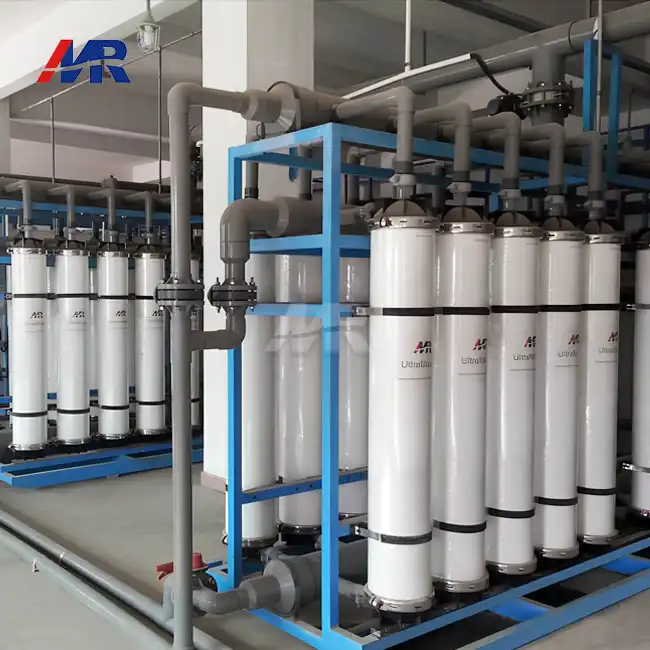 VIEW MORE200m3/hour ultrafiltration equipment
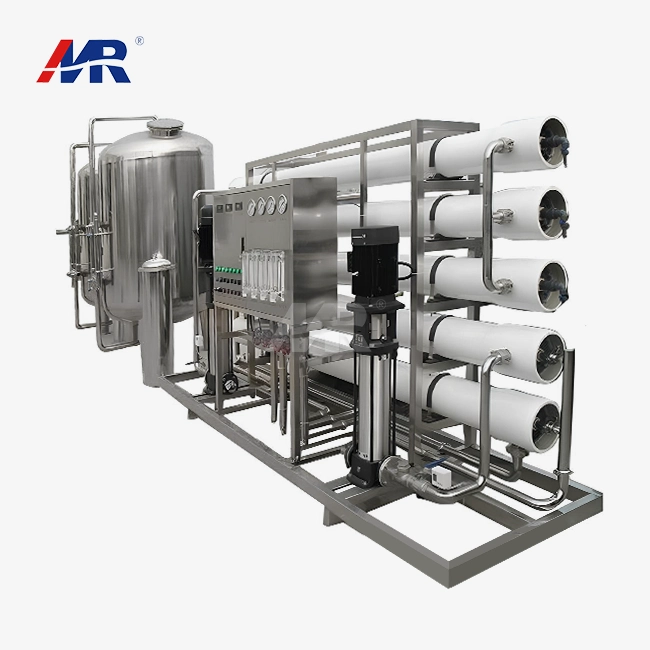 VIEW MOREbrackish water reverse osmosis
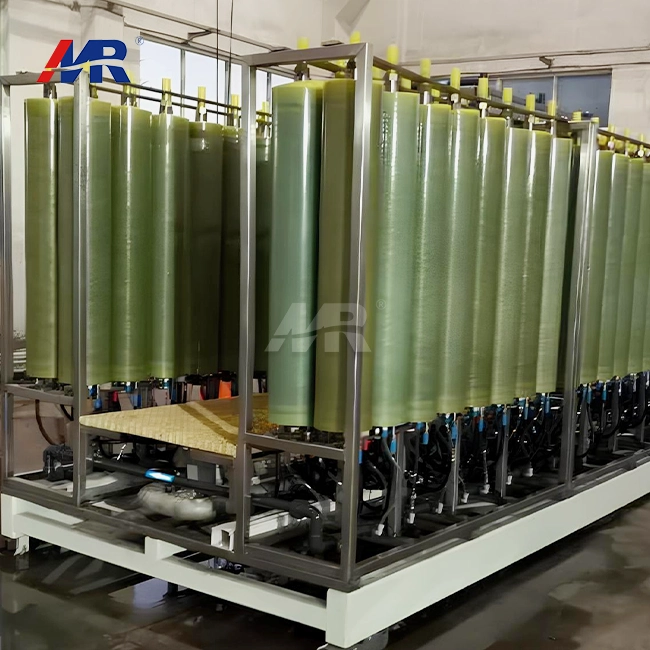 VIEW MOREDTRO for Wastewater Treatment
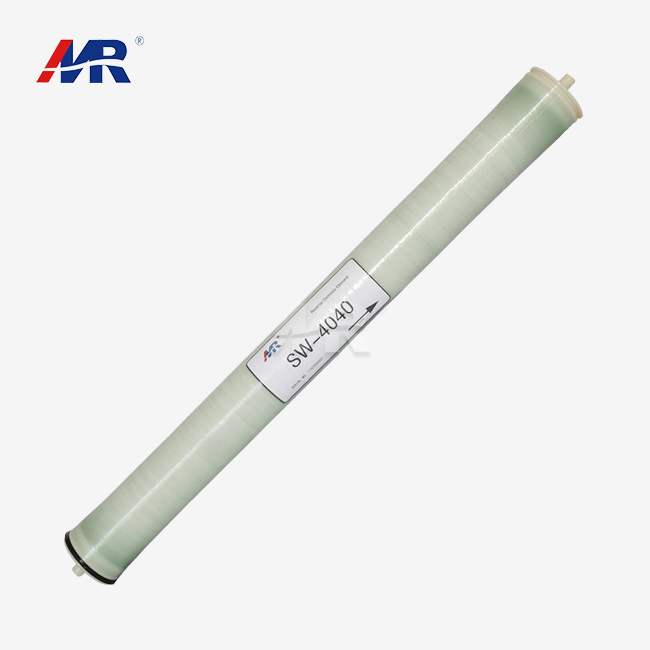 VIEW MORE4040 seawater reverse osmosis membrane
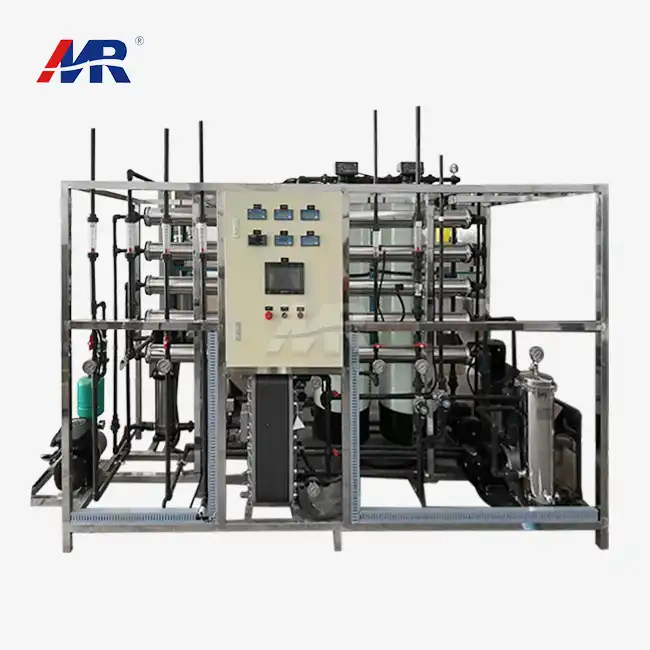 VIEW MOREedi water purification system
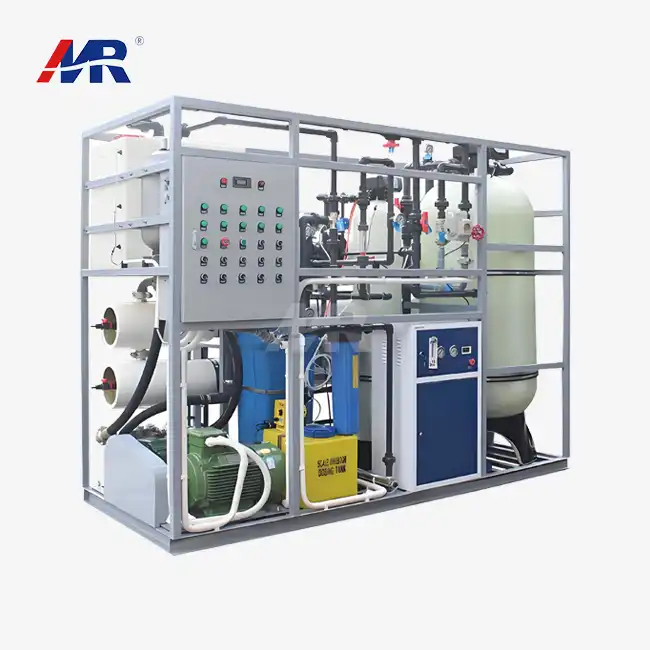 VIEW MORE2T/H seawater desalination plant
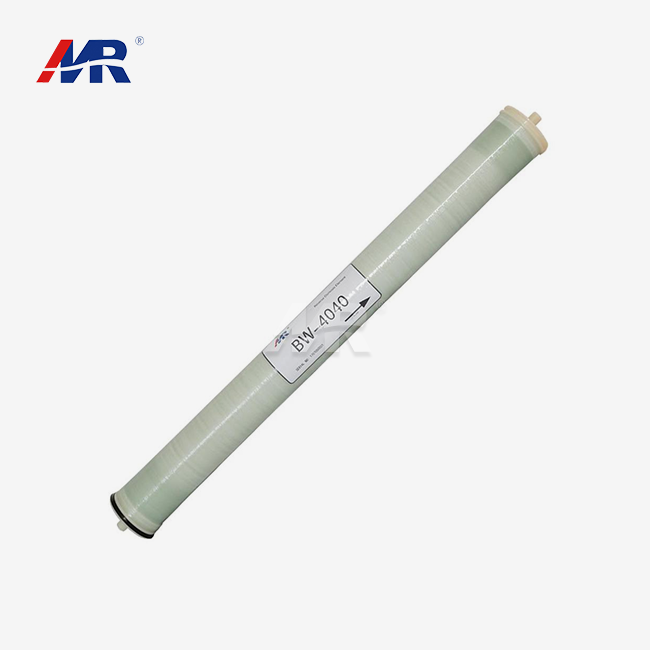 VIEW MOREindustrial ro membrane
 VIEW MOREelectro deionizer system
