

_1745823981883.webp)

How Does the Membrane Used for Reverse Osmosis Work?
A reverse osmosis membrane is a semi-permeable barrier engineered to remove dissolved salts, heavy metals, organics, and microorganisms from water under applied hydraulic pressure. The membrane used for reverse osmosis operates through a solution-diffusion mechanism — applied pressure forces water molecules through an ultra-thin polyamide layer while rejecting up to 99.5% or more of dissolved solutes. This process solves persistent industrial pain points, including high TDS levels, microbial contamination, and the demand for consistent ultrapure water in pharmaceutical, electronics, food processing, and power generation environments where chemical treatment alone cannot deliver reliable results.
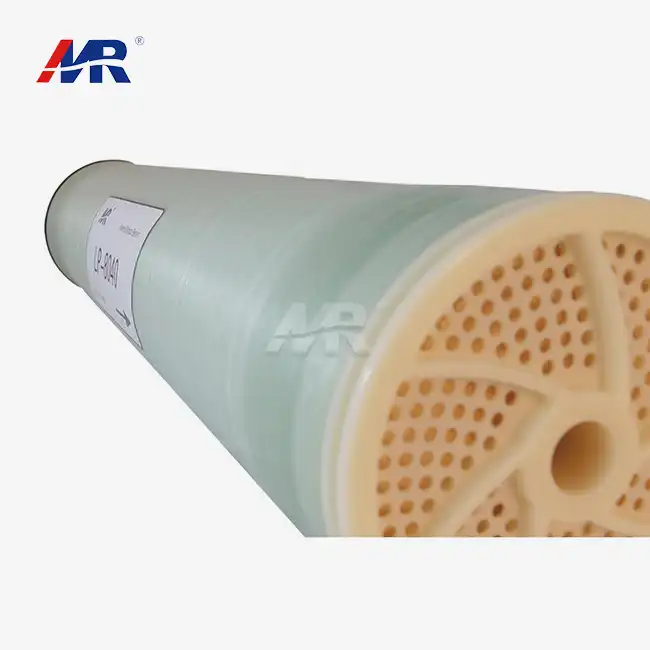
Understanding the Basics of Reverse Osmosis Membranes
Before selecting an ro membrane for your facility, it helps to understand what you are actually buying — and why the internal architecture matters far more than the price tag.
What Materials Are RO Membranes Made From?
There are two kinds of material that are utilized to create a membrane for reverse osmosis: Thin-Film Composite (TFC) and Cellulose Triacetate (CTA). TFC membranes consist of three different layers: a polyester non-woven substrate (~120µm), a polysulfone microporous interlayer (~40µm), and an ultra-thin polyamide barrier layer (~0.2µm) produced via interfacial polymerization. This tri-layer design produces over 99.5% salt rejection and can handle rigorous chemical cleaning cycles. CTA membranes, in contrast, have superior chlorine tolerance, but poorer rejection rates and a restricted operational window in pH (often between pH 4 and 8).
How Do Spiral Wound and Hollow Fiber Configurations Differ?
Spiral-wrapped modules are the most prevalent structure for industrial brackish water and seawater desalination, as they compress a high membrane surface area into a small pressure vessel, thereby lowering capital expenditures and the total footprint. Hollow fiber modules are often used for ultrafiltration pretreatment steps at lower pressures. The spiral-wrapped TFC elements continue to be the most popular option for many high-demand industrial applications like semiconductor chip production, boiler feed water preparation, and pharmaceutical purification because of their optimum mix of flux, mechanical integrity, and cleanability.
Core Advantages and Performance Metrics of RO Membranes
Procurement teams are typically not aware of how their daily operating costs are tied to membrane performance statistics. Getting the proper measurements from the outset safeguards the capital investment as well as the system uptime.
These are the key performance indicators each technical decision-maker should be watching:
- Salt Rejection Rate: The Morui MR-LP-8040 has a salt rejection rate of 99.5% at a working pressure of 1.55 MPa. It is ideal for the treatment of brackish water, preparation of boiler feed water, and purification of food-grade lines. Membranes capable of achieving >99% rejection rates have been shown to decrease downstream ion exchange regeneration costs by up to 40% (Water Research Foundation, 2022).
- Permeate Flow Rate: The MR-LP-8040 produces 10,500 GPD (gallons per day) with your selection of either 34 m² or 37 m² of active membrane area. This flow capacity is suitable for medium- to big industrial systems where output volume is a non-negotiable item.
- Membrane Life and Fouling Resistance A good TFC element may have a service life of 3-5 years under normal operating circumstances with adequate pretreatment. The first indication of deterioration is an increase in TDS of the permeate that may be observed by frequent conductivity logging and a decrease in normalized permeate flow.
These metrics translate directly to operating expenditure. A membrane used for reverse osmosis that holds 99.5% rejection for 4 years eliminates multiple premature replacement cycles and avoids unscheduled production shutdowns, providing the financial justification your procurement team needs.
Comparative Analysis of RO Membrane Technologies
Selecting the wrong membrane chemistry for your feed water is one of the most expensive procurement mistakes an industrial buyer can make. The table below provides a structured comparison to support your decision.
| Parameter | TFC (Polyamide) | CTA (Cellulose Triacetate) |
|---|---|---|
| Salt Rejection | ≥99.5% | 93–96% |
| Operating pH Range | 2–11 (CIP) | 4–8 |
| Chlorine Tolerance | Low (<0.1 ppm) | Moderate (up to 1 ppm) |
| Temperature Tolerance | Up to 45°C | Up to 35°C |
| Energy Efficiency | High | Moderate |
| Typical Application | Industrial, pharma, desalination | Municipal, low-fouling feeds |
TFC membranes showed better rejection efficiency and thermal stability than CTA membranes. TFC is the sole option for such businesses as semiconductor production, where ultrapure water has to fulfill SEMI F63 criteria (RO + EDI), or pharmaceutical settings with USP <1231> regulations. CTA membranes still have a role to play in systems where residual chlorine is inevitable and dechlorination infrastructure is limited.
Spiral-wrapped elements like the MR-LP-8040 have the best surface area-to-vessel-volume ratio. The dual area option (34 m2 or 37 m2) enables system designers to optimize flux rates without altering pressure vessel size – a practical benefit in capacity expansion projects.
Maintenance, Cleaning, and Longevity of RO Membranes
Even the highest-grade membrane used for reverse osmosis degrades prematurely without a disciplined maintenance protocol. Operators in the power generation, petrochemical, and municipal water sectors consistently report that cleaning frequency and chemical selection account for most of the variance in membrane service life.
What Cleaning Methods Protect Membrane Integrity?
Chemical cleaning-in-place (CIP) solutions of low pH (citric acid, pH 2–4) are used for mineral scaling (e.g., calcium carbonate, barium sulfate), while high-pH alkaline cleansers (sodium hydroxide, pH 11–12) are used for biofouling and organic deposits. Full CIP cycles are alternated with physical flushing with permeate water at decreased pressure to remove weakly adherent particle matter. TFC membranes can handle this larger pH range without losing their structure, offering maintenance crews more leeway than CTA-based systems.
How Does Feed Water Quality Affect Replacement Cycles?
The two most important pretreatment criteria that cannot be compromised for TFC lifespan are Silt Density Index (SDI) values below 3 at the membrane input and free chlorine levels below 0.1 ppm. Systems for seawater desalination for coastal communities and offshore platforms often include multi-media filtration and activated carbon pre-filter in addition to the RO stage to achieve these limits. When finding replacement elements, look for authorized suppliers that can provide documented batch testing data, flexible bulk ordering, and bespoke size choices to secure the supply chain.
Why Choose Premium TFC Membranes for Reverse Osmosis?
Industrial purchasers in food and beverage, pharmaceutical production, and heavy industries have frequently found that the initial price differential between premium and commodity-grade TFC elements is recovered within the first replacement cycle. A premium reverse osmosis membrane provides noticeably reduced normalized salt passage over time, decreasing blending and post-treatment expenditures that silently add up in operational budgets.
The Morui MR-LP-8040 is the expression of this value proposition. The unit is suitable for demanding applications for brackish water and industrial recirculation with an output of 10,500 GPD, 99.5% rejection, and an operating pressure of 1.55 MPa. Guangdong Morui Environmental Technology Co., Ltd. has its own manufacturing factory to produce membranes with 20 engineers' assistance. This vertical integration enables Morui to enforce strict quality control from the raw polyamide material to the completed element, a supply chain assurance that global procurement teams expect.
Morui is an authorized agent for reputable component brands such as Shimge Water Pumps, Runxin Valves, and Createc Instruments, enabling customers to get entire system assemblies from one responsible provider.
Conclusion
The membrane used for reverse osmosis is the engineering core that determines whether your water treatment system meets its purity, flow, and cost targets—or consistently falls short. TFC spiral wound elements like the MR-LP-8040 offer validated performance across a broad range of industrial applications, from pharmaceutical purification to seawater desalination. Understanding membrane architecture, tracking performance metrics, and partnering with a manufacturer who controls its own production process are the three decisions that most directly protect your operational investment. Water quality is not a commodity—and neither should your membrane selection be.
FAQ
1. How often should industrial RO membranes be replaced?
Under well-maintained pretreatment conditions with SDI below 3 and free chlorine below 0.1 ppm, quality TFC membranes typically deliver 3–5 years of reliable service. Replacement is indicated when normalized salt passage increases by 10–15% from baseline or when normalized permeate flow drops beyond the manufacturer's tolerance threshold.
2. Can RO membranes be cleaned and reused after fouling?
Yes. Both chemical CIP protocols and physical flushing can restore significant flux and rejection capacity when fouling is caught early. Heavy biological or irreversible scaling fouling may require replacement. TFC membranes tolerate the broader pH cleaning range (pH 2–11) needed to address most industrial fouling categories effectively.
3. What is the main maintenance difference between TFC and CTA membranes?
TFC membranes require strict chlorine removal upstream but reward that investment with superior rejection and a wider chemical cleaning window. CTA membranes tolerate low residual chlorine but demand a narrower pH operating range and show faster long-term rejection decline in high-salinity feeds.
4. Is the Morui MR-LP-8040 suitable for seawater desalination?
The MR-LP-8040 is optimized for brackish water and industrial recirculation applications. For seawater desalination requiring higher pressure tolerance and specialized salt rejection profiles, Morui offers dedicated SWRO configurations. Contact the Morui engineering team for application-specific recommendations.
Partner With Morui — Your Trusted RO Membrane Supplier for Industrial Water Treatment
Morui provides certified, high-performance membranes used for membrane used for reverse osmosis across manufacturing, pharmaceutical, municipal, and energy sectors. With our own membrane production factory, 20 specialized engineers, and 14 branches serving global clients, we deliver tailored solutions backed by reliable Technical support. Reach out to explore bulk purchasing options, custom membrane sizing, or a system consultation. Email: benson@guangdongmorui.com
References
1. Elimelech, M., & Phillip, W. A. — Science, 2011. "The Future of Seawater Desalination: Energy, Technology, and the Environment."
2. Shannon, M. A., et al. — Nature, 2008. "Science and Technology for Water Purification in the Coming Decades."
3. Water Research Foundation — WRF Report, 2022. "Optimization of Reverse Osmosis Membrane Performance in Municipal and Industrial Systems."
4. Baker, R. W. — Membrane Technology and Applications, 3rd Edition, Wiley, 2012.
5. Fritzmann, C., et al. — Desalination, 2007. "State-of-the-Art of Reverse Osmosis Desalination."
6. AWWA (American Water Works Association) — Manual of Water Supply Practices M46, 2019. "Reverse Osmosis and Nanofiltration."
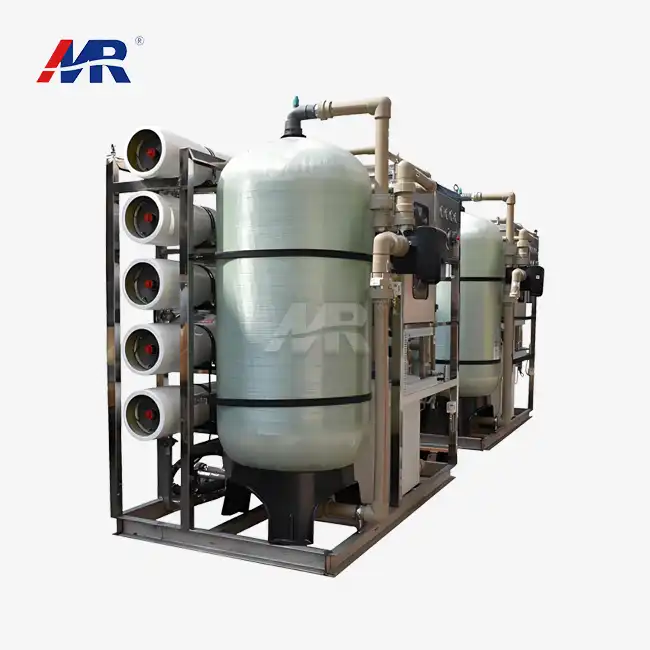 VIEW MORE8m3/hour seawater desalination equipment
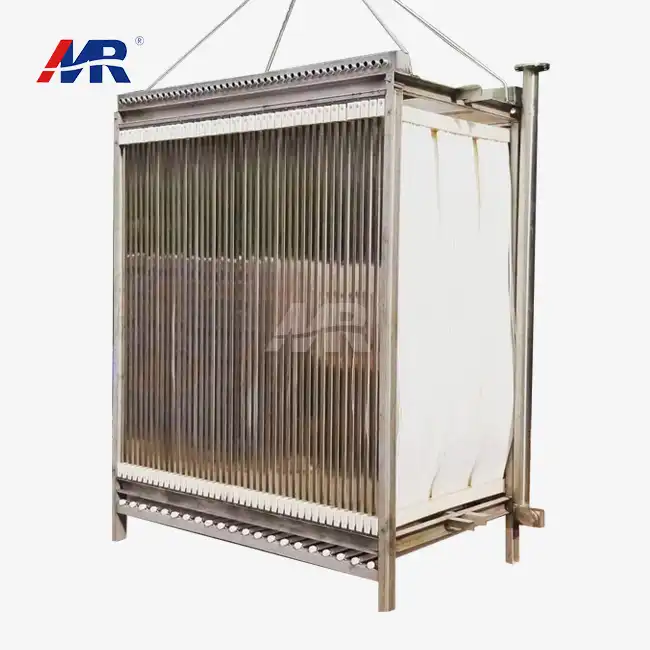 VIEW MOREmembrane bioreactor
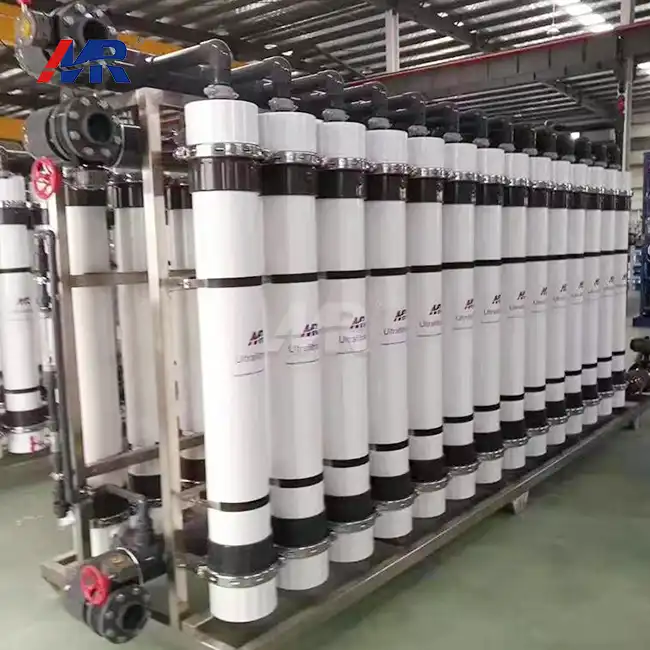 VIEW MORE70m3/hour ultrafiltration plant
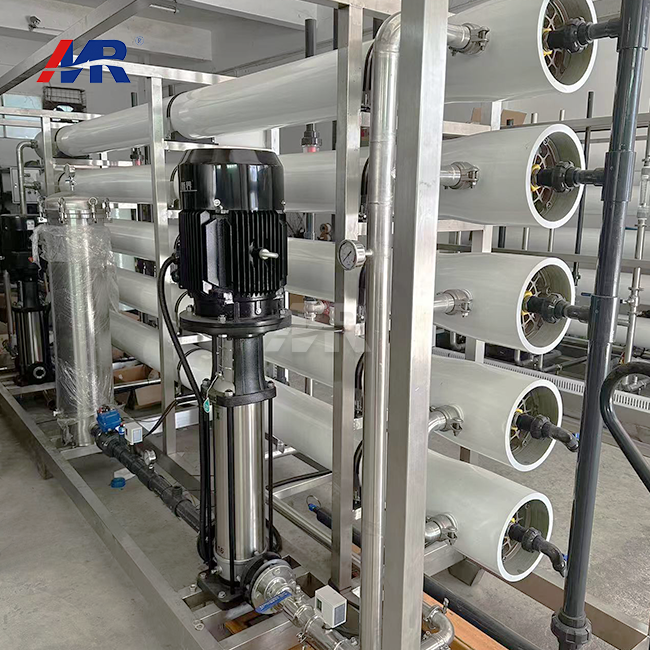 VIEW MOREosmosis water purification system
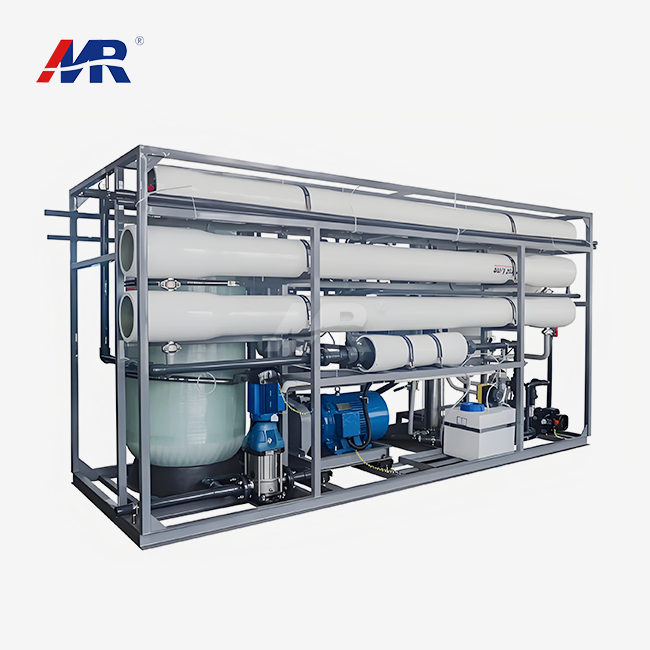 VIEW MOREseawater treatment plant
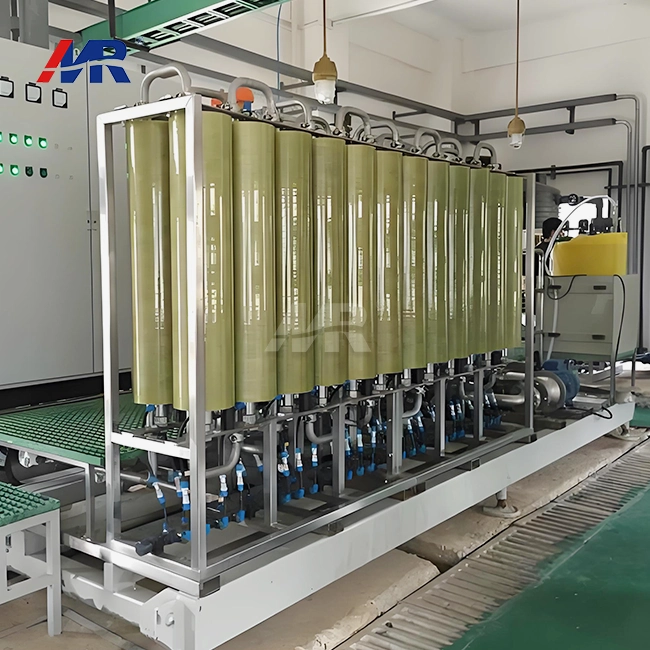 VIEW MOREDisc Tube Reverse Osmosis
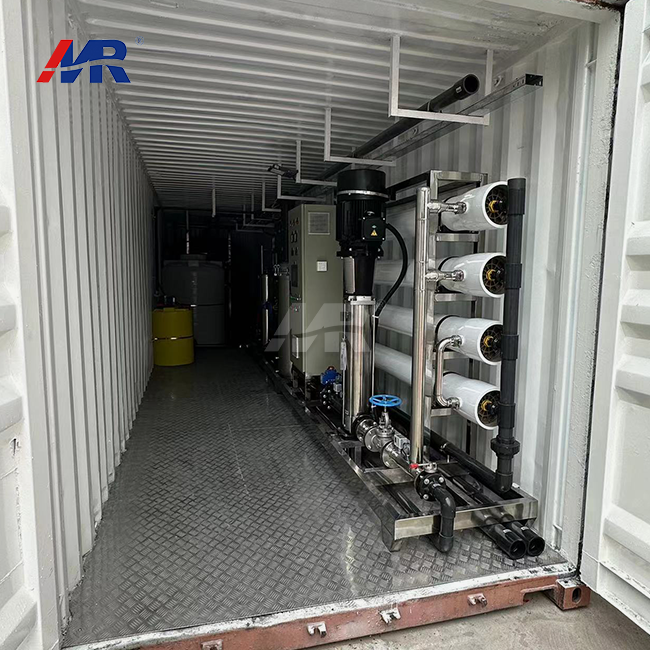 VIEW MOREcontainerized ro system
 VIEW MORE2000m3/day ultrafiltration equipment
