

_1745823981883.webp)

How to Improve industrial reverse osmosis membrane Performance
Improving membrane/4040-reverse-osmosis-membrane">industrial reverse osmosis membrane performance starts with understanding where your system is losing efficiency. Whether you operate a food processing plant, a pharmaceutical facility, or a power generation site, a degraded ro membrane translates directly into higher energy bills, inconsistent water quality, and unplanned downtime. The good news is that most performance issues are preventable. By monitoring key metrics, addressing fouling early, optimizing operational parameters, and choosing the right membrane element for your application, you can significantly extend service life and reduce the total cost of ownership.
How Do You Know When Your RO System Is Underperforming?
Establish Performance Benchmarks First
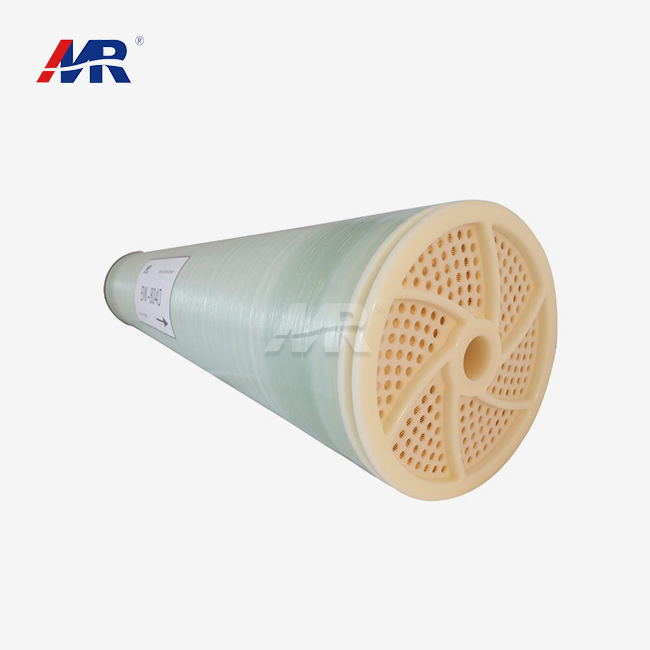
You need to know exactly where your system stands before you make any changes. Most important in any industrial reverse osmosis membrane system are the adjusted permeate flow, the salt rejection rate, the differential pressure (Delta P), and the specific energy consumption (SEC). When you want to compare something to a good standard, use a brackish water element like the Morui MR-BW-4040. It has a membrane area of 7.2 m², an operating pressure of 1.55 MPa, a permeate flow of 2,500 GPD, and a salt rejection rate of 99.5%.
The American Membrane Technology Association (AMTA) says that a normalized drop in permeate flow of 10–15% from the baseline at startup is a clear sign that something needs to be fixed. Also, your system needs quick care if salt passage goes up by more than 5–10% or if Delta P goes up by 15% above the original readings.
The best tools you have here are real-time online monitoring and regular water tests in a lab. By keeping track of data for weeks or months, tech teams can find trends quickly and take action before a small change turns into a costly failure.
What Actually Causes RO Membrane Performance to Decline?
Fouling, Scaling, and Biofouling Are the Most Common Culprits
Industrial reverse osmosis membranes rarely lose performance all of a sudden. There are three main ways that dirt slowly lowers efficiency:
- Scaling happens when minerals like calcium carbonate, silica, and barium sulfate that are dissolved in the concentrate stream precipitate out and form crystals on the membrane surface. Systems with a recovery rate of more than 75–80% are especially at risk.
- Organic fouling is when natural organic matter, oils, or liquid particles build up on the face of the membrane. This makes the active surface area smaller and the flow rate slower. Industries that deal with high-TOC feed water, like those that make semiconductors or food and drinks, have to deal with this problem all the time.
- Biofouling happens when bacteria stick to the surface and make a biofilm. There should be more than 1,000 CFU/mL of microbes in the feed water in order for a biofilm layer to form within a few weeks. This will raise Delta P and weaken rejection.
Operational Parameters That Accelerate Wear
The quality of the feed water is only half of the story. Just as much is important are operational factors. When you run a thin-film hybrid polyamide membrane above its maximum pressure, you put stress on the polymer structure, which makes it permanently compact. When chlorine levels rise above 0.1 ppm, they oxidize the active layer. Free chlorine is chemically incompatible with polyamide membranes, so they must be dechlorinated with sodium bisulfite or activated carbon.
Temperature also has a measurable effect: when the temperature of the feed water drops by 1°C, the flow of filtrate drops by about 3% because the water becomes less viscous. This effect needs to be taken into account when systems are designed for use in cold climates.
What Are the Most Effective Optimization Strategies?
Pretreatment Is Where Performance Is Won or Lost
Most sites can make the biggest difference by updating their pretreatment train. A well-thought-out pretreatment system with multimedia filtration, water softening, antiscalant doses, and UV cleaning will keep the Silt Density Index (SDI) below 3 and increase the industrial reverse osmosis membrane service life to between 3 and 7 years under normal conditions.
Here are the core optimization actions that deliver measurable results:
- Antiscalant dosing programs that are made to fit the chemistry of your feed water lower mineral scaling so that you only have to clean the system chemically once or twice a year.
- Cartridge filtration (5 micron) catches any leftover particles that multimedia filters miss before the membrane array, stopping fouling from happening in the early stages.
- pH adjustment to between 6.5 and 7.5 stabilizes the carbonate chemistry and lowers the violent scaling potential in source waters with a lot of hardness.
- Clean-In-Place (CIP) protocols that are set off at the right times (10–15% drop in flux and 15% rise in Delta P) can restore membrane performance without damaging chemicals, as long as the right cleaning agent is used (alkaline for organic/biofouling and acid for scaling).
Which Membrane Technology Is Right for Your Application?
A Direct Comparison of RO, UF, and NF for Industrial Use
It's important to be honest about the trade-offs when choosing the right industrial reverse osmosis membranes. The following table shows how the three most common types of industrial membranes stack up against procurement criteria:
| Criterion | Reverse Osmosis (RO) | Ultrafiltration (UF) | Nanofiltration (NF) |
|---|---|---|---|
| Salt rejection | 95 to 99.8% | <5% | 60 to 90% |
| Operating pressure | 0.5 to 8 MPa | 0.05 to 0.5 MPa | 0.3 to 2 MPa |
| Primary removal target | Mixes of salts, TDS, and TOC | Solids in suspension, bacteria, and viruses | Organics and divalent ions |
| Energy consumption | Higher | Lower | Moderate |
| Typical application | Desalination, ultrapure water, and boiler feed | MBR systems and pre-filtration | Softening and some mineral loss |
| Replacement cost | Higher | Moderate | Moderate |
Industrial reverse osmosis membranes are still the best choice for getting rid of TDS, making ultrapure water, or rejecting water that meets legal standards. Nanofiltration can cut down on energy use while still meeting quality standards in situations where partial cooling is enough, like treating salty water in agriculture.
Dow FilmTec is a well-known name around the world for high-rejection seawater elements, and Hydranautics is a strong performer in wastewater reuse applications. In Asia and North America, Vontron has a good track record in brackish water systems, balancing cost and reliability well for mid-sized commercial buyers.
What Can Real-World Case Studies Teach Us?
An old industrial reverse osmosis membrane system was fixed at a local water treatment plant in the U.S. Southwest by adding straight antiscalant injection and replacing worn 4040 elements with higher-active-area brackish water membranes. The result was that the system recovered 14% faster and needed to be cleaned 22% less often over 18 months, as shown in the facility's annual operational audit.
In a different food and drink case, a regional bottling company switched to 4040-format brackish water elements because the ones they were using before weren't always rejecting the water. They made sure that the flux and rejection performance would be the same across production lots before installing by working directly with a membrane provider who gave wet-test validation against Standard Test Conditions (2,000 ppm NaCl, 225 psi, 25°C). The result was more stable infiltrate quality and fewer product stops because of changes in water quality.
The recurring pattern across industries is clear: performance gains are not caused by a single change, but by a combined approach of upstream pretreatment, regular CIP, and verified procurement.
Conclusion
Improving the performance of an industrial reverse osmosis membrane system is not something that can be done just once. It needs to be done on a regular basis. Accurate performance benchmarks, controlled pretreatment, on-time CIP execution, and verified component sourcing all help make a system that keeps working at the same level for as long as it's supposed to. The rules for managing a pharmaceutical water system, a power plant boiler feed loop, or a municipal desalination project are the same: be accurate in your measurements, step in early, and choose parts that meet performance standards that have been proven to work.
FAQ
1. How often should industrial RO membranes be cleaned?
When the normalized permeate flux drops by 10–15%, the salt passage increases by 5–10%, or the differential pressure rises by 15% above the startup baseline, Clean-In-Place should be started. This might happen once or twice a year in applications with clean feed water. In places with a lot of dirt, like food processing or reusing municipal wastewater, CIP may be needed every 4 to 8 weeks.
2. What is the difference between industrial and residential RO membranes?
Industrial reverse osmosis membranes, like 4040 or 8040 spiral-wound elements, work at pressures and flow rates that are much higher than those in homes. They are made to work nonstop, 24 hours a day, seven days a week. Each element has an active membrane area of up to 7.2 m², and they can handle harsh chemical cleaning cycles. Residential membranes are only meant to be used occasionally with low pressure and can't handle the flow or rejection needs of a commercial setting.
3. How critical is pretreatment to membrane longevity?
The most important thing that determines service life is the pretreatment. Systems that keep SDI below 3 and chlorine levels below 0.1 ppm get 3–7 years of industrial reverse osmosis membrane life every time. If you don't do the right preparation, fouling and oxidative damage can cut that lifespan to less than 18 months, which will make the total cost of ownership much higher.
Partner With Morui for Verified Industrial Reverse Osmosis Membrane Solutions
Morui brings to every project more than 14 branches, more than 500 workers, and equipment just for making membranes. The full wet-test confirmation of our MR-BW-4040 industrial reverse osmosis membrane shows that it can handle 2,500 GPD, reject 99.5% of salt, and work at 1.55 MPa. As a reliable provider of industrial reverse osmosis membranes, we offer purchasing, system integration, and expert help after the sale, all in one place. To get in touch with our engineering team, email benson@guangdongmorui.com.
References
1. Crittenden, J. C., et al. MWH's Water Treatment: Principles and Design.
2. American Membrane Technology Association (AMTA). Membrane Technology Fact Sheets: Reverse Osmosis.
3. Dow Water & Process Solutions. FILMTEC™ Reverse Osmosis Membranes Technical Manual.
4. Metcalf & Eddy. Wastewater Engineering: Treatment and Resource Recovery, 5th ed.
5. Hydranautics. Technical Service Bulletin: Causes and Control of Fouling in RO/NF Membrane Systems.
6. Membrane Filtration Guidance Manual. U.S.
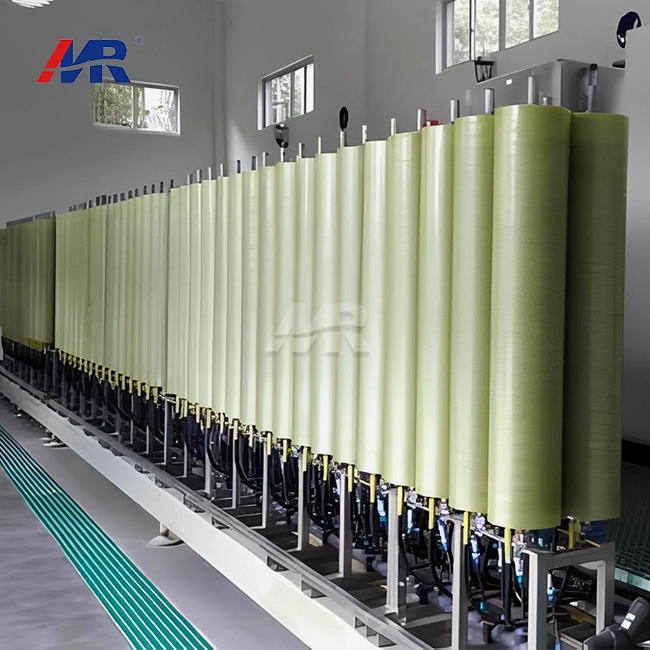 VIEW MORELeachate DTRO Treatment Equipment
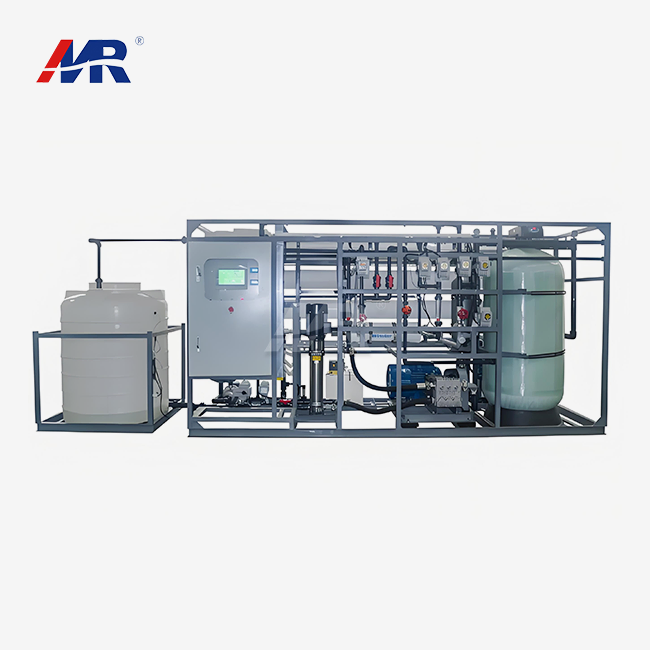 VIEW MOREseawater treatment system
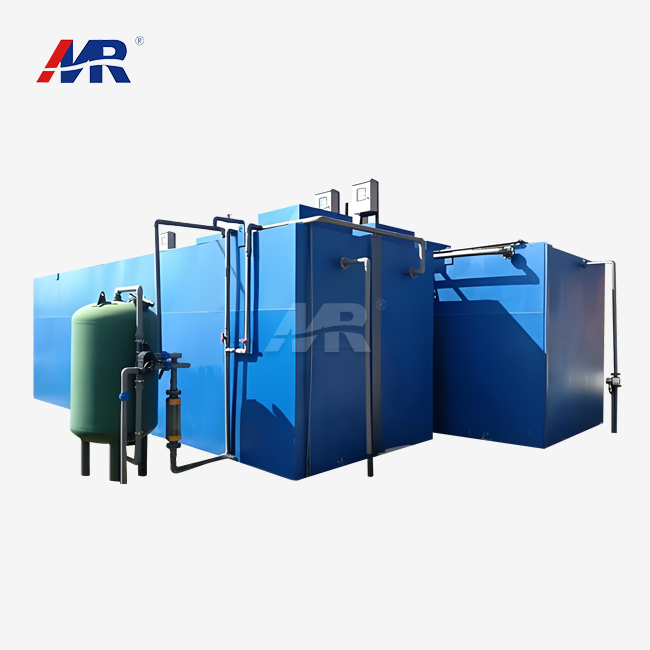 VIEW MOREsewage treatment plant
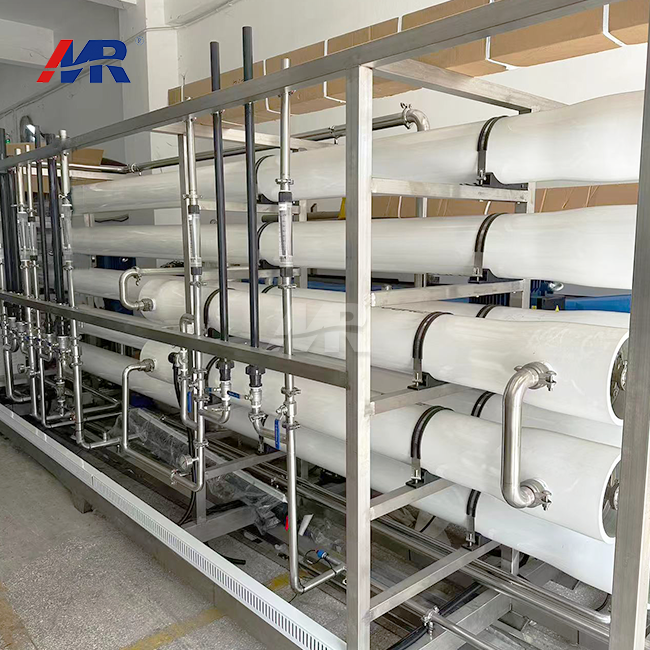 VIEW MOREosmosis drinking water system
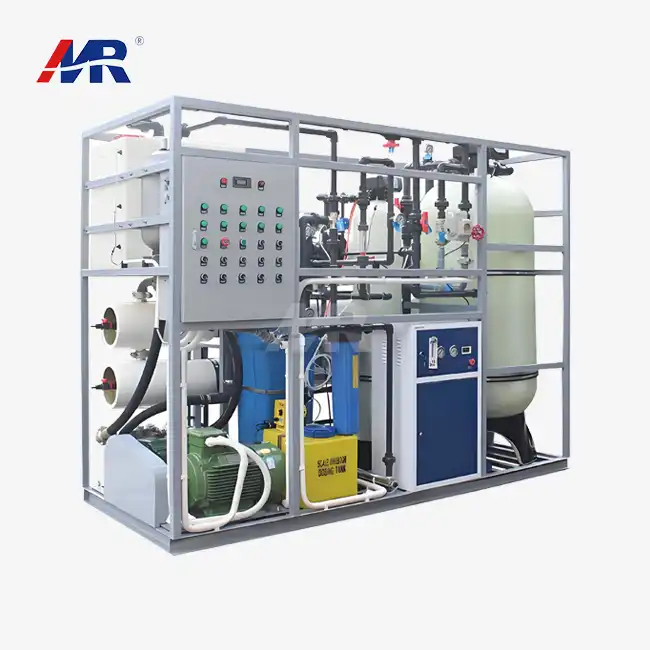 VIEW MORE2T/H seawater desalination plant
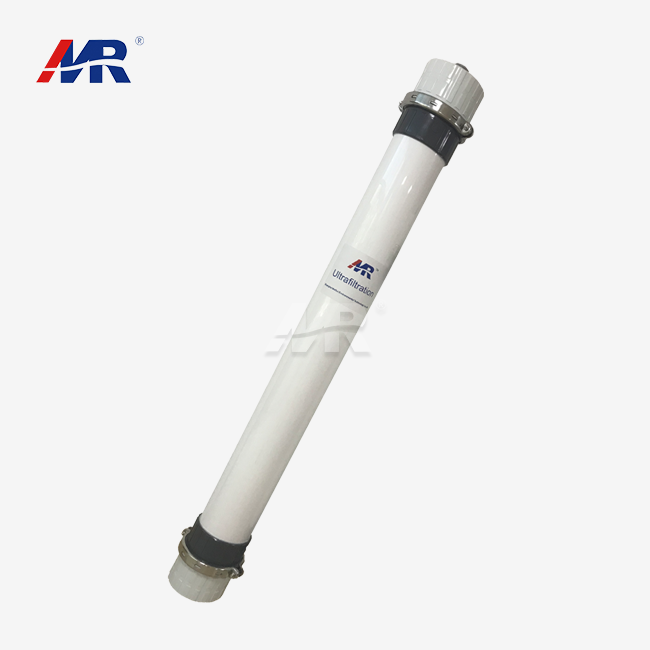 VIEW MOREultrafiltration membrane for wastewater treatment
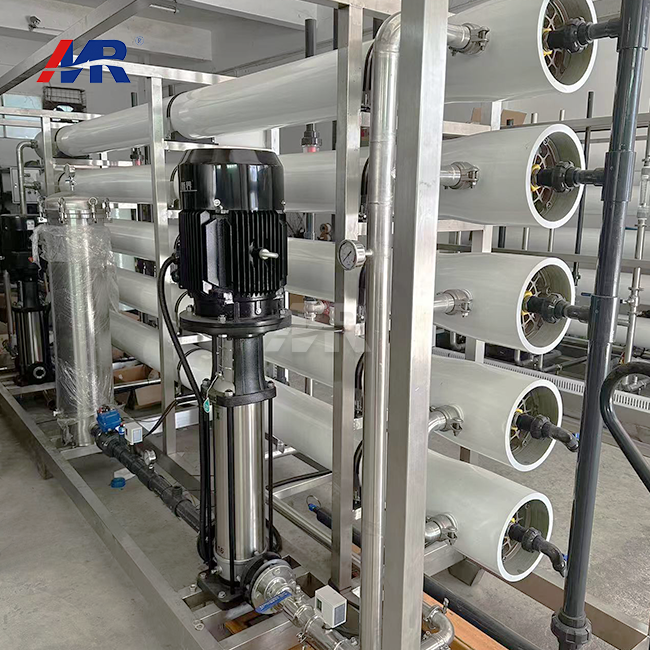 VIEW MOREosmosis water purification system
 VIEW MORE500LPH EDI equipment
