

_1745823981883.webp)

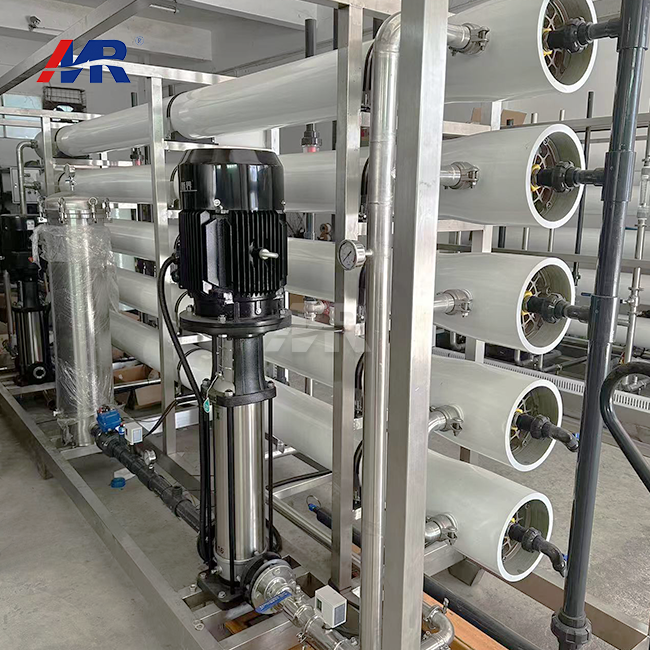
How Does an Advanced Wastewater Treatment System Work?
An advanced wastewater treatment system is a multi-stage purification process that goes far beyond conventional biological treatment. It integrates technologies such as membrane Bioreactors (MBR), Advanced Oxidation Processes (AOP), and reverse osmosis (RO) to eliminate refractory organics, nutrients, heavy metals, and emerging contaminants like pharmaceuticals and PFAS. Unlike standard secondary treatment, these systems can meet the most stringent discharge permits, support closed-loop water recycling, and even enable Zero Liquid Discharge (ZLD). For industries ranging from food and beverage to municipal utilities, this represents a serious infrastructure upgrade with measurable environmental and operational returns.
Why Do Modern Industries Need Advanced Effluent Treatment?
An advanced wastewater treatment system cleans wastewater in more than one step, going beyond basic biological treatment. It uses technologies like Advanced Oxidation Processes (AOP), Membrane Bioreactors (MBR), and reverse osmosis (RO) to get rid of organics that don't break down, nutrients, heavy metals, and new toxins like drugs and PFAS. These systems are different from regular secondary treatment because they can meet the strictest release permits, support closed-loop water recycling, and even allow Zero Liquid Discharge (ZLD). This is a major infrastructure upgrade that will have measurable operational and environmental benefits for a wide range of industries, from food and drink to municipal utilities.
More and more, plant managers and city engineers across the US are in the same situation: secondary-treated effluent no longer meets internal sustainability goals or stricter EPA discharge standards. Micro-pollutants, too much nitrogen, phosphorus, or dissolved solids just can't be removed to a satisfactory level by regular activated sludge systems.
The US EPA says that nutrient pollution still hurts more than 40% of U.S. rivers, and secondary treatment alone can't fix this issue. Pharmaceutical companies have to follow GMP standards for clean water. Semiconductor factories need water that is very pure and has a resistivity of more than 18 MΩ·cm. Food makers need processing water that is free of microbes. In each case, a custom-built, high-performance treatment solution is needed, which is something that standard systems just can't do.
What Pollutants Remain After Standard Secondary Treatment?
Most of the time, secondary biological treatment gets rid of BOD and suspended solids well, but it leaves behind total dissolved solids (TDS), ammonia nitrogen, total phosphorus, pathogens that are still present, and small amounts of organic pollutants. These leftover toxins lead to not following the rules, harming the environment, and operational risks. This is where advanced treatment comes in.
How Does an Advanced Wastewater Treatment System Work?
In a modern advanced wastewater treatment system, the treatment chain works in a way that makes sense and is all connected. Each stage builds on the one before it, getting rid of progressively smaller groups of contaminants.
Pre-treatment includes screening and grit removal that get rid of coarse solids. This keeps membranes and biological units further down the line from getting damaged or clogged.
Primary clarification settles the suspended solids, which lowers the amount of organic matter that gets into the biological stage.
Secondary biological treatment involves microbial communities that live in both aerobic and anaerobic conditions to break down dissolved organic carbon. In more advanced setups, this stage includes an AAO (Anaerobic-Anoxic-Oxic) process that removes nitrogen and phosphorus at the same time in a single biological reactor.
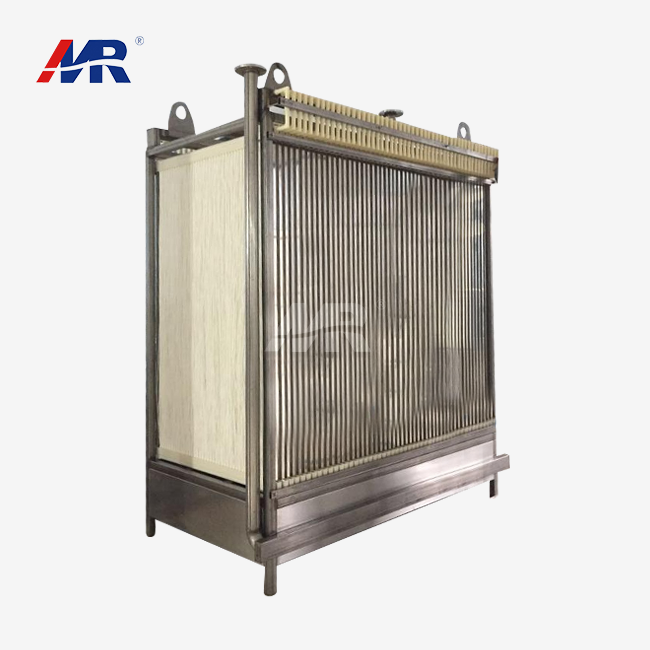
Membrane Bioreactor (MBR) polishing uses hollow-fiber ultrafiltration membranes instead of regular secondary clarifiers. The MBR stage produces effluent with a turbidity level below 0.2 NTU and gets rid of almost all suspended solids, bacteria, and viruses, which is a big improvement over gravity clarification.
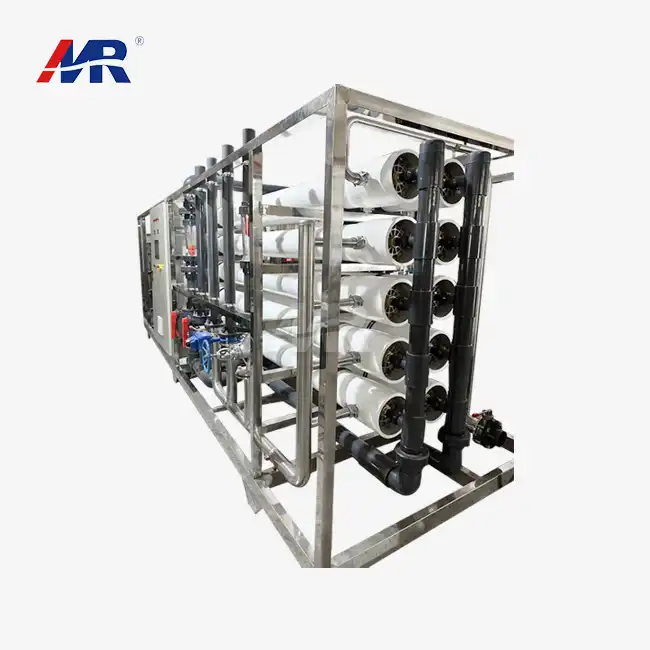
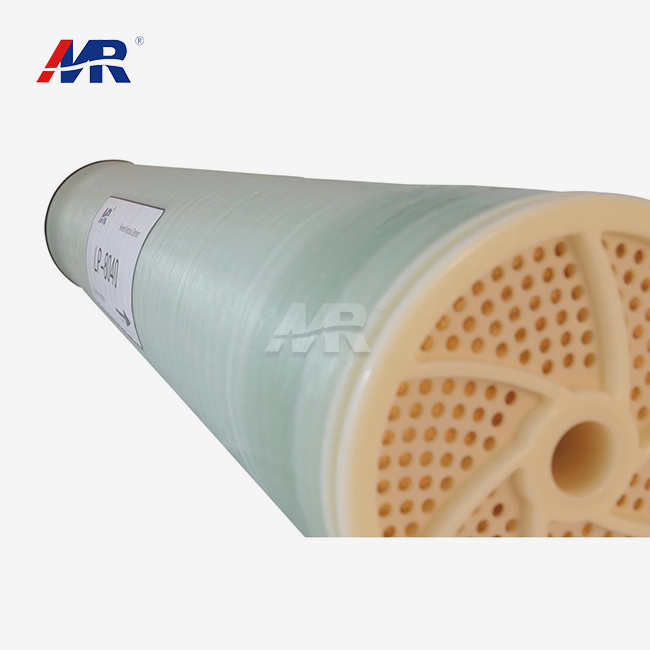
Advanced oxidation or RO post-treatment gets rid of even more dissolved organic micropollutants, TDS, and new contaminants when standards for release or reuse call for quality that is close to drinkable.
Automation links the whole chain. Dissolved oxygen, pH, sediment, and flow rates are all tracked by sensors that work in real time. Data analytics platforms automatically change the aeration, chemical dosing, and membrane backwash cycles. This means that operators don't have to do as much work and compliance stays stable.
What Role Does the AAO+MBR Process Play?
Many people think of the AAO+MBR configuration as the best way to treat wastewater from homes and light industries. Bacterial cells give off phosphorus in the anaerobic zone, which uses nitrate as an electron source for denitrification. Nitrification and BOD oxidation happen in the oxic zone. When this is combined with mbr membrane filtration, the effluent always meets or exceeds the Class 1A discharge standards in China and the EPA secondary treatment standards in the US.
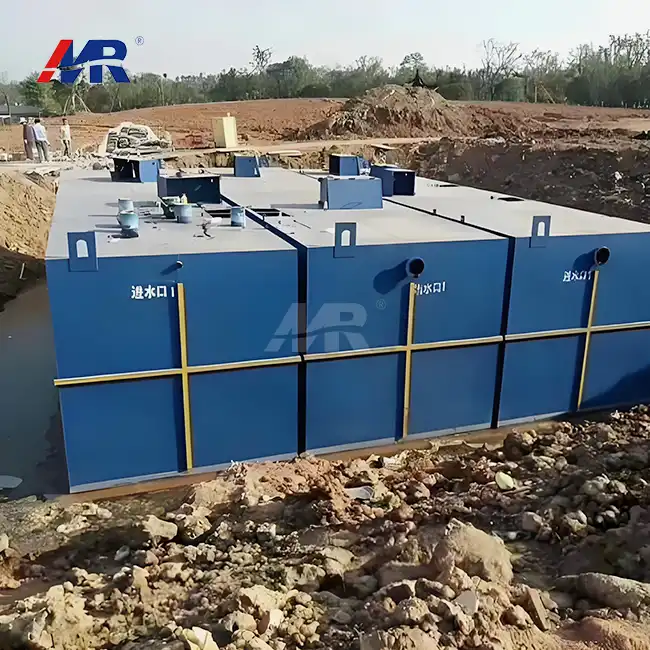
The MR-MBR-6TH from Morui is based on this exact process logic. This unit is designed for household wastewater treatment where both room and performance are important. It has an AAO+MBR flow setup, can treat 120 m³/day, and has a small footprint of 8 × 2 × 2.4 meters. It is a useful solution that can be used in neighborhoods, townships, hospitals, and light commercial buildings.
Comparing Advanced Wastewater Treatment Technologies
Not all technologies can be used in all situations. Activated sludge (CAS) systems and MBR-based advanced wastewater treatment systems are compared in the table below based on important factors that buyers use to decide which system to buy.
| Criteria | MBR System (e.g., MR-MBR-6TH) | Conventional Activated Sludge |
|---|---|---|
| Effluent Turbidity | < 0.2 NTU | 2–10 NTU |
| Footprint | Small footprint (modular) | Needs a big clarifier |
| Sludge Volume | Lesser | More |
| Pathogen Removal | High (membrane barrier) | Moderate |
| Capital Cost | Average to High | Lower |
| Operational Complexity | Automated | Manual-intensive |
| Scalability | Phased, modular growth | Dependent on site |
MBR systems clearly have benefits in terms of the quality of the effluent, the use of space, and the ability to automate. Even though capital costs are going up, the operational savings, less sludge handling, and compliance reliability make the total cost of ownership over the lifecycle of an asset 15–20 years very appealing.
Which Technology Suits Industrial vs. Municipal Applications?
AAO+MBR setups are perfect for municipal projects because they focus on getting rid of nutrients and controlling pathogens. For industrial uses like electroplating or making medicines, extra RO or EDI cleaning steps may be needed after MBR treatment to reach ultrapure or zero-liquid-discharge goals. The treatment train needs to be matched to the exact chemistry of the influent and the standards of the discharge permit.
Procurement Considerations for Advanced Wastewater Treatment Systems
It takes more than just comparing technical specs to choose the right advanced wastewater treatment system. People who work in procurement should look at sources from a number of different angles. Before making a purchase, buying teams with a lot of knowledge look at these main things:
- Certifications and compliance history: Make sure the supplier has the right ISO certifications and that the equipment meets both local and international standards for discharge. Both Chinese GB standards and international reference frameworks are taken into account when designing Morui's systems.
- Modular and customizable design: A modular construction lets you add more space in stages without having to update the whole system. At 120 m³/day, the MR-MBR-6TH can work on its own or as part of a bigger treatment network.
- After-sales service and parts availability: The performance of a membrane over time rests on how often it is maintained, cleaned, and replaced. In China, Morui has more than 14 offices, and 20 techs are on hand for commissioning, troubleshooting, and servicing contracts.
- Total cost of ownership: The amount spent on capital is only one part of the total cost of ownership. The 10-year cost structure is affected by how much energy is used, how often membranes need to be replaced (usually every 5–8 years for hollow-fiber UF membranes), how many chemicals are used, and how much work is automated.
All of these things affect whether or not a relationship with a supplier will provide reliable compliance and operational continuity, or it will cause costly disruptions.
Real-World Performance: What Do Deployments Show?
An advanced wastewater treatment system using an AAO+MBR configuration was used to treat 150 m³ of wastewater per day as part of a project to improve wastewater treatment in a Chinese coastal city. Monitoring after the plant was turned on showed that the COD levels were always less than 30 mg/L, the ammonia nitrogen levels were less than 1.5 mg/L, and the total phosphorus levels were less than 0.3 mg/L. These levels met Class 1A waste guidelines. Compared to the original activated sludge plant design, the compact modular installation cut the amount of land that was needed by about 60%.
In the food and beverage industry, a regional beverage processor added RO post-treatment after MBR polishing to get production-grade water from treated wastewater. This showed that the system could stop the water loop and cut reliance on local supplies by over 70%. These documented results support the technical reliability of AAO+MBR solutions that work together and show how flexible they are in both home and light industrial settings.
Conclusion
An advanced wastewater treatment system is no longer a legal extravagance; it is now a practical and environmental must for businesses and cities that have to deal with stricter discharge standards and limited resources. When it comes to effluent quality, impact, and automation, the AAO+MBR method has been shown to work and can be measured. This technical brilliance is turned into a deployable, small unit by Morui that was made to deal with real-world problems in domestic wastewater. It's clear to procurement managers and plant engineers who are looking at upgrading secondary treatment systems that the right combined system pays off in terms of compliance, cost control, and long-term water security.
FAQ
1. How long does an advanced wastewater treatment system typically last?
A well-maintained advanced wastewater treatment system based on MBR technology can work for 15 to 20 years. The hollow-fiber ultrafiltration membranes in the MBR unit usually need to be replaced every 5–8 years, but this depends on the quality of the influent, how often they are cleaned, and the operating flux rates. Standard maintenance schedules for structural parts, blowers, and pumps are usually pretty close to each other.
2. What physical space does the MR-MBR-6TH require?
With a size of 8 meters by 2 meters by 2.4 meters, the MR-MBR-6TH is perfect for places with limited space. Its containerized modular design makes it easier to move, set up, and add on to in the future without having to do a lot of civil construction.
3. Can these systems handle fluctuating influent volumes?
Because membrane filtration is not affected by how fast the sludge settles, AAO+MBR systems can handle changes in load better than traditional clarifier-based systems. The MR-MBR-6TH is made to treat 120 m³/day of household wastewater. It has automated controls that change the biological process settings based on real-time data from the influent.
4. Is this system suitable for both municipal and light industrial use?
Yes. The AAO+MBR configuration does a good job of treating sewage from homes and similar light industrial waste. Streams from factories that have a lot of TDS or certain micropollutants may need extra RO or AOP steps.
Partner With Morui for Your Next Advanced Wastewater Treatment Project
Morui has been treating water for over ten years and works with clients in the business, municipal, and industrial sectors. As a reliable company that makes advanced wastewater treatment systems, we back up every project with certified engineering support, in-house membrane production, and a service network that spans the world. You can use the MR-MBR-6TH right away. You can contact Our Team at benson@guangdongmorui.com to get a consultation, a technical datasheet, or a cost estimate for your specific project.
References
1. U.S. Environmental Protection Agency (EPA). Wastewater Technology Fact Sheet: Membrane Bioreactors.
2. Tchobanoglous, G., Burton, F. L., & Stensel, H. D. Wastewater Engineering: Treatment and Resource Recovery (5th ed.).
3. Judd, S. The MBR Book: Principles and Applications of Membrane Bioreactors in Water and Wastewater Treatment (2nd ed.).
4. Metcalf & Eddy / AECOM. Water Reuse: Issues, Technologies, and Applications.
5. Water Environment Federation (WEF). Nutrient Removal: WEF Manual of Practice No. 34. WEF Press.
6. Drewes, J. E., & Khan, S. J. "Water reuse for drinking water augmentation." Water Environment Research, 87(10), 1717–1730.
 VIEW MOREmembrane bioreactor mbr
 VIEW MORE50m3/hour reverse osmosis equipment
 VIEW MOREmembrane used for reverse osmosis
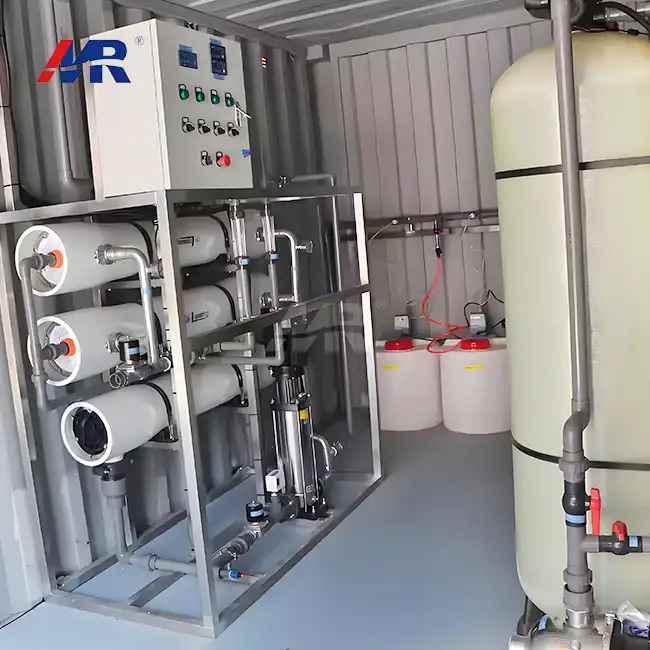 VIEW MOREcontainer 3m3/hour RO equipment
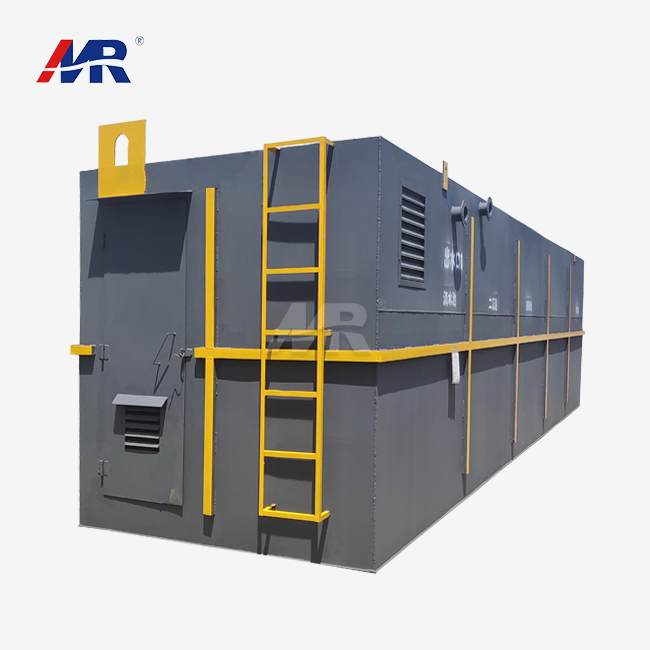 VIEW MOREhome wastewater treatment plant
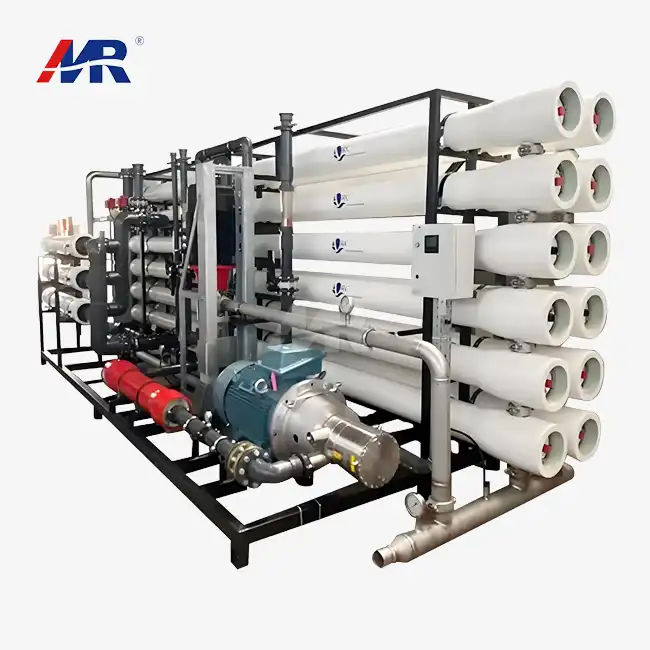 VIEW MORE45m3/hour seawater desalination system
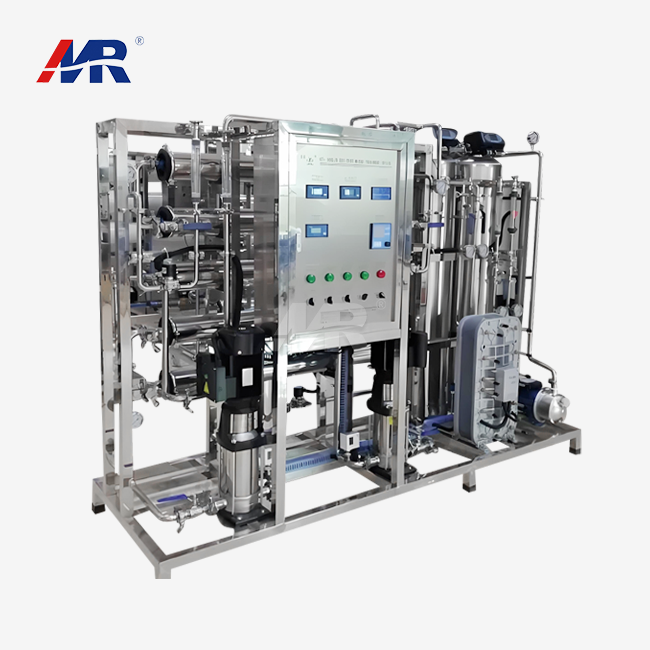 VIEW MORE1000LPH EDI equipment
 VIEW MOREosmosis water purification system
