

_1745823981883.webp)

Bioreactor wastewater treatment for Industrial Effluent
Bioreactor wastewater treatment is an advanced biological technology that uses controlled microbial communities to break down organic pollutants, nutrients, and suspended solids in industrial effluent. Unlike conventional lagoon systems, bioreactor wastewater treatment creates an optimized environment—aerobic, anaerobic, or anoxic—that accelerates pollutant degradation with far greater precision. Industries ranging from food and beverage processing to pharmaceutical manufacturing rely on this technology to meet tightening discharge regulations, reduce treatment footprint, and recover water resources. For procurement managers evaluating next-generation effluent solutions, understanding how these systems work is the essential starting point.
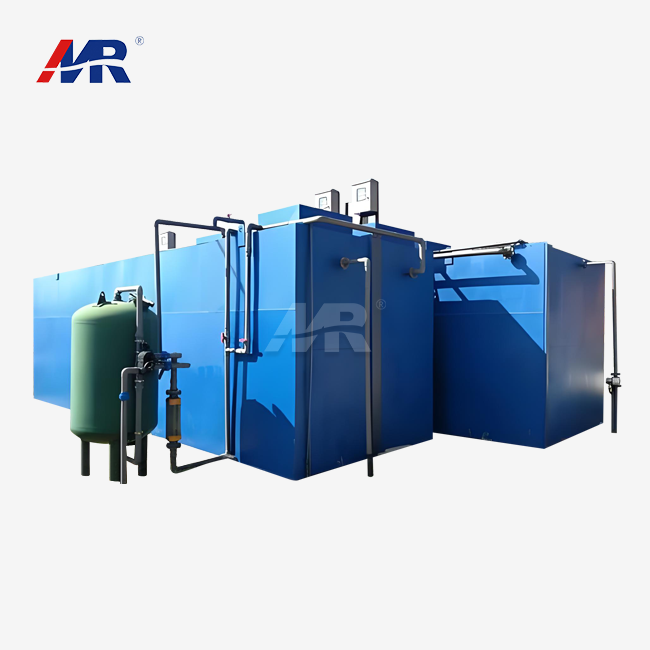
Understanding Bioreactor Wastewater Treatment
How Do Bioreactors Actually Work?
A bioreactor wastewater treatment system is a controlled, covered container that microbes (bacteria, protozoa, and certain types of fungus) use to eat nitrogen compounds, phosphorus, and dissolved organics. To keep biomass levels high, the system changes the levels of dissolved oxygen, the hydraulic retention time (HRT), and the sludge retention time (SRT). Before the polishing step, biological action breaks down dissolved contaminants, and after the polishing step, often membrane filtration, the wastewater meets Class A reuse standards or direct release compliance under rules like the EPA's Clean Water Act guidelines.
MBR, MBBR, and SBR: Which Bioreactor Type Fits Your Process?
Today, most choices about corporate buying are based on three configurations. Membrane Bioreactors (MBR) combine biological treatment with membrane filtration in a single tank. This gets rid of the need for secondary clarifiers and produces consistently low-turbidity effluent. Biofilm grows on plastic carriers in Moving Bed Biofilm Reactors (MBBR), which can handle hydraulic shock loads without washing out the biofilm. Sequencing Batch Reactors (SBR) go through the fill, react, settle, and decant stages all in one vessel. This gives food preparation plants the operating flexibility they need for changing flow rates. Each arrangement solves a different set of problems related to industrial waste.
Advantages of Bioreactor Systems in Industrial Effluent Management
Why Are Compact Footprints and Low Sludge Production Game-Changers?
Ordinary clarifier trains often can't fit in urban factories that don't have a lot of room. The MBR Design Manual from the Water Environment Federation says that MBR technology has a 50–70% smaller environmental impact than standard activated sludge methods. Longer SRT operation stops the production of extra sludge at the same time, which lowers the cost of removal, which is a real benefit for electronics and pharmaceutical factories that deal with toxic waste streams.
Here are the main differences between bioreactor wastewater treatment systems that make them stand out in tough industrial settings:
- Better removal of pollutants: MBR systems regularly get rid of more than 98% of BOD and more than 90% of total nitrogen, which helps them meet strict effluent standards like the EPA Effluent Guidelines for certain industry categories.
- Reduced energy intensity: Modern submerged membrane modules with fine-bubble aeration use 30–40% less energy than older external cross-flow membrane configurations. This lowers operating costs over the life of an asset, which is 10–15 years.
- Compact, modular design: A small, modular design means that prefabricated bioreactor skids can fit into existing treatment halls. This means that plant upgrades can be made without having to wait for civil construction to finish or stop production.
- Reuse-ready effluent quality: The filtered permeate from MBR treatment passes Title 22 (California) and similar state standards for industrial process water recovery, which helps programs that handle water in a circular way.
These benefits take away three problems that industrial operators always have: the risk of not following the rules, the high cost of getting rid of sludge, and the limited space on the site. When purchasing teams compare these cost savings to the cost of capital, they always find that bioreactor systems have a very low total cost of ownership.
Comparing Bioreactor Treatment with Conventional Wastewater Treatment Methods
MBR vs. Conventional Activated Sludge: A Structured Comparison
When deciding between membrane-based and traditional biological treatment, you need to look at a number of scientific and financial factors side by side. The most important factors for making a choice are shown in the table below.
| Criteria | MBR System | Conventional Activated Sludge |
|---|---|---|
| Footprint | 50–70% smaller | Needs a large clarifier area |
| Effluent TSS | <5 mg/L normal | 20–30 mg/L normal |
| Sludge Production | Low (extended SRT) | Moderate to high |
| Capital Cost | More up front | Less up front |
| Operating Cost | Less long-term | More in the long term |
| Shock Load Tolerance | High | Moderate |
| Reuse Suitability | Can be used directly again | Needs tertiary polishing |
Aerobic bioreactor wastewater treatment is great for cleaning up high-COD food and drink waste because it can quickly break down organic matter because oxygen is available. Anaerobic setups, on the other hand, turn large amounts of organic waste into biogas, which can be used to make more energy. This makes them a good choice for processing organic waste in petrochemical or farming settings. In the end, the choice will rely on the amount of COD in the effluent, the size of the available site, how strict the release limits are, and whether energy recovery fits with the facility's sustainable goals.
Procuring Bioreactor Wastewater Treatment Systems: What B2B Clients Need to Know
What Should You Evaluate Before Requesting a Quote?
The most undervalued part of buying a bioreactor wastewater treatment system is planning its capacity. System size needs to take into account things like changing effluent flow, peak organic loading, and possible future output growth. During peak season, a system that is 20% too small can lead to compliance violations that have immediate regulatory consequences.
The trustworthiness of the supplier is the same. Check to see if the supplier can actually make membranes or if they are just selling third-party modules. When you use proprietary membrane production, you can be sure of better quality control, faster access to extra parts, and more responsive customer service after the sale. These are all things that directly affect how long your system will be operational for 15 years.
The MR-MBR-30 flat-sheet membrane module from Morui is a great example of industrial membrane technology that was made just for that purpose. Some important details are:
- Model: MR-MBR-30
- Effective membrane area: 30 m²
- Membrane material: PVDF (polyvinylidene fluoride)
- Pore size: 0.2 µm
- Module dimensions: 2000 × 1250 × 30 mm
PVDF membranes are the best choice for MBR uses because they are very resistant to chemicals, last a long time mechanically, and become hydrophilic after being modified on the surface. These qualities keep the membranes from getting clogged and allow for longer cleaning intervals. The 0.2 µm pore size completely retains bacteria and protozoa, making pathogen-free permeate that meets the requirements for direct reuse release. The MR-MBR-30's small, flat-sheet shape lets modules be stacked closely together in a small tank, which increases treatment capacity per square meter of plant floor space.
Beyond the module itself, B2B buyers should ask shortlisted providers for a total cost of ownership (TCO) study. TCO should include the number of times the membrane needs to be replaced, the amount of chemical cleaning reagents used, the energy used for aeration, and the cost of on-site operating assistance. Leasing and financing options are becoming more common from well-known providers. This lets mid-sized makers who don't have a lot of money buy MBR technology without having to pay a lot of money up front.
Future Trends and Innovations in Bioreactor Wastewater Treatment for Industry
How Are IoT and Circular Economy Principles Reshaping Bioreactor Technology?
Predictive monitoring through IoT sensor networks is completely changing how bioreactor wastewater treatment health is managed in factories. Real-time tracking of transmembrane pressure, dissolved oxygen profiling, and automatic chemical dosing cut down on unexpected pauses and make membranes last longer. The global MBR market is expected to reach USD 8.5 billion by 2030, because the US EPA is lowering the limits on nutrient discharge and institutional investors are being forced to report more on ESG issues.
Integration of the circular economy is speeding up adoption in the heavy industry and energy sectors. In petrochemical plants, anaerobic bioreactors now recover biogas for on-site power generation. This lowers carbon loads and offsets the cost of energy from the grid. Engineered microbial consortia, which are specially grown to break down certain compounds that are hard to get rid of in pharmaceutical effluent, are the next big thing in biological treatment accuracy. If procurement teams choose vendors based on scalability and IoT support now, they will not have to update expensive systems in ten years.
Conclusion
In the industrial, pharmaceutical, food processing, and city infrastructure industries, bioreactor wastewater treatment has become the standard biological treatment method. When compared to traditional activated sludge options, MBR technology offers stable effluent quality, less land use, and lower lifetime costs. If you choose the right membrane module, one that is made of PVDF, has the right pore rating, and comes from a reputable supplier, then the system will work reliably in real industrial settings. As government regulations get stricter and reusing water becomes an important business asset, competitive industrial facilities can't avoid investing in bioreactor infrastructure that works.
FAQ
1. How long does bioreactor system installation typically take?
Standard modular bioreactor wastewater treatment systems can be put into service 8–16 weeks after the order is confirmed, based on how ready the site is for construction and how much wastewater it can handle. Pre-fabricated skid-mounted configurations cut down on the time needed for installation on-site by a large amount.
2. Is bioreactor treatment suitable for high-salinity or toxic industrial effluents?
Aerobic MBR and MBBR systems can handle moderate salinity levels. However, highly saline effluents, like those from electroplating or desalination brine, need microbial communities that are used to high salt levels or hybrid treatment trains. Bio-augmentation with specialized consortia makes it easier for plants to handle compounds that are hard to break down or are toxic in chemical and pharmaceutical wastewater.
3. Can MBR systems scale up as production capacity grows?
MR-MBR-30 and other modular flat-sheet membrane designs let you add more capacity by adding membrane cassettes or tanks without having to rethink the main biological system. MBR technology is useful for rising mid-sized producers because it can be used on a larger scale.
4. What routine maintenance does a bioreactor system require?
Operators perform regular membrane relaxation cycles, periodic chemical cleaning with sodium hypochlorite or citric acid, aeration diffuser checks, and mixed liquor suspended solids (MLSS) tracking are all things that operators do. When MBR systems are well taken care of, the membranes last between 7 and 10 years.
Partner with Morui for Reliable Bioreactor Wastewater Treatment Solutions
Morui provides engineered bioreactor wastewater treatment systems backed by our own plant for making membranes, 20 specialized engineers, and 14 branches that are open all over the area. As a reliable supplier, we offer equipment, on-site commissioning, and ongoing Technical support that is customized to the type of wastewater you produce. Contact Our Team today at benson@guangdongmorui.com to request a customized quote and TCO analysis.
References
1. Water Environment Federation. Membrane Bioreactor Design Manual. WEF Press, 2012.
2. Judd, S. The MBR Book: Principles and Applications of Membrane Bioreactors in Water and Wastewater Treatment. Elsevier, 2011.
3. Tchobanoglous, G., Burton, F. L., & Stensel, H. D. Wastewater Engineering: Treatment and Resource Recovery. McGraw-Hill, 2014.
4. U.S. Environmental Protection Agency. Nutrient Control Design Manual. EPA/600/R-10/100, 2010.
5. Melin, T., et al. "Membrane bioreactor technology for wastewater treatment and reuse." Desalination, 2006.
6. Grand View Research. Membrane Bioreactor Market Size, Share & Trends Analysis Report. Grand View Research, 2023.
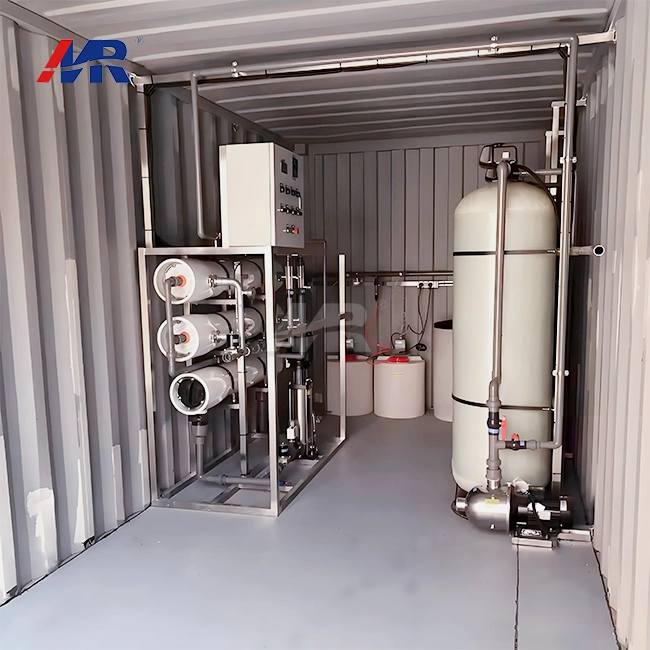 VIEW MOREcontainerized water treatment systems
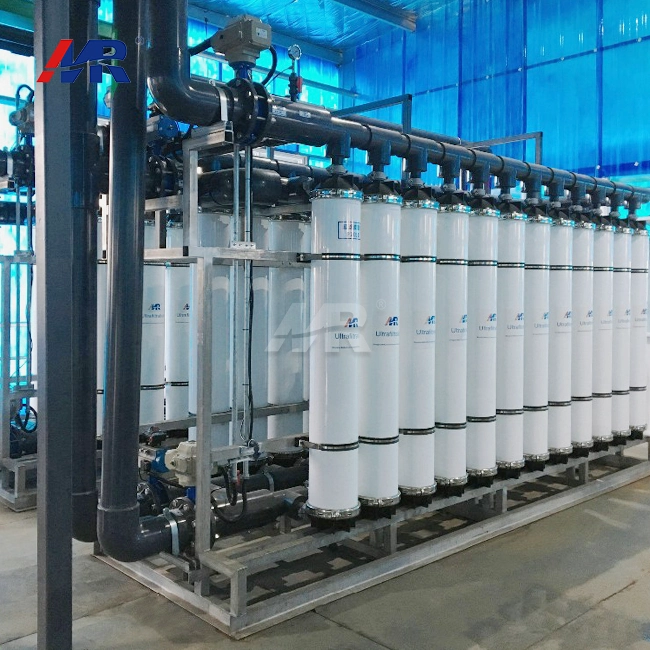 VIEW MOREultrafiltration equipment
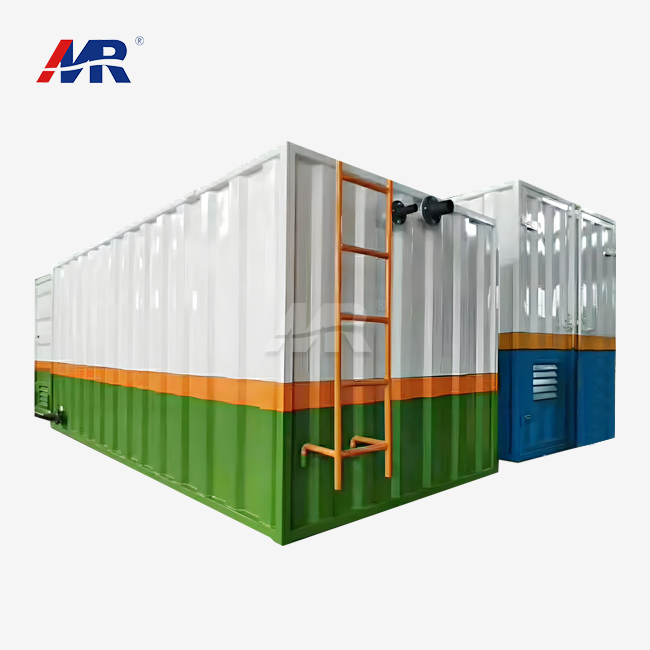 VIEW MOREindustrial sewage treatment plant
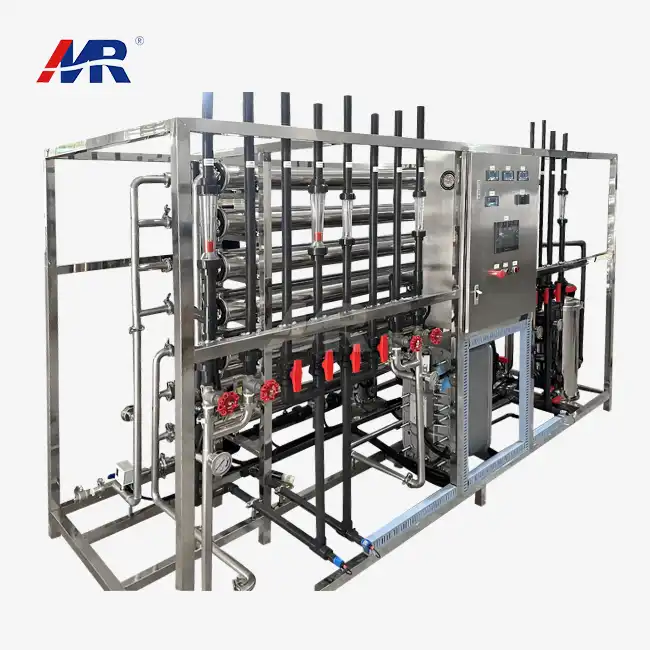 VIEW MORE2m3/hour EDI system
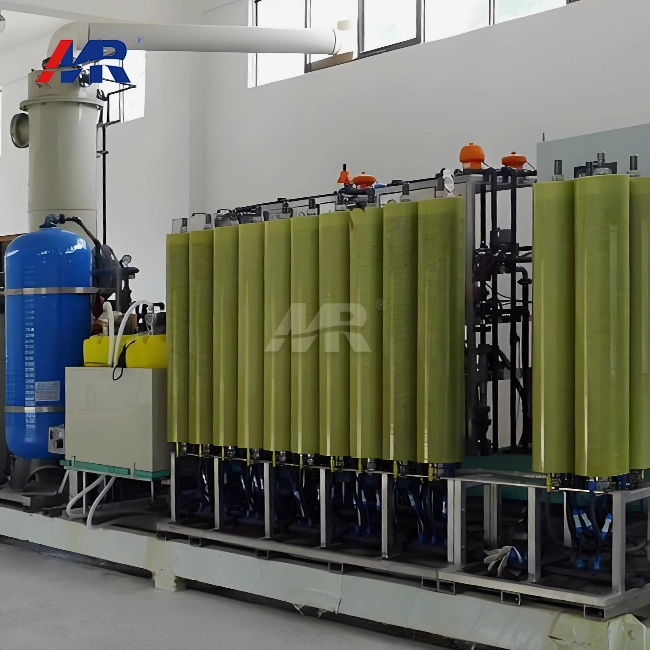 VIEW MOREDTRO membrane
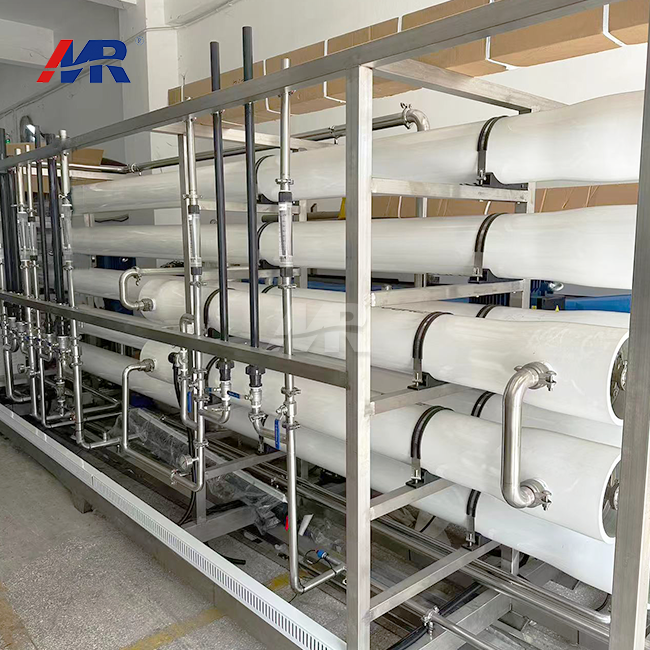 VIEW MOREosmosis drinking water system
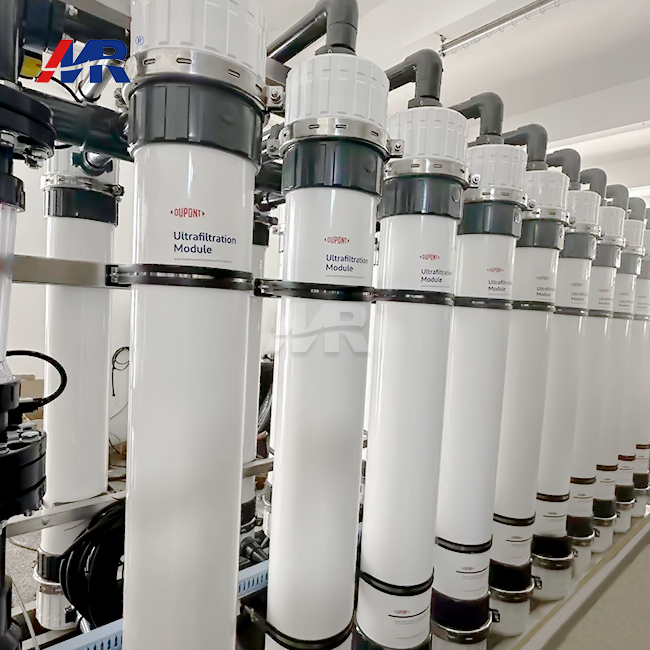 VIEW MOREultrafiltration water treatment system
 VIEW MORE50m3/hour reverse osmosis equipment
