

_1745823981883.webp)

Biological Reactor Wastewater Treatment for Industrial Plants
Biological reactor wastewater treatment is one of the most reliable and cost-effective approaches industrial plants use to manage effluent discharge. By cultivating controlled microbial communities inside engineered vessels, these systems break down organic pollutants, nitrogen, and phosphorus far more efficiently than conventional chemical methods. Whether you operate a food processing facility, a pharmaceutical plant, or a petrochemical refinery, understanding how biological reactors work—and how to select the right configuration—can mean the difference between regulatory compliance and costly penalties.
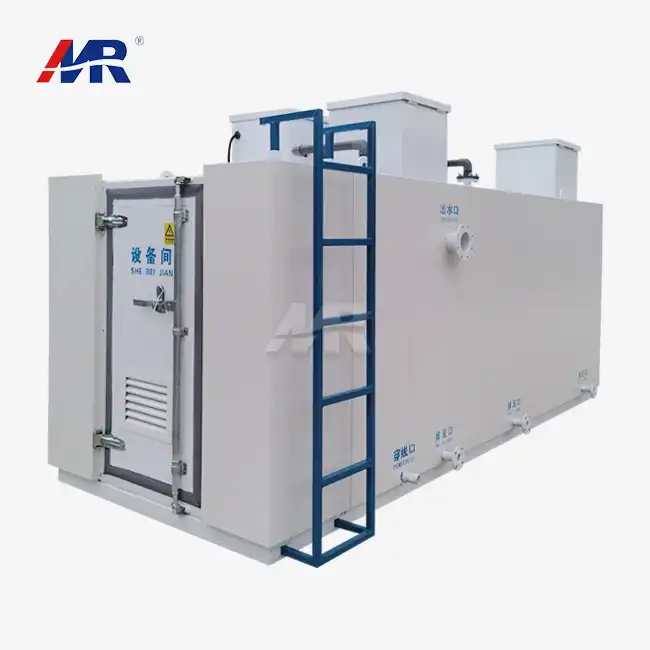
What Is Biological Reactor Wastewater Treatment and How Does It Work?
The Core Microbial Mechanism Behind the Process
Microorganisms, such as bacteria, archaea, and protozoa, break down dissolved and floating organic matter in the influent stream. This is how a biological reactor treats wastewater. Anaerobic populations break down complex organics without oxygen, making biogas as a byproduct. Aerobic bacteria, on the other hand, use oxygen to break down molecules made of carbon. A third group, the anoxic bacteria, also helps the process by changing the nitrates into nitrogen gas. The right balance of these microbial communities is what keeps the effluent quality stable.
Now, in business, there are three main types of reactor setups. membrane Bioreactors (MBR) use ultrafiltration membranes and bacteria to break down waste into high-clarity wastewater that can be used again. Because they handle materials in a single tank in cycles, Sequencing Batch Reactors (SBR) are great for places where the flow rate changes. In moving bed biofilm reactors (MBBR), biofilm grows on plastic. Small and strong against biological shock loads.
Some important factors that affect how things work are the amount of dissolved oxygen (usually 1.5–3.0 mg/L for aerobic zones), the temperature (20–35°C for mesophilic microorganisms), and the pH (6.5–8.5). If these conditions aren't kept up, the metabolism of microbes slows down and the quality of the effluent gets worse. That's why tracking in real time is important for important activities.
How Do Biological Reactors Compare with Alternative Treatment Technologies?
Choosing between treatment technologies is genuinely a strategic decision. The table below provides an organized comparison to help engineers and buying teams think about their choices.
| Criteria | MBR | SBR | Activated Sludge | Chemical Treatment |
|---|---|---|---|---|
| Effluent Quality | Excellent (TSS < 1 mg/L) | Good | Moderate | Variable |
| Footprint | Compact | Moderate | Large | Small–Moderate |
| Chemical Use | Minimal | Minimal | Low | High |
| Energy Consumption | Moderate–High | Moderate | Moderate | Low |
| Scalability | High | Moderate | High | High |
| Sludge Production | Low | Moderate | High | High |
| Capital Cost | Higher | Moderate | Lower | Lower |
Because it has an integrated membrane barrier, MBR technology always produces better effluent quality. This makes it the best choice when Class A discharge compliance or effluent reuse is needed. Even though chemical treatment is cheap at first, it creates a lot of chemical sludge and costs a lot in reagents that add up over time.
When the main goal is to quickly lower the COD level in high-strength organic wastewater streams, aerobic reactors work best. Anaerobic systems, like Upflow Anaerobic Sludge Blanket (UASB) reactors, turn high-COD industrial wastewater into biogas. This is a way for businesses to recover energy that food processing and brewing are using more and more.
What Are the Real Advantages and Challenges of Biological Reactors?
Why Industrial Plants Choose Biological Treatment
Biological reactor wastewater treatment systems offer measurable practical benefits that are in line with both goals for environmental compliance and managing long-term costs. There are several main reasons why these tools are a good buy:
- High pollutant removal efficiency: BOD removal rate of more than 95% and wastewater with turbidity below 1 NTU is produced by MBR systems. This implies the water that has been cleaned may be utilized for another operation or discharged safely into the environment.
- Less dependency on chemicals: Unlike coagulation-flocculation processes, biological reactors use the metabolism of bacteria instead of enormous quantities of chemicals. This implies it is cheaper to acquire chemicals and generate chemical waste.
- Small footprint: MBR units use membrane separation, eliminating the need for supplementary clarifiers. This implies the civil construction area is up to 35% less than with standard activated sludge reactors.
- Instead of only shifting pollutants onto a solid phase, biological systems transform organic waste into minerals, reducing long-term costs of sludge disposal. This means less sludge is produced, which immediately reduces the costs of carrying and disposing of sludge.
Honest Challenges You Should Plan For
When it comes to MBR designs, membrane fouling is the issue that keeps coming up. Biofilm builds up on membrane surfaces over time, which lowers permeability. This makes the transmembrane pressure and energy needs go up. CEB methods that use sodium hypochlorite or citric acid to get membrane flow back to normal work well, but they need to be carefully planned, and workers need to be trained.
One more thing that procurement managers often forget is to start the system. Depending on the type of wastewater and where the inoculum comes from, "seeding" a community of biomass organisms can take anywhere from two to six weeks. Production plans don't align when this launch time is planned for.
How Should You Select and Procure a Biological Reactor System?
Key Criteria Before Contacting a Supplier
If you buy biological reactor wastewater treatment systems in this field, it could have a big effect on both operations and capital. A managed review process will help you keep your money safe. Check the COD, BOD, TSS, nitrogen, and phosphorus levels in your facility's water in a test before picking a service. Based on these numbers, we can figure out which way of setting up the reactor is technically right.
Make sure that the suppliers have ISO 9001 and other Certifications, and that the environmental tools they sell meet local rules. Avoid companies that offer standard reactor sizes because they might not fully fit the way that organic and hydraulic loads change in industrial facilities. Instead, choose companies that offer custom engineering services.
The Morui MR-MBR-20 has flat-sheet mbr membrane units that you might be interested in. This is PVDF material, which has pores that are 0.2 µm wide and a surface area of 20 m2 per module. It's 2000 × 578 × 39.4 mm, which means it can be stacked and put together in different ways to fit different plant shapes. PVDF is commonly used in industrial MBR systems because it is resistant to chemicals, lasts a long time, and attracts water. This makes the membrane last longer and require less cleaning.
The quality of the product is just as important as the service after the sale. Before you sign a purchase agreement, make sure that the seller offers setup help, user training, extra parts, and a written upkeep plan.
How Can Industrial Plants Optimize Biological Reactor Performance?
Automation and Real-Time Process Control
IoT-based monitoring tools are highly useful for contemporary biological reactor wastewater treatment plants. Real-time coupling of dissolved oxygen sensors to variable-frequency motors on aeration fans alters biological oxygen demand. This implies that the system does not depend only on peak-design assumptions for air supply. According to Water Research, demand-based aeration management has been shown to reduce energy consumption in aerobic bioreactors by 20–30% without affecting effluent quality.
MLSS (mixed liquor suspended solids) concentration should be monitored every month, and the diffuser membranes should be examined every week. MBR membranes should be integrity verified every three months. If you look after your diffuser membranes correctly, they should last 5-7 years. For flat sheet PVDF membranes such as the MR-MBR-20, the expected life span is 5 to 10 years.
Sporadic aeration is a good example of an aeration strategy that reduces the use of blowers while maintaining a high nitrogen removal performance via simultaneous nitrification and denitrification. These practical upgrades will secure your investment and make the system better for the globe.
Conclusion
A biological reactor wastewater treatment is a technically mature and practically feasible solution when a factory faces tighter restrictions on how it may dispose of waste. Different combinations of MBR, SBR, and MBBR are used for different kinds of wastewater. You need to explain the influent in depth and rank the suppliers to be able to choose the correct one. The Morui MR-MBR-20, with its improved membrane materials and flexible architecture, suggests that it may be simpler to scale up a system while maintaining the quality of the wastewater. Your biological reactor’s performance throughout its life relies on the effort you put into studying before you purchase it, getting ready to start it up, and improving the process over time.
FAQ
1. How long does it take for a biological reactor to stabilize after startup?
Stabilization at startup usually takes two to six weeks, but this depends on the type of wastewater, the temperature, and whether a pre-cultured microbial inoculum is used. This timeline is longer in places that are cold or have low-nutrient inputs.
2. What is the operational difference between MBR and SBR systems?
MBR systems work all the time and use membrane filtration to keep the biomass, which always results in clearer effluent. SBR systems clean wastewater in separate cycles at set times in a single tank, which makes the infrastructure easier but needs careful cycle management.
3. Can biological reactors handle toxic or chemically complex industrial wastewater?
Yes, if it's done right. MBBR and MBR setups with biofilm-protected microbial communities can handle harmful shock loads better than systems with suspended sludge. Before the concentration spikes reach the biological zone, there are equalization tanks that are located upstream of the reactor.
4. How is membrane fouling managed in MBR systems?
Continuous air scrubbing creates shear force across the membrane surface, rest and backwash processes are automatic, and hypochlorite or citric acid is used for Chemically Enhanced Backwash on a regular basis to remove organic and inorganic foulants.
5. What is the typical service life of MBR membrane modules?
If you follow a strict care plan that includes regular CEB and integrity testing, PVDF flat-sheet membranes like the MR-MBR-20 should last between 5 and 10 years.
Partner with Morui for Proven Biological Reactor Wastewater Treatment Solutions
Morui brings to every project more than 14 regional branches, 20 expert engineers, and a factory for making membranes in-house. As a reliable biological reactor wastewater treatment maker, we design systems, like the MR-MBR-20 MBR membrane module, to meet your unique effluent goals and legal needs. You can email our technical team directly at benson@guangdongmorui.com to see all of our Products and ask for a personalized consultation or quote.
References
1. Judd, S. The MBR Book: Principles and Applications of Membrane Bioreactors for Water and Wastewater Treatment. Elsevier, 2011.
2. Metcalf & Eddy. Wastewater Engineering: Treatment and Resource Recovery, 5th ed. McGraw-Hill, 2014.
3. Hai, F. I., Yamamoto, K., & Lee, C. (Eds.). Membrane Biological Reactors: Theory, Modeling, Design, Management and Applications to Wastewater Reuse. IWA Publishing, 2014.
4. Krzeminski, P., et al. "Performance of full-scale membrane bioreactors for municipal wastewater treatment." Journal of Membrane Science, 2017.
5. Meng, F., et al. "Recent advances in membrane bioreactors: Configuration, operation, and application." Water Research, 2017.
6. U.S. Environmental Protection Agency (EPA). Membrane Bioreactors: Wastewater Treatment Technology Fact Sheet. EPA, 2007.
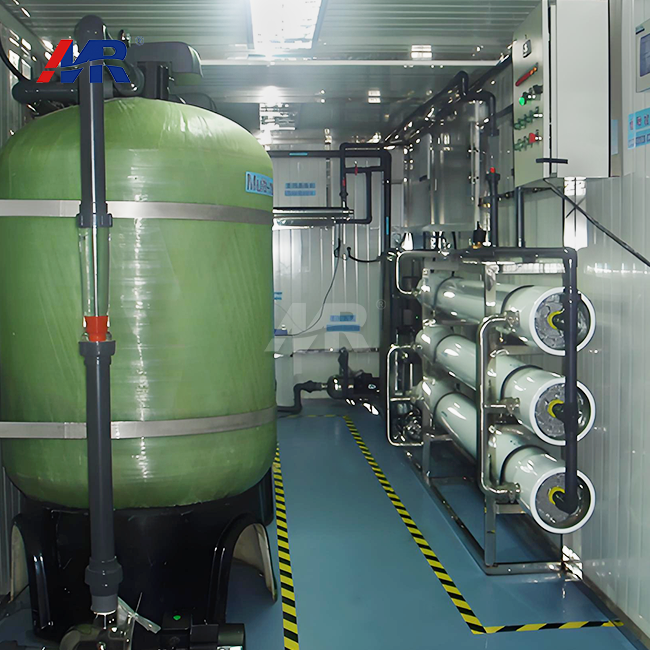 VIEW MOREContainerized Mobile Water Treatment Systems
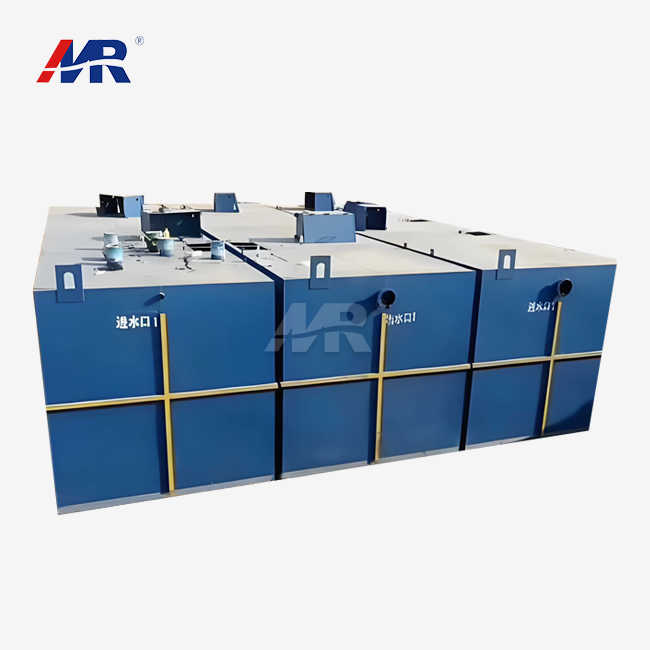 VIEW MOREcommercial sewage treatment plant
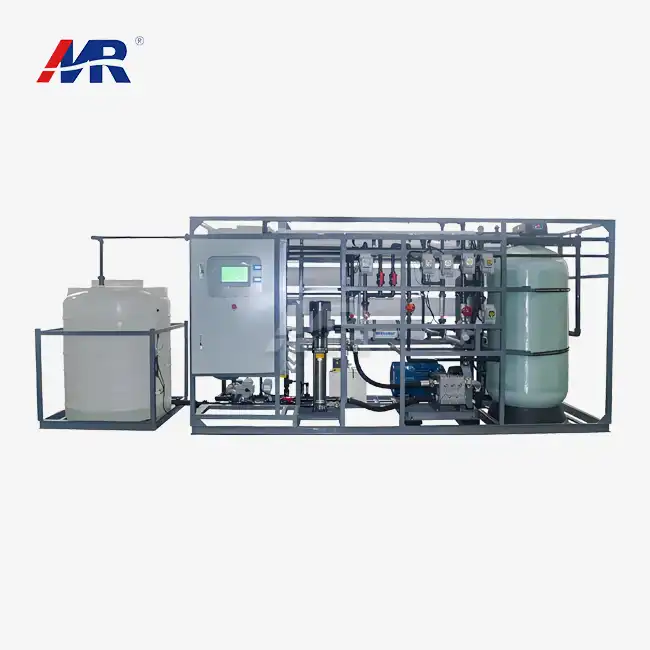 VIEW MORE5m3/hour seawater desalination equipment
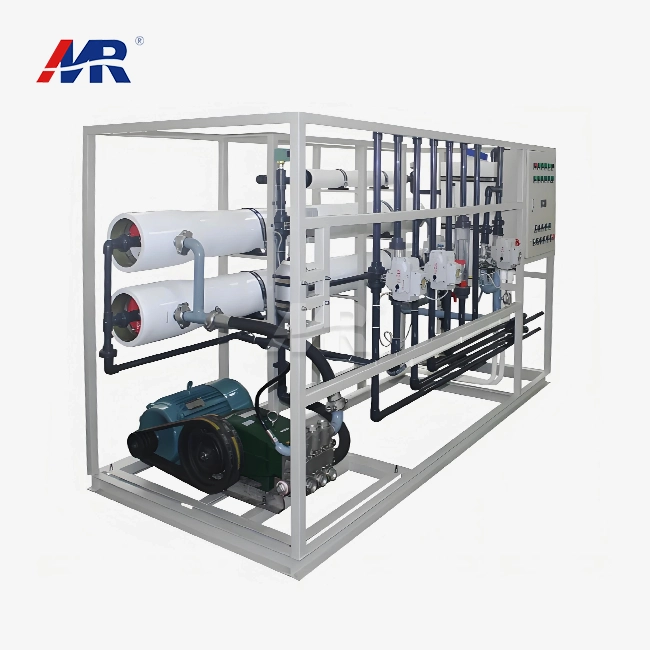 VIEW MOREseawater desalination pre-treatment
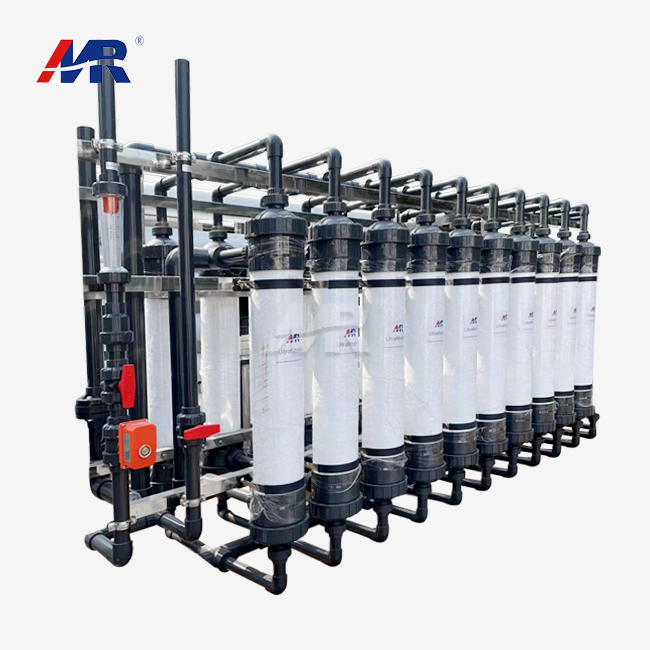 VIEW MOREultrafiltration drinking water system
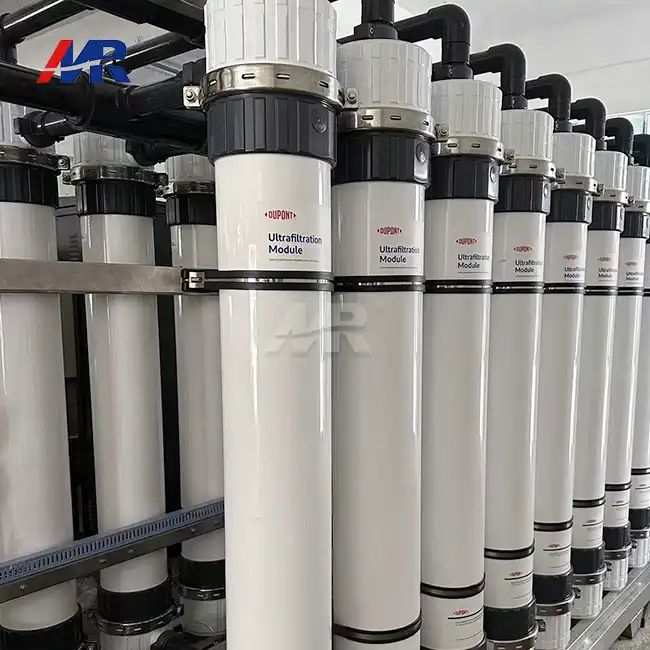 VIEW MORE100T/H ultrafiltration equipment
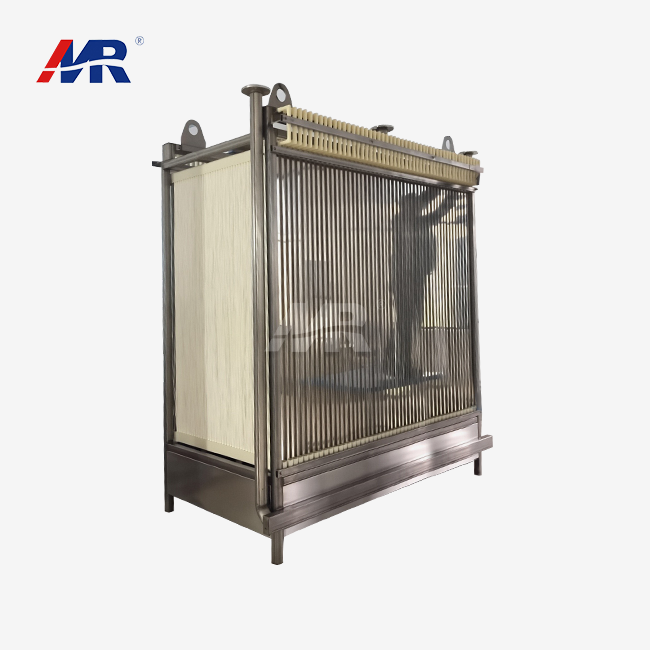 VIEW MOREsubmerged membrane bioreactor
 VIEW MORE200m3/hour ultrafiltration equipment
