

_1745823981883.webp)

Containerized Reverse Osmosis for Disaster Relief: Deployment Tips
When disaster strikes and communities face water supply disruptions, the ability to deliver clean drinking water quickly becomes a matter of survival. Containerized Reverse Osmosis systems represent a breakthrough solution for emergency response teams, humanitarian organizations, and government agencies tasked with providing safe water during crises. These self-contained units integrate advanced membrane filtration technology within standardized ISO shipping containers, enabling rapid transport to disaster zones and operational readiness within hours of arrival. By addressing contamination from floodwaters, saline intrusion, or infrastructure collapse, containerized RO units transform compromised water sources into potable supplies, saving lives while minimizing logistical complexity.
Understanding Containerized Reverse Osmosis Systems for Disaster Relief
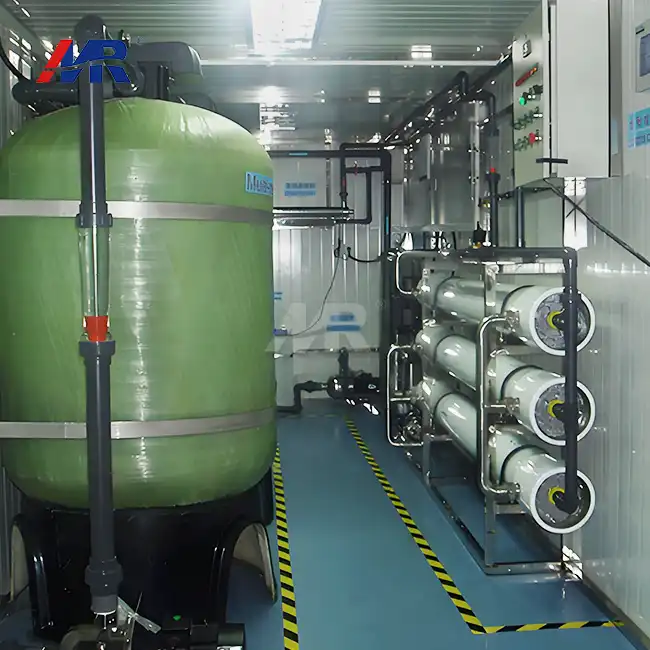
Containerized water treatment systems are very different from traditional structures for cleansing. Instead of taking months to build and install permanently, these systems come in 20- or 40-foot shipping containers that are already fully put together and ready to go.
What Makes Containerized RO Systems Ideal for Emergency Response
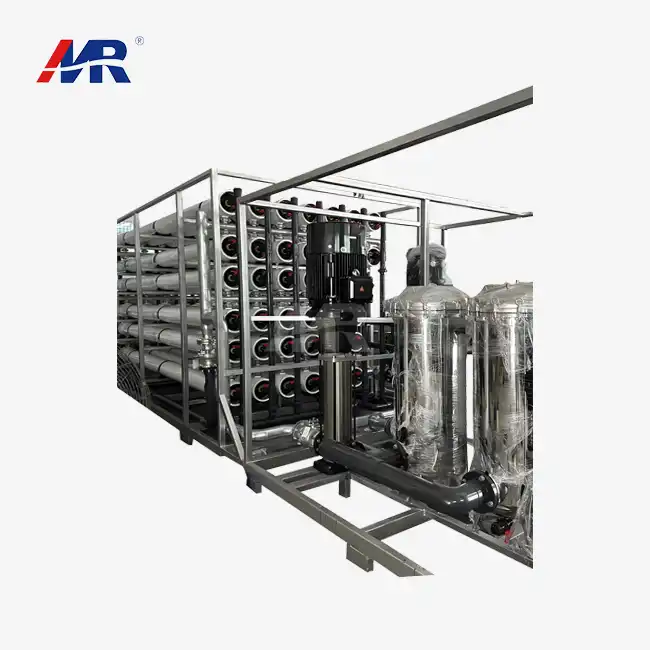
Containerized Reverse Osmosis units' engineering takes into account the special problems that come up in disaster zones. Within a climate-controlled cage, each container holds pre-treatment parts, high-performance membrane arrays, and post-treatment systems. This combination keeps sensitive equipment safe from bad weather and keeps it in the best temperature range (20–25°C) using industrial HVAC systems and thermal protection.
The flexible design gives you more freedom than ever before. These units can be sent to remote areas where regular water systems have broken down by relief groups by truck, train, ship, or cargo plane. Once it is set up near a source of water, like contaminated groundwater, brackish surface water, or even seawater, operators connect the power supplies and intake lines to start making things. This plug-and-play feature gets rid of the building delays that happen with set treatment plants, so clean water is available when every hour counts.
Core Components That Enable Rapid Water Purification
Several important technologies are built into modern emergency aid RO systems. Up to 99.7% of dissolved salts, bacteria, viruses, and chemical contaminants are removed by spiral-wound membranes, which are the heart of the filtering process. These fragile ro membranes are protected from fouling by pre-treatment stages that include multimedia filters and ultrafiltration membranes. High turbidity or organic matter is common in water sources that have been affected by disasters.
Energy Recovery Devices lower operating costs by collecting pressure from the concentrate stream. This is especially helpful when using gasoline engines in places that aren't connected to the power grid. Variable frequency drive pumps change the flow rates based on the quality of the source water. This improves performance while saving fuel. Programmable logic controllers in advanced control systems constantly check pressure differences, conductivity, and flow rates to let operators know when maintenance is needed before the system fails.
Key Deployment Considerations for Containerized RO Systems in Disaster Zones
To be successful, emergency water cleaning projects need to be well planned out before the equipment gets to the disaster spot. Field engineers and procurement managers have to look at a number of interconnected factors that affect the performance of the system and the continuity of operations.
Pre-Deployment Site Assessment Protocols
If you know what the source water is like, you can tell if a Containerized Reverse Osmosis system will work well. Rapid testing of water quality for total dissolved solids, turbidity, pH, and microbial contamination helps choose the right equipment and set up the pre-treatment process. If the TDS level in the water is more than 10,000 ppm, it needs seawater RO membranes and higher working pressures. If the TDS level in the water is less than 5,000 ppm, it can use normal BWRO membranes, which use less energy.
Accessibility of a site has a big effect on how fast it can be deployed. Costly repositioning delays can be avoided by checking transportation routes for things like container sizes, stable ground for setting up equipment, and closeness to both water sources and distribution points. Setting up secure perimeters keeps people from messing with equipment and keeps operators safe in places that might not be stable.
Power Supply Management in Off-Grid Environments
Reliable power is the most difficult thing to work with in disaster zones. Most RO units that come in containers need 380V to 480V three-phase power, which is hard to find in places where the infrastructure is broken. Diesel engines are usually the best option, and plans for fuel supplies are made for longer activities. By figuring out how much fuel the system needs each day based on its capacity and runtime, supply interruptions that hurt water production can be avoided.
When sunlight is available, integrating renewable energy offers long-term solutions. Hybrid solar-diesel setups cut down on fuel use while keeping operations going when it's cloudy or when work plans are at night. Power fluctuations that could hurt sensitive control electronics and pump motors are smoothed out by battery storage systems. This makes equipment last longer, even in harsh conditions.
Maintenance Protocols for Sustained Operation
Regular repair makes sure that the water keeps coming out during rescue operations. Every day, they have to keep an eye on pressure gauges, check membrane differential pressures, and write down factors for water quality. As part of weekly processes, pre-filters are cleaned, pump seals are checked, and automatic shutdown systems are tested. When fouling slows down production, cleaning RO membranes with citric acid or caustic treatments increases flux rates.
In disaster relief situations, spare parts inventories should have extra filter cartridges, membrane o-rings, high-pressure seals, and electronic sensors that are likely to break. Teaching local operators basic troubleshooting skills speeds up repairs, which is especially helpful when Technical support teams can't get to the site quickly because of a disaster.
Comparing Containerized Reverse Osmosis with Alternative Water Purification Solutions
There are different technological methods that can be used to provide water in an emergency. Each has its own benefits that depend on the size and length of the disaster.
Containerized Systems Versus Portable Filtration Units
Moving around is easier with portable RO units that are placed on trailers or skids, but they lose some production capacity and safety for their parts. Compared to containerized units, which make 5,000 to 50,000 liters per hour, these systems usually make 500 to 2,000 liters per hour. The enclosed container design protects equipment from dust, rain, and high temperatures that can damage portable systems. This means that repair needs are lower during missions that last more than one month.
Operational complexity varies a great deal. Containerized solutions come with built-in power distribution, chemical dosing systems, and automatic controls. Portable units, on the other hand, often need to be put together on-site and run by hand. Because they are so simple, people with less training can reliably run containerized systems, which is very important when experienced technicians are overworked at multiple disaster sites.
Evaluating Capacity Requirements Against Disaster Scale
Matching the output of the system to the needs of the affected people stops both resource loss and shortages. The Sphere Handbook standards say that each person should have at least 7.5 liters of water a day for drinking and cooking in case of an emergency. This amount should go up to 15-20 liters for basic hygiene. A 40-foot containerized RO machine that makes 20,000 liters of water per hour can serve between 20,000 and 50,000 people, based on how well it is distributed and how long it is in operation.
Modular flexibility adapts to changing needs. During the first stages of reaction, relief operations often start with just one container. As supply lines stabilize and longer-term camps are set up, more units are added to increase capacity. Systems that are connected to each other share pre-treatment parts and power supplies. This makes operations more efficient while keeping redundancy that keeps the whole production from stopping when one piece of equipment breaks down.
How to Source and Procure Containerized Reverse Osmosis Systems for Emergency Use
Strategic choices about what to buy for Containerized Reverse Osmosis systems separate crisis response programs that work from those that have problems with equipment breakdowns and lack of support. To figure out a supplier's total lifecycle value, business-to-business clients have to look at more than just the price.
Selecting Manufacturers with Emergency Relief Expertise
Certified makers who focus on crisis aid know the specific needs that are different from those for industry or municipal installations. Look for businesses that have ISO 9001 quality Certifications, ASME pressure tank compliance, and NSF/ANSI 61 material safety approvals for contact with drinking water. These standards make sure that equipment works reliably in tough situations where mistakes would have terrible effects on people.
During large-scale crises, when many agencies are competing for limited tools, manufacturing capacity affects delivery times. When turnaround time is key to a project's success, suppliers who keep ready-to-ship items in stock or can make things quickly (usually 4–8 weeks from order to shipping) give them a competitive edge. Having established connections with freight forwarders who are skilled in humanitarian operations speeds up the clearance of customs and delivery to difficult places.
Financing Models and Customization Options
Different ways of buying things depend on how a group is set up and how emergency funds are handled. Outright purchases are good for government agencies and well-known NGOs with capital budgets because they give long-term asset ownership for operations that happen again and again. Leasing gives organizations that handle sporadic relief operations more freedom by turning capital costs into predictable operational costs and giving them access to the newest technologies.
Customization works well in certain disaster situations. When there is a lot of turbidity in the floodwater, better pre-treatment steps like dissolved air flotation or ultrafiltration are helpful. Desalinating seawater for coastal disasters needs building materials that don't rust and energy recovery systems that lower the cost of running the system. If a supplier offers flexible setups, customers can choose treatment trains that will best meet their water quality needs instead of having to settle for standard designs.
Full service packages that include installation supervision, operator training, and remote technical support help keep equipment running as long as possible. A 24- to 36-month warranty with fast part replacement protects against problems with the manufacturing process, and ongoing maintenance contracts make sure that you can get supplies and expert help during long-term relief operations.
Future Trends and Innovations in Containerized Reverse Osmosis for Disaster Response
As technology keeps getting better, disaster relief water purification systems are getting better, which fixes problems that used to make emergency response less effective.
Enhanced Energy Efficiency Through Advanced Recovery Systems
The next version of containerized RO units has high-efficiency energy recovery devices that can achieve 95%+ pressure transfer rates. This means that they use a lot less power than older designs. This increase in efficiency directly leads to less diesel fuel use or smaller solar panels, which lowers running costs and the damage to the environment during long missions. Pressure exchanger technology from desalination plants is now used in disaster relief setups. These setups use 40–60% less energy than systems that don't have recovery components.
Remote Monitoring and Predictive Maintenance Capabilities
When you connect the Internet of Things to your system, you can monitor it in real time using satellite or cell phone connections from far-away coordination centers. SCADA systems keep an eye on things like flow rates, water quality, and the health of equipment. This way, they can warn technical teams of problems before they stop production. By looking at patterns in pressure and the number of times the cleaning cycle happens, predictive algorithms suggest maintenance work to be done during planned downtimes. This way, emergency fixes don't have to be done, which wastes critical reaction hours.
Cloud-based data management lets disaster aid groups keep an eye on multiple deployed units at the same time, making the best use of resources and distributing spare parts across crisis zones. Performance data from the past helps with future purchases by showing which equipment setups and seller partners are the most reliable in the field.
Conclusion
Disaster aid water delivery has gone from being a highly challenging endeavor to a simple process that saves lives thanks to Containerized Reverse Osmosis systems. Because they can be set up quickly, work well with a wide range of water sources, and can be used in harsh conditions, they meet the urgent needs of government and humanitarian groups during crises. A successful implementation needs careful planning that includes evaluating the site, managing power, and following maintenance procedures. It also needs smart buying from experienced suppliers who can offer custom solutions and full support. As new technologies improve their efficiency and tracking abilities, these systems will become even more important in keeping fragile groups safe from water-borne diseases and dehydration during the hardest times in human history.
FAQ
1. How quickly can containerized RO systems become operational after arriving at disaster sites?
Deployment times depend on how ready the site is and how much power is available, but most systems are up and running within 6 to 24 hours of placing the containers. For this quick activation to work, power sources must already be set up, water sources must be connected, and operators must know how to use control systems. In complicated situations with custom pre-treatment or broken infrastructure, commissioning could take up to 72 hours, which is still a lot faster than building a standard treatment plant, which takes months.
2. What power options work best for disaster zones with unstable electricity?
Diesel generators that are rated 20–50% above the peak demand of the system work reliably, and setups with two generators offer backup in case one breaks down. When sunlight is available, hybrid solar-diesel systems cut fuel use by 30 to 50 percent. These systems have battery banks that keep power from changing in ways that damage computer controls. Wind turbines help with power in disaster zones along the coast where there are steady breezes, but diesel backup is still needed during calm times when water demand stays high.
3. Can these systems treat heavily contaminated floodwater or seawater effectively?
Yes, containerized RO units that are set up correctly can handle very dirty water like raw sewage, industrial pollutants, and full-strength seawater. Multistage pre-treatment using coagulation, multimedia filtering, and ultrafiltration keeps RO membranes from getting clogged and gets rid of organic matter and dissolved solids. For seawater uses, you need special high-pressure pumps and materials that don't rust, which usually makes the costs 25–40% higher than for brackish water systems. Post-treatment stages add important minerals to permeate, which protects health standards and makes the taste more acceptable to those who are affected.
Partner with Morui for Reliable Disaster Relief Water Solutions
If you need clean water quickly in a situation, Guangdong Morui Environmental Technology Co., Ltd. has Containerized Reverse Osmosis systems that can be set up quickly and keep working well. Our wide range of services includes making equipment, installing it on-site, and fully commissioning it. We have 20 experienced engineers and several production facilities, including our own membrane factory. As a reliable provider of Containerized Reverse Osmosis systems, we offer custom solutions that include parts from top names such as Shimge Water Pumps, Runxin Valves, and Createc Instruments. This makes sure that communities can rely on us when they need clean water the most. Get in touch with our disaster aid experts at benson@guangdongmorui.com to talk about your project needs and get personalized advice backed by our 14-branch support network.
References
1. Greenlee, L. F., et al. (2009). "Reverse Osmosis Desalination: Water Sources, Technology, and Today's Challenges." Water Research, 43(9), 2317-2348.
2. World Health Organization. (2011). Technical Notes on Drinking-Water, Sanitation and Hygiene in Emergencies. WHO Press, Geneva.
3. Voutchkov, N. (2013). Desalination Engineering: Planning and Design. McGraw-Hill Professional, New York.
4. The Sphere Project. (2018). The Sphere Handbook: Humanitarian Charter and Minimum Standards in Humanitarian Response, 4th Edition. Practical Action Publishing, Rugby, UK.
5. Elimelech, M. & Phillip, W. A. (2011). "The Future of Seawater Desalination: Energy, Technology, and the Environment." Science, 333(6043), 712-717.
6. American Water Works Association. (2007). Reverse Osmosis and Nanofiltration Manual of Water Supply Practices - M46, Second Edition. AWWA, Denver, Colorado.
 VIEW MOREedi module water treatment
 VIEW MORELandfill Leachate Treatment System
 VIEW MOREDTRO Modules
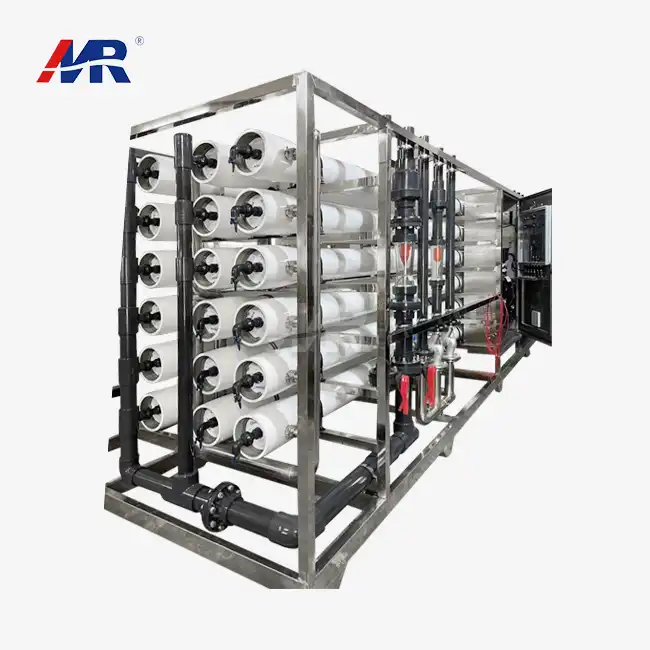 VIEW MORE100m3/hour reverse osmosis equipment
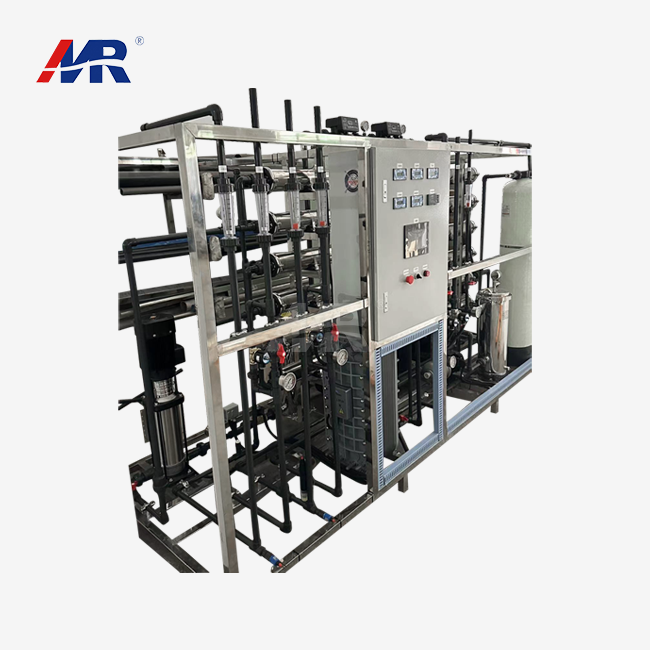 VIEW MOREedi water treatment system
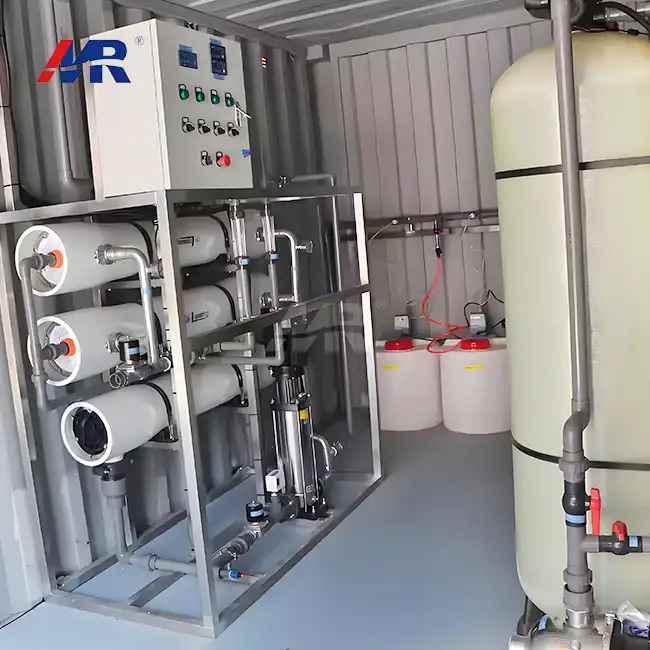 VIEW MOREcontainer 3m3/hour RO equipment
 VIEW MOREbioreactor wastewater treatment
 VIEW MORE150m3/hour reverse osmosis plant
