

_1745823981883.webp)

Choosing the Best Landfill Leachate Treatment System for 2026
Selecting the right landfill leachate treatment system requires balancing technical performance with regulatory compliance and cost efficiency. Effective landfill leachate management prevents groundwater contamination, reduces environmental liability, and ensures facilities meet evolving discharge standards. As regulations tighten globally, decision-makers face increasing pressure to adopt advanced, scalable solutions that handle both young, biodegradable leachate and mature, refractory waste streams. This comprehensive guide equips procurement managers, environmental engineers, and facility owners with practical criteria and technology comparisons to make informed choices for 2026 and beyond.
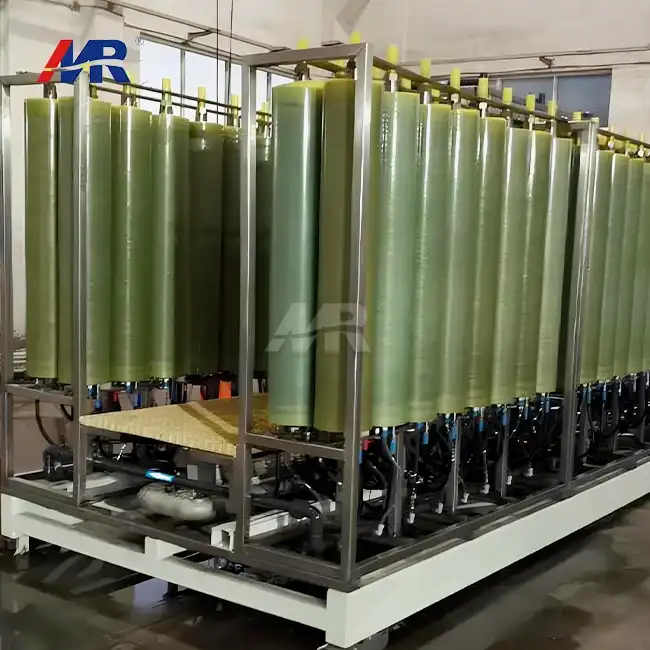
Understanding the Challenges of Landfill Leachate Management
The process by which water penetrates through garbage in landfills results in the formation of a concentrated liquid known as leachate. Heavy metals, organic compounds, ammonia-nitrogen, and novel pollutants such as PFAS are all present in it because of its composition. New landfills, which generate strong organic materials that can be broken down by biological processes, and older landfills, which generate pollution that is difficult to decompose, have drastically different chemical compositions. Conventional approaches to wastewater treatment are incapable of addressing these issues due to the complexity of the associated processes.
The Environmental Risks of Inadequate Treatment
When leachate escapes from containment systems, it poses a threat to the groundwater and bodies of water that are located close by. Groundwater contamination incidents create harm to the environment that is long-lasting and put facility owners at risk of hefty sanctions under legislation such as the National Pollutant Discharge Elimination System (NPDES) of the United States or the Industrial Emissions Directive of the European Union. Legacy pollution not only causes immediate harm to the ecosystem, but it also generates a long-term financial burden that requires decades of monitoring and remediation, even after the landfill has been closed down.
Regulatory Pressures Shaping Treatment Standards
More stringent regulations have been implemented all around the globe, and they mandate that the quantity of COD, BOD, nitrogen compounds, and new contaminants that may be discharged be restricted. At this time, establishments that deal with municipal solid waste are required to adhere to the same regulations on rubbish as factories, while establishments that deal with hazardous waste are required to adhere to even more stringent regulations. In accordance with environmental legislation, monitoring must continue for a period of thirty years after a plant has been shut down. The implications of this are that the choices that are taken now about the infrastructure of treatment will have an impact on prices for many decades to come. When facilities purchase systems that are capable of being modified, they put themselves in a position to be ready for any future changes in rules without having to pay for costly retrofits.
Common Operational Difficulties
Changes in the weather as a result of the seasons make operations very challenging. The quantity of leachate is increased by heavy rain, but the concentration of the leachate is decreased. On the other hand, dry periods result in the production of slugs that are very concentrated and so place a load on treatment systems. There is a possibility of process instability and release violations occurring in systems that do not include balancing tanks to reduce the impact of these changes. Because bacteria alone are not sufficient to break down mature leachate that contains refractory organics, this kind of leachate requires additional polishing procedures, which many older facilities do not have for their leachate. Because of the way things operate, treatment strategies need to be able to accommodate fluctuating loading rates as well as complex contamination profiles.
Core Criteria for Choosing a Landfill Leachate Treatment System
When procurement teams look at treatment systems, they have to make sure that the technical specs match the needs of the site and the company's goals. Instead of focusing on a single measure like the original purchase price, a systematic screening method looks at a lot of things at once. Knowing how these factors work together can help you find answers that will really help you in the long run.
Treatment Efficiency Metrics That Matter
Compliance with regulations and defense of the environment depend on how well key factors are removed. Systems should consistently lower COD levels below the limits for release, which usually means getting rid of 85 to 95 percent of mature waste. Getting rid of ammonia and nitrogen is hard because biological nitrification doesn't work as well in streams that don't break down easily. Facilities that deal with old waste often need to use more advanced oxidation or membrane separation steps. To keep arriving waters from becoming toxic, heavy metals are removed through precipitation or specialized filters. PFAS treatment has become very important, and high-pressure reverse osmosis membranes and specialized ion exchange resins work well to capture them.
Capital and Operating Cost Considerations
The total cost of owning something goes far beyond the price of buying it. Civil works, electricity infrastructure, process monitoring, and commissioning are all examples of capital expenditures. Operating costs include things like workers, chemicals, energy use, and replacing membranes and getting rid of sludge. Facilities should figure out how much it costs to treat one cubic meter of leachate over the expected lifetime of the equipment, which is usually between 10 and 15 years. But the management plan has to cover the whole time after the business closes. Hidden costs like process slowdown, regulatory fines for discharge violations, and emergency fixes have a big effect on how much money is made. Energy-efficient designs cut costs while also helping to reach sustainability goals.
Site-Specific Constraints and Scalability
The amount of land you have affects the technology you choose. For example, compact membrane systems can work on small sites, while constructed wetlands need a large footprint. The weather changes how well biological processes work. For example, in systems that aren't warm, cold weather makes microbes less active. When upgrading old facilities instead of building new treatment plants, it's important to make sure that the upgrades will work with the existing infrastructure. Scalability lets you grow gradually as the amount of waste you produce rises, so you don't have to make a huge initial investment. Modular systems are useful for sites that produce different amounts of leachate because they allow for yearly changes in capacity. With remote monitoring, you don't need as many people to work at faraway or small-scale sites.
Comparing Leading Landfill Leachate Treatment Technologies
There are different ways to treat leachate for landfill leachate management, and each has its own benefits depending on the type of leachate and the operating situation. Knowing the pros and cons of a technology helps you choose the right one for your facility's needs.
Biological Treatment Systems
Aerobic biological techniques such as sequencing batch reactors and activated sludge remove biodegradable organics from young leachate. Microbial respiration converts organic molecules into carbon dioxide and biomass, decreasing COD and BOD levels at cheap cost. Biogas from anaerobic digestion may be utilized to generate electricity. However, mature leachate containing refractory organics is difficult to break down biologically. Moving bed biofilm reactors (MBBR) blend attached and suspended growth, making the process more stable and less impactful than activated sludge. The biggest issue is removing ammonia, which requires two steps—nitrification and denitrification—that add complexity and chemicals.
Membrane Filtration Technologies
Ultrafiltration and biological treatment in membrane bioreactors (MBR) produce high-quality wastewater in a compact area. The membrane barrier maintains high microbe concentrations, stabilizing the process and clarifying the effluent. Nanofiltration and reverse osmosis membranes remove dissolved salts, trace organics, and novel pollutants that biological processes can't. These high-tech membrane stages reuse or send water straight to sensitive areas. Fouling control is still the main issue in operations, requiring frequent chemical cleaning and membrane replacement. Maintaining pressure, energy expenditure, and concentrate removal are costly. For facilities that handle mature, high-salinity leachate, membrane systems are worth the additional cost.
Constructed Wetlands and Natural Systems
Engineered wetlands use plants, microorganisms, and natural media to treat wastewater with little energy. This makes them a good choice for facilities with lots of land and average loading rates. Biological processes get rid of organic waste in these systems, while plants take in nutrients and make air. The initial costs are lower than with mechanical cleaning plants, and the process needs very little energy. But treatment effectiveness changes with the seasons; it works less well in cold areas during the winter, and it can't be used in places with limited space because it needs a lot of land. Wetlands work best as finishing steps after the first treatment, not as separate systems for high-strength leachate.
Emerging Advanced Treatment Methods
Advanced oxidation methods that use ozone, hydrogen peroxide, or UV light to break down organics that are hard to fix normally. These technologies work especially well for mature leachate and specialized uses that deal with certain contaminants. Electrochemical oxidation is easier to handle and takes up less space, but it costs more to run. With evaporation and crystallization systems, leachate is turned into clean water and solid salt cakes, so there are no liquid waste streams at all. If a facility has to deal with discharge limits or is in a rural area without access to sewers, this method may work, but it comes with high energy and capital costs.
Integrating New Technologies and Innovations in Leachate Treatment
As technology keeps getting better, medical systems' features and costs are changing too. When facilities plan their investments, they should think about how new technologies can improve dependability, lower costs, and boost performance.
Real-Time Monitoring and Process Automation
Key parameters like pH, conductivity, COD, ammonia, and heavy metals can be continuously monitored thanks to new sensor technology. Automated control systems use real-time data to change the amount of chemicals used, the amount of air, and the hydraulic pressure to keep conditions at their best. Machine learning systems find problems in the process early on, which stops discharge violations and damage to the equipment. IoT connectivity lets you keep an eye on things from afar, which cuts down on staffing needs and speeds up responses to problems. These tracking systems automatically generate compliance paperwork, which makes regulatory reporting easier and gives information for improving processes.
Enhanced Biological and Chemical Treatment
Specialized microbial groups and biostimulants speed up the breakdown of difficult compounds, which makes biological treatment more effective for landfill leachate management. Targeted organisms that break down certain contaminants are added by bioaugmentation Products. This increases the number of compounds that can be treated biologically. Newer coagulation and flocculation chemicals remove more suspended solids and keep membranes from getting clogged, which makes equipment last longer and costs less to maintain. Catalytic oxidation enhancers make the advanced oxidation process more efficient, using less energy and chemicals than traditional methods.
Leachate Recirculation and Bioreactor Landfills
Putting leachate back into waste tanks speeds up decomposition, keeps waste mass stable, and lowers the long-term treatment load. Bioreactor dumps control the amount of water and gas in the air to help organic matter break down in a controlled way. This makes leachate with less tough organic matter that breaks down better with biological treatment. This combined method reduces the need for outside treatment while speeding up the stabilization of waste, which could cut down on the time needed for monitoring after closure. Using methane to make energy is possible with gas collection methods, which makes the project more cost-effective. For complete waste management, facilities that are developing new cells should look at how bioreactors work with the best treatment methods.
Strategic Procurement and Implementation Tips for B2B Clients
Choosing the right technology is only one part of putting together a system that works well. Total ownership costs and project results are all affected by the procurement strategy, supplier review, and long-term operational planning.
Evaluating Supplier Credibility and Capabilities
The supplier's past performance in comparable applications indicates its potential success. Asking for sites that handle comparable leachate enables you to immediately assess equipment reliability and vendor assistance. Design, procurement, construction, and commissioning are included in turnkey systems. This accelerates project execution and ensures accountability. This strategy is ideal for customers without technical personnel or who are in charge of first-time deployments. Modular equipment saves money and offers additional design possibilities, but you need the necessary abilities to negotiate with suppliers and ensure system compatibility. Checking suppliers' financial health, spare part availability, and technical assistance response time helps reduce long-term operating risks.
Guangdong Morui Environmental Technology provides tools, configures systems, and provides continuing servicing. We provide entire solutions instead of simply parts since we have over 500 people, 20 engineers, equipment manufacturing facilities, and membrane production. We use top manufacturers like Shimge Water Pumps and Runxin Valves to ensure system quality. Because of their versatility, they can create site-specific designs and vertically integrate to keep costs down.
Understanding Total Cost of Ownership
The cost of buying tools at first is only a small part of the total cost over its lifetime. Most cleaning systems' biggest running cost is the energy they use, so it's important to compare how efficient different systems are. Changing the pH, clotting, and cleaning the membrane all require chemicals, which adds up to ongoing costs that are very different between systems. Replacing the membrane every 3 to 7 years costs a lot, so you need to plan your budget for predictable component renewal. Getting rid of sludge or managing concentrates costs more, especially when they are classified as hazardous waste. When you figure out the net present value of all the costs over the expected life of the project, you can accurately compare different options that have different capital and operational cost profiles.
Planning for Long-Term Success
Staff training helps operators understand the process, recognize issues, and perform regular maintenance. Thorough training reduces operational errors that harm equipment or violate discharge laws. Preventative maintenance extends equipment life and reduces emergency repair costs. Regular performance inspections enhance things and ensure rules are followed. Planning for regulatory changes allows systems to meet stricter requirements without being replaced. Modular, upgradeable designs prevent product obsolescence and satisfy future expansion demands. Strong vendor ties provide continuing Technical support, problem-solving assistance, and improved performance as technology develops.
Conclusion
To choose the best landfill leachate management system, you need to carefully look at how well it works technically, how well it meets government standards, how limited the site is, and how much it costs over its entire life. As environmental rules get stricter and the make-up of leachate gets more complicated, newer treatment technologies that use membrane filtering, automatic controls, and other innovations work better. Instead of just focusing on lowering original capital costs, decision-makers should choose systems that have been shown to be reliable, flexible in how they are used, and able to change in the future. Strategic relationships with suppliers that offer a wide range of services guarantee a smooth implementation and ongoing operating support. By consistently using the comparison criteria and evaluation criteria outlined here, procurement teams can be sure to invest in solutions that protect the environment, make sure they follow the rules, and lower total ownership costs through 2026 and beyond.
Frequently Asked Questions About Landfill Leachate Treatment Systems
1. What factors influence landfill leachate system costs?
System costs are mostly based on how much treatment is needed, the quality of the effluent, the composition of the leachate, and the limitations of the site. Complex leachate with a lot of heavy metals, PFAS, or organics that don't break down easily needs more treatment steps, which raises both capital and running costs. The choice of technology is affected by the discharge limits. Strict standards mean that membrane systems or improved oxidation are needed instead of biological treatment alone. Installation costs are higher at places that are farther away, but facilities that are close to city sewers may be able to lower the amount of treatment needed by meeting pretreatment guidelines.
2. When should facilities choose biological versus membrane treatment?
Biological systems work well for young leachate that has a lot of biodegradable material in it and doesn't need to be released too often. Membrane technologies are good for sites with limited land area, mature leachate, or strict effluent limits. They can also be used to reuse water. Many places are better off with mixed methods that use biological treatment to get rid of large amounts of organic matter and membrane cleaning for final cleanup. The biological-membrane combination strikes a balance between energy efficiency, effluent quality, and operational costs, even when the leachate has different properties.
3. How can buyers identify reliable equipment suppliers?
Protecting procurement assets means looking at things like the supplier's experience, example installations, expert help skills, and financial stability. By asking for specific performance data from similar uses, you can see how well the equipment really works compared to what the company says it can do. Site visits to operating facilities are the best way to get a first-hand look at how reliable the equipment is and how good the vendor support is. Full warranty terms and nearby repair options lower operating risk during the important time after commissioning.
Partner With Morui for Advanced Landfill Leachate Management Solutions
Guangdong Morui Environmental Technology specializes in making unique water treatment systems that deal with the tricky problems of wastewater treatment. Our wide range of services includes designing systems, making equipment, installing it, commissioning it, and providing ongoing technical support. We offer integrated solutions and work with the best component providers in the business to back them up. We have 14 branches and specialized membrane production sites. Our engineering team creates cleanup systems that are tailored to your leachate's properties, discharge needs, and operating limitations. Our experience in both municipal and industrial settings guarantees the best performance, whether you need biological reactors, membrane filtration, advanced oxidation, or hybrid systems. For more information on landfill leachate management, get in touch with our experts at benson@guangdongmorui.com.
References
1. Renou, S., Givaudan, J.G., Poulain, S., Dirassouyan, F., and Moulin, P. (2008). "Landfill Leachate Treatment: Review and Opportunity." Journal of Hazardous Materials, 150(3), 468-493.
2. Kjeldsen, P., Barlaz, M.A., Rooker, A.P., Baun, A., Ledin, A., and Christensen, T.H. (2002). "Present and Long-Term Composition of MSW Landfill Leachate: A Review." Critical Reviews in Environmental Science and Technology, 32(4), 297-336.
3. Kurniawan, T.A., Lo, W., and Chan, G.Y.S. (2006). "Physico-Chemical Treatments for Removal of Recalcitrant Contaminants from Landfill Leachate." Journal of Environmental Management, 82(4), 433-447.
4. Wiszniowski, J., Robert, D., Surmacz-Gorska, J., Miksch, K., and Weber, J.V. (2006). "Landfill Leachate Treatment Methods: A Review." Environmental Chemistry Letters, 4(1), 51-61.
5. Slack, R.J., Gronow, J.R., and Voulvoulis, N. (2005). "Household Hazardous Waste in Municipal Landfills: Contaminants in Leachate." Science of the Total Environment, 337(1-3), 119-137.
6. Abbas, A.A., Jingsong, G., Ping, L.Z., Ya, P.Y., and Al-Rekabi, W.S. (2009). "Review on Landfill Leachate Treatments." Journal of Applied Sciences Research, 5(5), 534-545.
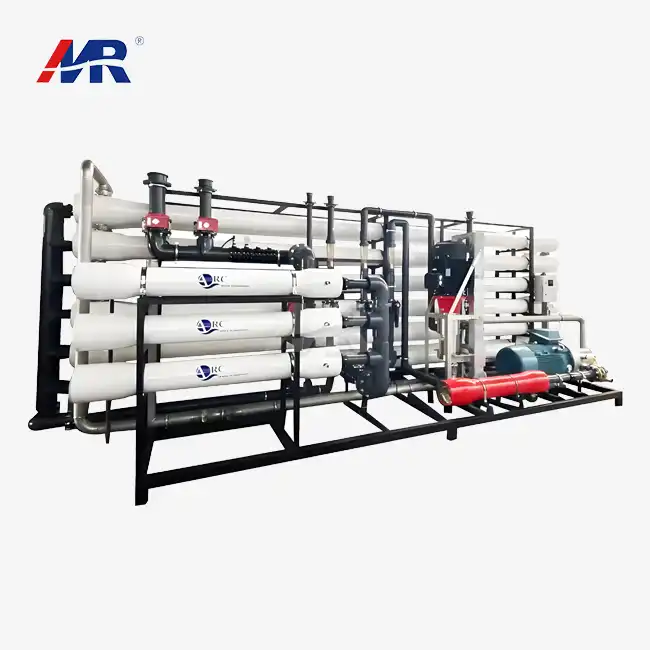 VIEW MORE25m3/hour seawater desalination plant
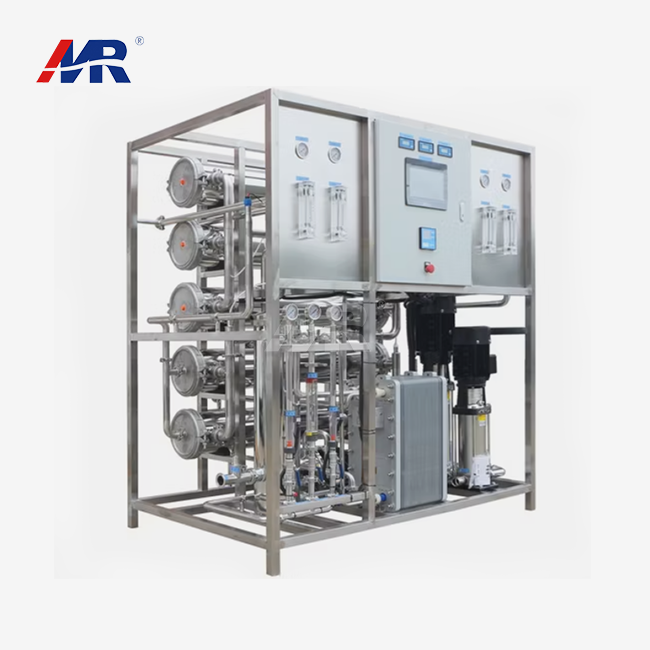 VIEW MOREro edi water system
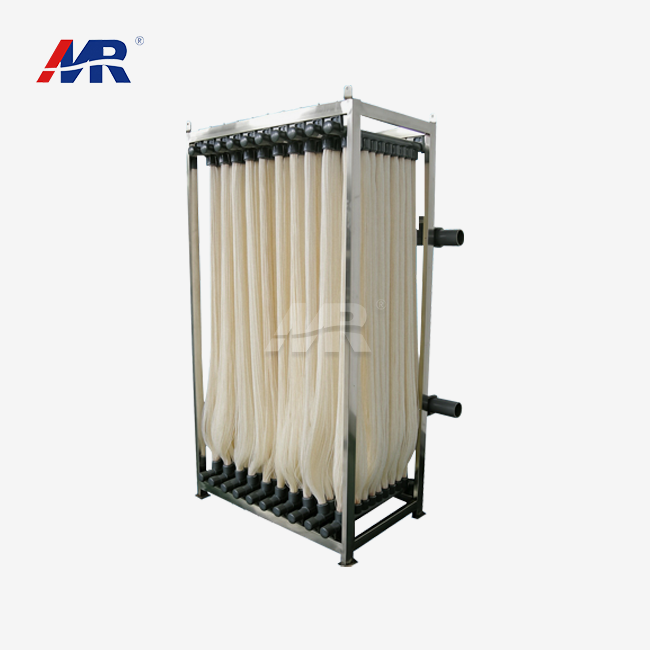 VIEW MOREbiological reactor wastewater treatment
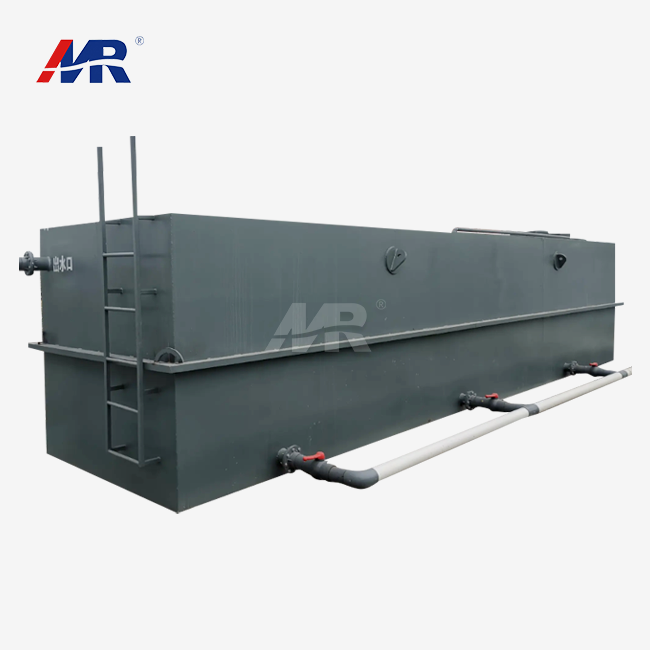 VIEW MOREdomestic wastewater treatment plant
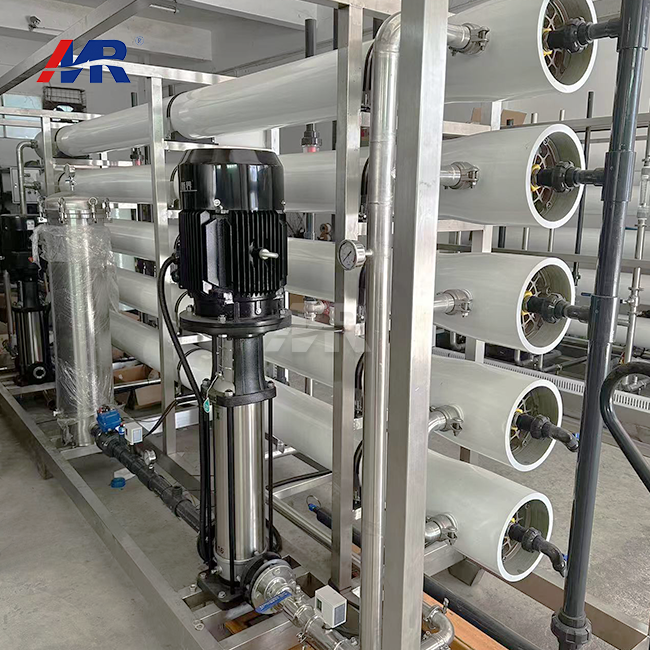 VIEW MOREosmosis water purification system
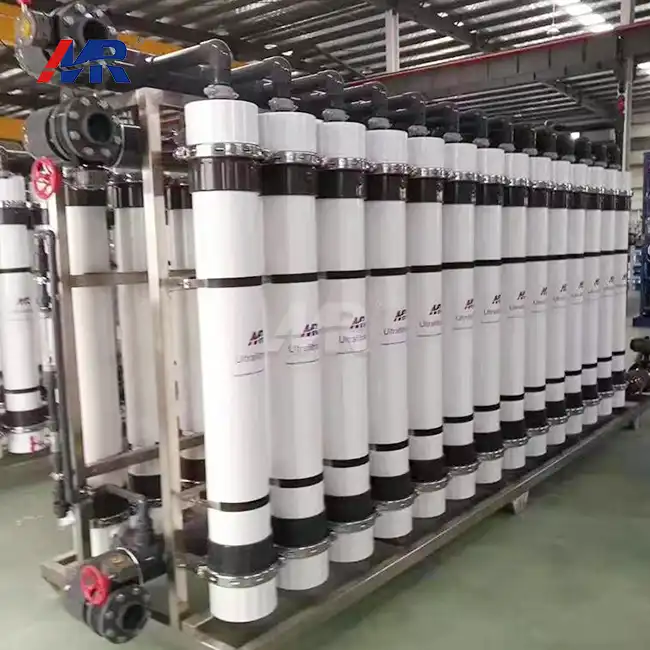 VIEW MORE70m3/hour ultrafiltration plant
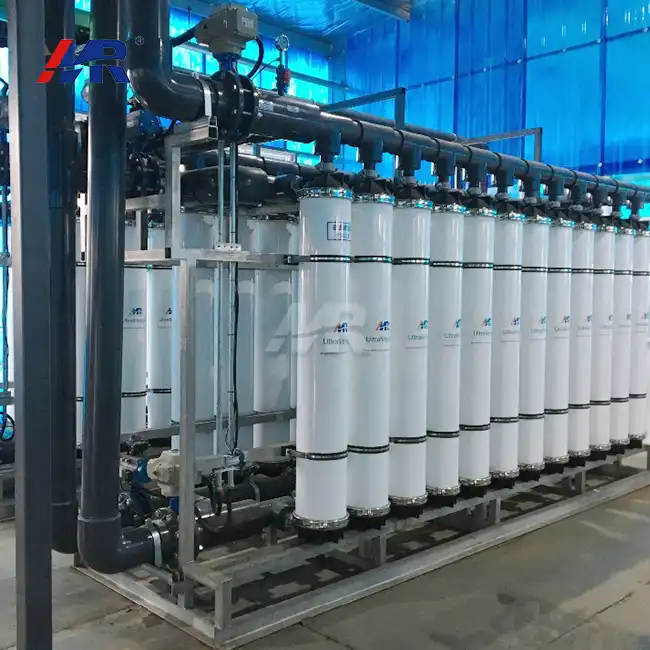 VIEW MORE50m3/hour ultrafiltration plant
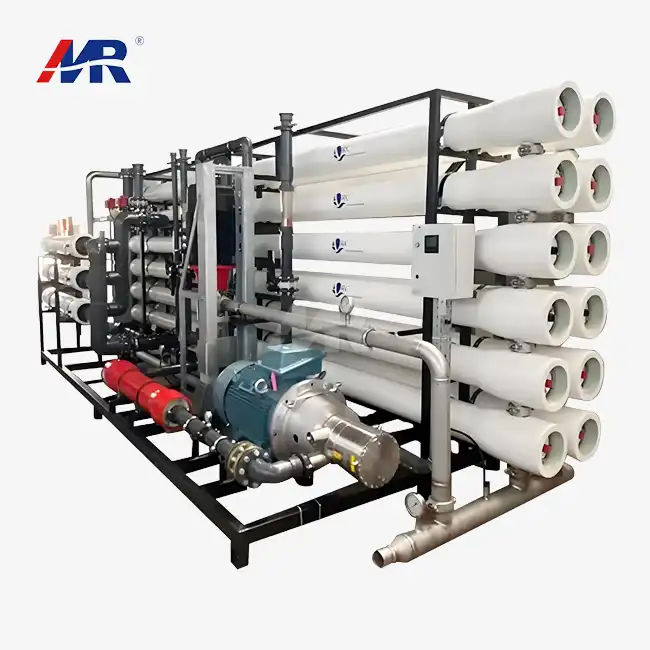 VIEW MORE45m3/hour seawater desalination system
