_1745823981883.webp)

What Does a Modern Leachate Treatment Facility Include Today?
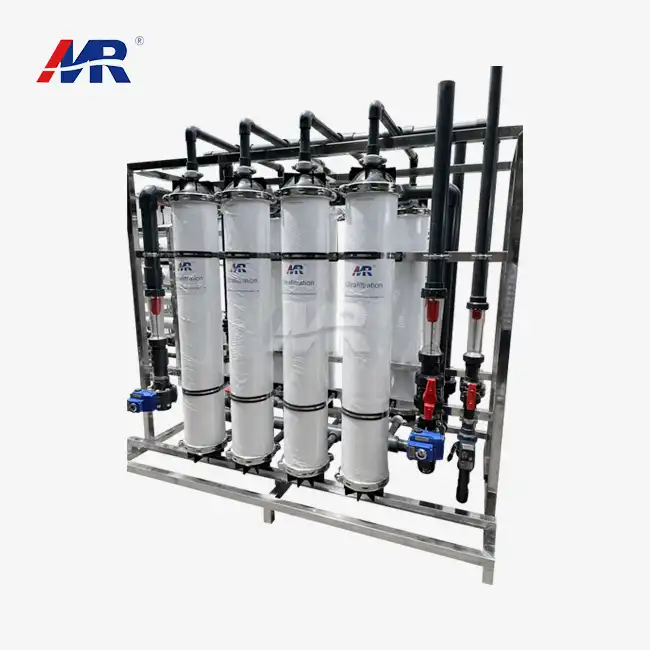
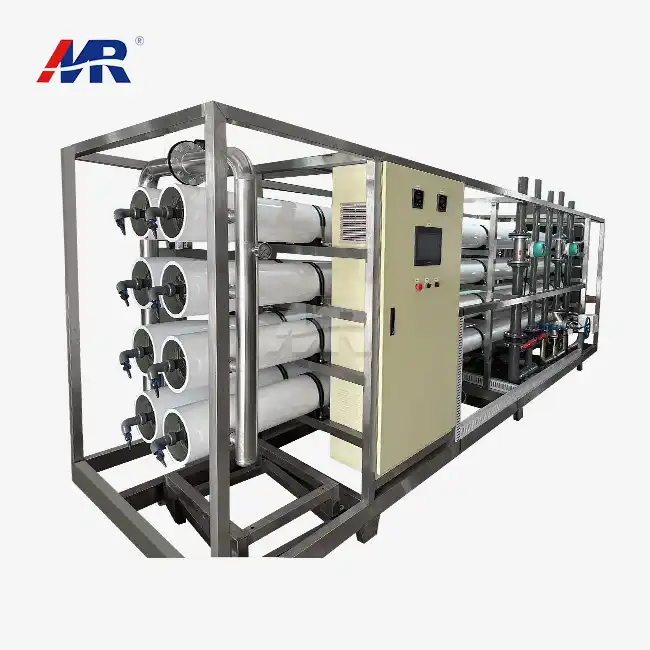
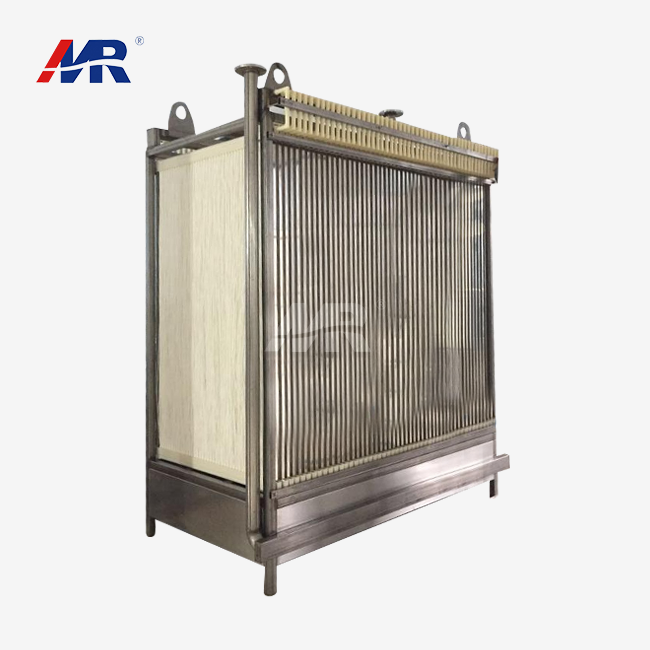
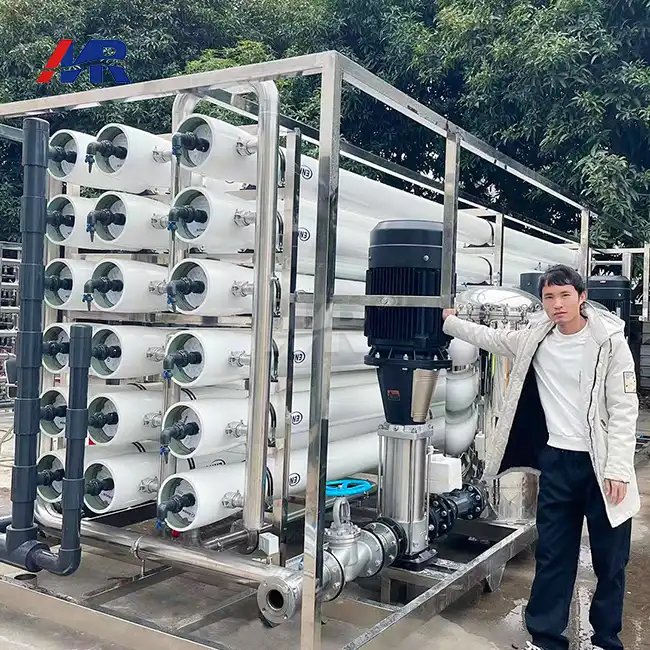
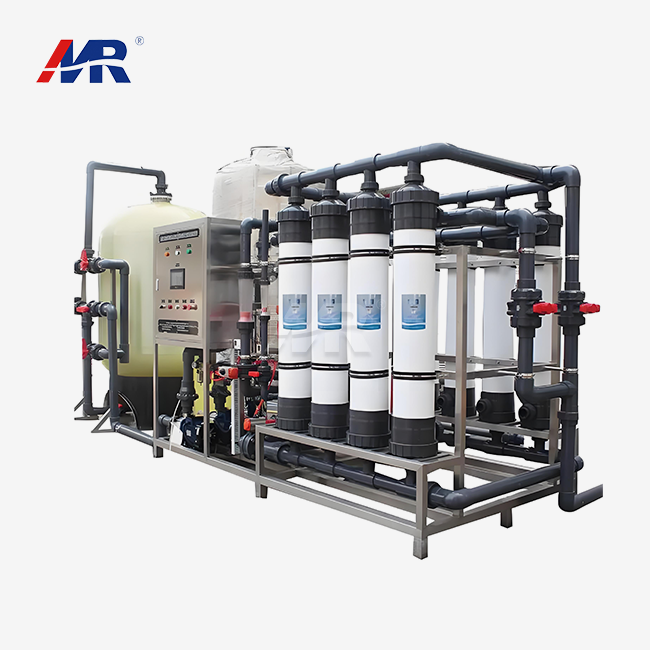
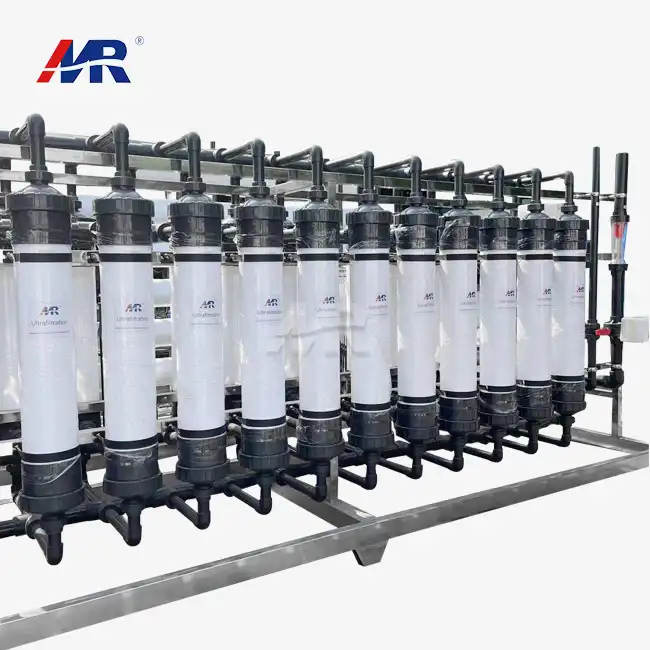
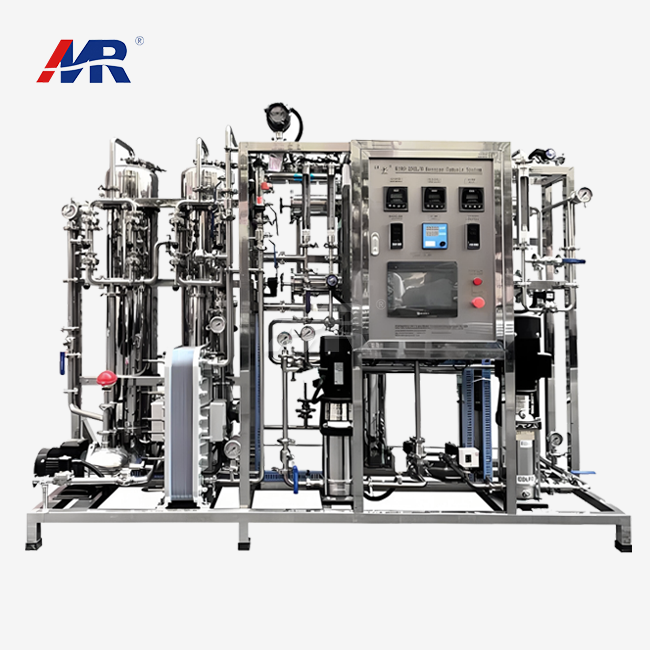
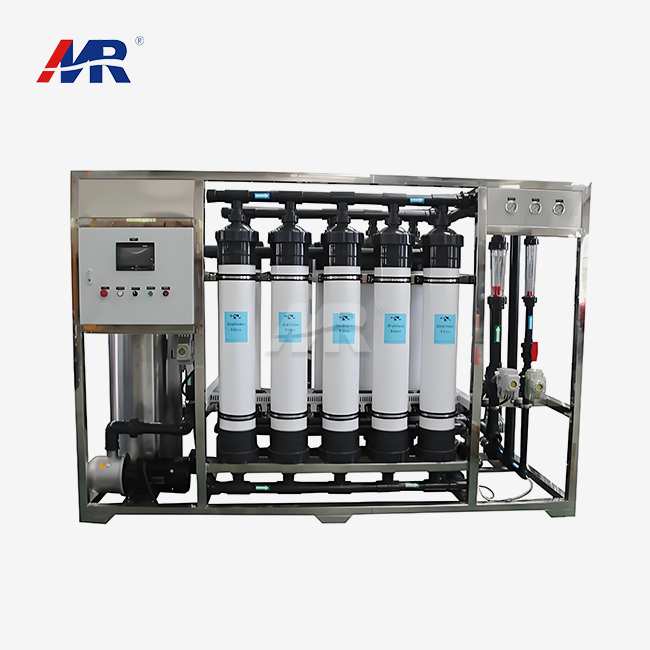
A modern membrane">leachate treatment facility represents a specialized industrial infrastructure designed to manage the highly contaminated wastewater generated from landfill operations. These facilities incorporate multi-stage processes that combine biological treatment, advanced chemical oxidation, and membrane filtration technologies to address high concentrations of ammonia nitrogen, refractory organics, and heavy metals. By integrating systems such as membrane bioreactors (MBR), reverse osmosis (RO), and evaporation-crystallization units, these facilities transform hazardous liquid waste into treated effluent that meets stringent environmental discharge standards or supports industrial water reuse applications.
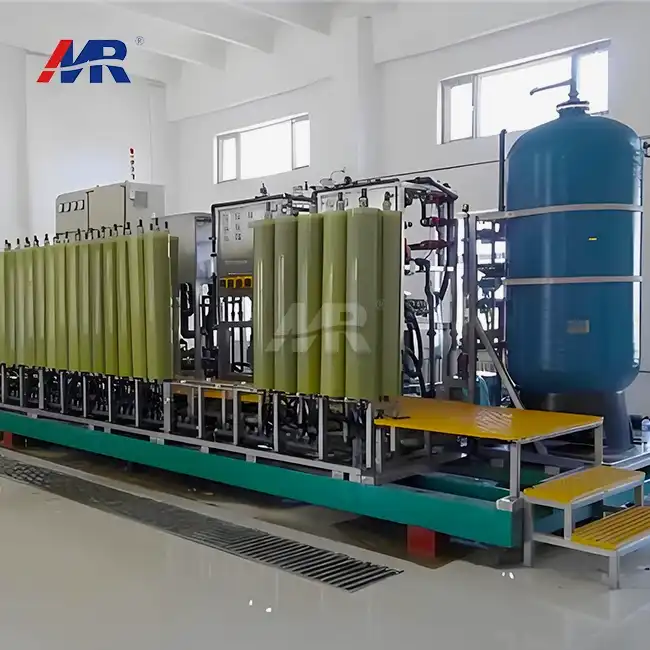
Understanding the Core Components of a Modern Leachate Treatment Facility
Because waste leachate is so complicated, it needs a complete treatment plan that takes into account how its components change over time and how they mix together.
Why Leachate Composition Drives Treatment Design
Leachate has very different properties depending on how old the landfill is, what kind of waste is in it, and the weather. Leachate from new landfills usually has a lot of biodegradable organic matter (BOD/COD ratios above 0.4), but leachate from older landfills is mostly made up of non-biodegradable compounds and has high levels of ammonia nitrogen (up to several thousand milligrams per liter). Because of this, cleaning systems need to be able to adapt to changing influent quality while keeping effluent standards the same.
The Three-Pillar Treatment Framework
Treatment methods in modern facilities are organized into three groups that are all linked. Biological methods use communities of microbes to break down organic waste and turn ammonia into nitrate. This can be done in activated sludge systems, sequencing batch reactors, or moving bed biofilm reactors. Using coagulation-flocculation in chemical methods gets rid of suspended solids and colloidal particles. Advanced oxidation methods, such as Fenton reagent or ozone, break down organic molecules that don't want to break down. Ultrafiltration and reverse osmosis membranes are used in physical separation methods to get rid of all contaminants and meet discharge standards for total dissolved solids.
Integration Strategy from Pretreatment to Discharge
Careful planning of the order of treatment steps is needed for the facility design to work well. During pretreatment, large solids are removed, and the pH is changed to protect biological systems further down the line from shock loading. The biological stage gets rid of most of the organic matter and ammonia. Next, the chemical treatment takes care of the color and trace organics that are left over. As the last barrier, membrane systems create high-quality permeate that can be released or used again, while also collecting any remaining toxins for further control. This staged approach makes the best use of capital investments and operational costs while making sure that regulations are followed in a wide range of operational situations.
A Detailed Look at the Leachate Treatment Process Steps Today
Figuring out the order of the treatment stages helps people making decisions understand how each part affects the system's overall performance.
Preliminary Treatment and Protection Measures
The first step in the treatment process is screening, which gets rid of big pieces of trash, plastic, and fibers that could damage pumps or clog biological reactors. Grit tanks get rid of sand and other heavy inorganics that wear down equipment and make reactors smaller. Acid or alkali treatment is used at pH control stations to keep the right pH levels for biological activity, which are usually between 6.5 and 8.5. Equalization tanks smooth out changes in flow and concentration so that downstream processes don't have to deal with shock loads. These first steps protect investments in capital equipment and keep the whole facility running smoothly.
Biological Treatment Options and Their Applications
Activated sludge systems are still popular because they work well and are easy for operators to understand. Nitrification is the process by which these systems keep microbial cultures in suspension. These cultures break down organic matter and change ammonia into nitrate. Denitrification is the process of turning nitrogen into a gas in anoxic zones. In membrane bioreactors, ultrafiltration membranes are used instead of secondary clarifiers to improve the quality of the effluent and reduce the size of the footprint needed. Biofilters with set media are a strong way to treat wastewater in places that want to keep things simple and require less upkeep, but they usually need more land than MBR configurations.
Chemical and Advanced Physical Treatment Methods
After biological cleaning gets rid of compounds that break down quickly, chemical processes in a leachate treatment facility get rid of any remaining contaminants. Using aluminum or iron salts for coagulation-flocculation makes colloidal particles less stable and separates dissolved metals. Advanced oxidation through Fenton reactions creates hydroxyl radicals that cut through complex organic molecules that are hard for living things to break down. Reverse osmosis systems get rid of almost all dissolved salts and trace organics, while nanofiltration membranes separate divalent ions and larger organic molecules. Disk tube reverse osmosis (DTRO) technology works well with high-strength solutions, which makes it useful for mature leachate uses.
Residual Management and Sludge Handling
Biological and chemical cleaning steps create large amounts of sludge that need to be managed properly. Before belt presses or centrifuges are used to remove water mechanically, gravity thickeners are used to concentrate waste-activated sludge. Biosolids that have been dried out can be stabilized by adding lime or composting them before they are thrown away. High-contaminant membrane concentrate streams need special handling through evaporation-crystallization systems that reduce liquid amounts by 95% or more, leaving solid residues that can be safely thrown away in a dump or potentially used to make new things.
Comparing Modern Leachate Treatment Technologies for Different Needs
When choosing the right treatment technologies, you have to weigh the need for performance against practical limitations and cost concerns.
Biological Versus Chemical Treatment Trade-offs
Biological systems are cheaper to run for young sewage with good BOD/COD ratios because they only need energy for aeration and not many chemicals. There are some problems with these systems when they are used to treat old leachate that mostly contains compounds that don't break down. Chemical oxidation works reliably on all ages of leachate, but it uses a lot of reagents, which raises the cost of doing business. Many facilities try to keep costs as low as possible by using biological treatments as much as possible first, then only using chemical methods on the parts that still need to be oxidized. This combined method cuts down on the total amount of chemicals used while still meeting quality standards for the effluent.
Onsite Treatment Versus Offsite Disposal Considerations
The people who run landfills have to decide whether to build treatment infrastructure on-site or haul leachate to central facilities or municipal wastewater plants. On-site systems give you control over operations, get rid of the costs and risks of shipping, and let you reuse water for things like cleaning equipment or reducing dust. They do need money, skilled workers, and land to be set aside for them. Off-site dumping saves money on building costs up front, but it costs more to haul the trash over long distances and in large amounts. Regulatory limits are making it harder to get rid of waste away from the site, especially high-strength industrial leachate that could mess up local treatment plants.
Emerging Technology Innovations Reducing Costs
New technologies have made treatments more reliable and efficient while also lowering the costs of running the business. Forward osmosis systems show potential for reducing volume while using less energy than standard reverse osmosis systems. Using real-time sensors and machine learning algorithms, automated tracking tools find the best rates for chemical doses and aeration. This cuts down on waste and energy use. Electrochemical oxidation creates oxidants on-site from salt solutions as an alternative to using chemicals for treatment. We have seen energy use drop by about 25% at our Guangdong facilities by using variable frequency drives to control aeration blowers and energy recovery devices on RO systems. These new ideas give a clear return on investment while also being better for the environment.
Operational Challenges and Best Practices in Modern Leachate Management
For long-term operations to go well, common problems that slow things down and cost more need to be dealt with before they happen.
Managing Variable Influent Characteristics
The quality of leachate in a leachate treatment facility changes with the seasons and with the amount of rain that falls. It also changes over time as landfills age. Facilities must be able to handle ammonia levels ranging from hundreds to thousands of milligrams per liter and COD levels changing in similar ways. Operators deal with variation by watching the process online and making changes as needed, like increasing aeration rates when there is a lot of organic matter or adding extra carbon when the COD/nitrogen ratio falls below what it should be. The size of the equalization basin's storage space is very important. For best results, you should have at least two days' worth of storage to handle peak flow events.
Preventing and Addressing Membrane Fouling
Membrane fouling is the main problem that MBR and RO systems have to deal with because it lowers flux and raises transmembrane pressure. Loss of efficiency is caused by three things: mineral scaling from calcium and silica precipitation, biological fouling from bacterial growth, and organic fouling from extracellular polymeric substances. We clean-in-place on a daily basis using alkaline cleaners for organic foulants and acidic solutions for metal scales. This keeps the mbr membranes working for three to five years on average. By improving coagulation and multimedia filtration during pretreatment, ro membranes are protected and can last up to three years before they need to be replaced under normal operating conditions.
Maintaining Regulatory Compliance and Documentation
Environmental licenses set exact limits on the amount of BOD, COD, ammonia nitrogen, total nitrogen, heavy metals, and sometimes new contaminants that can be released into the environment. Facilities must set up quality assurance programs to make sure that sampling, storage, and research are done correctly and according to the right procedures. Instead of taking random samples that might not include outliers, automated samplers take flow-proportional composite samples that show the real average conditions. Our systems for managing compliance keep track of permit limits, monitoring frequencies, and reporting deadlines. They also let us know when these levels are about to be crossed so that violations don't happen. Every year, operators get training that keeps them up to date on changes to the rules and reinforces the right way to do things.
Procurement Insights: Choosing the Right Leachate Treatment Facility and Equipment
To choose the best treatment option, you need to carefully look at the technical skills, the qualifications of the vendor, and the total lifecycle costs.
Evaluating Vendor Capabilities and Track Record
Potential providers should show that they have worked on projects with similar types of leachate and cleanup needs in the past. Ask for case studies that show performance data from real sites, such as the actual effluent quality that was achieved, the percentage of working uptime, and the amount of upkeep that needs to be done. Check the vendor's certificates, like ISO 9001 for quality management and ISO 14001 for environmental management systems, which show that they follow set procedures. In Morui's portfolio, we have installations in city landfills, industrial waste management facilities, and mining activities. These installations have been in use for many years and have success records to back them up.
Total Cost of Ownership Analysis
Lifecycle economics looks at more than just the initial cost of capital. An in-depth analysis must take into account the costs of installation, which include civil works, electrical connections, and getting the system up and running. The costs of running the system include the power used for pumping and aeration, chemical reagents, replacing the membrane at set times, regular maintenance parts, and lab testing. Different types of technology have very different staffing needs. For example, automatic systems require less work than processes that are controlled by hand. Operating costs often exceed the initial capital investment by two to five times over the course of a typical twenty-year facility lifespan. Improving efficiency is therefore essential for making the business profitable.
Turnkey Solutions and Customization Advantages
Integrated system suppliers that offer "turnkey delivery" make it easier to complete projects because they take care of design, equipment supply, installation, and commissioning all in one place. When compared to putting together parts from different vendors, this method makes coordination easier and makes it clearer what the warranty covers. Customization options let you adapt to the specifics of a place, like a small area, harsh weather, or different types of contaminants. As landfill operations grow, modular designs let capacity grow in stages without having to replace existing infrastructure. We offer full turnkey systems that include both tools from our membrane production plant and partner goods like Shimge water pumps, Runxin control valves, and Createc instrumentation. These systems are fully integrated and come with full support.
Conclusion
Modern leachate treatment facilities use complicated, multi-stage methods to deal with the difficult problems of managing wastewater from landfills. Systems that work well combine the effectiveness of biological cleaning with chemical and physical polishing to meet strict discharge standards while keeping costs as low as possible. When choosing a technology, it's not just about the capital investment; it's also about the characteristics of the leachate, the site's limitations, and the economics of the whole lifecycle. New developments in membrane technology, process automation, and energy recovery keep making things work better and last longer. Partnering with experienced suppliers who offer tried-and-true technologies, full support, and the ability to make changes ensures reliable long-term operation that meets regulatory compliance and environmental protection goals.
Frequently Asked Questions
1. How do facilities handle extremely high ammonia concentrations?
Multistage anoxic-oxic biological processes remove ammonia effectively by nitrifying and denitrifying in a certain order. Air stripping towers are an alternative way to deal with ammonia concentrations that are too high for biological treatment. They move ammonia from the liquid phase to the gas phase so that it can be captured and recovered. Using both methods together is a common way to lower ammonia levels from highs of 2,000 to 4,000 mg/L to levels below 15 mg/L.
2. What maintenance schedules extend membrane service life?
Using the right cleaning chemicals once or twice a week for regular clean-in-place procedures stops fouling from building up in a way that can't be fixed. If you follow the right steps, MBR membranes can last for three to five years. Nanofiltration and reverse osmosis membranes, on the other hand, can only last for two to three years, depending on the quality of the feedwater and the operating flux rates. Protecting membrane integrity means following the manufacturer's suggested working settings and staying away from chemicals or temperatures that are higher than what is advised.
3. Can treatment systems adapt to changing leachate characteristics?
Facilities that are well-designed have operating versatility built in, like chemical dose ranges, aeration rates, and hydraulic retention times that can be changed. As landfills move from the "young" to the "mature" stage, workers change process parameters. For example, they might raise the doses of oxidation chemicals while lowering the strength of biological treatment. When the biodegradability of leachate drops, modular system designs let you add treatment steps like advanced oxidation units.
Partner with a Trusted Leachate Treatment Facility Manufacturer
Guangdong Morui Environmental Technology Co., Ltd. has a lot of experience designing and building leachate treatment plants that are exactly what you need for your business. Our combined approach brings together our own membrane technology from our factory, over 20 experienced engineers, and over 500 committed professionals from 14 offices who work together to provide full solutions. We offer "turnkey" services that include system design, equipment supply, installation, and ongoing expert support to make sure your building works at its best for as long as it's there. Get in touch with us at benson@guangdongmorui.com to talk about your project needs and find out how our tried-and-true leachate treatment facility options can help you meet regulations and run your business more efficiently.
References
1. Kjeldsen, P., Barlaz, M.A., Rooker, A.P., Baun, A., Ledin, A., and Christensen, T.H. "Present and Long-Term Composition of MSW Landfill Leachate: A Review." Critical Reviews in Environmental Science and Technology, Vol. 32, No. 4, 2002.
2. Renou, S., Givaudan, J.G., Poulain, S., Dirassouyan, F., and Moulin, P. "Landfill Leachate Treatment: Review and Opportunity." Journal of Hazardous Materials, Vol. 150, No. 3, 2008.
3. Kurniawan, T.A., Lo, W.H., and Chan, G.Y.S. "Physico-Chemical Treatments for Removal of Recalcitrant Contaminants from Landfill Leachate." Journal of Hazardous Materials, Vol. 129, No. 1-3, 2006.
4. Wiszniowski, J., Robert, D., Surmacz-Gorska, J., Miksch, K., and Weber, J.V. "Landfill Leachate Treatment Methods: A Review." Environmental Chemistry Letters, Vol. 4, No. 1, 2006.
5. Abbas, A.A., Jingsong, G., Ping, L.Z., Ya, P.Y., and Al-Rekabi, W.S. "Review on Landfill Leachate Treatments." American Journal of Applied Sciences, Vol. 6, No. 4, 2009.
6. Peng, Y. "Perspectives on Technology for Landfill Leachate Treatment." Arabian Journal of Chemistry, Vol. 10, Supplement 2, 2017.