

_1745823981883.webp)

How to Design a Reliable Landfill Leachate Management Plan That Works
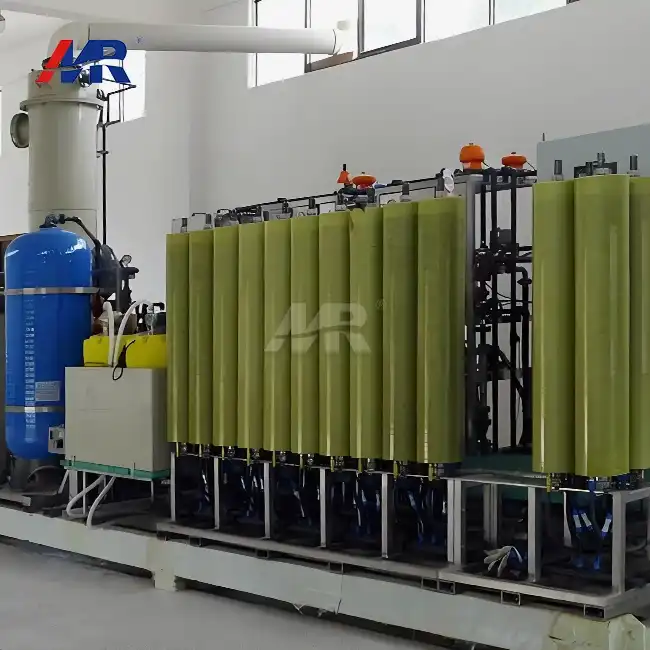
Designing a reliable membrane">landfill leachate management system starts with understanding the fundamental challenge: leachate is a concentrated liquid formed when water percolates through waste, carrying dissolved organic compounds, heavy metals, ammonia, and emerging contaminants. A working management plan must integrate site-specific assessment, appropriate treatment technology selection, regulatory compliance pathways, and scalable infrastructure. The goal is to prevent groundwater contamination while meeting discharge standards cost-effectively. This requires balancing biological treatment, advanced membrane filtration like reverse osmosis, and continuous monitoring protocols tailored to your facility's waste profile and operational scale.
Understanding Landfill Leachate and Its Challenges
The problems that landfill leachate causes are different from those that regular sewer treatment can't handle. When rainwater gets into waste cells, it breaks down hundreds of chemical molecules, making a liquid that is much more complicated than regular industrial sewage.
The Composition Problem
The chemistry of leachate changes a lot depending on how old the waste is and what it is made of. Biodegradable organics are found in high concentrations in new landfills, which need more than 20,000 mg/L of chemical oxygen demand. Along with ammonia-nitrogen levels above 1,000 mg/L, mature sites make compounds that are hard for living things to break down. Because of this, it's hard to choose the right treatment technology.
Environmental and Regulatory Pressure
If you don't control leachate, it can move through the soil and pollute aquifers over time. In the US, regulatory systems like NPDES licenses set strict discharge limits that need to be treated before they can be released. Violations lead to big fines and maybe even the closure of the facility, so operators need to make sure they are following the rules right away.
Seasonal and Operational Fluctuations
Patterns of precipitation cause big changes in volume. Heavy rainstorms make ten times as much leachate while lowering concentrations. On the other hand, dry spells make slugs that are very concentrated and can't be handled by treatment systems. Because of this, the infrastructure needs to be flexible and have enough equalization capacity.
For leachate systems to work well, they need to deal with all of these problems at the same time, which means they can't just have separate treatment units. In the parts that follow, we'll look at how to organize such complete answers.
Core Principles for Designing an Effective Leachate Management Plan
To create a strong treatment system, you need to follow basic engineering rules that guarantee long-term performance and regulatory compliance.
Site-Specific Assessment and Characterization
Each landfill makes its own type of leachate, which means that each one needs its own set of solutions. Pollutant loads, biodegradability ratios, and contamination risks can all be found by doing a full chemistry study. To see how concentration changes over time, testing should happen during more than one season. This information helps choose the right technology and plan for capacity, so expensive redesigns don't have to be done after installation.
Regulatory Alignment and Compliance Strategy
Every design choice is affected by how well you understand the relevant discharge standards. The rules for approving municipal sewers are very different from those for approving direct surface water releases. In dry areas where there are no liquid release standards, evaporation devices that leave behind solids are needed. Early involvement with regulatory bodies makes sure everyone knows what is expected of them and speeds up the permit process.
Scalability and Future-Proofing
Over many years, landfills grow, and as new cells open, the amount of leachate slowly rises for landfill leachate management systems. Treatment infrastructure needs to be able to handle growth without having to be replaced completely. Modular systems let you add more capability by connecting units in parallel instead of rebuilding the whole system from scratch. Planning for operating horizons of 20 to 30 years, including monitoring times after closure, makes sure that investments will continue to pay off.
Risk Mitigation Through Redundancy
When equipment breaks down during times of high flow, it causes environmental crises. Adding backup pumps, two sets of membrane trains, and emergency storage stops discharge violations that could happen during repair or when something unexpected breaks down. This operating resilience guards both the image of the building and the integrity of the environment.
During the planning process, these principles serve as the strategy framework that guides technical choices. Next, we look at specific treatment technologies that make these strategies work.
Comparing Landfill Leachate Treatment Methods and Technologies
There are different ways to treat the problem, and each one has its own costs, requirements, and performance traits. Knowing about these choices lets you choose the right technology.
Biological Treatment Systems
Membrane bioreactors use both activated sludge and ultrafiltration to get rid of a lot of organic matter in a small space. These systems work great with young leachate that has biodegradable chemicals, but not so well with older leachate that has organics that won't break down. MBR technology consistently produces high-quality effluent while minimizing the production of sludge. This makes it ideal for facilities with limited space.
Advanced Oxidation Processes
Chemical treatments with ozone, hydrogen peroxide, or Fenton's reagent break down organic molecules that are resistant to being broken down by living things. These methods work well for getting rid of color compounds and stubborn COD, but they cost money because they use a lot of chemicals. When you combine oxidation with biological pretreatment, you get the best results while keeping costs low.
Membrane Separation Technologies
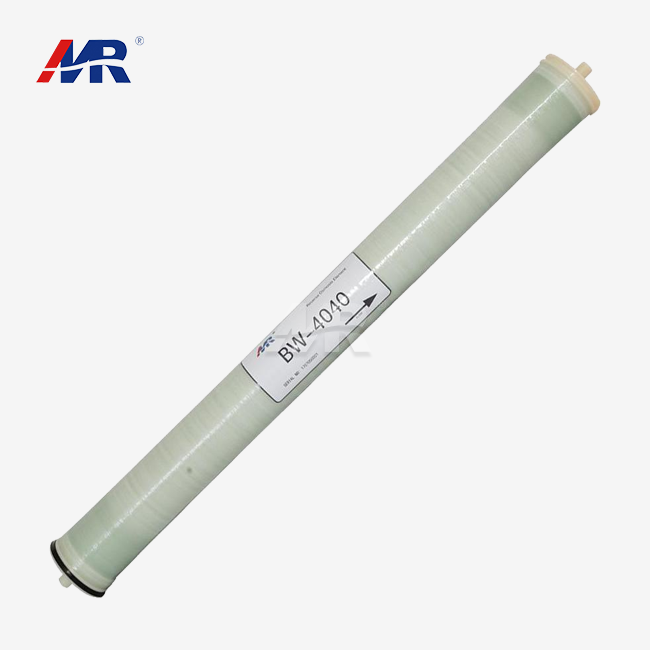
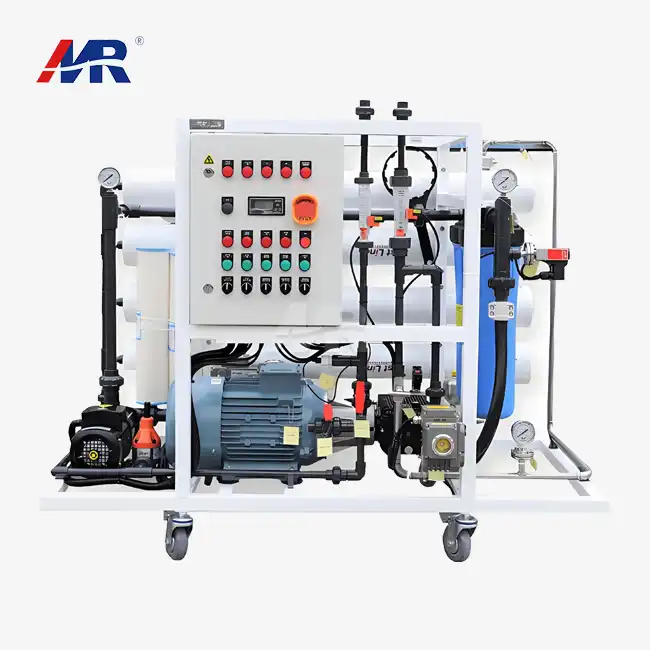
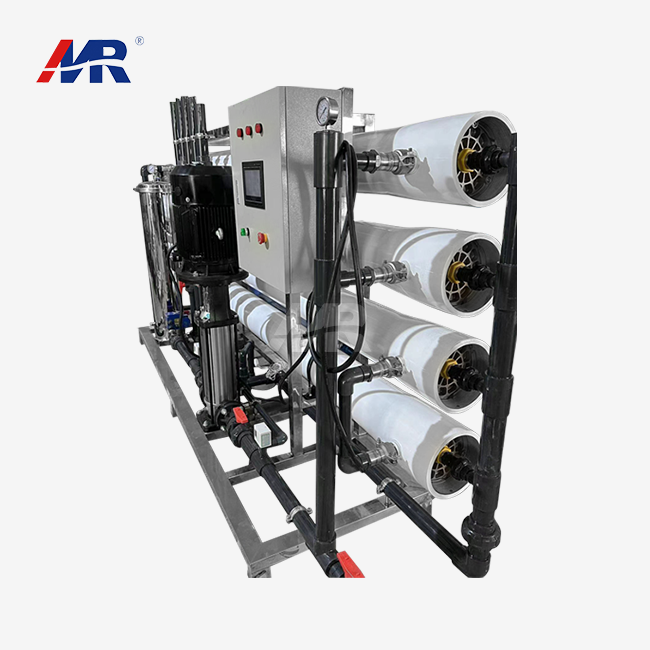
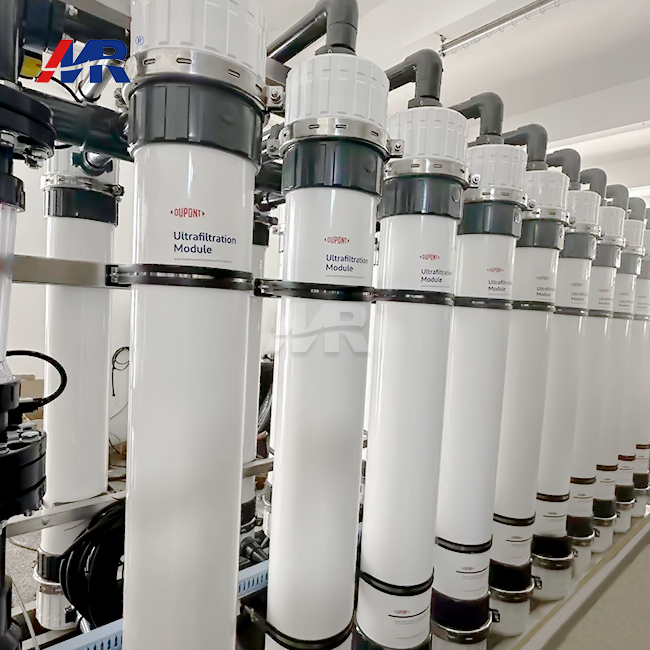
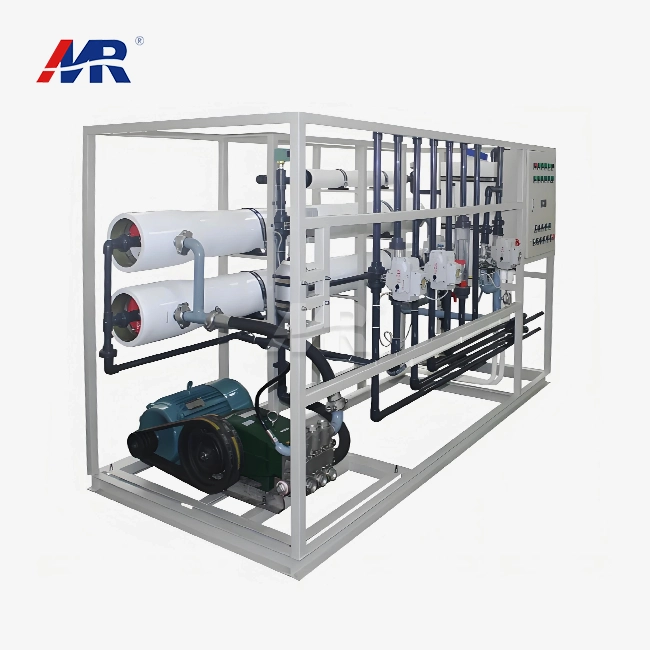
Reverse osmosis and nanofiltration make high-purity residue that can be used again or discharged according to strict rules. RO systems get rid of dissolved salts, heavy metals, and small amounts of organic matter, but they also collect contaminants into reject streams that need extra care. Operators must deal with membrane fouling by using the right pretreatment methods, such as ultrafiltration and chemical cleaning.
Hybrid and Integrated Approaches
The most successful sites use more than one technology in treatment trains that are specifically designed for the leachate. In a normal setup, biological treatment would come first, then ultrafiltration, then reverse osmosis, and finally activated carbon to clean the water. This layered approach spreads the work of treatment across specialized units, which makes the whole process more reliable and efficient.
Before you choose one of these technologies, you need to compare your leachate data to your performance capabilities, capital budgets, and operational resources. The next part goes over some real steps for implementation.
Practical Steps to Implement a Reliable Leachate Management Plan
An organized method is used to make sure that design principles are turned into working infrastructure that is also technically sound and follows all the rules.
Comprehensive Site Assessment
Start by giving a full description of the leachate's makeup, flow rates, and yearly changes for landfill leachate management. Take samples during both wet and dry times and look at things like BOD, COD, ammonia, heavy metals, and new contaminants like PFAS. Examine the factors at the site that might affect construction, like space available, ease of access for utilities, and the type of soil present. This base keeps design holes from showing up when the system is being used.
Technology Selection and System Configuration
Match the treatment methods to the profiles of the leachate that were found during the assessment. Biological systems can help with waste that breaks down quickly, but mature sites need membrane technologies or improved oxidation. Talk to the people who made the tools to go over the performance guarantees and operational needs. To accurately project lifecycle costs, you should look at how much energy, chemicals, and upkeep are used.
Engineering Design and Equipment Procurement
Make thorough engineering drawings that show the sizes of the equipment, the materials used to build it, and the control methods that will be used. Dosing systems, flow equalization, and alarm protocols should all be automated. When looking for tools, it's best to choose providers that offer full support, such as help with commissioning and access to spare parts. Check that the parts meet the right standards, like ASME for pressure tanks or NSF for drinking water parts, if they apply.
Installation and Commissioning
Watch over the building to make sure it stays true to the plans, especially when it comes to the concrete work, the integrity of the pipes, and the electrical connections. Systematically test the system at startup, making sure that each unit works before adding it to full treatment trains. Teach operational staff about safety rules, routine procedures, and how to fix problems. Keep track of performance during the first operation to set standards for future monitoring.
Monitoring and Continuous Improvement
Set up regular sampling plans to keep track of the features of the influent and the quality of the effluent against the permit limits. Look at performance trends to find ways to make things better, like changing the amount of chemicals used or how often they are cleaned. Keep full operating logs that can be used for permit reporting and to help figure out problems when they happen.
Using this step-by-step method lowers the risks of implementation and builds institutional knowledge for managing the system in the long term. Examples from business show how these ideas work in real life.
Case Studies and Industry Best Practices
Real-life examples show how customized leachate systems can be used in a range of operational and regulatory settings.
Municipal Solid Waste Facility Integration
An urban waste authority that runs a 500-acre MSW landfill set up a three-stage treatment system that can handle 100,000 gallons of garbage every day. The design included MBR for biological treatment and then reverse osmosis to make effluent that was good enough for discharge. Seasonal changes in flow were absorbed by equalization basins with 72-hour retention times. This setup cut the amount of ammonia in the water from 800 mg/L to less than 5 mg/L, which met strict rules for surface water discharge permits. As more landfill cells opened, the modular design allowed the capacity to grow by 40%.
Industrial Landfill Hazardous Contaminant Management
Specialized treatment trains were used at a chemical waste site to deal with leachate that contained chlorine solvents and heavy metals. Before biological cleaning, metals were taken out with chemical precipitation as a pretreatment. Granular activated carbon adsorption was used as the last process to target small organics. This multi-level method made sure that the discharge rules were followed while also handling concentrated garbage streams from specific industry sources.
Emerging Technology Adoption
Smart monitoring systems with real-time monitors that track pH, conductivity, and turbidity have been added to new sites. Based on the conditions of the influent, automated control platforms change the chemical dosing and membrane cleaning cycles. This improves performance while decreasing the operator's workload. Data analytics finds patterns in how efficiently things are used, which helps with planning future maintenance.
These examples show how important it is to make sure that the technology options fit the needs of the place while still allowing for operational flexibility. Facilities that are looking at treatment choices use these tried-and-true methods to decide what to buy.
Conclusion
To make landfill leachate management systems that work well, you need to know a lot about technology, rules, and how the system will actually work. To be successful, you need to carefully study the site, choose the right technology, and build a system that can grow as the building changes over time. When biological processes are combined with advanced membrane filtration, a wide range of contaminants can be removed while meeting stricter environmental standards. Investing in strong monitoring and automation makes systems more reliable and lowers their running costs over their entire lifetimes. Sustainable compliance and environmental protection are achieved by organizations that put an emphasis on thorough planning and work with experienced equipment sellers.
Frequently Asked Questions About Leachate Treatment Systems
1. What factors most influence treatment technology selection?
The main ways to treat leachate are based on its age and biodegradability rates. Young leachate with high BOD/COD ratios works well with biological systems. Older leachate, on the other hand, needs to be separated by membranes or go through advanced oxidation. Standards for discharge also play a role in making choices; strict limits require reverse osmosis or other similar technologies for cleaning. Site-specific factors, such as available room, energy prices, and operational skills, make it even easier to choose the right technology.
2. How do facilities ensure ongoing regulatory compliance?
Setting up thorough monitoring systems that compare key factors to allowable limits gives early warning of performance problems. Failures during critical times can be avoided by keeping equipment in good shape. Keeping in touch with regulatory agencies through open reporting builds trust, which makes it easier to renew permits. A lot of providers use outside labs to do compliance screening, which makes sure the data is accurate.
3. What cost considerations affect system budgeting?
Buying tools, building roads, and installing electricity are all examples of capital costs. Costs of doing business include things like buying chemicals, replacing membranes, using energy, and paying workers. Long-term value goes beyond the original buying price when you look at the total cost of ownership over 15 to 20 years. Facilities should plan to make changes on a regular basis to keep up with new rules or meet growing demand.
Partner With Morui for Turnkey Leachate Treatment Solutions
Guangdong Morui Environmental Technology focuses on complete wastewater treatment systems that meet the specific needs of industrial and landfill operators. Because we have been in the landfill leachate management business for a long time, we can offer unique solutions that include biological treatment, advanced membrane technologies like RO and ultrafiltration, and automatic tracking systems. Our engineering team does everything, from evaluating the site for the first time to installing, testing, and providing ongoing Technical support. Morui is trusted by multinational companies and local governments because it is reliable and quick to respond. It has 14 regional branches with more than 500 employees and its own manufacturing technology for membranes. Get in touch with our technical experts at benson@guangdongmorui.com to talk about your specific leachate problems and get thorough plans that are made to fit your operational needs and the rules that apply to your area.
References
1. Renou, S., Givaudan, J.G., Poulain, S., Dirassouyan, F., and Moulin, P. (2008). Landfill Leachate Treatment: Review and Opportunity. Journal of Hazardous Materials, 150(3), 468-493.
2. Kulikowska, D., and Klimiuk, E. (2008). The Effect of Landfill Age on Municipal Leachate Composition. Bioresource Technology, 99(13), 5981-5985.
3. Kjeldsen, P., Barlaz, M.A., Rooker, A.P., Baun, A., Ledin, A., and Christensen, T.H. (2002). Present and Long-Term Composition of MSW Landfill Leachate: A Review. Critical Reviews in Environmental Science and Technology, 32(4), 297-336.
4. Amokrane, A., Comel, C., and Veron, J. (1997). Landfill Leachates Pretreatment by Coagulation-Flocculation. Water Research, 31(11), 2775-2782.
5. Zhao, R., Gupta, A., Novak, J.T., Goldsmith, C.D., and Driskill, N. (2013). Characterization and Treatment of Organic Constituents in Landfill Leachates that Influence the UV Disinfection in the Publicly Owned Treatment Works. Journal of Hazardous Materials, 258-259, 1-9.
6. Wiszniowski, J., Robert, D., Surmacz-Gorska, J., Miksch, K., and Weber, J.V. (2006). Landfill Leachate Treatment Methods: A Review. Environmental Chemistry Letters, 4(1), 51-61.
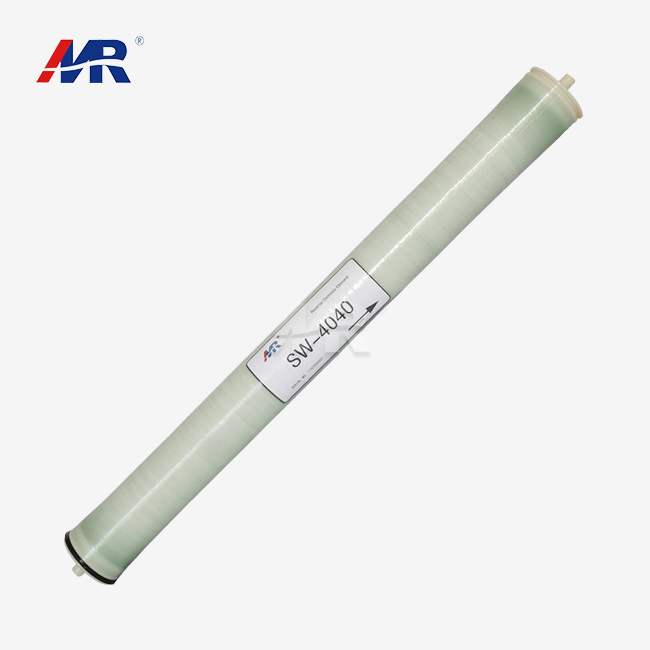 VIEW MORE4040 seawater reverse osmosis membrane
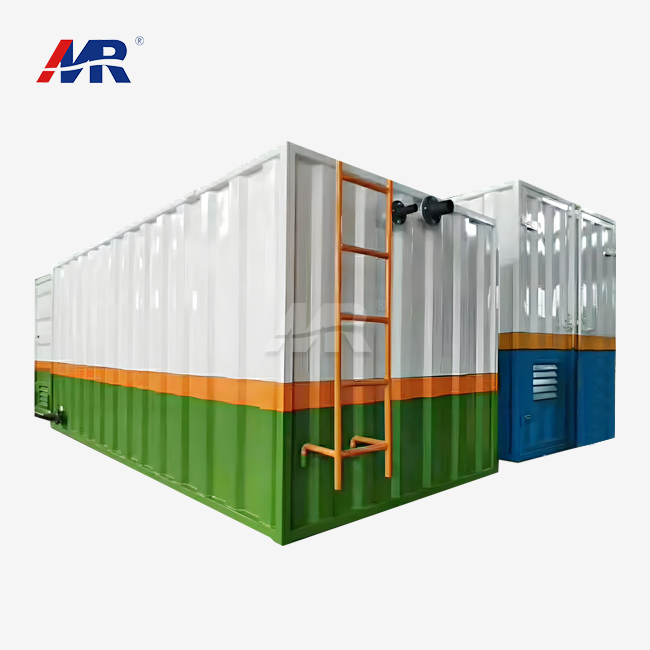 VIEW MOREindustrial sewage treatment plant
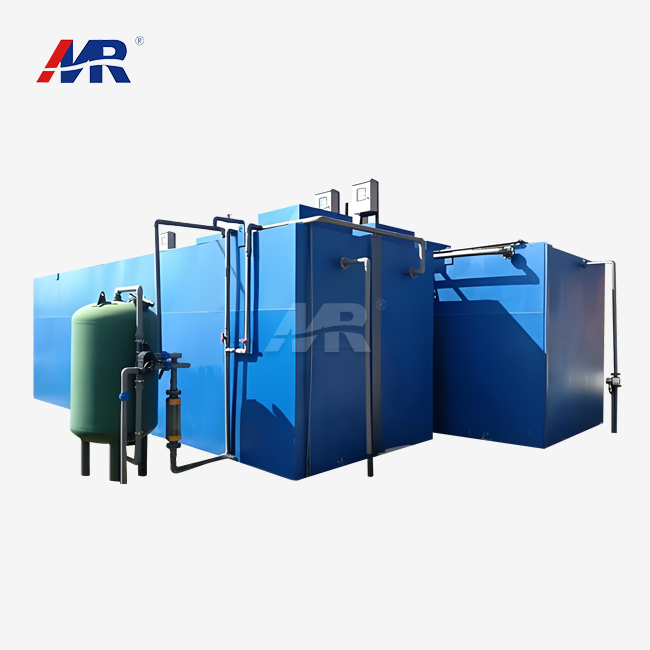 VIEW MOREsewage treatment plant
 VIEW MORE4040 reverse osmosis membrane
 VIEW MORE2m3/hour seawater desalination equipment
 VIEW MOREunder counter reverse osmosis water system
 VIEW MOREultrafiltration water treatment system
 VIEW MOREseawater desalination pre-treatment
