_1745823981883.webp)

Purified Water Reverse Osmosis System: A Buyer’s Guide
Choosing the right purified water reverse osmosis system demands careful evaluation of technology, supplier credentials, and operational requirements. This guide walks you through the essential considerations that procurement teams, technical decision-makers, and facility managers face when investing in RO technology. Whether you're operating a pharmaceutical plant requiring USP-grade water, managing a food processing line, or overseeing municipal water treatment infrastructure, understanding RO system capabilities directly impacts product quality, regulatory compliance, and long-term operational costs. We've designed this resource to clarify the technical specifications, comparative advantages, and maintenance protocols that matter most in B2B purchasing decisions.
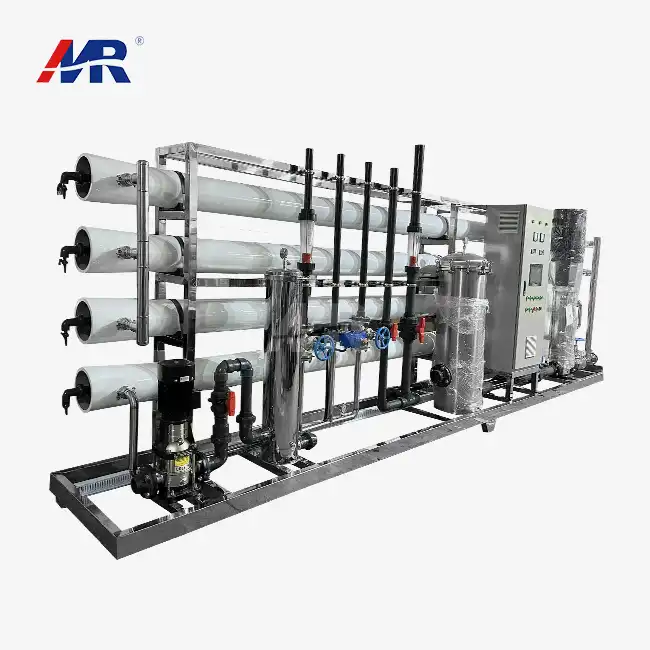
Understanding Purified Water Reverse Osmosis Systems
One of the most effective ways to make sure that industrial uses always have high-quality water is to use purified water reverse osmosis systems. Its main job is to push feed water through semi-permeable filters that block dissolved solids, chemical compounds, microbiological contaminants, and particles in the air that are smaller than 0.0001 microns. Up to 99.5% of molecules are rejected by this molecular-level filter. This makes it very useful for making medicines, semiconductors, and food-grade Products where even small impurities can ruin the quality of the product.
The Multi-Stage Filtration Process
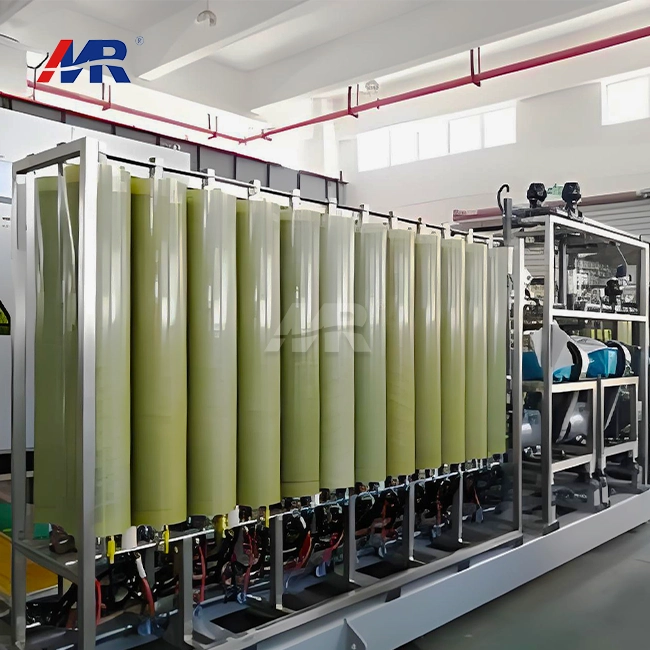
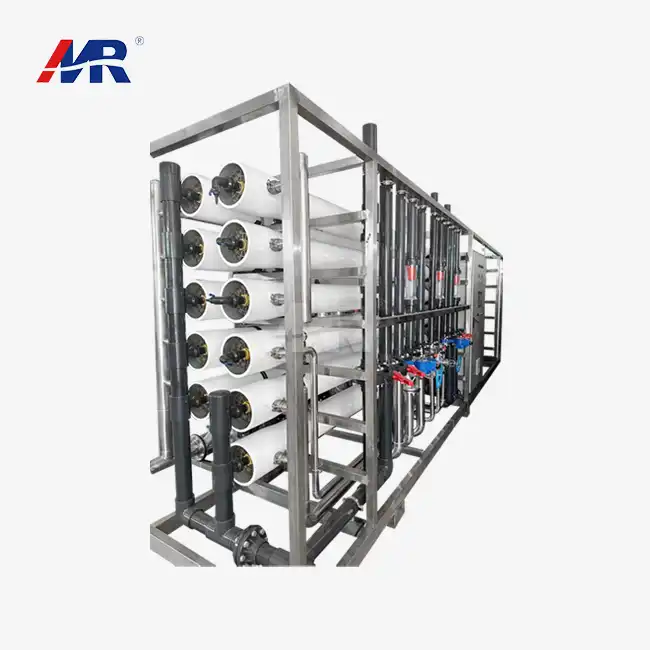
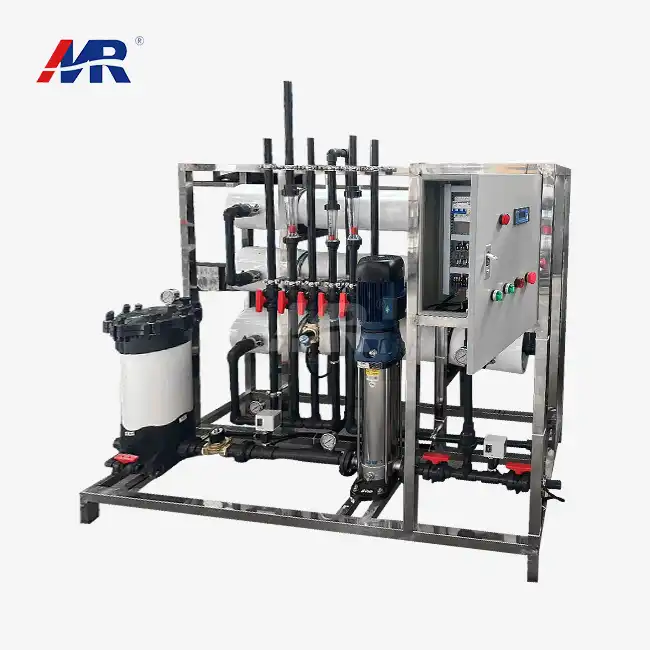
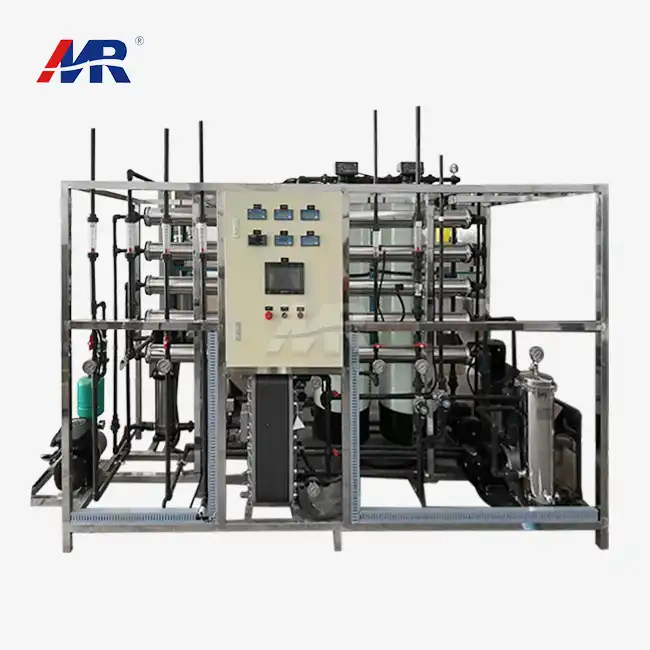
Modern industrial RO systems have a carefully planned process that makes them as efficient as possible while also protecting the membranes' life. During pre-treatment, sediment screens, activated carbon steps, and, if needed, water softening get rid of bigger particles and change the chemical properties. The high-pressure pump then forces water through the membrane array at pressures between 100 and 300 psi, based on the saltiness of the feed water and the quality of the permeate that is wanted. After cleaning, the item may need more polishing, pH adjustment, or UV cleansing before it is stored and sent out.
This step-by-step method solves a very important problem: membrane fouling. High Silt Density Index (SDI) feed water—anything above 3—speeds up the buildup of colloidal particles that slow down flow rates and use more energy. Because of this, effective pre-treatment is necessary; it directly affects the total cost of ownership by determining whether your membrane elements will last three years or five.
Energy Efficiency and Sustainability Benefits
When compared to traditional designs from ten years ago, modern RO systems use 30% less energy. Thin-film composite membranes with high flow and low fouling let more water be made at lower pressures. Variable frequency drive (VFD) pumps automatically adjust to changes in temperature that affect the viscosity of water. Because production capacity drops by about 3% for every 1°C drop in temperature, these adjustable limits keep output steady without making equipment too big or wasting electricity.
Recovery rates have also gotten a lot better. In the past, 50–60% of the feed water was lost as concentrate. Newer industrial units collect 75% of that water. This difference means that places that process thousands of gallons of water every day will save a lot of money on water costs and have less of an impact on the environment. The concentrate stream is often used for other things, like cooling towers, irrigation, or flushing toilets, which makes even better use of resources.
Comparing Purified Water Reverse Osmosis with Alternative Systems
Before making big investments, procurement teams often look at a number of different purification technologies. Knowing how a purified water reverse osmosis system stacks up against other options can help you decide which uses make the technology choice worthwhile and which ones might benefit from a hybrid approach.
Distillation Systems
By vaporizing and recondensing water, thermal distillation gets rid of chemical compounds and heavy metals, leaving behind very clean water. When doing certain processes, laboratories that work with trace metal detection sometimes like to use distilled water. Yet, distillation uses a lot more energy and produces things much more slowly than membrane filtering. A distiller that makes 50 gallons of water a day might take up about the same amount of room on the floor as an RO system that makes 1,000 gallons of water a day but uses five times as much electricity.
UV Purification Technology
Ultraviolet devices are great at killing microbes without leaving behind any chemicals. A lot of facilities use UV as an extra step after RO filtering, especially in pharmacy settings where controlling bioburden is important. UV light can't get rid of heavy metals, dissolved solids, or chemical contaminants by itself, so it's not a good solution for most industrial water quality needs. In hospital, lab, and food production settings, using both RO to get rid of contaminants and UV to kill any remaining germs is often the best way to do things.
Carbon and Multi-Media Filters
Activated carbon is useful in the pre-treatment steps because it gets rid of chlorine, organic molecules, and substances that change the taste of water. Through depth filtering, multi-media filters pick up objects that are floating in the water. Neither method can get rid of dissolved metal salts or clean everything as well as membrane separation can. Also, carbon filters need to be replaced often to keep germs from growing on them, and they don't do much to protect against total dissolved solids (TDS) that are found in groundwater or saltwater sources.
Evaluating Established Manufacturers
When making choices about what to buy that affect mission-critical water quality, brand image, and service infrastructure are very important. Companies like Pentair and APEC have gotten to the top of their markets by consistently coming up with new ideas, meeting NSF/ANSI standards, and having quick and helpful Technical support networks. Check that the membrane elements meet NSF/ANSI 58 standards and that all wetted parts have NSF/ANSI 61 or FDA compliance Certifications when you are looking at sources. This will keep leaching problems from happening that could contaminate your pure output.
Warranty coverage is another sign of dependability. Manufacturers who offer full warranties on membrane elements, pressure vessels, and controls for 3 to 5 years show that they are confident in the quality of the parts. Support after the sale is just as important. Can the supplier send field service engineers to set up and commission the system, fix problems remotely, and get replacement parts to you in a reasonable amount of time? You can directly see how these things affect system uptime and the consistency of your work.
How to Choose the Right Purified Water Reverse Osmosis System for Your Business
By matching system specs to operating needs, you can avoid both poor performance and spending too much on capital that isn't needed. The best purified water reverse osmosis system for your business can be selected by following a methodical way to go about the choosing process.
Assessing Water Volume Requirements
Find your daily peak water demand, not just your daily average. Demand may go up during production efforts at pharmaceutical companies, and beverage bottling lines need extra space when they first start up. The most common way to describe an RO system is in terms of gallons per day (GPD). Small labs use 1,000 GPD units, while big factories use 100,000 GPD units. Include an extra 20 to 30 percent of capacity to account for growth, changes in the seasons, or the need for backup equipment during maintenance periods.
Feed Water Quality Analysis
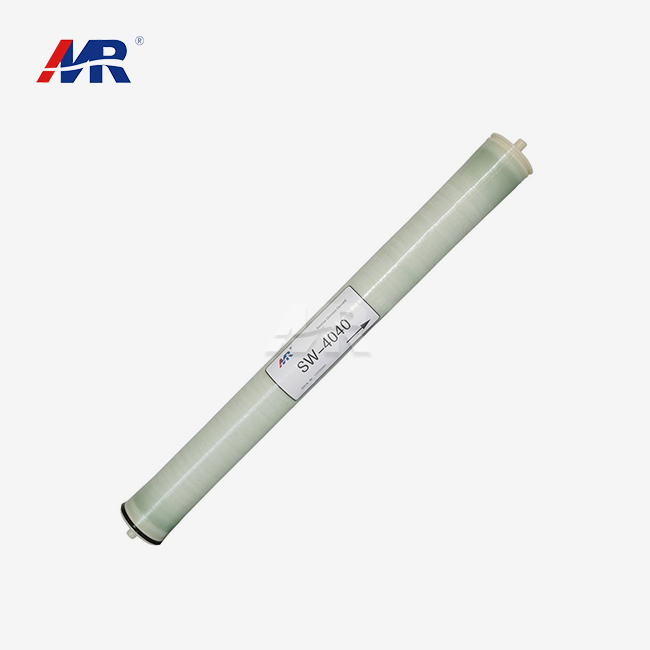
The features of the source water have a big impact on how the system is designed. Municipal water supplies usually don't need much pre-treatment, but water from wells or the surface may need a lot. Ask for a full water study that checks for TDS, hardness, iron, silica, chlorine, and the presence of microbes. If the TDS of the water is more than 1,500 parts per million, it might need high-pressure pumps and membranes made for seawater that can handle the higher osmotic pressure. High-silica water (>50 ppm) needs special anti-scalant doses to keep membranes from scaling, which makes flow very difficult.
Application-Specific Purity Standards
Different businesses have their own rules about the quality of water. Pharmaceutical companies need USP-grade purified water that has a conductivity of less than 1.3 microsiemens per centimeter and bacteria levels that are well below strict limits. For cleaning chip wafers, the electronics industry needs ultrapure water that is a mix of RO and electrodeionization (EDI) to get a resistivity of 18 megohm-cm. When running a food or drink business, consistency in taste and sanitary safety are very important. Make it clear what standards your operations must meet. This will help you decide if basic RO is enough or if you need more polishing stages.
Installation and Integration Considerations
Complete systems are sent on skids already put together and with controls. All that's needed is to connect them to the power and start them up. They cut down on installation work but make it harder to make changes. Modular systems allow for gradual growth or merging with current systems, but they need more work to be done on-site. Check how much floor space, electricity, and drains are available in your building. Systems that make more than 10,000 GPD usually need three-phase power and a separate place to store chemicals that clean the membranes.
Total Cost of Ownership Analysis
Only 40–50% of the total cost of ownership is paid up front. Energy use, replacing membranes and filters, cleaning chemicals, getting rid of wastewater, and technician work for regular upkeep are all things that need to be thot about. A system that costs $15,000 more up front but uses 30% less energy could save $8,000 a year in water and electricity costs, paying for itself in just two years. Ask suppliers for thorough operating cost estimates that include how often the membrane needs to be replaced based on the conditions of the feed water.
Maintenance, Common Issues, and Performance Optimization
Following the right maintenance steps for a purified water reverse osmosis system will make the system last longer and make sure that the water quality stays high enough to meet production and regulatory standards.
Establishing Preventive Maintenance Schedules
Depending on how cloudy the feed water is, pre-filters need to be replaced every three to six months. Carbon filters, on the other hand, usually last between six and twelve months before chlorine starts to leak through. Membrane elements need to be taken care of based on performance indicators instead of set schedules. Keep an eye on the standardized permeate flow, the rate of salt rejection, and the difference in pressure between the membrane banks. If the flow of permeate drops by 10-15% from normal or the passage of salt increases greatly, you should plan a Clean-In-Place (CIP) procedure using specific acidic or alkaline cleaners made for the type of foulant.
Troubleshooting Common Performance Issues
It's usually a sign of membrane fouling from organic matter, biological growth, or scaling from mineral precipitation when the permeate flow slows down. The right solution depends on finding the root cause. Cleaning with alkaline solutions works for organic fouling, but acidic solutions are needed for calcium carbonate scaling. If biological fouling happens, hydrogen peroxide or peracetic acid treatments that work with membrane chemistry may need to be used to clean it. Keeping detailed logbooks that track flow rates, pressures, and conductivity can help you spot slowing down of performance before it affects production.
Unexpected drops in the quality of the permeate often mean that the membrane is damaged or the O-ring seal has failed, letting feed water pass through. Pressure decay testing quickly finds parts that are broken and need to be replaced instead of being fixed. This shows how important it is to do the right pre-treatment—a single event of chlorine leaking through worn-out carbon filters can damage thin-film composite membranes forever in minutes.
Performance Monitoring and Optimization Strategies
Advanced tracking systems keep an eye on key factors all the time and let workers know when something is wrong and needs their attention. Conductivity probes on permeate streams find changes in quality right away, and differential pressure transmitters find fouling before it causes a lot of flow loss. Data logging lets you look at trends, which can show small changes that you might miss if you only check for them one at a time. Some facilities use machine learning algorithms in predictive maintenance systems to guess when to clean membranes and repair parts based on how they have worked in the past.
Temperature adjustment is especially important in places where temperatures change with the seasons. Normalized flow calculations take temperature into account when figuring out if performance has really gone down or if it's just because the feed water is colder. This is because membrane flux changes a lot with temperature. VFD pumps change the pressure automatically to keep target flow rates across a range of temperatures. This keeps production consistent and stops the need for unnecessary CIP procedures.
Procurement and Supply Chain Considerations for B2B Buyers
Not only do strategic buying choices for a purified water reverse osmosis system affect initial prices, but they also affect operating dependability and regulatory compliance over the long run.
Evaluating Supplier Credentials and Capabilities
Work with providers who can prove they have the right engineering skills and a full-service system. When compared to wholesalers who just resell foreign equipment, companies that make their own membranes and equipment often offer better technical support and faster parts availability. This unified approach is shown by Guangdong Morui Environmental Technology, which makes membranes and equipment and has a network of 20 engineers who help with installations in many different industries. This direct unity means that quality control is always the same and problems are quickly fixed when they come up.
Verification of certification guards against failure to comply with regulations. Make sure that providers have quality management systems that are in line with ISO 9001 and that certain types of tools have NSF/ANSI certifications that are relevant to your needs. Medical facilities need medical-grade water systems that meet FDA standards, and food makers need equipment that meets 3-A sanitation standards. By asking for proof up front, you can avoid expensive repairs or replacements if regulatory audits find equipment that doesn't follow the rules.
Comparing Direct Suppliers and Distributors
When you work directly with makers, you can get better prices on big systems or orders for more than one unit, and you can also be sure that you can get original engineering documents and OEM parts. Distributors may have benefits like faster local service, access to more brands for mixed systems, and lower minimum order amounts. Look at both routes based on the size and timeline of your project and your needs for ongoing help. Companies with multiple locations in different areas might make framework deals with wholesalers that offer standardized tools and centralized service across the country.
Service and Warranty Considerations
Pressure vessels, pumps, controls, and instrumentation should all be covered by a full warranty, not just the basic membrane elements. Make it clear if labor is covered for warranty fixes and what the reaction time promise looks like. Some providers offer long-term service plans that include regular repair visits, emergency support, and sets of replacement parts at fixed yearly prices. These arrangements make budgeting easier and make sure that all maintenance work is done by qualified technicians who know how to work with your equipment.
Different suppliers offer very different levels of installation support. Full-service providers take care of everything, from getting permits to connecting utilities, training operators, and making sure the system works well. Others bring the tools to your loading dock and leave it up to yOur Team or outside companies to do the rest. Make these expectations clear during the procurement process to avoid surprises and delays in the project.
Conclusion
When choosing a purified water reverse osmosis system, you need to weigh the technical specs, running costs, and supplier's abilities against your unique quality and production needs. By learning the basics of membrane technology, comparing options rationally, and setting strict upkeep rules, procurement teams can get water purification infrastructure that works well and supports quality production for years. The key is to do a full study of your feedwater features up front, set clear standards for purity, and work with providers who can provide both engineering knowledge and full support.
FAQ
1. Why does permeate flow decrease over time in RO systems?
Usually, membrane fouling from organic matter, biological growth, or mineral scaling leads to a slowing down of flow over time. These problems can be avoided with the right pre-treatment, but they can be fixed with regular CIP processes that use special acidic or alkaline cleaners. Monitoring average flow rates on a regular basis helps plan cleaning before there is a big loss of capacity.
2. What factors determine membrane replacement intervals?
How long a membrane lasts is mostly determined by the quality of the feed water and how well the pre-treatment works. Industrial membranes usually last between 3 and 5 years if they get the right amount of sediment removal, carbon cleaning, and water softening when needed. Harsh chemical exposure, chlorine leakage, or persistent biological fouling all greatly reduce the life of membranes. Instead of set plans, performance tracking should be used to decide when to replace.
3. How does temperature affect system production capacity?
Changes in water density due to temperature have a direct effect on membrane flow. For every 1°C drop in feed water temperature, production ability drops by about 3%. Modern systems with VFD pumps automatically adjust the pressure to keep goal flow rates even when temperatures change with the seasons.
Partner with Morui for Industrial Water Purification Solutions
Guangdong Morui Environmental Technology specializes in making custom water treatment devices for use in municipalities, food preparation, pharmaceuticals, and the making of electronics. It is our job as a purified water reverse osmosis system supplier to make sure that our customers get systems that can handle anywhere from 1,000 to 100,000 GPD. Our energy-efficient designs can get up to 75% of the water back and reject 99.5% of the contaminants.
Our engineering team creates systems that are tailored to the characteristics and purity needs of your feed water. These systems are backed by NSF/ANSI 58 approval and full startup support. We offer full setups and quick service after the sale thanks to our relationships with top component makers and more than 500 employees spread across 14 branches. Email Benson at benson@guangdongmorui.com to talk about the details of your project and get full technical offers.
References
1. American Water Works Association. (2021). Reverse Osmosis and Nanofiltration: Manual of Water Supply Practices M46. Denver: AWWA Press.
2. Baker, R.W. (2022). Membrane Technology and Applications, 4th Edition. Hoboken: John Wiley & Sons.
3. National Sanitation Foundation International. (2020). NSF/ANSI Standard 58: Reverse Osmosis Drinking Water Treatment Systems. Ann Arbor: NSF International.
4. United States Pharmacopeial Convention. (2023). USP 43-NF 38: General Chapter <1231> Water for Pharmaceutical Purposes. Rockville: USP.
5. World Health Organization. (2022). Desalination for Safe Water Supply: Guidance for the Health and Environmental Aspects Applicable to Desalination. Geneva: WHO Press.
6. Wilf, M. & Bartels, C. (2020). Optimization of Seawater RO Systems Design: Membrane Elements and Membrane Arrays. Desalination Journal, 173(1), 1-12.