_1745823981883.webp)

Industrial Reverse Osmosis System Troubleshooting Guide
When your industrial reverse osmosis system experiences declining performance, production delays become inevitable. Understanding effective troubleshooting protocols ensures operational continuity across pharmaceutical, food processing, semiconductor fabrication, and power generation facilities. This guide addresses the most frequent challenges operators encounter with industrial reverse osmosis systems, offering practical solutions that minimize downtime and protect membrane investment while maintaining water quality compliance standards essential for GMP, USP, and EPA regulations.
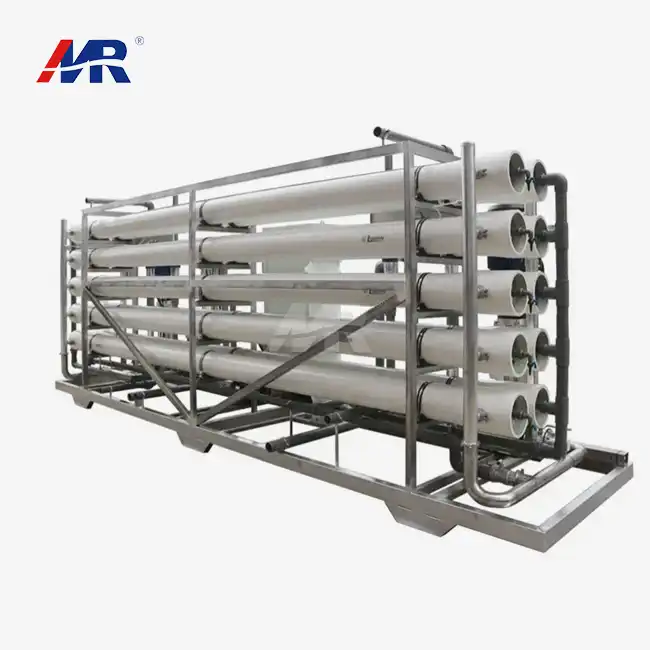
Understanding Common Industrial Reverse Osmosis System Problems
Recognizing Low Permeate Flow Symptoms
Most of the time, problems with industrial reverse osmosis systems are caused by less water being produced. Before anyone steps in, operators usually notice that production rates are falling below what was planned, usually by 10 to 30 percent. This drop is caused by changes in the temperature of the feed water, the membrane getting compacted over time, and not having enough working pressure. When the temperature of the feed water falls below the ideal range (usually 77°F), viscosity rises, which means that more pressure is needed to maintain target flux rates. As membranes age, their ability to let chemicals through naturally decreases because the thin-film hybrid layers break down from constant contact with chemicals.
Identifying Membrane Fouling Patterns
Fouling shows up in a number of ways that experienced workers can spot right away. If the difference in pressure across membrane arteries goes above the baseline measurements—often 15% above normalized readings—this is a very big sign of worry. As membrane stability decreases, permeate permeability increases, letting dissolved solids pass. Color changes can be seen during routine maintenance: brown deposits show that living things are growing, white crystalline structures mean that calcium carbonate or sulfate precipitation is causing scaling, and reddish-brown staining means that iron is oxidizing. Different types of fouling need different cleaning chemicals and ways to keep them from happening.
Diagnosing Pressure Drop Issues
Unexpected changes in pressure throughout the system show where it will fail. Feed pressure instability is usually caused by a broken pump or not enough pre-treatment filtering. If there is a big difference in pressure between the concentrate and permeate streams, it means that the membrane channels are blocked or the valves aren't working right. It's easier to make a diagnosis when you keep an eye on the intake, interstage, and concentrate output pressures. Systems that run thermal power plants or petrochemical plants need to pay extra attention to pressure stability because changes in the upstream process have a direct effect on RO performance and can cause failures in other treatment steps that are related to it.
Understanding Water Quality Fluctuations
Permeate conductivity spikes show that there is damage to the membrane or a broken seal inside the pressure vessel. Pharmaceutical companies that follow USP standards can't handle conductivity levels above 1.3 μS/cm. On the other hand, making semiconductors needs levels below 0.1 μS/cm after cleaning. When the chemistry of the feed water goes beyond what was planned, like when the concentration of silica goes above the saturation point or when chlorine is exposed and breaks down membrane polymers, this is called a Total Dissolved Solids (TDS) breakthrough. Regular sampling at several places in the system helps figure out whether the quality loss is due to inadequate pre-treatment, membrane failure, or pollution after treatment.
Step-by-Step Troubleshooting Process for Industrial RO Systems
Conducting Accurate Diagnostic Measurements
Systematic data gathering is the basis of a good way to fix. By writing down normalized operating parameters, you can compare them to the baseline performance that was set during commissioning. At regular intervals, operators check the feed pressure, the permeate flow rate, the concentrate flow rate, the feed conductivity, and the permeate conductivity of the industrial reverse osmosis system. Changes in temperature that happen with the seasons and affect membrane production are taken into account. Facilities that clean brackish water for watering in agriculture or for use in oil fields can benefit from keeping an eye on Silt Density Index (SDI) values, which show how likely it is that particles will foul membranes before damage is done that can't be fixed.
Inspecting Pre-Treatment Components
The overall system's longevity and how often it needs to be fixed depend on how well the pre-treatment works. When pressure builds up too quickly in cartridge filters, it means that there wasn't enough upstream clearing or media filter breakthrough. Antiscalant dosing verification makes sure that chemical feed pumps give the right concentrations—not giving enough prevents scale formation, while giving too much wastes operational budget. Activated carbon tanks that remove chlorine need to be checked on a regular basis because worn-out media let oxidants pass through and quickly destroy thin-film composite membranes. Municipal water treatment plants that are updating old equipment can really benefit from better pre-treatment tracking methods that keep membrane replacement costs low.
Implementing Corrective Chemical Cleaning
To restore a membrane, you need to choose the right cleaning formulas that are matched to the fouling features. Acidic treatments get rid of mineral scale layers, while alkaline cleaners with EDTA chelating agents get rid of organic matter and biofilm buildup. Lowering the feed pressure and running heated cleaning solutions (usually 95 to 104°F) through membrane tubes every 30 to 60 minutes is part of the cleaning process. This is followed by a thorough rinsing until the pH returns to normal. Food and drink processors need to make sure that cleaning chemicals are safe for direct contact with water and follow FDA guidelines. Documentation of standardized flux recovery measures how well cleaning works and helps with planning future maintenance schedules.
Evaluating Membrane Replacement Criteria
When chemical cleaning is no longer enough to get the membranes working properly, they need to be replaced. If the normalized permeate flow drops below 85% of its original capacity, the salt rejection drops below the required level (usually 99.5% for standard thin-film composite elements), or physical damage is seen during inspection, then the element should be replaced. Comparing cleaning costs, production losses, and the cost of a new membrane through an economic study helps decide when to replace the membrane. Power plants that use ultrapure water to feed boilers can't skimp on membrane integrity because letting contaminants through damages turbine blades and causes unexpected breakdowns that cost a lot more than replacing the membranes before they break.
Maintenance Tips to Prevent and Minimize System Failures
Establishing Routine Inspection Schedules
Preventive maintenance plans greatly lower the number of emergency repair calls and increase the life of capital equipment. Visual inspections done once a week find small seal leaks, broken pressure gauges, and problems with the chemical feed system before they get worse. Calculations done every month to normalize the performance of membranes show slow degradation trends that need to be fixed right away. Disassembly and review of the membrane happen every three months during planned shutdowns, which allows for a more thorough evaluation that isn't possible during continuous operation. These proactive steps are especially helpful for wastewater treatment plants that deal with different types of influent quality and seawater desalination plants that have to deal with biofouling problems caused by marine microorganisms.
Managing Feed Water Quality Consistency
Having a stable feed water pH lowers membrane stress and makes debugging easier. Monitoring sediment, pH, temperature, and oxidation-reduction potential all the time lets you know right away when something is wrong with the process upstream. Automated control devices that change the amount of antiscalant used based on the level of hardness make the best use of chemicals. When facilities use surface water sources, the seasons change, which means they need to be flexible with their pre-treatment plans. For example, spring runoff raises the turbidity and organic loading, and summer temperatures speed up biological growth. Electroplating operations that recycle process clean water can get rid of heavy metals upstream, which keeps membranes from becoming permanently poisoned.
Optimizing Operational Parameters
When you use industrial reverse osmosis systems according to the manufacturer's instructions, the membranes last longer, and you don't have to fix problems as often. Recovery rate optimization finds the best balance between the amount of concentrate that can be made and the limits of its saturation. Going over 75% recovery could lead to faster growth. Controlling the permeate backpressure keeps the membrane from deforming, which would lower the flux capacity forever. Osmotic shock can damage membrane integrity, but staged startup procedures after long shutdowns protect against this. Here are the main operational benefits of systems that are well taken care of:
- Capacity flexibility: Systems that can handle 1,000 to 100,000 gallons per day can work with a wide range of industrial scales, from small labs to large city plants. Recovery rates of about 70% or more keep the cost of getting rid of wastewater to a minimum while rejecting 99.5% of all dissolved salts, organics, and microbes.
- Energy efficiency: Advanced thin-film polymer membranes work at 150–300 psi and use only 3–5 kWh of energy per cubic meter handled, making them very energy efficient. Small designs take up less space when they're installed and make it easier for maintenance workers to get to them during troubleshooting.
- Process reliability: Automatic control systems keep changing the working settings to keep the best performance even if the quality of the feed water changes. Durable build means that it will work for years with little maintenance.
- Application versatility: Different configurations can be made to meet different water quality needs, such as pharmaceutical GMP compliance, ultrapure water standards for electronics, and agricultural irrigation needs using brackish groundwater sources.
These benefits work together to help operators deal with the problems they keep having, like reducing unexpected downtime, keeping treatment costs per gallon created low, and meeting stricter and stricter regulatory discharge requirements. Facilities that use these operating best practices report 30–50% longer breaks between major repair tasks than locations that don't use systematic tracking procedures.
Comparing Troubleshooting Solutions and Technologies
Evaluating Manual Versus Automated Diagnostics
In the old way of fixing problems, operators had to know how to read pressure gauge readings, flow meter data, and do regular lab tests. This method works well for experienced workers who are in charge of stable industrial processes, but it increases the chance of mistakes and delays in finding problems. Modern monitoring systems that use the Internet of Things (IoT) send data in real time to cloud platforms all the time. There, machine learning algorithms look for problems with performance before operators even notice them. Instead of reacting to emergencies, predictive maintenance can figure out how often the membrane needs to be cleaned based on trends in the rate of fouling. Pharmaceutical companies that check the consistency of batches really value automatic records that show ongoing water quality compliance.
Analyzing Membrane Technology Selection
Thin-film composite polyamide membranes are used most often in industry because they reject more particles and are more resistant to chemicals than older cellulose acetate materials. Polyamide elements can work in pH levels between 2 and 11 and temperatures up to 113°F, so they can be used in a wide range of chemical conditions. Because polyamide materials get damaged by oxygen in a way that can't be fixed, cellulose acetate membranes are still useful for chlorine-fed water uses. Cellulose acetate systems are harder to troubleshoot because they are biologically sensitive and break down quickly in water, so they need to be replaced more often. Electronics factories that make semiconductor-grade water use both RO technology and electrodeionization (EDI) cleaning. This gets rid of the need to fix problems that come up with chemical renewal of mixed-bed ion exchange systems.
Assessing Pre-Treatment Technology Impact
When ultrafiltration is used before reverse osmosis, problems caused by colloidal fouling and microbial contamination don't need to be fixed. Bacteria, viruses, and suspended solids that normal media filters let through are filtered out by the 0.01-micron pores. Even tho the quality of the source water is getting worse, UF/RO combinations help municipal water plants that are upgrading their treatment capacity make consistent potable water. Nanofiltration is a type of separation that is between ultrafiltration and reverse osmosis. It removes divalent ions while letting monovalent salts through. This is especially useful for treating seawater before desalination because it lowers the growth potential of the ro membranes further down the line. For each application, choosing the right technology is based on an investment study that weighs the costs of capital against the benefits of less frequent fixing and longer membrane life.
When to Seek Professional Support: Suppliers, Warranty, and After-Sales Services
Selecting Qualified Suppliers and OEM Partners
Working with well-known companies that offer full technical help cuts down on troubleshooting downtime and business risk. Check sources by looking at their credentials, such as ISO 9001 quality management, NSF/ANSI 61 drinking water system components approval, and credentials specific to the food processing business, such as 3-A Sanitary Standards for food processing equipment. Look at case studies that show how systems have worked well in similar industries. For example, pharmaceutical companies want suppliers who know how to follow GMP validation standards, and power plants need experts who know how to handle boiler feedwater. Check the length of the warranty, any exclusions for improper operation or feedwater quality violations, and the ability to quickly ship replacement parts to keep production running as smoothly as possible.
Leveraging Remote Diagnostics and On-Site Support
Modern industrial systems have remote connection features that let engineering teams from suppliers look at working data, suggest changes to parameters, and figure out complicated problems without having to visit the site right away. This feature is very useful for offshore platforms, remote farming sites, and places that run continuous processes and where unexpected shutdowns cost a lot of money. Structured service agreements that spell out response times, how often preventative maintenance visits will happen, and who can help in an emergency give budget predictability and operational assurance. When negotiating multi-site installations, people who buy a lot of tools use their buying power to get better service terms, such as specialized expert reps and priority parts inventory allocation.
Building Long-Term Vendor Relationships
Long-term relationships with equipment providers and membrane makers bring more benefits than just initial help with fixing problems. Suppliers who know how a certain facility has operated in the past can make more accurate diagnostic suggestions and proactive maintenance advice. Access to membrane autopsy services helps find the reasons why things fail too soon, which then leads to changes in treatment that stop the failure from happening again. By taking part in partner training programs, companies can improve their own fixing skills and depend less on outside help for everyday problems. Facilities that want to add more space or change how they do things can benefit from application engineering help from their suppliers. This makes sure that new equipment works well with current systems and doesn't affect the water quality standards.
Conclusion
Troubleshooting an industrial reverse osmosis system that works well combines methodical diagnostic procedures with proactive maintenance plans that stop performance loss before it affects production. Understanding common failure modes, such as membrane fouling, pressure changes, and changes in water quality, makes it easier to find and fix problems quickly. Setting up regular inspection times, making sure that working factors are optimized, and choosing the right membrane technologies can reduce the number of times that problems need to be fixed and increase the equipment's lifespan. Building relationships with qualified suppliers that offer full Technical support, warranty protection, and long-term partnership value is very helpful for businesses. This turns troubleshooting from reactive crisis management to planned maintenance that supports continuous operational excellence.
FAQ
1. What causes sudden permeate flow reduction in industrial systems?
Usually, sudden drops in flow are caused by membrane fouling, drops in the temperature of the feed water, or technical problems. Biological fouling happens quickly when the chlorine residual falls below the minimum levels needed for disinfection. This lets microbial colonies grow across membrane surfaces. Scale builds up when antiscalant systems don't work right or when the hardness of the feed water is higher than what was intended. Some mechanical reasons are worn impellers in pumps that lower the release pressure or broken control valves that stop the flow. To troubleshoot, you have to measure parameters in a planned way to find the exact cause before you can take corrective action.
2. How frequently should chemical cleaning occur?
How often is dependent on the type of membrane, the operating recovery rate, and the quality of the feed water. Systems that treat relatively clean city water supplies need to be cleaned every three months, while systems that treat surface water or industrial wastewater may need to be cleaned every month. Performance indicators set off cleaning no matter what time it is: normalized permeate flow going down by 10%, normalized salt passage going up by 10%, or pressure difference going up by 15% above standard values. Chemical exposure harms the life of membranes when they are cleaned too often, so optimizing pre-treatment is a better use of money than washing more often.
3. Can systems handle feed water quality variations?
Well-thought-out systems have flexible pre-treatment options that can handle small changes in the feed water without hurting the membrane. Real-time readings of the water quality tell automated control systems how much chemical to use, how fast to recover, and how high the working pressure should be. Extreme changes that are too big for the design to handle, like chlorine spikes, turbidity surges, or temperature changes, need to be diverted to keep membranes from being damaged permanently. Facilities that experience predictable seasonal changes can save money by using configurable pre-treatment that lets them switch between operating modes instead of planning for the worst-case scenarios all year long.
Partner with Morui for Reliable Industrial Reverse Osmosis Solutions
Guangdong Morui Environmental Technology Co., Ltd. has been an expert in water treatment engineering for 20 years and also has a wide range of industrial skills, including the ability to make membranes, tools, and complete systems. Our industrial reverse osmosis system supplier network has 14 regional offices, 500 specialized staff, and 20 committed engineers who can quickly fix problems in pharmaceutical, food processing, semiconductor, and municipal settings. We offer customizable solutions with capacities ranging from 1,000 to 100,000 GPD. These solutions have thin-film composite membranes that can reject 99.5% of contaminants, use only 3 to 5 kWh/m³ of energy, and have small designs that make installation easier in facilities with limited space.
Morui's full range of services includes supplying equipment, installing it on-site, making sure it works properly after commissioning, and providing long-term upkeep support to make sure systems keep working at their best throughout their operating lifetimes. Email our technical team at benson@guangdongmorui.com to talk about your specific water quality needs, get help with troubleshooting that is specific to your application, or ask for detailed specifications for custom-engineered systems that will solve your specific industrial problems.
References
1. American Water Works Association (AWWA). "Reverse Osmosis and Nanofiltration Manual of Water Supply Practices." 2nd Edition, 2007.
2. Wilf, M. and Bartels, C. "Optimization of Seawater RO Systems Design." Desalination Journal, Volume 173, Issue 1, 2005.
3. Membrane Technology and Research, Inc. "Troubleshooting and Maintenance of Reverse Osmosis Systems." Industrial Water Treatment Technical Manual, 2019.
4. National Association of Water Companies. "Industrial Water Treatment Best Practices for Membrane Systems." Industry Standards Publication, 2021.
5. Water Quality Association. "Commercial and Industrial Reverse Osmosis Systems: Performance Monitoring and Troubleshooting Protocols." Technical Bulletin Series, 2020.
6. International Desalination Association. "Operations and Maintenance Guidelines for Reverse Osmosis Membrane Systems." IDA Best Practices Report, 2018.