_1745823981883.webp)

Is a Reverse Osmosis Filtration System Worth It?
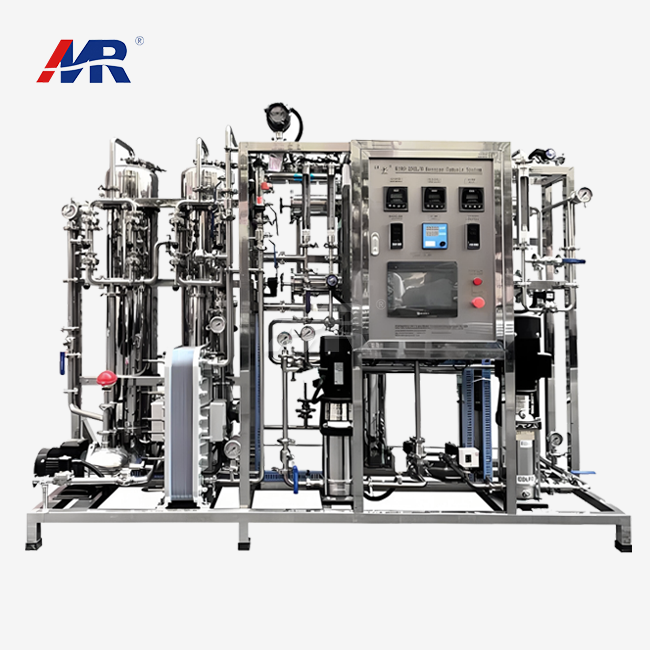
When industrial operations demand ultra-pure water, decision-makers face a critical question: is investing in a reverse osmosis filtration system justified? The answer is yes, particularly for industries where water quality directly impacts product integrity, regulatory compliance, and operational efficiency. A reverse osmosis filtration system delivers unmatched purification by removing up to 99.5% of dissolved solids, heavy metals, and contaminants—capabilities that conventional filtration simply cannot match. This investment translates to reduced production defects, extended equipment lifespan, and compliance with stringent standards like GMP in pharmaceuticals or ASTM Type I/II in semiconductor manufacturing.
Understanding How Reverse Osmosis Filtration Systems Work
The Science Behind Membrane Separation
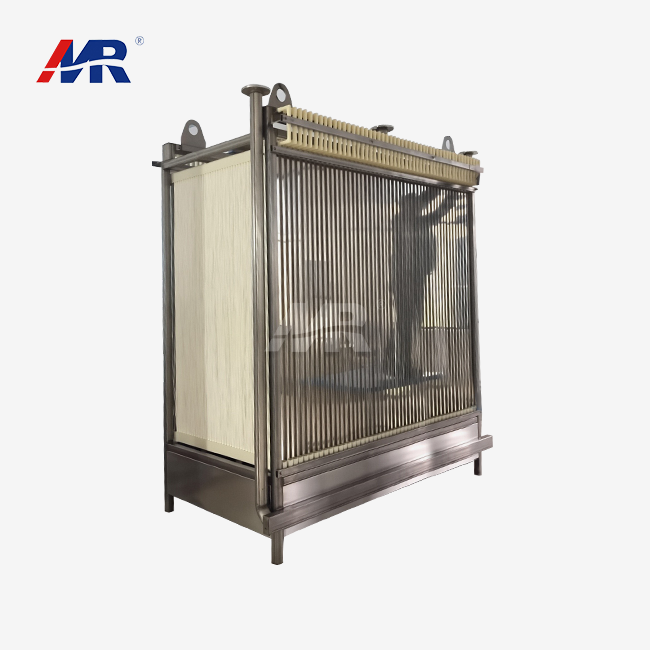
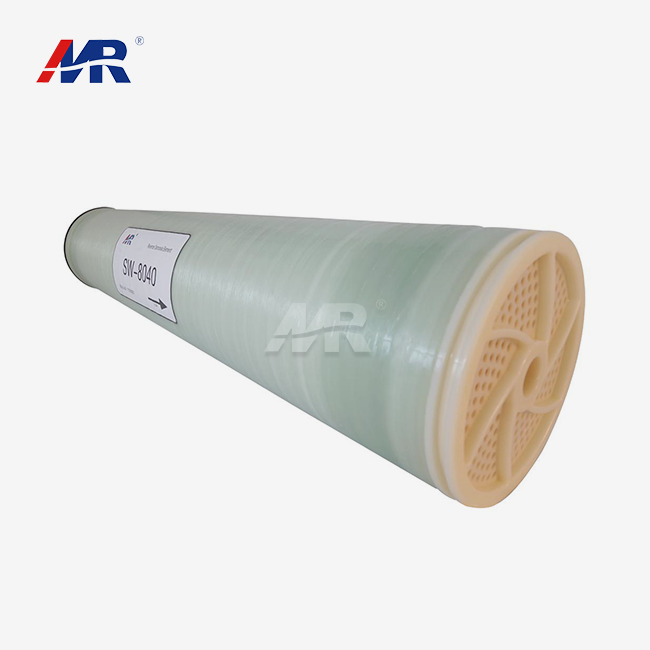
Utilizing hydraulic pressure to counteract natural osmotic forces and move water molecules through a semipermeable barrier while rejecting contaminants is how a reverse osmosis filtration system works. Thin-film composite (TFC) membranes are the standard in the industry. They have pores that are about 0.0001 microns wide, which successfully block dissolved salts, bacteria, viruses, and organic compounds. This level of accuracy sets membrane filtering apart from mechanical methods that have trouble getting rid of sub-micron pollution.
The process solves a major problem in the industry: source water unpredictability. No matter what kind of water they are treating—city water, brackish groundwater, or seawater—these systems keep the quality of the water they send out the same. This dependability is very important in pharmaceutical mixing, where uneven water can contaminate batches and lead to expensive recalls.
Multi-Stage Purification Workflow
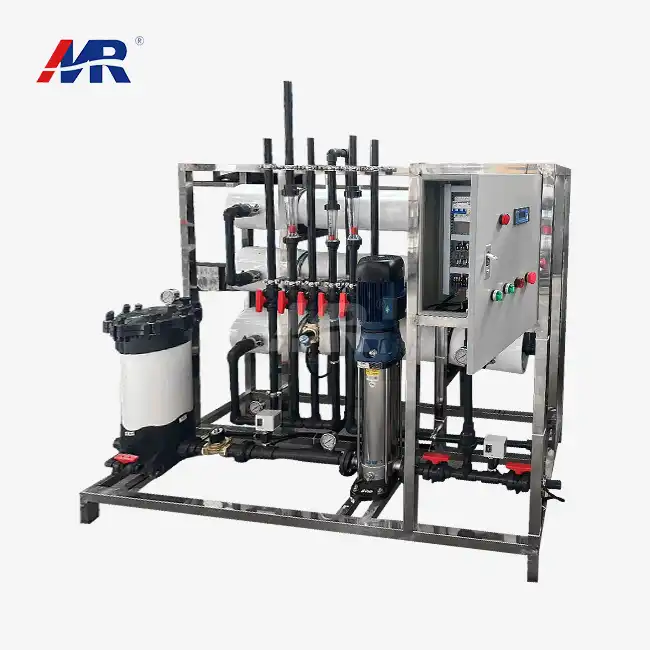
Industrial systems are meticulously ordered to maximise membrane performance and longevity. Pre-treatment removes chlorine, silt, and large membrane-damaging particles. Activated carbon filters remove organic contaminants and disinfectants, while water softeners prevent calcium and magnesium scaling, which prematurely fails membranes.
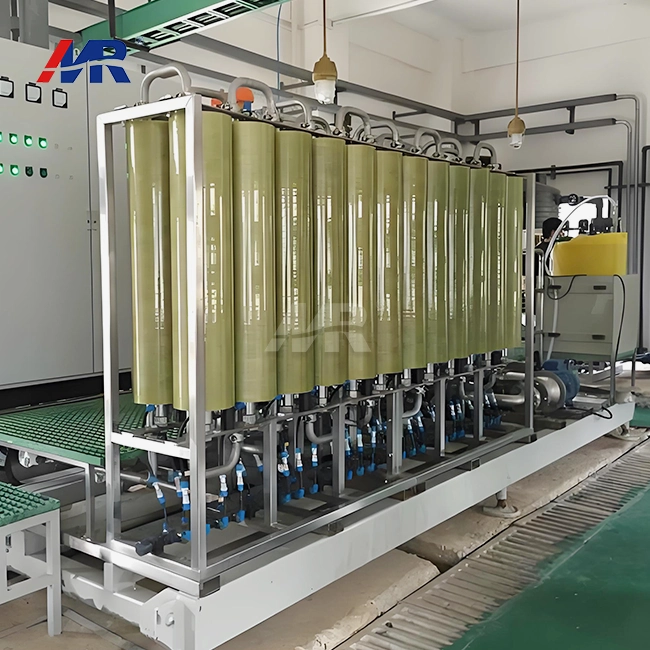
The high-pressure pump provides 150 to 300 psi for brackish water and 1,000 psi for saltwater desalination. Clean water passes across the membrane under pressure, while concentrated wastewater removes impurities. Modern systems can recover 70% of the water they process, producing seven gallons of clean water per ten. This is much superior to outdated tech.
Customising output following treatment lets businesses improve quality. Changing pH prevents distribution system corrosion. Remineralisation adds minerals that make food and beverages taste better, whereas complete demineralisation makes them bland. Electrodeionization (EDI) modules are used after membrane filtering in semiconductor factories to increase resistivity beyond 18 megohm-cm for chip production.
Weighing the Benefits and Drawbacks of Reverse Osmosis Systems
Advantages That Drive Industrial Adoption
Systems with high-capacity scale. Systems can handle 1,000 GPD for small labs and 100,000 GPD for beverage bottling. Modular designs allow industrial growth. This freedom allows new and existing companies to innovate and provide new Products.
Operating costs have changed with energy economics. Modern pumps use 3–5 kWh/m3, much less than thermal distillation. Variable frequency motors adjust pressure based on supply water temperature and salinity to improve power use annually. Savings pay for the capital investment in 15–20 years.
Small footprints ease facility integration. Modern membrane arrays of the reverse osmosis filtration system fit a lot into a third of older cleaning devices. Smart space use is helpful in cities where land prices limit expansion and on remote platforms where weight and volume limits limit item movement.
Automated control systems enhance uniformity and save effort. PLDCs measure conductivity, pressure, and flow. They alter settings live and notify operators of imminent concerns. Production settings need proactive maintenance to prevent unexpected downtime.
Challenges Requiring Strategic Consideration
Concentrate removal is difficult for the environment and its regulations. Filtered pollutants and concentrated salts in the 30% reject stream must be addressed. As permitted, coastal facilities release trash into the ocean, but inland operations may require evaporation ponds or deep well injection, which are more complex and expensive. Some innovative companies concentrate on cooling tower compositions or irrigation systems to save disposal costs.
Membrane fouling and scaling reduce pre-treatment effectiveness over time. Colloidal silica and calcium carbonate accumulation slow flow and enable more salt to pass during biological development. Using acids and alkalis to clean membranes temporarily increases their efficiency, but feed water quality determines their replacement every 24 to 36 months. For medium-sized industrial locations, procurement teams should budget $15,000–$50,000 annually for membrane replacement.
Membrane systems remove dissolved solids well, but they require additional technologies to remove pollutants. UV disinfection destroys bacteria without chemicals, whereas activated carbon screens remove organic molecules more efficiently. These technologies are typically utilised in mixed treatment trains in modern facilities to optimise each unit.
Practical Insights: Installation, Maintenance, and Troubleshooting
Tailored Installation Approaches by Business Scale
Small lab or pharmaceutical mixing room installations employ skid-mounted equipment pre-assembled by the manufacturer. Just connect the power, feed water, concentration drain, and pure water storage tank to these units to utilise them immediately. Installation takes two to three days, ensuring seamless operations.
Middle-sized food and drink companies require greater integration. Engineers check membrane arrays for processing line compatibility. They also ensure that distribution loops maintain pressure between facilities and that storage tanks are large enough to manage production surges. Stainless steel structure and automated clean-in-place (CIP) equipment keep the machine clean between product cycles.
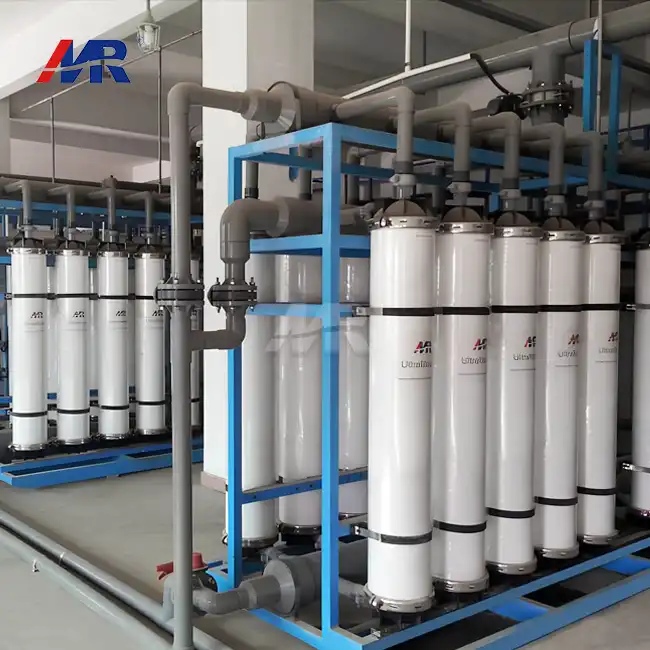
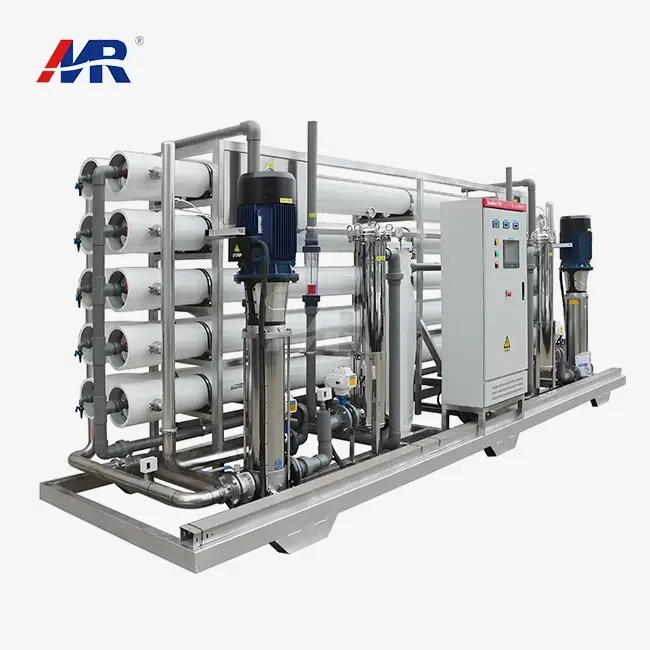
Large industrial sites resemble minor treatment facilities. Multiple membrane trains offer backup during maintenance and high-demand capacity. Multimedia filters, cartridge housings, and chemical dosing systems are in distinct pre-treatment facilities. Control rooms monitor the whole facility, while SCADA systems allow remote monitoring and lawful data recording.
Maintenance Protocols That Preserve Performance
Routine repair is all about replacing parts on time so that output doesn't stop. Most sediment pre-filters need to be replaced every three months, while carbon cells can last anywhere from six to twelve months, based on the chlorine level. A membrane autopsy, which is a tiny look at clogged membranes, finds the reasons why they break down too quickly and lets the feed water treatment fix the problem.
Monitoring performance lets you know early on when problems are starting to happen. Normalized flow rates, which take into account changes in temperature and pressure, should stay the same. A drop of 10 to 15 percent means that fouling needs to be cleaned with chemicals. Increases in salt flow mean that the membrane is damaged and needs to be replaced. Differential pressure across membrane housings shows patterns of fouling and scaling that help plan upkeep.
Addressing Common Operational Issues
When pressure drops quickly, it's usually because the cartridge filter is full or the feed pump isn't working right. Technicians check the pressure gauges in a planned way along the treatment train, which helps them find the broken part. As membranes get dirty, the permeate flow rate slowly decreases. By comparing current performance to data from the initial setup, one can figure out how bad the degradation is and whether the device needs to be cleaned or replaced.
If purified water doesn't taste or smell right, it's usually because the pre-treatment wasn't good enough, letting organic compounds pass through damaged membranes. Total organic carbon (TOC) testing finds the sources of contamination. Adding more activated carbon steps or changing membranes that are damaged can bring the water quality back to the required level.
Navigating the Market: Choosing and Procuring the Right RO System
Critical Selection Criteria for Procurement Teams
Calculating capacity needs for a reverse osmosis filtration system should include current and projected expansion. Undersized systems always function at full capacity, which increases wear and is inefficient at peak demand. Half-loaded large systems waste money and don't work. Competent providers assess water usage across jobs and seasons to propose a size.
Water quality goals vary by use. To create pharmaceuticals, conductivity must be below 1.3 µS/cm and bacterial count below 10 CFU/100 mL. Mixing drinks needs stable mineral levels and chlorine elimination. Turbine blade deposits are prevented via boiler feedwater silica reduction. Procurement requirements should incorporate USP, ASTM, and industry standards. This guarantees vendor offers that meet your needs, not just general skills.
Ownership costs more than buying the automobile. Energy, membrane replacements, cleaning chemicals, pH adjustments, and maintenance costs add up. Comparing opposing approaches using lifetime cost analysis shows significant differences. A system with 20% greater initial cost but 30% lower running costs pays for itself in three years and saves a lot over time.
Professional sellers differ from equipment suppliers in warranty and support. Manufacturers guarantee membranes, pumps, and settings for 24–36 months to demonstrate trust. Local service networks that quickly repair broken equipment cut manufacturing costs. Train in-house personnel to do routine maintenance to decrease technician demands.
Budget Considerations and ROI Assessment
Upfront spending grows as ability and skill level do. Around $25,000 gets you a basic 5,000 GPD machine that's good for small bottling businesses. Installations of 25,000 GPD or more that have automated controls and a lot of pre-treatment cost between $100,000 and $150,000. Large industrial systems that handle more than 100,000 GPD, have backup trains, and use advanced monitoring can cost up to $500,000.
Operating costs should be looked at just as closely. Electricity costs vary by area, but they usually make up 30 to 40 percent of ongoing costs. Another 25–30% is added when the membrane is changed every three years. Chemical use, cartridge filters, and regular maintenance take care of the rest. Detailed plans should list these prices one by one so that they can be compared correctly.
Benefits that can be measured support spending. Pharmaceutical companies try to avoid batch rejects, which can cost hundreds of thousands of dollars each time. Semiconductor makers lower the number of defects, which increases yields by 2% to 3% and saves millions of dollars a year in a high-volume plant. Producers of drinks get consistent flavor profiles, which boosts the reputation of their brands. By preventing rust, municipal utilities make delivery systems last decades longer.
Future Trends and Innovations in Reverse Osmosis Filtration
Next-Generation Membrane Technologies
Graphene-oxide composite membranes are being tested in research labs and trial sites. These membranes offer much better flux rates, which could double throughput while keeping rejection rates above 99%. Because these materials are so strong, they can have smaller active layers. This lowers hydraulic resistance and energy use by 25 to 30 percent. When it becomes commercially available in three to five years, it will change the way new systems are designed.
Biomimetic membranes that use aquaporin proteins, which are nature's water channels, are a new area of research. These biological structures embedded in synthetic supports achieve selectivity that has never been seen before, separating water from contaminants with very little pressure. Due to high production costs, it can only be used in high-value industries like making pharmaceuticals for now, but efforts to scale up are meant to make it more accessible to more people.
Smart Monitoring and Predictive Maintenance
Integration of the Internet of Things gives operations new levels of information. Wireless sensors keep an eye on performance metrics across membrane groups and pick out individual parts that aren't working as well as their peers. Cloud-based analytics use machine learning algorithms on historical data to predict when maintenance needs to be done weeks before a drop in performance affects production. Mobile apps let site managers know about problems as they happen, no matter where they are, so they can act quickly.
Digital twins, which are virtual copies of real systems, let managers test changes to operations before they are made. Evaluating the effects of changes in feedwater quality, changes to the production plan, or new machine updates in a computer-based environment lowers risk and improves results. This technology was first made for use in spacecraft, but it is quickly making its way into industrial water treatment.
Sustainability and Waste Reduction Innovations
New ideas in concentrate management are driven by regulatory pressure and companies' commitments to sustainability. Membrane distillation and forward osmosis clean up concentrate streams by getting rid of solids, recovering extra water, and making the solid trash amounts reasonable. Electrodialysis reversal systems take valuable minerals out of concentrate, turning the costs of getting rid of trash into income streams. This is especially appealing in saltwater desalination, where recovering magnesium and calcium lowers the cost of doing business.
Energy recovery devices take pressure from concentrate streams and put it back into the system, using 25 to 40 percent less energy than it took to pump. Ceramic membranes can handle harder chemical cleaning than polymeric options, so they don't need to be replaced every 3 years but every 7–10 years instead. They can also handle higher temperatures, which makes them better at sanitization. Because these improvements directly fix the technology's past flaws, they make it more competitive with other options.
Conclusion
The choice to use a membrane-based purification reverse osmosis filtration system depends on how well the technology fits with the needs of the operation. Pharmaceuticals, electronics, food and beverage, and power generation are just a few of the industries that need very pure water. These industries find systems that offer regular quality and follow all the rules very valuable. The costs of the initial investment and continued upkeep are matched by the fact that production losses are prevented, equipment lives longer, and the quality of the products is improved. As membrane technology gets better and operations become more efficient, the business case gets stronger for a wider range of uses. When procurement teams are looking at their choices, they can make better decisions if they do a thorough lifecycle cost analysis, pick vendors carefully by putting service and support first, and base their specification development on real water quality needs instead of general performance claims.
FAQ
1. How often do membranes need replacement in commercial applications?
Replacement times depend a lot on the quality of the feed water and how well the pre-treatment works. In public water uses, membranes last between 36 and 48 months in well-designed systems that do a lot of pre-treatment. When the source water has a lot of grit, high temperatures, or bacterial contamination, it may need to be replaced every 18 to 24 months. Tracking standardized flow and salt rejection for performance monitoring gives objective replacement time advice.
2. Can these systems handle high-demand industrial volumes?
Through parallel membrane trains, industrial facilities handle millions of gallons of water every day. Beverage bottling plants, chip factories, and power plants all use multistage systems with backup power to make sure they can keep running while they do repairs. Scalability is one of the main benefits; systems grow by adding more membrane vessels instead of using completely different technologies.
3. What warranty and support should buyers expect?
Membranes, pumps, pressure vessels, and control systems are all covered by 24- to 36-month warranties from reputable manufacturers. Comprehensive service agreements include things like yearly checks of performance, priority access to extra parts, and emergency response plans. Facility staff can do regular maintenance with the help of training programs, while maker experts handle more complicated problems and make the system work better.
Partner with Morui for Advanced Water Purification Solutions
Guangdong Morui Environmental Technology Co., Ltd. has been treating industrial water for more than 10 years and has 14 branches with 20 dedicated engineers working for it. As a maker of reverse osmosis filtration systems, we can do everything from making membranes in our own plants to installing the systems for you. Systems that can handle between 1,000 and 100,000 GPD can reject 99.5% of the water and use only 3 to 5 kWh/m³ of energy. These specs directly meet pharmaceutical GMP requirements, semiconductor ultrapure water needs, and food safety standards.
Our thin-film composite membrane technology, along with our relationships with Shimge Water Pumps, Runxin Valves, and Createc Instruments, guarantees dependable performance that is backed by full guarantees. Our engineering team creates solutions that are tailored to your unique water quality goals and capacity needs, whether your business needs to desalinate seawater, treat industrial wastewater, or make drinking water. Contact us at benson@guangdongmorui.com for a detailed consultation and performance analysis.
References
1. Greenlee, L.F., Lawler, D.F., Freeman, B.D., Marrot, B., and Moulin, P. (2009). "Reverse Osmosis Desalination: Water Sources, Technology, and Today's Challenges." Water Research, 43(9), 2317-2348.
2. Fritzmann, C., Löwenberg, J., Wintgens, T., and Melin, T. (2007). "State-of-the-Art of Reverse Osmosis Desalination." Desalination, 216(1-3), 1-76.
3. American Water Works Association. (2007). "Reverse Osmosis and Nanofiltration." Manual of Water Supply Practices M46, Denver, Colorado.
4. Wilf, M., and Bartels, C. (2005). "Optimization of Seawater RO Systems Design." Desalination, 173(1), 1-12.
5. Crittenden, J.C., Trussell, R.R., Hand, D.W., Howe, K.J., and Tchobanoglous, G. (2012). "MWH's Water Treatment: Principles and Design." Third Edition, John Wiley & Sons, Hoboken, New Jersey.
6. Voutchkov, N. (2018). "Reverse Osmosis Desalination: Membranes, Energy, and Brine Management." DEStech Publications, Lancaster, Pennsylvania.