_1745823981883.webp)

Reverse Osmosis Water Treatment for Safer Drinking Water
Reverse osmosis water treatment represents a sophisticated purification technology that addresses critical water quality challenges across industrial, commercial, and institutional settings. This advanced filtration method removes up to 99% of dissolved contaminants, including heavy metals, chemical pollutants, and microorganisms, delivering water that meets stringent safety standards. For procurement professionals evaluating water purification investments, understanding RO technology's capabilities, operational requirements, and long-term value proposition proves essential to making confident purchasing decisions that protect public health while optimizing operational efficiency.
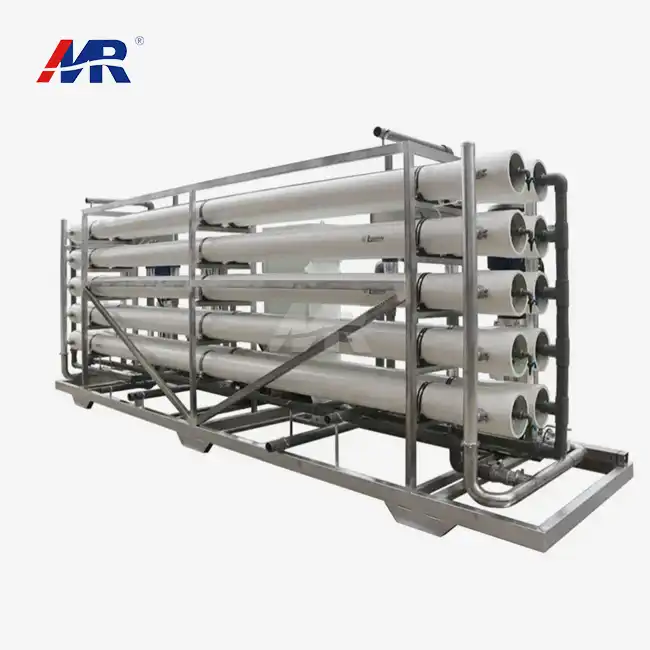
Understanding Reverse Osmosis Water Treatment
Pressure-driven membrane separation is what RO cleaning is all about. Water molecules pass through a semi-permeable barrier, but contaminants stay stuck and are washed away. This process is very different from simple mechanical filtration because it targets dissolved solids at the molecular level instead of just collecting particles.
How Multi-Stage Filtration Delivers Superior Purity
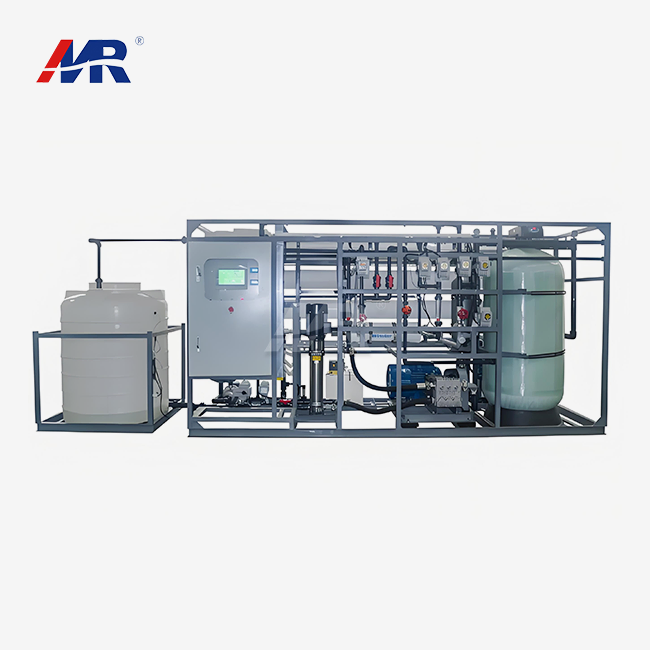
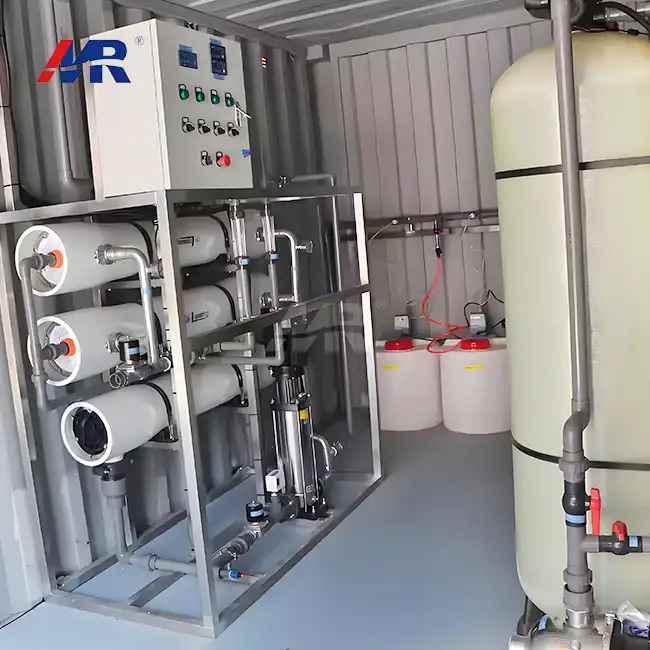
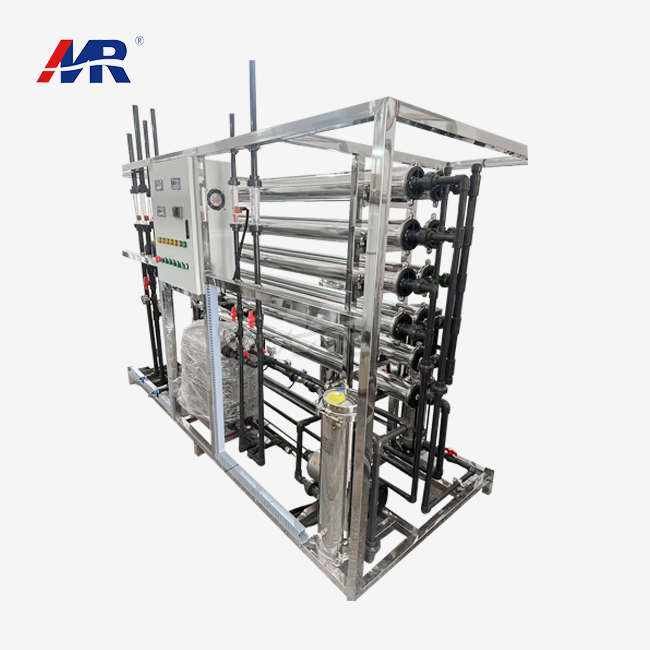
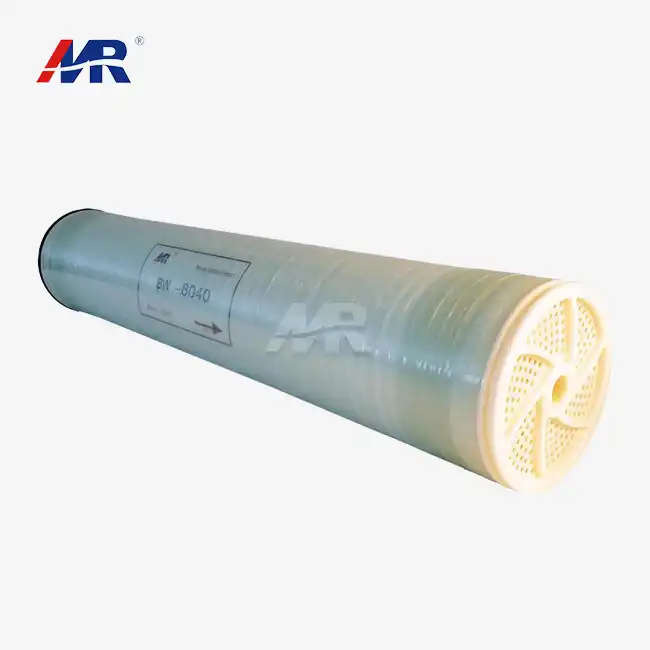
Modern RO systems have multiple treatment stages that work in a certain order to get rid of contaminants that are getting smaller. When source water enters the system, it meets a sediment pre-filter that gets rid of bits bigger than 5 microns. This keeps parts further down the line from getting damaged. After that, activated carbon filtration gets rid of chlorine compounds and organic substances that could hurt the ro membrane. A semi-permeable layer that works under 150–300 PSI pressure is at the heart of the system. It stops dissolved salts, heavy metals, and microbiological contaminants. Before the clean water gets to the holding tank, it goes through a final cleaning stage that uses post-carbon filtration to improve the taste and smell.
Performance Advantages Over Alternative Methods
In comparison to traditional carbon filtering alone, RO technology gets rid of a lot more contaminants. Activated carbon gets rid of chlorine well and makes the taste better, but it can't get rid of minerals or salts that have been dissolved. Distillation devices make very pure water, but they use a lot of energy and need a lot of upkeep. Using RO to get rid of 95–99% of all dissolved solids is the best way to do it while keeping costs and energy use affordable. The Water Quality Association's research shows that RO systems regularly remove more new toxins, such as PFAS and pharmaceutical residues, than other point-of-use treatment methods when they are properly kept.
Maintenance Protocols for Sustained Performance
To keep the system running at its best, you need to pay attention to a few important things. The most common problem in operations is membrane fouling, which happens when rejected contaminants build up on membrane surfaces and slow down the flow of percolate. Changing the pre-filter every 6 to 12 months keeps sediment from building up, which speeds up fouling. Checking the permeate conductivity gives you early notice when the membrane is breaking down, which usually means it needs to be replaced every 24 to 36 months based on the quality of the feed water. Changes in pressure are often a sign that something is wrong with the pre-treatment or pump. To find the root causes before they damage any components, you need to do a thorough inspection process.
How to Choose the Right Reverse Osmosis Water Treatment System
To choose the right reverse osmosis water treatment equipment, you need to carefully look at the needs of the application, the limitations of the system, and the need for future expansion. To find solutions that will work reliably for the whole time they are supposed to, procurement teams have to look at a lot of technical and business factors.
Assessing Water Quality and Treatment Requirements
A thorough study of the source water is the first step in choosing a method. Total dissolved solids, hardness levels, iron and manganese content, pH, and certain contaminants of concern like nitrates, arsenic, or industrial chemicals should all be measured. If the TDS in the feed water is more than 1,000 ppm, it might need special high-rejection membranes or pre-softening to keep it from scaling quickly. Microbiological pollution needs UV disinfection or other methods of sanitation. By knowing these starting conditions, you can accurately estimate the treatment's ability and choose the right membrane chemistry.
Matching System Capacity to Operational Demands
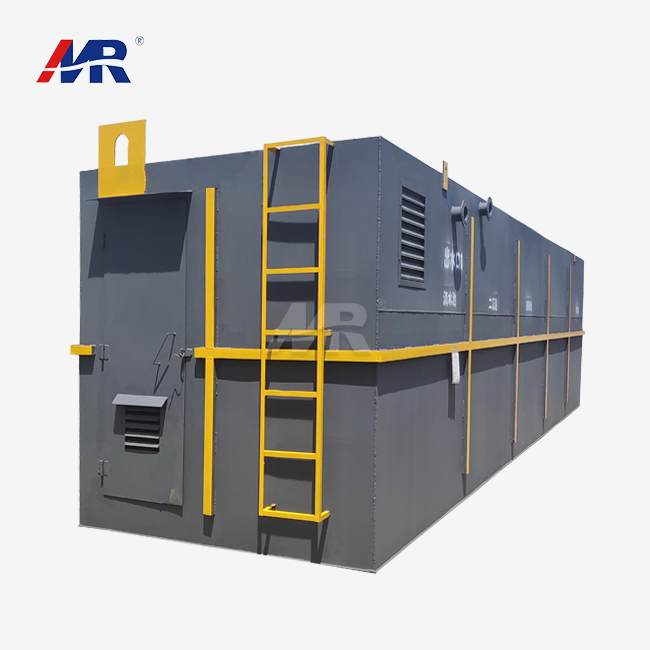
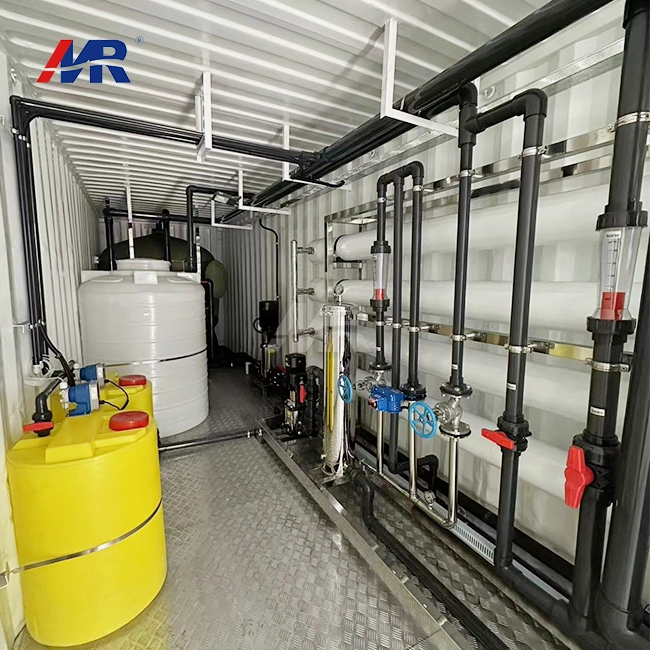
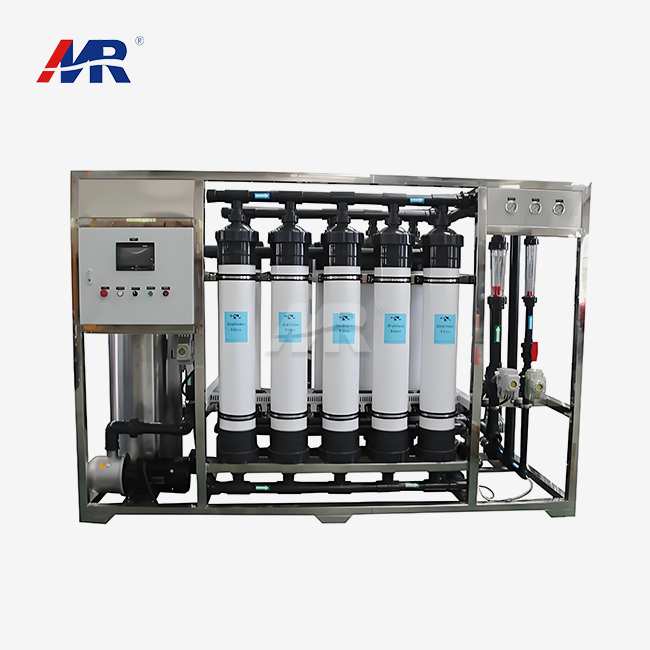
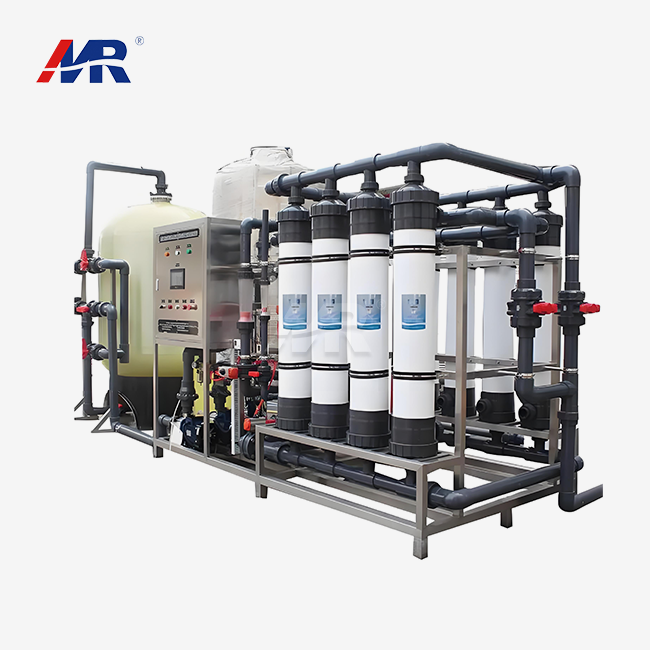
The amount of production capacity needed for each application is very different. In order to do dialysis, healthcare facilities may need an ongoing high-volume output. During production shifts, food preparation plants need surge capacity. Our industrial RO systems can deliver up to 500 cubic meters of water every day and store up to 200 cubic meters in built-in tanks so that they can handle changes in demand without lowering the supply pressure. The small 4x1.5x1.8 meter footprint makes it possible to install in places with limited room, and the 5-stage filter process makes sure that the output quality stays the same even if the feed water changes. These systems can work in a wide range of temperatures, from 40°F to 100°F, so they can adapt to different environments like those in factories, restaurants, and hospitals.
Evaluating Suppliers and Certification Standards
When choosing a supplier, producers should be able to show that they have technical knowledge, quality standards, and full support capabilities. When system parts are certified by NSF/ANSI, it means they meet public health standards and material safety requirements. Manufacturers who have been around for a while usually provide a lot of technical information, such as performance test data and material suitability charts. In addition to the quality of the hardware, the infrastructure for after-sales support has a big effect on the long-term ownership experience. Having access to spare parts, replacement membranes, and qualified service technicians lowers the risk of downtime and increases the life of equipment. Guangdong Morui Environmental Technology is a good example of this all-around approach because they make their own membranes and works with trusted component brands like Shimge pumps and Runxin valves. They also have 20 engineers on staff and 14 regional branches across the country to provide service.
Procurement Insights: Pricing, Installation, and After-Sales Support
Knowing the total cost of ownership includes more than just the initial purchase price. It also includes the difficulty of fitting, the cost of replacement parts, and the need for ongoing maintenance. Clear financial analysis lets you make accurate budget predictions and figure out your return on investment (ROI).
Cost Structure Analysis
The price of an industrial reverse osmosis water treatment system depends on its size, amount of automation, and the materials used to build it. Basic commercial units cost between $8,000 and $15,000, while high-capacity industrial systems with advanced monitoring features cost between $50,000 and $200,000, depending on the amount of work that needs to be done each day and the level of customization needed. Pre-filters and carbon cartridges need to be replaced every year at a cost of $200 to $500 per set. On the other hand, RO membranes only need to be replaced every two to three years at a cost of $800 to $2,000 per element. The average amount of energy used is 3–4 kWh per 1,000 gallons of water created. This means that the costs of running the system are very low compared to other options, such as buying bottled water or having water delivered by truck.
Installation Considerations and Site Requirements
For installation to go smoothly, there needs to be enough room for the equipment to be placed, access to the right electrical service, and the ability to work with the plumbing that is already in place. The system's dimensions (4x1.5x1.8 meters) make it suitable for standard workplace setups and make it easy to do upkeep on all of its parts. For pumps to work, electrical requirements usually say that they need 220-480V three-phase power. For best performance, feed water connection points need enough pressure (at least 40 PSI) or may need booster pumps. Local rules say that the path of concentrated release has to be followed, which could mean that the pH needs to be adjusted or connections need to be made to wastewater treatment systems. Planning for these things during buying keeps you from having to make expensive changes during installation.
Warranty and Support Infrastructure
Full guarantee protection keeps your investment safe and makes sure that your business keeps running. Standard equipment guarantees last between 12 and 24 months, but you can get longer coverage for important parts. A system's uptime and long-term upkeep costs are determined by how available its service networks are after the warranty period is over. Morui has 500 employees spread out across multiple manufacturing and service facilities. This makes it possible to respond quickly to technical issues, and the company's inventory of parts is spread out across the country to avoid shipping delays. When a facility runs an ongoing process, this service density is especially helpful because water quality problems have a direct effect on production plans and product quality.
Case Studies & Industry Applications of Reverse Osmosis
Real-life examples of RO technology in use show how it can solve specific water quality problems in a wide range of industrial sectors, leading to measured operational gains and financial returns.
Food and Beverage Manufacturing
A regional company that bottles drinks had trouble with uneven product quality because yearly changes in the makeup of municipal water affected taste profiles. After adding a 350 m³/day RO system, the facility was able to keep TDS levels below 10 ppm all year, which stopped customers from complaining about off-flavors. Within 18 months, the system paid for itself because it cut down on product waste and got rid of the need to buy bottled water in emergencies when the water quality at the source was bad. The plant also used 30% less chemical sanitizer because minerals didn't build up as much in the manufacturing equipment.
Pharmaceutical and Biotechnology Applications
Water quality that meets US Pharmacopeia standards is needed to make medicines. Total organic carbon must be less than 500 parts per billion (ppb) and conductivity must be less than 1.3 microsiemens. A contract manufacturing company that makes injectable drugs set up an RO+edi system that makes 200 m³ of fluid every day and feeds it into purification loops further down the line. Compared to their old distillation system, the new system cut the cost of making water for injection by 40% and the amount of energy used by 65%. Regulatory compliance was made easier by automated tracking and validation processes. FDA 21 CFR Part 11 standards for continuous quality data logging were met.
Municipal Water Treatment Upgrades
A coastal town that was having trouble with brackish groundwater sources added large-scale RO equipment to its regular treatment process. This made the end water quality better, going from 800 ppm TDS to 150 ppm. This change got rid of customer concerns about scale buildup, boosted the life of home water heaters by three to five years, and lowered corrosion in the distribution system's infrastructure. When comparing lower infrastructure replacement costs to system operating costs, the city came up with a 10-year net present value that was more than $4 million.
Emerging Technology Integration
IoT sensors are being used more and more in advanced RO systems to provide real-time performance tracking and preventative repair alerts. Monitoring systems that are far away keep an eye on membrane differential pressure, permeate conductivity, and flow rates. If any of these factors start to move outside of acceptable ranges, the systems will instantly alert the operators. Machine learning algorithms look at past performance data to figure out how to run the system most efficiently. They do this by changing the pressure and recovery rates based on changes in the quality of the feedwater. These smart systems cut down on the need for site visits and make the membrane last longer by setting the right conditions for operation.
Conclusion
In commercial, industrial, and institutional settings where water quality has a direct impact on operations, product quality, and public health, reverse osmosis water treatment provides unrivaled purification performance. In addition to being able to remove 99% of dissolved contaminants, RO technology has low running costs and doesn't need much upkeep. This makes it the best choice for tough water quality problems. To successfully purchase something, you need to carefully consider the features of the source water, accurately estimate the capacity, and choose providers who can provide strong Technical support and approved parts. When set up and taken care of correctly, RO systems last for decades and protect processes further down the line. They also provide measured returns thru lower running costs, better product consistency, and compliance with regulations.
FAQ
1. How does reverse osmosis compare to ultrafiltration for drinking water applications?
RO gets rid of dissolved salts and molecules as small as 0.0001 microns, while ultrafiltration goes after particles and bacteria (0.01-0.1 microns) but lets the minerals that are dissolved go through. RO is the best way to get rid of all kinds of contaminants, including heavy metals and chemical pollutants. Ultrafiltration is a good way to prepare water for cleaning or to keep minerals in the water.
2. What membrane replacement intervals should commercial operations budget for?
Commercial RO membranes usually need to be replaced every 24 to 36 months, but this depends on the quality of the feed water, how often the system is used, and how well it is maintained. Facilities that clean difficult source water or run all the time may see shorter gaps of 18 to 24 months. Monitoring the permeate conductivity and standardized flow rates on a regular basis gives correct information on when to replace the material.
3. Can RO systems handle variable feed water quality?
Good RO systems can handle small changes in the feed water because they have strong pre-treatment and can be set to different working settings. If there are big changes in TDS, turbidity, or contamination levels, you might need to add extra pre-treatment steps like softening, media filtration, or pH adjustment to keep the membranes safe and the output quality stable even when operations change.
Partner with Morui for Your Reverse Osmosis Water Treatment Needs
When you make a purchase choice, Guangdong Morui Environmental Technology can help you with all of your water treatment needs. They make membranes in-house and offer full installation and testing services. In food processing, drug making, electronics production, and public water cleaning, our industrial RO systems have been shown to work well. With 14 regional offices, 500 committed employees, and 20 specialized engineers, we can provide quick technical help as long as your system is up and running. Email Our Team at benson@guangdongmorui.com to talk about your specific water quality problems and get specific recommendations from a reliable reverse osmosis water treatment provider.
References
1. Water Quality Association. (2021). "Reverse Osmosis Treatment Systems: Performance Evaluation and Consumer Guidelines." WQA Technical Bulletin Series.
2. American Water Works Association. (2020). "Reverse Osmosis and Nanofiltration: Manual of Water Supply Practices M46." Third Edition, AWWA Publications.
3. Greenlee, L.F., Lawler, D.F., Freeman, B.D., Marrot, B., & Moulin, P. (2019). "Reverse Osmosis Desalination: Water Sources, Technology, and Today's Challenges." Water Research Journal, Volume 43, Pages 2317-2348.
4. National Sanitation Foundation International. (2022). "NSF/ANSI Standard 58: Reverse Osmosis Drinking Water Treatment Systems - Certification Requirements and Testing Protocols."
5. United States Environmental Protection Agency. (2021). "Point-of-Use or Point-of-Entry Treatment Options for Small Drinking Water Systems." EPA Technical Guidance Document 815-R-06-010.
6. Crittenden, J.C., Trussell, R.R., Hand, D.W., Howe, K.J., & Tchobanoglous, G. (2020). "MWH's Water Treatment: Principles and Design." Fourth Edition, Chapter 18: Membrane Filtration, John Wiley & Sons Publications.