

_1745823981883.webp)

How to Choose a Membrane Bioreactor for Industrial Wastewater
It's important to strike a balance between long-term operational goals and technical performance when selecting a membrane/bioreactor-wastewater-treatment">membrane bioreactor for wastewater treatment. Biological degradation and advanced membrane filtration work together in these systems to make effluent of a quality that can't be reached with regular treatment. Choosing the right MBR system has a direct effect on your running costs, legal standing, and environmental impact, whether you are in charge of a pharmaceutical plant that has to follow GMPs, a food processing plant, or the wastewater operations for a city. Before making this important infrastructure investment, procurement managers, building engineers, and CEOs need to look at a number of important factors. This guide walks you through these. Our method includes both scientific details and real-life execution factors that affect return on investment in a wide range of business settings.
Understanding Membrane Bioreactors and Their Role in Industrial Wastewater Treatment
How MBR Technology Works in Industrial Settings
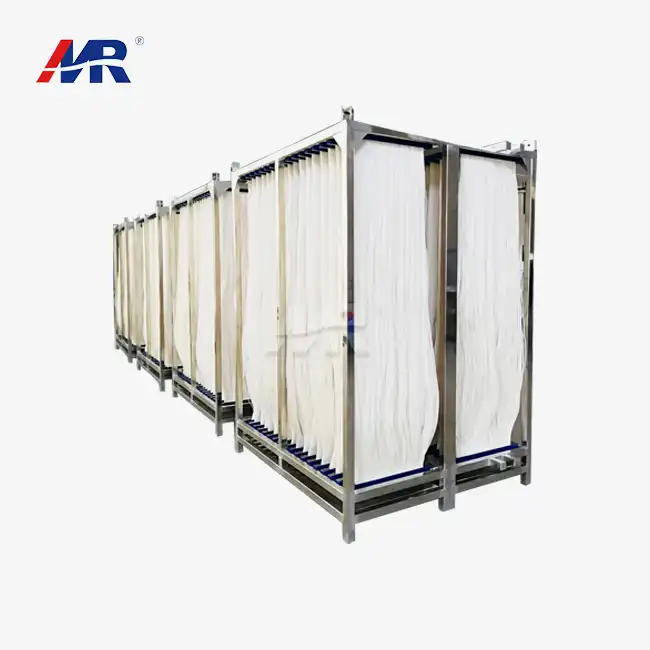
Activated sludge processes are combined with physical filtration membranes in membrane bioreactor systems to get rid of contaminants at the molecular level. The trash that comes in goes into a biological reactor, where aerobic digestion takes place and bacteria break down organic molecules. In contrast to traditional treatment, MBR technology uses immersed or side-stream membrane modules that completely block out suspended solids, bacteria, and pathogens, letting only clean water pass through.
According to research by Judd and Judd (2022), this mix effectively gets rid of biological oxygen demand (BOD), chemical oxygen demand (COD), and total suspended solids (TSS) all in one small unit. The biological reactor keeps higher levels of mixed liquid suspended solids—usually between 8,000 and 12,000 mg/L compared to 2,000 to 3,000 mg/L in regular systems. This lets it add more organic material more quickly and with less space.
Membrane Types and Configuration Options
Two main types of membrane designs are used in industry. These hollow fiber membranes are great for large-scale city and industrial uses because they can support themselves and pack very densely. It is easier to clean biological flocs with flat sheet membranes because they put less shear stress on them. This is why they are preferred in food processing and pharmaceutical operations where gentle treatment is needed to protect microbial communities.
In submerged membrane designs, modules are put right inside the bioreactor, and permeate is sucked through the membranes by vacuum suction. This design uses the least amount of energy and makes the layout of the system easier. In side-stream setups, mixed liquor is pumped under pressure through external membrane housings. This is useful for high-solids uses in chemical manufacturing and electroplating wastewater treatment.
Industrial Applications Across Sectors
MBR systems are used in the textile and pharmaceutical industries to deal with complicated chemical profiles that are too much for biological treatment to handle. Krzeminski et al. (2017) found examples of pharmaceutical plants lowering COD levels from 15,000 mg/L to less than 100 mg/L, which met guidelines for direct discharge. Food and drink processors use MBR technology to get water back for non-potable use. This cuts the cost of municipal water by 30–50% and gets rid of fats, oils, and grease (FOG) that block regular clarifiers.
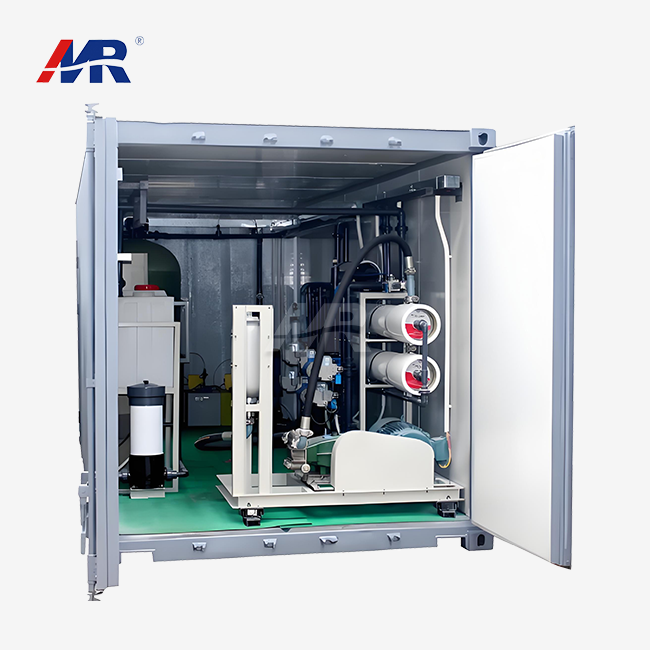
In cities with limited land, decentralized local plants use containerized MBR units to make wastewater that can be used for watering or as make-up water for cooling towers. In rural mining areas, bioreactor systems that can handle changing input conditions and keep up with safety standards during production peaks depend on mobile bioreactor systems.
Criteria for Choosing the Right Membrane Bioreactor System
Assessing Wastewater Characteristics and Treatment Goals
More than anything else, your influent profile determines how the membrane bioreactor for wastewater treatment system is designed. Find out a lot about the wastewater, like its BOD, COD, TSS, total nitrogen (TN), total phosphorus (TP), pH range, temperature changes, and the presence of compounds that stop the process from happening. Heavy metals in chemical manufacturing wastewater need to go through more steps of pre-treatment than pharmaceutical wastewater, which only has organic materials in it.
Your discharge permits or reuse goals will tell you what your effluent quality goals are. For direct discharge to surface waters, BOD levels must be below 10 mg/L, and TSS levels must be below 5 mg/L. MBR systems usually meet these goals. If you want to reuse water in a process, you should think about how the quality of the MBR permeate works with reverse osmosis or advanced oxidation processes further down the line.
Critical Design Parameters and Process Optimization
The treatment ability and capital prices are both affected by the membrane surface area. For city wastewater, designers usually call for flux rates of 20 to 30 liters per square meter per day (LMH). In industrial settings, however, 15 to 25 LMH is more common to make membranes last longer when dealing with tough waste streams.
One big benefit of MBR is that it separates hydraulic retention time (HRT) from sludge retention time (SRT). Longer SRT times (20–40 days) encourage nitrification and let slow-growing bacteria settle down, which is important for getting rid of ammonia in the wastewater from semiconductor and electronics manufacturing. Compared to conventional plants, which need 18–24 hours, shorter HRT values of 4–8 hours keep reactor sizes small.
When operating at high mixed liquor suspended solids concentrations between 10,000 and 12,000 mg/L, biological treatment works best, but membrane fouling is more likely to happen. The system you choose should have dissolved oxygen tracking and automatic air control to keep DO levels between 2 and 4 mg/L, which is best for microbe metabolism and keeps energy costs low.
Scalability and Operational Flexibility
The modular design of the system means that it can grow in the future without having to replace the core infrastructure. Leading manufacturers make standard membrane cassettes or racks that can be put in place by facility teams during maintenance windows. If a pharmaceutical company starts out with a capacity of 500 cubic meters per day, it should make sure that adding 250 cubic meters per day only requires adding cassettes and not rebuilding the whole reactor.
Many business processes are hard to do because flow conditions change. When shifts change, electroplating plants have the most discharge, and food processors have seasonal changes in volume. Choose systems with turndown ratios of at least 50% that keep biological stability during times of low flow without lowering the effectiveness of treatment during times of high flow.
Energy Efficiency and Fouling Control Strategies
Aeration for biological treatment usually takes up 40–50% of the total cost of running an MBR, and membrane cleaning takes up another 30–35%. During off-peak hours, high-efficiency fans with variable frequency drives lose less energy. When compared to coarse bubble systems, fine bubble diffusers with oxygen transfer efficiencies above 25% save a lot of energy.
Fouling prevention determines the long-term costs of operation and how often the membrane needs to be replaced. To put it simply, biofilm development, physical fouling from particles, and chemical fouling from scaling or precipitation all slow down flow and raise transmembrane pressure. Regular membrane relaxation cycles, chemical cleaning procedures using hypochlorite or citric acid, and pre-treatment to get rid of foulants before biological treatment are all good ideas. Between major cleaning sessions, automatic backwashing systems and continuous air scouring keep the membrane permeable.
Comparing Membrane Bioreactors with Conventional Wastewater Treatment Solutions
Performance and Footprint Advantages
To get good discharge quality, conventional activated sludge plants need separate biological reactors, secondary clarifiers, and often tertiary filtration. This treatment train takes up two to three times as much land as similar MBR installations. A conventional plant that treats 1,000 cubic meters of wastewater per day takes up about 1,200 square meters of space, while an MBR can treat the same amount of wastewater in 400 to 500 square meters.
When permits get tighter, or chances to recover water come up, changes in effluent quality become important. Normal systems that clarify make TSS levels between 15 and 30 mg/L and need extra filters to get rid of pathogens. MBR technology consistently lowers TSS below 5 mg/L and kills 4-6 logs of pathogens, so it meets stricter environmental rules without the need for extra polishing steps.
Capital Investment and Operating Cost Analysis
Because they use membrane modules and other specialty tools, MBR systems have 20–30% higher capital costs than other types of treatment. A business that is thinking about buying a standard plant for $2 million should set aside $2.4 to $2.6 million for MBR capacity that is the same. When land costs are taken into account, this price drops by a large amount. This is because small MBR footprints lower the costs of buying land and doing public works in urban or space-limited areas.
When you compare operating expenses, you get more complex results. It costs a lot to replace the membrane every 5 to 8 years; it usually costs $150 to $250 per square meter. But MBR systems don't need to be maintained as clarifiers do. They also make 30–50% less sludge, which cuts down on disposal costs, and they make water that can be used again, which lowers the amount that the city has to pay for water. A textile factory that treated 800 cubic meters of water every day saw its extra cost paid for in 18 months just by saving money on water reuse.
Real-World Implementation Cases
When they needed to make more, a beverage processing plant in the Midwest switched from traditional treatment to membrane bioreactor for wastewater treatment technology. The conventional plant they already had took up their last available acre, which stopped them from growing any more. An MBR upgrade within the existing biological reactor area improved treatment capacity by 60% and lowered BOD in the effluent from 18 mg/L to 6 mg/L. This helped the facility get lower fees from the city for discharge.
A drug company kept breaking the rules by using the old way of treating things because nitrification didn't work when it was cold outside. By using MBR technology with extended SRT, nitrification could happen all year, which stopped violations and saved the company $250,000 in possible fines. Because the wastewater quality was better, 40% of the cleaned water could be used again for cooling towers and landscaping.
Selecting a Reliable Membrane Bioreactor Supplier and Service Partner
Evaluating Technical Capabilities and Innovation
The technological depth of the supplier decides how long the system will last and how well it can change to new rules. Check to see if the company does its own research and development on the membranes or just combines parts from other companies. When it comes to performance problems, companies that make their own membranes usually offer better Technical support and faster responses. Make sure that the companies you're considering have pilot testing sites where you can use your own wastewater to see how well the system works before you commit to a full-scale investment.
Objective quality assurance is provided by Certifications and compliance documentation. ISO 14001 certification shows a commitment to environmental management, while ISO 9001 certification shows a dedication to structured quality management. In some fields, like the food industry, you may need industry-specific certificates like NSF/ANSI 61 for drinking water system parts, or FDA compliance for food industry uses.
After-Sales Support and Service Infrastructure
Comprehensive help after the sale is what sets real partners apart from equipment sellers. For replacing membranes, doing regular maintenance, and fixing problems in an emergency, you need to be able to act quickly. Check to see if your providers have regional service centers that are close enough to your building to be useful. Response times longer than 48 hours for important problems are not acceptable in industrial settings that run all the time.
The cost of unplanned downtime is directly affected by how easy it is to get spare parts. Suppliers should keep important parts like membrane modules, air diffusers, permeate pumps, and control sensors in stock and guarantee delivery within 24 to 72 hours. When suppliers keep extra parts stocks at specific facilities as part of extended warehousing programs, there are no delays in getting parts during situations.
Total Cost of Ownership and Procurement Flexibility
Pricing models that are clear make long-term financial planning more likely to work. Ask for specific breakdowns that include the cost of providing the equipment, setting it up, commissioning it, training operators, and regular upkeep contracts. There are often hidden costs in how much energy, chemicals, and membranes are used, and how often they need to be replaced. Systems should come with performance guarantees and penalties if they don't meet efficiency goals.
Different business financial strategies can work with flexible procurement arrangements. Outright purchase works best for businesses that have the money and the time to plan ahead. Operating leases keep money for the most important parts of a business and make sure that monthly costs are consistent. Build-own-operate-transfer (BOOT) models put the risk of performance on the suppliers. This makes them appealing for cities or small manufacturers that don't have their own technical staff.
Proven Track Record and Industry Experience
The experience of the supplier in your industry is very important. Pharmaceutical wastewater is very different from wastewater from food processing or chemical production. Ask for case studies and reference sites that deal with similar types of waste at similar sizes. Site visits to sites that are already up and running show how they work in the real world and reveal working problems that aren't mentioned in specification sheets.
Diversifying your project portfolio shows that you are flexible and have a wide range of skills. Suppliers who are successful in local, industrial, and autonomous uses have strong engineering skills that can be used to solve new problems. On the other hand, suppliers who only work in one area might not know how to solve creative problems when your application has unique needs.
Conclusion
Your specific industrial needs, treatment goals, and long-term operational goals must all be carefully considered when choosing a membrane bioreactor for wastewater treatment. When properly matched to application needs, MBR technology's better effluent quality, small footprint, and operational flexibility make the extra cost worth it. Choosing the right tools and working with sellers who offer full technical help and years of experience in the field are both important for a successful adoption. You can make sure your facility meets current rules while also getting ready for future water reuse possibilities and stricter environmental standards by carefully evaluating the features of wastewater, comparing options in an unbiased way, and planning for proactive operational management.
FAQ
1. How often do membrane modules require replacement in industrial applications?
In well-kept industrial systems, membranes usually last between 5 and 8 years, but this depends on the type of influent and how the system is used. Facilities that clean high-strength wastewater or run at high flow rates may have membranes that last only 4 to 6 years. Regular chemical cleaning, good fouling control, and avoiding operational problems all help membranes last longer. When planning lifecycle costs, set aside about $150 to $250 per square meter for replacement modules.
2. Can MBR systems handle high-strength or toxic industrial wastewater?
When designed correctly with enough biological capacity and pre-treatment, MBR technology can treat high-strength wastewater with BOD levels of up to 15,000 to 20,000 mg/L. Toxic chemicals like biocides, heavy metals, and lingering organic pollution need to be looked at individually. A lot of substances that stop something from working can be dealt with by diluting them, treating them first with things like chemical precipitation, or letting certain types of microbes get used to them. Pilot testing with real wastewater samples is the only way to be sure that the wastewater can be treated before committing to full-scale systems.
3. What are typical delivery and installation timeframes for industrial MBR systems?
Standard packaged systems with daily capacities of up to 500 cubic meters usually take 12 to 16 weeks to build and deliver, followed by 4 to 6 weeks for installation and start-up. Lead times for custom-engineered systems with higher capacities or for specific uses are 20 to 28 weeks from placing an order to starting up operations. Getting permits, preparing the site, and doing civil works are often more important than delivering the equipment. Including suppliers early on in the planning stages of a project helps find potential delays and make the schedule as efficient as possible.
Partner with Morui for Advanced MBR Solutions
Guangdong Morui Environmental Technology Co., Ltd. has more than ten years of experience designing and putting membrane bioreactor systems to work in a wide range of industrial settings. Our all-in-one approach combines our own special membrane-making skills with full water treatment services, from initial feasibility studies to installation, commissioning, and ongoing technical support. With 20 experienced engineers, 14 regional branches, and partnerships with top brands like Shimge Water Pumps and Runxin Valves, we can give you turnkey solutions that are perfect for your needs.
We know that choosing the right membrane bioreactor for wastewater treatment is an important infrastructure choice that will affect your environmental goals, running costs, and ability to meet regulations. Our Team offers thorough technical advice, chances to try ideas in small groups, and clear lifetime cost analyzes that help people make smart choices. Whether you're in charge of a pharmaceutical facility that needs GMP-compliant water systems, a food processing business that wants to reuse water, or the improvement of city treatment, Morui has tried-and-true solutions and quick local support. Email Benson at benson@guangdongmorui.com to talk about your wastewater treatment problems and get a quote for a solution that fits your needs.
References
1. Judd, S., & Judd, C. (2022). The MBR Book: Principles and Applications of Membrane Bioreactors for Water and Wastewater Treatment (3rd ed.). Butterworth-Heinemann.
2. Krzeminski, P., Leverette, L., Malamis, S., & Katsou, E. (2017). Membrane bioreactors: A review on recent developments in energy reduction, fouling control, novel configurations, LCA and market prospects. Journal of Membrane Science, 527, 207-227.
3. Le-Clech, P. (2010). Membrane bioreactors and their uses in wastewater treatments. Applied Microbiology and Biotechnology, 88(6), 1253-1260.
4. Meng, F., Zhang, S., Oh, Y., Zhou, Z., Shin, H., & Chae, S. (2017). Fouling in membrane bioreactors: An updated review. Water Research, 114, 151-180.
5. Subtil, E. L., Hespanhol, I., & Mierzwa, J. C. (2019). Comparison between a conventional membrane bioreactor (C-MBR) and a biofilm membrane bioreactor (BF-MBR) for domestic wastewater treatment. Brazilian Journal of Chemical Engineering, 36(2), 633-644.
6. Wang, X., Zhang, B., Shen, Z., & Qiu, Z. (2021). Performance evaluation and microbial community analysis of a novel MBBR-MBR system for advanced wastewater treatment. Bioresource Technology, 320, 124388.
 VIEW MOREseawater desalination equipment
 VIEW MORE25m3/hour seawater desalination plant
 VIEW MORE60m3/hour reverse osmosis plant
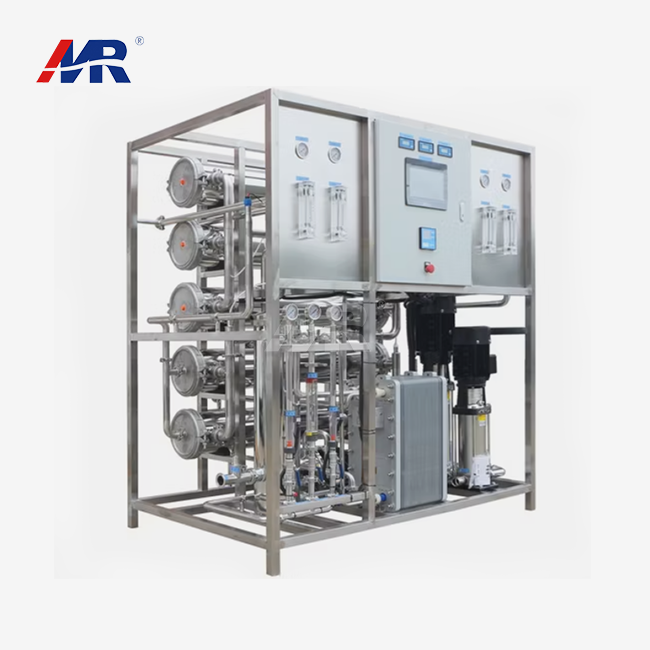 VIEW MOREro edi water system
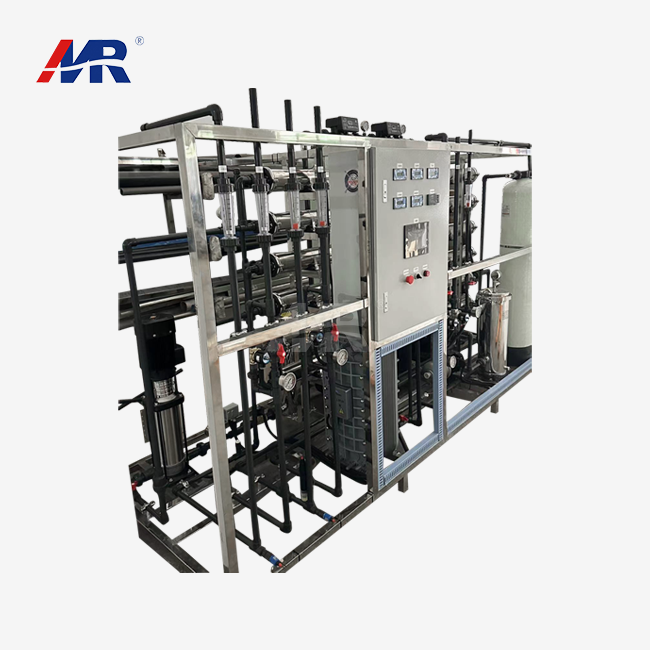 VIEW MOREedi water treatment system
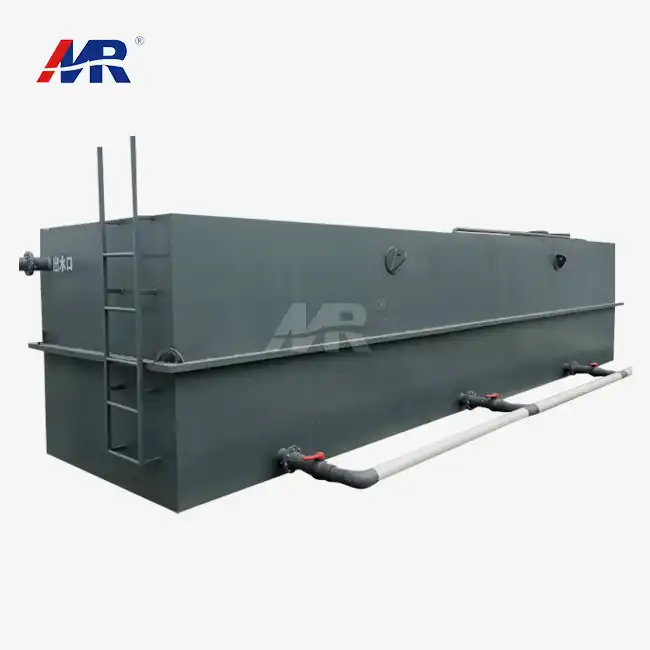 VIEW MOREportable wastewater treatment plant
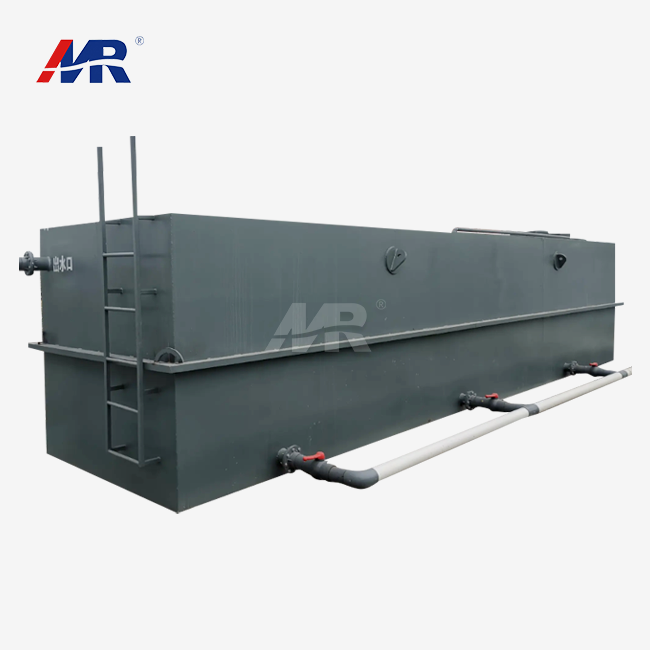 VIEW MOREdomestic wastewater treatment plant
 VIEW MOREcontainerized UF+RO system
