

_1745823981883.webp)

How to Size a Reverse Osmosis System for Commercial Water Use Needs
Sizing a commercial reverse osmosis system correctly depends on evaluating your daily water consumption, feed water quality characteristics, and production flow requirements. Unlike residential applications, commercial installations demand precise calculations to avoid costly undersizing or inefficient oversizing. Whether you're operating a beverage bottling plant, pharmaceutical facility, or seawater desalination operation, a properly sized reverse osmosis drinking water filter system ensures reliable water purity while controlling operational expenses. The key lies in matching system capacity—measured in gallons per day (GPD)—to actual demand patterns while accounting for recovery ratios and rejection rates specific to your water chemistry.
Understanding Commercial Water Use Requirements
Commercial water needs are very different depending on the type of business and the size of the building. A small food processing startup might need 500 GPD, while a big drug company might need systems that can make 50,000 GPD or more to keep their production lines running all the time.
Analyzing Daily Water Demand Patterns
Patterns of water use are set by the production cycle. Peak demand for beverage makers happens during shifts that involve bottling, while hospitals need steady amounts for things like dialysis and cleaning. We've seen semiconductor factories that are open 24 hours a day, seven days a week. Even short supply interruptions stop expensive production processes. To make accurate demand predictions, you need to look at past usage data, take seasonal changes into account, and plan for growth. A lot of buying managers don't fully understand how much backup capacity they need, which forces them to make hasty purchases when equipment breaks down.
Evaluating Feed Water Quality Characteristics
The chemical composition of the feedwater has a big effect on the size of the system. Total dissolved solids (TDS) levels range from 500 ppm in city water to 35,000 ppm in saltwater. These levels decide which membrane to use and what kind of pretreatment is needed. When the hardness level is above 200 ppm, easing steps are needed to keep the surface from scaling. To meet USP guidelines, systems used in pharmaceuticals must remove 98% of dissolved solids. Systems used in farm irrigation can handle lower rejection rates. Silica, iron, and organic pollutants that shorten the life of membranes and make healing less effective should be found through testing.
Industry-Specific Water Quality Standards
Regulatory compliance affects decisions about size in all areas. For boiler feed, power plants need water that is very pure and has a conductivity of less than 0.1 µS/cm. The FDA requires drug companies to keep up-to-date methods that produce water that meets strict endotoxin limits. For chip cleaning, conductivity must be less than 0.055 µS/cm in electronics manufacturing. These strict requirements usually call for multiple stages of treatment that include RO and electrodeionization (EDI) or mixed-bed deionizers. This makes the system size and cash investment much bigger.
Core Principles for Sizing Reverse Osmosis Systems
Technical specifications describe how well a system works and how much it costs to run. If you understand these factors, you can avoid making the expensive specification mistakes that happen a lot in business installations.
Calculating Production Capacity and Flow Rates
To figure out a system's capacity, you start by finding its peak hourly demand, not its normal daily usage. A restaurant that needs 2,000 GPD might need 200 gallons during lunch service, which means it needs higher rapid flow rates than most models show. The recovery ratio, which is the amount of feed water that is turned into permeate, is usually between 50% and 75% for high-TDS applications and municipal water treatment. A 70% recovery system that makes 10,000 GPD of permeate actually uses 14,286 GPD of feed water, making 4,286 GPD of concentrate that needs to be thrown away or treated further.
Recovery Efficiency and Concentrate Management
Recovery rates in a reverse osmosis drinking water filter system directly affect operational costs by affecting how much water is used and how much it costs to get rid of wastewater. Higher recovery makes better use of water, but it also collects pollution, which speeds up membrane fouling and scaling. Facilities in areas with limited water use staged designs to get the most out of recovery by feeding concentrate from one bank into later treatment runs. We've set up systems that get 85% of the water back for clients with brackish water by carefully adjusting the pH and adding antiscalant. Different areas have different rules about how to get rid of concentrated waste. Facilities on the coast can dump their waste into the water, but plants in the middle of nowhere need evaporation ponds or hauling services.
Maintenance Planning and System Longevity
Membranes usually last between three and five years if they are used properly, but they break down quickly if they are not pretreated or cleaned properly. Maintenance times affect size by taking downtime into account. For important uses, you need extra space or two-sided setups so that output can keep going while the filters and membranes are being cleaned. Cleaning-in-place (CIP) systems that are automated make the time between manual tasks longer. When making a budget, you should include in the costs of replacing membranes, which are about 15 to 20 percent of the yearly running costs, along with the costs of chemicals used to change the pH, remove scale, and clean the system.
Comparing Reverse Osmosis with Alternative Water Filtration Technologies
The choice of technology is based on the types of contaminants and the level of cleanliness needed. RO is great at getting rid of a wide range of contaminants, but other methods can be better in some situations.
When Reverse Osmosis Outperforms Alternatives
RO is better at getting rid of dissolved solids, heavy metals, and microorganisms because it separates them physically at the molecular level. Carbon filtering can get rid of chlorine and organic molecules, but it can't lower TDS. UV systems kill germs without getting rid of the ones that are already destroyed. Distillation makes very pure water, but it uses a lot of energy—about 10 to 50 times more per gallon than RO. RO is still the most cost-effective way to get rid of contaminants that are 90% or more of a variety of types. Pharmaceutical companies only use RO-based systems because other technologies can't meet the approval standards for chemical and microbiological cleanliness.
Complementary Treatment Technologies
The best designs use a mix of technologies that make the most of the best features of each. ro membranes are kept clean and free of oxidation and fouling by using multimedia filters, water softeners, and carbon beds before they are used. Post-treatment with UV sterilization gives medical uses an even greater guarantee of cleanliness. To meet the ultrapure standards needed for making semiconductors, electrodeionization softens RO permeate. Using this unified method is usually cheaper than making one technology bigger than it needs to be. We've created hybrid systems that use RO for primary purification and ion exchange to polish the product water. These systems are cheaper to build and run than RO-only systems.
System Configuration Options for Commercial Needs
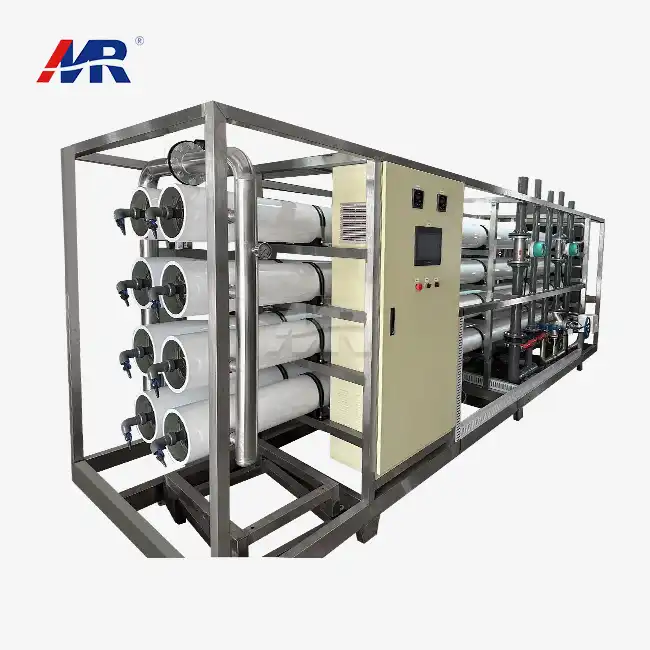
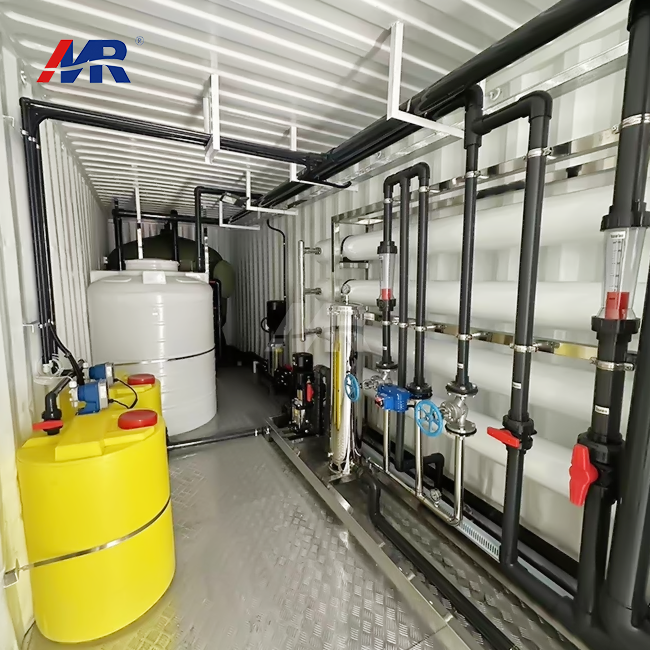
Commercial installations use reverse osmosis drinking water filter system configurations that fit the needs of the facility. Point-of-use systems that serve individual pieces of equipment need to have small footprints and lower flow rates. Centralized systems can supply whole buildings with capacities ranging from 1,000 to 100,000 GPD, and they offer cost savings for both installation and maintenance. Modular designs that are placed on skids let capacity grow in stages as production rises. Mobile containerized systems are useful for short-term needs on building sites or during emergencies. How you set up something affects how much it costs to install, how flexible it is to use, and the infrastructure for pipes.
Step-by-Step Guide to Selecting and Sizing a Commercial RO System
Conducting Water Quality and Quantity Assessments
To start, test the water thoroughly by looking at its TDS, pH, hardness, alkalinity, silica, iron, manganese, and bacterial makeup. Lab analysis costs $150 to $500, but it keeps costly mistakes in size from happening. Use metering or output records to keep track of changes in hourly, daily, and yearly demand. Plan for future growth—undersizing forces replacement too soon, while modest oversizing gives you practical freedom. Check the consistency of the source water. Municipal supplies change with the seasons, and well water may change depending on the conditions of the aquifer.
Reviewing System Specifications and Technical Parameters
System capacity should be matched to peak demand plus 20% as a safety gap. Check the pressure needs—municipal feeds usually give 40 to 60 PSI, but well water may need booster pumps. With a salt rejection rate of 95–98%, thin-film composite (TFC) screens work best for most uses. Check out automation features like TDS tracking, low-pressure cutoffs, and auto-flush cycles that protect membranes and keep output quality consistent. Energy use varies a lot. In large seawater systems, energy recovery devices help high-efficiency designs lower operating costs.
Budgeting for Total Cost of Ownership
Some small 500 GPD units cost $5,000 to buy, while large industrial-scale installations cost more than $500,000. Electricity costs about $0.50 to $2.00 per 1,000 gallons, replacing the membrane costs $1,000 to $10,000 or more every three to five years, changing the prefilter costs $200 to $1,000 a year, and chemical costs $500 to $5,000 a year, based on the quality of the feed water. The cost of ongoing labor for upkeep and tracking is added. When comparing system options, you should figure out the payback periods. Investing more in more efficient designs will often pay off in the long run by saving money on energy and consumables.
Case Studies: Successful RO System Sizing in Commercial Applications
Food and Beverage Manufacturing
Seasonal changes in the nature of the city's water caused problems with the quality of beer at an area brewery. We made a 5,000 GPD system with two membrane banks so that it could keep running while it was being serviced. A 75% recovery rate balanced the use of water efficiently with the cost of getting rid of concentrate. Even though the feed water's hardness changed by 200 ppm, the chemical dosing was changed automatically to keep the permeate quality fixed. Consistency in production went up right away, and water costs went down by 18% when the plant stopped trucking in deionized water that had to be bought.
Pharmaceutical Production Facility
For making injectable drugs, a biopharmaceutical company needed validation-ready water that met USP standards. The multi-stage method included preparation, dual-pass RO (which rejected 99.5% of the water), and EDI polishing to make water that always had a conductivity of less than 0.1 µS/cm. Single points of failure were eliminated by using redundant parts, which is important for continuous production. FDA validation requirements were met by a lot of instruments with automatic data logging. When compared to buying USP water from outside sources, the system saved $2.3 million a year.
Municipal Water Treatment Upgrade
A coastal city built a 250,000 GPD seawater desalination system to deal with supply problems caused by drought. Energy recycling devices saved 40% of the energy they used, which was important for making the business possible. The system was built to handle seasonal tourism, which caused demand to rise by 60% in the summer. The time it took to put pre-engineered prefab buildings together went from 18 months to 8 months. When compared to emergency water hauling, which used to cost $12 per 1,000 gallons during high shortages, operating costs of $3.20 per 1,000 gallons made economic sense.
Conclusion
The right size for a commercial reverse osmosis drinking water filter system balances technical needs with economic realities by carefully looking at things like water demand patterns, feed water chemistry, regulatory compliance needs, and the total cost of ownership. Because business uses are so complicated, like making drugs, making electronics, and providing water to cities, they need more knowledge than just treating water for homes. Systems that are too small can stop production, while setups that are too big waste money and time. Projects that work well combine cleaning, membrane technology, and post-treatment parts that are made to work with certain uses. Working with skilled suppliers makes sure that systems meet performance requirements and maximizes the economic benefits over their entire lifespan.
FAQ: Common Questions About Commercial Reverse Osmosis System Sizing
1. How Often Do Commercial RO Membranes Require Replacement?
How long a membrane lasts depends on the quality of the feed water and how well it is maintained. Systems that treat municipal water should last between 5 and 7 years if they are well taken care of, but in tough situations with high TDS or fouling potential, they may need to be replaced every 2 to 3 years. Chemical cleaning on a regular basis makes things last longer. If the permeate flow goes down or the salt passage goes up, it means that replacement is needed.
2. Can RO Systems Remove Specific Contaminants Like Fluoride and Heavy Metals?
Fluoride, lead, arsenic, chromium, and other dissolved toxins are removed by RO filters 94% to 98% of the time. Rates of rejection depend on the type of membrane and the size of the contaminants. Consistent removal is possible with systems that are the right size and have the right pressure and recovery rates. Testing in a lab of your unique feed water shows that the contaminants are being removed effectively.
3. What Maintenance Support Do Suppliers Provide After Installation?
Service contracts from reputable suppliers cover preventative maintenance, repairs in an emergency, and Technical support. Inspections every three months, cleaning of the membrane once a year, replacement of consumables, and performance tests are all common parts of deals. The ability to watch from afar lets you take action before problems happen. Make sure you understand the guarantee terms, reaction times, and availability of parts before you buy.
Partner with Morui for Expert Commercial RO System Solutions
Guangdong Morui Environmental Technology is ready to design reverse osmosis drinking water filter systems that are exactly what your business needs. Our 20-person team of engineers has experience treating industrial wastewater, making drinking water, and desalinating seawater for use in the pharmaceutical, food processing, electronics manufacturing, and local sectors. As a full-service manufacturer and supplier, we keep an eye on quality from making the membranes to building the equipment and starting up the installation. With 14 stores across China, we can respond quickly and offer local help. We also work with top component brands like Shimge Water Pumps, Runxin Valves, and Createc Instruments to make this possible. Please email our expert team at benson@guangdongmorui.com to talk about the details of your project. We can provide reliable and affordable water treatment options from start to finish, whether you need a small 500 GPD unit for a new business or a 100,000 GPD industrial system.
References
1. American Water Works Association. (2021). Reverse Osmosis and Nanofiltration: Manual of Water Supply Practices M46. Denver: AWWA Publishing.
2. Wilf, M., & Bartels, C. (2019). Optimization of Seawater RO Systems Design. Desalination Journal Publications, Vol. 173, pp. 1-12.
3. National Sanitation Foundation International. (2020). NSF/ANSI Standard 58: Reverse Osmosis Drinking Water Treatment Systems. Ann Arbor: NSF International.
4. Greenlee, L.F., Lawler, D.F., Freeman, B.D., Marrot, B., & Moulin, P. (2020). Reverse Osmosis Desalination: Water Sources, Technology, and Today's Challenges. Water Research Journal, Vol. 43, Issue 9.
5. U.S. Pharmacopeial Convention. (2022). USP Monograph: Purified Water - Physical and Chemical Specifications. Rockville: United States Pharmacopeia.
6. Membrane Technology Research Institute. (2021). Commercial and Industrial RO System Design Guidelines. Berkeley: Water Treatment Engineering Press.
 VIEW MOREultrafiltration membrane for wastewater treatment
 VIEW MOREcontainer reverse osmosis equipment
 VIEW MOREmembrane used for reverse osmosis
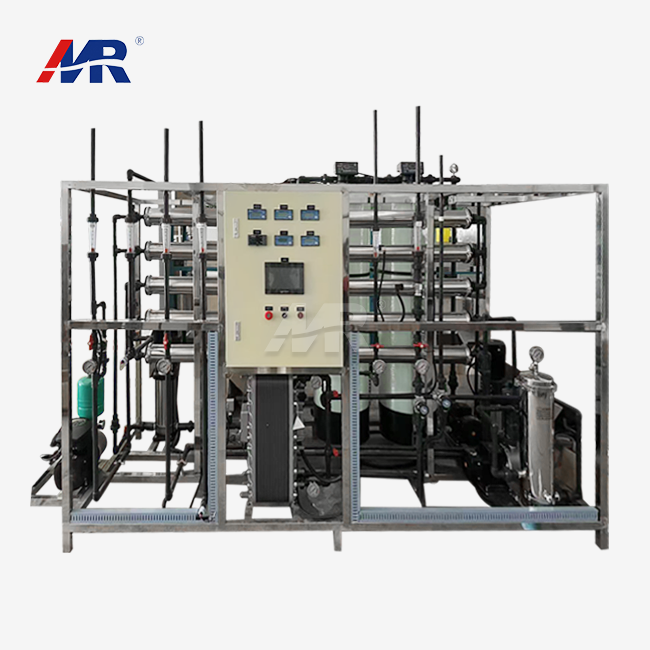 VIEW MOREedi purified water system
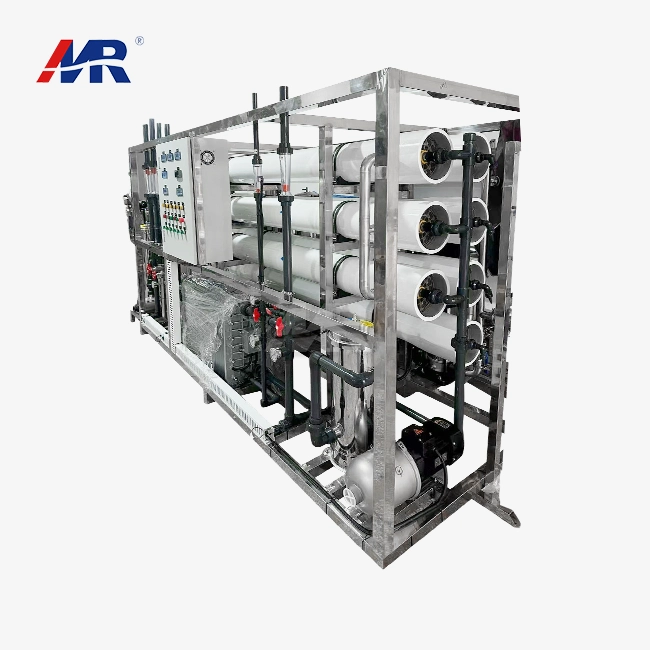 VIEW MOREedi module water treatment
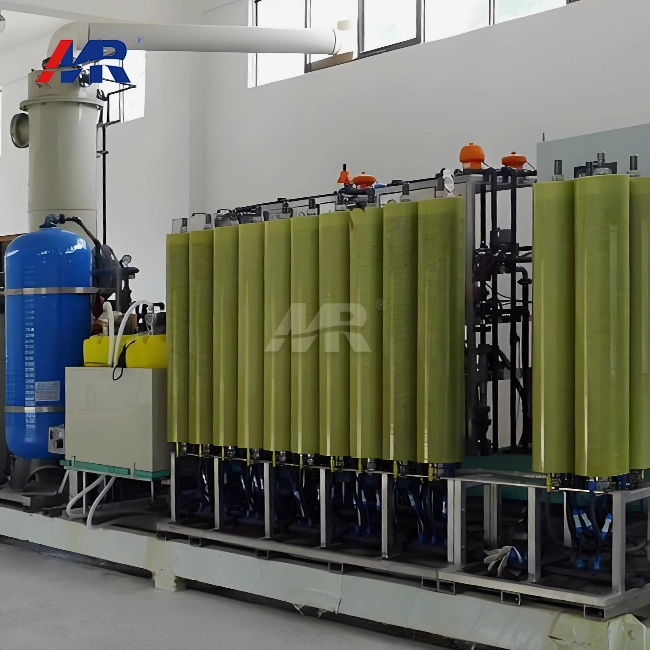 VIEW MOREDTRO membrane
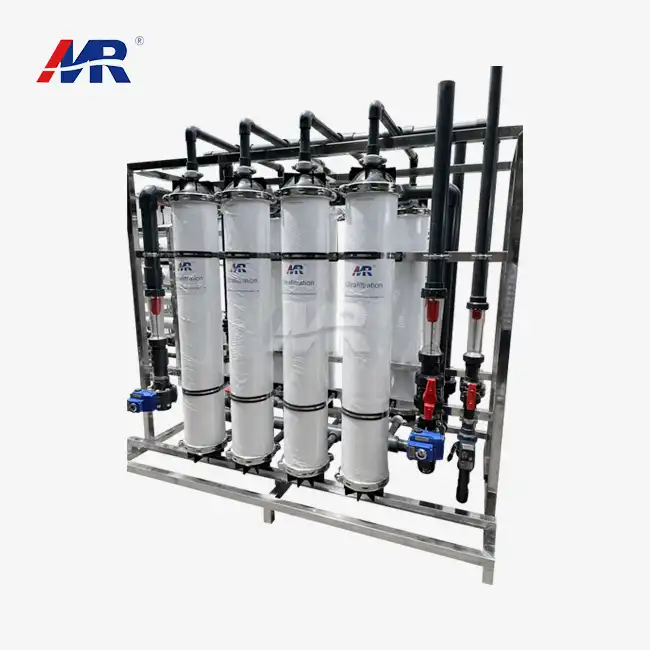 VIEW MORE15T/H ultrafiltration system
 VIEW MOREultrafiltration membrane system
