


How Fast Can a Containerized RO Plant Go From Factory to First Water?
A containerized RO plant can reach first water soon after it arrives on a prepared site. The pretreatment, pumps, membranes, piping, and controls are already built and tested inside the unit. The full schedule from purchase order is longer because it includes feedwater analysis, design approval, manufacturing, factory testing, shipping, customs clearance, and commissioning. I recommend measuring the timeline from a signed specification to water that meets the agreed quality, not to the moment a pump starts. Below, I explain each stage, the common causes of delay, and how to keep a project on schedule.

What Is a Containerized RO System and Why Can It Be Deployed Quickly?
What Factory Integration Includes?
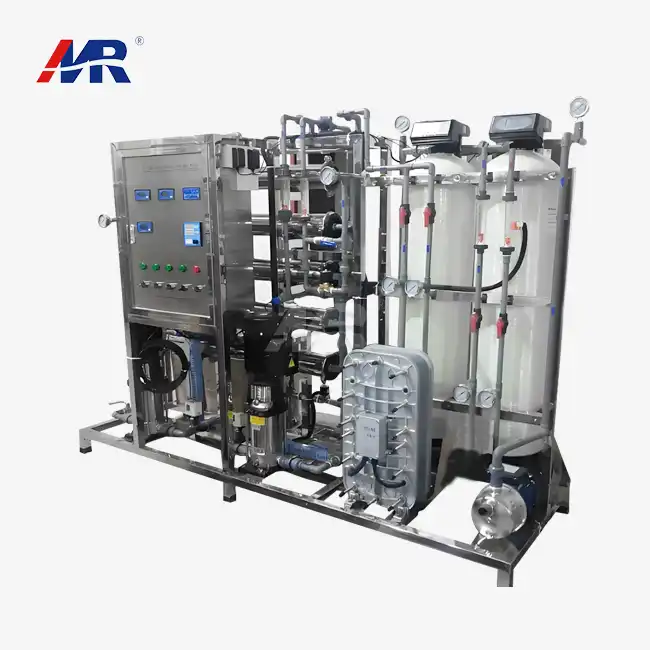
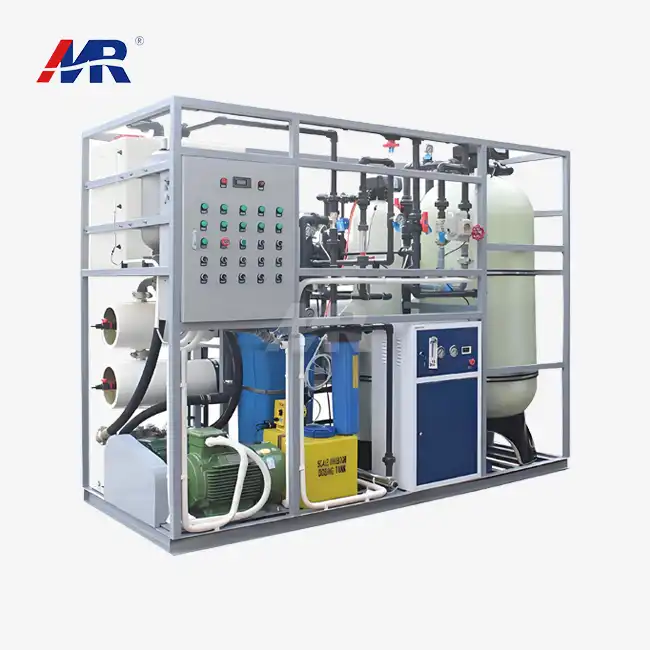
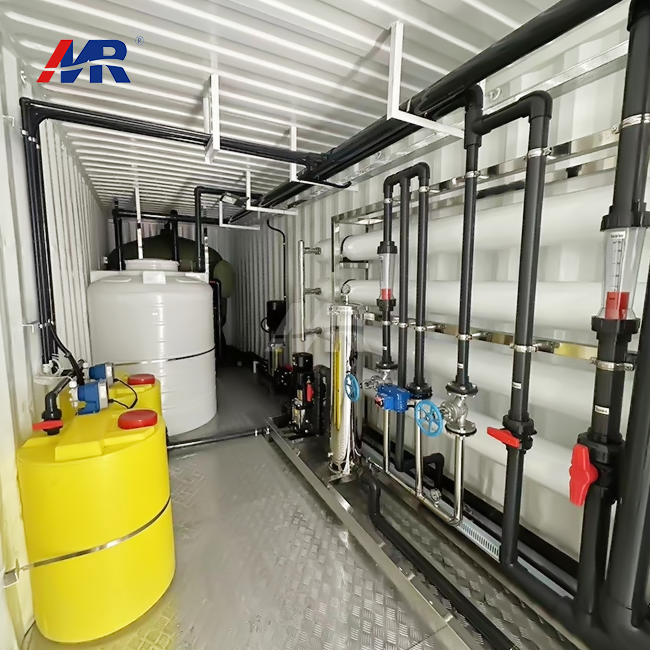
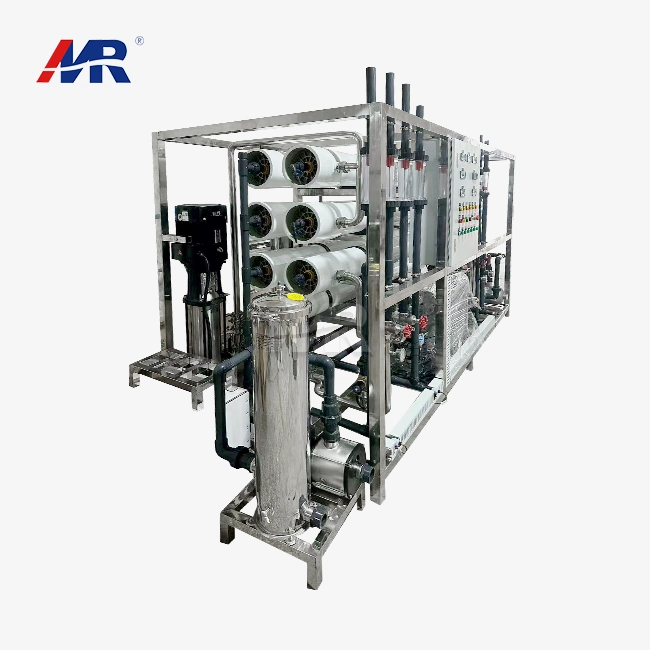
A containerized RO system has pretreatment, high-pressure pumping, membrane vessels, dosing, instruments, pipes, and electrical controls. It can fit inside a normal shipping container. Morui puts these parts together and connects the lines in our plant. After that, we test the unit and send it out. First, the water is cleaned up. The water then goes through reverse osmosis, remineralization, storage, and distribution. The pH may change during this process. This place only needs to connect to power, clean water, and wastewater because the plant is already set up.
Why Site Work Shrinks?
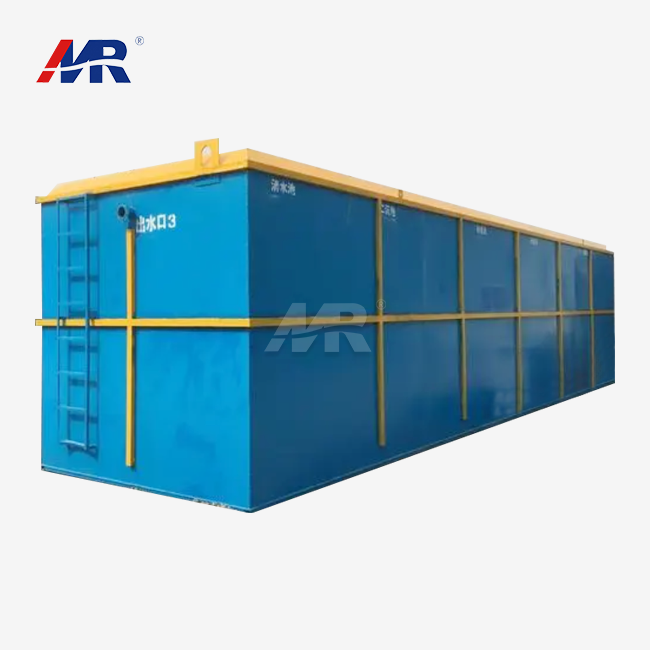
In order to be set up, a normal plant needs a building, pipe runs, and electricity. A container brings a lot of that work into the factory, where it is managed. Because of this, there are fewer tradespeople and civil construction workers at the destination. This style works well for camps in the middle of nowhere, mines, disaster relief, resorts, construction sites, and temporary city halls where space is limited and setting up quickly is more important than having a permanent building. When a job is done, the machine can go to a different spot.
Morui Container Specifications
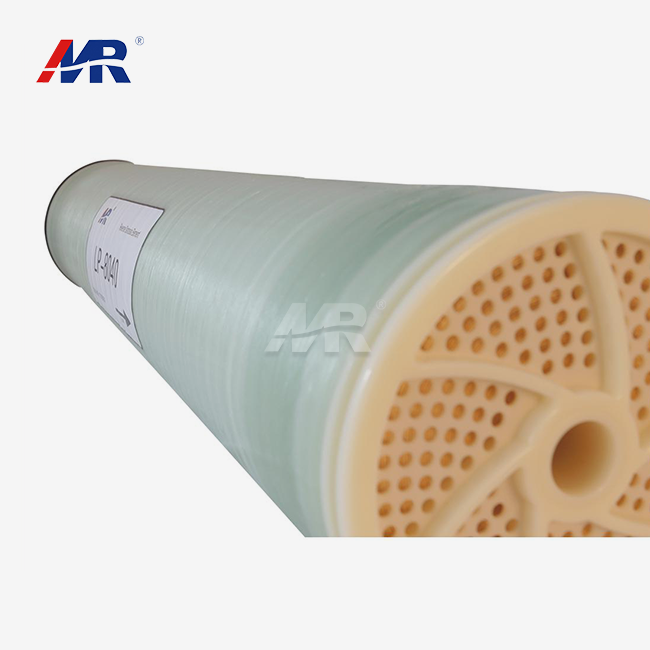
Our containerized RO system can handle 10–500 m³/day and recover up to 75% of the water. It is made of stainless steel, which doesn't rust. Our power source is 380V/50Hz, but that can be changed. US buyers should first let us know what voltage and frequency they need. Because it is modular, it is possible to add more units to make it bigger. Operators who are not close to the tech team can use automatic tasks that can be tracked from afar. The sizes depend on how much space you need.
The Factory-to-First-Water Timeline: A Stage-by-Stage Breakdown
Feedwater Analysis and Design
A study in the lab is the first step in every plan for a containerized ro system. What TDS doesn't show is everything about the water. Things like hardness, silica, iron, organics, and microbial load change how it is handled before it goes through the barrier. They choose the process based on the data, such as UF plus RO or a seawater setup. Then they send out drawings to be checked. The buyer has to sign off on the plan before the buying process can begin. It takes longer to fix a study that isn't perfect at this point.
Manufacturing and Factory Acceptance Testing
While it was being made, we put together the frame, set up the pumps and tanks, ran the pipes, wired the control panel, and put the membranes in. Factory acceptance testing (FAT) then checks the shut-off logic, flows, alarms, and instruments. It's easier to fix one that's in the workshop than one that's far away. We also make installation drawings, instructions, and files in more than one language so the site team doesn't have to wait for it.
Shipping, Customs, and Site Commissioning
The unit is packed for sea freight and sent under a mutually agreed-upon Incoterm after FAT. Incoterms 2020 were made public by the International Chamber of Commerce. They explain who is responsible for freight, insurance, and clearing customs. I think buyers should settle this before they sign. The team sets up the container and connects the power, feed, product, and drain lines when they get there. After that, the trash is taken away, the membranes are turned on, and the water is checked. Most of the time, this is where workers are taught.
What Causes Delays in a Containerized RO Water Treatment Project?
Incomplete Water Data
As a rule, plans that are made without enough information cause delays. Every season, the water on the surface changes, and wells can also change how much water they pump out. They will have to start over when the system is put into use if the first sample doesn't show the worst-case scenario. This is because the pretreatment could damage the membranes. I believe you should list more than one current study and keep track of the feedwater temperature, as that changes the pressure and output needs. If you get water from the sea or other salty places, be extra careful.
Late Design Changes
As you can see, changes made after approval for a containerized ro system have an impact on both testing and buying. You might have to buy new parts and do more electrical work if you want to change the power, how the tank is controlled, the size, or the amount. Putting in insulation for cold places and options for high temperatures later costs a lot more than putting them in at the start. When there is a clear "freeze date" in a written change-control process, everyone can see how the change will affect the plan before they ask for it to be changed.
Site and Import Readiness
A fully-built unit can't be used on a site that isn't ready. As well as a level base, a raising plan, access roads, power, a way to bring in raw water, a place to store goods, and a legal way to dump concentrates, the buyer should also have these things. When you import something, you should check the permits, labels, and certificates right away. There are National Primary Drinking Water Regulations for public water systems in the US that are made by the EPA. Most of the time, NSF/ANSI/CAN 61 is used to check parts that come into contact with drinking water. You should probably check with the city or town government to see what forms they need.
How to Choose the Right Containerized RO System for Faster Deployment
Match the Process to the Source Water
There are different ways to treat different kinds of water, like salty water, seawater, surface water, city supply water, and reclaimed wastewater. People use our systems to handle situations, treat water for business, get drinking water to rural places, remove salt from brackish and seawater, and reuse wastewater. There is a step called pretreatment that gets rid of any solids or contaminants that are floating in the water before the high-pressure pump forces the water through the ro membranes. Today is the first day, so pick the right train. This will help you avoid the most common redesign risk.
Size Capacity Realistically
The daily desire is just the start. Size is affected by things like peak flow, working hours, healing, future growth, and how well things work now. Some 20-foot containers can make less than 40-foot containers. Shape, pump size, and electricity load are some of the things that need to be thought about. People can buy one unit at first and then add another later. Our range is 10–500 m³/day, and it can be made bigger by adding units. What comes out still depends on the feed's temperature and salt level.
What a Quotation Should Include
Before I compare prices for a containerized ro system, I make sure that each quote tells me about the temperature range, feedwater assumptions, product flow, recovery, and power use. It should list the main parts, what they're made of, and what they're called. As well, it should say if FAT, export packing, freight, installation, starting control, training, and extra parts are all part of the deal. That being said, you should also look at the lifetime cost, because the costs of energy, cleaning, chemicals, and membrane life can add up to more than the price you paid for it. Our low-energy design helps cover some of that cost.
How to Verify That the Plant Has Successfully Reached First Water
Pre-Startup Checks
Before the first run, the team checks the electrical protection, calibrated instruments, chemical dosing, alarms, and emergency shutdown. Damage to the membranes can happen because of bad spinning, dry running, or quick changes in pressure. These checks keep them safe. When our engineers are monitoring from afar, they can talk to the site crew about alarms and operating trends. This speeds up the troubleshooting process.
Performance Readings
While the membranes settle, the crew keeps an eye on the flow, pressure, conductivity, recovery, and temperature of the feed, product, and concentrate. These numbers tell you if the plant is meeting the values that were planned. Things that stay the same for several hours are more important than one good reading. It might take longer for guaranteed production to happen than for first water, so the deal should spell out how to measure success.
Water Quality Tests and Acceptance
The agreed-upon standards should be used to check the water that was made. As needed, these specs should list microbiological parameters along with conductivity, TDS, pH, turbidity, hardness, and turbidity. The Guidelines for Drinking-Water Quality from the World Health Organization are a good place to start when you need to find drinking water. US projects also make sure they follow the rules in their own countries. You should write down in the contract the rules for capacity, quality, energy, and alarms, along with the difference between tentative acceptance and final acceptance. In writing, both sides have kept good records of the tests.
Conclusion
Pipes, wiring, and testing can be done in the factory instead of on the job site, which speeds up the rollout of a containerized RO plant. As for speedy production, the container itself doesn't promise it. An early design freeze, careful manufacturing and FAT, clear shipping terms, and a ready site are all things that are needed for the schedule to work. Most delays happen because of missing or incomplete data, changes made too late, or import or site requirements that haven't been met. You can lower those risks by picking the right method, ability, and quote scope. Once that is done, the first water is checked to make sure it meets the agreed-upon standards for flow, pressure, conductivity, and cleanliness.
FAQ
Q1: How long does manufacturing take?
A: It depends on the process, the amount of space, and the level of customization. Something that hasn't been changed much or is used in cold water will move faster. I think you should ask for a milestone schedule instead of a single delivery date. This should include design, production, FAT, shipping, and commissioning.
Q2: What information do I need to request a quotation?
A: Send a recent water analysis from a lab along with the size of the container you want to use, the goal product water level, the location of the site, the power source, and the working conditions.
Q3: Can a containerized unit be relocated?
A: Yes. These kinds of plants are made to be moved around. They need new utility connections every time they move because they are usually only there for a short time.
Q4: Is a standard unit the same as a turnkey plant?
A: No, giving you the gear only includes the unit itself. Engineering, testing, shipping, setup, training, and extra parts might all be part of a turnkey deal. Note down the goal.
Plan Your Containerized RO Project With a Clear Delivery Plan
Morui has its own membrane plant and 20 engineers. It employs more than 500 people. We install things and get them up and running all in one place. Write to benson@guangdongmorui.com with your feedwater analysis, capacity, information about the spot, and power source if you want to make a containerized RO. Our experts will come up with a plan and schedule for getting the system from the workshop to the first water.
References
1. MWH's Water Treatment: Principles and Design, John Wiley & Sons, 2012
2. Guidelines for Drinking-water Quality, Fourth Edition Incorporating the First Addendum, World Health Organization, 2017
3. Reverse Osmosis: Industrial Processes and Applications, Scrivener Publishing, 2015
4. National Primary Drinking Water Regulations, U.S. Environmental Protection Agency, 2009
5. NSF/ANSI/CAN 61: Drinking Water System Components – Health Effects, NSF International, 2023
6. Incoterms 2020, International Chamber of Commerce, 2019