RO UF Filter: What Should Industrial Buyers Check First?
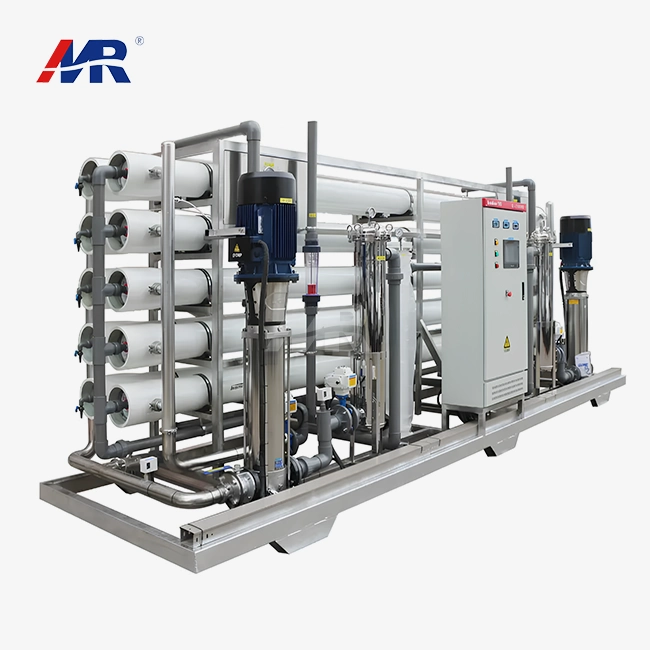
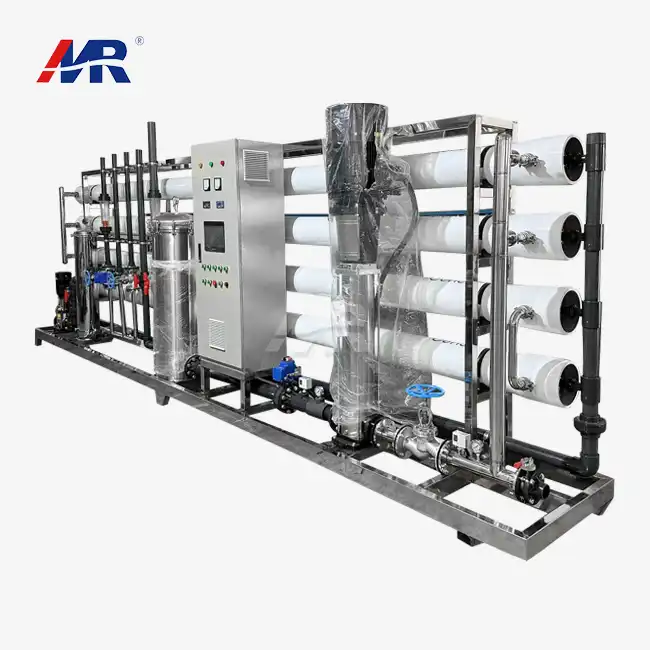
The first thing to check on any ro uf filter is the feed water. Turbidity, dissolved solids, hardness, and microbial load shape every later choice. After that, confirm the process stages, recovery rate, operating pressure, maintenance schedule, documents, and supplier support. UF removes suspended solids, colloids, and bacteria, while RO reduces dissolved salts. A system performs well only when each stage matches the water it receives. In this guide, I walk through each check in order, so you can compare quotes with confidence and avoid costly surprises after installation.

Start With the Water and the Process Design
Test the Feed Water First
Anyone who wants to buy a model from me always has to show me a recent lab report first. The report should have numbers for turbidity, TDS, hardness, iron, manganese, chlorine, pH, temperature, and bacteria. Most of the time, one sample doesn't show the whole picture because wastewater adds oil, organic matter, and loads that move around. Using more than one sample from different days is safer. This is a second rule set by the U.S. EPA for TDS in drinking water: 500 mg/L. This can help you decide what you want to do with product water. The standard book on how to do lab tests is still Standard Methods for the Examination of Water and Wastewater. Without the right data, an expert can only guess at how big the system should be.
How UF and RO Share the Work?
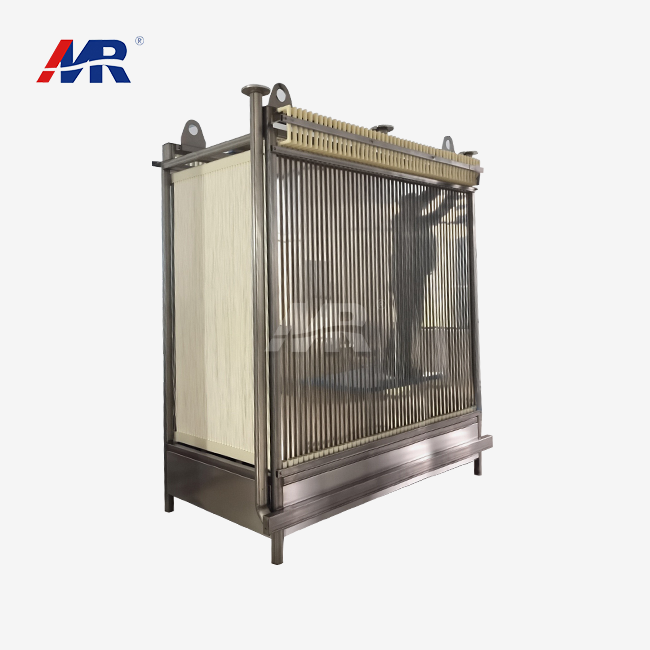
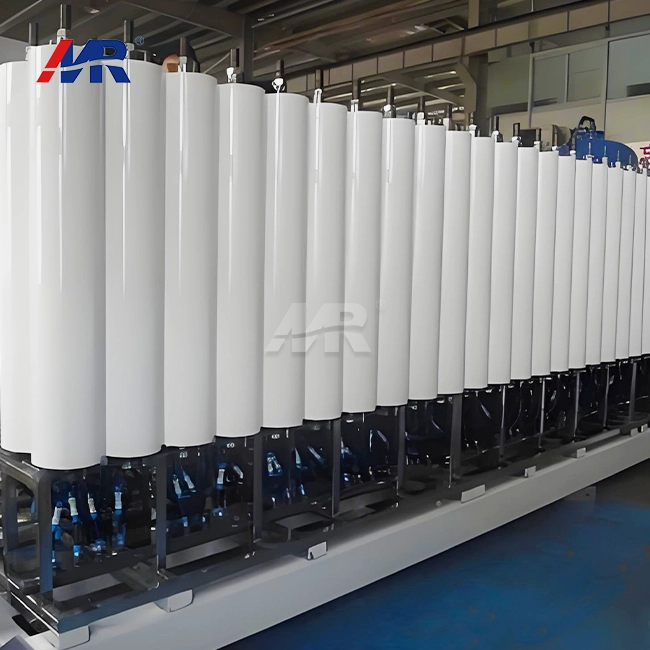
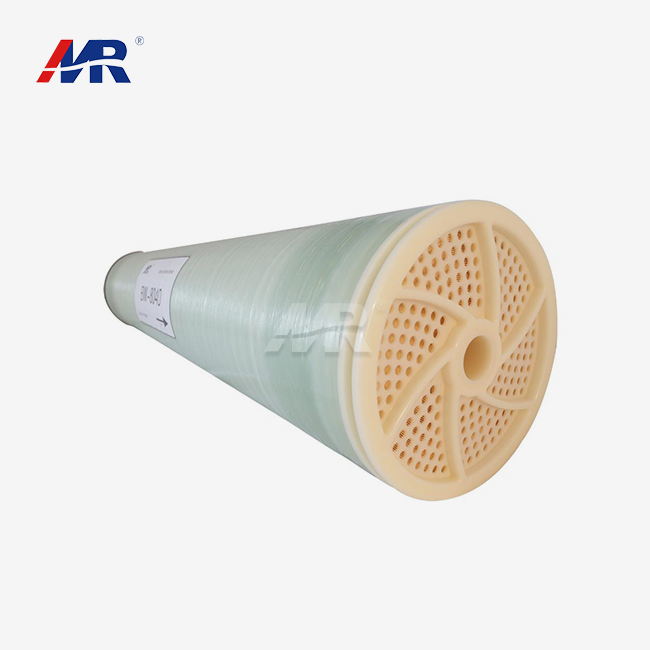
UF membranes have pores that are only 0.01 to 0.1 microns wide. This means that germs, colloids, and dissolved solids can't get through them. The ro membranes are very thin (about 0.0001 micron), so it's hard for dissolved salts, nitrates, and many metals to pass through them. They don't switch places because they clean up different kinds of dirt. In a standard ro uf filter line, UF drops the fouled load on the RO stage to keep it safe. After that, RO cleans the water. UF is sometimes used to clean up wastewater on its own or to use it again before it goes through more treatment. It is important to see the whole flow chart and not just one membrane definition.
Decide Where Pretreatment Fits
RO elements work best with water that doesn't have a lot of silt in it. Many membrane makers say that a value below 5 is best, and most people think that a value below 3 is best for stable operation. UF is a good way to get to that range because the hollow fibers stop flow as long as the turbidity doesn't change. If the water isn't good enough, you may still need to add antiscalant, activated carbon for chlorine, or multimedia filtration. The membrane will wear out faster and need to be cleaned more often if you don't do these steps. The EPA's Membrane Filtration Guidance Manual explains how integrity tests and tracking work for UF systems.
Compare Specifications and Match the Application
Read Recovery Rate and Operating Pressure Carefully
How much feed water is turned into product water is the recovery rate in a ro uf filter system. When the number is high, there is less reject water, but more salts and solids. This makes scaling and clogging more likely when pretreatment is weak. The pressure at which the pump is used determines how much energy is used and which pump is picked. In UF systems, low pressure is used most of the time. RO steps need a lot more pressure to get past osmotic pressure. Get information from each supplier about the TDS, temperature, and pressure of the feed that are used to get each rated number. If those things are not true, the capacity number is based on the best case and may not work for your site.
Review the Morui MR-UF-80TH Data
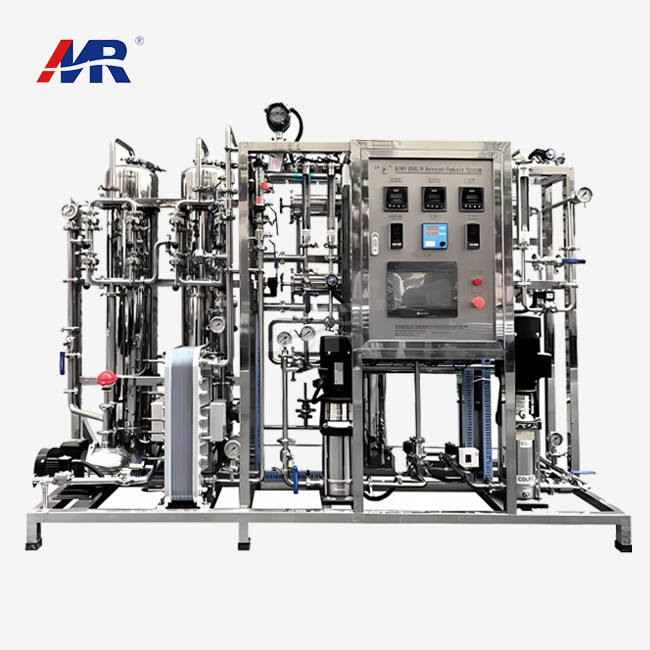
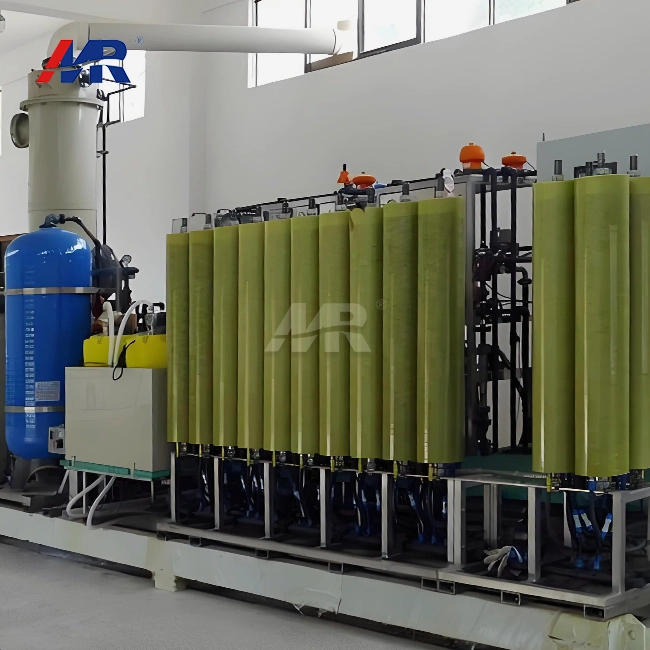
Here is what Morui says about the MR-UF-80TH, the model we use to treat wastewater. The unit can recover 80% to 90% of the power it uses. It works at 0.2 to 0.3 MPa of pressure and needs 15 kW of power per hour. With a high recovery rate and a low pressure range, ultrafiltration works well. There is also less wastewater to deal with on site. If you want to know how much power you use each month, compare it to the power source at your business. Please send us the information about your project so that we can look into the flow, size, and membrane. If you need more RO stages down the line, our experts will make sure the setup is right.
Match the Unit to Your Application
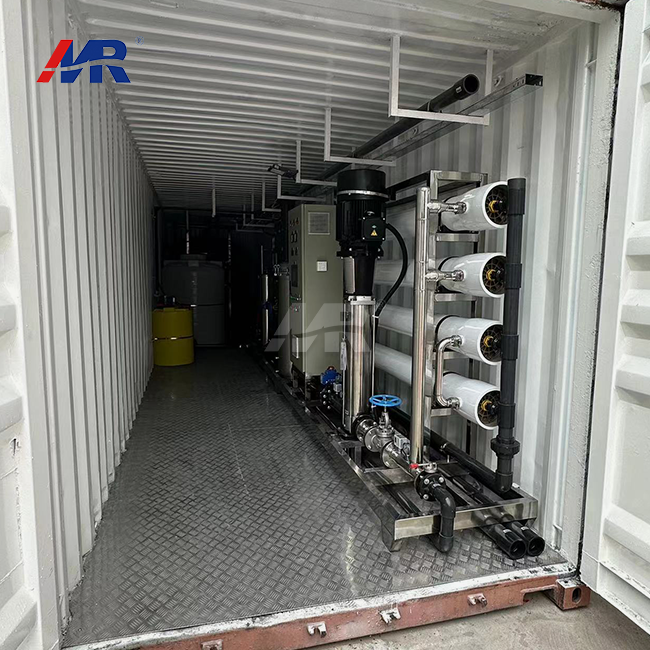
What's important varies from site to site. The plants that make food and drinks need clean materials and water that doesn't change. In labs and healthcare sites, there needs to be better control and monitoring of microbes. Hotels and office buildings are worried about noise and leaving a mark. Projects that reuse wastewater try to make the water better by lowering the amount of solids in it and making it easier to clean. Do not move a drinking water unit into an industrial process until you are sure it is safe to do so. Another thing that wholesalers and OEM clients should ask about is private marking, custom interfaces, and bundled supply. These can have an impact on delivery and guarantee. Shimge pumps and Runxin valves are used in our membrane factory. This lets us offer both key machines and parts together.
Calculate Ownership Cost and Check Documentation
Look Beyond the Purchase Price
A quote for a ro uf filter only shows the first price. Electricity, wastewater, cartridges, UF and RO membranes, chemicals, labor, and downtime are some of the costs that come with running a business. Ask when the parts will be replaced and how to clean it, including how to backwash, clear, and clean with chemicals. So you can find fouling early, you should keep an eye on flow, conductivity, turbidity, pressure, and differential pressure. Metal filtration and controlling fouling are discussed in Metcalf and Eddy's book Wastewater Engineering: Treatment and Resource Recovery. You might save money in the long run if you pay a little more up front because the system won't need to be cleaned or turned off as often.
Verify Compliance and Materials for the US Market
This is what US buyers usually need to see first: proof that they own the item. It's possible to need NSF/ANSI approval for parts that will be in drinking water, UL lists for parts that will be electrical, and material statements for parts that will get wet. Find out about P&IDs, wiring diagrams, operation guides, test results, and spare part lists. Check to see how the different kinds of stainless steel, housings, seals, and tubing react to chemicals. You shouldn't just take a supplier's word for it; you should ask each one what approvals there are for your model. Full documents also make it faster for regulators to look over things and for operators to get trained.
Compare Suppliers and Avoid Common Mistakes
Not just the price, but also where it came from. Morui has more than 14 offices, 500 employees, 20 engineers, its own plant that makes membranes, and a number of factories that work on equipment. You can also buy Shimge pumps, Runxin valves, and Createc tools from us. We prepare them for use and make sure they work. People who are buying often make the error of only comparing daily capacity and not pretreatment. They also think that UF and RO are the same thing and don't ask about drains, power supply, or getting extra parts. A simple list of things like water data, target quality, capacity, recovery, pressure, documents, warranty, lead time, and service duties can be useful. You can also use it as a form to ask for quotes.
Conclusion
Before you pick out a ro uf filter, you need to know about the water that goes into it. With this knowledge, you can figure out the pretreatment, the mix between UF and RO, and how long you can expect the membrane to last. Things must be just right for each step to work. Germs and solids that float are killed by UF, and salts that are dissolved are killed by RO. When the test is set up, it is important to judge the recovery rate, working pressure, and power use. Like the MR-UF-80TH, which has 0.2–0.3 MPa, 15 kW, and 80–90% recovery. Next, the total cost of ownership, the papers, and the skills of the seller show whether the deal is a good one or a bad one. If buyers check these points in the right order, they are less likely to run into damage, downtime, or having to pay for parts they didn't plan for.
FAQ
Q1: Is a ro uf filter better than an RO-only system?
A: It has to do with water. Fouling is less likely to happen when the feed water is cloudy or biologically active and goes through UF first. If there aren't many solids in city water, RO might be enough to clean it.
Q2: How often should membranes be replaced?
A: The gap isn't the same for everyone. How long a membrane lasts depends on the type of material used, how it is prepared, the pressure, the temperature, and how often it is cleaned. As long as you follow the supplier's plan, both quality and pressure will go down.
Q3: What data should I send for a quote?
A: Send an up-to-date water analysis along with the application, the goal water quality, the installation site, the power source, and any needs for customization, such as creating your own brand.
Q4: What are the listed specifications of the MR-UF-80TH?
A: The model is designed to clean up wastewater. It has a recovery rate of 80% to 90%, a working pressure of 0.2 to 0.3 MPa, and 15 kW of power use per hour.
Request a ro uf filter Recommendation From Morui
Are you ready to see what you can do? The company Morui sells ro uf filters. It has its own factory for membranes and 20 engineers. All in one place, they can install and start up ro uf systems. Send an email to benson@guangdongmorui.com with information about your water analysis, flow goals, and application. The MR-UF-80TH will be recommended as part of a setup when it makes sense to do so.
References
1. MWH's Water Treatment: Principles and Design, 2012
2. Basic Principles of Membrane Technology, 1996
3. Membrane Filtration Guidance Manual, U.S. Environmental Protection Agency, 2005
4. Wastewater Engineering: Treatment and Resource Recovery, Metcalf & Eddy, 2014
5. Standard Methods for the Examination of Water and Wastewater, American Public Health Association, 2017
6. Secondary Drinking Water Standards: Guidance for Nuisance Chemicals, U.S. Environmental Protection Agency, 1992