



2 Stage Reverse Osmosis System vs Single-Stage RO: What Is the Difference?
A 2 stage reverse osmosis system sends the concentrate from the first membrane array into a second array, so the plant recovers more permeate from the same feed water. A single-stage RO system uses one membrane stage and sends its concentrate to drain. The practical differences show up in recovery, wastewater volume, energy use, and complexity. Stage count alone does not set product quality. Feed-water TDS, membrane choice, pressure, temperature, and pretreatment matter just as much. In this guide, I compare both designs and show where each one fits.

How Single-Stage and Two-Stage RO Work
What a Single-Stage RO System Does
In a single-stage RO system, water that has already been cleaned is pushed through a single set of membrane vessels. The barrier lets permeate water through, but the salts stay in the concentrate. A conductivity monitor, flow controls, pressure gauges, and a high-pressure pump are some of the most common pieces of equipment. This plan works well for offices, hotels, and light business use when the TDS is low to high. It helps me out faster and costs less up front, which I like when money is tight or space is limited. Being healed is the only thing that can stop it, since all the concentrate left the system after one membrane step.
What a 2 Stage Reverse Osmosis System Adds?
A 2 stage reverse osmosis system adds a second membrane array. In the first step, permeate and concentrate are made. Instead of going down the drain, the concentrate is fed to the second stage, which pulls out more permeate. Both of the permeate lines make up the final water. The amount of water that is rejected goes down while overall recovery goes up. This is important in places with strict discharge limits or high water costs. In return, there are more pipes, instruments, flow-control valves, and steps that are carefully balanced hydraulically. A two-pass method, on the other hand, treats the percolate a second time to make it cleaner.
Two Membrane Stages Versus Two Cartridge Filters
There are ads for units that say they are "two-stage" even though they only have one membrane and two cartridge filters in front of it. No, that's not a second membrane stage. It's just getting ready. Buyers should always ask for a list of parts and a flow chart of how the process works. Know how many membrane channels there are, how they connect, and where the concentrate goes. In a real 2 stage reverse osmosis system, the concentrate from the first stage goes to the second set of vessels. Write down the types of membranes you want to use, the layout of the vessel, and the pump specs you need. It's easy to do this quick check to make sure that the design that was quoted and the equipment that shows up on site are the same.
Key Differences Buyers Should Compare
Recovery and Wastewater Volume
Recovery is the amount of feed water that changes into filtrate. The most that a single array can reach in brackish water is about 50% to 60%. On the other hand, a two-stage array can get to higher numbers if the feed chemistry lets it. You don't have to pay for, haul, or treat as much wastewater if you recycle more. It also brings scaling substances like calcium, sulfate, and silica together in the last membranes. This is why it's important to know the right amount of antiscalant and analyze the feed. If your repair goal doesn't take scale limits into account, membranes might not last as long. To set healing, I didn't use a leaflet number but the water report instead.
Water Quality and Salt Rejection
A lot of people who buy things think that two steps mean better water. In real life, the temperature, the feed TDS, the operating pressure, and the recovery mostly affect how much salt is rejected. Both designs can use membranes with a high rejection rate. The second step mostly adds recovery, not purity. It is best to use a two-pass design if you need lower conductivity than one membrane pass can give you. As long as TDS is less than 500 mg/L, the U.S. EPA says the water is safe to drink. This means that any brackish source that is higher than that level needs to be desalinated. This should be shown in a test report for the finished water.
Energy, Footprint, and Maintenance
A second stage adds pipes, instruments, vessels, and more. This makes the skid bigger and the list of things that need to be fixed longer. The amount of energy used changes based on the shape. This means that the pressure at the end of the array needs to be higher when recovery is high. Some plans include adding a booster pump between stages. It is simple to fix a single-stage machine since it only has one set of parts. With a 2 stage reverse osmosis system, the reject amount and source-water cost may go down. This could make up for the extra pumping that is needed in places where water supply or discharge is limited. People who want to buy should not only look at the claimed power, but also the kWh per m³ of permeate when the feed conditions are the same.
Choosing the Right Configuration
Start with a Feed-Water Analysis
Start with a lab report. These things should be on the list: turbidity, microbial signs, silica, iron, manganese, chlorine, TDS, and hardness. How much healing can happen is limited by how hard and solid the material is. Before you put the membranes in, iron, manganese, and turbidity all tell you what you need to do. Cl2 can damage polyamide membranes, so if the source has it, carbon filtering or dechlorination is needed. Then set limits on how much concentrate can be wasted, how much can be made each day, and how long the business can run. Based on real data, an engineer can use those numbers to compare one-stage and two-stage layouts instead of making broad claims about how much they can hold.
Match the Design to Your Application
If the demand is low, the feed water is easy to handle, and the rules for release are not too strict, a single-stage RO works well. If you need more capacity, less wastewater, or feed quality that changes, a two-stage plan will work. A lot of people use desalinated groundwater to make drinking water, treat raw water for beverage and bottled water plants, add water to heaters and cooling systems, and reuse industrial wastewater. In the United States, drinking water projects also need licenses to touch water and test results for treated water. I suggest the simplest setup that meets your goals for quality, capacity, recovery, and cost of doing business. A second stage doesn't do much when the first one isn't good or when there aren't enough maintenance staff.
Count Lifecycle Cost, Not Just Price
The price you pay is only a small part of how much it really costs. The price difference between two designs might not be worth it after five years because of how much it costs to run, clean, and replace parts, use energy, and deal with membranes and cartridge filters. A 2 stage reverse osmosis system might cost more at first, but the bills for water and waste will be less. A single-stage unit might be cheaper to run if water is cheap and there isn't much room. Before you buy something, ask each seller how well they think it will work at your feed temperature and TDS. You should also ask about their warranty and how long you have to wait for spare parts. Compare prices that are based on the same facts about your business and plan for how it will grow in the future.
Morui MR-BWRO-50TH and Our OEM Support
MR-BWRO-50TH Specifications
Our MR-BWRO-50TH is a RO system for salty water that turns it into drinkable water. Up to 99% of the salt can be thrown away, and 55% to 65% of it can be recovered. It uses 55 kW of electricity. Those numbers show how things usually are set up. What happens will depend on the TDS, temperature, and how the feed water was treated before it was used. Water companies, companies that bottle water, companies that make food and drinks, and EPC contractors who work with groundwater or brackish water can all use this type of skid. After looking at your water report, we come up with a technical plan to make sure that the recovery goal is within the limits of the source.
OEM/ODM Customization
Someone else owns Guangdong Morui Environmental Technology, and it has been in business for 25 years. Five hundred people work for it, and twenty of them are engineers. We have our own plant for making membranes and a few other plants for making other things. The parts and steps of the process depend on the quality of your raw water. You can also give us a plan, and we'll make something from it. Pumps, controls, instruments, pipe materials, and remote monitoring can be added or taken away at any time. Shimge water pumps, Runxin valves, and Createc instruments are some of the other well-known parts we sell.
Installation, Operation, and Maintenance
This two-stage skid needs the right amount of electricity, drainage, pipe size, airflow, and space for the membrane to be changed. The feed, interstage, filtrate, and concentrate pressures, as well as the conductivity, recovery, and flow rates should be written down by the workers at the end of each shift. If the water flow or quality goes down, it's time to get new capsule filters. You should clean or replace the membranes if the permeate flow slows down, the permeate conductivity rises, or the differential pressure rises. It is easy to find scaling, fouling, leaks, and hydraulic imbalance early on with a structured log. You can also get help setting up and testing the tools, so yOur Team gets more than just the tools.
Conclusion
Single-stage and two-stage RO both get rid of dissolved salts, but they are built differently and need different amounts of water to work. If the water you feed it isn't too hard to handle, a single-stage unit will work best and cost less. A 2 stage reverse osmosis system moves first-stage concentrate to a second array in order to improve recovery and reduce reject volume. It costs more to maintain and add more pipes and instruments, though. The quality of the product is not based on the number of stages, but on the type of membrane used, the pressure, the temperature, the TDS, and the preparation. A lab test of the water, clear goals for capacity and recovery, release limits, and the total cost of ownership over five years all point to the best option. The system that is being talked about does have two membrane stages, as shown by a simple flow chart.
FAQ
Q1: Is a two-stage RO system always better than a single-stage system?
A: No, the number of recoveries goes down while the number of rejects goes up. However, it also means more tools, equipment, and maintenance. Most of the time, a single-stage RO system is enough to make drinking water when the demand is low and the TDS is kept in check.
Q2: Can a two-stage RO system produce drinking water?
A: If the plan works with the source and has the right steps for getting ready, then yes. The MR-BWRO-50TH, which is designed to make drinking water, rejects 99% of salt. Compare the results to test reports for water that has been treated.
Q3: When should I replace RO membranes?
A: They need to be replaced even after being cleaned if the permeate flow slows down, the permeate conductivity goes up, or the pressure drop goes up. It's simple to see these patterns if you keep records.
Q4: Does Morui offer OEM customization?
A: Yes. We change things like pumps, controls, instruments, pipe materials, and monitoring from afar. You can also ask for private labels and place large orders with us.
Request a 2 Stage Reverse Osmosis System Quote from Morui
You can email benson@guangdongmorui.com with your water analysis, the flow rate you need, your business hours, and the address where you want the water to go. Morui will look at both one-stage and two-stage choices for your site. With our own membrane plant and 20 engineers, we can handle OEM, ODM, and wholesale orders for a 2 stage reverse osmosis system.
References
1. Desalting Handbook for Planners, 2003
2. The Guidebook to Membrane Desalination Technology, 2007
3. Membrane Technology and Applications, 2012
4. Desalination Engineering: Planning and Design, 2013
5. M46 Reverse Osmosis and Nanofiltration, 2007
6. Secondary Drinking Water Standards: Guidance for Nuisance Chemicals, 1992
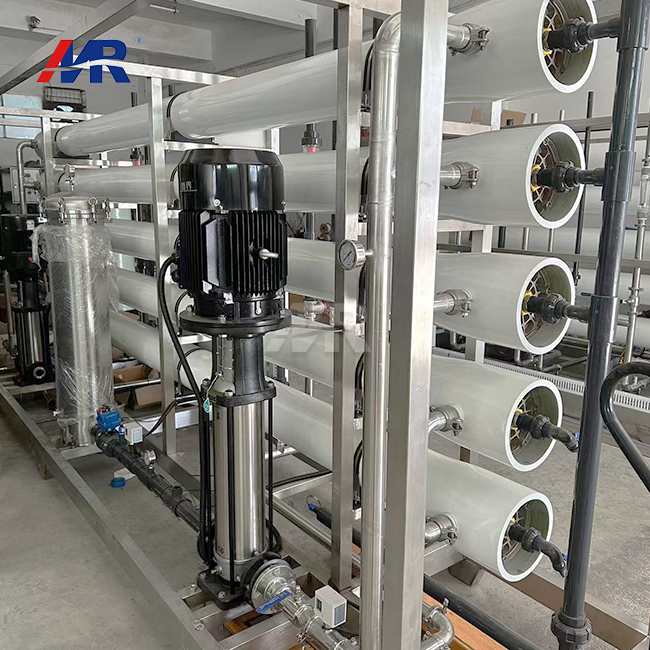 VIEW MOREosmosis water purification system
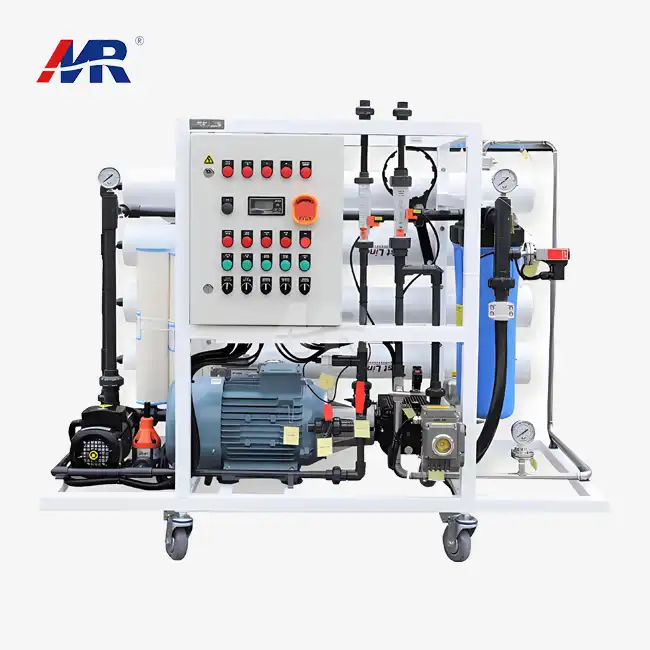 VIEW MORE2m3/hour seawater desalination equipment
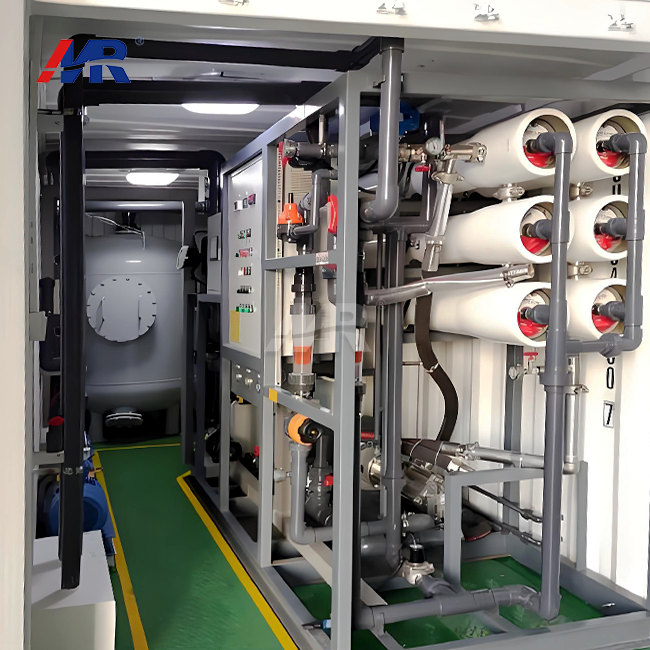 VIEW MOREcontainerized RO equipment
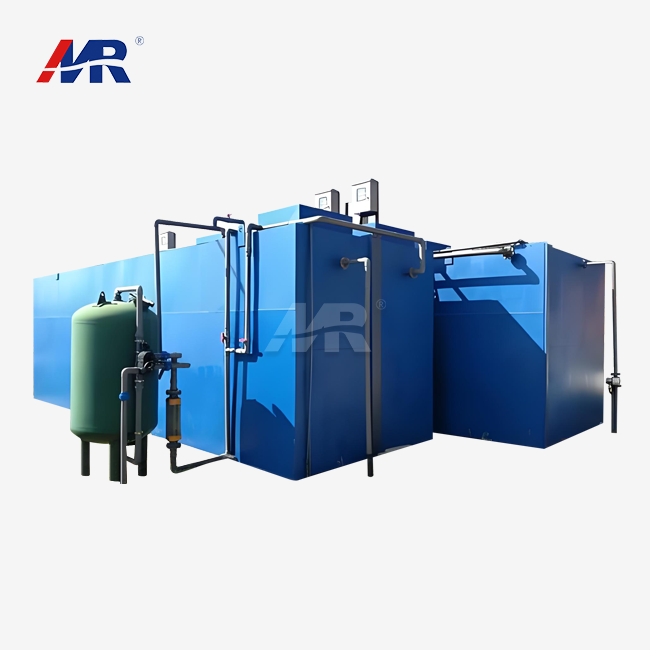 VIEW MOREsewage treatment plant
 VIEW MOREreverse osmosis membranes
 VIEW MORE3T/H reverse osmosis equipment
 VIEW MOREcontainer reverse osmosis equipment
 VIEW MOREbrackish membrane