_1745823981883.webp)

Membrane Bioreactor: Wastewater Treatment Explained
Bioreactor wastewater treatment is one of the most important advancements in water management in the last three decades. membrane Bioreactor (MBR) is a combination of activated sludge biological treatment with membrane filtration, usually microfiltration or ultrafiltration, in one small device. This results in the wastewater produced being consistently of reuse/discharge quality. As U.S. rules tighten and water reuse requirements increase, MBR technology has become a realistic, proven solution for municipal authorities, industrial operators, and engineering businesses.
Understanding Membrane Bioreactor Technology
In an MBR system, a high population of microorganisms is kept in contact with wastewater in a bioreactor tank. Membranes then do the solid-liquid separation that a regular secondary clarifier would do, but much more accurately.
How Activated Sludge and Membranes Work Together
Microorganisms metabolically degrade organic contaminants, nitrogen, and phosphorus via aerobic or anoxic routes. When it breaks down, the membrane barrier traps all the biomass and suspended particles, allowing only clean permeate to pass. This close linkage enables the system to function at mixed liquid suspended solids (MLSS) concentrations of 8,000–12,000 mg/L—roughly three to four times that of traditional activated sludge, which immediately correlates to a reduced tank footprint.
Membrane Types and Their Functions
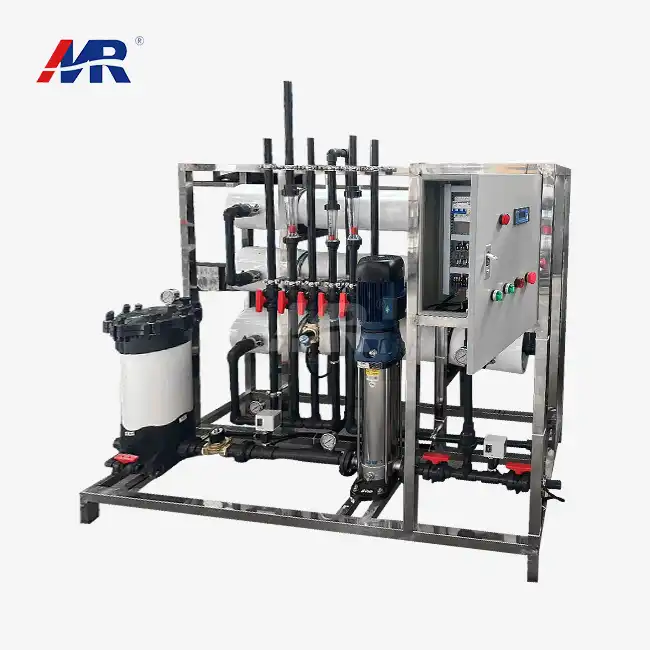
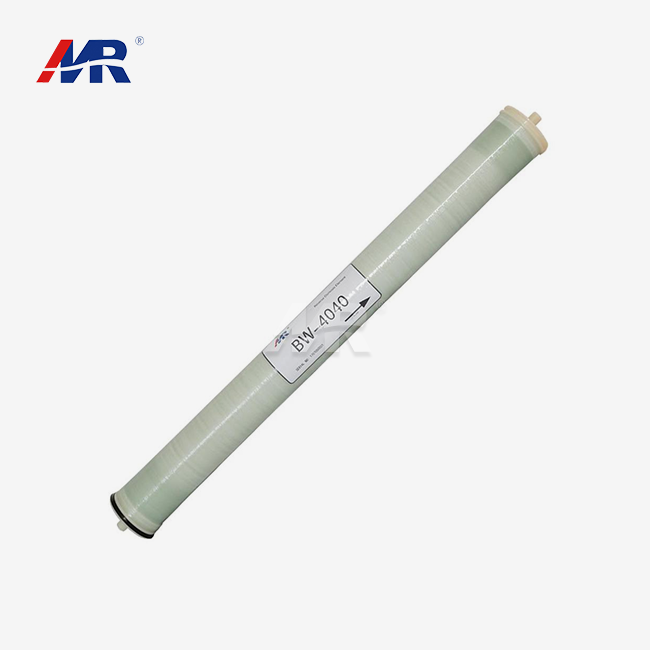
MBR applications use two dominant membrane categories: microfiltration (MF) and ultrafiltration (UF). The normal MF membrane rating is 0.1–0.4 µm for bacteria and suspended material removal at high flux rates. uf membranes with a rating of less than 0.1 µm also reject viruses and colloidal particles. Morui’s MR-MBR-30 is built from PVDF (polyvinylidene fluoride) hollow-fiber membranes with a 0.2 µm pore size and 30 m2 effective filtering area per module (2,000 x 1,250 x 30 mm). This creates a robust, chemical-resistant barrier that can survive repeated hypochlorite cleaning cycles.
Aerobic vs. Anaerobic Configurations
Aerobic MBRs are the most common choice for municipal and food sector applications due to their efficiency in oxidizing BOD and nitrifying ammonia. Anaerobic MBR setups are appropriate for high-strength industrial effluents such as textile or aquaculture bioreactor wastewater treatment, where biogas recovery provides an energy counterbalance. The choice of the suitable design is dependent on influent COD levels, target discharge class, and site energy limits.
Advantages of Membrane Bioreactors Compared to Conventional Systems
MBR technology always outshines traditional activated sludge (CAS) systems in a number of measurable ways. A 2020 study in Water Research found that MBR effluent often has BOD levels below 5 mg/L, TSS values close to 0 mg/L, and turbidity levels below 1 NTU. These are achievements that are hard to achieve using CAS alone.
This is what the MR-MBR-30 and MBR systems in general do well:
- Higher quality effluent: The 0.2 µm PVDF membrane provides an absolute barrier to suspended particles and most pathogens, resulting in effluent appropriate for landscape irrigation, industrial reuse, or direct disposal under EPA Class A criteria.
- Compact physical footprint: MBR systems need 30–50% less land than similar CAS plants by removing the secondary clarifier, which is a critical element in urban retrofits, distant locations, and containerized deployments.
- Reduced sludge production: Increased sludge retention times (SRT) in an MBR reduce excess sludge production by 20–40% over CAS, reducing disposal costs and transportation frequency.
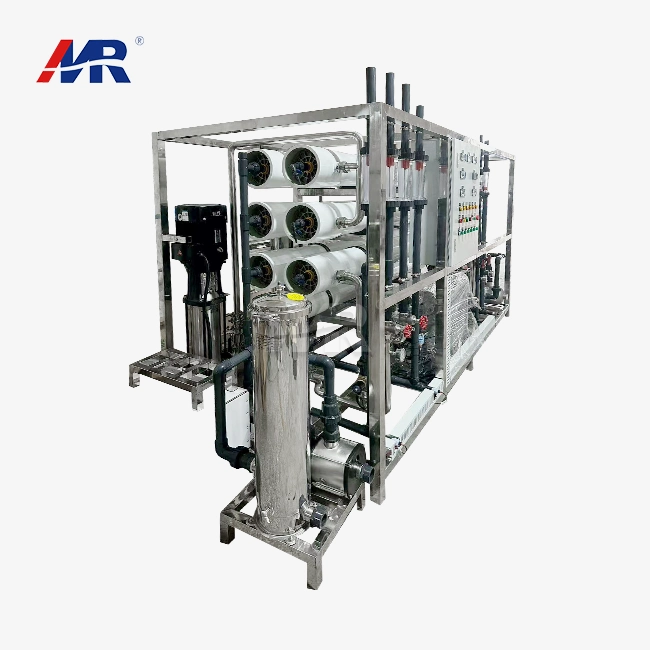
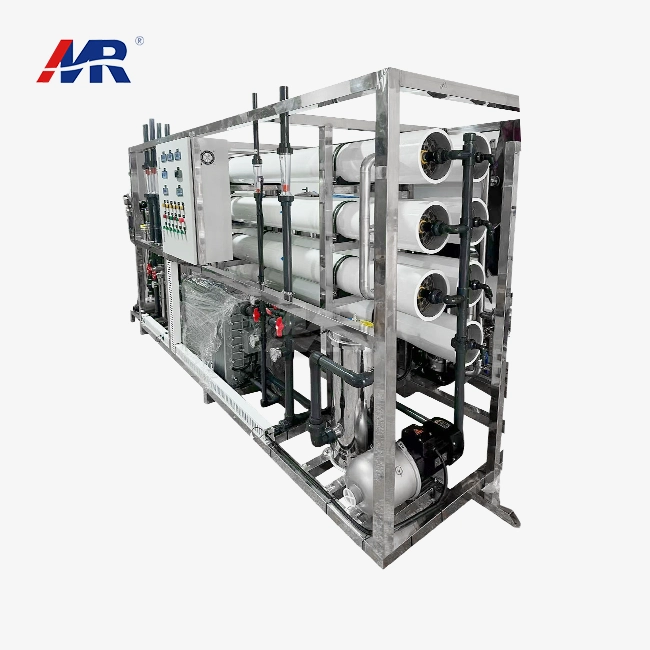
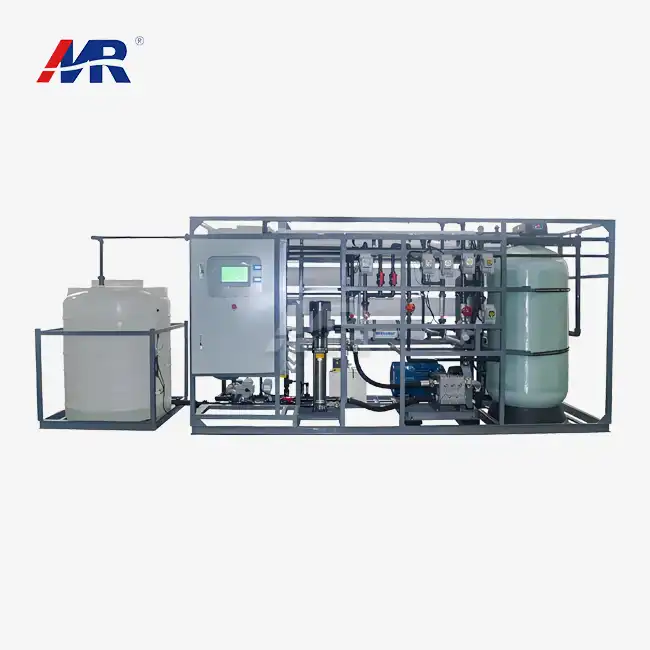
- High automation: The MR-MBR-30 also has a PLC control panel with automatic membrane relaxation, air-scour cycles, and remote monitoring capabilities, minimizing the requirement for continual on-site personnel.
City municipal owners and waste factory operators have to confront these difficulties every day. The initial capital cost is greater, but the return on investment rapidly covers this since less land is utilized and it costs less to manage sludge. The quality of the effluent is excellent enough to meet standards.
Key Design Principles and Operational Factors for MBR Systems
The MBR doesn't just work well by chance. It comes from paying close attention to a number of engineering factors that affect each other.
Hydraulic and Sludge Retention Times
The hydraulic retention time (HRT) decides how long the bioreactor wastewater treatment stays in contact with the biomass. Microbial variation and activity are controlled by sludge retention time (SRT). When there is an MBR, the membrane separates HRT from SRT. This lets operators run short HRTs (4–8 hours) while keeping long SRTs (15–30 days). This mix speeds up the healing process while keeping the bacterial community stable and varied.
Managing Membrane Fouling
Membrane fouling is the main problem that any MBR installation has to deal with. Fouling happens when biopolymers, colloidal particles, or artificial scaling build up on or inside the membrane surface, making it harder for fluids to pass through. This problem is fixed by the MR-MBR-30's coarse-bubble aeration under the membrane modules. This creates turbulence that constantly rubs against the fiber surfaces. Cleaning membranes with sodium hypochlorite for organic fouling and citric acid for mineral scaling on a regular basis restores their ability to let fluid through without harming the PVDF material.
Submerged vs. Sidestream Configurations
When membrane modules are submerged in a bioreactor tank, permeate is drawn in by low-pressure suction instead of being pumped under pressure. This uses less energy. In sidestream designs, the membrane is outside the tank, which makes it easier to clean and replace but also requires more pushing power. The submerged design of the MR-MBR-30 gives you the best energy-to-performance ratio for most local and independent uses.
Selecting and Procuring MBR Systems for B2B Buyers
Purchasing an MBR system is a business and an IT decision. It is not sufficient to have the items; the proper supplier must prove that they know how to conduct the procedure.
Matching System Design to Influent Characteristics
The membrane flow and SRT target of a food processing company producing wastewater with a COD of more than 2,000 mg/L is different from that of a community sewage station that accepts blackwater from residences with a COD of 300–500 mg/L. Before requesting a quotation, purchasers should collect data on the input water quality (COD, BOD, TSS, TN, TP, pH, flow rate, etc.) so that engineers can properly calculate the bioreactor capacity and membrane area. Morui’s technical team also provides training on the design and commissioning of process packages as part of its turnkey solution.
Evaluating Certifications and Documentation
U.S. purchasers care about compliance documentation. Look for potentially beneficial standards such as NSF/ANSI 61 for items in contact with water, UL ratings for electrical components, and third-party effluent quality test records. Membrane performance data such as flux rates, clean water permeability, and fouling recovery outcomes are often requested before choosing a provider to partner with.
Procurement Models and Total Cost of Ownership
Buyers may purchase basic combined units measured by daily capacity (m3/d), individual mbr membrane modules for replacement or augmentation of existing systems, or specify a complete turnkey system with either OEM or private label branding. The yearly expense of changing the membrane is predictable. The MR-MBR-30 is constructed from PVDF material, which is resistant to chemical degradation and, with routine maintenance, typically offers good service for three to five years. This keeps life cycle expenses down.
Future Trends in MBR Wastewater Treatment
“The MBR sector is progressing slowly. A 2022 study in Bioresource Technology found that next-generation PVDF membranes with hydrophilic surface modifications had 25–35% less fouling than conventional PVDF. This means they don’t need as much cleaning and use fewer chemicals.
IoT Integration and Remote Monitoring
Sensors measuring turbidity, transmembrane pressure (TMP), and dissolved oxygen now feed data straight onto dashboards in the cloud. This allows operators to recognize the early symptoms of fouling and alter the aeration or cleaning schedules before flux loss becomes a major concern. That's a significant plus if you're in a remote location or you don't have to watch it.
Tighter U.S. Discharge Regulations
The EPA is altering the limits on how much garbage certain categories of companies may have. This means constraints for release are being lowered. The quality of the waste is mostly determined by the size of the membrane pores rather than biological fluctuation, and MBR systems may be readily adjusted to these new requirements without large modifications.
Growth in Decentralized and Mobile Applications
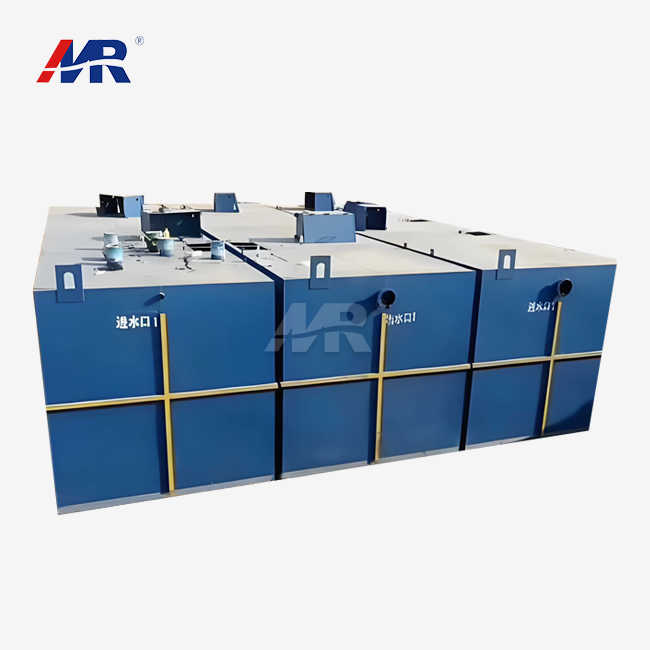
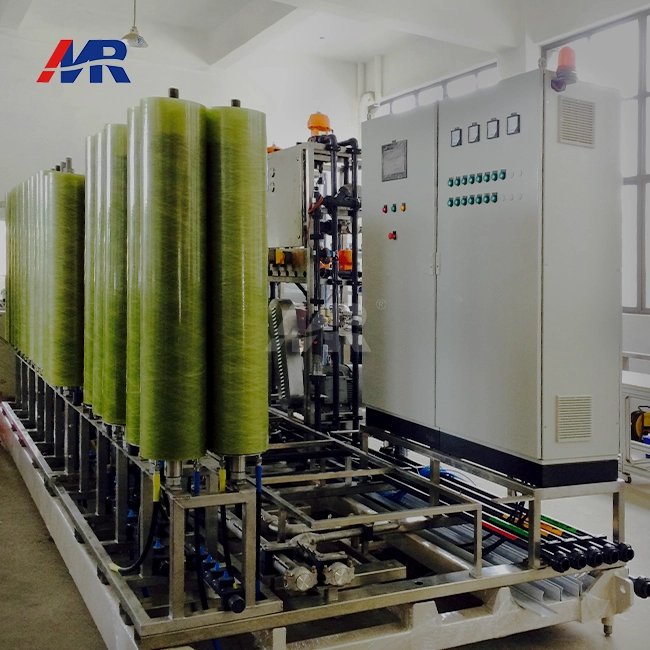
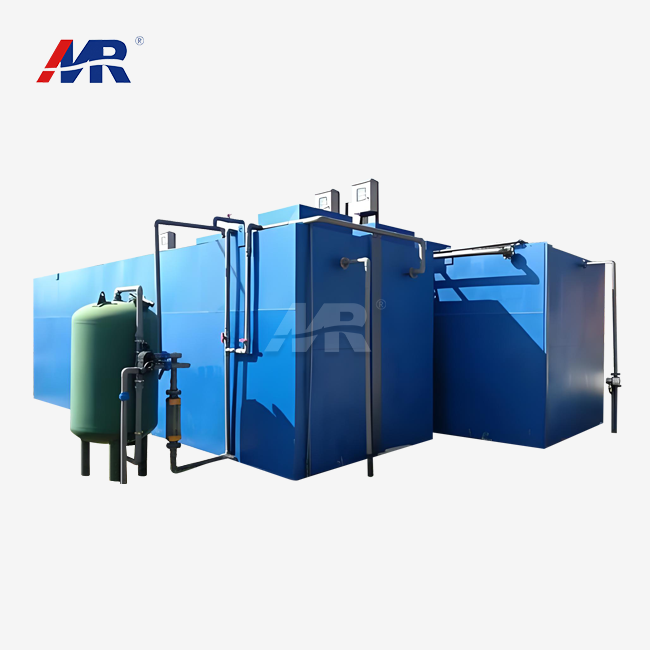
There is a big need for MBR units in containers that can be put up fast and relocated if required. They are utilized for temporary sewage systems for building sites, treatment stations in picturesque places, and in island settlements. Morui is able to produce underground and above-ground containers, helping this booming market sector throughout the United States.
Conclusion
In the same size, no other form of treatment system can offer the combination of compact size, high-quality bioreactor wastewater treatment, and operational reliability that MBR technology provides. Morui MR-MBR-30: 30 m2 area, filtration precision of 0.2 µm with PLC automation. A handy and proven platform for municipal upgrades, industrial wastewater management, and decentralized treatment projects. With requirements for wastewater discharge tightening and reusing water becoming the law of the land, any owner of a wastewater project or engineering company looking to be ahead of the curve should invest in proven MBR technology.
FAQ
1. What makes MBR systems better than conventional activated sludge treatment?
The secondary clarifier is replaced by a membrane barrier in MBR systems, which regularly achieve TSS close to 0 mg/L and BOD below 5 mg/L. It's hard to get this level of effluent quality with regular activated sludge, especially when the loads going into the system change.
2. Can an MBR system handle high-strength industrial wastewater?
The small size and lower sludge output make it even more useful for operations.
3. How do I manage membrane fouling over the long term?
The three main parts of fouling control are regular coarse-bubble aeration, chemical cleaning with hypochlorite and citric acid, and transmembrane pressure tracking. Keeping the MLSS within the design range and avoiding sudden organic shock loads are also great ways to make membranes last a lot longer.
4. What certifications should U.S. buyers request from MBR suppliers?
Ask for NSF/ANSI 61 approval for Products that come into contact with water, UL listings for electrical panels, and effluent quality tests from a third-party laboratory. Documentation for the process package and records of the launching process also help with getting permits from state environmental agencies.
Partner with Morui for Your Next Bioreactor Wastewater Treatment Project
Guangdong Morui Environmental Technology Co., Ltd. has its own factory for making membranes, several facilities for processing equipment, and a group of 20 engineers working in 14 different branches. The MR-MBR-30 and full turnkey MBR systems are made by Morui, a well-known bioreactor wastewater treatment manufacturer. They come with process design, on-site commissioning, and help after the sale. To get technical advice or a project quote right away, email Our Team at benson@guangdongmorui.com.
References
1. Judd, S. The MBR Book: Principles and Applications of Membrane Bioreactors for Water and Wastewater Treatment. Elsevier, 2011.
2. Krzeminski, P., et al. "Performance of full-scale membrane bioreactors for municipal wastewater treatment." Journal of Membrane Science, 2017.
3. Ng, A. N. L., & Kim, A. S. "A mini-review of modeling studies on membrane bioreactor (MBR) treatment for municipal wastewaters." Desalination, 2007.
4. Meng, F., et al. "Recent advances in membrane bioreactors: Configuration, operation, and application." Water Research, 2020.
5. Dvořák, L., et al. "Applications of MBR technology in wastewater treatment: A state-of-the-art review." Bioresource Technology, 2022.
6. U.S. Environmental Protection Agency. Membrane Bioreactors: Nutrient Removal, Cost, and Rules. EPA/600/R-07/086, 2007.