



Belt Press vs Centrifuge for Sludge Sewage Treatment Dewatering Lines
Belt presses and centrifuges both dewater sludge well, and the better choice depends on your sludge, site, and budget. In sludge sewage treatment, a belt press usually costs less to buy and uses little energy, but it needs more space and wash water. A decanter centrifuge takes up less floor area and runs in an enclosed housing, but it costs more and draws more power. I recommend testing real sludge before you decide. This guide compares both machines, explains how to choose, and shows how upstream MBR design can shrink the dewatering load.

Understanding Dewatering in Sludge Sewage Treatment
Where Sludge Comes From and Why Volume Matters
When sludge comes out of primary clarifiers and biological processes, it barely has any solids left. It's a thin mish. A lot of water is lost. Some of that water is taken away by hand as part of the draining process. This makes the object smaller, but it never dries out completely. There are published numbers that say dewatered cake is usually between 15 and 30 percent solids. These numbers depend on the type of sludge and how it was treated. It's cheaper to move, store, burn, or put things in a landfill for every extra point of dryness. Biosolids in the US must also follow the rules set by 40 CFR Part 503 for pathogens and pollutants.
How a Dewatering Line Works?
A lot of lines get larger at the beginning. The sludge is then moved to a place where polymer is added by a feed pump. The cake is moved to a bin or truck by conveyor belts. The dewatering machine takes the liquid away from the solids. Once you filter or centrate, you get back to the base of the plant. A control cabinet, flow meters, and an odor control system finish off the line. The level of feed, the response of the polymer, the rate of feed, the target cake solids, and the solids recovery are some important design variables. When solids capture is bad, nutrients and solids are sent back to the biological stage. This means that recovery is just as important as dryness.
Why Pilot Testing Comes First?
The sludge in a catalog doesn't always match the number on the box. Chemicals like oil, grease, fibers, and plastics can make two plants with the same flow do very different things. I think you should test it in lab jars and, if you can, do a pilot test on a unit that the provider gives you. Watch the cake solids, the amount of solids taken in, the polymer dose, and the output as the feed rate changes. The supplier can give you a quote and the right size of equipment based on these numbers. Besides that, they give you a place to start for success guarantees. Ten years of running a broken machine doesn't cost much more than testing it.
Belt Press vs Centrifuge: Technology and Performance
How a Belt Press Works
Conditioned mud in sludge sewage treatment is pushed through several steps by a belt filter press. Gravity drains away any free water on a porous belt first. In the next area, the sludge is pushed by two belts in a wedge shape. As the belts move through the machine, the rollers finally stretch them and tear them. The cake is shaped by how fast and how tight the belt is. It doesn't use much power because the machine is slow, and anyone can watch and change the process. Every time the belts get dirty, they need to be washed and worn out. The open layout can let smells escape if the room doesn't have enough airflow.
How a Centrifuge Works?
Sludge is spun very quickly in a flat bowl by a decanter centrifuge. Centrifugal force pushes solids against the wall of the bowl. At the end where they are dumped, a screw conveyor moves them to a different speed. The clear center comes out of this end, and the cake comes out of the other end. There aren't many smells or splashes because the housing is closed, and the machine only needs a little water to clean itself. The bowl and scroll speeds can be changed, so it can handle changes in feed. But they use more electricity, make more noise, and the scrolls wear out faster, so trained technicians or a service contract are usually needed for maintenance.
Cake Dryness, Water, Energy, and Footprint Compared
Polymer, steady feed, and filtrate must all be able to be used with both tools. They are not the same in any other way. Tech fact sheets from the EPA say that belt presses don't use a lot of energy, but they do need more space and water to wash. Centrifuges cost more up front and make cakes that are often drier because they deal with more sludge. However, they use more power and take up less space. The belt press is easier to fix and check when it is in use. The work area shakes and makes noise when centrifuges are running, but they clean it up. Since the polymer program and sludge type change things more than the machine itself, these points should be seen as trends.
Choosing the Right System for Your Project
Match Equipment to Sludge Properties
Begin with the mud in sludge sewage treatment. When you look at the feed, you should check for solids, oil and grease, fibers, and rough grit. High grit wears down centrifuge scrolls quickly, and belts can slip when there is greasy sludge on them. Then check out the site's floor space, amount of wash water, power, noise limits, and airflow. Many businesses can save money with a belt press if they have the space, water, and staff to do so. A centrifuge works well in automatic systems that are small and closed off, and in places where the loads change often. Units that are on skids or in containers work best for short-term or mobile jobs. A weighted decision matrix rates performance, lifetime cost, service support, and running risk so that the choice is based on facts.
Weigh Lifecycle Cost, Not Only Purchase Price
The item's price doesn't always tell the whole story. Costs for polymer, energy, wash water, extra parts, labor, and getting rid of the equipment can add up to more than the price of the equipment itself after five to ten years. It might cost more each year to move a cheaper machine that brings cake that is wetter. When your business is busiest, how much your utilities cost, and how many hours you're open each year should you write down. Next, find out how much each choice will cost per dry ton. Training, lifting gear, fitting, and draining should all be part of it. Then, put the items up next to each other and compare how much energy and wear parts they offer. This method helps you figure out which option is best for your plant in the long run.
Common Selection Mistakes
A lot of the time, people who buy things mess up. So they pick the cheapest bid without checking it out first. They also get nominal capacity and real throughput mixed up, and they don't pay attention to how sludge changes with the seasons or industries. Some people don't give enough credit to material selection, even though it has a lot to do with the process. Some people forget to think about how to get to maintenance, spare parts, drainage, and lifting heavy parts over their heads. Dewatering is thought of as a different step, which is the biggest mistake. Whether the cake is digested, dried, composted, burned, or put in a dump, how dry it is and how it is handled must fit what will happen next. Most of the time, plants that plan the whole chain before they order don't have to do expensive retrofits.
How MBR Design Reduces the Dewatering Load?
Lower Sludge Production at the Source
Whatever the biological stage produces in sludge sewage treatment, dewatering tools can handle it. Getting rid of the sludge at the start helps all the steps that follow. Morui MBR systems use both biological treatment and hollow-fiber ultrafiltration membranes. It is small because the barriers keep the fuel inside the reactor. The technique also makes less sludge than other methods, which means it costs less to get rid of. For businesses that don't have a lot of space, less sludge can mean a smaller handling area and dewatering machine. This is also true for scattered places, since it costs more to move sludge over long distances.
Product Performance Data
Morui MBR units can handle 100 m³/day to 100,000 m³/day. The membrane pores are 0.2 microns wide. Getting rid of more than 95% of BOD, 90% of COD, 80% of nitrogen, 90% of phosphorus, and keeping the clarity of the wastewater below 0.5 NTU are some of the performance goals. The systems use little power and can recover energy if needed. They also have automated process control and a modular design that lets them expand. The first step is to screen and get rid of the grit. The next steps are primary clarification, treatment with oxygen and nitrogen, membrane filtration, disinfection, and treatment of the sludge. Some examples of uses are municipal plants, pharmaceutical and food and drink effluent, decentralized facilities, reusing water, and making conventional plants better.
Turnkey Support and Supplier Evaluation
The company Morui has its own factory that makes membranes and plants that process equipment. It has over 14 offices, 500 workers, and 20 engineers. We sell gear, set it up, and check it to make sure it works. We also have Shimge pumps, Runxin valves, and Createc instruments for the bigger line. Before picking a provider, you should find out about their design capacity, cake solids and recovery data, polymer and energy use, wear protection, spare parts, training, service coverage, and guarantee terms. Process design, plans, utility data, and performance guarantees should all be part of a full price. We make sure that the MBR line works with the dewatering equipment you pick, so the whole plant works together.
Conclusion
It's not always true that one type of sludge sewage treatment machine is better than another. Belt presses buy for less money and use less power, but they take up more space and need more water and cleaning to clean. Other tools are smaller and use less power than centrifuges. But they cost more and make cakes that aren't as moist. So, it's important to do tests in the lab or on a small scale first because the outcomes depend on the sludge's properties, how the polymer is handled, and the working conditions. When you look at how much polymer, energy, work, extra parts, and waste cost over five to ten years, you can see which choice is really worth it. It starts to lose water in the biological stage, so MBR treatment that reduces the amount of sludge can also reduce the size of the equipment and the cost of getting rid of it.
FAQ
Q1: Which gives drier cake, a belt press or a centrifuge?
A: A centrifuge can often dry out a lot of sludge and turn it into a cake. You can only be sure of the results by doing a sample test on your own sludge.
Q2: Is a belt press cheaper than a centrifuge?
A: A belt press costs less and uses less power most of the time. That gap can be closed with ten years of wash water, belt replacement, work, and wetter cake. Before making a choice, look at how much it will cost you to own it all.
Q3: What does a supplier need to quote a dewatering line?
A: Tell us where the sludge comes from, how concentrated the solids are, the daily and peak volume, the operating hours, the target cake solids, the costs, the space, and how the waste will be disposed of. A quote is more accurate when it uses data from a lab or a pilot project.
Q4: Can Morui supply a turnkey solution?
A: We make sure that the sludge drainage step fits with your project plan and the tools you choose at Morui. We also set up and start up MBR systems.
Talk to Morui About Sludge Sewage Treatment Dewatering Lines
Plan to build a new plant or improve an old one? Send Morui your sludge's source, capacity, solids content, target cake dryness, site utilities, and shipping needs. We offer sludge sewage treatment systems and MBR systems, and we can help you compare them and provide a project price. Send an email to benson@guangdongmorui.com to start a conversation.
References
1. U.S. Environmental Protection Agency, Biosolids Technology Fact Sheet: Belt Filter Press, 2000
2. U.S. Environmental Protection Agency, Biosolids Technology Fact Sheet: Centrifuge Thickening and Dewatering, 2000
3. Metcalf & Eddy, Wastewater Engineering: Treatment and Resource Recovery, 2014
4. Water Environment Federation, Design of Water Resource Recovery Facilities (Manual of Practice No. 8), 2018
5. U.S. Environmental Protection Agency, Standards for the Use or Disposal of Sewage Sludge (40 CFR Part 503), 1993
6. U.S. Environmental Protection Agency, Process Design Manual: Dewatering Municipal Wastewater Sludges, 1987
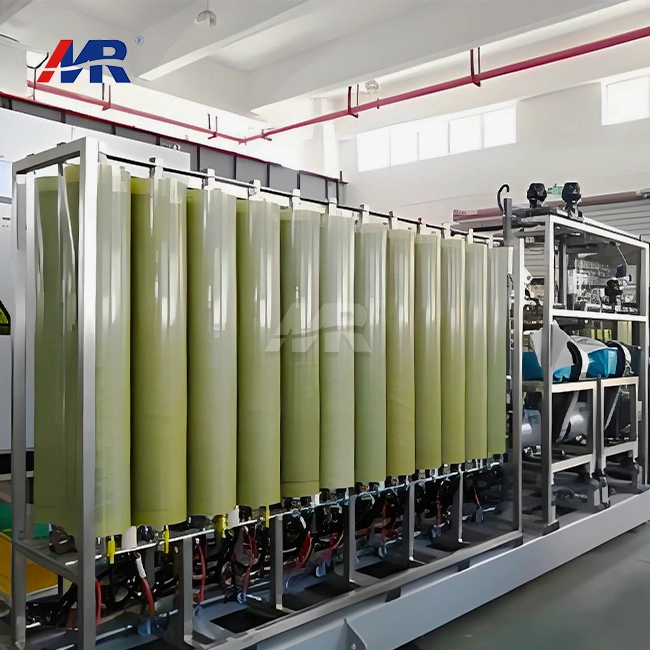 VIEW MOREDTRO plant
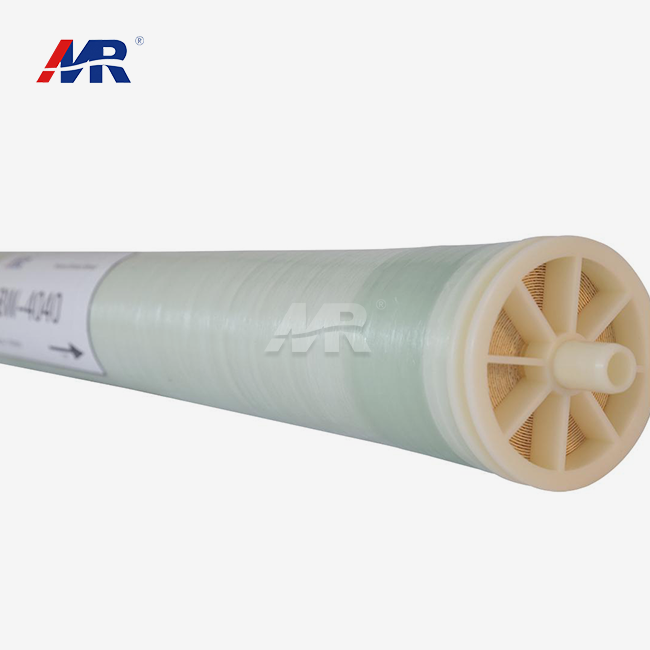 VIEW MOREindustrial reverse osmosis membrane
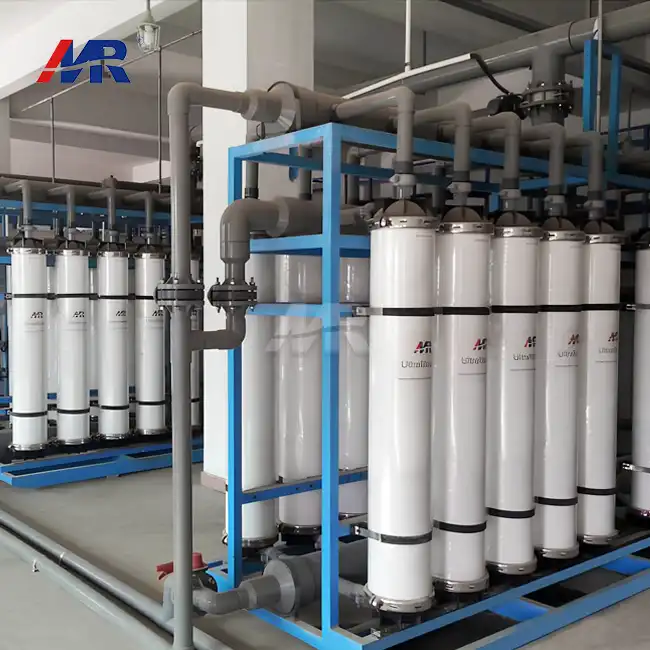 VIEW MORE200m3/hour ultrafiltration equipment
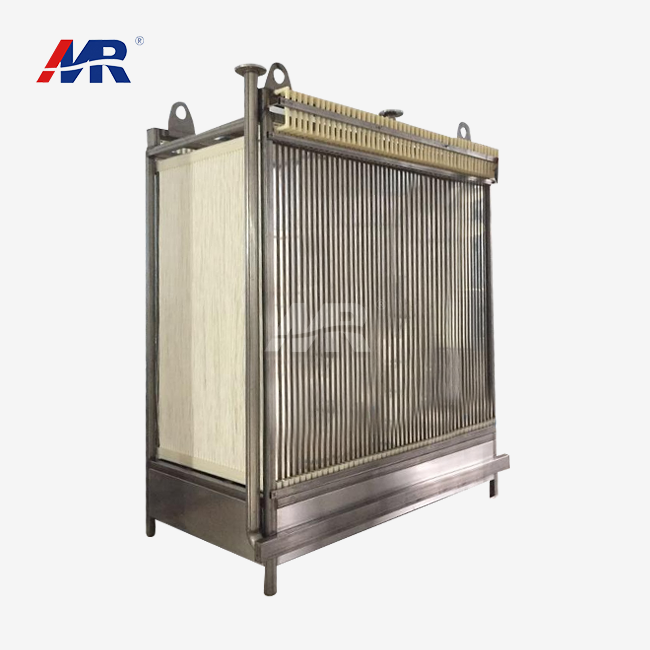 VIEW MOREmembrane bioreactor mbr
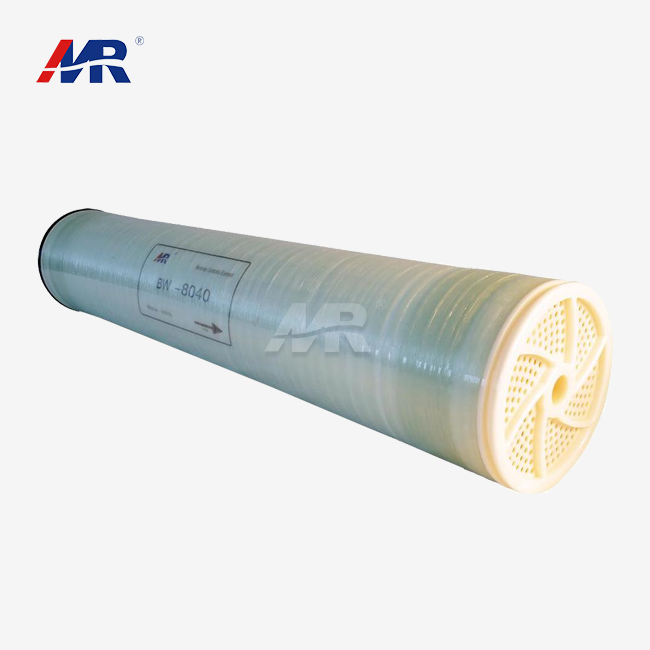 VIEW MORE8040 reverse osmosis membrane
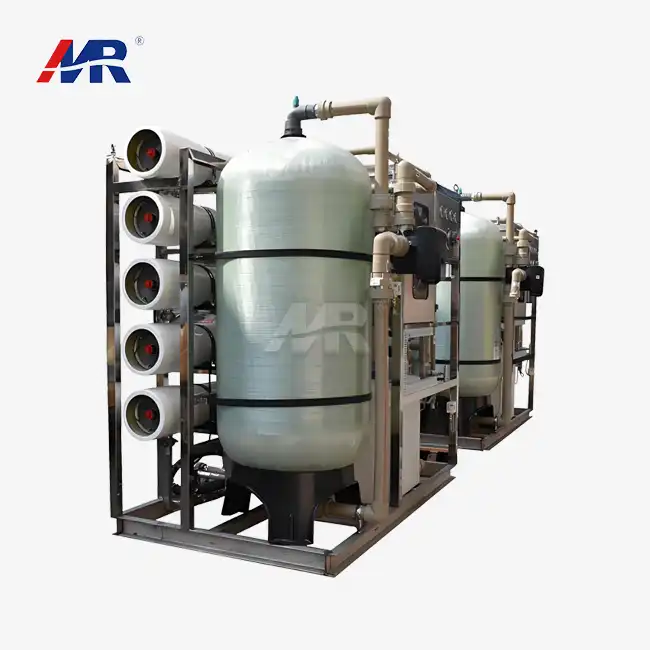 VIEW MORE8m3/hour seawater desalination equipment
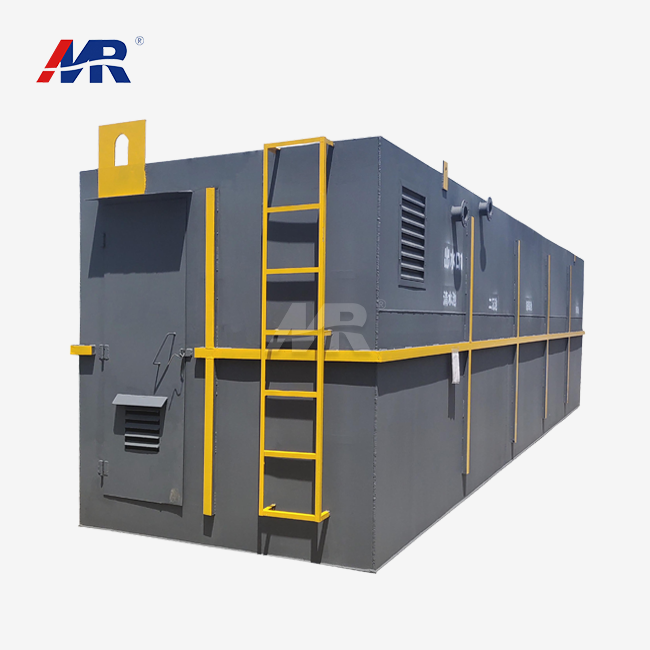 VIEW MOREhome wastewater treatment plant
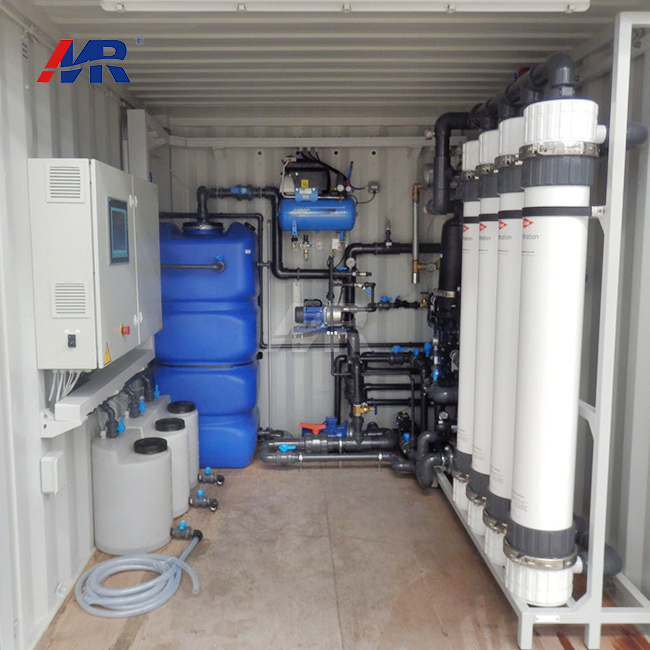 VIEW MOREcontainerized ultrafiltration equipment