



What Is a Desalination System? A Practical Guide to Desalination Plants and Equipment
A desalination system removes dissolved salts and other contaminants from seawater or brackish water to produce usable freshwater. An swro desalination plant does this with high-pressure pumps and semi-permeable membranes. Coastal cities, resorts, ports, ships, and remote industrial sites widely use this approach. It runs on electricity instead of heat, so it offers a compact footprint and flexible installation. In this guide, I explain how the process works, which equipment you need, and how to compare capacity, energy use, and supplier scope. I also introduce the Morui MR-SWRO-2TH so you can see how real specifications apply to a project.
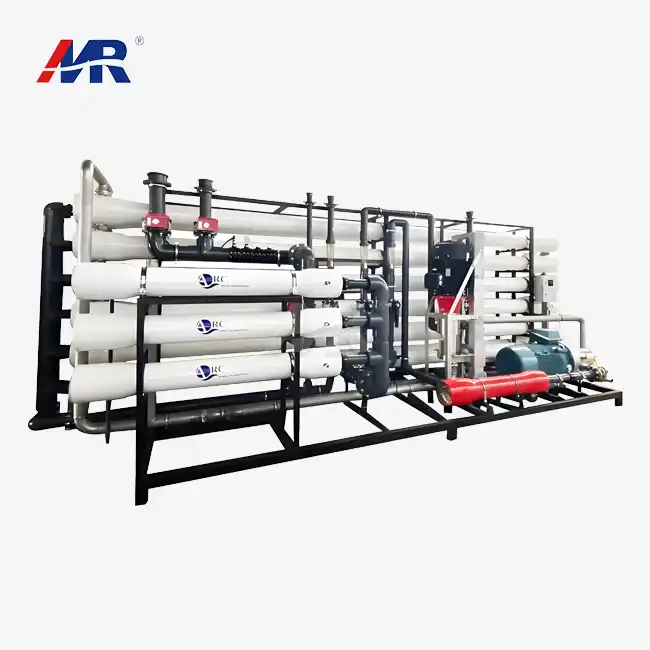
How a Desalination System Works
What a Desalination System Does
It takes water that isn't good enough to drink or use in a boiler and turns it into water that is. It gets rid of the salt, minerals, bacteria, and solids that are floating in the water. The total amount of solids that dissolve in water is about 35,000 mg/L. A second limit of 500 mg/L is set by the U.S. EPA for drinking water. It takes more than one step to treat that gap. Many thanks to Science of the Total Environment for their 2019 global review. They found that there are almost 16,000 desalination plants in use all over the world. The most tech-savvy people are those who live on islands or near the coast and depend on it when it rains or doesn't rain enough.
How Reverse Osmosis Separates Salt from Water
At this point, fresh water moves toward salty water by passing through a barrier. Reverse osmosis changes that flow. The barrier is pushed against the water by a high-pressure pump that is stronger than the pressure of osmosis. Most of the time, the pressure is between 55 and 80 bar. Some water moves through, but the salt stays put. A low-salinity permeate stream comes out of the process and can be used. Another stream is concentrated brine, which needs to be carefully let out. Water that is near the sea has a lot more pressure than water that is near the salt flats. The MR-SWRO-2TH turns away 99% of the salt.
SWRO Compared with Thermal and Brackish Systems
Using heat to remove salt from water turns seawater into steam, which cools and solidifies. It works, but a lot of heat is needed. SWRO runs on electricity, gets going faster, and can be put in containers or on skids. It takes about 3 to 4 kWh per cubic meter of room for full-scale SWRO to work, which is less than other thermal methods. It costs less per gallon because brackish water reverse osmosis (BWRO) works with groundwater that is less salty and has less pressure. But it's not strong enough for open water. It is likely that an SWRO desalination plant will work if your source is the ocean.
Main Equipment in an SWRO Desalination Plant
Intake and Pretreatment
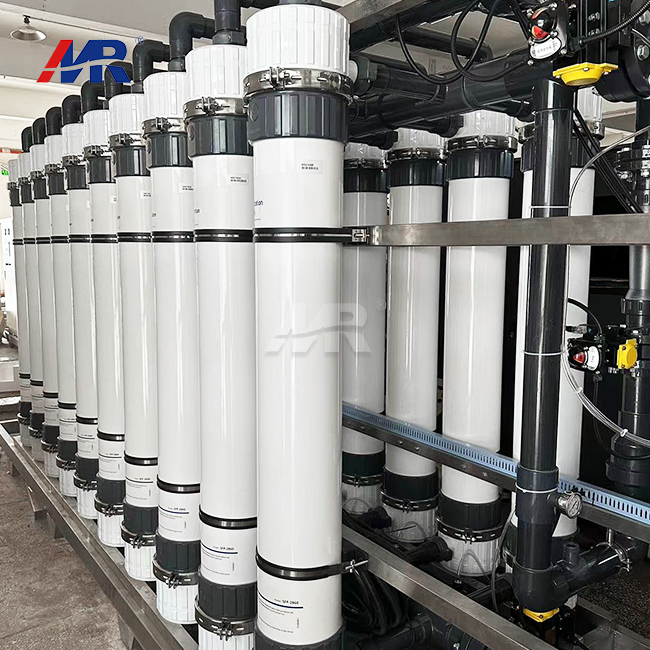
Plants can take in water. Marine growth, sand, and corrosion need to be able to go through screens and pumps. After that, pretreatment is done to protect the membranes. Chemical treatment, multimedia filtration, ultrafiltration (UF), cartridge filters, and coagulation may all be a part of it, but it depends on the feedwater. I tell people who buy plants that the pretreatment they get will determine whether the plant works well or needs to be fought off every month. In order to save money, you should not do this step. The membrane will need to be cleaned more often and will not last as long. As for the pretreatment stage, Morui doesn't use a set layout. Instead, they make it fit the temperature, turbidity, and salinity of your seawater.
High-Pressure Pumps, Energy Recovery, and Membranes
This is a very important part of the plant because it gets most of the power. Energy recovery devices cut the power needed per ton of water. These devices take pressure from the brine that is leaving and send it back to the feed. The part with the membrane holds SWRO elements in pressure tanks that are linked by pipes, valves, and sensors. Since Morui has its own workshop for tools and membranes, we can put together membranes, pressure tanks, and whole systems. Shimge water pumps, Runxin valves, and Createc instruments are some of the other things we sell.
Post-Treatment, Controls, and Brine Discharge
It's really soft and doesn't have many minerals in it. When hardness and alkalinity are added back to the water, it tastes better and doesn't rust pipes. It is put away safely after being cleaned. It keeps track of warnings, doses, pressure, flow, conductivity, and other things. A worker can keep an eye on performance from a different location with remote tracking. There is a brine leak that needs to be fixed right away. The 2019 global review says that swro desalination plants make more brine than freshwater by volume. In other words, licenses and diffuser design can change how long a job takes. Check the rules for the area before you finish the page.
Meet the MR-SWRO-2TH Seawater Desalination System
Core Specifications
These are the official specs for the model that I want to talk about. The MR-SWRO-2TH is a method for getting salt out of seawater. It takes 12 kW of power per hour, gets back 38 to 45% of the salt, and 99% of the time, it throws it away. It uses less energy per ton of water because it has SWro membranes that recover energy and keep the water from getting dirty. After getting these numbers, you can start to compare quotes. Once I get your saltwater data, I'll be able to give you a good energy number for your spot.
What the 38 to 45% Recovery Rate Means
This rate tells you how much feedwater is turned into product water. Every cubic meter of freshwater needs about 2.2 to 2.6 cubic meters cubed of seawater at a level of 38 to 45%. The rest is used as brine. When you try to get a higher recovery rate, the salt concentration at the membrane goes up. This makes scaling, fouling, and pressure demand go up. In salt water, a modest range works well and keeps barrier life safe. For each source, get healing and energy numbers at the same temperature and salt level. This is because the intake pump needs power to run.
Where the System Fits
Islanders and people living near the coast get their drinking water from this system. It works with ports, platforms at sea, mine and oilfield camps, and emergency or mobile projects. The assembly types that Morui has are made for ships, containers, and skids. Before treating, remineralizing, recovering energy, and remotely monitoring your site, we can make them fit your needs. We'll help you plan site surveys and sample tests if you let us know early on that you need them. People in our service network work on projects in other countries, and we can talk about the test results for water quality that people in the U.S. usually want to see.
Choosing, Maintaining, and Budgeting for Your System
Define Demand and Test Your Seawater
Figure out how much water is needed every day, during busy times, to store water, have on hand in case of an emergency, and for future growth. Then, find out how salty the water is, how clear it is, how many solids are suspended, the SDI, the pH, the oil risk, and the biological activity of the water. When the water is warm, salty, or muddy, it changes the preparation, the pressure, and the membrane that is used. Check out the page to see where the intake is, where the power source is, how much space there is, and where the brine outlet is. A lot of early problems, like heavy fouling and using more chemicals than needed, are caused by not having enough information. It's usually less expensive to do a test run with hard water than to redesign the whole plant afterward.
Maintenance and Membrane Care
Stable output is kept up by maintenance that stops problems before they happen. Every day, workers should write down the sound, pressure, flow, conductivity, and differential pressure in the filter. It can be caused by solids in the water, organic growth, scaling, or oil. To get clean-in-place methods to work, the pH, temperature, cleaning, and chemicals need to be just right. Membranes should be changed based on standard permeate flow, salt rejection, and working pressure, not a set date on the calendar. If you keep good records, you can spot trends early on and fix things before they get worse. Morui's service team can help you figure out what extra parts and goods you will need.
H3_012
The price depends on things like the amount of water that needs to be treated, the quality of the water that comes in, pretreatment, membranes, pumps, energy recovery, automation, shipping, civil works, and whether the system is in a container or on a skid. Set different prices for deals that only include equipment and deals that include full delivery and operation. Don't just look at the low price; always look at the full whole-life cost. Fuel, chemicals, and membranes may cost more in the long run. Check with each company to see if they can give you references, performance data, factory testing, information on the setup, warranty terms, and help with extra parts. Disagreements don't happen again when there is a detailed RFQ with acceptance tests and shipping tasks. Because different sources of seawater have different prices, they don't always work.
Conclusion
Getting swro desalination plant ready for use means getting rid of salt and other impurities in it. This is done by SWRO with membranes and high-pressure pumps instead of heat. A full plant includes pumps, energy recovery, filters, post-treatment, controls, brine release, and treatment of water coming in. How well the membranes are pretreated has a big effect on how long they last. It tells you how much of the feedwater is turned into product water. With a range of 38 to 45%, the MR-SWRO-2TH mixes output with the risk of scaling and fouling. To make a good choice, you need to know facts about seawater, have clear demand goals, know the lifecycle costs, and get paperwork from the provider. If you do regular cleaning and checks, the performance will stay the same over time.
FAQ
1. What is the difference between a desalination system and an SWRO desalination plant?
The process of getting rid of salt is known as desalination. This includes systems that use heat and membranes. One type of desalination plant that was made to handle seawater is the SWRO desalination plant. In addition to controls and membranes, it has high-pressure pumping, pretreatment, and posttreatment.
2. Why do I need a project-specific quotation?
The price depends on the ocean, how it was treated before it was shipped, the size of the container, and the goals for the water quality. General prices may not tell you the whole story because the rate of recovery and the amount of energy used depend on temperature and salinity.
3. How long do SWRO membranes last?
There's no set number. How long a membrane lasts depends on how it was treated before use, how often it is cleaned, and the conditions under which it is used. To know when to replace them, always keep an eye on the pressure, permeate flow, and salt rejection.
4. Can containerized systems serve remote islands?
Yes. Using containers cuts down on the time it takes to set up and move things. Before placing your order, make sure you know about shipping, moving, keeping the right temperature, getting to the repair area, and room for growth in the future.
Request a Project-Specific SWRO Desalination Plant Quote from Morui
Morui builds SWRO desalination plants and has its own equipment factories, membrane factories, and a service network that works with people from all over the world. Send an email to benson@guangdongmorui.com with your volume, water quality goal, and seawater analysis. We will make a quote, process design, and list of equipment for the MR-SWRO-2TH or a system that is made just for you.
References
1. Science, 2011 – Elimelech, M. and Phillip, W. A., "The Future of Seawater Desalination: Energy, Technology, and the Environment."
2. Science of the Total Environment, 2019 – Jones, E. et al., "The State of Desalination and Brine Production: A Global Outlook."
3. Desalination, 2007 – Fritzmann, C. et al., "State-of-the-Art of Reverse Osmosis Desalination."
4. McGraw-Hill, 2013 – Voutchkov, N., Desalination Engineering: Planning and Design.
5. Wiley, 2015 – Kucera, J., Reverse Osmosis: Industrial Processes and Applications.
6. World Health Organization, 2017 – Guidelines for Drinking-water Quality, Fourth Edition Incorporating the First Addendum.
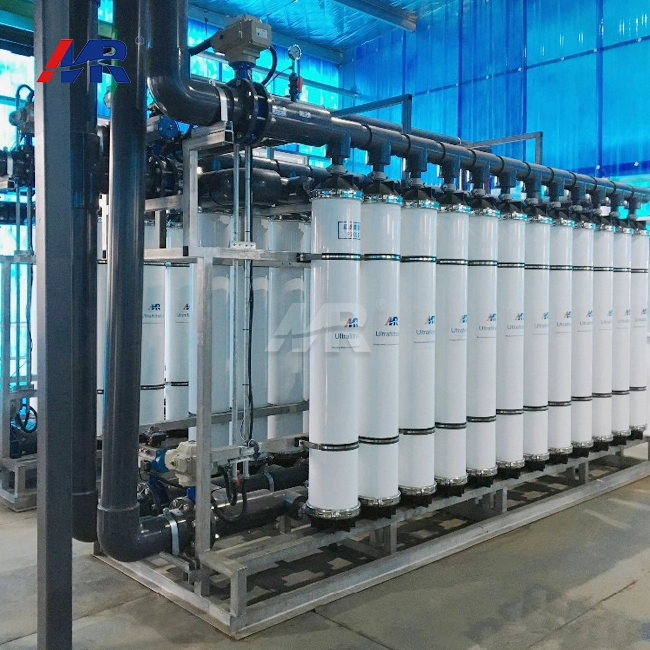 VIEW MOREultrafiltration equipment
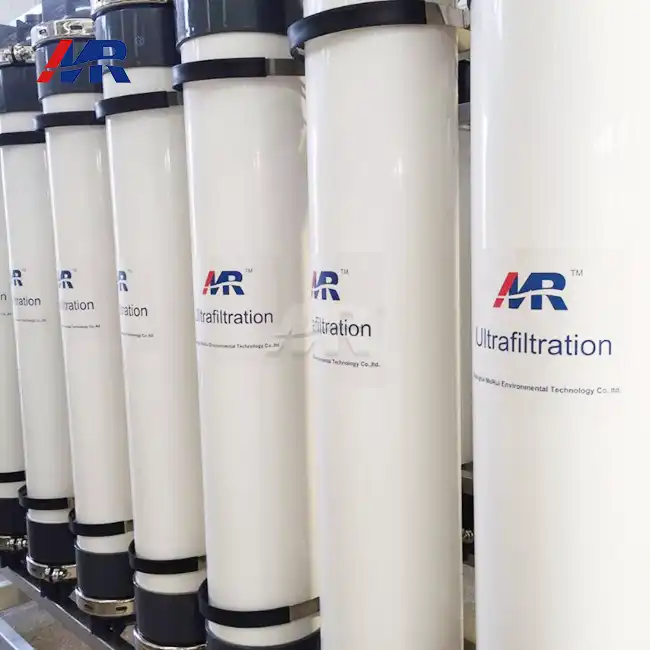 VIEW MORE90T/H ultrafiltration equipment
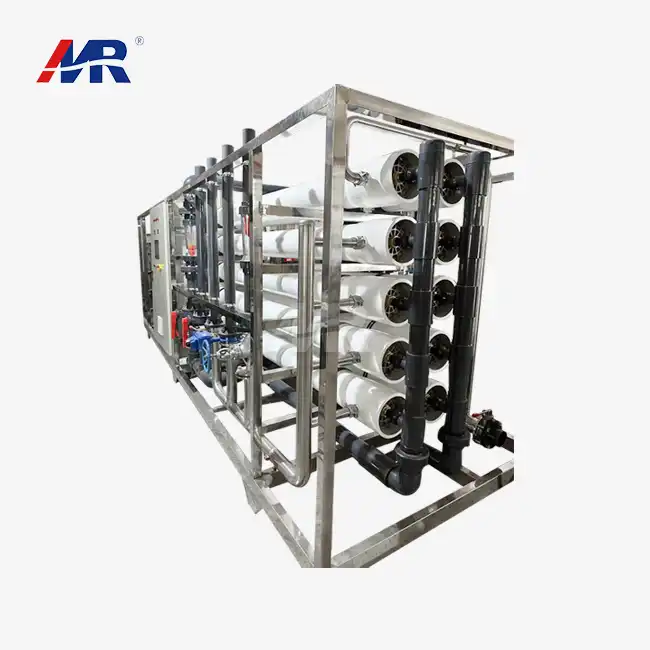 VIEW MORE50m3/hour reverse osmosis equipment
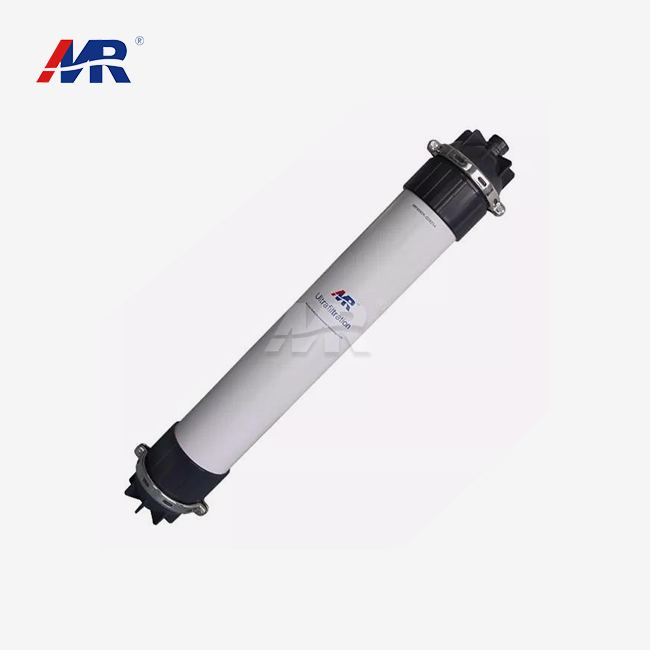 VIEW MOREultra filter membrane
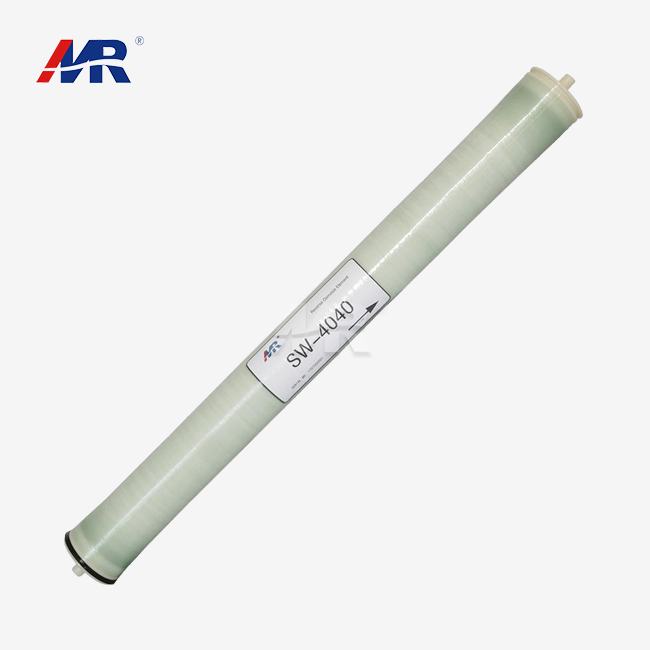 VIEW MORE4040 seawater reverse osmosis membrane
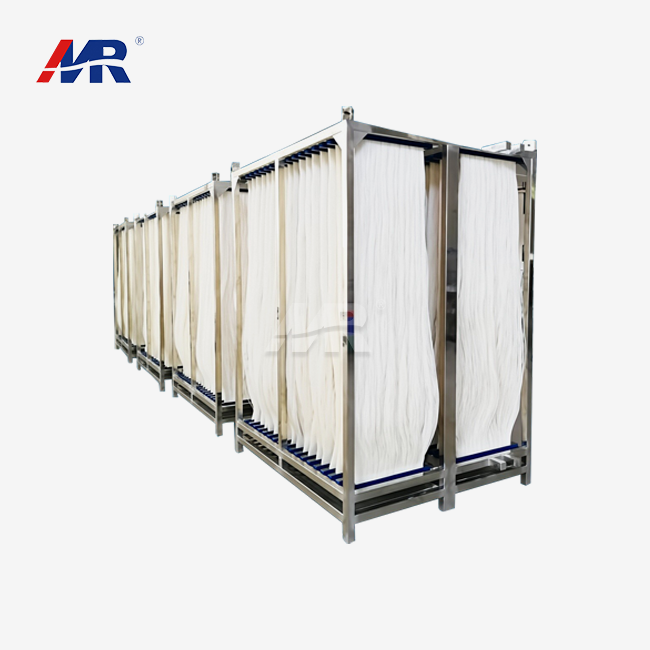 VIEW MOREbioreactor wastewater treatment
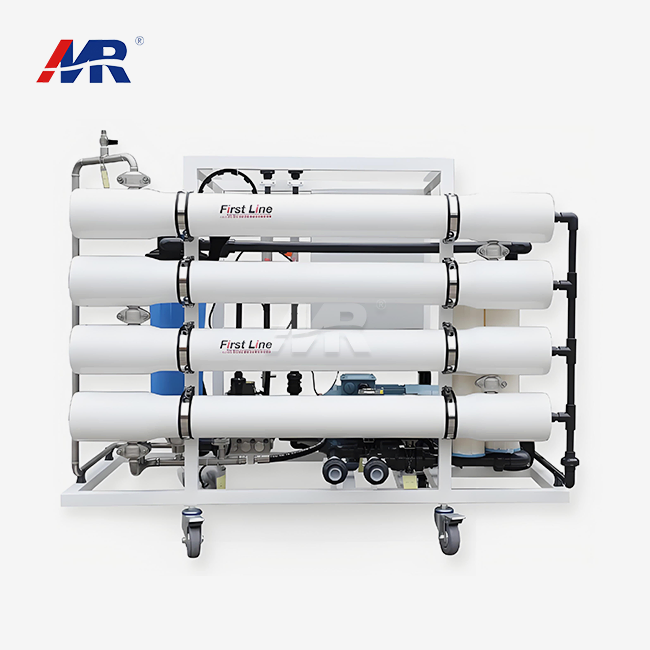 VIEW MOREseawater desalination system
 VIEW MOREwater ultrafiltration system