



Industrial RO Systems for Commercial Success
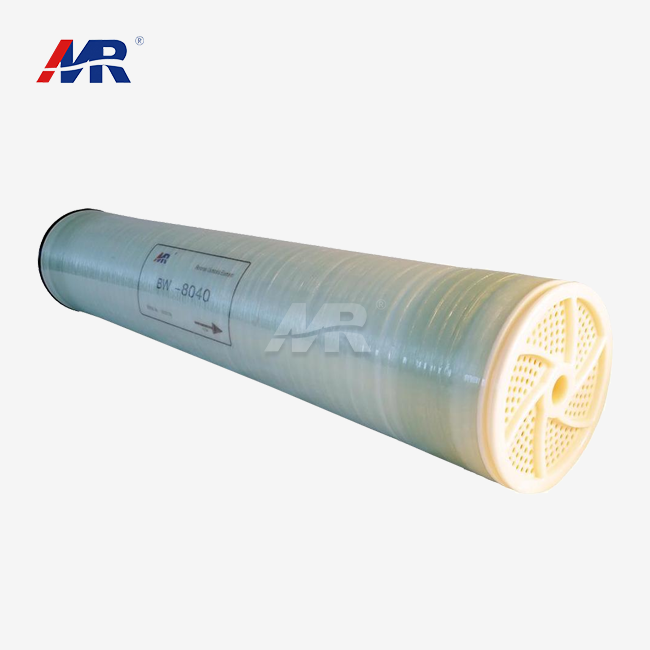
When your water treatment system fails to meet output targets or rejection rates drop, the first place to look is the membrane. An industrial ro membrane is a semi-permeable, spiral-wound filtration element — typically built from Thin-Film Composite (TFC) polyamide — that sits at the core of every reverse osmosis system. It removes dissolved salts, organics, and bacteria from feedwater at rejection rates exceeding 99%. For B2B buyers in water plants, engineering firms, or distribution networks, choosing the right membrane directly determines system uptime, water quality, and total cost of ownership. This guide helps you make that choice with confidence.
Understanding Industrial RO Membranes and Their Role in Commercial Systems
How the Technology Works
When feedwater is put under pressure, it is pushed across a barrier that only lets water molecules through but not contaminants that have been dissolved in the water. Most of the time, 150 to 600 psi is the operating pressure in a business setting. This depends on how salty the process water is. This method gets rid of more than 99% of the dissolved solids. It is the best way to make boiler feed water, process water for factories, and remove salt from salty water.
TFC vs. Cellulose Acetate Membranes
There's a good reason why so many people use TFC polyamide barriers. They can clean in a wider pH range (2–11), hold more salt, and keep the flow steady over time. Membranes made of cloth work better with chlorine, but they break down more quickly in hot weather and need more precise pH control. In the business world, TFC is usually the best choice, especially when low cost and long life are important. This is what you get from gathering information in the field for decades.
Standard Sizing and Compatibility
Parts in the 8040 and 4040 formats are now standard in business RO design around the world. These sizes work with pressure tanks from almost all of the big companies that make tools. It's now easier to fill up and faster to get them. Morui's MR-BW-4040 element can handle 2,500 GPD of flow at 1.55 MPa working pressure, clean 99.5% of salt, and has an active area of 7.2 m². You can use these specs to clean salty water and water from cities.
How to Choose the Best Industrial RO Membrane for Commercial Success
Evaluate Your Feedwater First
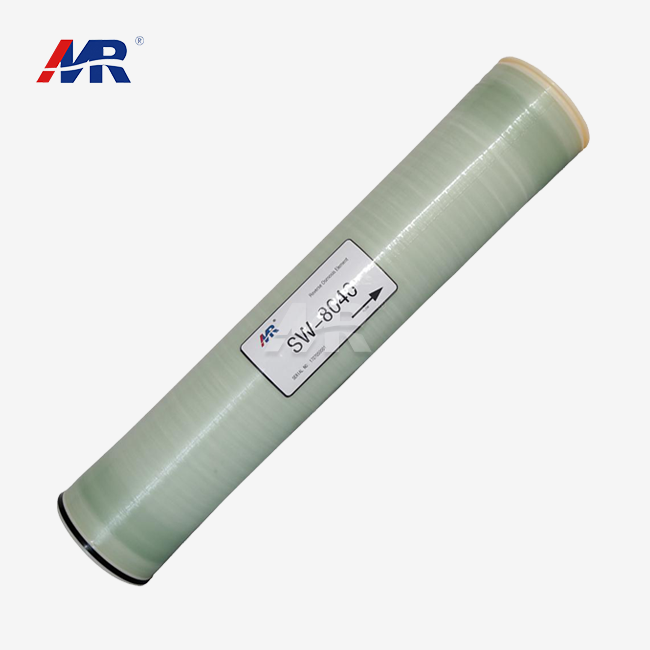
Check where the water comes from before you compare industrial RO membrane Products. The pH, temperature, turbidity, and silt density index (SDI) should all be checked. Base elements from the BW series work well in salty groundwater with a TDS level of less than 10,000 mg/L. For feeds that have a lot of salt, SW-series membranes might be needed. If you don't do this step, your systems will be too small or will foul up too quickly. Fixing it will cost more than the membrane itself.
Key Performance Metrics to Compare
In the field, not all membranes with the same specs work the same. This is what you need to remember as you look at your choices:
- Salt rejection rate: The MR-BW-4040 rejects 99.5% of salts, which means that only 0.5% of formed salts pass through. It's very important to know this if you need water with a very low conductivity for things like boiler feed or hospital-grade water.
- Permeate flow: This membrane is 4040 mm wide, but each part can handle 2,500 GPD. In other words, each train needs fewer parts.
- Active membrane area: This membrane's surface area of 7.2 m² changes the rate of recovery and the calculations for the size of the system in a direct way.
Every RFQ you send to possible membrane suppliers should have these three numbers on it.
Certification and Documentation for U.S. Buyers
In the U.S. market, people choose what to buy based on what they have to do. You need to be certified by NSF/ANSI 58 to be near drinking water, have energy efficiency data sheets, and have water quality test reports from a third party. These steps must be taken. If an OEM buys from Morui, the company gives them full membrane data files, failure analysis reports, and documentation packages that follow the steps for NSF and CE approval. This is very important if you need to follow rules when making a system for a city or food-grade setting.
Maximizing Industrial RO Membrane Performance and Lifespan
Monitoring the Right Parameters Daily
This is what a good RO system always checks: the flow of permeate, the flow of salt, and the difference in pressure. AWWA rules say that the pipe needs to be cleaned when the standard permeate flow drops by 10 to 15 percent. If the pressure difference goes up 15% above the baseline, it means that there is mechanical fouling or channeling. If you pay attention to these changes right away, you can keep the membrane leaf from getting hurt or squished together for good.
Cleaning Protocols That Actually Work
There should be a set way to use chemicals to clean. You can get rid of calcium carbonate and sulfate scale with citric acid and hydrochloric acid because they have a low pH. This kind of slime and fouling can be removed with cleaning products that have a high pH level and contain sodium hydroxide or EDTA. When the flux-decline level hits 10%, the business gets nice and clean. If you don't clean the outside of this window early enough or late enough, you waste chemicals or let dirt build up too much to fix.
Proper Storage Extends Element Life
Protect membrane elements from direct UV light and keep them between 5 and 25°C. When not in use, cover them in their original packaging with an SMBS solution that has 1% sodium metabisulfite. When kept in a dry place, the polyamide layer shrinks and cracks, which means that flux is lost permanently and can't be recovered. They should be extra careful about how they keep things cold if they store them in hot or warm places.
Industrial RO Membranes vs. Alternatives: Making the Right Choice
Where RO Outperforms UF
It gets rid of particles, bacteria, and some macromolecules when the pressure is low with an industrial RO membrane. It can't get rid of salts that are already in the water, though. If TDS needs to go down, UF by itself is not enough. There are some things that UF filters can't do: remove salt from salty water; do ZLD concentration steps; or process water for drugs or electronics. But RO filters can do these things. Though RO needs more power, the quality of the product more than makes up for it in most industrial settings that are well controlled.
Hybrid System Design
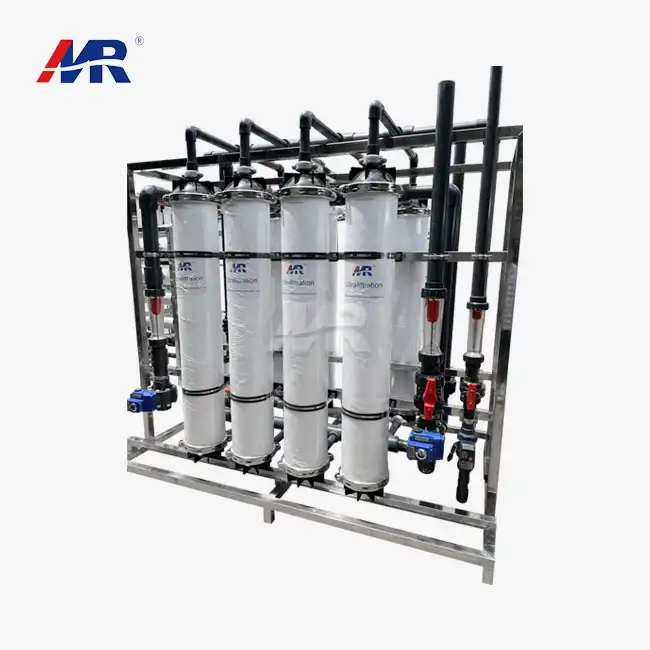
UF and RO work well together in real life. It lowers the SDI and keeps colloidal fouling from getting to the RO membrane further down the line. The RO membrane lasts longer and doesn't need to be cleaned as often. This mix is often used in places that make food and clean water for cities. Most of the time, a UF-RO hybrid system that is well-made will cost less over its lifetime than a RO system that needs to use a lot of chemicals for pre-filtration.
Economic Comparison by Application
A good RO membrane element that turns down a lot of water is the cheapest way to treat flows with a lot of salt (above 5,000 mg/L TDS). Nanofiltration isn't really in a place or not. There will still be salt in the water, but it will be less hard. Before procurement teams decide what to do, they should look at each tool's rejection curve and compare it to the level of quality they want to achieve.
Streamlined Procurement and Supply Chain Considerations
Supplier Qualification Criteria
It's important to look at both the product specification sheet and how well the membrane supplier can make the product. The plant that Morui runs is in Guangdong, China. It is there that the company makes membranes. There are several tool-making businesses and more than 20 experts working there. This merger cuts down on wait times, makes it easier to get help from experts, and makes sure that each batch is more of the same. As you think about when to update a 50-element system or how to stock a delivery network, all of these benefits are important.
Wholesale vs. OEM Supply Structures
When someone buys a lot of normal 4040 or 8040 elements by the piece, they can get batch consistency data and savings because they bought so many. People who buy OEM and private-label goods need to talk in different ways. At this meeting, we need to talk about unique flux grades, separate production lines, non-disclosure agreements, and data files for machine-level Certifications. Both types of buyers come from the same building, so wait times are always the same. It doesn't matter how the order is set up.
Warranty, Lead Time, and After-Sales Support
People in the U.S. need Technical support after the sale. People in the field often want to know how to fix the flow, make sure the water's chemistry is okay, and discover what went wrong. You can avoid costly downtime by working with a service provider that gives written warranties and quick tech support.
Conclusion
The choice of the right industrial RO membrane element is both a technical and a business one. Long-term, it will change how much the system makes, how much it costs, and how well it meets water quality standards. With a surface area of 7.2 m², it can handle 2,500 GPD of flow and get rid of 99.5% of salt. The Morui MR-BW-4040 is made to work with ZLD systems, rough water, and clean commercial water. Check the membrane's specs to make sure they fit the feedwater and application needs before you buy it. This is important whether you're making things for OEMs, building a distribution store, or replacing parts in a plant that's already up and running.
FAQ
1. How long does an industrial RO membrane typically last?
It lasts three to seven years if it is used normally. How often you clean and how well the pre-treatment works (SDI should stay below 3) are the two most important things. Systems often lose a lot of their power in 18 months if you don't take care of them.
2. When should I schedule a chemical cleaning?
Normalized permeate flow should drop by 10–15%, normalized salt passage should rise by 5–10%, or the differential pressure should rise by 15% above the standard. This means that the pipe is clean. These amounts are what the company usually charges; they're not suggestions.
3. Can the MR-BW-4040 handle chlorinated municipal feedwater?
Not at all. Free chlorine can hurt the TFC polyamide layer. You have to get rid of the chlorine before the water can get to the membrane. Most of the time, this is done with doses of sodium bisulfite or activated carbon. Chlorine can damage things in a way that can't be fixed over time, even in small amounts.
4. What is the difference between fouling and scaling?
Because of concentration polarization, salts that are not alive, such as calcium carbonate and barium sulfate, stick to the membrane surface. The word for this is scaling. The term for this is "biological slime" or "organic matter" that builds up. Each one needs a different cleaner to make sure it doesn't happen again.
Partner With Morui for Your Next Industrial Membrane Order
Morui makes and sells industrial RO membrane parts like the MR-BW-4040 from its own factory. That way, you don't have to go through a third party to get information about prices, technical details, and special OEM options. You can get it straight from the company. Every time we make an industrial RO membrane, we make sure that water plants, system developers, and distributors all over the U.S. and beyond are happy with our products and the technical support that we provide after delivery. We can be reached at benson@guangdongmorui.com to give you a price quote or send you a sample of our products.
References
1. American Water Works Association (AWWA). Reverse Osmosis and Nanofiltration: Manual of Water Supply Practices. 2nd ed., 2007.
2. Metcalf & Eddy / AECOM. Water Reuse: Issues, Technologies, and Applications. McGraw-Hill, 2007.
3. Crittenden, J. C., et al. MWH's Water Treatment: Principles and Design. 3rd ed., Wiley, 2012.
4. U.S. Environmental Protection Agency. Membrane Filtration Guidance Manual. EPA 815-R-06-009, 2005.
5. Dow Water & Process Solutions. FILMTEC Reverse Osmosis Membranes Technical Manual. 2021.
6. National Sanitation Foundation. NSF/ANSI 58: Reverse Osmosis Drinking Water Treatment Systems. NSF International, 2023.
 VIEW MOREro reverse osmosis water filter
 VIEW MORE15T/H ultrafiltration system
 VIEW MORE8040 seawater reverse osmosis membrane
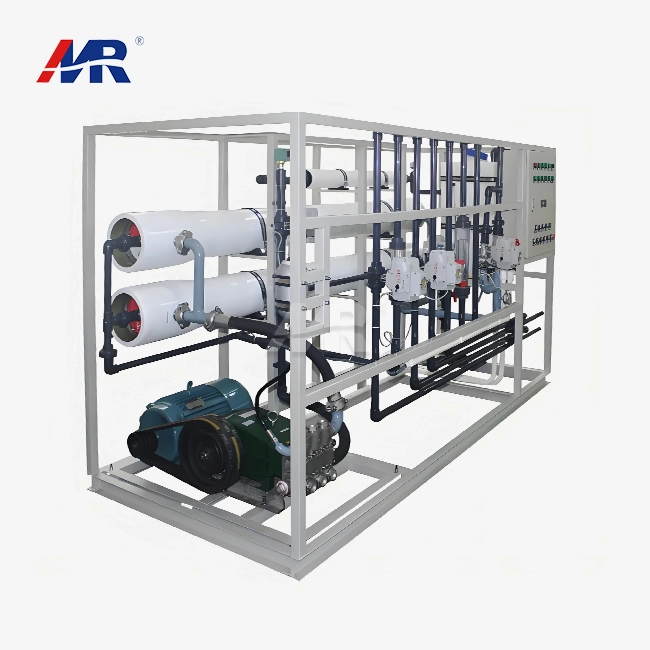 VIEW MOREseawater desalination pre-treatment
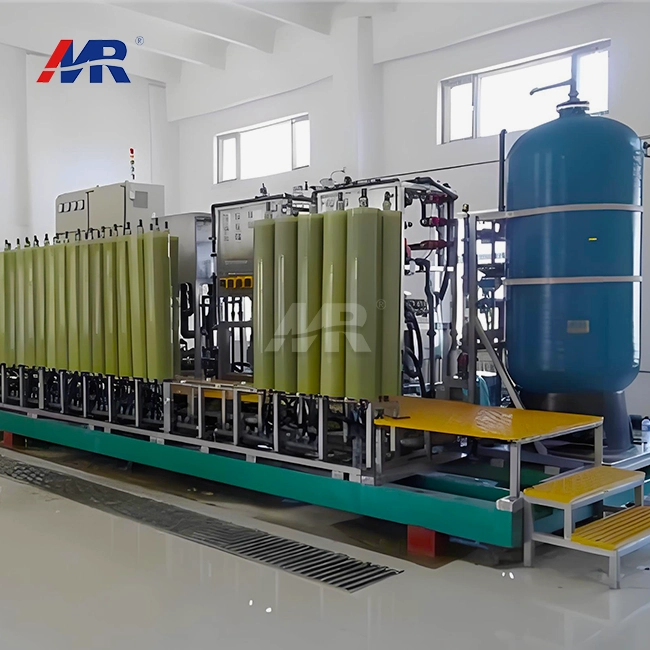 VIEW MOREDTRO system
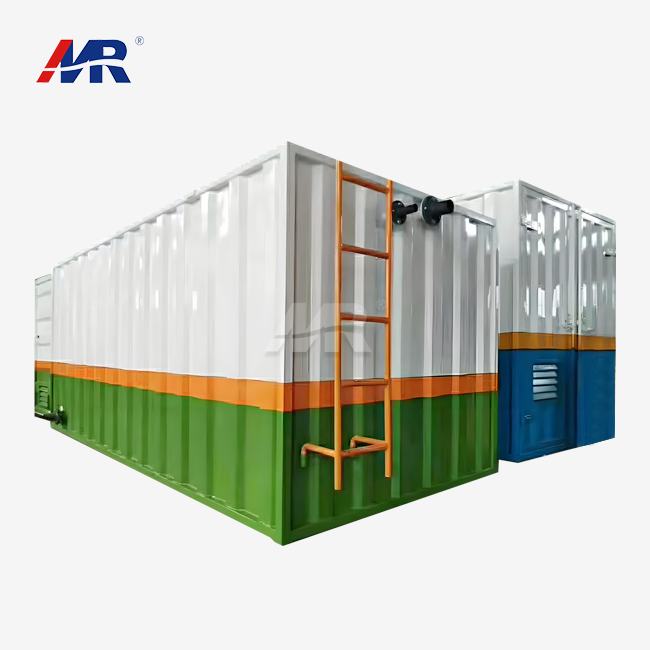 VIEW MOREindustrial sewage treatment plant
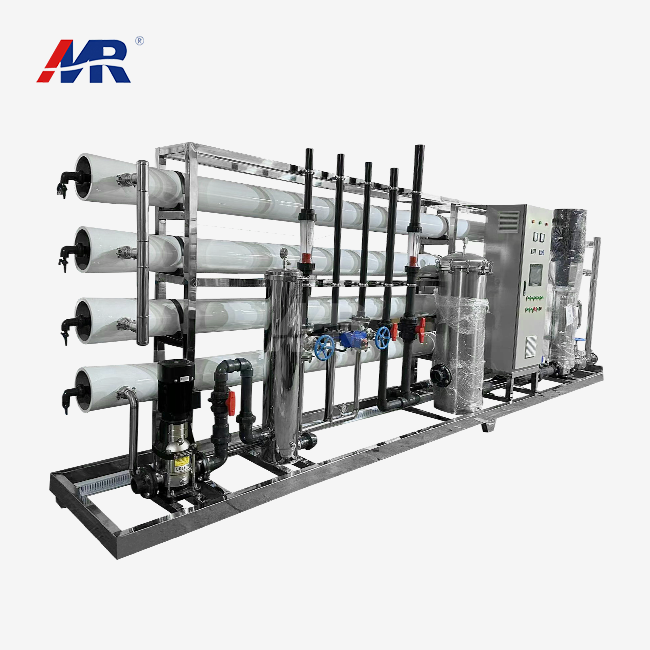 VIEW MOREreverse osmosis plant
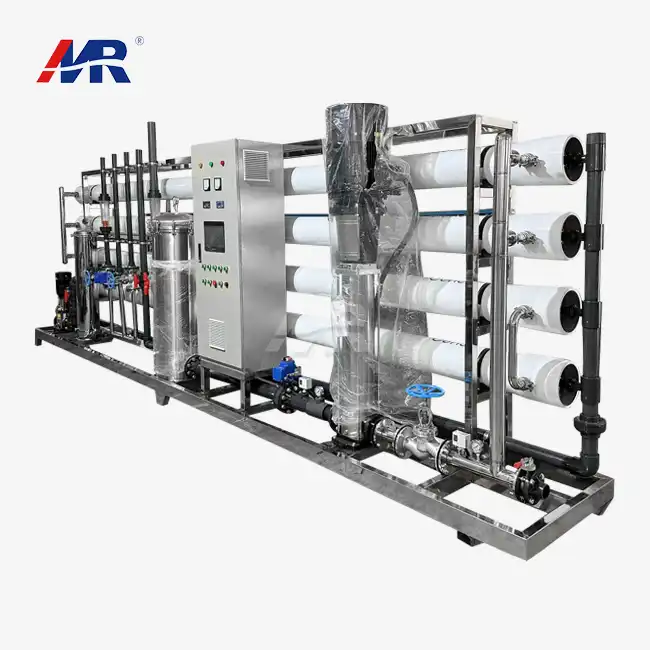 VIEW MORE500m3/day reverse osmosis RO plant