_1745823981883.webp)

Is the Membrane Used for Reverse Osmosis Safe?
Yes — the membrane/8040-reverse-osmosis-membrane">membrane used for reverse osmosis is safe when it is manufactured from certified materials, properly installed, and routinely maintained. High-quality ro membranes, particularly thin-film composite (TFC) types, comply with NSF/ANSI 58 and FDA-approved material standards. They remove up to 99.5% or more of dissolved salts, heavy metals, bacteria, and organic contaminants. Industrial-grade membranes engineered for demanding environments undergo rigorous testing before deployment. When paired with responsible system management, the RO membrane remains one of the most reliable and safety-assured water purification technologies available across food, pharmaceutical, electronics, and municipal applications today.
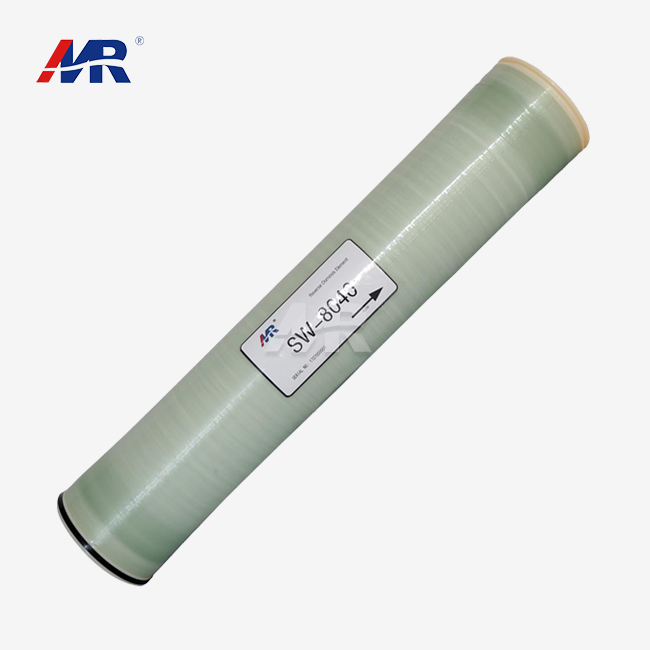
What Is an RO Membrane and Why Does Material Safety Matter?
How Does a Reverse Osmosis Membrane Work?
A reverse osmosis membrane is a filter that allows certain molecules through but not others. It operates by allowing solutions to permeate across it. If the hydraulic pressure is greater than the natural osmotic pressure of the feed water, water molecules are forced through an extremely thin barrier layer of polyamide, typically approximately 0.2 µm thick. Rejection of dissolved ions, organics, viruses, and pyrogens. The conventional TFC structure consists of three independent layers: a polyester non-woven support web of about 120 µm, a polysulfone microporous interlayer of around 40 µm, and the polyamide active rejection layer. The multi-layer architecture performs a fantastic job of rejecting many kinds of feed water, from city tap water to brackish groundwater and salt water.
What Makes a Membrane Chemically Safe?
Material compliance is a prerequisite in regulated sectors. Good membranes are approved by NSF/ANSI 58, which means they do not let any toxic substances pass through to the permeate stream. All food- and pharmaceutical-grade systems are constructed using FDA-approved polyamide compositions. Older membranes are cellulose acetate and biodegradable, but more vulnerable to assault by living organisms; hence, they are most effective at a pH of 4-6. TFC membranes may tolerate a larger pH range (2–11) during clean-in-place (CIP) operations. This makes them the best option for companies that have to clean with strong chemicals, such as the electronics industry and petrochemical processing.
What Risks Can Compromise RO Membrane Safety?
Membrane safety isn't a fixed thing; it goes downhill without being watched. A lot of operational and environmental factors weaken a membrane used for reverse osmosis over time, and both procurement managers and plant engineers need to know about them.
Here are the main types of risk that people making decisions need to keep an eye on:
- Biological fouling: Bacteria and biofilm build up on the surface of the membrane, especially in systems that don't get enough pretreatment or that have long periods of downtime. This slows down the flow of permeate and makes a way for microbes to get into the cleaned water.
- Inorganic scaling: When the concentrate side is too saturated, calcium carbonate, calcium sulfate, and silica deposits form. Scaling makes the active layer smaller, and the transmembrane pressure goes up, which speeds up the breakdown of the structure.
- Chemical attack: At amounts above 0.1 ppm, chlorine and other oxidants break polyamide chains in a way that can't be fixed. Strong acids or alkalis that are stronger than the membrane's rated tolerance quickly hurt its ability to reject them.
- Mechanical stress: The TFC layers physically separate when they are installed incorrectly, when water hammer happens, or when working pressures are higher than what was intended.
By being alert to the early warning indications, you may avert failures. A rapid rise in the total dissolved solids (TDS) in the permeate, a decrease in the normalized permeate flow, or an unusual flavor or smell in the treated water would be symptoms of membrane damage. Water quality and operational continuity are ensured by proactive monitoring rather than reactive replacement.
How Do You Maintain RO Membrane Safety Long-Term?
What Cleaning and Monitoring Protocols Work Best?
Timed Cleaning-in-place (CIP) procedures using appropriate low-pH and high-pH cleaning solutions remove organic and synthetic soils from the polyamide layer without causing damage. The reverse osmosis membrane should be cleaned as frequently as the feed water quality requires. Industrial systems that process high-TDS or high-turbidity water will often need more frequent cleaning than municipal systems. Inline TDS meters, pressure differential gauges, and continuous conductivity monitoring provide you with real-time knowledge of whether a membrane is beginning to break down before it gets too severe.
Which Membrane Type Suits Your Application?
The most important part of the buying process is making sure that the membrane specs match the conditions of the feed water. The following table shows how key parameters match across popular types of RO membranes:
| Parameter | Brackish Water RO (BWRO) | Seawater RO (SWRO) | Low-Energy RO |
|---|---|---|---|
| Operating Pressure | 0.8–1.6 MPa | 5.5–8.3 MPa | 0.5–1.0 MPa |
| Salt Rejection | ≥99.0% | ≥99.5% | ≥98.5% |
| Typical Application | Industrial process water | Coastal desalination | Municipal polishing |
| Energy Consumption | Moderate | High | Low |
| Fouling Resistance | Standard | Enhanced | High |
If you choose the wrong type of membrane for the feed water profile, like using a low-energy membrane in an industrial setting with a high TDS, it speeds up degradation and creates safety risks that normal upkeep can't fully fix.
How Do You Procure a Safe and Reliable RO Membrane?
What Certifications and Specifications Should You Prioritize?
Before approving a supplier for a membrane used for reverse osmosis, procurement professionals should make sure that they follow NSF/ANSI 58, have ISO 9001-certified manufacturing, and include FDA-approved material declarations. Technical datasheets must come with performance standards, such as stable salt rejection rates, tried permeate flux values, and recorded fouling resistance data. Leading brands like Dow FilmTec, Toray, Hydranautics, DuPont, and Vontron all put out standard test conditions for their goods, which lets people directly compare how well they work.
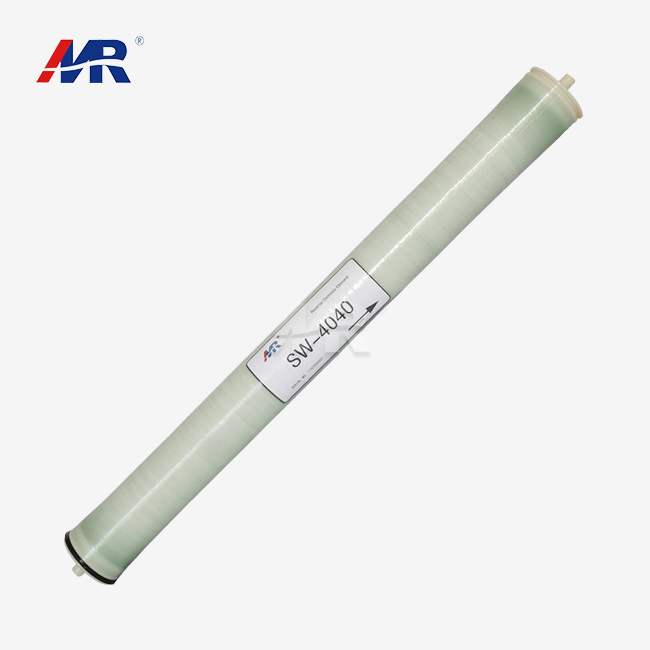
Morui's own MR-LP-8040 membrane is a good example for corporate buyers who want to be sure of success at scale. Some of its most important features are:
- Model: MR-LP-8040
- Operating Pressure: 1.55 MPa
- Effective Membrane Area: 34 or 37 m²
- Permeate Flow: 10,500 GPD
- Salt Rejection Rate: 99.5%
Based on these figures, the MR-LP-8040 is a high-rejection brackish water module that can fulfill the stringent purity requirements of GMP pharmaceutical settings, food and beverage processing lines, electronics ultrapure water systems, and boiler feed water preparation in power plants. The 99.5% salt rejection rate is consistent with the level of performance required for GMP-compliant production of filtered water.
Specs are more than supplier reliability. Morui has its own membrane manufacturing facility, and several facilities for processing equipment and 14+ branch offices in China. It also has 20 expert engineers on standby to answer technical problems. This infrastructure facilitates OEM orders, customized system integration, and rapid after-sales assistance. These characteristics make it a lot safer for large corporate purchasers to purchase in bulk.
What Future Innovations Are Shaping RO Membrane Safety?
Next-generation membranes for reverse osmosis will have low-fouling surface modifications, including neutral-charge polyamide coatings and nanocomposite materials that make it more difficult for biofilm to attach to the membrane. One of the key design objectives is energy economy, and modern brackish water membranes in fully optimized systems use less than 0.3 kWh/m³ of energy. Predictive maintenance may be performed using Internet of Things (IoT) linked monitoring systems, which compare flow, pressure, and conductivity data in real-time to detect deterioration patterns weeks before they influence water quality. Regulators in the U.S., EU, and throughout the globe are also tightening restrictions on contaminants, including PFAS and emerging micro-pollutants. This is accelerating the development of membranes which can reject more pollutants at lower operating pressures. For the procurement teams, aligning purchase choices to these innovation pathways may help save money on long-term capital expenses, while still satisfying evolving water quality criteria.
Conclusion
The safety of a membrane used for reverse osmosis depends on three factors that are all connected: the certified material composition, choosing the right membrane for the job, and regular operational maintenance. For example, the MR-LP-8040 membrane, which rejects 99.5% of salt at 1.55 MPa operating pressure, meets the safety and performance standards needed in the food and drug industries, as well as in the manufacturing of electronics and municipal water treatment. Buying things based on confirmed Certifications, performance data, and trusted seller partnerships always leads to better and more cost-effective water treatment.
FAQ
1. Are RO membranes approved for drinking water contact?
Yes, a membrane used for reverse osmosis qualified to NSF/ANSI 58 has been tested and is safe to use in devices that handle drinking water. This standard checks for both material safety and contaminant reduction performance to make sure that during normal operation, no harmful substances get into the permeate stream.
2. How long does an industrial RO membrane last?
Most industrial RO membranes last between three and five years with regular maintenance and the right pretreatment. Systems that use feed water that is high in fouling or cleaning protocols that aren't always followed may have shorter service lives. The most accurate way to tell how much membrane life is left is to do regular standardized performance tracking.
3. What happens if an RO membrane fails?
In the event that the barrier fails, dissolved solids, heavy metals, or microbes can enter the permeate stream. High TDS levels, falling rejection rates, and higher microbial numbers are all signs of this. To get the system safe and compliant again, it needs to be replaced right away and the cause needs to be looked into.
4. Can RO membranes remove PFAS compounds?
Researchers from the American Water Works Association released peer-reviewed studies that show high-rejection RO membranes can remove more than 95% of PFAS chemicals, such as PFOA and PFOS. In this case, TFC polyamide membranes with tight molecular weight cutoffs work best.
Partner With Morui for Certified RO Membrane Solutions
Morui offers industrial-grade membranes, such as the high-rejection MR-LP-8040. They are made in-house using ISO-certified methods, and they have a team of 20 specialized engineers ready to help you with your project from the planning stages to the final commissioning. Morui offers complete solutions for desalination, pharmaceutical, food processing, and ultrapure water needs, whether you need a large order of a membrane used for reverse osmosis or want to build a unique system. To get technical details and a project consultation, email Our Team at benson@guangdongmorui.com.
References
1. Elimelech, M., & Phillip, W. A. — Science, 2011. "The Future of Seawater Desalination: Energy, Technology, and the Environment."
2. Petersen, R. J. — Journal of Membrane Science, 1993. "Composite Reverse Osmosis and Nanofiltration Membranes.
3. NSF International — NSF/ANSI Standard 58: Reverse Osmosis Drinking Water Treatment Systems, 2022.
4. Crittenden, J. C., et al. — MWH's Water Treatment: Principles and Design, 3rd ed., Wiley, 2012.
5. Shannon, M. A., et al. — Nature, 2008. "Science and Technology for Water Purification in the Coming Decades."
6. American Water Works Association (AWWA) — Microfiltration and Ultrafiltration Membranes for Drinking Water: Manual of Water Supply Practices, 2nd ed., 2011.