

_1745823981883.webp)

Top Rated Reverse Osmosis System for Safe, Pure Drinking Water
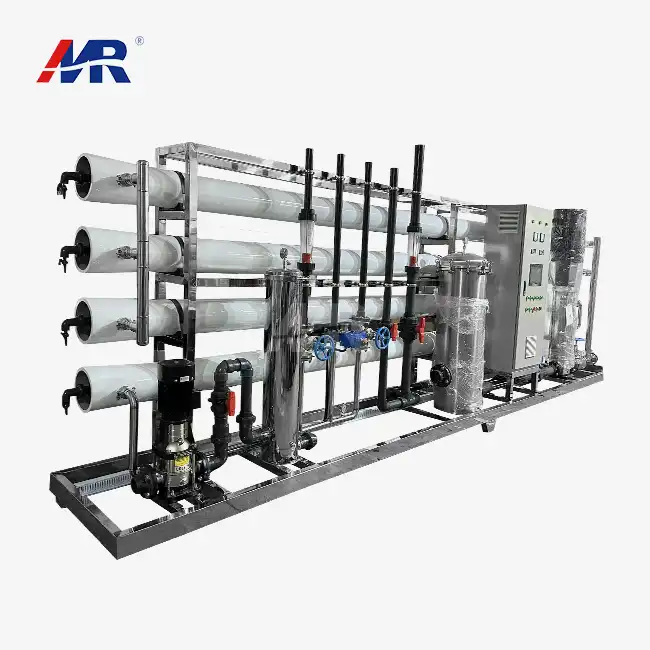
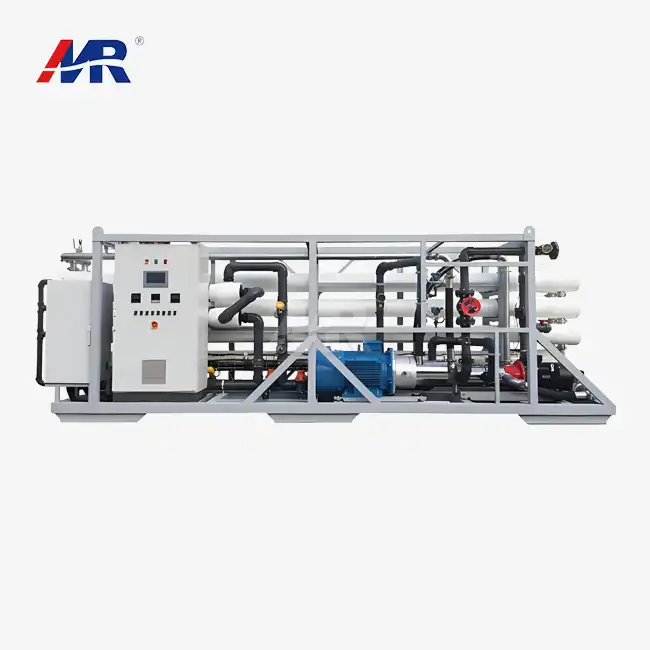
A top rated reverse osmosis system represents a cornerstone technology for organizations seeking consistent, contamination-free water across industrial and commercial operations. These advanced purification platforms employ semi-permeable membrane filtration to remove dissolved solids, heavy metals, pathogens, and emerging contaminants like PFAS compounds. Unlike conventional filters, RO systems address critical water quality challenges through multi-barrier protection, delivering purity levels that meet stringent regulatory standards while reducing operational risk and protecting sensitive equipment from scale and corrosion damage.
Understanding Reverse Osmosis Systems: How They Ensure Safe and Pure Drinking Water
How do reverse osmosis systems make sure that drinking water is safe and clean?
Reverse osmosis technology works by using hydraulic pressure to push water molecules through membrane holes that are about 0.0001 microns wide. This stops 99.5% of dissolved impurities from passing through while letting only pure water through. This physical separation process works very differently from chemical solutions or simple mechanical filters. This makes RO systems very good at getting rid of contaminants that other methods can't.
The Science Behind Membrane Filtration
At the heart of every good RO system is a semi-permeable barrier made of thin-film hybrid materials that are designed to maintain selective permeability while withstanding constant pressure. When 100 to 300 psi of source water enters the system, the water molecules pass through the membrane barrier while contaminants like bacteria, viruses, dissolved salts, and chemical pollutants are sent to the trash stream. This rejection system makes sure that the quality of the output stays the same even if the input water changes.
Business Benefits Beyond Basic Filtration
When businesses use RO purification, they get concrete benefits that go beyond meeting compliance standards. Pharmaceutical companies keep GMP-grade water on hand because it is needed to make Products and clean equipment. Mineral influence is removed, which helps food and drink companies keep the same taste and extend the shelf life of their products. Electronics makers keep mineral layers off of precise machinery that could affect manufacturing standards. These improvements to operations directly lead to less downtime, lower maintenance costs, and better control over the quality of the products.
Dispelling Common Misconceptions
Concerns about water waste rates or mineral removal make a lot of people pause to make decisions. Up to 75% of garbage is recovered by modern, high-efficiency systems, which is a big improvement over older methods. RO gets rid of minerals, but remineralization steps afterward can add calcium and magnesium back in if needed. Activated carbon filters remove chlorine and organic compounds but not dissolved solids. UV systems kill germs but not contaminants. RO systems, on the other hand, clean water the most completely and effectively for difficult water chemistry problems.
Top Rated Reverse Osmosis Systems in 2026: Features, Comparisons, and Suitability
There are complex options on the market right now that can be used for a range of operating scales and water quality profiles. Procurement teams can better match technology capabilities with facility needs when they know how leading systems compare across key performance parameters.
Commercial-Grade Systems for High-Volume Applications
For industrial water treatment, top rated reverse osmosis systems need to be built so they can work continuously in tough conditions. Commercial RO platforms with a lot of space now have thin-film composite membranes that improve flow rates and fouling resistance. These platforms can produce between 1,000 and 100,000 gallons of water every day. Automated monitoring in these systems keeps an eye on membrane performance, pressure differences, and water quality metrics all the time. Contemporary designs that are more energy efficient use 30% less power than older equipment. This is an important thing to think about when figuring out the total cost of ownership over multiple years of use.
To protect the membrane elements further down the line, more advanced commercial systems include pre-treatment steps like sediment filtration, activated carbon adsorption, and a water softener. After cleaning, there are many choices, such as adjusting the pH and adding minerals back to the water, polishing, filtering, and UV disinfecting. This modular design lets the system be changed to deal with problems that are unique to the site, such as high hardness, high TDS levels, or specific contaminant profiles.
Comparative Analysis of Key Performance Metrics
When buying, pros look at RO platforms; they should pay attention to a few important details. Production capacity needs to match times of high demand while keeping enough reserve margins. For most dissolved solids, rejection rates—which show how many contaminants were removed—should be higher than 99%. Recovery rates show how well source water is turned into clean output versus waste. The operating pressure affects both the cost of energy and the ability of tools to work with current systems. Certification by NSF/ANSI 58 is an independent check that systems meet well-known standards for safety and efficiency.
Compact designs that take up little space are especially useful in places with limited floor space. Modern systems combine multiple stages of filters into enclosures that are combined and take up a fraction of the space needed by older systems. This change in design makes it possible to improve water treatment without making big changes to the building. This cuts down on installation times and the downtime that comes with them.
How to Choose the Best Reverse Osmosis System for Your Procurement Needs
To choose a strategic system, you need to make sure that the technology requirements match up with the needs of the business and its goals. A methodical evaluation framework helps procurement teams find the best solutions among the many options from vendors.
Assessing Operational Requirements
First, figure out how much water is used each day during both normal and high-demand periods. Figure out the production capacity that is needed, making sure that there are enough safety gaps to allow for future growth or process improvement. Test the source water to find out what the normal TDS levels, hardness, chlorine levels, and levels of certain toxins like heavy metals or sand are. This information tells us what steps need to be taken before the membrane can be used. Document the amount of space that is available, the amount of electricity that is available, how the wastewater is disposed of, and the temperature ranges in the area that affect how well the system works.
Evaluating Supplier Credentials and Support Infrastructure
Choosing a supplier has effects that last throughout the span of the tools. Well-known brands with a history of success in your business can help with system design and troubleshooting by sharing their useful application knowledge. Client reviews from similar facilities show how well the facility really works in the real world and help with responsiveness. A full guarantee protects the investment and shows that the maker trusts the product's dependability. When maintenance needs to be done, operational continuity is directly affected by the after-sales service capabilities, such as the availability of replacement parts, field service staff, and quick responses from Technical support.
B2B Procurement Considerations
Businesses that need to buy more than one system or make long-term supply agreements should look into group price structures and framework agreements that lock in good terms. OEM partnerships let dealers or integrators customize equipment with their own brands. Leasing and flexible payment terms can help you better manage your cash flow, which is especially helpful for small businesses or startups with small capital budgets. When buying from wholesalers outside of your country, make sure they keep enough supplies and spare parts in stock in your area so you don't have to wait a long time for orders.
Installation, Maintenance, and Longevity: Maximizing the Value of Your Reverse Osmosis System
Whether RO systems reach their full working lives and performance potential depends on how well they are installed and maintained. Facility managers who use structured approaches to system care get a better return on their investment because their equipment lasts longer and the water quality output stays the same.
Professional Installation Best Practices
When installing a top rated reverse osmosis system for businesses, it's important to pay close attention to the water supply lines, drainage needs, power integration, and the layout of the space. Before installing something, you need to make sure that the incoming water pressure is good, install any booster pumps that are needed if the pressure drops below what is required, and make sure that the drainage lines can handle the amount of waste that flows through them. Mounting equipment on stable bases reduces vibrations that can damage membrane stability over time. Leak detection sensors put under equipment racks let you know right away if a connection fails, which could damage the building. When the whole system is finished being commissioned, it is tested for pressure, flow, and water quality before it is put into actual use.
Structured Maintenance Scheduling
Preventive maintenance makes membranes last longer and keeps their ability to purify water throughout operating cycles. Depending on the quality of the source water and the amount of water going through the filter, the elements need to be replaced every three to six months. ro membranes usually work for 24 to 36 months as long as they are properly protected by upstream filtration. By keeping an eye on the TDS levels in both the feed water and the permeate, you can find problems with the membrane or fouling early on, before the output quality drops below what is considered acceptable. By checking pressure gauges, flow meters, and connection points on a regular basis, problems can be found before they get so bad that the system breaks down and needs to be fixed right away.
Troubleshooting Common Performance Issues
Systematic analysis is a fast way to find the root causes of systems that are losing output or quality. Less flow usually means that the pre-filters or membranes are clogged and need to be cleaned or replaced. High permeate TDS means that there is damage to the membranes or an O-ring seal that doesn't work properly, letting dirty water skip over the filtering steps. Strange noises could mean that the pump is wearing out or that air is getting into the supply lines. Keeping detailed working logs sets a standard for performance that makes finding deviations and analyzing trends easier.
Procurement and After-Sales Support: Where and How to Buy with Confidence
To find your way around the RO system market, you need to know which methods of procurement work with your company's buying process and which sellers offer real value beyond just low prices.
Identifying Trustworthy Suppliers
Industrial water treatment providers with a good reputation stand out by being technically skilled, communicating clearly, and caring about their customers' success. When companies hire application engineers, they can offer better system configurations instead of just selling standard products. Companies that have ISO quality Certifications show that they are committed to making sure that their manufacturing standards are always met. Supplier financial security is important, especially for tools that will be used for 10 to 15 years. This makes sure that the company can pay its bills and keep providing replacement parts throughout the system's lifecycle.
Understanding Total Cost of Ownership
When deciding what to buy, the price of the equipment at first affects the decision, but a full financial analysis takes into account installation costs, continued costs for consumables, energy use, upkeep labor, and the ultimate removal or replacement of the equipment. Systems that are more energy efficient may cost more up front, but they save a lot of money in the long run. Budget uncertainty can be reduced by getting an extended warranty or an all-inclusive servicing deal. By figuring out the cost per gallon of purified water made, you can compare different system options and capacity ranges in a meaningful way.
Securing Genuine Replacement Components
As systems get older, they need genuine, manufacturer-certified new filters and membranes that are made to work with that platform. Generic aftermarket parts may look like they're a good deal, but they're often made of lower-quality materials, don't have regular quality control, and have compatibility problems that make cleaning less effective. By building relationships with approved parts distributors, you can be sure that you can get original parts that come with the right quality documentation and expert help when you need it.
Conclusion
Choosing and using the right top rated reverse osmosis system technology is an investment in the quality of the product, the reliability of operations, and compliance with regulations. When companies buy things in a methodical way, by carefully considering all of their needs, checking out potential providers, and making a promise to take good care of their systems, they can get the most out of these advanced cleaning platforms. As RO technology changes, it gets more efficient, takes up less space, and has smart monitoring features that make it easier to use and improve performance consistency across a wide range of industrial applications.
FAQ
1. How do I determine the appropriate system capacity for my facility?
Figure out how much pure water you use at your peak daily rate for all of your uses. To set a maximum goal with enough room for error, multiply this amount by 1.25. Think about ideas for future growth that could lead to more demand. Most of the time, commercial businesses can benefit from talking to water treatment engineers. These professionals can do a detailed load analysis and suggest equipment that is the right size.
2. What water quality improvements can I expect?
Good RO systems get rid of 95–99.5% of dissolved solids, which can include minerals, salts, and heavy metals. They get rid of almost all viruses, bacteria, and cysts. There are a lot fewer organic pollutants, chlorine, and herbicides. The quality of the source water affects the quality of the final output. For example, systems that process high-TDS feed may need extra treatment steps to meet specific purity goals for pharmaceutical or semiconductor applications.
3. How often do membranes require replacement?
How long a membrane lasts depends a lot on the quality of the source water, how well the pre-treatment works, and how hard it is used. When industrial systems are properly kept, the membranes usually last between 24 and 36 months. Facilities that deal with difficult water chemistry or that run all the time may have shorter intervals. Monitoring the quality of the permeate and the pressure in the system on a regular basis lets you know early on when the membrane needs to be replaced.
Partner With Morui for Your Water Purification Solution
When it comes to treating water, Guangdong Morui Environmental Technology has a lot of experience with municipal systems, industrial uses, and special cleaning needs. Our engineered solutions solve a wide range of operational problems, from desalinating seawater to making ultrapure water for making electronics. We offer full project support, including equipment design, installation services, and ongoing technical support. We have 14 branches, 500 committed employees, and 20 experienced engineers.
The top rated reverse osmosis system configurations of our industrial reverse osmosis systems can handle up to 100,000 GPD and have recovery rates of up to 75% and rejection rates of up to 99.5%. These platforms have high-flux, low-fouling membranes built into small designs that work well in sites with limited room. Advanced tracking tools let you see results in real time, and automated controls make things run more smoothly. Whether your business needs water that is pure enough for pharmaceuticals, food processing, or chemical manufacturing, our platforms can be changed to fit your needs and provide stable quality and full service support.
Email our expert team at benson@guangdongmorui.com to talk about your unique needs for treating water. We give you thorough system plans, low prices, and a range of flexible purchasing choices that work with your budget and working schedule.
References
1. American Water Works Association. (2021). Reverse Osmosis and Nanofiltration: Manual of Water Supply Practices M46. Denver: AWWA.
2. Greenlee, L.F., Lawler, D.F., Freeman, B.D., Marrot, B., & Moulin, P. (2009). Reverse osmosis desalination: Water sources, technology, and today's challenges. Water Research, 43(9), 2317-2348.
3. National Sanitation Foundation International. (2022). NSF/ANSI 58: Reverse Osmosis Drinking Water Treatment Systems—Certification Standards. Ann Arbor: NSF International.
4. Qasim, M., Badrelzaman, M., Darwish, N.N., Darwish, N.A., & Hilal, N. (2019). Reverse osmosis desalination: A state-of-the-art review. Desalination, 459, 59-104.
5. United States Environmental Protection Agency. (2020). Drinking Water Treatment Technology Unit Cost Models and Overview of Technologies. Washington, DC: EPA Office of Water.
6. World Health Organization. (2017). Guidelines for Drinking-Water Quality: Fourth Edition Incorporating the First Addendum. Geneva: WHO Press.
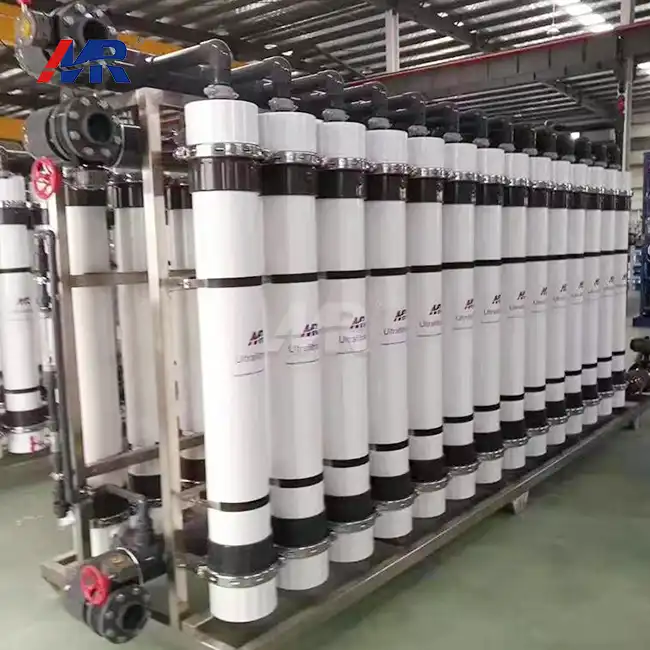 VIEW MORE70m3/hour ultrafiltration plant
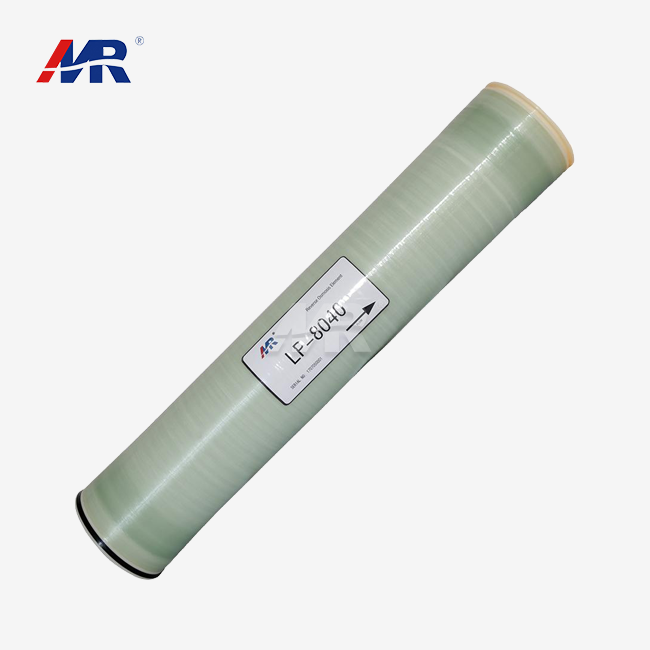 VIEW MOREreverse osmosis membrane
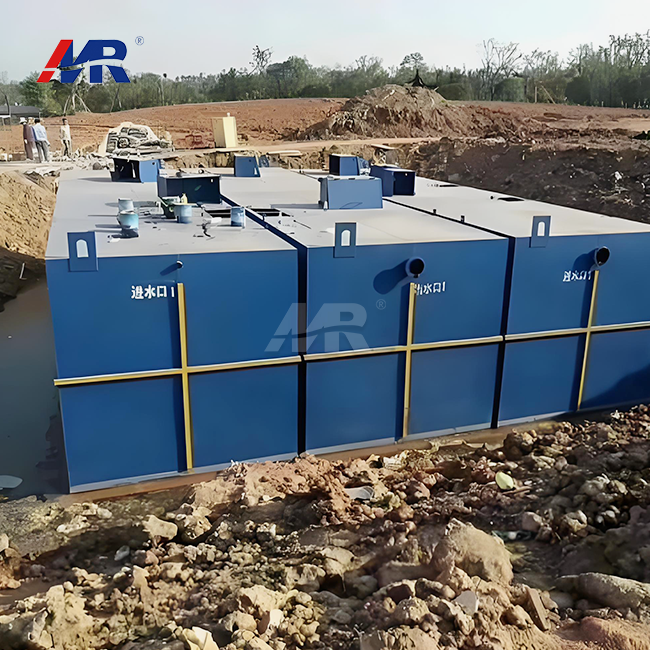 VIEW MOREwastewater treatment plant units
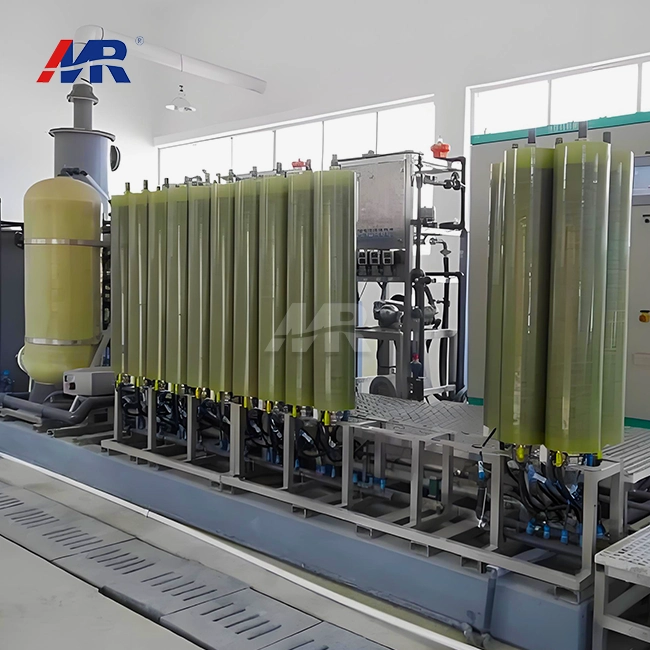 VIEW MOREDTRO Landfill Leachate Treatment
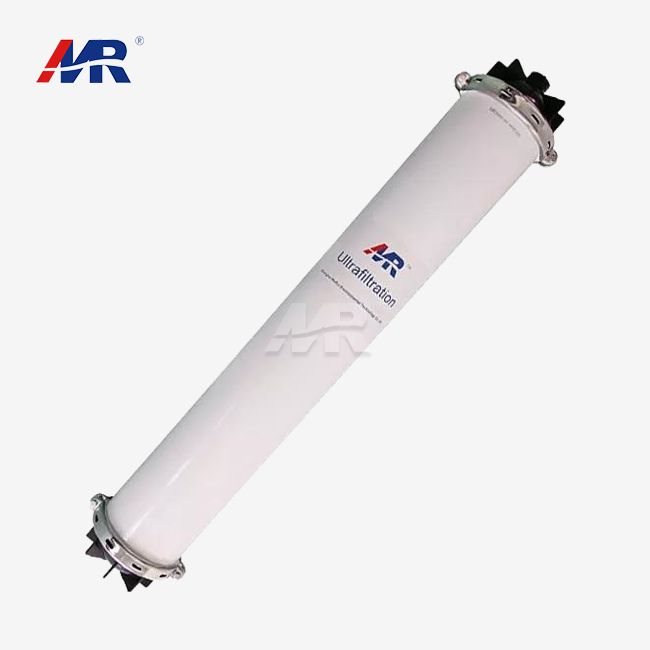 VIEW MOREultrafiltration membranes for water treatment
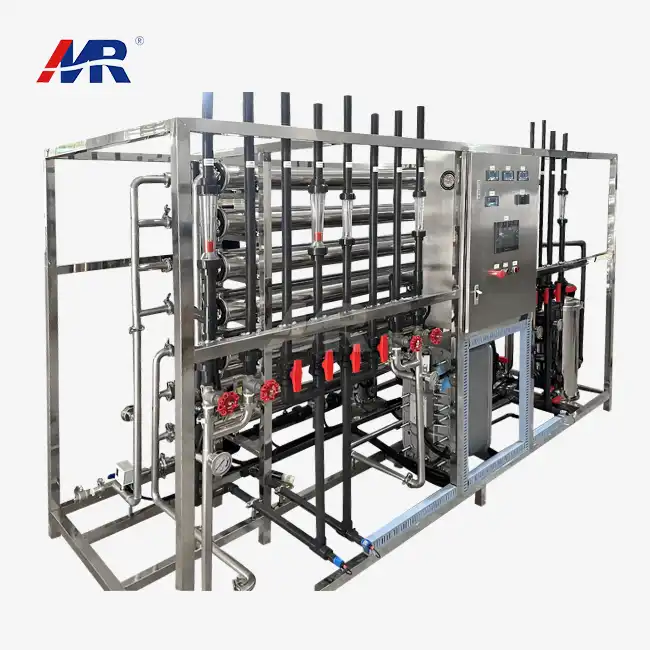 VIEW MORE2m3/hour EDI system
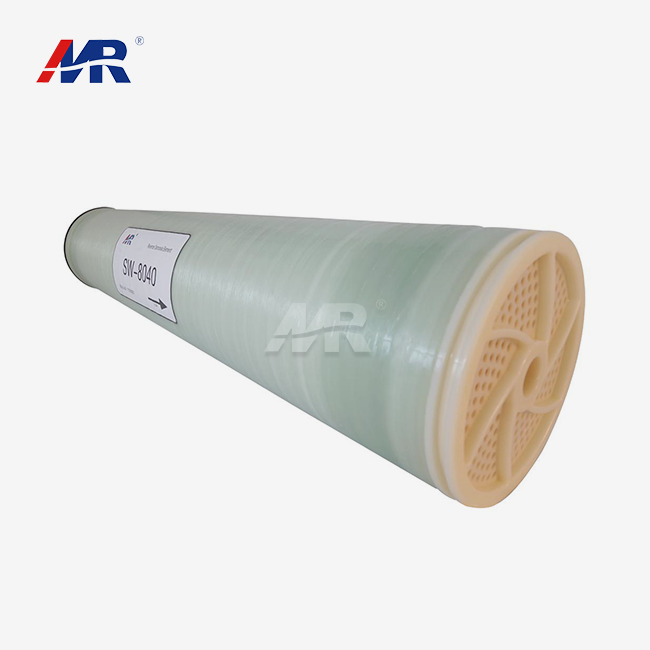 VIEW MOREreverse osmosis membranes
 VIEW MORE15m3/hour seawater desalination system
