


Water Softener and Reverse Osmosis System for High-TDS Feedwater
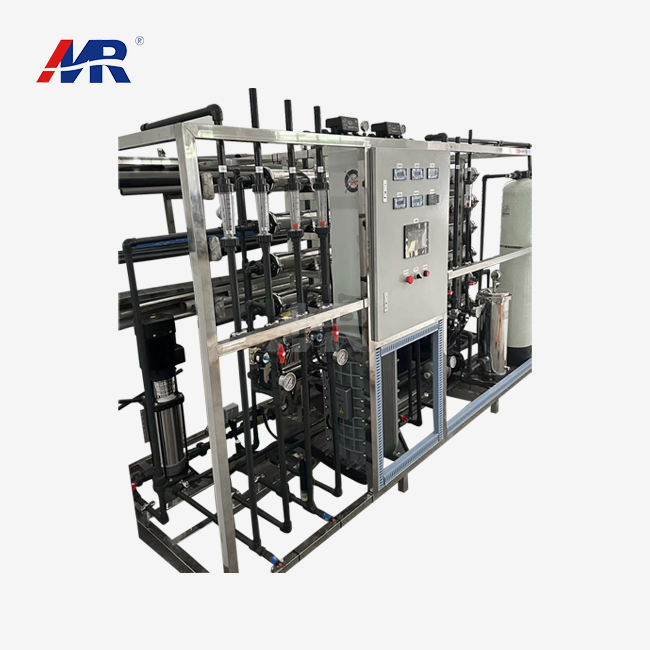
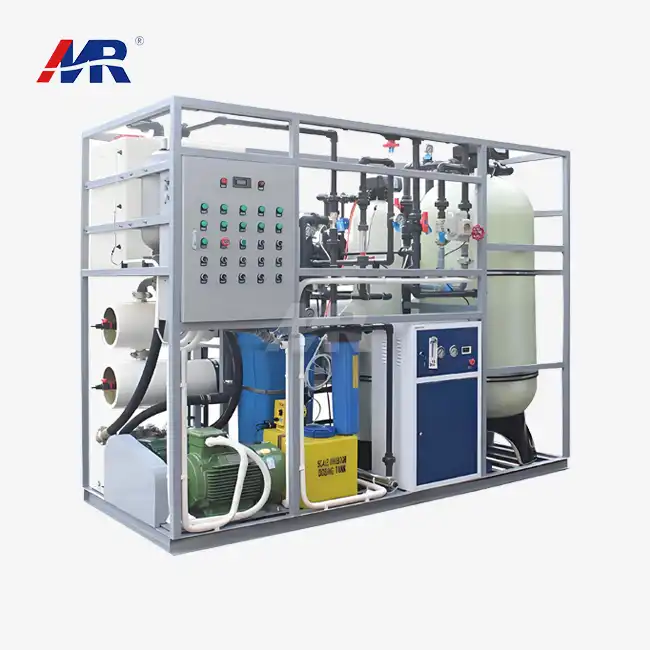
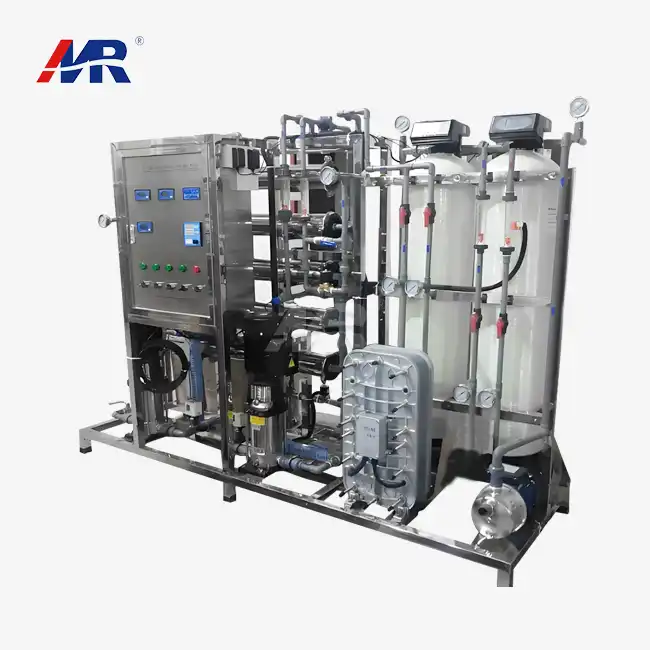
A water softener and reverse osmosis system is a two-stage water treatment setup that handles both excessive dissolved solids and hardness in feedwater. This configuration is also known as a water treatment system. Ion-exchange resin is used during the softener step in order to dissolve calcium and magnesium, hence preventing mineral scaling from occurring on the RO membrane. Up to 99% of the residual total dissolved solids (TDS), heavy metals, and pollutants are subsequently removed by the ro membrane. This integrated solution preserves equipment, extends the life of the equipment, and ensures consistent water quality at the point of use for facilities that deal with high-TDS feedwater, which is defined as feedwater with values that consistently exceed 500 parts per million.
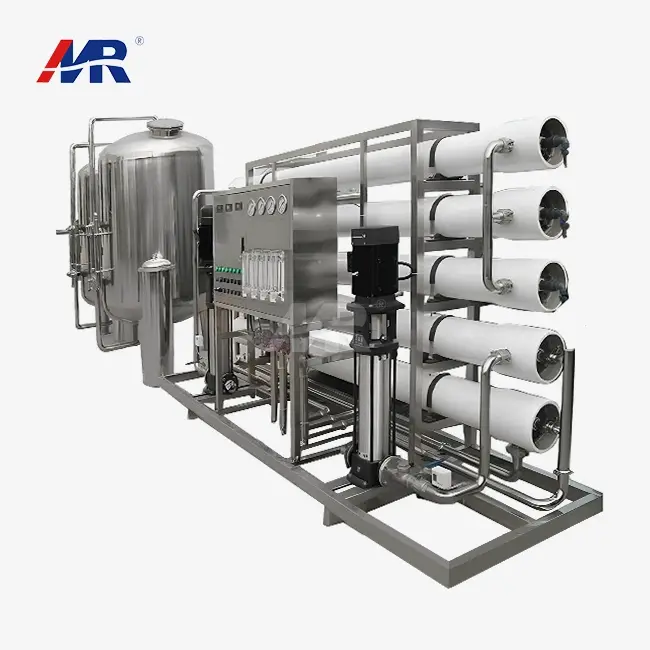
Understanding High-TDS Feedwater and Its Impact on Industrial Systems
A high total dissolved solids (TDS) concentration in feedwater is more than simply an irritation. It poses a direct danger to the operation budgets, the reliability of the equipment, and the consistency of the output, all of which are immediately threatened by it.
What "High-TDS" Actually Means in Practice
Total dissolved solids (TDS) is able to quantify all of the dissolved inorganic and organic substances in water using the parts per million (ppm) unit of measurement. The Environmental Protection Agency (EPA) of the United States has a secondary drinking water limit of 500 parts per million (ppm); nevertheless, industrial feedwater in some areas or source types may reach 1,500–3,000 ppm. When these quantities are present, calcium carbonate and magnesium sulfate precipitate on the surfaces of heat exchangers, RO membranes, and boiler tubes in a relatively short period of time.
How Scaling Damages Equipment Over Time
There is a detectable reduction in the permeate flow that occurs when dissolved minerals collect on the surfaces of membranes after they have been deposited. Calcium carbonate scaling was observed to reduce RO membrane productivity by as much as 35 percent during the first 90 days of operation without the use of pre-treatment, according to the conclusions of a research study that was published in the Journal of Membrane Science (2019). The study was conducted by researchers from the University of Minnesota. A similar level of losses happens in boilers: according to the United States Department of Energy, a scale as thin as one eighth of an inch may increase fuel use by approximately twenty-five percent. This implies that boilers are particularly susceptible to losses.
Why Standard Filtration Falls Short
Ionic minerals that have been dissolved in water cannot be removed by either ordinary sediment filters or basic carbon blocks. Both of these types of filters are deficient in this ability. Instead of concentrating on the hardness ions that are accountable for scaling, they concentrate on suspended particles, chlorine, and odor. It is common for facilities that rely only on conventional filtering methods to see an increase in membrane fouling, an increase in the frequency of cartridge replacements, and an increase in the costs associated with maintenance during the first year of operation.
Water Softener and Reverse Osmosis Technology Overview
Once one has gained a grasp of how each technology functions on its own, it is much easier to realize why the combination of these technologies causes them to perform more efficiently.
Ion-Exchange Water Softening Explained
For the purpose of modifying the hardness of the feedwater, a cation-exchange resin bed is typically comprised of sulfonated polystyrene beads that are charged with sodium or potassium ions. This bed is then fed through a water softener. In the process of water passing through the resin, calcium and magnesium ions form bonds with the resin, while sodium ions are released into the water after it has been treated. By undergoing periodic regeneration with a brine solution, the resin is able to regain its exchange capacity. This is accomplished via the process of regeneration. This technique, which has been used in industrial settings ever since the 1940s, is supported by a substantial amount of documentation due to its widespread application.
How Reverse Osmosis Membranes Work
An RO membrane in a water softener and reverse osmosis system operates on the principle of pressure-driven diffusion. Feedwater at 60–150 psi is forced through a semi-permeable membrane with a nominal pore size of approximately 0.0001 microns. The membrane rejects dissolved salts, heavy metals, nitrates, fluoride, and most organic compounds, passing only purified water to the permeate side. Modern thin-film composite (TFC) membranes achieve rejection rates of 96–99% for most ionic species.
The Post-RO Remineralization Stage
Standard RO output is low-TDS, slightly acidic, and lacks beneficial minerals—a known concern for drinking water applications and coffee or tea preparation. Post-RO remineralizing cartridges restore controlled levels of calcium, magnesium, and bicarbonate, raising pH to a neutral or mildly alkaline range. Morui's back-end mineralization cartridges allow OEM buyers to specify target mineral profiles and release rates, giving branded purifier Products a measurable, testable taste and health advantage over plain RO output.
Choosing the Right Solution for High-TDS Feedwater: Comparison and Decision-Making
Not all high-TDS jobs can be done with the same tech. The best shape depends on the type of water, the amount, the structure's purpose, and the Total Cost of Ownership (TCO).
Softener-Only vs. RO-Only vs. Combined Systems
We will look at the three main ways that high TDS can happen and see how they are different. It gets rid of hardness ions and keeps pipes and appliances safe. This is the only softener that works. Some things don't go down, like TDS, nitrates, heavy metals, and biological contaminants. But it doesn't cost much to run either. As this is the best way to keep scale out of boilers and hot water systems, most of the TDS comes from minerals that make water hard.
It gets rid of the most toxins and lowers TDS by 90–99%. This is only true for RO. If you don't soften the water upstream, membranes get dirty faster in places with hard water. They need to be changed more often, and the system doesn't last as long. Getting a new membrane doesn't cost much at first, but it will cost more in the long run.
- Softener and RO in one: The softener keeps the membrane safe before treatment, which makes it last a lot longer. The system will cost less to run over five years than RO alone if you have hard water. People in business and industry who need high TDS usually choose this setup.
- Softener only: Removes hardness ions effectively and protects plumbing and appliances. Operating costs are low, but it does not reduce overall TDS, nitrates, heavy metals, or biological contaminants. Best suited for scale prevention in boilers and hot-water systems where TDS composition is primarily hardness minerals.
- RO only: Removes the widest range of contaminants and reduces TDS by 90–99%. Without upstream softening, membranes in hard-water regions foul faster, increasing replacement frequency and reducing system lifespan. Capital cost is moderate, but membrane replacement adds to long-term spend.
- Combined softener + RO: The softener acts as a protective pre-treatment stage, extending membrane life significantly. Total operating costs over a five-year period are lower than RO alone in hard-water conditions. This configuration is the standard recommendation for commercial and industrial high-TDS applications.
The prices and levels of usefulness of these three choices are very different. People who want to buy a configuration should get test results on the treated water quality and confirmed TDS rejection data.
Evaluating Total Cost of Ownership
It costs money to fix things, use salt, replace the resin media and membranes, and power the pressure pump if you have a water softener and reverse osmosis system. Total cost of ownership (TCO) is the name for this. If the cushion upstream is too small or not there at all, it can cost a medium-sized business 30 to 40 percent of their annual run costs just to change the membrane.
Matching System Specs to Application Requirements
Post-RO remineralization cartridges for drinking water stations must be made of food-safe materials and meet NSF/ANSI 61 standards. They need to be able to handle more water flow and temperature changes when they are used before a heater. Most of the time, 100 to 150 ppm of bicarbonate and TDS is enough to keep the levels steady for the extraction process to work well. You could lose money and break the rules if you pick the wrong path.
Procurement and Installation Guidance for B2B Clients
Finding the method that costs the least per unit for a water softener and reverse osmosis system is not enough. That's not enough. You should have the right specs and a service you can trust.
Key Procurement Criteria for Industrial Buyers
Before placing an order, procurement teams should make sure of the following:
- Certifications: NSF/ANSI 58 for RO systems, NSF/ANSI 61 for water-contact materials, and relevant state-level approvals for drinking water applications in the US market.
- Spec compatibility: Confirm inlet TDS range, flow rate (GPD or GPM), operating pressure, and connection sizes match existing infrastructure.
- Reorder logistics: For consumable channels, confirm lead time, minimum order quantity, and resin/cartridge specification consistency across production batches.
Morui makes sure that all of its products meet NSF standards and includes test results on the quality of the treated water with each one. This all makes it easy for people in the US to fill out forms.
Installation and Commissioning Considerations
People who have been taught to do so should set things up in a business. You could void the warranty and let dirt in if you put the bypass valve in the wrong place, set the pressure incorrectly, or skip flush cycles during commissioning. Morui has a technical team that can help with both setting up and testing. This helps people who want to add a new RO or softening stage to a line that already cleans water.
Maintenance Contracts and Consumable Management
Maintenance like replacing cartridges, checking the membrane for damage, and regenerating the resin is planned. This makes it less likely that the system will go down without warning. People who buy things for more than one site can save money on consumables by signing service contracts that tie replacement dates to real-time data on water quality instead of set dates on the calendar.
Industry Case Studies and Performance Verification
Something is more likely to do what it says it will do if it has more field data from places like this.
Commercial Coffee Chain Application
A specialty coffee company tested post-RO remineralization cartridges at twelve different locations in the southwest US. The TDS that comes out of most RO units is all over the place, but the pH of this unit stayed between 7.2 and 7.5, and the TDS stayed steady at 120 to 135 ppm. The servers said that the way the coffee was made was more correct, and the chain made sure that all the new locations were set up the same way.
Boiler Scale Prevention in a Light Manufacturing Facility
A light industrial plant that uses steam-based tools got rid of a regular softener that wasn't working right and replaced it with an ion-exchange system that treated RO feedwater first. Instead of every three months, the heaters were descaled once a year. About 18% less fuel was used in the first year of operation. This was in line with data from the Department of Energy about how thick the scale was and how well it transferred heat.
Municipal Water Station Remineralization
Around the middle of the US, the owner of a high-end water station added Morui back-end fertilizer filters to a RO line that was already there. People from 60 different groups took part in taste tests and agreed that the remineralized output was better than the plain RO water. The operator then used Morui's OEM documentation package to label the cartridge with their own name and brand, which they called "white."
Conclusion
When the TDS of the feedwater is high, it needs to be cleaned up in more than one way. This is how you should set up a water softener and reverse osmosis system (with possible remineralization after RO). Together, they clean the water by getting rid of scale and other bad things. When you work in procurement, the most important thing is to make sure that the system specs match the application needs, the standards that need to be met, and the chemistry of the feedwater. Morui doesn't need a second source because they can do softening, RO, and mineralization all in one ODM package. This makes it easy for them to get into the US market.
Frequently Asked Questions
1. Does reverse osmosis remove fluoride from high-TDS water?
Yes. High-quality TFC RO membranes typically reject 85–95% of fluoride, depending on feedwater pH and membrane condition. For drinking water applications requiring NSF/ANSI 58 certification, buyers should request fluoride rejection data in the system's performance test report.
2. How often does an industrial water softener need salt replenishment?
Salt consumption depends on feedwater hardness and daily treated volume. A commercial softener processing 5,000 gallons per day against 20 gpg (grains per gallon) hardness may consume 50–80 lbs of salt per regeneration cycle. Most facilities replenish salt every one to four weeks.
3. Can these systems be rented for temporary or project-based use?
Some suppliers and dealers offer rental or lease configurations for temporary industrial applications. For longer-term deployments, outright purchase typically delivers better TCO. Morui offers flexible OEM sampling and small-batch orders for buyers evaluating systems before full-scale procurement.
4. What TDS level should RO output reach for drinking water applications?
The WHO guideline suggests drinking water TDS below 300 ppm for taste acceptability. Most RO systems targeting drinking water produce output between 30–100 ppm. Post-RO remineralization cartridges then raise TDS to a target range—commonly 80–150 ppm—for optimal taste and mineral balance.
Get a Quote from Morui — Water Softener and Reverse Osmosis System Supplier
More than just OEM names, Morui Water helps people all over the US market with their water softener and reverse osmosis system needs. We can make private-label cartridges, ODM sets that include both RO and softening, and large quantities of products for you. In our own factory, we make our own membranes. We have 20 highly trained engineers and material Certifications that meet NSF standards. You can email us at benson@guangdongmorui.com to get a product specification sheet, a water quality test report, or an OEM sampling quote.
References
1. Journal of Membrane Science — "Scaling Effects on RO Membrane Productivity in High-Hardness Feedwater," 2019.
2. U.S. Department of Energy, Office of Industrial Technologies — Improving Steam System Performance: A Sourcebook for Industry, 2012.
3. U.S. Environmental Protection Agency — Secondary Drinking Water Standards: Guidance for Nuisance Chemicals, 2023.
4. World Health Organization — Guidelines for Drinking-Water Quality, 4th Edition, 2022.
5. NSF International — NSF/ANSI Standard 58: Reverse Osmosis Drinking Water Treatment Systems, 2022.
6. Water Quality Association — Glossary of Terms Used in the Water Treatment Industry, 2021.