


Water Softener and RO System Integration for Food Processing Plants
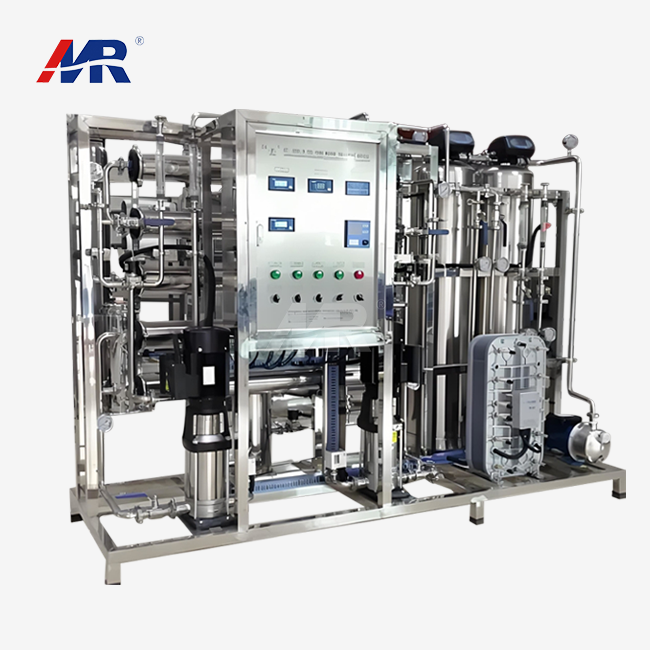
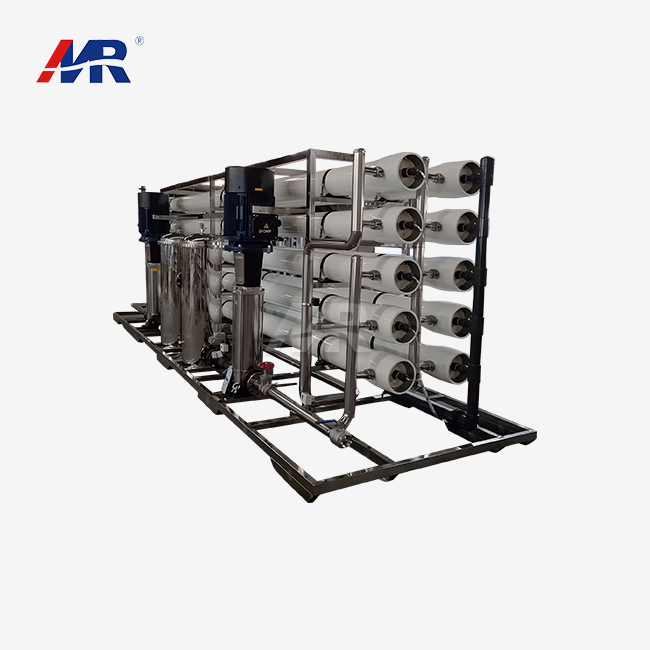
The use of a water softener and RO system in conjunction with one another is a two-stage water treatment strategy that is becoming more favoured by food processing industries. Calcium and magnesium are the hardness minerals that are removed by the softener via the process of ion exchange. On the other hand, the reverse osmosis membrane is responsible for removing up to 99% of dissolved solids, heavy metals, fluoride, and microbiological pollutants. In the context of food-grade operations, this dual configuration handles both the protection of equipment and the safety of Products inside a single water treatment line that is easily controllable. For establishments that are required to adhere to stringent water quality regulations on a daily basis, this is one of the most practical alternatives that is currently available.
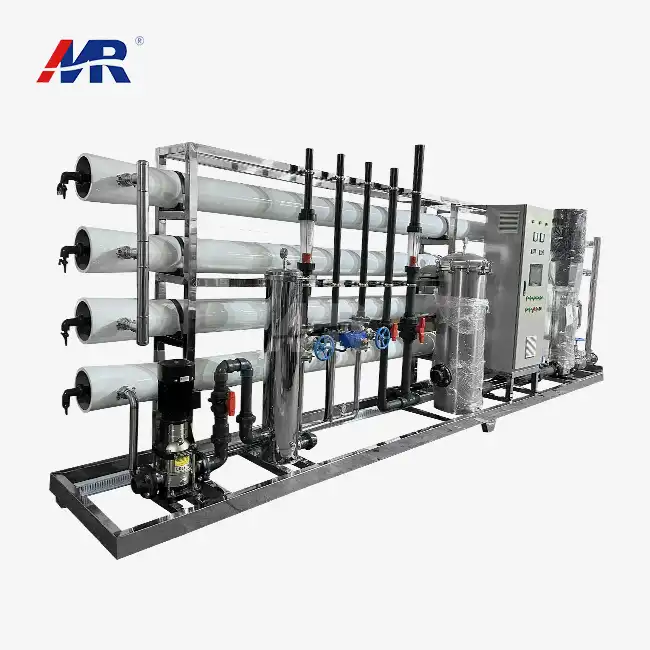
Understanding Water Challenges in Food Processing Plants
The quality of the water used in food processing facilities has a direct impact on the efficiency with which the equipment operates and the consistency of the products. These factories utilise enormous volumes of water on a daily basis. Before purchasing any treatment equipment, it is essential to have a thorough understanding of the issues that are brought about by the water supply that is used on the manufacturing floor.
Hard Water and Scale Buildup
When it comes to the production of food, one of the most prevalent and costly issues is the presence of hard water. The accumulation of calcium and magnesium minerals on the inside of boilers, heat exchangers, and steam lines occurs when these components are subjected to high temperatures. The United States Geological Survey reports that around 85 percent of houses and a significant number of businesses in the United States have hard water. Scale gathers on surfaces and causes equipment to work harder, which in turn increases the amount of money spent on energy and reduces the amount of time that passes between service visits.
Contaminants That Affect Product Safety
In addition to being hard, the water that is used in the production of food may also include chlorine, salt, nitrates, heavy metals, and microorganisms, all of which make it more difficult to adhere to Federal Food, Drug, and Cosmetic Act regulations. It is possible for even minute quantities of certain dissolved materials to alter the flavour of beverages, disrupt the fermentation process, or result in the failure of quality audits. The first step in the process of selecting a treatment method is to get a water research report that has been confirmed, and that includes a list of the different kinds of impurities.
Why Conventional Treatment Falls Short
When it comes to removing all of the dangerous chemicals that are present in municipal or well water that is used for farming, having a simple carbon filter or cooling system is not sufficient. It is possible that you are losing out on certain things if you make use of just one technology. For instance, a softener that operates on its own has the ability to add salt, but it does not alter the dissolved organics. Similarly, a RO unit that operates on its own may have difficulties with membrane fouling in a short amount of time when the source water is hard. Integrated solutions are becoming more popular among facilities since they are aware of the gaps that exist.
How Water Softeners and RO Systems Work Together in Industrial Environments
Installing a water softener and RO system is the most effective technique to safeguard not only the apparatus but also the water's quality. With each instrument performing a function that the others are unable to, they are able to provide outcomes that are dependable and quantifiable.
Ion Exchange as Pre-Treatment
In order to convert the calcium and magnesium ions that are present in the water into sodium or potassium ions, an ion exchange resin is used prior to the water ever reaching the ro membrane. The scaling potential of the feedwater is significantly reduced as a result of this process. In this way, the membrane is directly protected, and the permeate flow rates are maintained at a consistent level over time. RO membranes have the potential to shatter years before their estimated service life if they are not initially softened before being used in environments with a lot of harsh elements.
RO Membrane Filtration for Purity
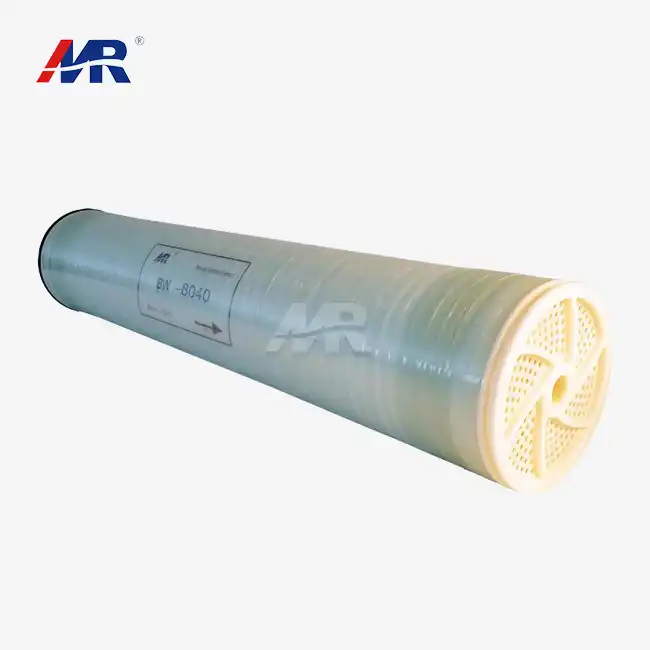
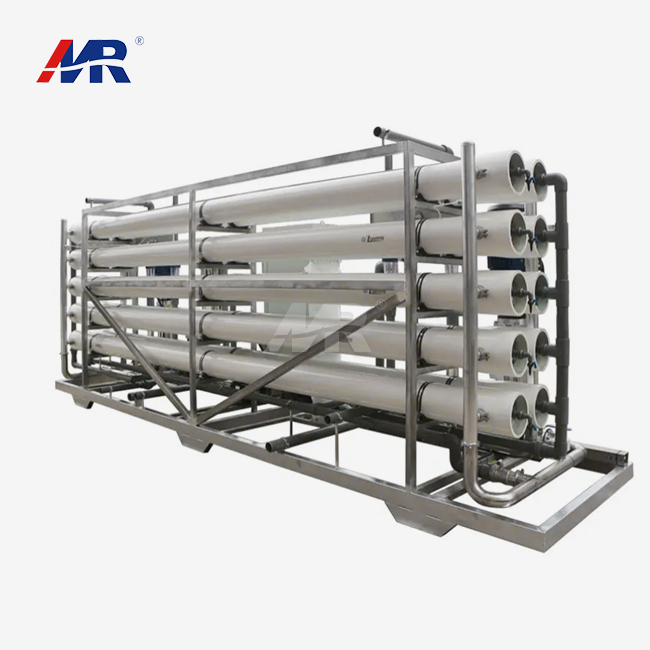
For the purpose of removing total dissolved solids (TDS), fluoride, nitrates, bacteria, and any salt that was left over from the softening step, a semi-permeable barrier that is typically rated at 0.0001 microns is used during the reverse osmosis stage of the water treatment process. The water that is produced is very clean and may be used in a variety of applications, including cleaning-in-place (CIP) systems, the production of ingredients, and direct contact with food. Those food processing facilities that employ this unified procedure claim that their goods have more consistent sensory results and fewer quality rejections owing to water.
System-Level Benefits for Food Plants
There are outcomes that may be obtained by running both systems in sequence that neither tool can provide on its own. The following is a list of the primary speed benefits that this configuration provides you with:
- Softened feedwater decreases mineral fouling, which means RO membranes attain their specified service life of three to five years rather than needing to be replaced prematurely. This results in an extended membrane lifetime overall.
- Scale-free heat exchange surfaces and membranes that operate at rated flux preserve pump energy draw at design levels, avoiding the 10–15% efficiency penalty that is generally introduced by scale accumulation. This results in a lower overall energy consumption.
- RO permeate tests below threshold levels routinely for total dissolved solids (TDS) and heavy metals, which makes water quality documentation for audits simple and clear. This provides support for regulatory compliance goals.
The purchasing team at any food processing plant should strive to achieve two critical goals: a reduction in the total operating expenses and a reduction in the number of unplanned shutdowns. These improvements in performance immediately contribute to these positive outcomes.
Comprehensive Comparison: Water Softener vs RO System for Food Processing
It is common for purchasing professionals to enquire about whether a water softener is sufficient or if a complete RO treatment is required. The response is contingent upon the qualities of the water that is used as a source, as well as the particular locations inside the facility where water comes into contact with various objects.
Cost and Complexity Differences
In addition to having reduced initial expenses, water softeners are also simpler to install. Units of industrial-grade ion exchange, such as those manufactured by Fleck or Runxin (a brand that Morui distributes), have been put through rigorous testing and shown to be effective in high-flow corporate contexts. However, RO systems are superior to softeners in terms of their ability to remove impurities. However, they need a greater initial investment, pressure booster pumps, and more organised maintenance schedules.
Performance Thresholds to Consider
Facilities where water comes into close contact with food, such as those that create beverages, process dairy products, or manufacture canned foods, are often required to have RO-grade purity in order to successfully meet both internal quality requirements and external assessments. When it comes to indirect usage, such as cooling towers or boiler feed, it could be sufficient to just have a water softener.
Selecting the Right Configuration
A certified water quality test, target total dissolved solids (TDS) levels for each end use, flow rate requirements, and budgetary restrictions should all be taken into consideration when making a decision by facilities. The protection of boilers is often handled by a softener, while product-contact lines are serviced by a water softener and RO system that are specifically designed for that purpose. These aspects are taken into consideration by the technical staff at Morui, which then makes recommendations about particular system configurations. One example is the combined ODM packages, which integrate softening and RO in a single machine. Because of this, you won't have to be concerned about purchasing two distinct devices, which will make the process of purchasing simpler.
Best Practices for Installation, Maintenance, and Procurement of Integrated Systems
In order to get the most out of an integrated system, you need to pay attention at every stage, beginning with the site survey and continuing with continuous support.
Site Assessment Before Installation
There is a wide range of variation in the size, flow requirements, and source water profile of a food processing facility. On-site evaluations are carried out by Morui's engineers in order to determine the optimal softener resin capacity, RO membrane count, and booster pump size specifications. There is still a possibility that the membrane may get clogged if you install an RO unit that is the appropriate size before a softener that is too small. A match must be made between the two phases.
Maintenance Schedules That Prevent Downtime
Regular maintenance ensures that both phases continue to function as intended. Instead of being given salt on a predetermined timetable, ion exchange resin should be given additional salt dependent on how much it is utilised. The measurements of the pressure differential, the number of hours that the RO membrane has been utilised, and the quality of the feed water all play a role in determining when it is time to replace the membrane. Morui provides clients who need to make recurrent orders with organised service plans and maintains a collection of spare parts, such as fresh resin, membrane elements, and housings, in order to assist them in reducing the amount of time they have to wait for order fulfilment.
Procurement Criteria for B2B Buyers
When procurement teams for food processing look at alternative sources, they should make certain that all water-contact items have NSF/ANSI Certifications, enquire about the results of tests on the quality of treated water, examine the conditions of the guarantee, and determine whether or not components are accessible. Because Morui has the necessary permits, it is able to fulfill large orders of cartridge housings that comply with NSF standards and plastic refills. Morui also works with original equipment manufacturer (OEM) and original design manufacturer (ODM) clients that want private-label installations or particular mineral production targets. The use of non-disclosure agreements and small-batch validation runs allows them to do this.
Case Studies & Real-World Application Examples
Beverage Plant Scale Reduction
A medium-sized beverage company in the southwestern United States put in a line that treats its main production water with both a softener and a RO system. Within six months, boiler descaling went from happening every three months to once a year, and the cost of replacing the RO membrane dropped by 40% compared to using RO alone on municipal water that hadn't been treated.
Dairy Processing Water Quality Improvement
After multiple membrane fouling events, a dairy processing plant added ion exchange softening before its current RO units. After the installation, the facility consistently recorded permeate TDS below 20 ppm. This made doses of CIP chemicals more reliable and cut the amount of cleaning chemicals used by about 15%.
Coffee Chain Central Water Station
A regional coffee company with a central water treatment station used a post-RO remineralization cartridge to make sure that all of their sites had the same mineral content and brew taste. This was done by adding controlled amounts of calcium and magnesium back into RO-purified water. This type of back-end mineralization cartridge is a product that Morui sells to businesses that serve alcohol.
Conclusion
The two biggest problems with water treatment are scale damage to equipment and the chance of contamination in water that comes into contact with food when a water softener and RO system are integrated. The sequential method keeps RO membranes safe, increases the life of equipment, and constantly makes clean water that can be used in food-grade situations. When businesses buy approved systems that are the right size, they report lower upkeep costs and better records of compliance. When procurement teams are looking at their choices, the best way to move forward is to start with a thorough water study and work with a supplier who can show results in water quality.
Frequently Asked Questions
1. Do all food processing plants need both a softener and an RO system?
Not necessarily. The right configuration depends on source water hardness, TDS levels, and the specific water contact points in your facility. A certified water test is the best starting point for making that decision.
2. How often do RO membranes need replacement in food processing environments?
Membrane service life typically ranges from 2 to 5 years, depending on feed water quality, operating pressure, and flow rates. Facilities running softened feedwater through their RO units generally reach the longer end of that range.
3. Can softened water affect food taste or product safety?
A traditional softener adds a small amount of sodium to treated water. For product-contact applications, a full water softener and RO system removes that added sodium along with other dissolved solids, producing water that meets food-grade purity requirements without affecting flavor profiles.
4. What certifications should I require from a supplier?
For U.S. food processing applications, look for NSF/ANSI 58 certification for RO systems and NSF/ANSI 44 for water softeners. Water-contact materials should also carry NSF 61 approval. Morui can supply documentation to support your compliance review.
Partner with Morui for Your Food Processing Water Treatment Needs
Food-making plants all over the world and in the United States rely on Morui for water softener and RO system options. Morui offers both standard wholesale setups and special OEM/ODM packages as a water softener and RO system maker with its own membrane production plant and certified components. To get a free water quality test and system proposal that fits your facility, email Our Team at benson@guangdongmorui.com.
References
1. U.S. Geological Survey (USGS). Hardness of Water. 2019.
2. Water Quality Association (WQA). Reverse Osmosis Systems: WQA Technical Fact Sheet. 2020.
3. NSF International. NSF/ANSI Standard 58: Reverse Osmosis Drinking Water Treatment Systems. 2021.
4. Food and Drug Administration (FDA). Food Safety Modernization Act (FSMA): Preventive Controls for Human Food. 2016.
5. American Water Works Association (AWWA). Water Treatment: Principles and Practices of Water Supply Operations. 4th ed., 2018.
6. Journal of Food Engineering. Water Quality Management in Food Processing Facilities: Scale, Fouling, and Purification Strategies. Elsevier, 2022.