



Compact Containerized RO Systems for Emergency Water Supply
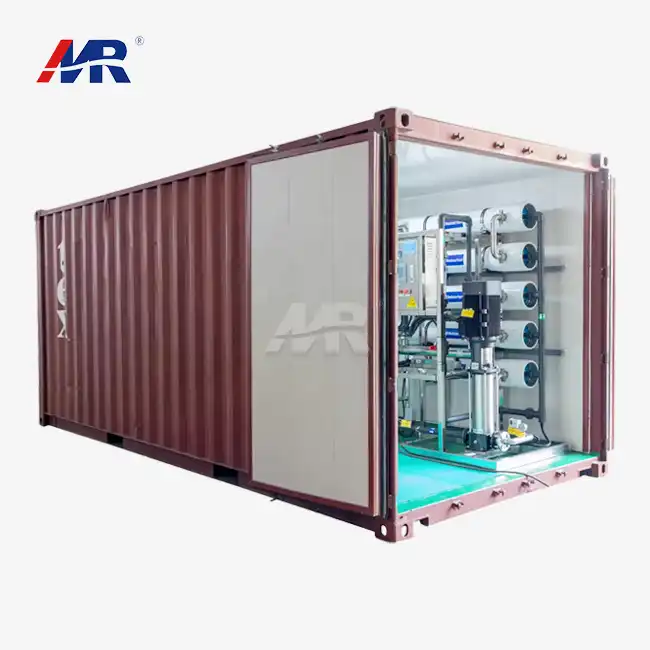
When clean water access fails during a crisis, every hour counts. A containerized ro system offers a direct answer: reverse osmosis purification pre-installed inside a standard ISO shipping container, pre-wired, pre-plumbed, and factory-tested before it leaves the facility. Connect power and a water source, and the unit begins producing safe water almost immediately. With output ranging from 50 to 1,000 m³/day and TDS removal up to 99%, these mobile water treatment units meet WHO and EPA drinking water standards without requiring civil construction or permanent infrastructure.
Understanding Compact Containerized RO Systems
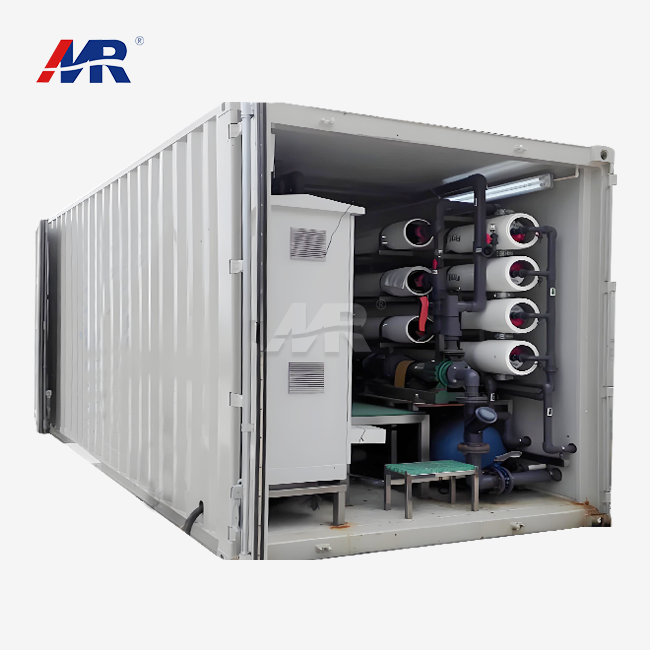
What the System Contains
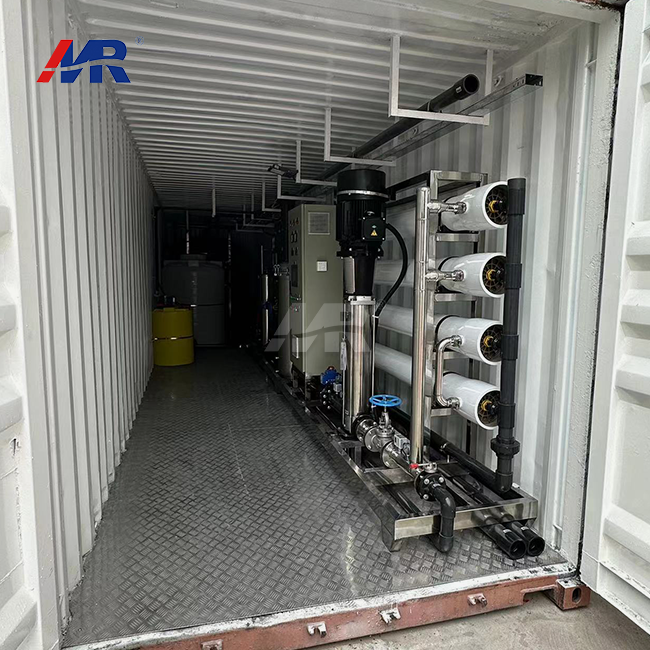
The whole system for treating water is stored in a containerized reverse osmosis unit that is 20 or 40 feet long. Some of the most important parts are the multimedia pre-filters, cartridge filters, high-pressure pumps, RO membrane tanks, a chemical dose station, and an automatic PLC control screen. The unit is made with all the pipes, electrical wiring, and instruments already installed at the plant. It then comes as a single, full package that is ready to connect right away.
How the Treatment Process Works
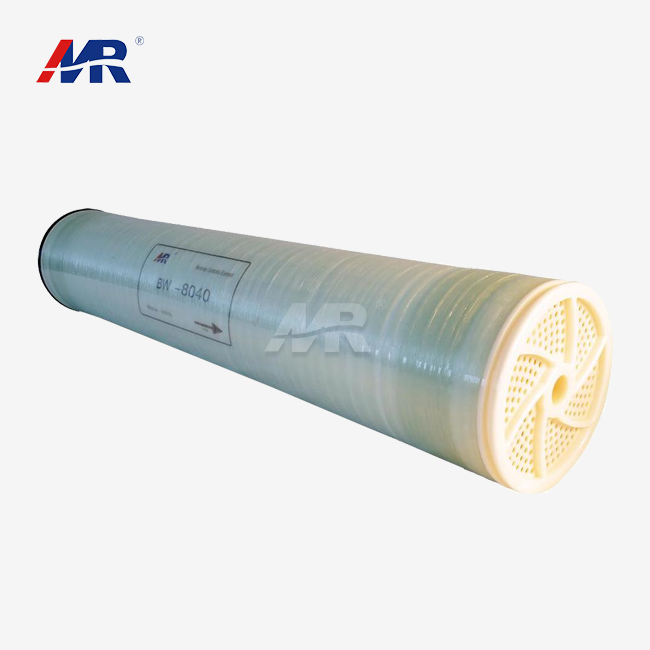
There is a set path that raw water takes when it comes into the system. It gets rid of chlorine, turbidity, and dissolved solids during the pre-treatment step. The water is then pushed by a high-pressure pump through ro membranes that are only partially permeable. These membranes remove impurities as small as 0.0001 micron. The clean water, called permeate, is collected, and the concentrated water is sent out on its own. After cleaning, extra steps can be added, like changing the pH or remineralizing, no matter what the end use is. The automatic control system checks the quality, flow rate, and pressure of the water all the time.
Performance Specifications
Morui's mobile RO units can be set up in a number of different ways to meet your needs. They run on 380V/50Hz power. They can get rid of up to 99% of all dissolved solids and collect up to 75% of the water they process. It filters very well, down to 0.0001 micron, and can get rid of germs, heavy metals, and salts that have dissolved. This number is in line with the WHO Guidelines for Drinking Water Quality (4th edition) and the EPA Secondary Drinking Water Standards. In the U.S. market, they give procurement teams the written success numbers they need to decide what to buy.
Why Choose Compact Containerized RO Systems for Emergency Water Supply?
Limitations of Traditional Methods
Putting in a fixed RO plant takes weeks after the site is surveyed, the supports are built, and the power is made better. It is hard to set up water trucks in crisis zones or mine camps that are far away, and it costs a lot per cubic meter. Neither option can be used quickly if demand goes up all of a sudden. In FEMA's National Response Framework, one of the top three goals after a big disaster is to get the water supply back up and running. But using old ways of doing things makes this take days or even weeks longer than planned.
Plug-and-Play Deployment Advantage
When you have water treatment units that are shipped around, you don't have to wait as long as you would when plants stay in one place. Because the containerized ro system is put together and tested in the factory, the only work that needs to be done on-site is to connect an inlet pipe, a power supply, and a discharge line. Non-governmental organizations that help people in disasters, military support teams, and camp owners for miners have all said that groups are ready to go 24 to 48 hours after they get to the site. In places where people can't get clean water, this speed advantage lowers the health risk right away.
Scalability for Variable Demand
It is possible for a flexible reverse osmosis plant to change its output to match real demand by adding more container units at the same time. A building site with 500 workers could begin with a single 20-foot unit that can make 100 m³ per day. For every extra worker, a second unit is added that connects to the same distribution heading. This approach of incremental capacity keeps the ability to grow without having to rethink infrastructure. It also keeps early investors from putting too much money into a project.
Comparing Containerized RO Systems: Making Your Decision Easier
Containerized vs. Traditional Fixed Plants
Here are the most important things to look at when comparing prices:
- Installation time: Containerized units require 1–2 days on site; fixed plants typically require 4–12 weeks.
- Mobility: Container units ship by flatbed truck, rail, or sea freight and relocate with the project; fixed plants are permanent.
- Space requirement: A 20 ft container occupies roughly 15 m²; a comparable fixed plant may need 200 m² or more of prepared floor space.
- Total cost of ownership: Lower civil and installation costs offset a slightly higher unit price compared to similarly sized permanent installations.
Since these things are different, containerized solutions are best for short-term, remote, or emergency Cases where speed and adaptability are more important than durability.
Choosing the Right Unit Size
Morui has containers that are 20 to 40 feet long. It's great for smaller camps, emergency aid staging areas, or event supplies for a single building. A 20-foot unit can hold between 50 and 250 m³ per day. As much as 1,000 m³/day can be moved by a 40-foot unit, which can be used for large mining operations, emergency backup for towns, or military station supply. When you match the unit size to a realistic demand forecast, you avoid both under-supply and spending money on capital that isn't needed.
OEM and Custom Configuration Options
Morui can make custom process trains with UF+RO, RO+EDI, and seawater desalination configurations for procurement teams with specific project needs. For harsh environments, there are insulation kits for cold places and materials that can handle hot weather. Private-label paperwork and local certification files (CE, NSF, UL) can be made for rental companies and distributors that want to sell in new regions. Morui is a flexible business that can offer containerized RO systems for both standard bulk sales and contracts where the system is personalized for each customer.
Maintenance, Troubleshooting, and Longevity of Compact Containerized RO Systems
Routine Maintenance Schedule
Repairing membranes on a regular basis keeps costs down and makes them last longer. Field teams should take care of the following important things:
- Weekly: Check operating pressure, permeate flow rate, and salt rejection; inspect pre-filter pressure differential.
- Monthly: Replace cartridge filters; verify chemical dosing pump output; inspect all valve seals.
- Annually: Conduct a full CIP (clean-in-place) membrane flush; test automated shutoff functions; calibrate instruments.
The working pressure, the permeate flow rate, the salt rejection, and the pre-filter pressure difference should all be checked once a week.
The cartridge filters should be changed every month, and the chemical dose pump's output should be checked. All valve seals should also be checked. Clean-in-place (CIP) membrane flush should be done once a year, and the automatic shutdown should be tested. The tools should also be made sure to be calibrated.
Common Issues and Fast Fixes
You can keep the containerized ro system running within its design limits and protect the membrane investment, which makes up 30–40% of the total cost of replacing the system, if you stick to this plan.
Expected Service Life and Energy Use
Most of the time, problems in the field are caused by low permeate flow and high TDS in the product water. Most of the time, a drop in flow means that either the membrane or the capsule filter is getting stuck. It will work again after you change the cartridge or do a CIP cycle. A broken O-ring seal in the end cap of a membrane tube is often what causes the TDS to be high. When either of these things happens, Morui's automated control system sends real-time alerts so that operators can fix the problem before it affects the water quality at the distribution point.
Procurement Guide: Buying Compact Containerized RO Systems
Pre-Purchase Checklist
The following should be checked by buying managers before they send out a purchase order:
- Capacity requirement: Daily water demand in m³, peak hourly flow, and anticipated demand growth over the project duration.
- Feed water quality: TDS, turbidity, hardness, and any specific contaminants (iron, silica, biological load) that affect pre-treatment design.
- Power availability: Grid voltage, frequency, and availability of generator backup or off-grid power.
- Deployment timeline: Required delivery date, port of entry, and site access constraints for container delivery.
How much water is needed every day (in m³), how fast the water flows every hour, and how much more water is needed over the life of the project.
Toxins (like iron, silica, or organic load) that change the design of the pre-treatment process are part of the quality of the feed water. "Power availability" refers to the voltage, frequency, and availability of backup generator power or power that is not connected to the grid.
For deployment, you need to know the delivery date, the port of entry, and any limits on how people can get to the spot for container delivery.
Lead Times, Pricing, and Financing
Twenty-foot containerized water treatment units leave the factory thirty to forty-five days after the order is confirmed. Custom setups can take anywhere from 45 to 75 days, depending on how hard the process is. Morui lets rental companies and dealers buy in bulk and pay less than retail. As extras, they also offer packing for sea freight and gifts to help with operations. Operators of water-as-a-service can rent the equipment or pay for it over time. For project-based operations, this means that less money needs to be paid up front.
Post-Purchase Support
Morui's after-sales network includes spare parts that can be sent anywhere in the world, operation manuals that can be read in multiple languages, and remote monitoring through a PLC that is connected to the cloud. Commissioning can be done at the spot in most places. Thanks to ISO 9001 certification, every unit that leaves the plant meets recorded quality standards. Every shipment comes with test reports on the quality of the treated water. This is necessary for buyers in the EU and the US, who need proof of certification and compliance before they can accept the goods.
Conclusion
Selecting the correct containerized ro system may assist in providing a stable water supply in emergency response, isolated industrial operations, construction camps, and other sites where permanent infrastructure is hard to develop. Morui’s containerized solutions, with factory-integrated equipment, adjustable treatment capacity, and speedy on-site deployment, are a feasible alternative to typical permanent water treatment facilities. Procurement teams may evaluate factors such as daily water consumption, feed water quality, power availability, maintenance requirements, and supply schedules before purchase to pick a system that fulfills current demands and has opportunity for future development. Morui offers customizable designs, commissioning assistance, replacement parts, and water quality test results
FAQ
1. How quickly can a containerized RO unit be operational after delivery?
Most units reach full production within 24 to 48 hours of arriving on site, assuming power and a water source are available. No civil construction is needed.
2. What water sources can these systems treat?
Morui's mobile RO units can treat municipal tap water, brackish groundwater, river water, and seawater depending on the process configuration selected. Feed water quality testing is recommended before final system specification.
3. Do the systems comply with U.S. drinking water standards?
The systems are designed to meet EPA and WHO drinking water quality guidelines. NSF and CE certification documentation is available upon request for specific configurations.
4. Can the system run on generator power in off-grid locations?
Yes. The power supply is customizable. Generator-compatible configurations and off-grid packages are standard options. Morui's engineering team can size a generator package based on the selected unit capacity.
5. What happens if a membrane fails in the field?
The automated control panel triggers an alert when membrane performance drops below set thresholds. Replacement membranes are stocked in Morui's global spare-parts network, and the modular vessel design allows field replacement without specialized tools.
Request a Quote from Morui — Containerized RO System Manufacturer
Morui designs and builds containerized ro system containers that can be plugged in and used in cities, mines, construction sites, and emergency situations. The business has its own facility for making membranes and employs 500 people. Talk to our staff to get a standard sheet, a test report on the water quality, or a price that is made just for your project. If you want to buy right away, please email us at benson@guangdongmorui.com.
References
1. World Health Organization. Guidelines for Drinking-water Quality, 4th Edition. WHO Press, 2017.
2. U.S. Environmental Protection Agency. National Primary Drinking Water Regulations. EPA, 2023.
3. Federal Emergency Management Agency. National Response Framework, 4th Edition. FEMA, 2019.
4. Metcalf & Eddy / Tchobanoglous, G. et al. Water Reuse: Issues, Technologies, and Applications. McGraw-Hill, 2007.
5. Mickley, M. Membrane Concentrate Disposal: Practices and Regulation. U.S. Bureau of Reclamation, 2006.
6. Fritzmann, C. et al. "State-of-the-art of reverse osmosis desalination." Desalination, Elsevier, 2007.
 VIEW MOREcontainerized ro system
 VIEW MOREedi system in water treatment
 VIEW MOREcontainerized ro systems
 VIEW MOREwaste water treatment system
 VIEW MOREcontainer seawater desalination equipment
 VIEW MORE100m3/hour reverse osmosis system
 VIEW MORE50m3/hour reverse osmosis equipment
 VIEW MORE8040 reverse osmosis membrane