

_1745823981883.webp)

Can Reverse Osmosis Systems Remove PFAS and Heavy Metals Safely?
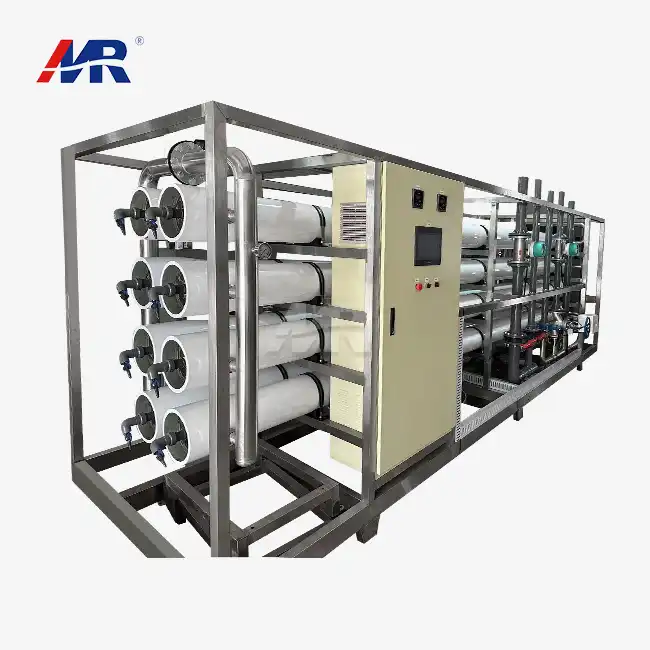
Yes, reverse osmosis drinking water filter systems effectively remove PFAS and heavy metals through a semi-permeable membrane that operates at the molecular level. These systems achieve TDS rejection rates between 95% and 98%, successfully filtering out contaminants including lead, mercury, arsenic, and PFAS compounds. The filtration process relies purely on physical separation without chemical additives, making it one of the safest water purification technologies available. Studies confirm that properly maintained RO systems deliver consistent contaminant removal while meeting NSF/ANSI 58 certification standards for drinking water safety.
Understanding Reverse Osmosis Systems and Their Filtration Capabilities
The Science Behind RO Membrane Technology
Putting pressure on water and pushing it through a Thin Film Composite (TFC) barrier with holes that are usually 0.0001 microns wide is how reverse osmosis works. Heavy metals, PFAS compounds, dissolved salts, and other impurities are effectively trapped by this semi-permeable barrier, which blocks contaminants bigger than water molecules. On one side, the process is always working, making clean water, and on the other, the reject stream flushes away concentrated contaminants. Pressures in industrial RO systems can be anywhere from 40 to 100 PSI, based on the quality of the feed water and the amount of water that needs to be produced.
Removal Efficiency for PFAS Contaminants
Because they stay in water supplies for a long time, PFAS compounds, which are sometimes called "forever chemicals," pose serious health risks. Water quality labs have released research showing that ro membranes get rid of 90–99% of PFAS molecules, such as PFOA and PFOS types. How well it works depends on the type of membrane, the working pressure, and the lengths of the PFAS chains. Shorter-chain PFAS may need extra carbon pre-filtration to get the best removal rates. In particular, this two-stage approach works well for industrial facilities that process water for making medicines or drinks.
Heavy Metal Filtration Performance
Even in small amounts, heavy metals like lead, cadmium, chromium, and mercury can be harmful to your health right away. RO systems regularly get rid of more than 95% of these metal contaminants. Metallic ions can't get through the membrane because its molecules are so close together. This makes sure that it meets EPA drinking water guidelines. Testing data from local water treatment plants shows that systems that are set up correctly can keep these removal rates even when millions of gallons are handled. This means that systems can be trusted to protect industries from food processing to semiconductor manufacturing.
Comparing Reverse Osmosis with Other Filtration Technologies
Carbon Filtration Versus Membrane Separation
Through adsorption, activated carbon filters are great at getting rid of chlorine, volatile organic compounds, and taste-related impurities. Carbon media, on the other hand, can't successfully catch dissolved heavy metals or PFAS at the same amounts that RO membranes can. A lot of corporate water treatment setups use both carbon pre-filters and RO systems together to get rid of both organic and inorganic pollutants. This step-by-step method extends the life of the membrane by getting rid of chlorine, which would otherwise break down TFC material, while also cleaning the water completely.
Ultraviolet Treatment Limitations
Using certain wavelengths of light, UV disinfection systems kill bacteria, viruses, and other microorganisms. UV technology is very good at killing living things, but it doesn't get rid of chemical pollution, dissolved solids, or particles. UV is often added as a cleaning step after RO for facilities that need microbiologically safe water that is free of toxic contaminants. This combination protects in two ways: membrane filtration gets rid of chemicals, and UV light kills all microbes.
Ultrafiltration Applications and Constraints
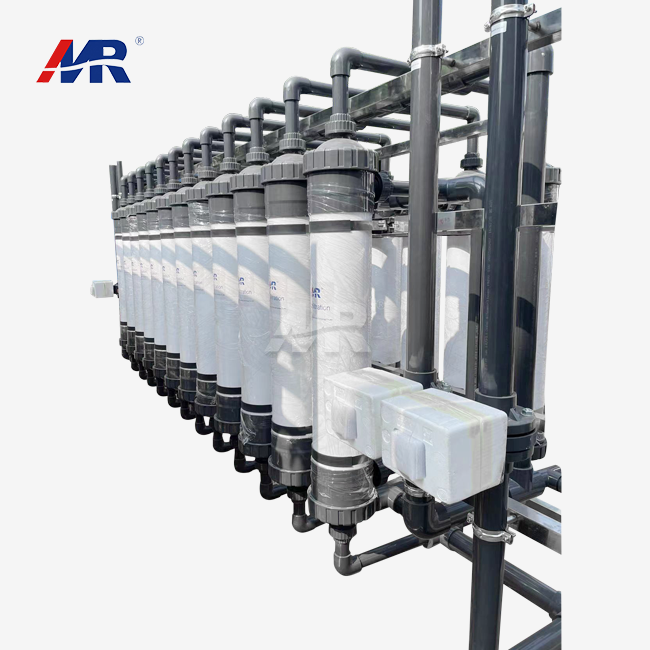
Ultrafiltration screens with holes that are 0.01-0.1 microns wide remove suspended solids, germs, and some viruses very well. UF, on the other hand, can't stop dissolved salts, heavy metals, or PFAS molecules from passing through its bigger pores. UF is usually used as a pre-treatment step before RO stages in industrial processes that need to remove particles and clean chemicals. Using this setup keeps RO filters from getting clogged and gets rid of all contaminants, no matter what size.
Benefits and Challenges of Using RO Systems for PFAS and Heavy Metal Removal
Operational Advantages for Industrial Applications
Implementing a reverse osmosis drinking water filter system has clear advantages in industrial settings. When process water has few minerals in it, scale doesn't form as easily in boilers, cooling systems, and production machinery, which makes equipment last longer. Pharmaceutical facilities get GMP-grade water quality all the time, so there is no variation from batch to batch. Companies that make electronics get the ultrapure water that is needed to make chips, where even small amounts of metal can cause problems. A Californian company that makes drinks said that after adding RO treatment, their equipment upkeep costs dropped by 40%. This shows that the system has real financial benefits beyond improving water quality.
Water Recovery and Energy Considerations
Most RO systems get back 50–75% of the feed water as pure permeate and throw away the rest as concentrate that still has contaminants in it. This recovery ratio changes the costs of running the business and the rules for managing wastewater. The type of system used affects how much energy it uses. For example, portable direct-flow designs with high-pressure pumps use more electricity than tank-based systems that only work sometimes. Modern designs that use energy recovery devices can get the pressure back from the concentrate stream, which cuts the total amount of power needed by 30 to 60 percent. When looking at system specs, industrial buyers should add up the total cost of ownership, which includes costs for energy, water, and waste removal.
Investment and Maintenance Planning
Quality RO equipment costs a lot of money. Depending on their capacity, industrial systems can cost anywhere from tens of thousands to millions of dollars. Long-term benefits, on the other hand, include following the rules, keeping product quality high, and lowering the risk of being sued for polluted water. Preventive maintenance needs, mostly replacing and cleaning membranes every two to five years, are still predictable and easy to handle with the right tracking. Facilities that plan their budgets for Products and service contracts get the most out of their system downtime and performance stability.
How to Choose and Procure the Right Reverse Osmosis System for Your Business Needs
Assessing Your Contamination Profile and Volume Requirements
Before choosing tools, you should do a full water test to find out what toxins are in it, how concentrated they are, and how they change with the seasons or production cycles. Because PFAS compounds are found at parts-per-trillion levels, they can only be found through specialized lab analysis. Heavy metal levels depend on where you are and how old the equipment is. The flow rate that is needed depends on when it is being used at the same time, when it is being made, and when demand is highest. A pharmaceutical facility might need 500 GPD of continuous capacity with storage reserves, while a lab might only need 100 GPD of capacity that is available on demand. Accurate assessment stops both under-specification, which leads to a lack of supply, and over-specification, which wastes money.
Certification and Compliance Verification
Industrial reverse osmosis drinking water filter system equipment should have NSF/ANSI 58 certification, which proves that the RO system works, and NSF/ANSI 372 certification, which proves that the products are free of lead. For medical uses, systems need to meet more USP standards, and for food preparation sites, systems need to meet FDA standards. Requesting test reports from a third party that list specific rates of contaminant removal is an objective way to confirm performance. When manufacturers offer complete certification paperwork, it shows that they care about quality and regulations, which are important factors for industrial procurement decisions.
Supplier Selection and Support Capabilities
When picking a seller, you need to look at their professional knowledge, service infrastructure, and long-term availability. Companies with their own engineering teams can make systems fit specific needs, and companies with regional service networks can make sure that maintenance needs are met quickly. Guangdong Morui Environmental Technology Co., Ltd. has over 14 offices, 500 workers, and 20 skilled engineers who support projects in a wide range of industries. This shows that the company has a lot of different skills. Their factories that make membranes and tools can make both standard goods and custom solutions. Supplier partnerships with part makers like Shimge Water Pumps and Runxin Valves show that supply chains are set up and will make parts available reliably for the life of the equipment.
Maintenance and Long-Term Management of RO Systems
Establishing Preventive Maintenance Schedules
How long a membrane lasts is directly related to how well it is maintained and what kind of water it is fed. To keep particles from building up on RO membranes, pre-filter cartridges usually need to be replaced every 6 to 12 months. If you take good care of them, the RO membranes last between 2 and 5 years. After that, they start to work less well, which can be seen in lower flow rates or higher TDS in the permeate. By keeping an eye on important factors like feed pressure, permeate quality, flow rates, and differential pressure, you can find out what repairs need to be done before they break down completely. To get flux rates back to normal, facilities that handle water with a lot of dirt may need to clean their membranes every three months with chemicals approved by the maker.
Performance Monitoring and Quality Assurance
By adding inline conductivity meters, you can get real-time feedback on how well the purification is working, and you can set up alerts to go off when the TDS level goes over certain limits. Automated monitoring systems keep track of performance data, which lets you look at trends and find patterns of gradual decline. Regular grab samples sent to certified labs make sure that contaminants like PFAS have been removed, which conductivity meters can't see. This two-step process—constant surrogate tracking plus regular thorough testing—ensures consistent water quality while maximizing the time between repair visits.
Troubleshooting Common Operational Issues
Usually, sudden drops in flow rate mean that the membrane is getting clogged or scaled and needs to be cleaned with chemicals. A drop in permeate quality could mean that the membrane is damaged or that the O-ring has failed, letting the flow through. If the concentrate flow is high, it means that there are problems with the pressure regulator or the check valve. Keeping detailed repair logs helps techs figure out why problems keep happening and fix them. Training programs offered by suppliers teach building staff how to diagnose problems, which lowers the need for outside service calls for common issues. Manufacturers can provide proactive support by analyzing performance data and suggesting changes before big problems happen thanks to remote monitoring.
Conclusion
Reverse osmosis drinking water filter systems have been shown to remove PFAS and heavy metals reliably in industrial settings. The technology gets rid of 95–98% of dissolved contaminants through physical filtering methods that don't need any chemical additions. RO systems can help with long-term water quality issues in manufacturing, pharmaceutical, food preparation, and lab settings if they are properly chosen, installed, and kept. Accurate system size, high-quality parts, and regular preventative maintenance are all important for success. Companies that buy certified equipment from reputable sellers get better water quality right away and long-term operational benefits that protect product integrity, regulatory compliance, and public health.
Frequently Asked Questions
1. How effectively do RO systems remove different PFAS compounds?
RO membranes can get rid of 90–99% of most PFAS chemicals, but how well they work depends on the size of the molecules. PFAS with longer chains, like PFOA and PFOS, have higher rejection rates of over 95%. Shorter-chain versions, on the other hand, may need extra carbon filters to be removed completely. Testing your water supply on a regular basis makes sure that it is working well for certain PFAS profiles.
2. Is water from RO systems safe for immediate consumption?
It is safe to drink water that has been processed through RO systems that have been properly maintained and meet NSF/ANSI 58 standards. The physical filter doesn't use any chemicals, so it gets rid of contaminants without adding anything new. Mineral remineralization steps are added by some facilities to replace the good minerals that are lost during cleaning. However, this is still optional based on the needs of the application.
3. What energy costs should industrial facilities expect?
How much energy is used depends on the size of the system, the quality of the feed water, and how it was designed. Most tankless systems with high-pressure pumps use between 0.5 and 2 kWh for every 1000 gallons they make. In bigger systems, energy recovery devices cut use by 30 to 60 percent. To get exact prices, you need to look at local energy rates and the amount of production that is expected during the planning phase of procurement.
Partner with Morui for Industrial-Grade Water Treatment Solutions
Guangdong Morui Environmental Technology Co., Ltd. designs and builds reverse osmosis drinking water filter systems that work well in harsh industrial settings. Our engineering team has a lot of experience with applications in the pharmaceutical, food processing, electronics manufacturing, and municipal water treatment fields. As a full-service maker of reverse osmosis drinking water filter systems, we offer turnkey solutions that include making the equipment, installing it on-site, commissioning it, and providing ongoing expert support.
Our factories make high-performance membranes and put together high-quality parts from reputable suppliers like Shimge Water Pumps, Runxin Valves, and Createc Instruments. This vertical merger makes sure that quality is controlled all along the supply chain and that prices stay low. We offer responsive local service backed by deep technical expertise through 14 branches that serve clients in multiple regions and 500 dedicated employees.
Our Team creates the best solutions for your facility's specific contaminant problems and operational needs, whether it needs small lab systems or large industrial installations that process thousands of gallons of water every day. Get in touch with our technical experts at benson@guangdongmorui.com to talk about your water treatment needs and get a plan for a system that fits your needs.
References
1. United States Environmental Protection Agency. (2021). Drinking Water Treatment Technologies for PFAS: What Drinking Water Utilities and States Need to Know About Treatment Options. EPA Report 815-F-21-002.
2. Tang, C.Y., Fu, Q.S., Criddle, C.S., & Leckie, J.O. (2007). Effect of Flux on Rejection of Trace Organic Contaminants by Reverse Osmosis Membranes. Environmental Science & Technology, 41(7), 2008-2014.
3. National Science Foundation International. (2019). NSF/ANSI Standard 58: Reverse Osmosis Drinking Water Treatment Systems - Certification Requirements and Test Methods.
4. Bellona, C., Drewes, J.E., Xu, P., & Amy, G. (2004). Factors Affecting the Rejection of Organic Solutes During NF/RO Treatment—A Literature Review. Water Research, 38(12), 2795-2809.
5. American Water Works Association. (2020). Reverse Osmosis and Nanofiltration Manual of Water Supply Practices M46, Second Edition. Denver: AWWA.
6. World Health Organization. (2017). Guidelines for Drinking-water Quality: Fourth Edition Incorporating the First Addendum. Geneva: WHO Press.
 VIEW MOREindustrial ultrafiltration systems
 VIEW MOREelectrodeionization edi system
 VIEW MOREcontainer reverse osmosis equipment
 VIEW MOREro uf filter
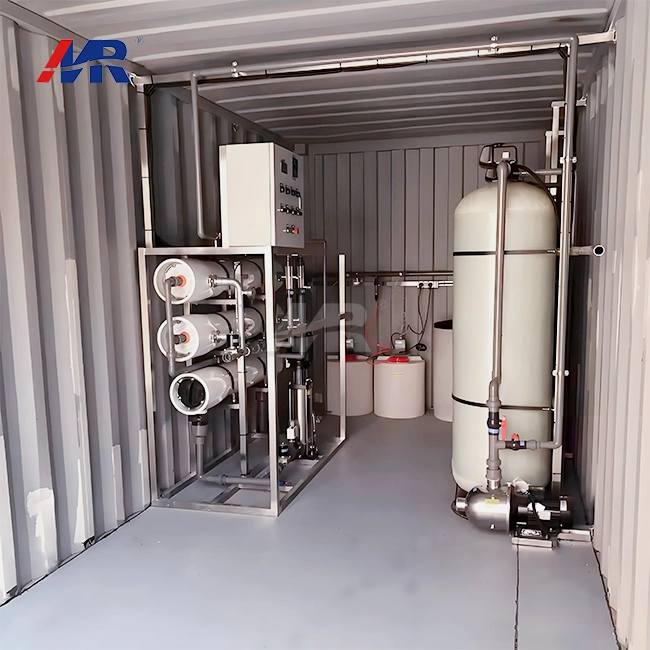 VIEW MOREcontainerized water treatment systems
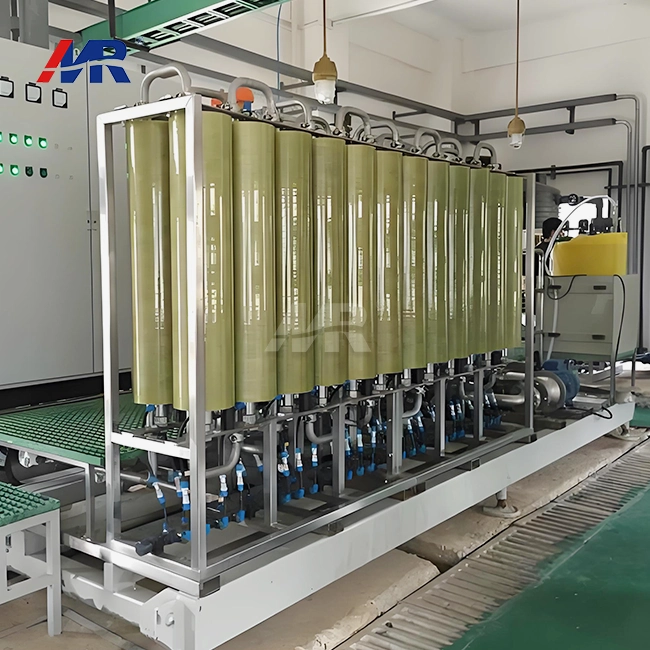 VIEW MOREDisc Tube Reverse Osmosis
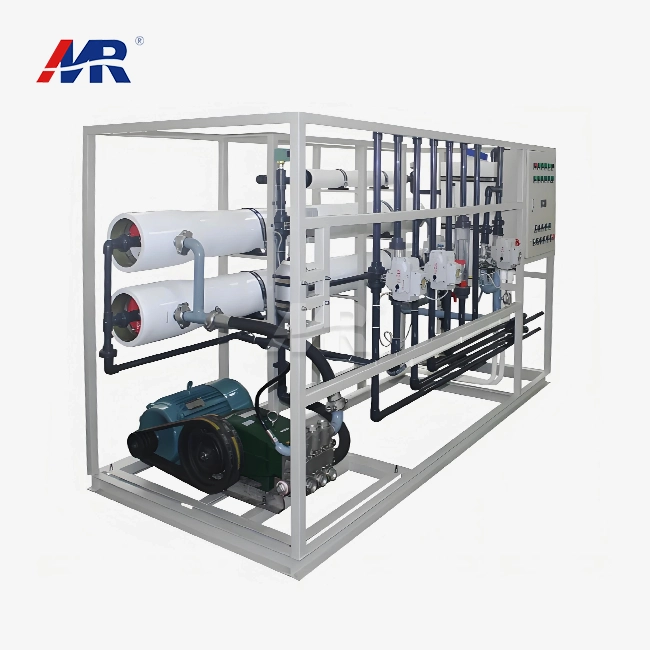 VIEW MOREseawater desalination pre-treatment
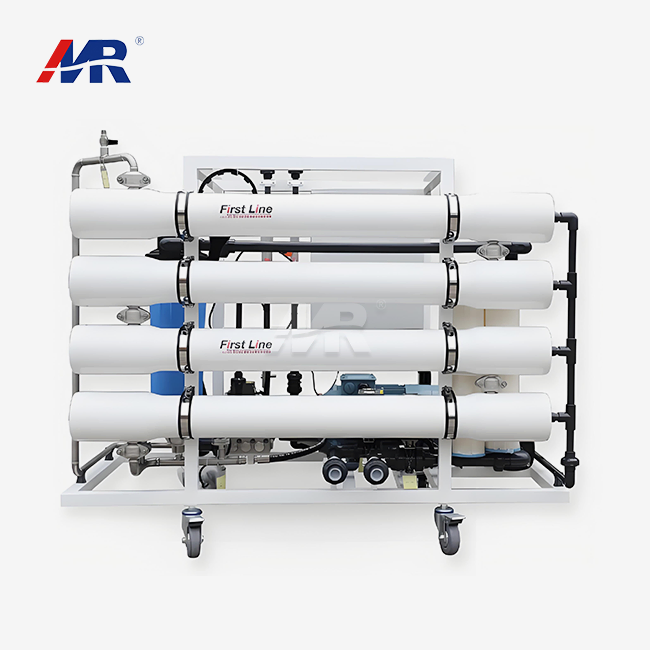 VIEW MOREseawater desalination system
