_1745823981883.webp)

How to Properly Size a Modular Water Treatment Plant for Remote Sites
Sizing a modular water treatment plant correctly from the start prevents costly operational disruptions and ensures compliance with environmental regulations. The key lies in accurately assessing your water demand, understanding source water quality, and selecting equipment configurations that balance capacity with space constraints. Remote locations demand compact, energy-efficient systems capable of functioning reliably under logistical challenges—this is where modular designs excel by offering scalability and rapid deployment without sacrificing treatment performance.
Understanding the Basics of Modular Water Treatment Plants
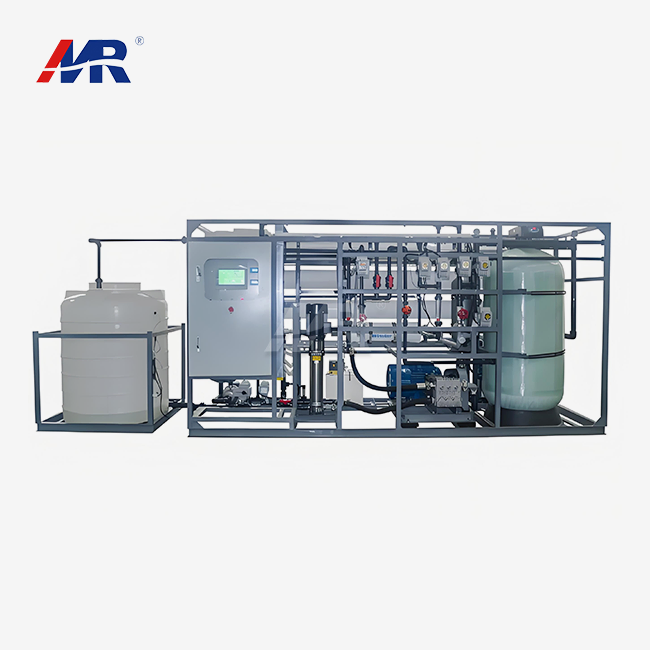
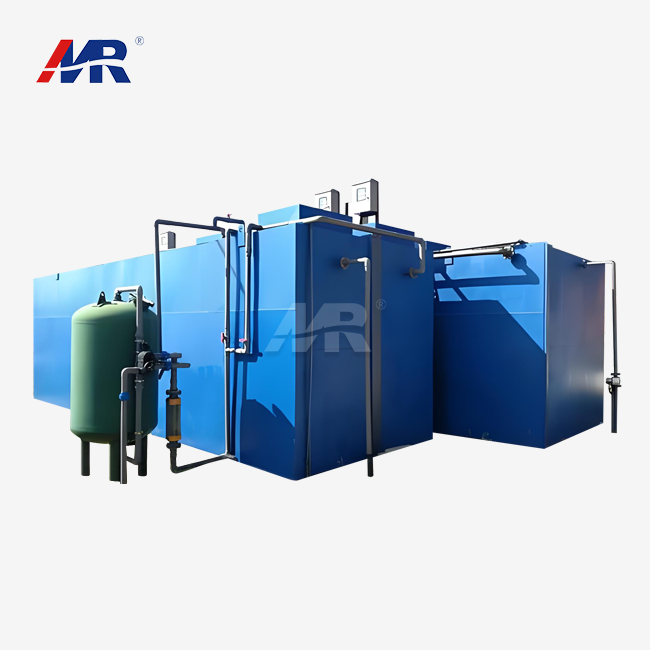
Modular water treatment systems are very different from traditional centralized facilities. They are especially useful for disaster relief, decentralized manufacturing sites, and industrial operations that are far away. Unlike regular plants that need a lot of civil construction, these pre-engineered units come ready to be put together quickly.
What Makes Modular Systems Different
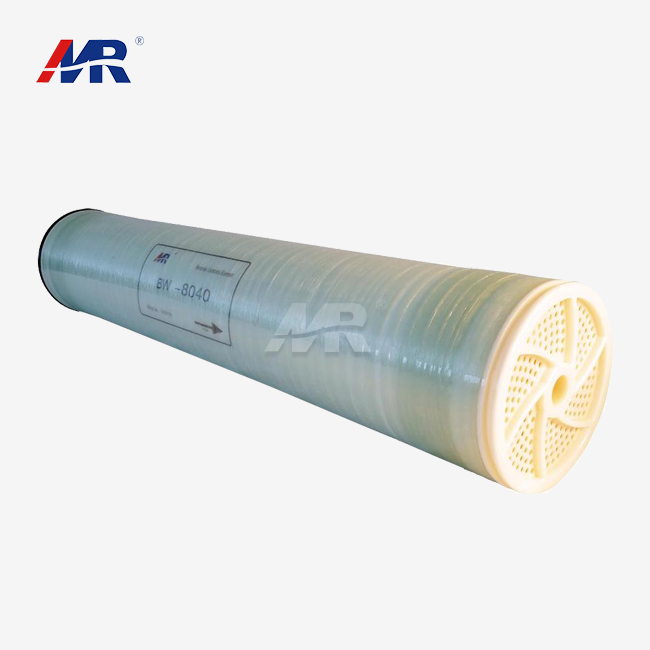
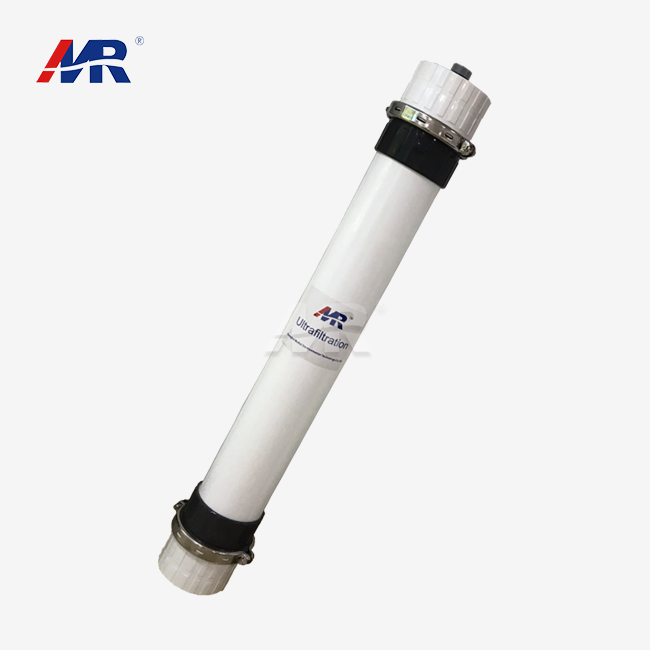
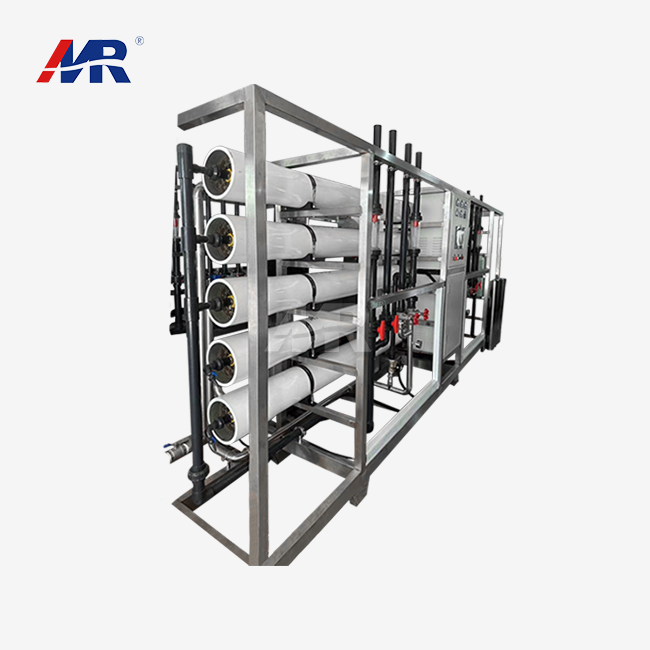
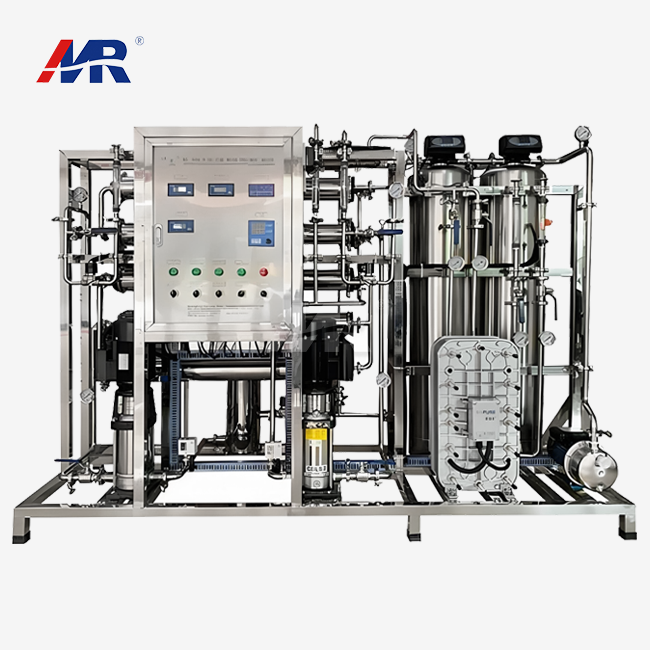
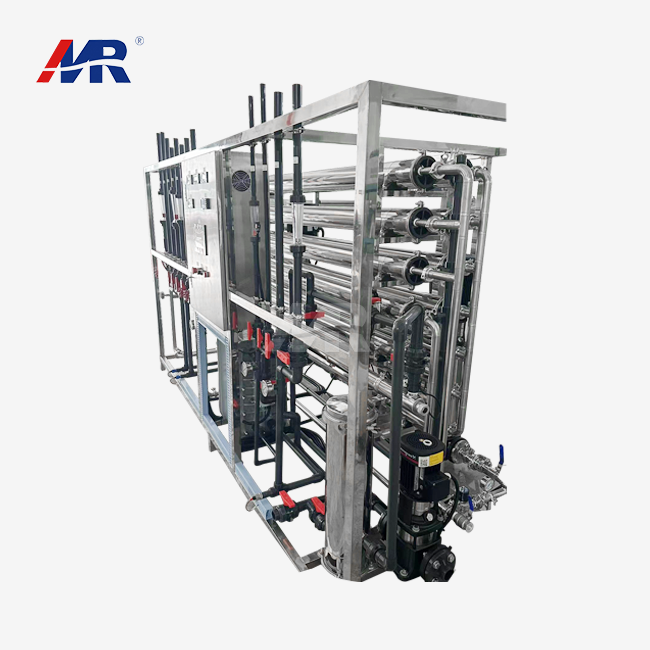
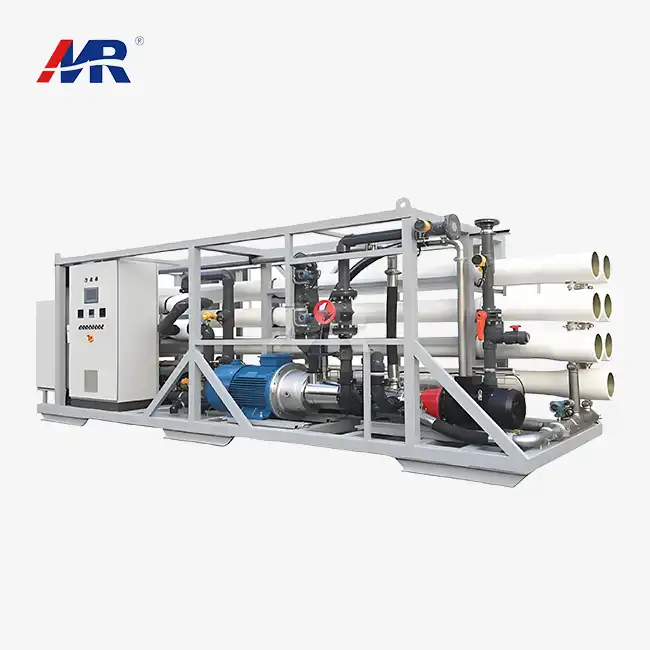
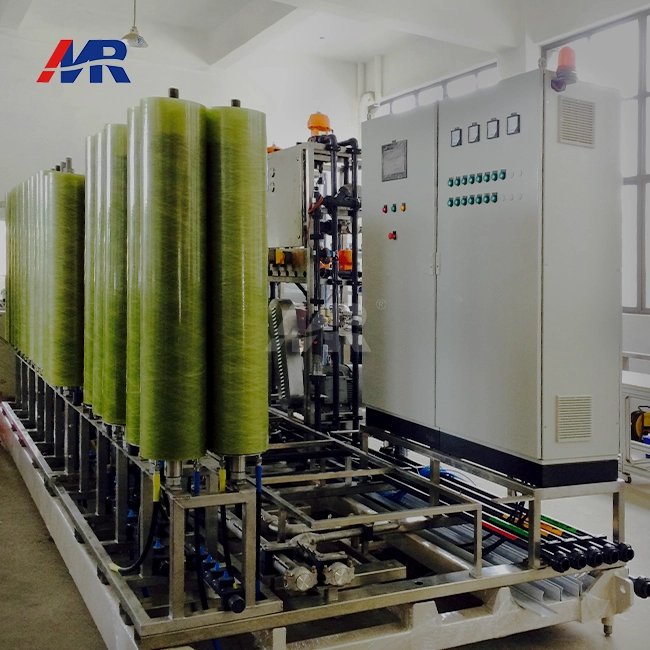
Modular units use modern membrane technologies like reverse osmosis (RO), ultrafiltration (UF), and membrane bioreactors (MBR) and are put together in standard frames or Cases that can be moved around. The design philosophy is based on plug-and-play functionality, which lets workers set up treatment lines based on the profiles of specific contaminants. Making parts in controlled factories makes sure that the quality is always the same and meets foreign standards such as ASME for pressure tanks and NSF/ANSI for drinking water parts.
Core Advantages for Remote Deployment
One benefit that stands out is how well it uses space. Modular configurations take up 40–60% less space than traditional systems that do the same job. This is very helpful when working in mining camps, on platforms at sea, or in factories in cities that don't have a lot of room. Energy use is usually between 0.3 and 0.5 kWh per cubic meter, which means lower costs to run the plant over its lifetime.
Rapid starting times are another thing that makes these systems stand out. Unlike traditional plants, which can take 12 to 18 months from design to operation, modular alternatives can be fully operational 8 to 12 weeks after delivery. This speed is very important in emergencies or when project deadlines have a direct effect on making money.
Because modular design is scalable, owners can start with a base level of capacity and add to it gradually as demand rises. Adding treatment units cuts down on downtime and keeps engineers from having to guess what will happen decades from now, which is a common problem in standard projects.
Technology Integration
Modern modular systems have fully automatic PLC/SCADA control platforms that let maintenance and tracking be done from afar. From central control rooms, operators can change treatment settings, get maintenance alerts, and keep an eye on performance measures. This means that technicians don't have to be on-site all the time, which is very helpful in remote areas where skilled workers aren't always available.
Key Factors to Consider When Sizing a Modular Water Treatment Plant
To get the right size, you need to carefully consider a lot of factors that affect both the initial investment and the business's ability to stay open in the long run. Treatment bottlenecks happen when capacity is underestimated, and costs and energy waste go up when capacity is overestimated.
Analyzing Source Water Characteristics
Comprehensive tests of the water quality should be the first step in any size process. Total dissolved solids (TDS), biological oxygen demand (BOD), chemical oxygen demand (COD), total suspended solids (TSS), turbidity, and the concentrations of different contaminants determine the treatment steps and membranes that need to be used. Industrial wastewater from making chemicals is very different from salty groundwater used for irrigation, so the processes need to be set up in different ways.
Seasonal changes in the quality of the source water are also important to note. Agricultural sites that are far away may have turbidity levels that change a lot from wet to dry seasons, which means that buffer capacity or pre-treatment adjustments may need to be made. Coastal saltwater desalination projects have to take weather changes into account because they affect how well the membrane works and how much energy it needs.
Determining Flow Capacity Requirements
Predicting demand correctly avoids both operational shortfalls and wasteful capital expenditure. Start by writing down:
- Peak hourly demand for a modular water treatment plant is the amount of water that is used at its highest rate during production spikes or shift changes. It is measured in cubic meters per hour. Food processing plants with set production windows and pharmaceutical facilities that use ongoing batch processes have different peak trends.
- Average daily demand: The total amount of water used split by 24 hours, is used as a starting point for choosing modules. Systems with capacities between 50 and 10,000 m³/day can be used for a wide range of tasks, from small bottling businesses to public water systems that serve remote areas.
- Plans for future growth: Adding 20–30% capacity headroom allows for business growth without having to replace systems right away. When you compare the cost of phased growth to rebuilding standard infrastructure, modular design wins.
Regulatory Compliance and Quality Standards
Water quality and release rules are still very strict in remote places. Ultrapure water that meets GMP standards is needed for pharmaceutical and biotechnology operations. Deionized water with a resistance of more than 15 megohm-cm is needed for electronics manufacturing. EPA Safe Drinking Water Act guidelines or local rules that are similar must be followed by municipal drinking water projects.
Knowing these standards ahead of time makes sure that the chosen modular configuration includes the right steps for polishing, like electrodeionization (EDI) modules for semiconductor applications or advanced oxidation processes for pharmaceutical effluent. Our systems regularly get rid of up to 99% of BOD, COD, and TSS, making sure they are in line with a wide range of legal standards.
Step-by-Step Process to Properly Size Your Modular Water Treatment Plant
A disciplined sizing methodology turns complicated needs into equipment specifications that can be used. This makes sure that technical capabilities and operational realities are in line with each other.
Step 1: Conduct Detailed Water Demand Analysis
First, get usage data from the past that goes back at least a year to find trends and high-demand times. Talk to the operations managers to find out about production schedules, changes that happen with the seasons, and planned increases in capacity. Write down the demands that are coming from multiple processes at the same time. For example, a chemical plant may need process water, cooling tower makeup, and potable water for facilities all at the same time.
Use the formula Required Capacity (m³/day) = Peak Daily Consumption + Safety Margin (20–30%) to find the flow rate that is needed. This cushion can handle sudden increases in demand and gives repair workers more options without stopping operations.
Step 2: Perform Comprehensive Source Water Testing
Hire accredited labs to test the source water for the things that matter. In addition to standard measurements like pH, TDS, and turbidity, you should also check for contaminants that are unique to your area, such as heavy metals near industrial areas, farming chemicals in rural areas, or hydrocarbons near petrochemical facilities. Biological pollutants are just as important; for example, the presence of coliform bacteria requires strong cleaning steps.
The test results help choose the membrane and decide what kind of pre-treatment is needed. High-turbidity water needs to be screened first, and then grit and sediment are removed. Low-turbidity brackish water can go straight to RO filters with little to no pre-treatment.
Step 3: Define Treatment Objectives and Module Configuration
Turn standards for water quality into clear treatment goals. Name the contaminant amounts you want to see in the cleaned wastewater or product water. Will the system make drinkable water, process water that meets certain industry standards, or effluent that can be dumped? Different levels of intensity are needed for each goal.
Match medical tools to goals. Preliminary treatment (screening and grit removal), primary treatment (sedimentation), secondary treatment (biological processes), advanced MBR filtration, and disinfection are the steps that are usually taken to treat wastewater. When ultrapure water is used, EDI polishing and UV decontamination steps are added.
Modular solutions are great because they let you make your own treatment plans. Operators can set up modules in parallel for redundancy, which keeps things running while maintenance is done, or they can set them up in series for staged contamination removal, which increases efficiency.
Step 4: Calculate Energy Consumption and Lifecycle Costs
Energy costs are a big part of running a business, especially in rural areas where power is expensive or where generators are needed. Check the possible systems' energy use, which should be shown in kilowatt-hours per cubic meter cleaned. Our modular solutions use only 0.3 to 0.5 kWh/m³, which is a lot less than many other options on the market.
Total lifecycle costs should include money spent on capital, energy used, membrane replacement times, chemical additions, and maintenance staff. Because they are more efficient and the parts last longer, modular systems usually have lower overall costs of ownership, even if they cost more to buy at first.
Step 5: Plan Logistics and Installation Requirements
The success of a remote deployment depends on how well the logistics are planned. Check that the routes that will be used can fit the size and weight of the modules, taking into account any restrictions on the roads, bridges, and ceiling heights. Coastal and island projects may need to be moved by boat or chopper, which changes the largest module size that can be used.
Look at what needs to be done for on-site assembly. Fully containerized systems require only utility hookups and setup, which cuts down on the work that needs to be done in the field. Larger systems may be shipped as subassemblies that need to be put together. This lowers the cost of shipping while keeping the benefits of quick deployment.
Work with modular water treatment plant suppliers who have a lot of experience and offer full installation services. With more than 500 workers and 20 specialized engineers, Guangdong Morui Environmental Technology offers full support from site inspection to commissioning. Its 14 regional branches make sure that customers in a wide range of areas can get service quickly.
Comparing Modular Water Treatment Plants With Other Solutions
When people are looking at different technologies, it's helpful for them to know how modular systems compare to traditional and containerized methods in terms of important performance factors.
Capital and Operating Cost Analysis
The initial costs of traditional plants are higher because they require a lot of civil construction, such as excavation, concrete structures, and building enclosures. Most of the costs of building are eliminated by modular systems, which come with factory-made parts that are ready to be put together. This usually cuts the cost of capital by 20 to 35 percent for the same amount of treatment capacity.
Operating costs are better for flexible systems because they use less energy and require less work because they are automated. For enclosed locations, small footprints lower the costs of heating, cooling, and lighting. Remote tracking makes predictive maintenance possible, which stops expensive fixes and unplanned downtime.
Installation Timeline and Flexibility
From planning to completion, traditional facilities take 12 to 24 months, and delays caused by bad weather can make the time even longer. This can be cut down to two to three months with modular units, which include transport and installation. Modular solutions are essential for projects that need immediate access to water, like disaster relief, rapid industrial growth, and temporary support for construction sites.
The benefits of flexibility go beyond speed. As the needs of a project change, modular systems can be moved, protecting the initial investment. When mining operations move from one deposit to another, they move treatment modules to new places. When temporary setups helping with building projects are finished, the equipment is moved to another location instead of being left behind.
Scalability and Adaptability
In traditional plants, adding more capacity usually means making changes that are disruptive or rebuilding the whole thing from scratch. Adding treatment modules in parallel with modular architecture allows for gradual growth, keeping operations running while the architecture grows. This step-by-step method matches capital spending with income growth, which boosts returns on investments.
Being able to adapt to changing water quality makes flexible systems more valuable. Adding specialized treatment modules lets you deal with new contaminants or stricter rules without having to tear down existing infrastructure. By adding more units, a food preparation plant that is first treating simple wastewater can later add MBR technology to meet tougher discharge standards.
Maintenance and Lifecycle Considerations
Standardized modular components make upkeep easier by making new parts easy to find and repair processes simple. Factory-trained technicians service the same modules in multiple installations, which helps them become more knowledgeable, which speeds up troubleshooting and cuts down on downtime.
Membrane-based treatment methods that are at the heart of flexible systems have a very long lifespan. When properly kept, RO and uf membranes usually last between 5 and 7 years before they need to be replaced. Cleaning-in-place methods make the time between repairs longer. Our fully automated systems are always finding the best ways to run, which keeps membranes clean and extends their useful lives.
Choosing the Right Modular Water Treatment Plant Supplier and Solution
The choice of supplier has a huge effect on the result of a project, affecting everything from the stability of the equipment to the quality of the help after it has been put into use. The people in charge of procurement should look at possible partners in more ways than just price.
Evaluating Brand Reputation and Technical Expertise
Long-standing suppliers reduce project risk. Check out case studies of applications used on offshore platforms, arid agricultural areas, and pharmaceutical plants like yours. Instead of using generic technologies that don't function together, companies with IT teams may create custom solutions.
Ability to create things matters too. Suppliers with membrane manufacturing and processing capabilities, like Morui, improve quality control and supply chain stability. Vertical integration reduces lead times and ensures part compatibility.
Certification and Compliance Credentials
Make sure dealers have certificates proving their equipment satisfies international requirements. For systems over atmospheric pressure, check the ISO 9001 quality management mark, ASME pressure tank construction stamp, and CE marking for electrical safety. For potable water usage, materials must be NSF/ANSI Standard 61 certified to not leach pollutants.
Suppliers will obey your company regulations more easily if they know them. Partners and sellers who can deal with the FDA and EPA are beneficial for pharmaceutical initiatives and local utilities, respectively.
Post-Sales Service and Support Infrastructure
For distant locations where response time affects operational continuity, complete service networks are needed. Check provider branch locations, field service, and replacement parts. Morui, with 14 locations in diverse service regions, can react more quickly than providers with one central site.
Remote tracking and diagnostics expand support. Cloud-connected control systems help supplier specialists correct performance issues, discover the optimal treatment settings, and predict maintenance requirements without visiting the site. This function dramatically reduces downtime in regions where technicians must travel for days.
Customization Capabilities and Flexibility
Cookie-cutter solutions seldom suit sophisticated application demands. Leading suppliers provide technical consultancy to translate operational demands into optimal equipment specifications. This involves selecting membrane types for particular pollutants, putting up backup systems for critical operations, and linking to existing systems.
Business flexibility makes things easier to reach. Rental programs enable company owners to test systems before buying them or to aid with short-term tasks without buying new equipment. Cash flow management during implementation is better when payment terms are staggered and meet project deadlines.
Conclusion
To properly size a modular water treatment plant for rural places, you need to balance technical accuracy with the practical issues that come up in these areas. The process starts with a detailed study of water quality and demand forecasting. Next comes the careful choice of technology and configuration design. Finally, logistics planning is done to make sure the rollout goes smoothly. Modular systems are becoming more popular for uses ranging from emergency response to industrial manufacturing because they have many benefits over traditional options, such as small footprints, quick commissioning, scalability, and high operational efficiency. When you work with experienced providers who offer full engineering support, tried-and-true tools, and quick-response service networks, you can turn complicated needs into reliable water treatment solutions that always work in tough situations.
FAQ
1. How do I determine the exact capacity needed for my remote site?
Figure out how much water is needed for operations each day, then add 20 to 30 percent as a safety cushion. Take into account the needs of all processes at the same time, changes in the seasons, and expected growth. Talk to suppliers who can do a full load analysis that takes into account things that are unique to the place, such as changes in water quality and production plans that can affect how much energy is used.
2. What maintenance demands should I expect compared to traditional plants?
Because they are automated and use standard parts, modular systems usually need less maintenance. Typical tasks include cleaning the membranes every three to six months, replacing the filter cartridges, and servicing the chemical dosing system. Predictive maintenance, which fixes problems before they happen, is possible with remote tracking. For larger civil structures and more complicated mechanical systems, traditional plants need more hands-on care.
3. Can modular water treatment solutions be customized for specific contaminants?
Of course. Customization is easy with modular design because it only integrates certain technologies. Ion exchange units are needed to get rid of heavy metals, activated carbon steps are good for getting rid of organic contaminants, and biological treatment can handle high BOD/COD loads. Suppliers with a lot of experience can create treatment trains that will solve your unique water quality problems while still being able to change them as needed.
Partner With Morui for Your Modular Water Treatment Plant Needs
Guangdong Morui Environmental Technology has been helping businesses around the world with unique water cleaning solutions for more than ten years. As a company that both makes modular water treatment plants and offers full service, we design systems that can handle up to 10,000 m³/day of water and remove up to 99% of BOD, COD, and TSS. Our combined skills, which include our own facilities for making membranes and processing equipment, give us quality control and supply chain reliability that other companies can't match.
Our 20 specialized engineers and 500 committed professionals spread across 14 branches offer full support, from the initial site inspection to ongoing maintenance and installation. We know how hard it can be to set up systems in remote areas because we've done it successfully in mine operations, offshore platforms, farming sites, and emergency aid situations around the world. Whether you need to desalinate seawater, treat industrial wastewater, or make ultrapure water, our fully automated systems can do the job reliably even in tough conditions and can be monitored from afar. Email us at benson@guangdongmorui.com to talk about the needs of your project.
References
1. American Water Works Association. (2021). Membrane Technology for Water Treatment: Design and Implementation Guidelines. Denver: AWWA Press.
2. Environmental Protection Agency. (2020). Guidelines for Water Reuse: Remote and Decentralized Applications. Washington, D.C.: EPA Office of Water.
3. International Desalination Association. (2022). Modular Desalination Systems: Technical Performance and Economic Analysis. Topsfield: IDA Publications.
4. Water Environment Federation. (2019). Membrane Bioreactors: Design and Operation for Municipal and Industrial Applications. Alexandria: WEF Press.
5. World Health Organization. (2021). Water Treatment Technologies for Remote Communities: Technical Guidance and Case Studies. Geneva: WHO Press.
6. Zhang, L., & Patel, R. (2023). Comparative Analysis of Modular versus Conventional Water Treatment Systems in Remote Industrial Settings. Journal of Environmental Engineering, 149(4), 245-263.