

_1745823981883.webp)

Wastewater Treatment Plant Units: How to Meet Discharge Limits
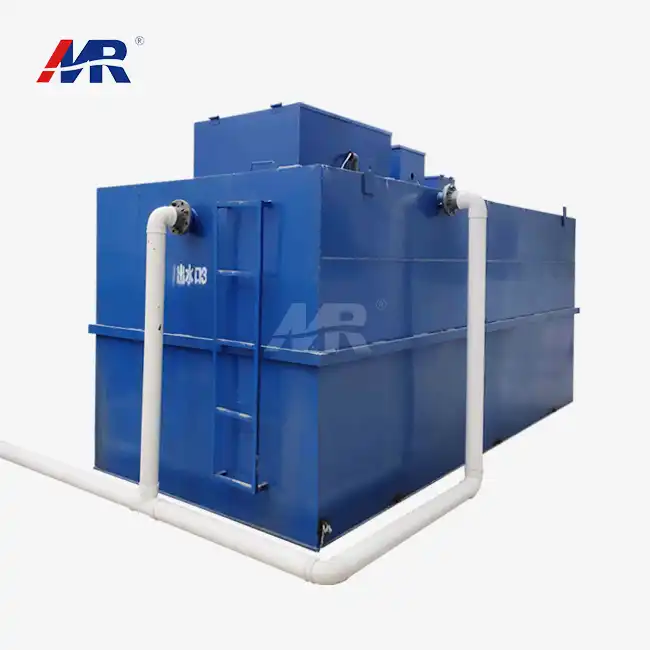
Meeting discharge limits isn't just about compliance—it's about protecting your operation from costly fines, production shutdowns, and reputational damage. Wastewater treatment plant units are the integrated components and systems that remove contaminants from effluent through sequential stages of preliminary, primary, secondary, and tertiary treatment. These units transform polluted water into discharge-ready or reusable water, helping facilities across manufacturing, food processing, pharmaceuticals, and municipal sectors achieve stringent regulatory standards while optimizing operational efficiency.
Understanding Wastewater Treatment Plant Units and Discharge Limits
The Core Components of Treatment Systems
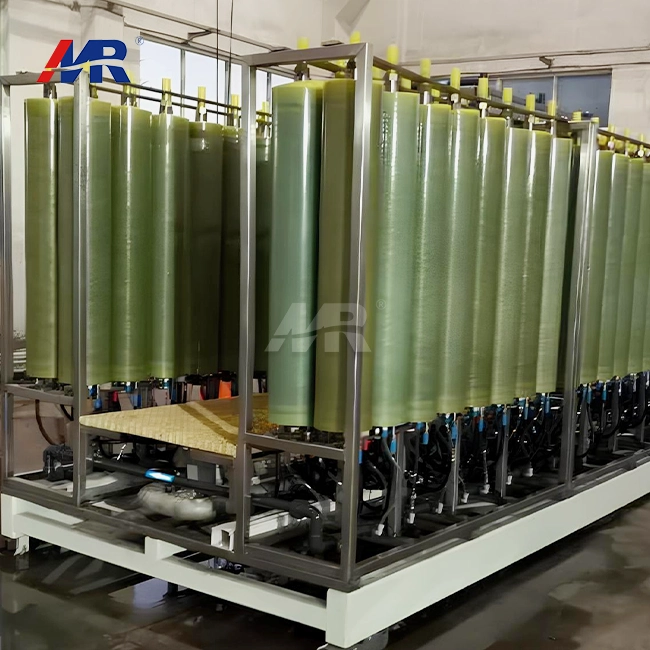
Multiple integrated units working together are important for modern treatment facilities. Screening and grit removal are done in the preliminary stage, which protects equipment further downstream from damage. After primary clearing, gravity divides the solids that are suspended. Microbial action breaks down organic waste in the biological treatment stage, which includes both aerobic and anoxic processes. Then, membrane filtration collects the small particles, and disinfection gets rid of any pathogens before the water is released.
From what we've seen, facilities often have trouble when these parts work separately instead of as a whole. Each stage needs to be the right size and well-kept to handle the traits of your influent.
Regulatory Standards Across the United States
Under the Clean Water Act, the EPA sets federal discharge limits. However, state and local governments often have tighter rules. Biochemical Oxygen Demand (BOD) should be less than 30 mg/L, Total Suspended Solids should be less than 30 mg/L, and there may be other standards for nitrogen, phosphorus, and heavy metals based on the body of water you are sending the water to.
Industrial sites have to follow extra preparation standards that are specific to their industry. Food processors have to deal with high levels of FOG (Fats, Oils, and Grease), and pharmaceutical manufacturers have to deal with strict limits on API (Active Pharmaceutical Ingredient) residues. Municipal systems that serve these businesses need to be able to handle a wide range of influent quality conditions.
Challenges in Achieving Compliance
Facilities can't always meet emission limits because of three main problems. When production spikes are too high for treatment to handle, conditions get messed up. This is called hydraulic and biological shock loads. Poor system design, especially biological units that are too small or not enough air flow, causes long-term performance problems. Equipment failures caused by putting off maintenance happen at crucial times, making treatment less effective.
Changes in seasonal temperatures also affect how well biological treatments work. For example, in northern sites, bacterial activity slows down a lot in the winter.
Key Principles to Effectively Meet Wastewater Discharge Limits
Diagnosing the Root Causes of Non-Compliance
When effluent doesn't meet standards, it's usually because of bad design, mistakes in operation, or not doing enough maintenance. We do systematic tests by looking at past tracking data, figuring out how hydraulic and organic loads behave, and checking the health of the equipment.
It is important to use the right unit scaling. With treatment capacities ranging from 1,000 to 100,000 m³/day, our systems can get rid of up to 99% of BOD, up to 95% of COD, and 90% of nitrogen. These requirements aren't made up on the spot; they're engineered responses to the characteristics of real-world influents and discharge needs.
Design Considerations for Industrial Applications
A thorough analysis of the garbage is the first step in designing a system that works well. We look at flow rates, the amount of organic matter, the quantities of nutrients, changes in pH, and harmful substances. This information decides the size of the reactor, how much air it needs, and the specs of the membrane.
The modular architecture we suggest lets you add on to the system without having to replace the whole thing. When a pharmaceutical client needed to double output, we added parallel treatment trains that worked with the existing infrastructure without any problems. This saved them the six-month downtime that would have been needed for a replacement.
Process Optimization Through Automation
Modern discharge limits require a high level of accuracy that can't be reached by hand. PLC-controlled systems constantly change the recirculation flows, chemical dosing, and aeration rates based on the quality of the influent in real time. SCADA connections let workers see how the system is working in a number of different areas at the same time.
These technologies lower the amount of energy needed to 0.3 to 0.5 kWh/m³, which is about 40% less than regular activated sludge systems. They also produce better effluent. Problems that are starting to show up are caught by automated tracking before they become compliance violations.
We worked with a beverage processing plant that went from having monthly discharge violations to having none over the course of two years after putting in place automated control systems and training programs for operators of their wastewater treatment plant units.
Comparison of Wastewater Treatment Technologies and Units for Industry Needs
Clarifying Treatment Plant Units vs. Sewage Systems
Using the wrong words for these ideas leads to mistakes in buying. Bioreactors, clarifiers, membrane modules, and disinfection skids are some of the process equipment that are called "treatment plant units." The collection networks, lift stations, and outfall structures that make up a sewage treatment system are all part of the facility's infrastructure.
Usually, factories need treatment units built into their production areas so that waste water can be cleaned up before it goes into the sewers. Standalone plants serve neighborhoods or industrial parks by doing the last steps of cleaning before releasing the waste into the environment.
Automated Systems vs. Manual Operations
Automation changes how reliable operations are. Manual systems depend on operators being careful and knowing what they're doing, which leaves them open to mistakes and hiring shortages. Automated platforms keep up their performance even during off-shifts, weekends, and holidays, when violations are more likely to happen in facilities that are run by hand.
Automation usually costs 15–25% more than manual methods, but it pays for itself in lower energy costs, fewer safety violations, and cheaper labor. Smaller facilities that treat less than 5,000 m³/day might be able to afford to do things by hand, but most industrial applications are better off with automation.
Membrane Bioreactors vs. Conventional Treatment
In MBR technology, biological treatment and membrane filtration are both done in the same unit. MBRs have a smaller footprint than traditional activated sludge systems that need separate clarifiers. They also produce better effluent quality, with TSS consistently below 5 mg/L and turbidity under 1 NTU.
The trade-off is higher prices for capital and replacing the membrane. We installed MBR technology in a food processing plant and got rid of 95% of the phosphorus without using any additional chemicals. This saved the company money on running costs that were more than enough to cover the cost of the membranes within four years. The small size was very important because their site area was limited.
Conventional systems can still be used in city settings where land is available, and discharge rules are not as strict. Advanced oxidation, MBR (Moving Bed Biofilm Reactor), and other processes work well in industrial settings that need solid performance in a small area.
Energy-Efficient Technologies for Cost Management
As energy costs rise, making things more efficient becomes a top concern. Fine bubble diffusion systems move oxygen more than 30% more efficiently than coarse bubble systems, which only move oxygen 15-20% more efficiently. Instead of working at a fixed capacity, variable frequency drive blowers change the amount of air they supply based on how much is needed.
As usual, these energy-efficient parts are built into our devices. The lower energy use (0.3 to 0.5 kWh/m³) means big savings over the 20-year life of the equipment—about $500,000 to $2 million for a 10,000 m³/day building.
Procurement Guide: Selecting and Acquiring Wastewater Treatment Plant Units
Defining Your Specific Requirements
Clear requirements are the first step to a successful purchase. Write down your flow limits, including the numbers and how often you will be tracking them. Learn as much as you can about your wastewater by taking samples at different times of the year and during different production shifts. Make a budget that includes initial costs, installation costs, and estimates for how much the business will make in 10 years.
Plan for future production growth. The 20–30% capacity limit we suggest keeps things from becoming obsolete too soon without requiring too much of an initial investment. Modular designs let you add on in stages as your needs change.
Evaluating Supplier Credibility and Support
Reputable makers of wastewater treatment plant units show that they have completed projects in your business before. Look at case studies, visit installations that are already up and running, and get in touch with past customers to ask about performance reliability and support after the sale.
The terms of the warranty show that the manufacturer trusts their Products. Standard coverage lasts for 12 to 18 months, but better systems come with 24- to 36-month guarantees. Make it clear what parts are covered and how long it will take for expert help to respond.
Guangdong Morui Environmental Technology Co., Ltd. works on all of its projects with 14 branches, 500 employees, and 20 dedicated engineers. Our factory for making membranes and processing facilities for tools allow for customization that off-the-shelf options can't match.
Customization and Professional Installation
Generic methods rarely work as well as they could. We make sure that the design of the reactors, the specs of the membranes, and the control algorithms are all perfect for your wastewater and the conditions of the site. You can choose the materials too, like Duplex Stainless Steel (SS316L) for places that are likely to rust or HDPE-lined carbon steel for uses that need to be cost-effective.
Professional construction is also very important. Hydraulic problems are caused by bad pipe layout, and automation problems are caused by bad electrical links. Our "turnkey" service includes planning, making, installing, and starting up systems so they are ready to use.
Navigating Pricing and Sourcing Decisions
How much equipment costs depends a lot on its capacity, how advanced its technology is, and the materials it is made of. Plan to spend $150 to $400 per m³/day on regular systems, $300 to $600 on MBR systems, and $500 to $1,000 on specific industrial uses that deal with harmful materials.
There are cost benefits to global sourcing, but you should look at the total landed costs, which include shipping, import duties, and commissioning costs. When service needs arise, local suppliers can respond more quickly, while international manufacturers may have better technology.
Maintenance Best Practices to Ensure Continuous Compliance
Routine Procedures for Different Unit Types
Schedules for preventative repair make sure that systems work well between big overhauls. To keep the flow going, screening equipment needs to be cleaned every day. Aeration diffusers need to be checked every three months, and any broken parts need to be replaced once a year. To keep flux rates steady, membrane systems need to be cleaned with chemicals on a regular basis, usually every two to four weeks.
These steps are very different between systems. MBBR systems need to add more media to make up for losses, while clarifiers need to check the sludge blanket and make adjustments to the drawoff. If you don't pay attention to these technology-specific needs, performance will slowly get worse.
We give you detailed maintenance manuals and steps that are specific to the equipment you have installed, so you don't have to guess what the operational needs are.
Automation and Remote Monitoring Benefits
Modern systems send performance data all the time to cloud platforms that can be accessed on a computer or a smartphone. When factors move closer to legal limits, operators are immediately notified so that they can fix the problem before it gets out of hand.
Traditional grab sample tracking finds problems hours or days after they happen, while this proactive method finds problems before they happen. Our expert team can also help with troubleshooting through remote tracking, so there is less downtime.
The data analytics that these platforms offer show small patterns that wouldn't be seen in handwritten records. This helps with ongoing improvement efforts that make things more efficient than they were when they were first designed.
Training and Skills Development Programs
Complex equipment doesn't mean anything if the people who use it aren't skilled. We give thorough training that covers how to use the system, do regular maintenance, fix problems, and what to do in an emergency. During commissioning, hands-on lessons turn theoretical information into real-world skills.
Every year, operators get new training to keep them up to date on how to improve processes and what new features have been added through system upgrades. This ongoing investment in education cuts down on practical mistakes that hurt compliance and increases the useful life of equipment by making sure it is properly maintained.
Conclusion
To follow the rules for release, wastewater treatment plant units must be properly built, operations must be improved, and maintenance must be done regularly. Today's technologies, such as advanced membrane systems and energy-efficient aeration, make it easy to follow the rules in a wide range of industrial and municipal settings. For success, you need to make sure that the treatment technology fits the specifics of your wastewater, that you follow strict operating procedures, and that you keep the equipment in good shape as instructed by the maker. This investment will save you money in more ways than one. It will help your business be more efficient, recover lost resources, and take better care of the environment, all of which are good for the community and your business.
FAQ
1. What discharge parameters do treatment systems need to meet?
Federal limits set by the EPA usually include BOD below 30 mg/L and TSS below 30 mg/L. However, state and local governments often have stricter rules. There are limits on nutrients (like nitrogen and phosphorus), heavy metals, and toxic organics that industrial facilities must follow. Your exact needs will depend on the type of water you're getting and the rules in your area about pretreatment.
2. How long does system installation and commissioning take?
From the arrival of the equipment to full operation, standard installations take 8 to 16 weeks, based on how complicated the system is and how much work needs to be done to prepare the site. When compared to field-erected systems, containerized modular units cut this time by 60–80%. During the commissioning phase, the system is turned on, its performance is checked, and operators are trained before we hand over operational responsibility.
3. What maintenance frequency do different technologies require?
Conventional activated sludge systems need to be checked for performance every day and need preventative repair every three months. MBR systems need the same care, plus the membrane needs to be cleaned every two to four weeks. Because biofilms are so strong, MBBR units need less frequent maintenance. Every system should have a full inspection once a year that checks the condition of the structure, the mechanical parts, and the accuracy of the instruments.
Partner with Morui for Reliable Wastewater Treatment Plant Units
Guangdong Morui Environmental Technology Co., Ltd. offers tried-and-true solutions for use in business, government, and other niche areas. As a company with a lot of experience making wastewater treatment plant units, we use cutting-edge membrane technology and biological processes that are custom-designed to meet your release needs. Our flexible systems can handle anywhere from 1,000 to 100,000 m³/day, and they can get rid of up to 99% of BOD while using as little as 0.3 kWh/m³ of energy. In addition to selling equipment, we also offer full installation, commissioning, and ongoing Technical support. We have 20 committed engineers on staff and can manufacture things, including having our own membrane production plant. You can email us at benson@guangdongmorui.com to talk about how our customized treatment solutions can help your facility meet all the rules while lowering costs.
References
1. U.S. Environmental Protection Agency (2021). "Wastewater Technology Fact Sheet: Membrane Bioreactors." Office of Water, EPA 832-F-21-006.
2. Water Environment Federation (2020). "Design of Municipal Wastewater Treatment Plants, Manual of Practice No. 8, Sixth Edition." McGraw-Hill Education.
3. Metcalf & Eddy, Inc. (2022). "Wastewater Engineering: Treatment and Resource Recovery, Fifth Edition." McGraw-Hill Education.
4. American Society of Civil Engineers (2019). "Standard Guidelines for the Design of Urban Stormwater Systems, ASCE/EWRI 45-05." ASCE Standards Committee.
5. National Association of Clean Water Agencies (2021). "Nutrient Removal Technologies: A Review of Biological, Chemical and Emerging Methods." Technical Report Series TR-2021-03.
6. International Water Association (2020). "Energy Efficiency in Wastewater Treatment: Optimization Practices and Emerging Technologies." IWA Publishing, London.
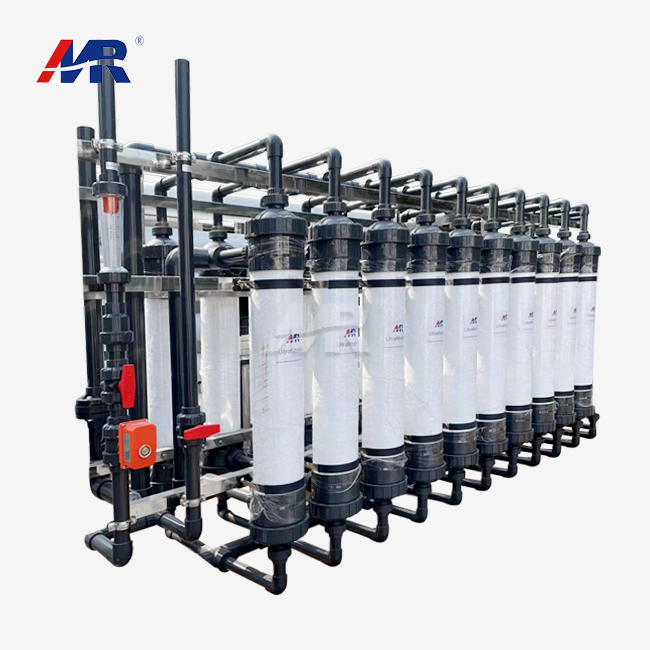 VIEW MOREultrafiltration drinking water system
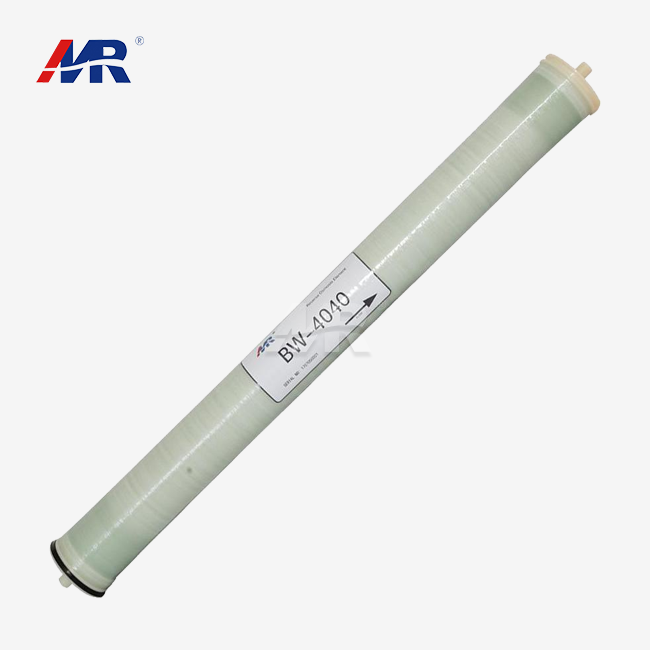 VIEW MORE4040 reverse osmosis membrane
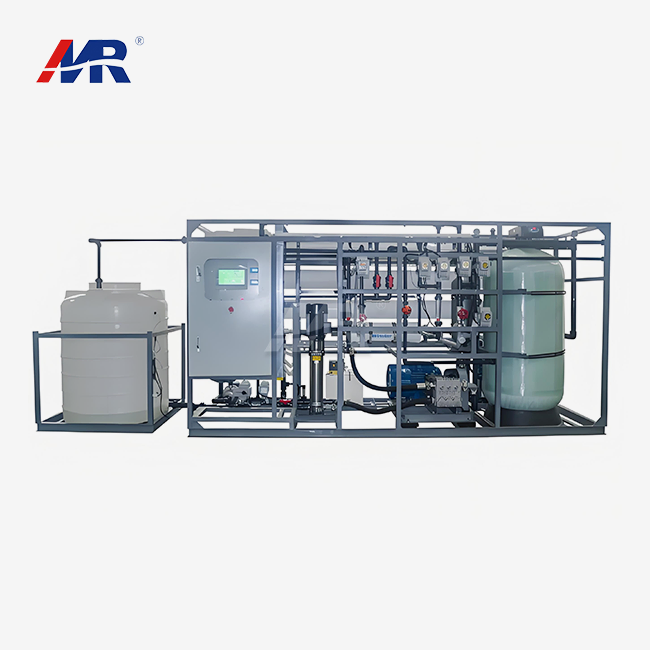 VIEW MOREseawater treatment system
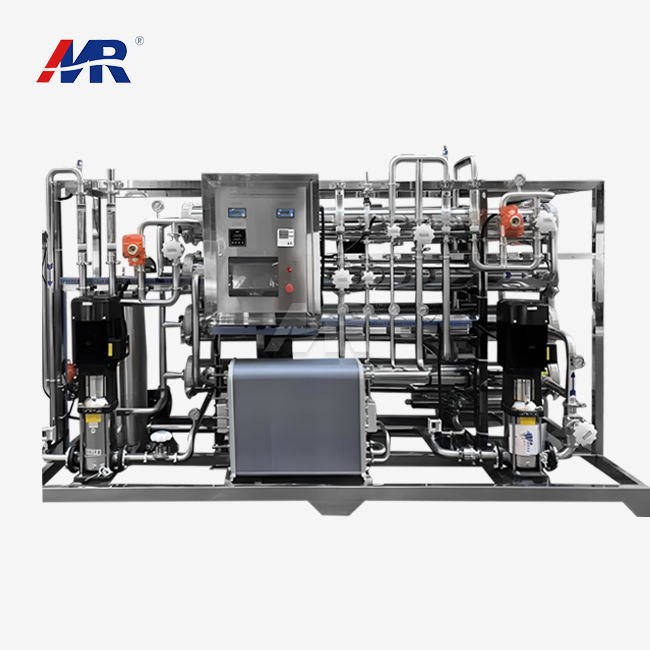 VIEW MOREelectro deionizer system
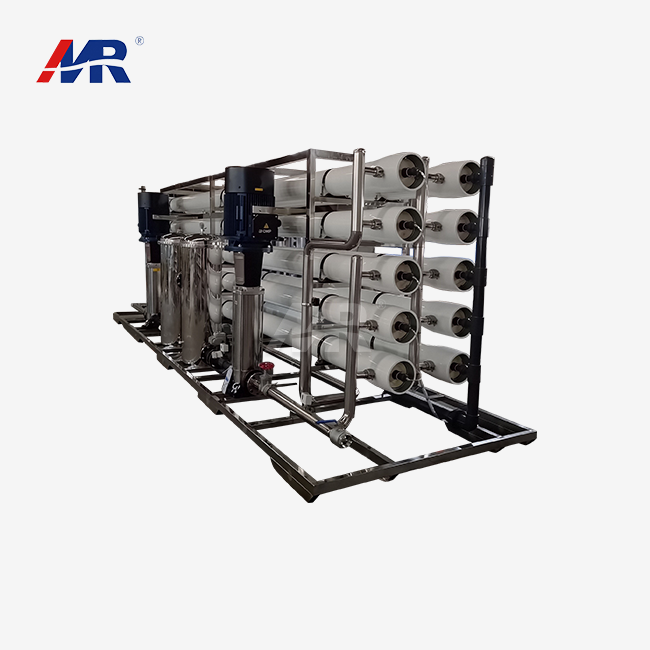 VIEW MORE2 stage reverse osmosis system
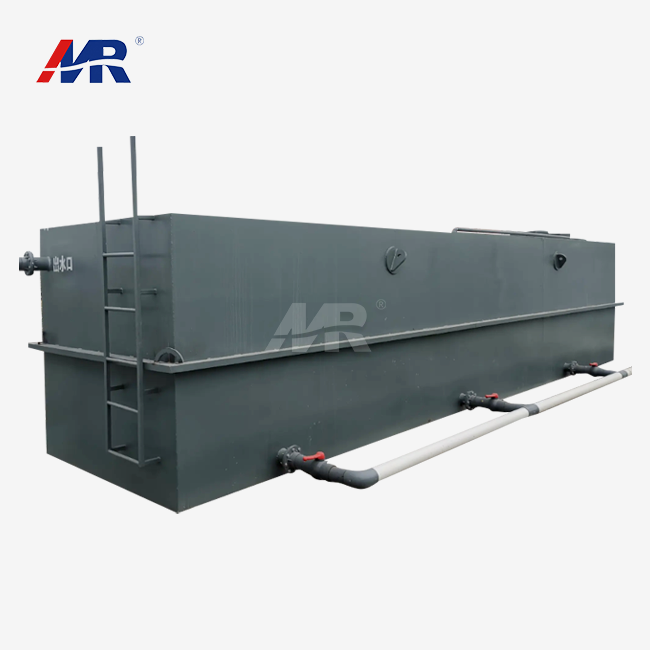 VIEW MOREdomestic wastewater treatment plant
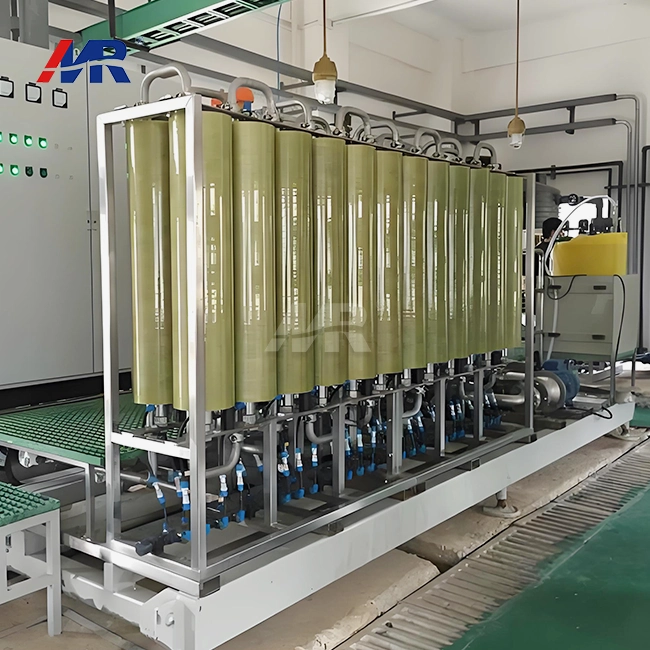 VIEW MOREDisc Tube Reverse Osmosis
 VIEW MOREDTRO for Wastewater Treatment
